Artificial insemination is an innovative breeding technique that has become increasingly popular among dog owners seeking to enhance their pets’ reproductive success. This method not only offers improved genetic diversity but also allows for breeding without the stress and risks associated with natural mating. As many pet owners aspire to produce healthy litters, understanding the benefits of artificial insemination can help them make informed decisions about their dogs’ breeding journeys. With a focus on effective outcomes and the well-being of both the dam and sire, this approach can address common concerns about fertility, health risks, and timing. Join us as we explore whether artificial insemination could be the right choice for your breeding goals, diving into its advantages, potential challenges, and what to expect throughout the process.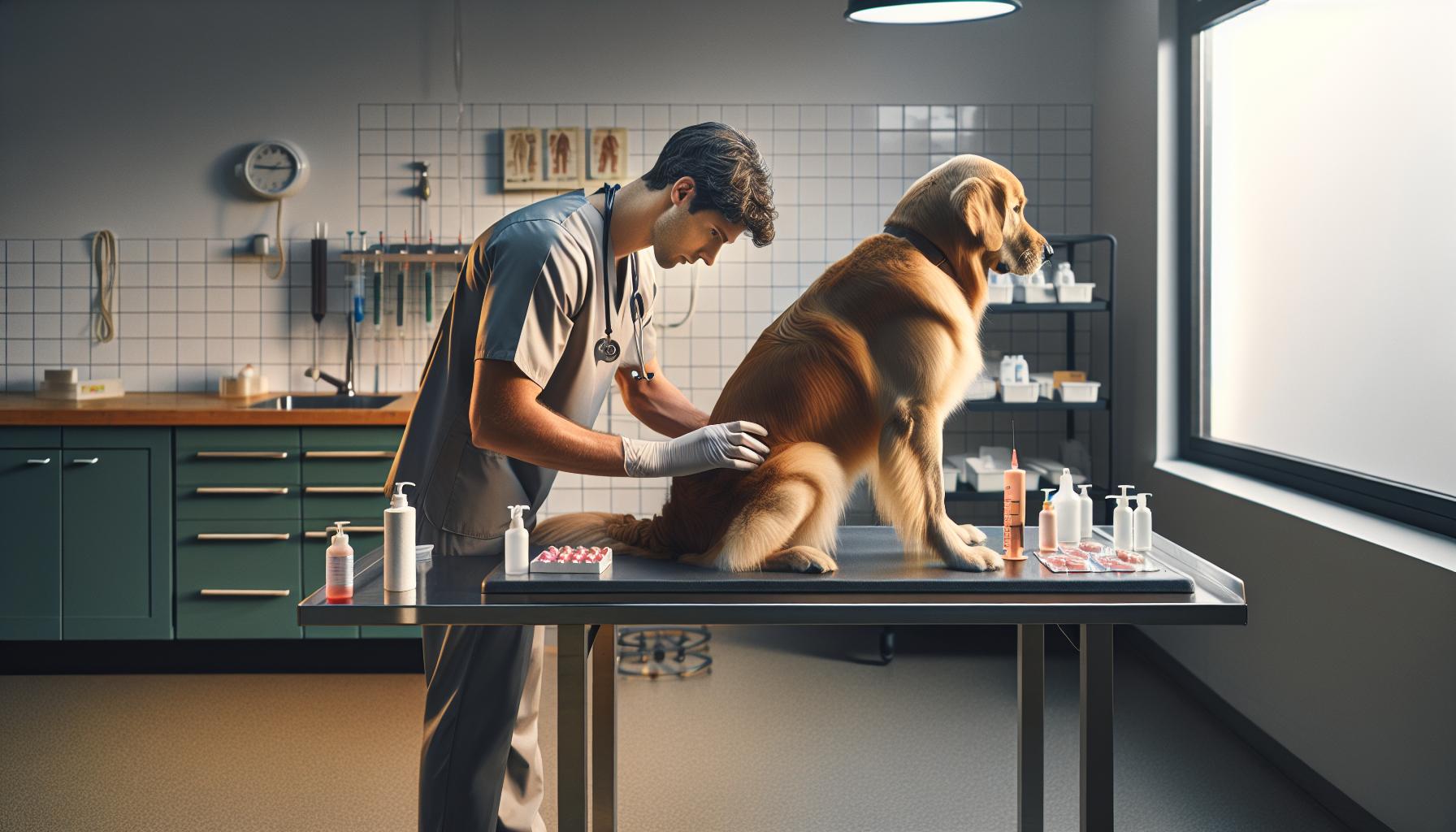
Benefits of Artificial Insemination for Dogs
Artificial insemination (AI) offers several significant benefits for dog breeding that can enhance the overall experience for breeders and improve the chances of successful mating outcomes. One of the most notable advantages is the ability to widen the gene pool. By using AI, breeders can access high-quality sperm from dogs located far away, allowing for breeding with exceptional specimens that might not be geographically feasible for natural mating. This access can lead to healthier puppies with improved genetic diversity, which can help reduce the risk of inherited health issues.
Additionally, artificial insemination is often less stressful for the female dog compared to natural methods. AI can be performed without the need for elaborate mating rituals or traveling, which might put stress on both the male and female. This is especially beneficial in situations where the female dog may not be receptive to mating or may exhibit aggressive behavior toward the male. Utilizing AI eliminates those complications, allowing for a more controlled and comfortable breeding environment.
Moreover, the timing of insemination can be precisely managed with AI. Breeders can schedule the procedure to coincide with the female’s optimal fertile period, which can increase the chances of conception. This predictability is crucial as it helps in planning litter arrivals more effectively, which is particularly important for those who may want to time the births for various reasons, such as show schedules or pet placement.
Lastly, artificial insemination also allows for a more constant monitoring of both the male and female’s health. Veterinarians can ensure that the dogs undergo evaluations before proceeding with AI, and this oversight can lead to healthier breeding practices overall. Overall, the advantages of AI in dog breeding not only enhance reproductive outcomes but also promote the long-term health and well-being of the breeds involved.
Cost Comparison: Artificial Insemination vs. Natural Breeding
The decision to use artificial insemination (AI) versus natural breeding in dogs is not merely a technical one; it also involves financial considerations that can significantly influence a breeder’s choice. While natural breeding might seem like the more straightforward option, the costs associated with both methods can vary widely based on a multitude of factors.
At first glance, natural breeding can appear less expensive. Generally, it primarily involves the cost of transporting the female dog to the male’s location and any necessary health evaluations. However, the potential for complications can add hidden costs. For example, if the female dog does not successfully mate, breeders may incur additional expenses for extended travels and repeated breeding attempts. Alternatively, using AI does carry upfront costs, including veterinary fees for semen collection, processing, and insemination. These costs typically range between $200 to $700 per breeding session, depending on the method of AI used (e.g., intrauterine insemination vs. trans-cervical insemination) and the veterinarian’s fees.
Despite the apparent higher initial investment of AI, many breeders find it cost-effective in the long term. The precise timing and controlled environment of AI can lead to higher success rates, potentially resulting in more puppies per breeding cycle. With AI, breeders can also access quality sperm from far-off locations, thereby broadening their gene pool without incurring the additional costs associated with travel for both dogs. Overall, the calculated costs might reflect a more favorable outcome when considering the potential for larger and healthier litters.
While financial factors are crucial, breeders should also take into account the long-term health benefits and ethical considerations of their breeding practices. Prioritizing the well-being of both the male and female, as well as their future puppies, can lead to sound breeding decisions that go beyond mere cost comparisons. Balancing these practical and ethical aspects ensures a responsible and thoughtful approach to dog breeding, regardless of the method chosen.
Understanding Success Rates of AI in Dog Breeding
When considering artificial insemination (AI) for dog breeding, understanding the success rates is crucial. Success with AI can vary widely based on a multitude of factors, including the methods used, the timing of the insemination, and the health of the dogs involved. Generally, AI has shown a higher success rate compared to natural breeding, particularly when proper techniques and timing are applied. For instance, intrauterine insemination (IUI) can boast success rates ranging from 60% to 80%, largely because this method deposits sperm closer to where fertilization occurs, maximizing the chances of pregnancy.
Factors influencing these success rates include the quality of the semen, the breed of the dog, and health conditions that may affect fertility. Healthy, well-timed inseminations can lead to favorable outcomes, while factors such as old age, hormonal imbalances, or underlying health issues can hinder success. Additionally, breeders are increasingly using frozen sperm, which can allow for breeding across longer distances but may have slightly different success odds compared to fresh sperm. Some studies suggest that the viability of frozen sperm diminishes over time, so using high-quality, well-stored samples can also influence results.
Furthermore, timing plays a pivotal role; inseminations that are accurately timed with the female’s ovulation cycle significantly improve the chances of conception. This precision is often facilitated by veterinary monitoring, including diagnostic tools to track hormone levels. Consider it akin to preparing for a big event-everything needs to align perfectly to achieve success. By ensuring that the insemination is conducted during the optimal fertility window, breeders can improve their chances for a successful litter.
In conclusion, while AI can offer a promising alternative to natural breeding with potentially higher success rates, it requires careful planning and consideration of various factors. Understanding these elements allows breeders to maximize their chances of success, contributing to healthy outcomes for both mother and puppies. By approaching the AI process with thorough preparation, empathy, and a keen focus on the dogs’ health and timing, breeders are more likely to find success in their breeding endeavors.
Types of Artificial Insemination Methods for Dogs
When it comes to artificial insemination (AI) in dogs, there are several distinct methods that can significantly impact the outcome of the breeding process. Each technique has its own set of advantages, and understanding these can help breeders make informed decisions tailored to their specific circumstances and goals.
Types of Artificial Insemination Methods
1. Vaginal Insemination:
This is the simplest and most commonly used method of AI in dogs. Sperm is deposited into the female dog’s vagina using a syringe or similar instrument. While this method is less invasive and easier to perform, it typically boasts lower success rates compared to other methods, particularly for breeds with narrower vaginal canals.
2. Transcervical Insemination (TCI):
With TCI, sperm is placed directly into the uterus through the cervix using a specialized catheter. This method requires more skill and typically involves sedation for the female dog. TCI has excellent success rates, often exceeding those of vaginal insemination, as it places sperm closer to the optimal fertilization site.
3. Intrauterine Insemination (IUI):
IUI is the most advanced technique and has one of the highest success rates in canine breeding. It involves depositing sperm directly into the uterus, bypassing the cervix. This method is particularly effective when using frozen sperm, which can lose viability over time. IUI can enhance the chances of successful fertilization, making it a preferred choice for many breeders aiming to maximize their outcomes.
4. At-Home Insemination:
For breeders looking for a more hands-on approach, at-home insemination may be a viable option. This typically involves the use of vaginal insemination techniques with supplies that can be acquired from veterinary sources or specialized retailers. While this can save costs, it requires careful timing and knowledge to enhance the chances of success, and breeders must be cautious about hygiene and the proper handling of sperm.
By choosing the right AI method, dog breeders can enhance the likelihood of successful conception, tailoring their approach according to the needs of their dogs and the specific goals of their breeding program. Selecting between these techniques should be based on factors such as the dog’s health, breed, and the quality of the available sperm, alongside discussions with a veterinary professional experienced in canine reproduction.
Factors Influencing AI Success in Canine Breeding
The success of artificial insemination (AI) in dogs is influenced by several key factors that breeders must consider to optimize their chances of achieving a healthy litter. Understanding these aspects is essential for making informed decisions throughout the breeding process.
One of the most significant factors is timing. Correctly predicting the female dog’s heat cycle is crucial; insemination should occur when the female is most fertile, typically during her estrus phase. Monitoring hormone levels through veterinary testing can provide precise timing, enhancing the likelihood of successful conception. In addition, having a good understanding of the sperm quality is vital. Freshly collected sperm has higher motility and viability compared to frozen options, though frozen sperm can still be effective if used properly. The health of both the male and female, including their breeding histories and any underlying medical conditions, also plays a critical role in the success of AI.
Another influencing factor is the method of artificial insemination chosen. Techniques such as transcervical or intrauterine insemination generally have higher success rates than vaginal insemination due to the placement of sperm closer to the eggs. Proper technique and the veterinary skills involved can greatly enhance outcomes. Moreover, the breeding environment should not be overlooked; ensuring the female dog is comfortable and less stressed can positively impact the success of AI.
To provide a clearer picture, here’s a table outlining the impact of these factors:
| Factor | Impact on Success Rate |
|---|---|
| Timing | Critical for insemination during peak fertility period |
| Sperm Quality | Fresh sperm generally performs better than frozen |
| Health of Dogs | Good health correlates with higher success rates |
| Insemination Method | Advanced methods yield better outcomes |
| Breeding Environment | Reduced stress can enhance fertility |
Breeding successfully through artificial insemination is both an art and a science, requiring careful attention to these influencing factors. By being proactive in planning and execution, breeders can improve their chances of bringing healthy puppies into the world, fostering both hope and joy in this rewarding journey.
Timing: When to Use Artificial Insemination for Dogs
Determining the optimal timing for artificial insemination (AI) in dogs is vital for maximizing the chances of a successful breeding outcome. The female dog’s heat cycle, or estrus cycle, dictates when she is most receptive to mating. Typically, this cycle has several stages, but AI should focus on the peak fertility window, which usually occurs within 48 hours before and after ovulation. By meticulously tracking these cycles, breeders can position their efforts for the best results.
One effective method for timing AI is through hormone testing. A veterinarian can perform blood tests to measure hormone levels, particularly estrogen and progesterone, providing insight into when ovulation is approaching. For instance, a sharp increase in estrogen levels often indicates that ovulation will soon follow. With this information, breeders can schedule insemination most effectively, thus enhancing the likelihood of conception. Additionally, observing behavioral signs in the female dog, such as increased restlessness, lifting her tail, or a shift in appetite, can also serve as indicators that she is ready for insemination.
It’s important to note that the choice of insemination technique can influence timing as well. Various methods, such as transcervical or intrauterine insemination, may require specific scheduling relative to ovulation. In contrast to vaginal insemination, these techniques often allow for placement closer to the eggs, thereby improving success rates. Therefore, coordinating the timing of AI with the selected method and the female’s physiological state is essential.
By understanding the importance of timing and utilizing both veterinary guidance and close observation, dog breeders can significantly enhance their chances of achieving a healthy litter through artificial insemination. This careful planning not only reflects a commitment to breeding excellence but also supports the emotional journey for those involved, turning the hope of reproduction into a joyful reality.
Health Considerations for Dogs Undergoing AI
When considering artificial insemination (AI) for dogs, it’s essential to address various health considerations to ensure the well-being of both the female and potential puppies. Engaging with your veterinarian throughout this process is critical, as they can provide tailored advice based on your dog’s health history and specific needs.
For the female dog undergoing AI, her overall health status is paramount. It’s advisable to conduct thorough health screenings prior to the procedure. Breeders should ensure that the dog is up-to-date on vaccinations, free from infections, and in optimal physical condition. Weight management can also affect fertility; both obesity and being underweight can hinder reproductive success. A healthy diet rich in essential nutrients will support the dog’s reproductive system and increase her chances of a successful pregnancy.
Another significant aspect is the timing of insemination concerning the female’s estrus cycle. A veterinarian can perform hormone testing to ascertain the precise ovulation timing, ensuring that the AI is performed when the chances of conception are highest. Hormonal fluctuations during the estrus phase can also signal the “right” moments to inseminate, making awareness of these cycles vital.
Post-AI care is equally important. Monitoring the female dog for signs of pregnancy, such as behavioral changes or physical symptoms, should begin shortly after insemination. Regular veterinary check-ups will help in assessing her health and ensuring any issues are addressed promptly. Some owners might find it beneficial to discuss potential complications with their veterinarian, preparing them for scenarios like pyometra, which can arise from hormonal imbalances associated with breeding.
Ultimately, thoughtful planning and close communication with veterinary professionals not only foster the health of the dog but also enhance the overall experience of the breeding process. This support journey strengthens the bond between the dog and her owner, combining hope and practical care in the quest to welcome a litter into the world.
Breeding Ethics: AI and Canine Reproduction
Understanding the ethical dimensions of artificial insemination (AI) in canine reproduction is crucial for responsible breeders. As the demand for particular breeds grows, many turn to AI as a method to ensure genetic diversity and reduce potential health risks associated with inbreeding. However, with great power comes great responsibility; the implications of AI must be thoughtfully considered, balancing the welfare of the animals involved with the desires of breeders and potential puppy owners.
A primary ethical consideration is the health and well-being of both the female dog and the resulting puppies. Responsible breeders should prioritize their dog’s health by ensuring she is not only suitable for breeding but also free from genetic diseases that could be passed to offspring. This includes conducting health screenings and obtaining the history of the semen donor to avoid introducing harmful genetic traits. Moreover, the emotional and physical stress of the AI procedure should not be underestimated. Breeders must ensure that the process is conducted in a humane, minimally invasive manner, ideally under the supervision of a qualified veterinarian.
Another aspect to consider is the responsible management of reproduction cycles. Timing is critical; breeding a dog outside her optimal fertile windows can lead to physical strain and failed pregnancies, which can be distressing for both the animal and the owner. Additionally, ethical breeders must confront the realities of overpopulation. While AI allows for more controlled breeding, it also risks contributing to the already pressing issue of unwanted animals. Therefore, breeders should be judicious; every mating should be intentional, with a commitment to place puppies into loving, capable homes.
Lastly, the emotional dimension of breeding cannot be overlooked. Many breeders enter this world with hopes of producing healthy puppies and continuing a lineage but must also be prepared for the inevitable challenges, such as lower-than-expected success rates or health complications in the mother or puppies. The journey of creating life is often fraught with uncertainty, and understanding this emotional weight can help foster a more compassionate approach to breeding. Ultimately, ethical AI practices involve a holistic consideration of health, responsibility, and emotional well-being in the quest for creating healthy, happy canine companions.
Owner Responsibilities During the AI Process
Navigating the journey of artificial insemination (AI) for dogs requires a dedicated and informed approach from owners. As partners in this significant process, owners must take on various responsibilities to ensure both the health of the female dog and the success of the breeding attempt. Understanding these obligations can alleviate some anxiety and make the experience more rewarding.
One of the foremost responsibilities is ensuring that the female dog undergoes a thorough pre-breeding veterinary evaluation. This includes health screenings to check for any hereditary conditions or illnesses that could affect the breeding outcome. Owners should secure the history of the semen donor, ensuring it comes from a reputable source with verified health checks. Choosing a donor with complementary genetics can enhance the chances of producing healthy puppies and should form part of the decision-making process.
Timing plays a critical role in the AI process. Owners need to monitor the female dog’s heat cycle closely. Utilizing veterinary assistance for ovulation timing can greatly increase the likelihood of successful insemination. It’s essential to collaborate with veterinarians who specialize in canine reproduction, as they can provide expertise on the best times for AI and the appropriate methods to use, whether fresh, chilled, or frozen semen is being used.
Beyond the procedural aspects, emotional support should not be overlooked. Engaging in open discussions with the veterinarian about expectations, possible outcomes, and timelines can help manage the emotional ups and downs associated with dog breeding. Understanding that the journey may include obstacles can lead to a more balanced outlook. Keeping detailed records of the entire process, from health evaluations to insemination attempts, will not only help in future breeding endeavors but can also aid in reflecting on what has been learned through each experience.
The owner’s commitment doesn’t end with the AI procedure. After insemination, ensuring the female dog receives proper care, nutrition, and a stress-free environment while she is pregnant is vital. Activities like regular monitoring during the pregnancy can help catch any potential issues early. This proactive involvement reinforces the bond between the owner and the dog, paving the way for a healthier pregnancy and a happier arrival of the puppies. By embracing these responsibilities, owners not only support their dogs during this critical phase but also contribute to the well-being of the puppies they hope to bring into the world.
Navigating Common Challenges in Dog Artificial Insemination
Navigating artificial insemination (AI) for dogs often presents a range of challenges that can be daunting for breeders. Understanding these obstacles is crucial for those considering this method. One of the primary challenges is ensuring proper timing for insemination. A successful AI procedure heavily relies on accurately determining when the female dog is in peak fertility, typically during her heat cycle. Misjudging this timing can lead to unsuccessful breeding attempts, emphasizing the importance of working closely with a veterinarian who specializes in canine reproduction.
Other challenges involve the condition and quality of the semen being used. Whether the semen is fresh, chilled, or frozen, each has its own handling and preparation requirements. Poor quality or improperly stored semen can significantly diminish the chances of conception. Breeders should be prepared to work with reputable semen banks and confirm the health status of the semen donor to minimize potential issues. It’s also essential to adapt to any specific needs that may arise in individual dogs, as some may have unique health concerns that could affect the process.
Cost is another factor to consider when navigating the AI process. The expenses can quickly accumulate, from veterinary consultations and diagnostic tests to the actual insemination procedure and any necessary follow-up care. Budgets should account for these costs, and potential breeders may find it beneficial to explore financing options or grants that support responsible breeding practices.
Emotional ups and downs further complicate the journey of dog breeding through AI. The hope for new puppies can be met with feelings of anxiety over potential failures. Maintaining open lines of communication with veterinarians and being part of a supportive community can help breeders process these emotions, celebrate small milestones, and navigate the unpredictability of canine reproduction. Each setback should be seen as a learning opportunity, while each attempt brings the hope of success closer to reality.
Real Owner Experiences: Success Stories with AI
Many dog breeders have turned to artificial insemination (AI) as a solution to challenges faced in natural breeding, experiencing profound successes that have transformed their breeding practices. One successful breeder shared their journey of using AI with their champion female dog, who had previously struggled to conceive naturally. After consulting with a veterinarian specializing in canine reproduction, they chose to use frozen semen from a well-regarded male. The careful timing of the insemination procedure aligned perfectly with the female’s heat cycle, resulting in a successful pregnancy and a healthy litter. This not only fulfilled their goal of producing quality puppies but also provided an invaluable genetic contribution to the breed.
Another heartwarming success story comes from a first-time breeder who felt overwhelmed by the prospect of natural breeding. After thorough research and discussions with experienced breeders, they decided to pursue AI. They found the process less stressful and more controlled, allowing for key decisions about semen quality and timing without the unpredictability of a natural mating. The outcome was a delightful surprise-a vibrant litter of puppies that exceeded their hopes. This experience not only cemented their confidence in breeding but also fostered lasting relationships within the breeder community, proving that support systems play a crucial role in the journey of responsible dog breeding.
For some, the emotional rewards of using AI extend beyond the puppies themselves. A breeder shared how the experience connected them more deeply with their veterinarian and other breeders, creating a supportive network that helped them navigate the complexities of canine reproduction. While they faced setbacks along the way-such as dealing with the logistics of shipping chilled semen-each challenge served as a learning opportunity, strengthening their commitment to ethical breeding practices.
These real-world experiences highlight that while artificial insemination may have its challenges, it can also bring about remarkable success. By focusing on factors such as timing, semen quality, and veterinary expertise, many breeders have found AI to be a beneficial alternative that may ultimately lead to healthier, more genetically diverse litters, enriching the canine community as a whole.
Future Trends in Canine Reproductive Technology
As the world of canine reproduction evolves, exciting advancements in artificial insemination (AI) technology are emerging. Enhancements in the techniques and tools used for AI in dogs are making the process more efficient, effective, and safer for both canines and breeders. With continual improvements in veterinary reproductive technologies, the future promises to reshape the landscape of dog breeding, enabling more breeders to achieve their goals with greater ease.
One significant trend is the refinement of semen preservation methods. Recent developments in cryopreservation techniques are allowing breeders to store quality semen for extended periods without compromising fertility potential. This opens new avenues for breeders, as they can access genetic material from champion dogs that may be geographically distant or even deceased. The ability to make informed choices based on genetic diversity becomes easier, enhancing breed integrity while minimizing inbreeding risks.
Additionally, the integration of reproductive genetics into canine breeding practices is gaining traction. Innovations in genetic testing are enabling breeders to better understand the heritable traits of their animals. By combining AI with genetic screening, breeders can make more informed decisions, selecting not only for desirable physical traits but also considering the health profiles of potential breeding pairs. This proactive approach helps mitigate the risk of hereditary diseases and aligns with the growing emphasis on responsible breeding practices.
The rise of telemedicine in veterinary care also plays a crucial role in the future of AI. Breeders can now consult with specialists around the world, streamlining the process of planning and executing artificial insemination. By capturing data electronically and using advanced imaging technologies, veterinarians can provide real-time guidance and support, enhancing the chances of successful insemination. This accessibility fosters a collaborative environment, connecting breeders with experts who can share knowledge and resources.
As we look ahead, the combination of these advancements in technology and methodology will not only enhance the effectiveness of AI but also support ethical breeding practices. This empowers breeders to focus on improving canine health and welfare, reflecting a growing commitment to responsible breeding in the canine community. In embracing these innovations, breeders can feel hopeful about the possibilities that lie ahead, fostering healthier, more diverse dog populations for generations to come.
Frequently Asked Questions
Q: What are the advantages of using artificial insemination in dog breeding?
A: Artificial insemination (AI) offers numerous advantages in dog breeding, including improved genetic diversity, the ability to use frozen sperm, and enhanced control over breeding timing. AI can also reduce the risk of injury during mating, especially in aggressive or larger breeds.
Q: How does artificial insemination affect the breeding timeline for dogs?
A: AI can significantly streamline the breeding timeline. By precisely timing insemination based on the female’s ovulation, breeders can increase the chances of successful conception and ensure that the breeding occurs at the optimal moment within the female’s fertility cycle.
Q: Are there risks associated with artificial insemination for dogs?
A: While AI is generally safe, there are some risks, such as infection, improper technique, and potential stress on the dog. Consulting a veterinarian is crucial to minimize these risks and ensure a smooth procedure.
Q: What type of artificial insemination is best for my dog?
A: The best AI method depends on factors like your dog’s health, breed, and reproductive goals. Common techniques include trans-cervical insemination, surgical insemination, and vaginal insemination. Discussing options with a veterinary reproductive specialist will help determine the most suitable method.
Q: How can I prepare my dog for artificial insemination?
A: Preparation for AI involves scheduling a vet check-up to assess your dog’s health, monitoring her heat cycle, and ensuring she is in optimal physical condition. Proper preparation can enhance the chances of a successful breeding outcome.
Q: What is the success rate of artificial insemination in dogs?
A: The success rate for artificial insemination varies but typically ranges from 60% to 80%, depending on factors such as the method used, the timing of the insemination, and the health of both the male and female dogs involved. For more specific success metrics, consulting your vet can provide guidance tailored to your situation.
Q: How does artificial insemination compare to natural breeding in terms of cost?
A: AI can be more costly than natural breeding due to veterinary fees, semen collection, and processing costs. However, it can save money in the long run by preventing potential mating-related injuries and health issues. A detailed cost comparison can be found in our article section on cost comparisons.
Q: Can artificial insemination help with fertility issues in dogs?
A: Yes, artificial insemination can assist dogs facing fertility challenges by allowing breeders to select high-quality sperm, including from distant or deceased sires. It can also ensure that insemination occurs at the precise time for optimal fertility, thereby increasing the chances of conception.
Closing Remarks
Thank you for exploring whether artificial insemination is a better option for dog breeding. As you consider the benefits, remember that this method not only increases the chances of successful mating but also provides opportunities to make informed breeding choices. If you have questions or concerns about costs and success rates, don’t hesitate to check out our detailed guides on related topics such as canine fertility options and care during pregnancy.
Before you go, consider signing up for our newsletter to receive the latest updates and expert advice directly to your inbox. Engaging with our community through comments and shares can also provide additional support and insights. Let’s continue this journey together-each step towards understanding is a step towards helping your furry friends thrive. For more resources, visit our blog on responsible breeding practices and tips for nurturing healthy litters. Your dog’s breeding experience can be a rewarding journey with the right knowledge and support!