
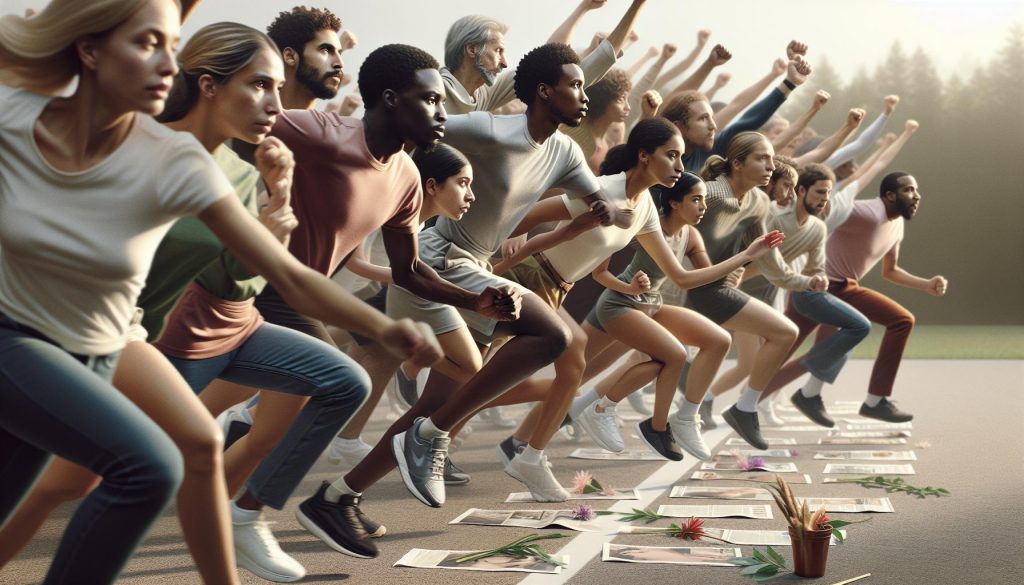
Where Does Competition for Reproduction Most Likely Occur?
Discover where competition for reproduction is most intense! Uncover key insights on fertility struggles and find your path to hopeful solutions.
Sexual Reproduction Biology is a specialized cellular reproductive biology and genetics that details the cellular and genetic mechanisms of gametogenesis, chromosomal crossing-over, syngamy, and early blastocyst development to provide fundamental scientific clarity regarding biological inheritance and assisted conception mechanics.
Evidence-based clinical analysis and patient guidance regarding where does competition for reproduction most likely occur?.
Evidence-based clinical analysis and patient guidance regarding can you identify the reproductive barrier in each example?.
Evidence-based clinical analysis and patient guidance regarding what is reproductive advantage: evolution explained simply.
Sexual reproduction represents the primary biological mechanism of genetic diversity and species continuation in humans. The continuum begins with **gametogenesis**—spermatogenesis in males and oogenesis in females—governed by the specialized cell division process of **meiosis**. During meiotic recombination and reduction division, diploid germ cells ($2n=46$) divide into haploid gametes ($n=23$), introducing genetic variation through independent assortment and homologous crossing-over.
Upon sperm-oocyte fusion, the cortical reaction triggers a rapid block to polyspermy, followed by syngamy—the fusion of maternal and paternal pronuclei to form a genetically unique single-cell diploid zygote. Over the ensuing 120 hours, the zygote undergoes rapid mitotic cleavage divisions, compaction into a morula, cavitation, and lineage differentiation into an expanded blastocyst composed of an inner cell mass (embryoblast) and outer trophectoderm.
Meiosis cuts the chromosome number in half (from 46 to 23), ensuring that when sperm and egg fuse during fertilization, the resulting embryo has the correct diploid chromosome number (46), while generating evolutionary genetic diversity.
Upon sperm fusion, the oocyte releases cortical granules into the perivitelline space, enzymatically altering the zona pellucida (the zona reaction) to permanently block additional sperm entry.
Modern IVF protocols transfer embryos at the Day 5 or Day 6 blastocyst stage, when cellular differentiation between the inner cell mass (which forms the baby) and trophectoderm (which forms the placenta) is clearly established.
Discover where competition for reproduction is most intense! Uncover key insights on fertility struggles and find your path to hopeful solutions.
Unlock the secrets of reproductive barriers! Discover how to identify them in real-world examples and enhance your understanding of fertility challenges today.
Unlock the secrets of evolution with “What Is Reproductive Advantage: Evolution Explained Simply.” Discover how traits help species thrive-click to learn more!
Unlock the secrets of avian breeding with “How to Birds Reproduction”! Discover essential techniques for successful bird reproduction and ensure happy, healthy chicks.
Discover what a reproductive table shows about demographics! Learn how it impacts your fertility journey and find the support you need. Click to explore!
Discover which statement accurately describes reproduction in animals! Learn the essential facts that unravel animal breeding methods and enhance your knowledge today!
Does masturbation cause infertility? Discover the truth behind this common myth. Learn essential facts and find support for your reproductive journey today!
Discover the cell division process that creates reproductive sex cells and unlocks the mystery of fertility. Learn how it impacts your family-building journey today!
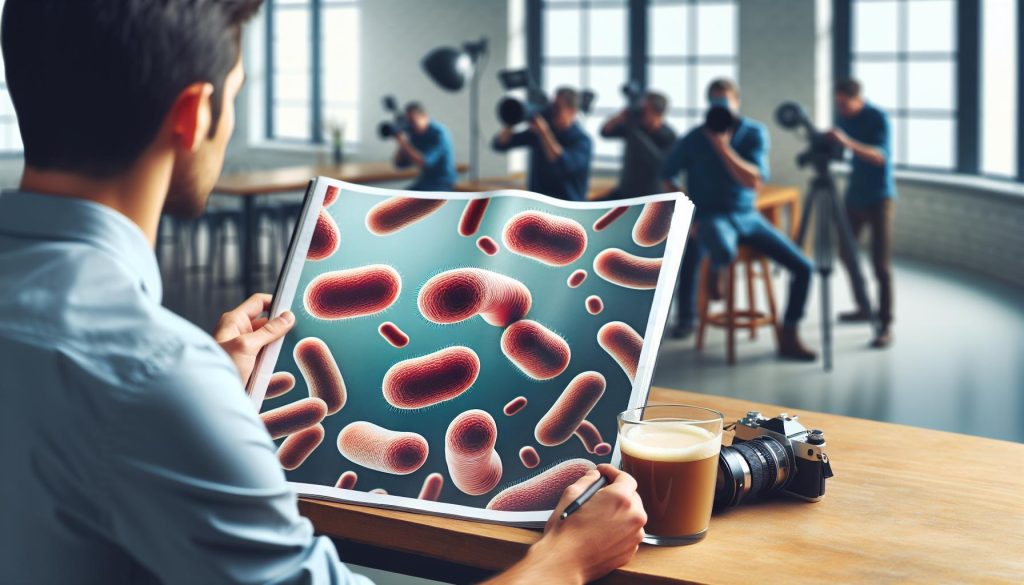
Uncover the type of bacterial reproduction depicted in the diagram! Discover key insights and gain clarity on microbial life. Click to learn more now!
Curious about French Bulldog breeding? Discover if all are artificially inseminated and uncover the truth behind their reproduction methods and challenges!