Have you ever wondered why some individuals and species seem to thrive while others struggle? This captivating question lies at the heart of understanding reproductive advantage, a key concept in evolution. Reproductive advantage refers to the traits that improve an individual’s ability to reproduce successfully, ultimately shaping the evolution of species. This topic is not just about biology; it resonates with each of us as we navigate our own fertility journeys, filled with hopes and uncertainties. As we explore this fascinating subject, you’ll uncover how reproductive advantage influences not only genetic inheritance but also the emotional landscapes of family-building choices, including IVF, adoption, and more. Join us on this journey to discover the intricate dance of evolution, where every detail counts, and learn how it connects to the personal stories of resilience and determination in the face of reproductive challenges.
Understanding the Concept of Reproductive Advantage
The process of evolution is not just about survival; it’s also significantly influenced by how well individuals can reproduce. Reproductive advantage refers to situations where certain traits increase an organism’s ability to successfully mate, leading to a greater number of offspring. This concept is crucial in understanding how species adapt over time in response to environmental pressures. For instance, if a particular trait allows an animal to attract more mates or produce offspring that are healthier and more viable, those traits are likely to be passed on to future generations.
One way to understand reproductive advantage is through real-world examples of mating displays or physical attributes. Bright feather colors in male birds often attract females, enhancing their chances of reproduction. However, while such traits may confer a reproductive advantage, they can also come with risks, such as increased visibility to predators. This interplay between attractiveness and survival is a fascinating aspect of natural selection, highlighting how traits can simultaneously provide benefits and challenges in the struggle for existence.
In essence, reproductive advantage is about maximizing the potential for successful gene transmission. It underscores the importance of diversity within a population, where varied traits can increase the chances of survival and reproduction in changing environments. Recognizing that reproduction is influenced by both genetic and environmental factors allows us to appreciate the complexities of evolution and the myriad strategies that organisms employ to thrive.
The Role of Natural Selection in Evolution
In the complex dance of evolution, natural selection serves as the guiding force that shapes the traits within a species. At its core, natural selection favors individuals whose adaptations enhance their chances of survival and reproduction in their environment. This process is intricately linked to the concept of reproductive advantage, which highlights how certain traits not only improve the likelihood of surviving but also increase the potential for mating and producing viable offspring.
Consider the example of the bright plumage of certain bird species. While these vivid colors may attract mates, they also make the birds more conspicuous to predators. This fascinating interplay demonstrates that traits conferring reproductive advantages can also come with trade-offs, revealing the nuanced nature of natural selection. Essentially, those individuals who can efficiently navigate these trade-offs are more likely to pass on their genetic material to the next generation, shaping the evolution of the species.
Natural selection operates through various mechanisms, such as genetic variation and environmental pressures. Organisms that possess traits better suited for their surroundings tend to thrive, while those lacking such traits may struggle. Over generations, this leads to the gradual accumulation of favorable traits within a population, fostering adaptation. Furthermore, the genetic diversity engendered through sexual reproduction adds layers of resilience, allowing species to adapt to changing environments over time. As these advantageous traits become more prevalent, they illustrate how reproductive success and survival are tightly interwoven in the process of evolution.
Recognizing the significant role of natural selection encourages a deeper understanding of how diverse reproductive strategies develop in response to an ever-changing world, ultimately shaping the trajectory of life on Earth.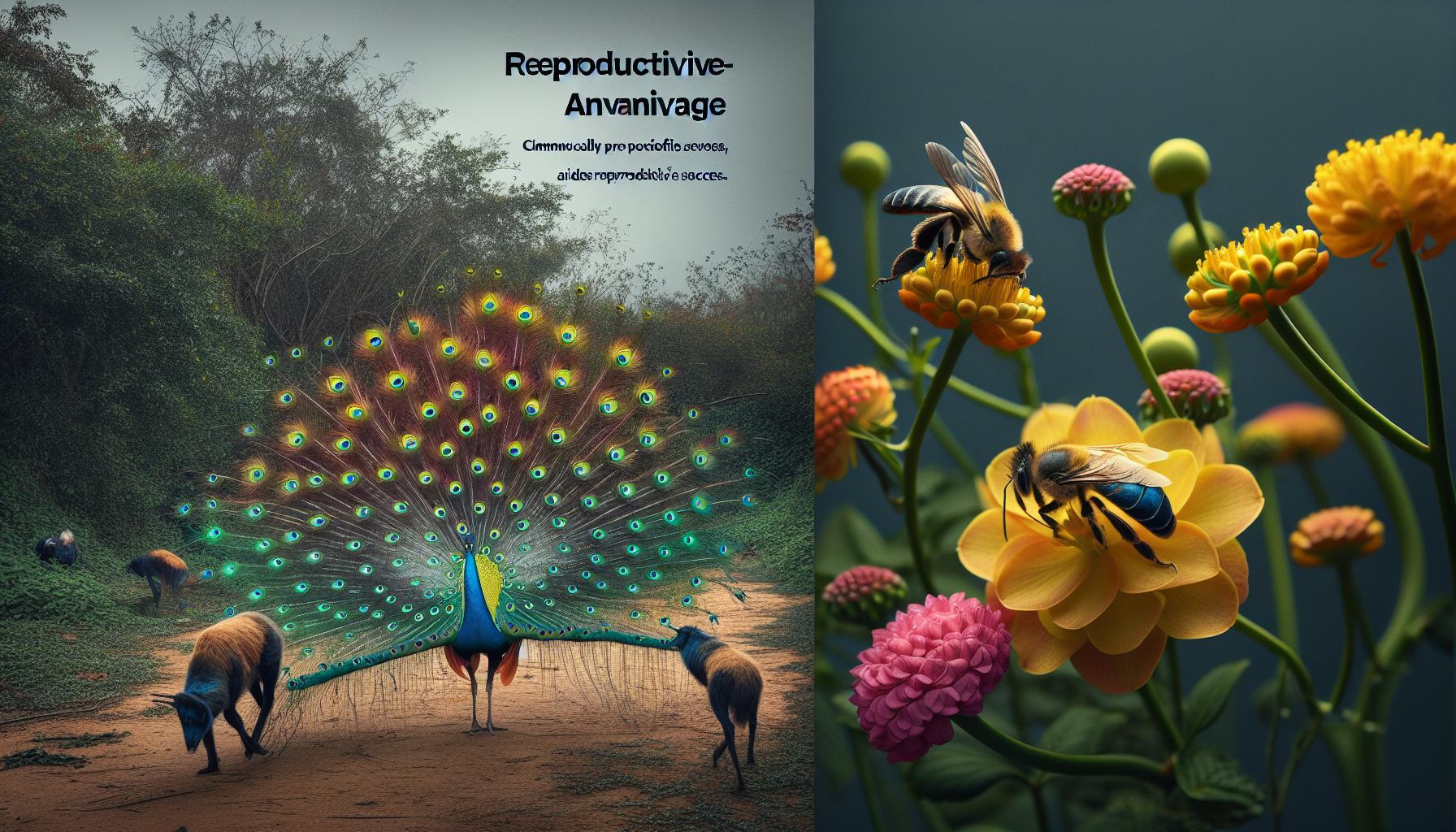
Examples of Reproductive Advantage in Nature
In the intricate web of life, various species display remarkable adaptations that illustrate the concept of reproductive advantage. These adaptations not only enhance their chances of survival but also increase their potential to reproduce successfully. For instance, the elaborate courtship displays of male peacocks serve as a prime example of reproductive advantage in action. The males showcase their stunning, iridescent feathers to attract female peahens. This trait may also attract predators, leading to a potential trade-off between mate attraction and survival. However, the ability to attract a mate through such extravagant displays ultimately enhances reproductive success, as peahens tend to prefer males with larger, more vibrant tails, indicating genetic fitness.
Another striking instance can be found in the mating behaviors of certain species of frogs, such as the túngara frog. Males produce complex calls that not only signal their readiness to mate but also serve as a lure for females. Interestingly, these calls can attract both potential mates and predators, such as bats. The trade-off is clear: while louder calls may increase mating success, they also heighten the risk of predation. Males that can navigate this balance by varying their calls depending on environmental cues may enjoy greater reproductive success, demonstrating how reproductive advantage is often intertwined with survival strategies.
Additionally, many insects exhibit fascinating examples of reproductive advantage through their mating systems. For example, female fireflies display bioluminescent signals to attract males, a method that not only heightens their chances for mating but also minimizes competition by clear signal communication. In environments where visibility is key, those females who can effectively utilize light may find more suitable mates, thus enhancing their reproductive outcomes. These behaviors underscore the nuanced ways in which organisms evolve traits that optimize their reproductive success while contending with the pressures of their habitats.
Through these examples, we can see how diverse traits and behaviors contribute to reproductive advantage across the animal kingdom. Each species has adapted its reproductive strategies in response to environmental challenges, demonstrating the vital link between survival, mating success, and the continued evolution of the species. Ultimately, these adaptations serve to ensure that the most fit individuals pass on their genetic material, shaping the future of their populations.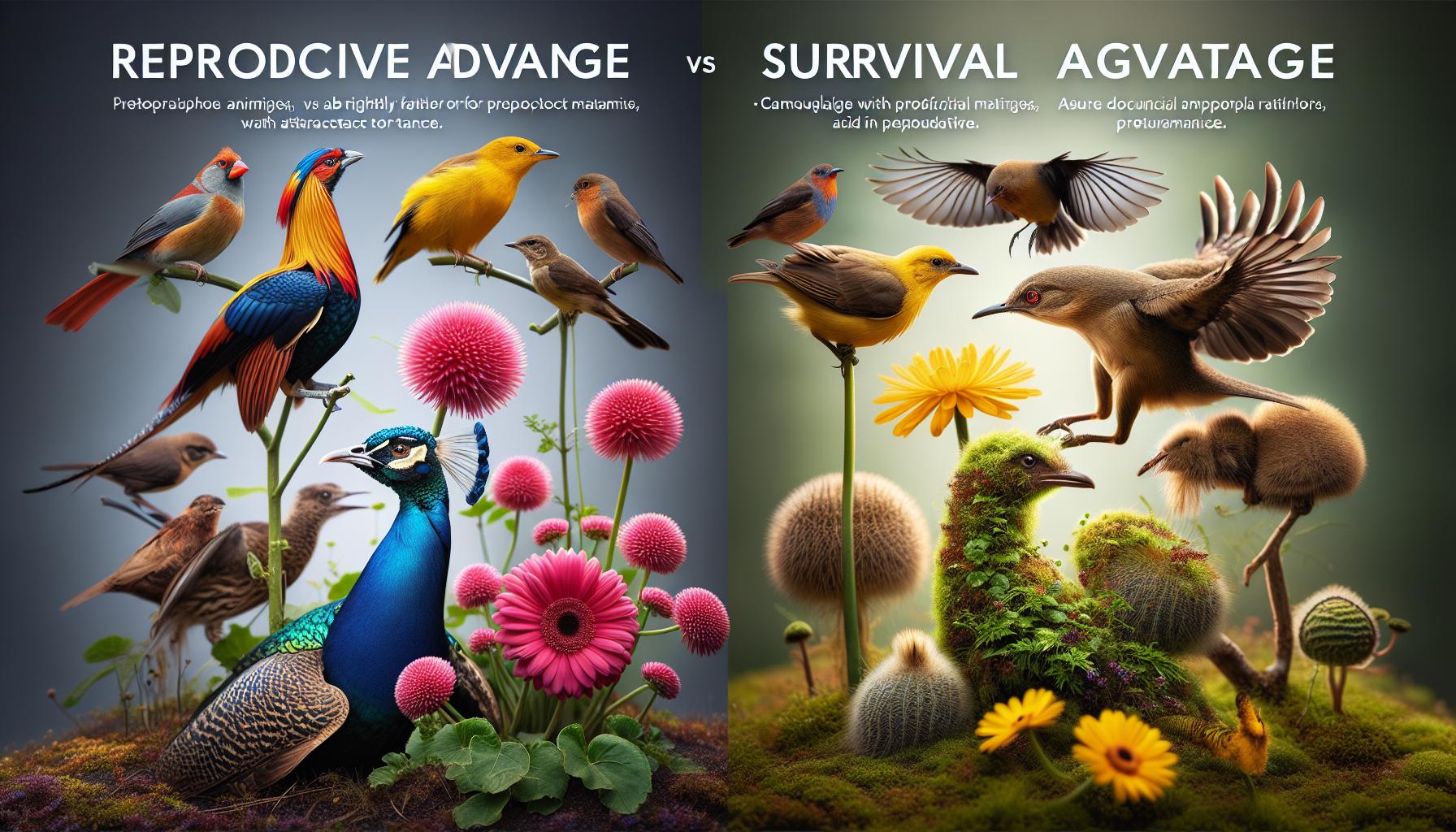
Comparative Analysis: Reproductive Advantage vs. Survival Advantage
When exploring the intricate interplay between reproductive advantage and survival advantage, it’s fascinating to see how these concepts, while interrelated, represent different aspects of evolutionary success. Reproductive advantage focuses on traits that enhance an individual’s likelihood of producing offspring, whereas survival advantage pertains to characteristics that increase an organism’s ability to survive in its environment. Understanding these differences can illuminate the complexities of natural selection and adaptation.
Many species exhibit traits that confer both reproductive and survival advantages, but often with trade-offs. For instance, the vibrant plumage of male birds, like peacocks, serves to attract mates, enhancing reproductive success. However, these bright colors can also make them more visible to predators, negatively impacting their survival. This duality illustrates a fundamental concept in evolution-traits that boost reproduction may come at the cost of survival, and vice versa. In contrast, more cryptic coloration may provide an excellent survival advantage by enabling individuals to blend into their surroundings, but it may not help them attract mates as effectively, potentially leading to fewer reproductive opportunities.
The balance between these advantages becomes evident in the courtship behaviors of various species. Males of certain frog species may produce loud calls that entice females. While louder calls may increase the chances of attracting a partner, they also raise the risk of detection by predators. Thus, the optimal strategy often involves a compromise, where individuals must weigh the benefits of reproduction against the risks of predation. This tug-of-war between the need to successfully mate and the necessity to survive highlights the complexity of evolutionary pressures acting on organisms.
Ultimately, the balance of reproductive and survival advantages shapes not only individual fitness but also the broader evolutionary trajectory of species. By adapting to their environments in ways that maximize both reproduction and survival, organisms continuously refine their characteristics, contributing to the rich tapestry of biodiversity we observe today. Understanding this balance allows for deeper insights into how species adapt to changing environments and the various strategies they employ to ensure their genetic material is passed on to future generations.
How Reproductive Advantage Influences Genetic Diversity
Understanding how reproductive advantage contributes to genetic diversity is crucial in appreciating the rich tapestry of life on Earth. Reproductive advantage occurs when certain traits improve an organism’s ability to reproduce successfully, thereby influencing which genetic variations are passed down to future generations. This process plays a vital role in maintaining and enhancing genetic diversity within populations, which is essential for the survival and adaptability of species.
One way reproductive advantage fosters genetic diversity is through sexual reproduction. When individuals with diverse genetic backgrounds mate, their offspring inherit a mix of genes. This genetic recombination can lead to unique traits that may equip the next generation with advantages in changing environments. For example, in a population of flowering plants, those that exhibit varying traits for attracting pollinators may thrive better during fluctuations in environmental conditions, ensuring that diverse traits are represented in the gene pool.
Moreover, natural selection interacts with reproductive advantage to reinforce genetic diversity. In environments where specific traits increase reproductive success, those traits become more prevalent. However, if those traits also present vulnerabilities-such as increased visibility to predators-natural selection encourages a balance. This dynamic pressure can lead to the development of alternative survival strategies within the same species, allowing multiple phenotypes to coexist. For instance, some insects may develop bright colors to attract mates, while related species might remain cryptic to evade predators. Such variations reflect a wider range of genetic traits that contribute to the resilience of the population.
In summary, reproductive advantage is a key driver of genetic diversity, allowing populations to adapt and thrive in a world filled with challenges. Emphasizing the importance of diverse traits ensures that species are more resilient, fostering ecological stability and progress. By understanding this relationship, we can appreciate how life’s complexities unfold through the lens of evolutionary dynamics, further enriching our knowledge of biology.
Factors Affecting Reproductive Advantage in Species
The intricate dance of evolutionary success is influenced by numerous factors that determine an organism’s reproductive advantage. This concept is vital not only for survival but also for the continuation of species. A fascinating aspect of reproductive advantage is that it is not merely about the survival of the fittest; rather, it is about how specific traits enhance the likelihood of reproduction in varying environmental contexts.
One primary factor affecting reproductive advantage is environmental conditions. Changes in climate, availability of resources, and the presence of predators can shift the traits favored in a population. For instance, during periods of drought, plants with deeper root systems may have a reproductive edge due to better access to water. Similarly, animals in fluctuating habitats might show color changes or behavioral adaptations that increase their appeal to mates while simultaneously enhancing their camouflage against predators. These adaptations are not static; they evolve as environments shift, showcasing the importance of flexibility in reproductive strategies.
Another significant factor is social structures and mating systems. In species where social hierarchy plays a key role, such as in some primates, dominant individuals may secure better access to mates, thus possessing a higher reproductive advantage. Conversely, in species with more egalitarian structures, traits that enhance cooperative breeding or communal care can emerge, allowing even less dominant individuals to successfully reproduce. This complexity underscores that reproductive advantage isn’t solely based on physical or inherent traits but is often wrapped in the social fabric of species interactions.
Genetic diversity is also critical, as it ensures a pool of traits from which natural selection can operate. Populations exhibiting high genetic variation can adapt more rapidly to changes and challenges in their environment, which can lead to increased reproductive success in future generations. For example, a diverse bacteria population may undergo rapid mutations, with some developing antibiotic resistance, providing those variants with a considerable reproductive advantage in the presence of antibiotics.
Ultimately, understanding these factors equips us with a deeper comprehension of how reproductive advantage functions within the broader scheme of evolution. It emphasizes the interplay between biology, environment, and social dynamics, illustrating the complex pathways through which life continues to adapt and thrive.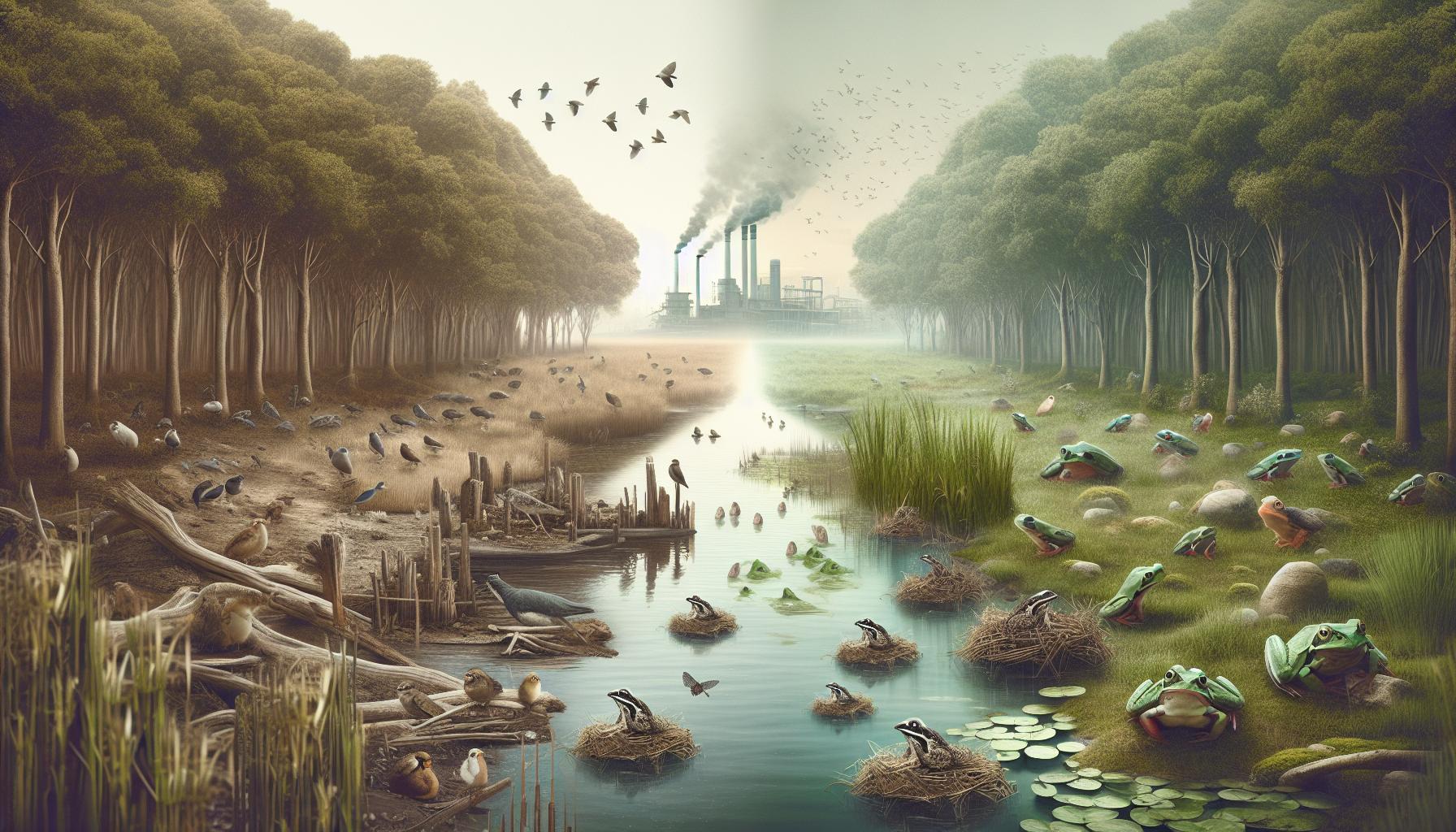
The Impact of Environmental Changes on Reproductive Strategies
As environmental conditions fluctuate, organisms often face a pressing challenge: adapt or perish. These changes-whether due to climate shifts, habitat destruction, or resource scarcity-exert significant pressure on reproductive strategies across species. For instance, a study showed that certain fish species altered their spawning seasons in response to temperature changes, ensuring that their young would thrive during optimal conditions. This ability to adjust reproductive timing and strategies not only enhances survival but also secures the passing of advantageous traits to future generations.
Different species exhibit various responses to environmental pressures. In drier climates, for example, plants with deeper roots not only thrive but can also reproduce more successfully, as they access water unavailable to their shallower-rooted counterparts. Similarly, some bird species modify their mating calls or plumage coloration in response to habitat alterations, enhancing their visibility or attractiveness to potential mates while concurrently adapting to new predator dynamics. Such flexibility in reproductive strategies underscores the intricate connection between environmental adaptation and reproductive success.
However, these adaptations are not uniform; they depend heavily on social structures and available resources. Species with complex social hierarchies may exhibit changes in mating behaviors to reflect shifting dynamics within their groups. For instance, in times of scarcity, individuals may resort to more cooperative breeding strategies, which can provide a survival advantage to their young. In contrast, solitary or less social species might implement drastic shifts in their reproductive behavior to maximize individual success in a more competitive environment.
Understanding how environmental changes impact reproductive strategies is crucial for conservation efforts and ecosystem management. As habitats continue to change, especially under the pressures of climate change, recognizing these adaptive behaviors will be key to preserving biodiversity and ensuring that ecosystems remain resilient and vibrant. Effective conservation strategies can then be tailored to support the reproductive success of essential species, ultimately facilitating a healthier ecosystem.
Application of Reproductive Advantage in Human Evolution
Throughout human evolution, reproductive advantage has played a pivotal role in shaping not just our biology but also our social structures, behaviors, and ultimately, our species’ survival. The ability to select mates who possess desirable traits-be they physical attributes, social skills, or intelligence-has ensured that these advantageous traits are passed down. For instance, early human communities likely favored individuals with strong physical features or protective instincts, enhancing the survival rate of their offspring. This selective process fostered a genetic line more robust against environmental challenges.
Moreover, the interaction between reproductive advantage and social cohesion is significant. As humans evolved, social bonds became crucial for raising children and ensuring their survival. The establishment of cooperative breeding strategies allowed groups to share resources, which maximized the reproductive success of all members. This collaboration not only provided safety and shared parenting but also introduced a complex social fabric where the success of individuals was intertwined with the well-being of the community.
Understanding how reproductive advantages manifest in our species also sheds light on contemporary issues related to family and reproduction. For instance, in modern human societies, the pursuit of education and career opportunities often competes with reproductive decisions. Many individuals navigate the emotional landscape of infertility treatments, with options like IVF or artificial insemination becoming part of their family planning strategy. These approaches, while beneficial, also highlight the complexities involved in balancing reproductive goals with the realities of current life circumstances.
Reproductive advantage continues to adapt within modern frameworks, emphasizing the need for a supportive, understanding approach as individuals and couples navigate their fertility journeys. The conversation around reproductive health must not only focus on biological imperatives but also include emotional support-acknowledging the hopes, anxieties, and societal pressures that accompany these deeply personal decisions. By fostering open dialogues about reproductive advantages in the context of evolution and societal structures, we can better support diverse family-building paths and promote equitable access to reproductive health resources.
Misconceptions About Reproductive Advantage Explained
Understanding reproductive advantage involves debunking several common misconceptions that can obscure its significance and impact. One prevalent myth is that reproductive advantage solely depends on physical traits or strength. While these factors can play a role, reproductive advantage is much more nuanced. It encompasses a range of attributes, including behavioral traits, social skills, and even intelligence. For instance, individuals who demonstrate empathy, cooperation, or effective communication often find themselves better positioned to create and maintain social bonds, which can enhance reproductive success by fostering stable environments for raising offspring.
Another misconception is the idea that reproductive advantage operates strictly in isolation. In reality, it’s intertwined with environmental factors and social structures. Changes in resource availability, social norms, and community support systems can all affect what constitutes a reproductive advantage in a given context. For example, in some cultures, traits like nurturing or resource-sharing might provide more substantial advantages than physical attributes, especially in environments where cooperative breeding enhances child survival rates.
Moreover, many believe that reproductive advantage is static; that what worked for our ancestors still applies today. This perspective ignores the dynamic nature of societal changes and technological advancements. In contemporary societies, factors such as education and career opportunities significantly influence reproductive decisions, with individuals increasingly balancing aspirations with family planning. Options like in vitro fertilization (IVF) and adoption reflect adaptations to modern challenges, highlighting that reproductive advantages are evolving as we navigate complex personal and societal landscapes.
Embracing these realities can foster a more inclusive conversation about family-building paths and reproductive health. Recognizing that each journey is unique allows for a compassionate approach to discussions about reproduction, whether considering traditional methods or newer technologies. Acknowledging the emotional weight of these conversations can validate the experiences of those grappling with the choices and challenges they face, bringing hope and understanding to their fertility journeys.
The Future of Reproductive Advantage Research
As we move forward into an era marked by rapid advancements in genetics and reproductive technologies, the potential for understanding reproductive advantage has never been more promising. Research is beginning to illuminate the complex interplay between genetic traits, environmental variables, and social systems that contribute to reproductive success. For instance, insights gained from genomic studies can help us identify which traits confer a true reproductive advantage in various contexts. This could lead to breakthroughs in areas such as personalized medicine, aiding individuals in making informed reproductive choices that align with their unique genetic backgrounds.
With the rise of big data and machine learning, researchers are now able to analyze vast amounts of information related to reproductive health, including socio-economic factors, parental investment, and community dynamics. By integrating data from diverse fields-such as psychology, ecology, and socio-cultural studies-scientists can develop more comprehensive models of reproductive strategies. For example, understanding how environmental changes influence mating behaviors in certain species can provide parallels that resonate with human reproductive tendencies, ultimately leading to enriched methods of family planning in varying cultural contexts.
Moreover, the implications of reproductive advantage research extend beyond academic inquiry; they hold significant promise for public health policies. As societies evolve, so do family structures and reproductive choices. By acknowledging the diverse meanings of reproductive success-ranging from biological offspring to communal caregiving-research can inform policies that better support family planning services, access to reproductive health care, and fertility treatments, thereby ensuring they are tailored to meet the needs of all individuals and families, regardless of their structure or background.
It is also crucial to approach future research with a sensitivity to the emotional landscapes involved. Discussions surrounding fertility and reproduction often carry profound personal significance, necessitating an ethical framework that respects diverse beliefs and values. As this field continues to evolve, it remains essential for researchers and practitioners alike to engage in conversations that celebrate individual journeys, acknowledge struggles, and offer compassionate support. By doing so, we can ensure that the advancements in understanding reproductive advantage contribute to holistic and inclusive approaches to reproduction and family-building.
Practical Implications of Reproductive Advantage in Conservation
Understanding the relationship between reproductive advantage and conservation efforts can be a game changer in preserving biodiversity. Essentially, reproductive advantage refers to traits that enhance an organism’s success in reproducing, thereby influencing population dynamics. In conservation, recognizing these traits helps inform strategies that protect endangered species and maintain healthy ecosystems. For instance, species that develop traits granting them a reproductive edge-such as enhanced parental care, mating displays, or habitat adaptation-are more likely to thrive under conservation initiatives.
Practical Applications in Conservation Efforts
By leveraging knowledge of reproductive advantages, conservationists can implement targeted interventions. For example, habitat restoration efforts can be tailored to enhance the specific conditions that favor successful reproduction in at-risk species. When engineers restored wetland habitats for the California clapper rail, understanding their mating preferences and nesting behaviors led to increased reproductive success, illustrating how ecosystems can be revitalized when reproductive needs are prioritized.
In addition, breeding programs aimed at endangered species can benefit significantly from the concept of reproductive advantage. By using genetic analysis, conservationists can identify individuals with traits associated with higher reproductive success, such as vigor or adaptability, ensuring that future generations are well-equipped to thrive in their environments. Such programs not only aim for the immediate increase in population numbers but also ensure genetic diversity, which is crucial for the long-term viability of species.
Challenges and Considerations
However, integrating reproductive advantage into conservation strategies comes with challenges. Environmental changes, such as climate shifts and habitat fragmentation, can alter the traits that confer reproductive success. Conservationists must remain flexible, adapting their strategies as the needs of species evolve in response to these changes. Awareness of how external factors impact reproductive strategies helps in planning for future conservation efforts.
Additionally, utilizing reproductive advantage insights requires a commitment to monitoring and research. Consistent data collection on population dynamics and reproductive outcomes is essential for evaluating the efficacy of conservation strategies. By employing a robust scientific approach, conservationists can continuously refine their interventions, ensuring they are as effective as possible.
Ultimately, capitalizing on the concept of reproductive advantage offers a pathway toward successful conservation practices. By fostering environments that support reproductive success and adapting to changes, we can create resilient ecosystems that protect biodiversity for future generations.
Exploring Reproductive Advantage Through Case Studies
Throughout the natural world, various species exhibit remarkable adaptations that enhance their reproductive success, providing compelling case studies for understanding reproductive advantage. One striking example is the peacock, whose extravagant tail feathers serve not just for display but signify health and genetic quality to potential mates. Males with larger, more colorful tails attract more females, thus ensuring they pass on their genes. This demonstrates how sexual selection operates as a powerful force, directly tied to reproductive advantage.
In marine environments, the blue-footed booby presents another fascinating case. Males display their bright blue feet during courtship rituals. Studies show that females prefer mates with the brightest feet, linking color brightness to the males’ overall health and foraging capabilities. This preference underscores the role of visual traits in reproductive success, illustrating that certain physical characteristics can significantly enhance an organism’s chances of mating and producing offspring.
Moreover, in the realm of social insects, such as honeybees, reproductive advantage manifests through complex social structures. In a hive, a single queen bee is responsible for reproduction, while worker bees focus on foraging and hive maintenance. The queen’s reproductive success hinges on the worker bees’ ability to support her, showcasing a more communal interpretation of reproductive advantage where success is achieved through collaboration, not just individual traits. This highlights how social structures can influence reproductive strategies and overall success.
Lastly, plant species also exhibit reproductive advantages through strategies like pollination adaptation. The orchid, for example, often mimics the pheromones and appearances of female insects to attract male pollinators. By tricking these males into attempting to mate with the flowers, orchids enhance their chances of successful pollination, demonstrating the intricate and sometimes deceptive evolution of reproductive strategies in the plant kingdom.
Each of these examples not only illustrates different aspects of reproductive advantage in nature but also reflects the rich tapestry of evolutionary strategies that enhance the survival and continuation of species. Understanding these dynamics offers valuable insights into both biological principles and the conservation of biodiversity.
Faq
Q: What is the significance of reproductive advantage in evolution?
A: Reproductive advantage is crucial in evolution as it explains how certain traits enhance an organism’s ability to reproduce successfully. Traits that improve mating success or offspring viability are favored, leading to higher gene propagation in future generations. This mechanism drives evolutionary changes in populations over time.
Q: How does reproductive advantage differ from survival advantage?
A: While reproductive advantage focuses on traits that increase reproductive success, survival advantage emphasizes traits that enhance an organism’s ability to survive. Both are interconnected; for instance, better survival can lead to increased chances of reproduction, but not all survival traits directly influence reproductive success.
Q: What factors influence reproductive advantage among species?
A: Factors influencing reproductive advantage include environmental conditions, mate availability, and genetic diversity. Additionally, social behaviors, mating strategies, and physical traits can impact how effectively an organism can attract mates and produce offspring, thus shaping reproductive success.
Q: Why is genetic diversity important for reproductive advantage?
A: Genetic diversity plays a vital role in reproductive advantage because it helps populations adapt to changing environments and resist diseases. Diverse genetic traits allow for a wider range of responses to environmental pressures, increasing the likelihood of reproductive success and overall population resilience.
Q: Can reproductive advantage lead to evolutionary changes in humans?
A: Yes, reproductive advantage has significantly influenced human evolution. Traits that promote successful reproduction, such as physical attractiveness or social skills, can lead to higher reproductive success. These traits are passed down, shaping human genetics and societal structures over generations.
Q: What are misconceptions about reproductive advantage?
A: Common misconceptions include the belief that reproductive advantage solely relies on physical traits or that all advantageous traits are beneficial in every environment. In reality, context and adaptability are crucial; a trait beneficial in one environment might be a disadvantage in another.
Q: How does environmental change impact reproductive strategies?
A: Environmental changes can alter resource availability and mating conditions, prompting adjustments in reproductive strategies. For instance, species may shift breeding seasons or mate selection criteria to adapt, ensuring continued reproductive success despite changing habitats or conditions.
Q: What are real-world examples of reproductive advantage?
A: Numerous examples exist, such as the elaborate mating displays of peacocks or the territorial behaviors of male deer. These traits enhance their attractiveness to potential mates, demonstrating how such characteristics provide a reproductive advantage in natural selection.
The Way Forward
As we explore the concept of reproductive advantage and how it shapes evolution, remember that each journey towards understanding fertility is unique. Whether you’re navigating through options like IVF or insemination, we are here to support you with compassionate guidance and resources. Don’t miss out on our related articles about infertility causes and treatment success rates to empower your decisions.
If you found this information helpful, please subscribe to our newsletter for more insights directly to your inbox, and feel free to share your thoughts or questions in the comments. Your engagement is invaluable, and together, we can foster a community that celebrates the diverse paths of family-building. Explore more on our site, and take the next step on your journey with confidence and clarity.
Get our latest guides, news, and insights highlighted in your Google Search & AI Overviews.