Did you know that many living organisms can reproduce without a mate? Asexual reproduction offers a unique pathway for life, allowing species to thrive and multiply using just one parent. This fascinating process is essential to understanding biodiversity and the resilience of nature. As you explore the topic of asexual reproduction, you’ll discover how organisms like certain plants and bacteria create new life independently, sparking joy and curiosity about the natural world. By delving into the topic, you may find answers to your questions about reproductive strategies that are not only vital for survival but also pivotal in shaping ecosystems. Let’s uncover the remarkable mechanisms of asexual reproduction, including how many organisms are truly needed to create life through this efficient process.
Understanding Asexual Reproduction: An Overview
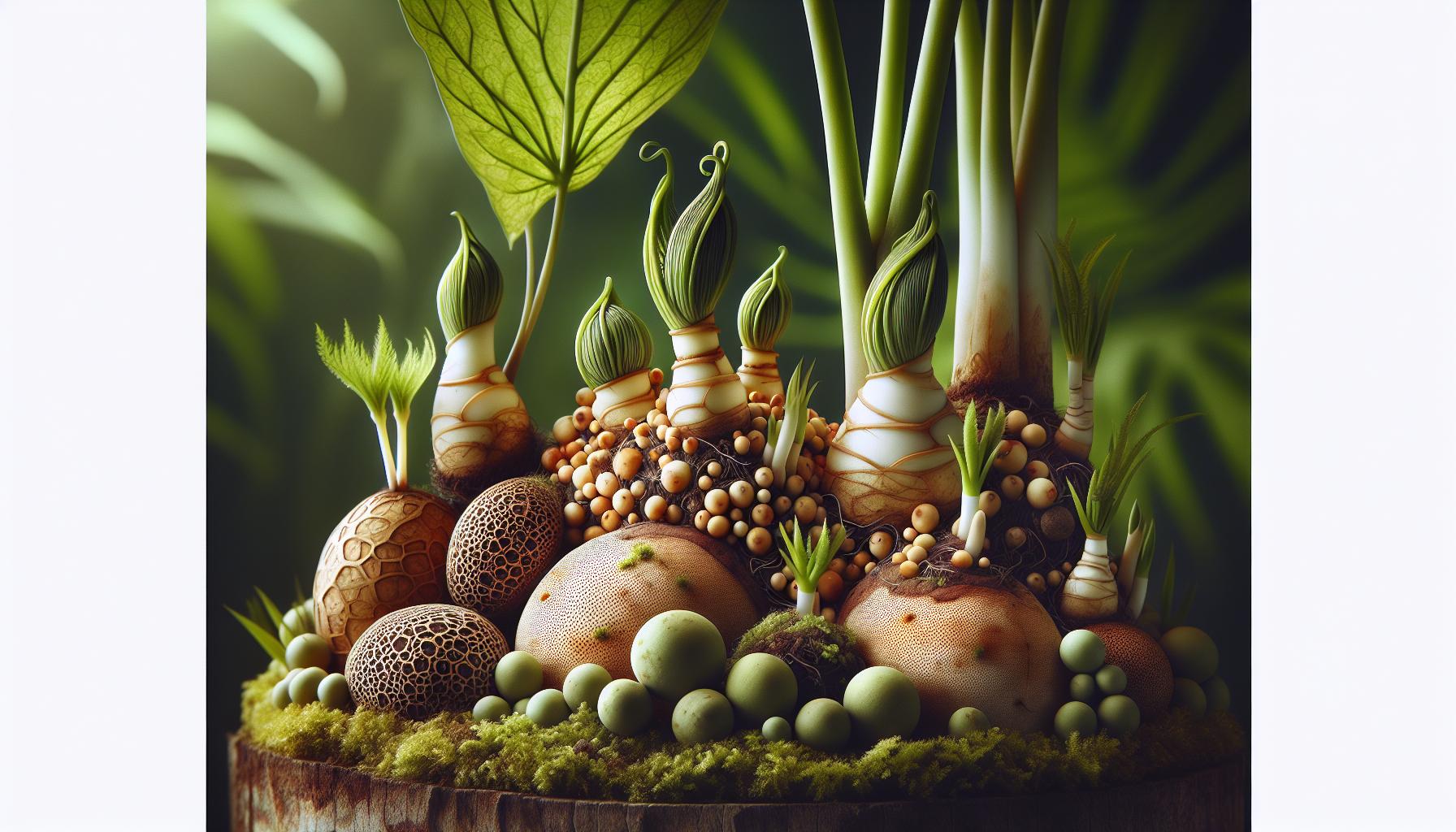
Asexual reproduction is a fascinating process through which organisms can reproduce without the need for a mate. This method, prevalent in many life forms, enables a single organism to generate offspring that are genetically identical to itself, thus ensuring successful propagation in stable environments. In essence, asexual reproduction allows an organism to bypass the complexities and energy demands of finding a partner, presenting a remarkable survival strategy.
Typically, in asexual reproduction, only one organism is necessary. This can include various forms like binary fission in bacteria, where a single cell divides into two; budding in yeast, where a new organism grows off the parent; or fragmentation in certain plants, which can regenerate from a piece that breaks off. Notably, this independence from dual parental investment means that under optimal environmental conditions, an organism can rapidly increase its population, flooding its habitat with offspring that share uniform genetic traits.
However, it is crucial to understand the limitations and contextual factors influencing the success of asexual reproduction. The genetic uniformity that comes with this mode of reproduction can be a double-edged sword. While it enables rapid colonization, it can also lead to vulnerability during environmental changes or disease outbreaks. Organisms that reproduce asexually may face higher risks of extinction if a sudden threat arises, as there is little genetic variation to adapt to new challenges. The stability of the environment plays a significant role in determining whether asexual reproduction is advantageous or not, prompting many species to switch between asexual and sexual reproduction based on changing conditions.
In conclusion, while asexual reproduction typically requires only one organism, its success is intricately linked to environmental factors and the organism’s ability to withstand challenges. This reproductive strategy outlines a unique journey of survival and adaptation, reflecting nature’s incredible diversity in addressing life’s fundamental necessity: reproduction.
The Science Behind Asexual Reproduction
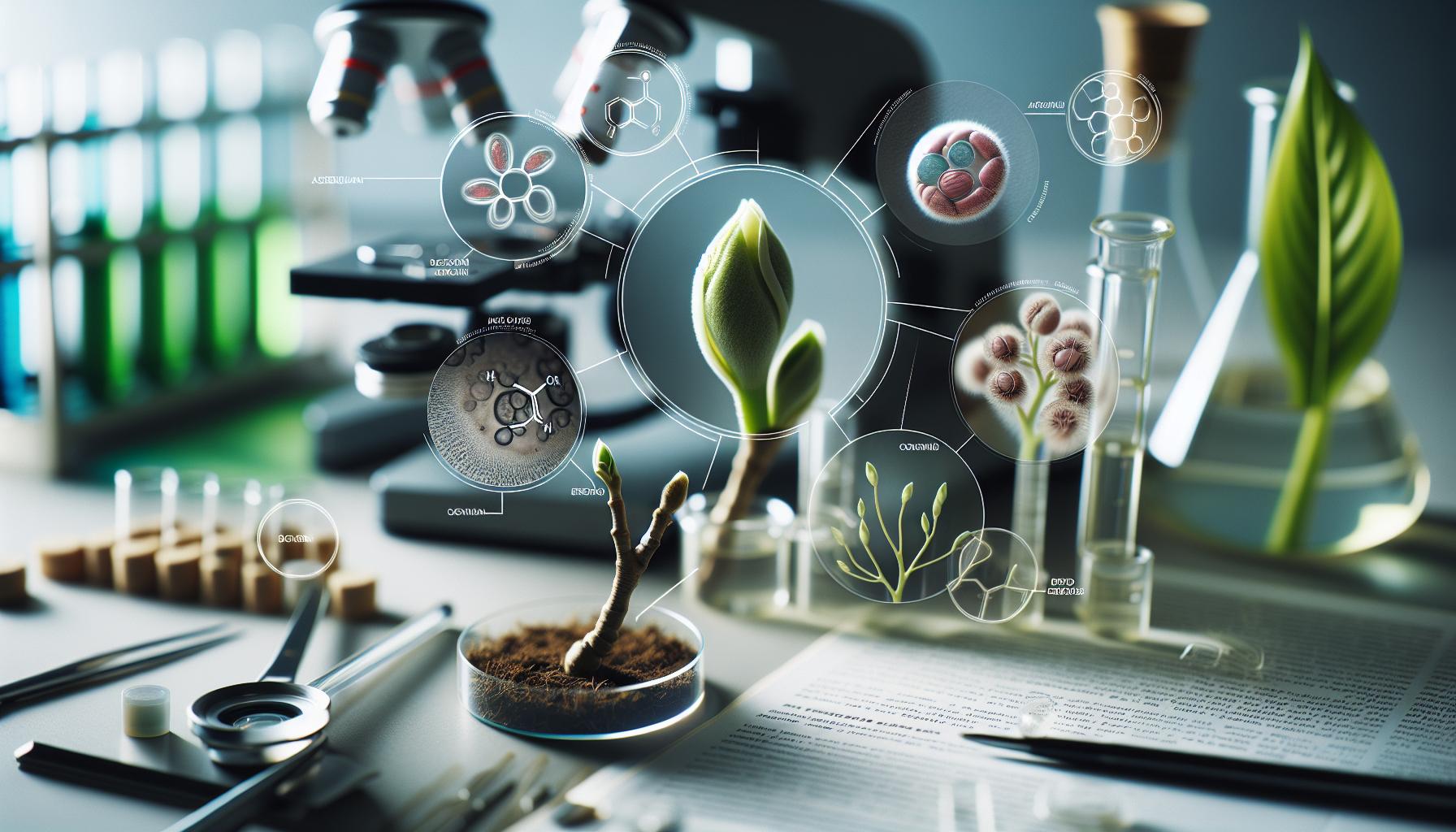
Asexual reproduction is a remarkable process that allows an organism to reproduce without the need for a mate, relying solely on itself to produce genetically identical offspring. This unique characteristic is particularly beneficial in environments where finding a partner is challenging or impractical. For example, some microorganisms can rapidly multiply through binary fission, a form of asexual reproduction where a single cell divides into two identical daughter cells. This ability can lead to quick population increases, which is crucial for survival in competitive ecosystems.
In asexual reproduction, typically just one organism is required, but this doesn’t mean the process is simplistic. Various methods exist, each with distinct strategies and implications for survival and adaptation. For instance, budding in yeast creates a new organism by forming an outgrowth from the parent, while plants may utilize vegetative propagation, where new individuals develop from the existing plant structures. Another fascinating method is parthenogenesis, seen in some invertebrates, where an egg develops into an offspring without fertilization. Each of these strategies underscores the diversity and adaptability of life.
Understanding how many organisms are needed for asexual reproduction often leads to questions about the genetic implications and environmental conditions favorable for success. While only one organism is necessary, its genetic uniformity can be a double-edged sword. It allows for rapid colonization but also makes populations vulnerable to diseases and environmental changes since the lack of genetic diversity can limit adaptive responses. Therefore, although a single organism can initiate a new population, the long-term viability of that population often hinges on the stability of its environment.
As we examine the implications of asexual reproduction, it becomes clear that while the capacity to reproduce independently can facilitate rapid reproduction, it also poses unique challenges. Understanding these dynamics helps clarify how organisms navigate their reproductive strategies to thrive in varying conditions.
Types of Asexual Reproduction in Nature
A remarkable aspect of asexual reproduction is its diversity in methods, exemplifying how organisms adapt to their environments and reproductive needs. Each mechanism varies in its process and effectiveness, allowing life to thrive without the need for a mate. This flexibility is particularly critical when resources or partners are scarce, as a single organism can persist and proliferate in challenging conditions.
One common method is binary fission, seen predominantly in single-celled organisms such as bacteria. In this process, a parent cell duplicates its genetic material and divides into two identical daughter cells, effectively doubling its population in a short period. This rapid proliferation is vital for survival in competitive environments, helping those organisms outcompete others for resources.
Another fascinating form is budding, observed in yeast and some hydras. In budding, a new organism develops from an outgrowth or bud on the parent organism. This method not only produces genetically identical offspring but also allows the parent to remain intact, continuing its growth and reproductive capacity. It showcases nature’s efficiency in maximizing resource utilization while expanding the organism’s presence in its habitat.
Many plants utilize vegetative propagation, which involves generating new individuals from the existing structures like roots, stems, or leaves. For instance, strawberries can produce runners that root and grow into new plants. This method ensures the plant’s genetic material is preserved while rapidly colonizing favorable areas, enhancing its survival prospects.
Lastly, we encounter parthenogenesis, prominently found in certain insects, reptiles, and even some plants. In this type of reproduction, an egg develops into an organism without fertilization. Parthenogenesis allows these species to reproduce in the absence of males, providing a reproductive strategy in solitary environments where mates might not be available.
In summary, the various types of asexual reproduction-binary fission, budding, vegetative propagation, and parthenogenesis-illustrate the incredible adaptability of life. Each method allows organisms to flourish independently, reinforcing the idea that only one organism is often sufficient for reproduction. Understanding these processes can deepen our appreciation for the resilience of life and inform conservation efforts aimed at supporting a diverse range of reproductive strategies in nature.
How Many Organisms Are Needed for Asexual Reproduction?
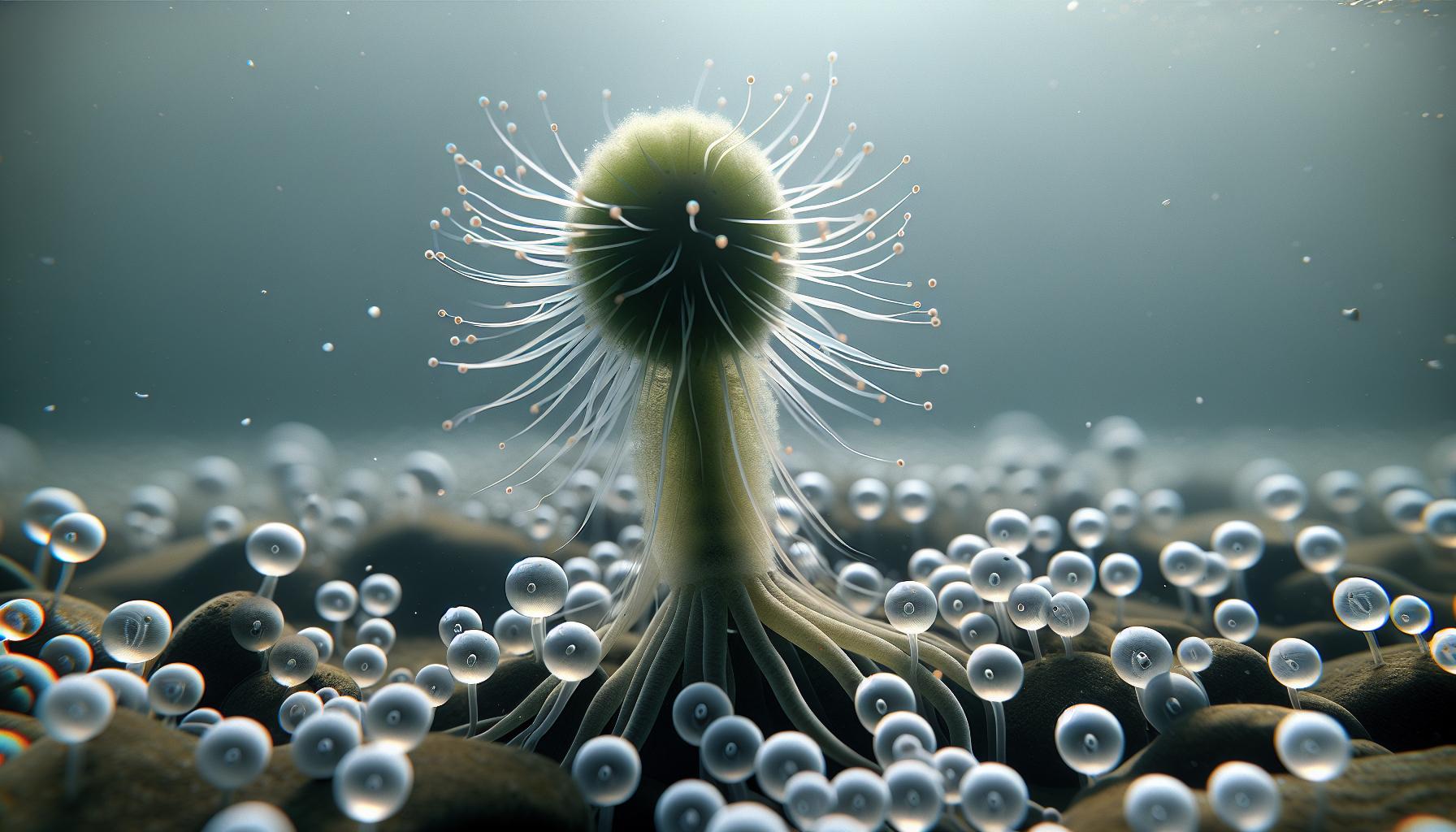
In the world of asexual reproduction, one organism is often all it takes to create new life. This remarkable reproductive strategy allows individuals to produce offspring without the need for a mate, which can be crucial in environments where partners are scarce or the population is sparse. For many organisms, such as bacteria, a single parent cell undergoes a process like binary fission, resulting in two identical cells. This ability to reproduce independently can lead to rapid population growth, especially in favorable conditions.
Plants also exhibit fascinating methods of asexual reproduction that similarly require only one organism. For example, runners in strawberry plants can take root and grow into new plants, thereby expanding the parent plant’s territory without needing another for fertilization. In contrast, certain species of lizards and insects, like some types of rotifers, can reproduce through parthenogenesis, where an egg develops into a new organism without fertilization by sperm. This adaptability allows these organisms to thrive in various ecological niches, highlighting the remarkable efficiency of asexual reproduction.
The implications of asexual reproduction extend beyond mere numbers; they can shape entire ecosystems. In environments disrupted by changes such as disasters or human activity, organisms that can reproduce without mates may become especially resilient. However, it’s important to note that while a single organism can initiate reproduction, the resulting genetic uniformity can also pose challenges, such as vulnerability to diseases or environmental changes.
Understanding the mechanics of asexual reproduction not only illuminates the diverse strategies life uses to persist but also underscores the evolutionary advantages that can arise from solitary reproduction. This knowledge may inform conservation strategies aimed at preserving these unique reproductive methods and the biodiversity they support.
Factors Influencing Asexual Reproduction Success
In the realm of asexual reproduction, the elements that contribute to its success are as diverse and fascinating as the organisms themselves. Primarily, the availability of resources plays a crucial role. Organisms that reproduce asexually often thrive in environments that offer ample nourishment and suitable living conditions. For instance, bacteria, which can reproduce through binary fission, can rapidly increase their numbers when nutrients are plentiful, demonstrating how resource availability directly influences their reproductive success.
Another vital factor is environmental stability. Conditions that remain constant often favor asexual reproduction. In habitats where environmental changes are minimal, organisms that can reproduce independently can occupy and dominate those niches. A prime example is various plant species that utilize methods like vegetative propagation; these plants can expand their range effectively when they are established in a stable environment without heavy competition or threats from predators.
Genetic diversity is another compelling aspect to consider. Although asexual reproduction results in offspring genetically identical to the parent, certain species have adapted mechanisms to introduce variability even in asexual contexts. For instance, cyclical parthenogenesis, as seen in some rotifers, allows for periods of sexual reproduction that enhance genetic diversity in changing environments. This adaptability can be essential during unfavorable conditions where genetic variation may better equip some offspring to survive.
Lastly, population density can greatly influence the success of asexual reproduction. In ecosystems with low population densities, individuals may find it beneficial to reproduce asexually to avoid the absence of mates and ensure continued lineage. Yet, as populations grow, chemical cues can trigger a shift toward sexual reproduction, which may enhance genetic variability and resilience. This dynamic interplay showcases the delicate balance that organisms maintain as they navigate their reproductive strategies.
Through these factors, we can see that while asexual reproduction famously requires just one organism to initiate new life, numerous environmental and biological influences shape its success and sustainability in nature. Understanding these dynamics provides insight into the remarkable resilience and adaptability of life forms that follow a solitary path to reproduction.
The Role of Environment in Asexual Reproduction
In many ecosystems, the success of asexual reproduction hinges significantly on environmental factors. A compelling example is found in microorganisms like bacteria, which thrive in nutrient-rich surroundings. Their primary mode of reproduction, binary fission, allows for rapid population growth. When resources are abundant, these organisms can proliferate swiftly, indicating how crucial resource availability is to their reproduction. Acknowledging how the right conditions can bolster these life forms helps illustrate the interplay between environment and reproduction.
Environmental stability also plays a critical role. Organisms that reproduce asexually often excel in environments with minimal fluctuations. For instance, some plant species utilize vegetative propagation, expanding their territory effectively in stable ecosystems without intense competition or predatory threats. This ecological advantage allows these plants to dominate available niches and secure their reproduction reliably without dependence on mates.
Moreover, the adaptation of some species to introduce genetic variability even amid asexual reproduction is noteworthy. For example, cyclical parthenogenesis in certain rotifers showcases this flexibility. These organisms can produce offspring asexually during favorable conditions and switch to sexual reproduction in response to environmental changes, enriching their genetic diversity. This strategy may be vital, particularly when environmental factors shift and adaptability becomes crucial for survival.
Lastly, population density can shift the balance between asexual and sexual reproduction. Low-density populations may benefit from asexual reproduction to maintain continuity, while higher densities often trigger a transition to sexual reproduction through chemical cues. This dynamic not only underscores the adaptability of the organisms involved but also highlights the role of environmental context in determining the reproductive strategies that best ensure their survival. Understanding these connections fosters a deeper appreciation for the resilience and versatility of life forms that navigate the complex interplay of asexual reproduction within their environments.
Common Myths About Asexual Reproduction
Many people have misconceptions about asexual reproduction, often assuming it is a rare or less effective means of reproduction compared to sexual methods. One of the biggest myths is that asexual reproduction requires multiple organisms. In reality, asexual reproduction can occur with just one parent organism, which can be remarkably efficient in certain conditions. This form of reproduction allows organisms like bacteria to thrive by simply splitting into two identical cells through a process called binary fission, showcasing how life can proliferate independently without any need for mates.
Another prevalent myth is that asexual reproduction results in genetically identical offspring, offering no variation. While this is true in many cases, there are exceptions. Some species, such as certain rotifers, exhibit a process called cyclical parthenogenesis, where they can switch between asexual and sexual reproduction. In favorable conditions, they reproduce asexually, but when facing environmental stress, they can opt for sexual reproduction, introducing genetic diversity to enhance survivability.
Moreover, there’s a common belief that asexual organisms lack adaptability. This is far from accurate. Asexual reproduction allows for rapid population increases, which may be an advantage in stable environments. However, many asexual species have evolved mechanisms to introduce genetic variability, preparing them for future challenges. Such strategies illustrate the resilience of these organisms and their ability to respond to environmental changes effectively.
It’s crucial for readers to understand that asexual reproduction is not a lesser form of reproduction; rather, it is a unique and effective strategy suitable for various organisms. Expanding our knowledge about these myths helps us appreciate the diversity of life and the various ways in which organisms can thrive in our ecosystems.
Comparing Asexual and Sexual Reproduction
A fascinating aspect of reproduction in the natural world is the distinction between asexual and sexual reproduction, particularly in the context of how many organisms are needed for each method. Asexual reproduction, as the name suggests, involves only one organism. This means that a single bacterium, for instance, can simply divide and create two identical daughter cells through a process called binary fission, showcasing a form of efficiency where mates are unnecessary. On the other hand, sexual reproduction requires at least two organisms-typically a male and a female-who contribute genetic material to produce genetically diverse offspring.
When comparing these two methods, it’s essential to understand the implications for genetic diversity. Asexual reproduction results in offspring that are clones of the parent organism, which might seem limiting. However, survival can be enhanced in stable environments where rapid population growth is beneficial. For instance, in an environment with abundant resources, a small number of organisms can quickly populate the area, taking full advantage of the available resources. Conversely, sexual reproduction brings about genetic variation, which can be crucial for adapting to changing environmental conditions, especially in situations that challenge the survival of a species, such as disease outbreaks.
The advantages and disadvantages of each type of reproduction are deeply linked to how organisms respond to their environments. Asexual reproduction may allow for faster population increases, but genetic diversity from sexual reproduction often provides a buffer against environmental changes. As organisms evolve, we see that many species that typically reproduce asexually have developed ways to introduce genetic variability, demonstrating adaptability. The fascinating tug-of-war between these two reproduction strategies illustrates the complexity of life on Earth and how different organisms have found unique solutions to thrive in diverse ecosystems.
Understanding how these reproductive strategies work not only enhances our knowledge of biology but also highlights the diverse methods life employs to continue and evolve.
Case Studies: Organisms That Reproduce Asexually
One fascinating example of asexual reproduction is found in the world of tunicates, marine invertebrates that predominantly reproduce through budding. This method allows a single tunicate to produce genetically identical offspring, effectively creating clones that can thrive in favorable environments. As they mature, these clones can establish their own colonies, showcasing the remarkable efficiency and resilience of asexual reproduction in maintaining stable populations in marine ecosystems. Understanding how tunicates adapt and replicate can enlighten researchers about the evolutionary advantages of cloning in a world filled with shifting environmental conditions.
Another striking case is that of certain insects like aphids, which are capable of parthenogenesis-a form of asexual reproduction where females give birth to live young without fertilization. This phenomenon is particularly beneficial in populations where females vastly outnumber males, allowing for rapid population increases during optimal seasons. For instance, soybean aphids can quickly repopulate crops after environmental stressors, illustrating the power of asexual reproduction in agricultural contexts and threatening crops with pest populations that can surge overnight.
In the marine world, the coral species Cladocora caespitosa has also exhibited the benefits of asexual reproduction. These corals utilize budding to recover from mortality events, effectively recolonizing damaged areas of the ocean floor at an impressive rate. By leveraging this reproductive strategy, they can head off long-term population decline and maintain biodiversity within their ecosystems, illustrating the critical role of asexual reproduction in habitats facing disturbances.
These examples underscore the adaptability and resilience provided by asexual reproduction across various species. In environments where conditions can change rapidly, organisms that can reproduce without the need for a mate are often able to exploit resources and colonize new areas more effectively, ensuring their survival and the continuity of their species. Understanding these case studies can help us appreciate the diverse strategies life employs to thrive under varying circumstances.
Potential Benefits of Asexual Reproduction
A remarkable aspect of asexual reproduction is its remarkable efficiency, allowing organisms to thrive even under challenging conditions. Unlike sexual reproduction, which typically requires a mate, many asexual reproduction methods can occur with just a single organism. This means that even if the population of a species is low, a single individual can still propagate and lead to population recovery, which is crucial in environments where mates are scarce.
One of the primary advantages is rapid population growth. For example, organisms like E. coli bacteria can divide every 20 minutes under optimal conditions, leading to exponential increases in their population within a matter of hours. This ability to proliferate quickly can be vital for survival, especially in ecosystems where food sources are plentiful but other threats exist that could reduce population numbers.
Another significant benefit is the genetic consistency that comes with asexual reproduction. Offspring produced through processes such as binary fission or budding are clones of the parent, ensuring that successful adaptations are maintained. This genetic stability can be advantageous in stable environments, where the successful traits of the parent organism are likely to continue being advantageous. For instance, certain plant species utilize vegetative propagation to produce clones that are adapted to their specific habitats, ensuring survival in environments that may not support genetic diversity.
Moreover, since there is no need to find a mate, asexual reproduction enables organisms to capitalize on favorable conditions immediately. Species like the hydra and certain fungi can reproduce readily when conditions are right, allowing them to exploit resources without delay. This adaptability underscores the practical benefits of asexual reproduction, enabling rapid responses to environmental changes.
In summary, asexual reproduction is not only a fascinating biological phenomenon but also a vital strategy for survival, particularly in unstable environments. Through rapid reproduction, genetic stability, and immediate adaptability, organisms harness the benefits of cloning, ensuring their persistence in varying ecological contexts.
Challenges and Limitations of Asexual Reproduction
Despite its advantages, asexual reproduction presents several challenges and limitations that can impact the success and sustainability of organisms employing this method. One significant concern is the lack of genetic diversity. In asexual reproduction, offspring are genetic clones of their parent. While this leads to rapid population growth, it also makes entire populations vulnerable to disease, environmental changes, and other threats. If a particular pathogen evolves that can exploit a genetic weakness in the population, all individuals are equally susceptible. This scenario starkly contrasts with sexual reproduction, where genetic mixing can provide a buffer against such challenges.
Another challenge lies in the efficiency of resource use. Species that reproduce asexually might exhaust available resources quickly because they proliferate rapidly. This overexploitation can lead to boom-and-bust cycles, where a population may grow exponentially only to crash due to resource depletion. For example, certain algae can undergo rapid asexual reproduction, leading to harmful algal blooms that deplete oxygen levels and create dead zones in aquatic environments.
Moreover, the environmental context plays a crucial role in the efficacy of asexual reproduction. While some organisms thrive in stable conditions, their ability to adapt may become limited in fluctuating environments. Asexual reproducing species struggle to adapt to significant changes in their habitat, as they lack the genetic variability required to adjust to new challenges. In contrast, sexual reproduction fuels adaptation through genetic reshuffling, which can be pivotal for survival in varying ecological contexts.
Finally, the presence of coercive males in some species can complicate the dynamics of asexual reproduction. Research indicates that coercive males may inhibit asexual reproduction by imposing costs on females, making it less favorable for them to resist mating interactions. In such contexts, females may face pressure to engage in sexual reproduction, undermining the advantages typically associated with asexual strategies [1[1].
In summary, while the ability to reproduce asexually allows for rapid population growth and immediate exploitation of favorable conditions, it comes with significant obstacles, including reduced genetic diversity, resource management challenges, limited adaptability, and social dynamics. Understanding these limitations is vital for appreciating the broader implications of asexual reproduction in ecological and evolutionary contexts.
Future Research Directions in Asexual Reproduction
Understanding asexual reproduction has opened new avenues for research and exploration, especially concerning the number of organisms required for this process. Surprisingly, many forms of asexual reproduction require only a single organism, challenging traditional views about reproductive strategies. For example, organisms like certain plants and protists can reproduce alone through processes such as budding or fragmentation, wherein a piece of the organism can grow into a new individual. This simplicity in reproductive mechanisms raises compelling questions about how adaptability, resilience, and population dynamics are shaped in asexual species.
Future research could focus on the evolutionary implications of single-parent reproduction in varying environments. Studies might explore how these organisms maintain population stability and genetic health despite limited genetic diversity. For instance, scientists could investigate the role of environmental pressures in the emergence of new adaptive traits or phenotypic plasticity in asexually reproducing organisms. Such insights could enhance our understanding of ecological resilience as climate change continues to alter habitats.
Another promising direction involves examining the potential benefits of asexual reproduction in synthetic biology and agriculture. Researchers could investigate how asexual mechanisms can aid in the rapid production of genetically uniform crops, which could enhance food security. For example, identifying and enhancing asexual reproduction traits in high-yielding crop varieties could provide new solutions to meet escalating global food demands.
Furthermore, the social dynamics and evolutionary strategies of asexual species in mixed populations, where sexual and asexual organisms co-exist, offer intriguing insights. Future endeavors could assess how selective pressures from sexual competitors shape the behaviors and reproductive success of asexual organisms. By prioritizing these research avenues, we can develop a more nuanced understanding of how these fascinating reproductive strategies influence biodiversity and ecological balance.
FAQ
Q: How many organisms are needed for asexual reproduction?
A: Only one organism is required for asexual reproduction. This process involves a single parent producing offspring without the need for gametes from another parent. Common methods include binary fission, budding, and vegetative propagation.
Q: Can asexual reproduction occur in multicellular organisms?
A: Yes, multicellular organisms can reproduce asexually. For example, plants often use methods like cuttings or rhizomes to produce new individuals from their tissues.
Q: Why do some organisms reproduce asexually?
A: Asexual reproduction allows organisms to reproduce rapidly without the need for a mate. This can be advantageous in stable environments where quick population increases are beneficial for survival.
Q: What are the advantages of asexual reproduction?
A: The advantages include rapid population growth, no need for a mate, and the ability to reproduce in stable environments. This can lead to the colonization of new habitats.
Q: Are there any disadvantages to asexual reproduction?
A: Yes, the main disadvantage is lack of genetic diversity, which can make a population more vulnerable to disease and environmental changes. This uniformity can degrade adaptability over generations.
Q: What environmental factors influence asexual reproduction?
A: Environmental factors such as temperature, moisture, and availability of nutrients can affect the success of asexual reproduction. For example, favorable conditions can promote rapid cloning in plants.
Q: How does asexual reproduction differ from sexual reproduction?
A: Asexual reproduction requires only one parent and produces genetically identical offspring, whereas sexual reproduction involves two parents combining genetic material, resulting in genetic diversity among the offspring.
Q: Can organisms switch between asexual and sexual reproduction?
A: Yes, some organisms can switch between asexual and sexual reproduction based on environmental conditions. For instance, certain algae and rotifers engage in cyclical parthenogenesis depending on population density.
For more information on the types and implications of asexual reproduction, explore the sections on Types of Asexual Reproduction in Nature and Factors Influencing Asexual Reproduction Success in the full article.
Insights and Conclusions
As we’ve explored, asexual reproduction allows organisms to thrive without the need for a mate, leading to rapid population growth and adaptability. Whether you’re curious about the mechanics of reproduction in plants or the fascinating world of microorganisms, our comprehensive resources can deepen your understanding. Don’t miss out on the opportunity to learn how various species leverage this mode of reproduction to their advantage.
For more insights, check out our articles on the advantages and disadvantages of asexual reproduction and how it contrasts with sexual reproduction. Engage with our community by sharing your thoughts or questions in the comments below-we’d love to hear from you!
Stay informed and enhance your knowledge further by signing up for our newsletter. Together, let’s uncover the wonders of reproduction in the natural world.
Get our latest guides, news, and insights highlighted in your Google Search & AI Overviews.