In the intricate journey of reproduction, understanding the components involved is essential, especially when it comes to male reproductive cells. These specialized gametes, known as sperm cells, play a pivotal role in fertilization, carrying genetic material that contributes to the creation of new life. For many, this knowledge is not just academic; it can be vital for those exploring family-building options or addressing fertility concerns. Navigating the emotional landscape of reproductive health can be challenging, filled with hope, uncertainty, and sometimes grief. By gaining clarity on male reproductive cells and their function, you empower yourself with information that can inspire confidence and informed decision-making. Continue reading to uncover more about these remarkable cells and their importance in the reproductive process, as well as the broader implications for understanding fertility and family planning.
What Is a Male Reproductive Cell?

The male reproductive cell, commonly known as a sperm cell, is a vital component in human reproduction. Each sperm is a specialized cell designed to fertilize the female egg, carrying genetic material that can contribute to the formation of a new individual. Sperm cells are developed in the male reproductive system, specifically within the testes, through a process called spermatogenesis. This remarkable journey involves the transformation of germ cells into mature sperm, equipping them with unique features essential for their function.
Sperm cells are characterized by their distinct structure, which includes a head containing genetic information, a midpiece packed with energy-producing mitochondria, and a long tail known as a flagellum that provides motility. The ability of sperm to swim toward the egg is crucial, as it facilitates fertilization. Understanding this motility is not just a biological curiosity; it underscores the complexities of male fertility, as insufficient motility can hinder the chances of conception.
In the landscape of reproductive health, male reproductive cells can face challenges that affect their quality and viability. Factors such as age, lifestyle choices, environmental exposures, and genetic predispositions can all impact sperm health. It’s important for men who are trying to conceive or facing fertility issues to be aware of these factors and engage in discussions with healthcare providers regarding fertility testing and potential treatments. Addressing male reproductive health is a key component of any fertility journey, and recognizing the significance of sperm cells can empower individuals as they navigate their options in family-building.
Understanding Sperm Cell Structure

The structure of a sperm cell is a fascinating example of biological design, tailored specifically for its critical role in reproduction. Each sperm cell, or spermatozoon, is composed of three main sections: the head, the midpiece, and the tail. This unique formation is not just for show; each part has a vital function that contributes to the sperm’s ability to succeed in its ultimate mission: fertilizing an egg.
Head
The head of the sperm cell is its most distinctive feature and contains the nucleus, which houses the genetic material essential for creating a new life. Surrounding this nucleus is a cap-like structure called the acrosome, filled with enzymes that are crucial for penetrating the outer layers of an egg during fertilization. This enzymatic action facilitates the initial contact between sperm and egg, a critical step in the conception process.
Midpiece
The midpiece serves as the powerhouse of the sperm, packed with numerous mitochondria. These tiny organelles are responsible for generating the energy (in the form of ATP) that powers the sperm’s movement. Without sufficient energy, sperm would struggle to swim through the female reproductive tract, significantly reducing the chances of successful fertilization.
Tail (Flagellum)
Finally, the tail, or flagellum, is the sperm’s motor. It propels the sperm forward, allowing it to navigate through the complexities of the female reproductive environment. This motility is pivotal, as sperm must travel several centimeters to reach the egg, and any deficiencies in this area can lead to fertility challenges. Understanding the structure and function of sperm cells is essential for those navigating the complexities of male reproductive health.
Recognizing these intricate details not only highlights the amazing capabilities of sperm cells but also underscores the importance of maintaining sperm health through healthy lifestyle choices, regular medical check-ups, and addressing any fertility concerns with a healthcare provider. Understanding how these cells operate can empower individuals and couples on their journey to parenthood, assisting them in making informed decisions about their reproductive health.
The Role of Sperm in Fertilization
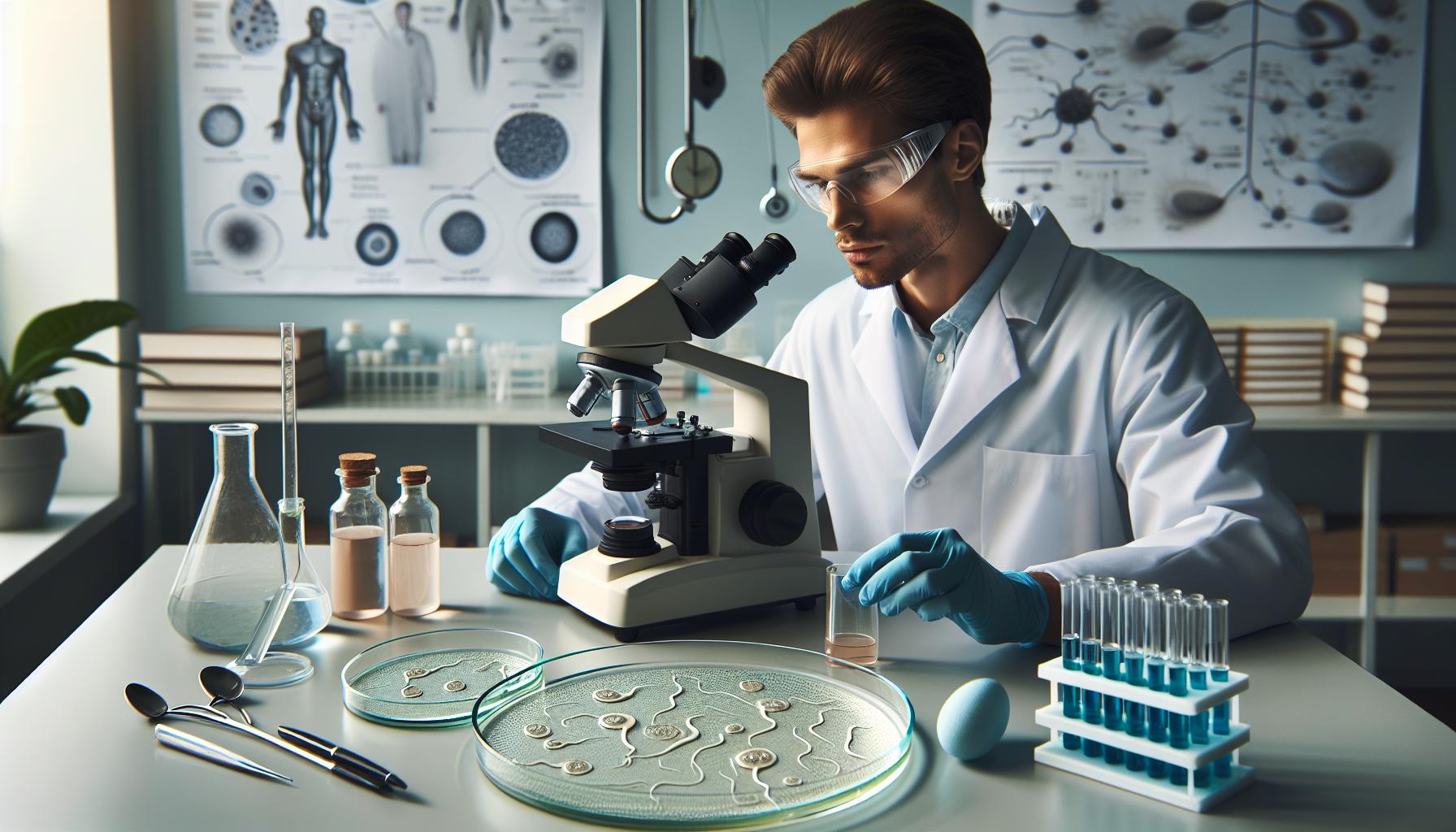
The journey of sperm from its origin to fertilizing an egg is a remarkable process, crucial for the creation of new life. This dynamic cell serves as the male gamete, carrying half of the genetic blueprint necessary for producing a human being. Each sperm is equipped with specialized structures that facilitate its role, yet the challenges it faces along the way are numerous. From swimming through the female reproductive tract to successfully penetrating the egg, the sperm’s journey is a testament to nature’s intricate design.
During fertilization, the sperm’s head plays a pivotal role right from the start. The acrosome, a cap-like structure on the head, is filled with enzymes that help digest the outer layers of the egg, a crucial step for successful fertilization. This enzymatic penetration not only allows the sperm to access the egg but also triggers changes in the egg’s membrane to prevent other sperm from entering, ensuring that only one sperm fertilizes the egg. Understanding this mechanism can shed light on male infertility, sometimes linked to issues such as improper enzyme function or sperm motility.
The actual process of fertilization is an awe-inspiring event where the sperm merges with the egg, creating a zygote. This union is marked by the combination of 23 chromosomes from each parent, forming a complete set of 46. It’s essential to recognize that a multitude of factors can impact this journey-from sperm morphology and motility to overall reproductive health. Addressing any health concerns, lifestyle choices, and environmental factors can significantly enhance sperm quality and increase the likelihood of conception.
For those navigating challenges in their fertility journey, it’s important to engage in open conversations with healthcare providers about the steps that can be taken to support successful fertilization. Whether exploring assisted reproductive technologies like IVF or considering lifestyle changes, every effort counts. Understanding the role of this microscopic yet mighty cell can empower individuals and couples on their paths to parenthood, reminding them that while the process can be complex, every small step is a move toward achieving their dreams of building a family.
Types of Male Gametes: A Closer Look
The male reproductive cell, known as sperm, comes in various types, each with distinct roles and characteristics that contribute to the complex process of reproduction. Understanding these types of sperm can help demystify male fertility and provide insight into the factors that may impact conception.
The principal type of sperm is the ejaculated sperm, which is produced through a process called spermatogenesis. This type is essential for fertilization, containing a head that houses genetic material, a midpiece packed with mitochondria for energy, and a tail that propels it toward the egg. However, not all sperm are created equal. Studies indicate that only a small fraction of sperm in any given ejaculation will be capable of effectively navigating the female reproductive tract and reaching the egg.
Additionally, sperm can be categorized based on their morphology – their shape and structuring. Normal sperm typically have an oval head, a well-defined midpiece, and a long tail. Abnormal sperm may exhibit a variety of deformities, such as irregular head shapes or multiple tails. These morphological differences are critical as they can significantly influence a sperm’s ability to penetrate an egg. Sperm morphology is a routine aspect of semen analysis that healthcare providers assess when evaluating male fertility.
Another important categorization of sperm is based on motility, or their swimming ability. Sperm can be classified as progressive (moving in a straight line toward the egg), non-progressive (moving but not toward the egg), or immotile (not moving at all). High motility rates are crucial, as only motile sperm can effectively swim through cervical mucus, traverse the uterus, and reach the fallopian tubes for fertilization to occur.
Finally, factors such as environmental influences, health conditions, and lifestyle choices play significant roles in maintaining sperm health. For instance, exposure to toxins, poor nutrition, and certain medical conditions can diminish sperm quality and quantity. Regular health check-ups, maintaining a balanced diet, and controlling stress levels are proactive steps men can take to support their reproductive health.
Recognizing the diverse types of sperm and the factors that influence their functionality can empower individuals on their fertility journeys. Seeking advice and support from healthcare professionals for optimal reproductive health is an essential part of this process, fostering hope and resilience in the face of challenges.
How Sperm Cells Develop: Spermatogenesis Explained
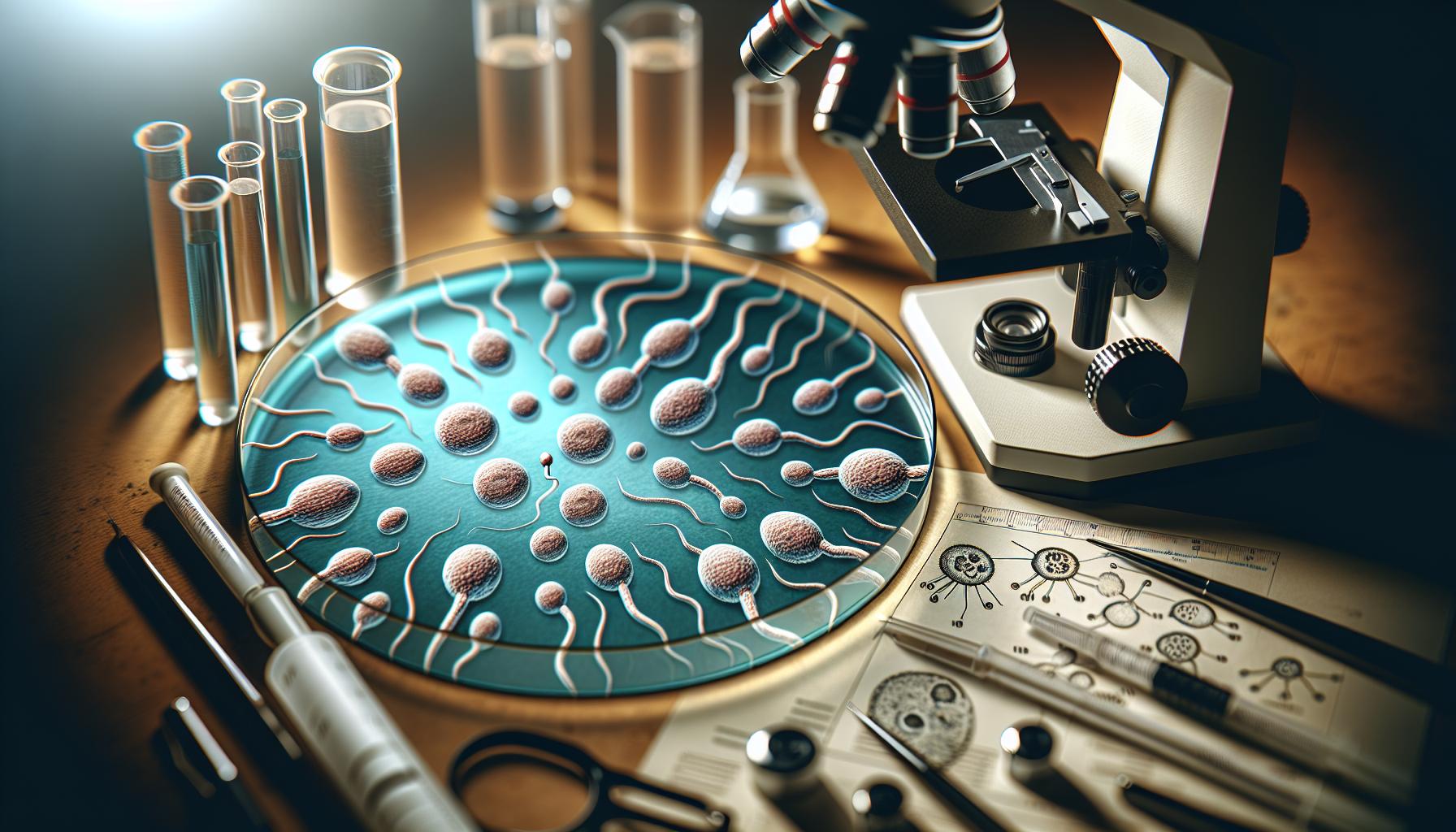
The journey of sperm cell development, known as spermatogenesis, is a remarkable process that takes place in the male reproductive system, specifically in the testes. This intricate series of events not only leads to the formation of sperm but also plays a crucial role in male fertility. Understanding how sperm cells are developed can illuminate the factors affecting their quality and overall reproductive health.
Spermatogenesis begins with undifferentiated germ cells called spermatogonia. These cells undergo mitotic divisions, ensuring a continuous supply of stem cells. As these spermatogonia mature, they transition into primary spermatocytes, which then undergo meiosis-a special type of cell division that reduces the chromosome number by half. This process results in secondary spermatocytes, which further divide into spermatids. Each spermatid ultimately differentiates into a mature sperm cell, featuring a distinct head packed with genetic material, a midpiece loaded with energy-producing mitochondria, and a long, whip-like tail for movement.
Throughout this development, various factors can influence spermatogenesis. Healthy lifestyle choices, such as a balanced diet rich in vitamins and minerals, regular exercise, and avoiding toxins, play a pivotal role in supporting sperm production. On the other hand, issues like hormonal imbalances, certain medical conditions, and harmful environmental exposures can adversely impact this delicate process, leading to decreased sperm quality or quantity.
Moreover, it’s important to recognize that spermatogenesis is not an isolated occurrence. The entire process typically takes about 64 to 74 days from start to finish, which means that factors affecting sperm health can have lingering effects. For men seeking to enhance their fertility, focusing on overall wellness-such as stress management, adequate sleep, and regular medical check-ups-can significantly benefit not just spermatogenesis but also emotional resilience in their fertility journey. Embracing this knowledge empowers men and their partners to make informed decisions and pursue proactive measures for successful family building.
The Importance of Sperm Motility
Sperm motility is a critical factor in male fertility, serving as a key determinant of whether sperm can successfully reach and fertilize an egg. A fascinating aspect of sperm cells-the male reproductive cells-lies in their ability to navigate the female reproductive tract with speed and precision. Without adequate motility, even the healthiest sperm cannot fulfill their role in conception, underscoring the importance of this characteristic in fertility outcomes.
Sperm motility refers to the ability of sperm to move effectively. There are two primary types of motility: progressive motility, where sperm move forward in a straight line or in large circles, and non-progressive motility, where sperm may move but not towards the egg. According to research, around 50-60% of sperm should exhibit normal motility for optimal fertility chances[[2]](https://www.healthwebmagazine.com/sperm-motility). Factors that can impact sperm motility include lifestyle choices, environmental exposures, and certain medical conditions.[[3]](https://pmc.ncbi.nlm.nih.gov/articles/PMC7721202/)
The emotional weight of fertility challenges related to sperm motility cannot be overlooked. For men facing low motility, it’s important to navigate these feelings with support. Seeking guidance from healthcare professionals can provide valuable insight and direction. Additionally, lifestyle modifications such as maintaining a balanced diet, staying physically active, managing stress, and avoiding harmful substances (like tobacco and excessive alcohol) can help improve sperm motility.
Embracing knowledge about sperm motility fosters empowerment in the journey toward conception. Improving sperm health and understanding factors that influence motility can significantly impact a couple’s path to parenthood. Each small step toward enhancing fertility can be a source of hope, especially amidst the uncertainties surrounding male infertility.
Common Disorders Affecting Male Fertility
Understanding the various disorders that can impact male fertility is crucial for addressing concerns and empowering men on their fertility journey. Male reproductive health can be influenced by a wide array of conditions that affect hormone levels, sperm production, and motility-the very essence of what makes sperm effective in fertilization.
One common disorder is oligospermia, characterized by a low sperm count. This condition can significantly reduce the chances of successful conception and may be caused by a variety of factors, including hormonal imbalances, testicular injury, or environmental toxins. Similarly, azoospermia refers to the absence of sperm in the ejaculate, which can stem from genetic issues, blockages in the reproductive tract, or hormonal problems. Seeking medical advice and undergoing appropriate treatments can often help enhance fertility in these situations.
Another significant disorder affecting male fertility is varicocele, which involves the enlargement of veins within the scrotum. This vascular condition can lead to decreased sperm production and quality due to impaired blood flow and heat regulation. Simple examinations by a healthcare professional can confirm a diagnosis, and surgical options are available that may restore fertility potential.
Infections and inflammatory conditions such as sexually transmitted infections (STIs) can also pose a threat to reproductive health. These conditions may cause scarring or blockage in the reproductive tract, ultimately affecting sperm passage and quality. Infection treatments are generally effective, but addressing these issues early is essential to avoid long-term complications.
Lastly, environmental and lifestyle factors, including drug use, smoking, obesity, and poor diet, can contribute to fertility issues. Maintaining a healthy lifestyle, characterized by regular exercise, balanced nutrition, and stress management, is beneficial not only for general health but also for improving sperm quality and, consequently, fertility.
Navigating these challenges can indeed feel overwhelming. Therefore, it’s essential to seek support and take proactive steps, such as scheduling regular check-ups and discussing concerns with a healthcare provider. Understanding that there are multiple paths to parenthood-whether through natural conception, assisted reproductive technologies, or adoption-can provide hope and guide couples through their fertility journey together.
Sperm Quality: Factors That Impact Health
Sperm quality is a crucial factor in male fertility, and it can significantly influence the chances of conception. Research indicates that healthy sperm should have the right quantity, motility, and morphology to effectively fertilize an egg. Unfortunately, many men face challenges in maintaining optimal sperm quality due to various factors ranging from lifestyle choices to medical conditions.
One of the primary elements affecting sperm quality is environmental exposure. Men who are frequently exposed to toxins, such as pesticides, heavy metals, and industrial chemicals, may experience reduced sperm health. Additionally, lifestyle choices play a significant role; for example, smoking, excessive alcohol consumption, and illicit drug use have been linked to lower sperm counts and compromised motility. Moreover, obesity and poor dietary habits can lead to hormonal imbalances that negatively impact sperm production.
To enhance sperm quality, men can adopt several proactive strategies. Regular exercise is beneficial, as it helps maintain a healthy weight and improves overall well-being. A balanced diet rich in antioxidants-found in fruits and vegetables-can also support sperm health. Certain vitamins and supplements, such as Vitamin C, Vitamin D, and folic acid, have been associated with improved sperm parameters. Additionally, minimizing stress through mindfulness practices or therapy can create a favorable hormonal environment for sperm production.
Ultimately, understanding and addressing the factors that impact sperm quality is essential for men navigating their fertility journey. Taking steps to improve lifestyle factors not only promotes reproductive health but also offers emotional reassurance during uncertain times. Consulting healthcare professionals for regular assessments can provide further guidance on optimizing reproductive health and addressing any underlying issues.
Storage and Transport of Sperm
Sperm cells, the male reproductive cells, have a remarkable journey from their origin in the testes to their involvement in fertilization. Understanding how sperm is stored and transported is vital in the context of male fertility. Once produced, sperm are stored in the epididymis, a coiled tube located at the back of each testis. This storage area is essential, as it allows sperm to mature and gain motility, which is critical for their ability to reach and fertilize an egg.
During ejaculation, sperm travel from the epididymis through the vas deferens, a muscular tube that propels sperm forward. They then mix with seminal fluid from various glands (such as the seminal vesicles and prostate) to form semen. This fluid not only nourishes the sperm but also aids in their transport through the female reproductive tract. Interestingly, the quality of this fluid can significantly influence the viability and motility of sperm, impacting the chances of successful fertilization.
Moreover, sperm must be kept at a specific temperature for optimal survival. The human body temperature is too high for sperm, so the scrotum maintains a slightly cooler environment for sperm health. External factors also play a role; exposure to extreme heat or toxins can adversely affect sperm quality and transport. For men considering fertility treatments, understanding proper storage and transportation methods is crucial, especially if sperm needs to be collected for procedures like in vitro fertilization (IVF) or artificial insemination.
For those navigating their journey toward fatherhood, addressing concerns about sperm storage and transport can lead to greater clarity and empowerment. Consulting with healthcare providers can help demystify the processes involved and offer personalized strategies to enhance reproductive health, fostering hope during challenging times.
Assisted Reproductive Technologies and Sperm
The journey of sperm cells extends far beyond their creation; it involves a complex interplay of science, technology, and human emotion, especially when considering assisted reproductive technologies (ART). For couples facing infertility, ART offers hope through innovative methods like in vitro fertilization (IVF) and intracytoplasmic sperm injection (ICSI), which allow sperm cells to play a pivotal role in conception.
Understanding ART and Its Impact on Male Fertility
Assisted reproductive technologies fundamentally alter the way sperm can be utilized. IVF involves combining sperm with eggs in a laboratory, leading to fertilization, while ICSI takes this a step further by injecting a single sperm directly into an egg. This is particularly beneficial for men with low sperm count or motility issues, as it maximizes the chances of successful fertilization. Understanding these options can empower couples to make informed choices about their fertility journey.
The costs associated with ART can be a significant consideration. On average, a cycle of IVF may range from $12,000 to $15,000, and while some insurance plans offer coverage, this is not universal. It’s vital for couples to discuss financial considerations with their healthcare provider and review their insurance policies to navigate this landscape effectively. Being aware of financial support options, such as grants or payment plans, can alleviate some stress associated with these treatments.
Emotional Considerations
The emotional weight of infertility and the process of ART cannot be overstated. It is common to experience grief, anxiety, and uncertainty during this time. Many couples benefit from emotional support through counseling or support groups, where they can share their struggles and celebrate small milestones together. It is essential to recognize that each person’s journey is unique, and there is no “right” timeline to follow. Respecting individual needs and feelings can foster a healthier emotional environment.
In addition, having clear communication with medical professionals about sperm health and testing can demystify the clinical aspects of ART. Understanding terms like “sperm motility” and “embryo quality” is crucial as these factors directly impact the success of fertility treatments. Seeking clarity and support can enhance the experience, ensuring that all questions are answered and concerns are addressed in a compassionate manner.
By engaging with assisted reproductive technologies, couples can find new avenues to pursue parenthood, navigating through challenges with hope and resilience.
Emotional Impact of Male Infertility
The journey through infertility can be an emotional rollercoaster, especially for men who may feel societal pressures to be stoic and unaffected. It’s essential to recognize that experiencing infertility is not just a medical issue; it profoundly impacts emotional wellbeing. Men may face feelings of grief, guilt, and inadequacy, which can be challenging to navigate. Acknowledging these emotions is the first step toward healing and finding a way forward.
For many men, the knowledge that they are facing fertility issues forces them to confront expectations about masculinity and parenthood. Talking openly with a partner about fears and hopes can foster emotional intimacy. Support groups and counseling can also be beneficial, providing a safe space for men to share their experiences with others who understand. Connecting with individuals on the same journey can help remove feelings of isolation and provide valuable perspectives.
Understanding the clinical aspects of male fertility, such as sperm motility or the impact of lifestyle factors, can empower men. Educating oneself about treatments, costs, and success rates can transform the narrative from one of helplessness to one of informed action. It’s critical to remember that although the path to parenthood through methods like IVF or ICSI may come with emotional and financial challenges, there is also room for hope and progress.
Moreover, embracing small milestones can be life-affirming. Whether it’s receiving results from a sperm analysis or successfully integrating fertility treatments into daily life, each step can be a reason for celebration. Men’s emotional experiences matter, and recognizing them can make a profound difference in the overall journey toward starting a family. Addressing emotional health alongside physical challenges not only fosters resilience but also enhances the chances of success in achieving parenthood.
Navigating Fertility Testing for Men
Navigating the world of fertility testing can feel overwhelming for many men, especially when faced with the reality of potential fertility issues. The first step in addressing male reproductive health typically involves understanding sperm, the male reproductive cell responsible for fertilization. Knowing what to expect during the testing process not only demystifies it but also empowers men to take an active role in their reproductive journey.
A semen analysis is often the cornerstone of fertility testing. This simple yet revealing test evaluates sperm count, motility (the ability of sperm to move), shape (morphology), and overall semen quality. Understanding these parameters can guide further assessments or treatments. Results can vary widely, which is why it’s important to consult with a fertility specialist to interpret the findings accurately. Many men find it helpful to keep a journal of their experiences and questions to bring to their consultations, ensuring they feel supported and informed.
Taking the next steps can be daunting, especially when considering additional testing such as hormone assessments or genetic evaluations. It’s essential to openly communicate with healthcare providers about any concerns or stressors you may be experiencing. A supportive atmosphere where questions are encouraged can significantly alleviate anxiety. Moreover, talking to partners or joining support groups can provide not just emotional support but also practical insights from those who have faced similar challenges.
While the testing process primarily focuses on biological factors, it’s equally important to consider how lifestyle factors may contribute to fertility health. Men should be aware of habits such as smoking, excessive alcohol consumption, poor diet, and high-stress levels, all of which can impact sperm quality. By approaching fertility with a holistic mindset-encompassing emotional well-being, medical advice, and lifestyle changes-men can foster resilience and hope during what can be a tumultuous time. Remember, each step taken on this journey is a move towards understanding and potentially enhancing reproductive health.
Frequently Asked Questions
Q: What is the primary function of a sperm cell?
A: The primary function of a sperm cell is to fertilize the female egg. Sperm cells carry genetic material from the male, which combines with the egg’s genetic material to form a zygote, leading to the potential development of a new individual.
Q: How are sperm cells produced?
A: Sperm cells are produced through a process called spermatogenesis, which occurs in the testicles. This process involves the transformation of germ cells into mature sperm and typically takes about 64 to 72 days.
Q: What is the structure of a sperm cell?
A: A sperm cell comprises three main parts: the head, which contains the nucleus and genetic material; the midpiece, packed with mitochondria for energy; and the flagellum, or tail, that propels the sperm forward.
Q: Why is sperm motility important for fertility?
A: Sperm motility is crucial for fertility as it affects the sperm’s ability to swim through the female reproductive tract to reach and fertilize the egg. High motility increases the chances of successful fertilization.
Q: What are common disorders that affect male fertility?
A: Common disorders affecting male fertility include low sperm count (oligospermia), poor sperm motility, structural abnormalities, and hormonal imbalances. Identifying these issues can aid in effective treatment and family planning.
Q: How can lifestyle factors impact sperm quality?
A: Lifestyle factors such as smoking, excessive alcohol consumption, poor diet, and lack of exercise can negatively impact sperm quality. Adopting a healthy lifestyle can enhance fertility and overall reproductive health.
Q: What are assisted reproductive technologies involving sperm?
A: Assisted reproductive technologies (ART) include procedures like In Vitro Fertilization (IVF) and Intracytoplasmic Sperm Injection (ICSI). These techniques utilize sperm to help couples conceive when facing fertility challenges.
Q: How do emotional factors relate to male infertility?
A: Emotional factors such as stress, anxiety, and depression can significantly affect male infertility. Seeking support and counseling can help men navigate the emotional challenges associated with fertility issues.
In Retrospect
Thank you for joining us in exploring the fascinating world of male reproductive cells, specifically sperm cells, which play a crucial role in conception. Understanding this fundamental aspect of reproductive health can empower your journey, whether you’re considering options like IVF or navigating fertility challenges.
If you found this information helpful, please check out related articles on our site about IVF success rates, causes of infertility, and options for artificial insemination. Stay informed and supported-sign up for our newsletter to receive the latest insights directly to your inbox!
Remember, you’re not alone in this journey. Please share your thoughts or questions in the comments below, and don’t hesitate to explore other resources that can guide you through every step of this significant process. Together, we can navigate this journey with compassion and understanding.
Get our latest guides, news, and insights highlighted in your Google Search & AI Overviews.