

Can You Be Born Infertile? Congenital Infertility Explained
Discover if you can be born infertile-unpack congenital infertility and learn about options, support, and hope for your fertility journey.
Infertility Medical Conditions is a specialized clinical reproductive pathology that evaluates systemic, endocrine, and gynecological disorders that disrupt normal gametogenesis and implantation to remediate underlying disease pathology to restore fertile potential.
Evidence-based clinical analysis and patient guidance regarding can you be born infertile? congenital infertility explained.
Evidence-based clinical analysis and patient guidance regarding what is the purpose of assisted reproductive technology?.
Evidence-based clinical analysis and patient guidance regarding does hpv cause infertility? your fertility risk explained.
Subfertility frequently manifests as a secondary clinical consequence of chronic endocrine, inflammatory, or anatomical medical conditions. The most prevalent endocrine etiology is **Polycystic Ovary Syndrome (PCOS)**, characterized by hyperandrogenism, insulin resistance, and chronic anovulation with follicular arrest. In contrast, **Endometriosis** introduces a persistent chronic inflammatory pelvic milieu, fostering pelvic adhesions, distorted tubal architecture, impaired oocyte quality, and reduced endometrial receptivity.
Anatomical and structural disorders such as uterine leiomyomas (specifically cavity-distorting submucosal fibroids), endometrial polyps, congenital uterine anomalies (such as a uterine septum), and Asherman’s syndrome (intrauterine synechiae) physically impede blastocyst implantation. Managing these conditions requires an integrated approach combining metabolic regulation, minimally invasive endoscopic surgery, and targeted ART.
Yes. Many women with PCOS conceive naturally once ovulation is restored through lifestyle changes, insulin management, or low-dose oral ovulation medications such as letrozole.
Endometriosis generates elevated reactive oxygen species (ROS) and pelvic inflammatory cytokines that can impair oocyte development. However, IVF bypasses pelvic inflammation and tubal factors, providing excellent live birth rates.
No. Subserosal fibroids (on the outer uterine wall) and small intramural fibroids rarely impact fertility. Only submucosal fibroids that distort the endometrial cavity lining are typically recommended for surgical removal prior to conception.
Discover if you can be born infertile-unpack congenital infertility and learn about options, support, and hope for your fertility journey.
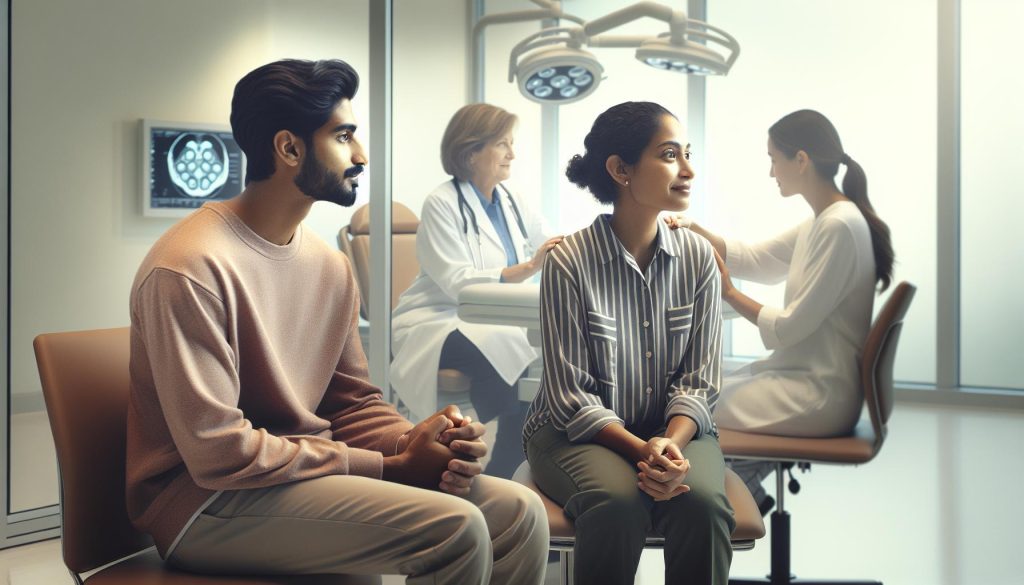
Discover the purpose of Assisted Reproductive Technology-your path to understanding IVF and overcoming infertility struggles. Learn how to navigate your journey with hope!

Does HPV cause infertility? Discover the hidden risks and how your fertility may be affected. Learn vital insights and take charge of your reproductive health today!

Learn if urinary infections can cause infertility. Discover essential UTI fertility risks and gain the insight you need to protect your reproductive health today!

Discover effective treatment options to reverse infertility and regain hope. Learn the steps, costs, and support available on your journey to parenthood.

Discover compassionate strategies in “How to Cope with Infertility: 10 Ways to Find Peace & Strength.” Learn to navigate your journey with hope and resilience today!

Does matcha cause infertility? Discover the truth behind this popular drink. Learn the facts, myths, and what you need to know for your fertility journey today!
Wondering, “Does Lupus cause infertility?” Discover the effects of autoimmune disease on pregnancy today. Get clear answers and compassionate guidance!

Can Buldak Ramen cause infertility? Discover the truth behind this spicy noodle fertility myth and learn what really impacts reproductive health.

Discover if Ureaplasma causes infertility and learn how this silent infection could impact your journey to parenthood. Don’t wait-uncover the dangers today!