Did you know that vitamin D plays a crucial role not just in bone health but potentially in fertility as well? As many individuals and couples navigate the emotional journey of trying to conceive, understanding the impact of vitamin D deficiency on reproductive health becomes vital. Low levels of this essential vitamin may not only affect ovulation and sperm production but can also hinder successful implantation. With many experiencing infertility challenges, exploring every possible factor, including nutritional deficiencies, is essential. This article will delve into the connection between low vitamin D levels and infertility, offering insights that could illuminate your path forward. Let’s uncover how addressing this deficiency may open doors to your family-building journey.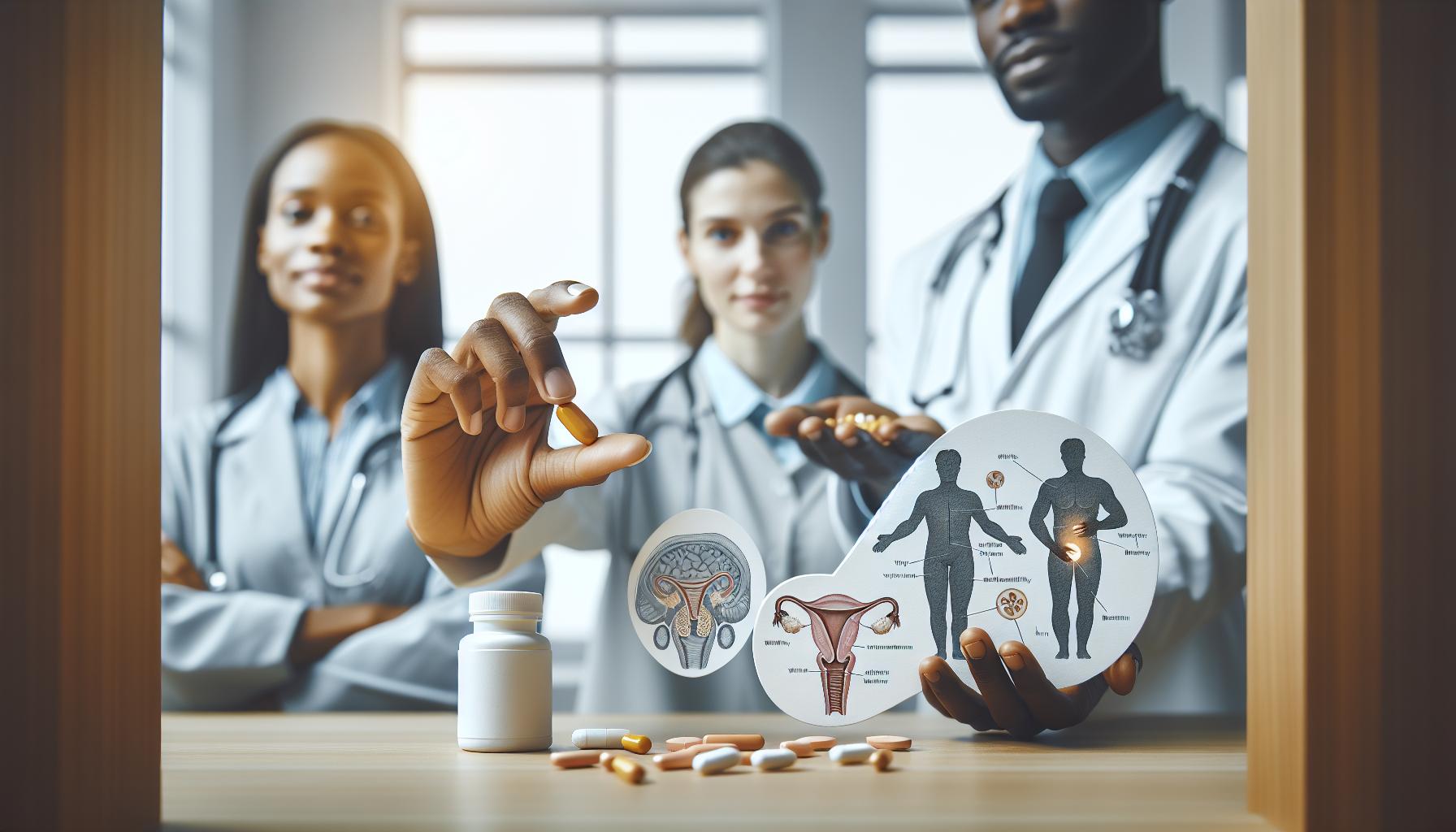
Understanding Vitamin D: Importance for Reproductive Health
Vitamin D plays a crucial role in reproductive health, serving as a key player in various processes that contribute to fertility. This vitamin is not only vital for bone health but also influences hormonal balance and reproductive function. Studies suggest that adequate levels of vitamin D may enhance fertility prospects for both men and women by supporting healthy sperm production in males and optimal ovarian function in females. Understanding the significance of vitamin D can be empowering for those navigating the challenges of infertility, providing a hopeful perspective in what can often seem like a daunting journey.
The importance of vitamin D extends beyond mere supplementation; it is intrinsically linked to reproductive hormones. In women, vitamin D is involved in the regulation of menstrual cycles and overall hormonal health. Low levels of this vitamin have been associated with irregular cycles and may even impact conditions like polycystic ovary syndrome (PCOS), which is known to affect fertility. For men, vitamin D contributes to testosterone production, a hormone critical to sperm health and quality. Ensuring adequate vitamin D levels is thus a proactive step toward fostering a robust reproductive environment.
If you’re struggling with infertility, it may be worth considering your vitamin D levels as part of a comprehensive approach to improving reproductive health. Regular screening and appropriate dietary or lifestyle modifications can help to enhance your vitamin D status. Exposure to sunlight is a natural way to boost levels, but it’s vital to balance this with the risks associated with UV exposure. Incorporating vitamin D-rich foods, such as fatty fish, fortified dairy products, and egg yolks, can also aid in achieving optimal levels. If dietary sources are insufficient, supplements may be beneficial, but consulting with a healthcare provider for personalized recommendations is essential. By taking these steps, you can create a supportive foundation for your fertility journey, acknowledging both the emotional and physical aspects of this deeply personal path.
What is Vitamin D Deficiency? Signs and Symptoms
Vitamin D deficiency can be a silent disruptor in the intricate landscape of reproductive health, impacting both men and women in profound ways. One of the most alarming aspects of this deficiency is that it can often go unnoticed until symptoms become severe or fertility challenges arise. Many people may not realize they are deficient, particularly as the symptoms can be subtle and overlap with other health issues.
Common signs of vitamin D deficiency include fatigue, bone pain, muscle weakness, and mood changes, which can easily be attributed to the stressors of daily life or other health conditions. However, when it comes to reproductive health, the implications can be particularly significant. Women may experience irregular menstrual cycles, while men might notice a decline in libido and sperm quality. Understanding these signs is crucial for anyone on a fertility journey, as addressing vitamin D levels can be an essential step toward enhancing overall reproductive function.
For those trying to conceive, awareness of vitamin D levels can not only lead to early detection of potential deficiencies but also prompt proactive measures. Regular screening through blood tests can help identify low levels of this vital nutrient. Recognizing the need for supplementation or dietary changes can empower individuals and couples to take charge of their reproductive health.
If you’ve been experiencing unexplained fertility struggles, it might be time to consider a discussion with your healthcare provider about your vitamin D status. Incorporating foods rich in vitamin D, such as fatty fish, fortified milk, and egg yolks, can also play a significant role in mitigating deficiency. By optimizing vitamin D levels, you may help create a more favorable environment for conception, thereby nurturing hope on your family-building journey.
Low Vitamin D and Its Impact on Fertility
Low vitamin D levels have been linked to various fertility issues, creating a complex interaction that can impact both men and women trying to conceive. Research suggests that insufficient vitamin D not only affects hormonal balance but may also contribute to reproductive disorders. For instance, men with low vitamin D levels may experience diminished testosterone production, leading to reduced libido and sperm quality. This is particularly concerning as sperm health is crucial for successful conception.
In women, depleted vitamin D can interfere with the menstrual cycle and ovulation, resulting in irregular periods and disrupted fertility. Low levels may also exacerbate conditions like polycystic ovary syndrome (PCOS) which affect ovulatory function and insulin resistance-factors that play significant roles in fertility. As such, addressing vitamin D deficiencies should be a priority for those looking to improve their reproductive health.
Consider these actionable steps to help manage vitamin D levels for fertility enhancement:
- Regular Testing: Consult with your healthcare provider to have your vitamin D levels checked, especially if you’re experiencing fertility challenges.
- Sun Exposure: Aim for moderate sun exposure, which can stimulate natural vitamin D production-ensure adequate protection to minimize skin damage.
- Diet Changes: Incorporate vitamin D-rich foods into your meals, such as fatty fish, fortified dairy products, and egg yolks to help boost your intake.
- Consider Supplements: If dietary sources and sun exposure are insufficient, ask your healthcare provider about vitamin D supplements to ensure optimal levels.
These strategies not only aim to optimize your vitamin D levels but can also create a supportive environment for conception. Each step taken towards addressing vitamin D deficiency is a movement towards enhancing your overall reproductive health, affirming that you are not alone on this journey. Knowledge, proactive management, and support can empower you as you navigate the challenges of fertility.
How Vitamin D Levels Affect Hormonal Balance
Vitamin D, often dubbed the “sunshine vitamin,” plays a crucial role in maintaining various bodily functions, including hormonal balance, which is integral to reproductive health. It helps regulate the production of sex hormones in both men and women. For women, adequate levels of vitamin D may support normal estrogen and progesterone levels, which are key to ovulation and maintaining a healthy menstrual cycle. In men, this vitamin aids in testosterone production, impacting libido and sperm health. Insufficient vitamin D can lead to hormonal imbalances, creating a challenging environment for conception.
Research has shown that low vitamin D levels can disrupt the hypothalamic-pituitary-gonadal axis-the pathway responsible for hormonal regulation related to reproduction. These disruptions can result in irregular menstrual cycles in women and lowered testosterone levels in men, both of which can significantly hinder fertility. Therefore, monitoring and correcting vitamin D deficiency may improve hormonal regulation and address fertility challenges. Regular testing through your healthcare provider can help identify any deficiencies before they impact reproductive health.
Incorporating lifestyle changes can also assist in managing vitamin D levels. Engaging in moderate sun exposure can stimulate natural production of the vitamin, while dietary adjustments-such as including fatty fish, fortified dairy, and egg yolks-can boost your intake. Supplements could be beneficial if dietary sources and sunlight fall short, but it’s essential to consult a healthcare professional before starting any supplementation regimen. Addressing vitamin D deficiency not only fosters hormonal harmony but also creates a more favorable environment for conception and overall reproductive health.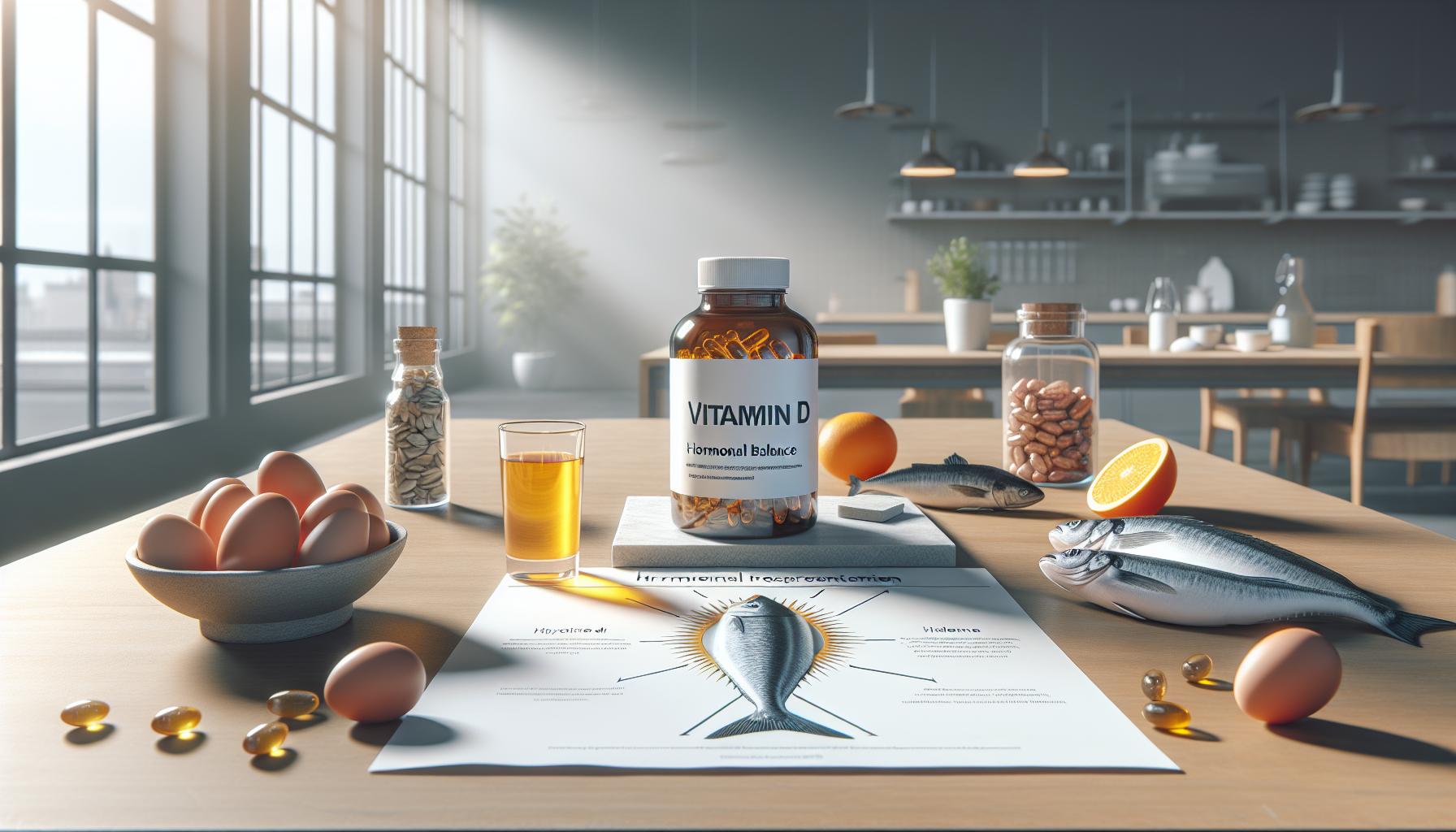
The Role of Vitamin D in Sperm Quality
The health of sperm is vital for fertility, and emerging research highlights a significant link between vitamin D levels and sperm quality. Low levels of vitamin D can lead to compromised sperm development, affecting parameters such as count, motility (the ability to swim), and morphology (shape). Inadequate vitamin D not only impacts the physical characteristics of sperm but may also influence DNA integrity, which is crucial for successful fertilization and embryo health.
One intriguing study found that men with sufficient vitamin D levels had better sperm motility compared to those who were deficient. This is important because motility is a critical factor in the ability of sperm to reach and fertilize an egg. Moreover, vitamin D is thought to play a role in the regulation of gene expression in the spermatogenic process, which includes the formation of sperm. For men trying to conceive, optimizing vitamin D levels could be a simple yet effective strategy for enhancing fertility.
To improve sperm quality through vitamin D, consider incorporating dietary sources rich in this vital nutrient. Foods such as fatty fish (like salmon and mackerel), fortified dairy products, and egg yolks are excellent choices. Additionally, safe sun exposure can significantly boost your vitamin D levels, as the skin synthesizes this vitamin in response to sunlight. If dietary adjustments and sunlight are insufficient, discussing supplementation options with a healthcare provider might be a sensible next step. Regular testing can help identify deficiencies, enabling targeted strategies to improve not just sperm quality but overall reproductive health.
Here’s a practical checklist to help you maintain optimal vitamin D levels for sperm quality:
- Sun Exposure: Aim for 15-30 minutes a few times a week, depending on your skin type and local UV index.
- Dietary Sources: Include foods like salmon, sardines, egg yolks, and fortified cereals in your meals.
- Supplements: Consider vitamin D3 supplements, especially during winter months or if you have limited sun exposure. Always consult a healthcare professional before starting.
- Regular Testing: Schedule check-ups to monitor your vitamin D levels and assess any necessary interventions.
The journey toward parenthood can be fraught with uncertainty and emotional weight. Understanding offers a glimmer of hope and actionable steps for those navigating infertility challenges. While the path may be challenging, making informed lifestyle choices and seeking appropriate support can foster both physical and emotional well-being during this crucial time.
Vitamin D Deficiency: Risks for Women Trying to Conceive
Vitamin D plays a crucial role in various bodily functions, including those necessary for reproductive health. For women trying to conceive, adequate levels of this vital nutrient are increasingly recognized as essential not only for overall health but also for enhancing fertility. Low levels of vitamin D have been associated with several reproductive challenges, including hormonal imbalances and issues with ovarian function. Research suggests that inadequacies in vitamin D can lead to disruptive patterns in menstrual cycles and may affect the quality of oocytes (eggs), both critical factors for conception.
A study highlighted that women with insufficient vitamin D levels often experience greater difficulty in achieving pregnancy. This deficiency is linked to reduced success rates in assisted reproductive technologies, such as in vitro fertilization (IVF). For those undergoing fertility treatments, having optimal vitamin D levels could enhance the chances of a successful outcome. This underscores the importance of monitoring and addressing vitamin D levels before embarking on a fertility journey.
To support reproductive functions, women are advised to embrace lifestyle adjustments that can improve their vitamin D status. This includes seeking adequate sun exposure, consuming vitamin D-rich foods, and considering supplements if necessary. Foods such as fatty fish, fortified dairy products, and egg yolks are excellent sources to include in your diet. Additionally, consulting with a healthcare provider for personalized guidance on testing and supplementation is vital. Regular monitoring of vitamin D levels can help ensure that adequate levels are maintained, fostering a healthier environment for conception.
In conclusion, addressing vitamin D deficiency is not just about boosting overall health; it is a significant step toward enhancing fertility. By understanding its importance, women trying to conceive can take actionable steps to improve their reproductive health and potentially increase their chances of conception. This journey is often filled with emotional challenges, and seeking support, whether through dietary changes or medical guidance, is pivotal in navigating this path toward parenthood.
Connecting Vitamin D and Ovarian Function
Low vitamin D levels may pose a significant risk to ovarian function, impacting a woman’s overall fertility journey. Research indicates that vitamin D plays a pivotal role in ovarian health, influencing both the quality of oocytes and the regulation of reproductive hormones. Deficiency in this essential nutrient can lead to irregular menstrual cycles and impaired ovarian reserve, thereby complicating efforts to conceive.
Emerging studies suggest that vitamin D receptors are present in ovarian tissues, indicating that this vitamin could be crucial in promoting normal ovarian function. Women with adequate levels of vitamin D have shown improved follicle development and oocyte maturation, which are vital for successful ovulation. In contrast, low levels are often associated with conditions such as polycystic ovary syndrome (PCOS), which can further exacerbate fertility challenges.
To address this potential deficiency, it’s essential to incorporate dietary sources of vitamin D, such as fatty fish, fortified foods, and egg yolks, into your meals. Additionally, moderate sun exposure can stimulate vitamin D production in the skin, contributing to improved ovarian function. Regular monitoring of vitamin D levels through blood tests is also advisable, allowing for timely intervention through lifestyle adjustments or supplementation, if necessary.
As you navigate your fertility journey, remember that each step counts. Prioritizing your vitamin D levels can be one of many proactive measures taken to enhance reproductive health. Equipping yourself with knowledge and resources not only empowers you on this path but also fosters hope during times of uncertainty.
Exploring the Link Between Vitamin D and PCOS
Polycystic ovary syndrome (PCOS) affects a significant number of women, with its symptoms often extending beyond irregular periods to include metabolic concerns and emotional challenges. Notably, research highlights a concerning link between vitamin D deficiency and the exacerbation of PCOS symptoms, which can impact overall fertility. Adequate levels of vitamin D are believed to play a critical role in regulating menstrual cycles and hormonal balance, both of which are often disrupted in women with PCOS.
One crucial aspect to consider is that vitamin D helps reduce insulin resistance-a common issue for those with PCOS. Elevated insulin levels can trigger ovarian dysfunction, leading to difficulties with ovulation and increased androgen levels, which can worsen symptoms such as hirsutism and acne. By ensuring sufficient vitamin D levels, women may experience better metabolic health, potentially improving menstrual regularity and enhancing fertility.
Moreover, vitamin D may influence the health of the ovarian follicles. Some studies suggest that higher vitamin D levels are associated with improved follicle quality and number, which can be beneficial for women attempting to conceive. Incorporating vitamin D-rich foods into the diet-such as fatty fish (like salmon and mackerel), egg yolks, and fortified dairy products-can help support these essential processes.
As you navigate your reproductive health journey, it’s important to monitor and address vitamin D levels, particularly if you have a diagnosis of PCOS. Consulting with a healthcare provider for appropriate testing and potential supplementation can be a proactive step in managing your condition and improving your chances of conception. Remember, every small step you take toward understanding and managing your health is a part of the journey, and you are not alone in this process.
Dietary Sources of Vitamin D for Enhanced Fertility
Research indicates that vitamin D plays a vital role in reproductive health, and ensuring adequate intake through diet can significantly impact fertility. Many may not realize that the body can obtain vitamin D from several food sources, which is essential not only for overall health but also for enhancing the chances of conception. By incorporating certain foods into your diet, you may be taking proactive steps toward supporting your fertility journey.
Fatty fish is one of the richest natural sources of vitamin D. Varieties such as salmon, mackerel, and sardines are not only delicious but also packed with nutrients that support reproductive health. A single serving can provide a substantial portion of the daily recommended intake, making them a powerful ally in your diet. Additionally, egg yolks serve as a convenient source, containing vitamin D alongside other supportive nutrients like omega-3 fatty acids.
Fortified foods can also be a valuable part of your vitamin D strategy. Many dairy products and plant-based alternatives, such as almond milk and soy milk, are often fortified with vitamin D, making them accessible options for those who may be lactose intolerant or follow a vegan diet. Incorporating these products can help bridge any gaps in dietary intake, supporting your overall nutritional needs.
It’s important to combine these dietary sources with lifestyle habits that promote healthy vitamin D levels. Spending time outdoors in sunlight allows the body to synthesize vitamin D naturally. Aim for around 15-30 minutes of sun exposure several times a week, depending on your skin type and the weather conditions. This synergistic approach of diet and sun exposure can help maintain balanced vitamin D levels, which is particularly crucial for those experiencing challenges related to fertility.
By being mindful of your dietary choices and staying informed about your vitamin D intake, you can create a nourishing environment for your reproductive health. Consulting with a healthcare provider can help ensure you’re meeting your needs and addressing any potential deficiencies with tailored recommendations. Remember, each step you take toward nurturing your body is a part of your unique path, and you deserve support and understanding throughout this journey.
Supplementation: How Much Vitamin D Do You Need?
Understanding how much vitamin D you need can be crucial, especially when it comes to reproductive health and fertility. Research has shown that adequate vitamin D levels are associated with improved fertility outcomes. The recommended dietary allowance (RDA) varies based on age, sex, and life stage. For most adults, including those trying to conceive, the RDA is typically around 600 to 800 IU (International Units) per day. However, some studies suggest higher doses may be beneficial for those with low vitamin D levels or specific conditions affecting fertility.
When considering supplementation, it’s essential to consult with a healthcare provider who can assess your individual situation-especially if you have underlying health issues or are experiencing fertility challenges. They may recommend a blood test to determine your current vitamin D levels and guide you on an appropriate dosage. In cases of deficiency, dosages of 1000 to 5000 IU daily might be suggested, but this should always be monitored by a healthcare professional to avoid toxicity.
Additionally, vitamin D supplements come in two main forms: cholecalciferol (vitamin D3) and ergocalciferol (vitamin D2). Vitamin D3 is often preferred as it is more effective at raising blood levels of vitamin D. Achieving the right balance is important-not only does it help in improving calcium absorption and bone health, but it also plays a pivotal role in hormonal regulation, which is directly linked to ovulatory function and overall fertility.
Incorporating vitamin D into your daily routine, through supplements or mindful sun exposure, can be a powerful step toward enhancing your reproductive health. Remember, each body is different, and your journey through fertility can feel overwhelmingly complex. Take the time to be informed, and don’t hesitate to reach out for guidance tailored to your personal needs and experiences. Your health and comfort are paramount in this journey, and every informed step you take is a testament to your commitment to building the family you desire.
The Influence of Sunlight on Vitamin D Production
Exposure to sunlight is a natural and vital source for our bodies to produce vitamin D, often referred to as the “sunshine vitamin.” When UVB rays from the sun hit the skin, a chemical reaction occurs, converting a cholesterol derivative into vitamin D3. This process is particularly significant because adequate vitamin D levels have been linked to better reproductive health. Some studies have indicated that individuals with low sunlight exposure may struggle with infertility, highlighting the essential role that sunlight plays in not just general health, but also in reproductive optimization.
To maximize your vitamin D production through sunlight, aim for about 10 to 30 minutes of sun exposure several times a week, ensuring that arms, legs, or back are uncovered. However, factors such as skin tone, time of day, geographic location, and season can influence vitamin D synthesis. Those with lighter skin typically produce vitamin D more efficiently, while people with darker skin may need longer exposure. Remember, while sunlight is beneficial, it’s essential to balance this with skin protection measures to minimize the risk of skin damage or cancer.
To help integrate sunlight exposure into your daily routine sustainably, consider these practical tips:
- Go outside during midday when the sun’s UV rays are strongest, preferably between 10 AM and 3 PM.
- Incorporate outdoor activities into your schedule, whether walking the dog or gardening, which can make the sun exposure enjoyable.
- If you live in an area with long winters or frequent cloud cover, consider discussing proactive vitamin D supplementation with your healthcare provider.
Connecting with sunlight not only enhances vitamin D levels but also boosts mood and general well-being. During your fertility journey, prioritizing time outdoors can provide both the physiological benefits of vitamin D along with emotional uplift and a sense of calm amidst the evolving experience of trying to conceive. As you navigate this path, remember that every small step-like soaking up some sun-contributes positively to your reproductive health and overall outlook.
Addressing Misconceptions: Vitamin D and Infertility
Amid the growing dialogue around fertility and nutrition, vitamin D emerges as a critical yet often misunderstood player in reproductive health. Many people question whether low levels of this vitamin can directly cause infertility, leading to feelings of uncertainty and anxiety about their ability to conceive. It’s essential to debunk some common myths surrounding vitamin D’s role in fertility to provide a clearer understanding of its impacts.
First and foremost, while vitamin D deficiency is associated with various reproductive issues, it is not a standalone cause of infertility. Numerous factors contribute to fertility challenges, including age, hormonal imbalances, and underlying health conditions. Vitamin D does play a supportive role in reproductive processes, such as influencing hormone levels, but the relationship is complex and multifactorial. The presence of adequate vitamin D levels is beneficial and may enhance fertility potential, but insufficient evidence outright links deficiency to infertility.
Individuals often fear that not having optimal vitamin D levels means they will struggle to conceive, which can lead to unnecessary stress and worry. Instead, focusing on maintaining a balanced approach to health-such as a diet rich in nutrients, regular exercise, and sufficient sunlight exposure-can improve overall reproductive well-being. Consultations with healthcare providers can help measure vitamin D levels and suggest ways to improve them, such as through dietary changes or supplements, if needed.
Additionally, it’s vital to recognize that each journey to conception is unique and varies widely among individuals. During this complex time, many can feel isolated by their experiences. Remember, seeking support from healthcare professionals, support groups, or fertility specialists can provide valuable guidance and reassurance, alleviating the emotional toll that misconceptions around vitamin D and fertility can create. Prioritizing emotional health alongside physical health is just as crucial in navigating the challenges of conception.
Frequently Asked Questions
Q: Can low vitamin D levels affect male fertility?
A: Yes, low vitamin D levels can negatively impact male fertility. Research indicates that vitamin D plays a role in sperm quality and motility. Men with sufficient levels may experience improved sperm health, which is crucial for successful conception. Consider checking your vitamin D levels if facing fertility issues.
Q: What are the long-term effects of vitamin D deficiency on reproductive health?
A: Long-term vitamin D deficiency can lead to hormonal imbalances, affecting ovulation and reproductive functions in women and impairing sperm quality in men. Maintaining adequate vitamin D levels is essential for overall reproductive health and may enhance fertility. Regular sun exposure and dietary intake can help.
Q: How can I naturally increase my vitamin D levels for better fertility?
A: To naturally increase vitamin D levels, aim for regular sun exposure, consume vitamin D-rich foods like fatty fish, egg yolks, and fortified dairy products, or consider a high-quality supplement. Ensure to consult healthcare providers for personalized advice related to fertility.
Q: Is there a specific amount of vitamin D that improves fertility?
A: While individual needs vary, optimal vitamin D levels should generally be between 30-50 ng/mL for reproductive health. Supplementing between 600 to 4000 IU daily may help achieve this range, but consultation with a healthcare provider is advisable for tailored recommendations.
Q: How does vitamin D interact with other fertility treatments?
A: Vitamin D can enhance the effectiveness of fertility treatments such as IVF by improving egg quality and hormonal balance. Discussing your vitamin D status with your fertility specialist can help optimize your treatment plan and overall success rates.
Q: Can vitamin D supplements interfere with fertility medications?
A: Generally, vitamin D supplements do not interfere with fertility medications and can be beneficial. However, always consult with your healthcare provider to ensure safe and coordinated use alongside fertility treatments.
Q: What signs indicate a vitamin D deficiency related to fertility?
A: Common signs of a vitamin D deficiency can include fatigue, bone pain, and muscle weakness. For fertility specifically, irregular menstrual cycles or abnormal sperm motility may also suggest low vitamin D levels. If you suspect a deficiency, seek testing and advice.
Q: Is it safe to take vitamin D while trying to conceive?
A: Yes, it is safe to take vitamin D while trying to conceive. Ensuring optimal levels may improve fertility outcomes. However, it is beneficial to consult a healthcare provider for personalized dosage recommendations based on individual health needs and circumstances.
Key Takeaways
Understanding the impact of low vitamin D levels on fertility is crucial, as it plays a significant role in reproductive health. If you’ve found this topic resonating with you, consider exploring related factors such as hormonal balance, nutritional needs, and lifestyle changes that can enhance your fertility journey. Don’t hesitate to check our in-depth articles on IVF options and the causes of infertility for further insights.
Act now – improving your vitamin D status might just be the step you need to take. If you have lingering concerns or are ready to start your family-building journey, reach out for a consultation today. Remember, seeking support is essential, and you are not alone in this journey. Join our community and subscribe to our newsletter for more tips and resources that will guide you through your path. Your well-being matters, and every small step counts. Let’s navigate this together!
Get our latest guides, news, and insights highlighted in your Google Search & AI Overviews.