

How Long Does IVF Take From Start to Finish? Full Timeline
Discover how long IVF takes from start to finish! Get a clear timeline and expert insights to navigate your fertility journey. Start your path to parenthood today!
IVF Cycle Timeline is a specialized chronological clinical pathway that structures every phase of the assisted reproduction cycle into precise biological intervals to ensure synchronized ovarian response and optimal endometrial implantation timing.
Evidence-based clinical analysis and patient guidance regarding how long does ivf take from start to finish? full timeline.
Evidence-based clinical analysis and patient guidance regarding how long is a reproduction session: timing explained.
Evidence-based clinical analysis and patient guidance regarding how soon can you do ivf after having a baby? safe timing.
An In Vitro Fertilization cycle is governed by precise biological chronometry. A standard antagonist cycle typically spans 28 to 42 days from initial luteal pre-treatment through serum pregnancy confirmation. The timeline commences with 10–21 days of oral contraceptive or estrogen priming to suppress endogenous gonadotropins and synchronize the antral follicle cohort for uniform recruitment.
Active ovarian stimulation commences on cycle Day 2 or 3 and continues for approximately 9 to 12 days. The final maturation trigger initiates a strictly timed 35 to 36 hour window preceding oocyte aspiration. Following retrieval, fertilization occurs within 18 hours, with embryo culture spanning 5 to 6 days to the expanded blastocyst stage prior to fresh transfer or cryopreservation.
Most women take subcutaneous stimulation injections for 9 to 11 days, although treatment can range from 8 to 14 days depending on individual ovarian responsiveness.
The trigger shot initiates the final stage of oocyte meiosis. Aspiration must occur within 35 to 36 hours; administering it too late or too early risks retrieving immature eggs or experiencing premature ovulation.
A quantitative serum beta-hCG blood test is scheduled 9 to 11 days after a Day 5 blastocyst transfer, allowing sufficient time for implantation without detecting residual trigger medication.
Discover how long IVF takes from start to finish! Get a clear timeline and expert insights to navigate your fertility journey. Start your path to parenthood today!

Discover how long a reproduction session really takes! Uncover vital timing insights for IVF and insemination to optimize your fertility journey.
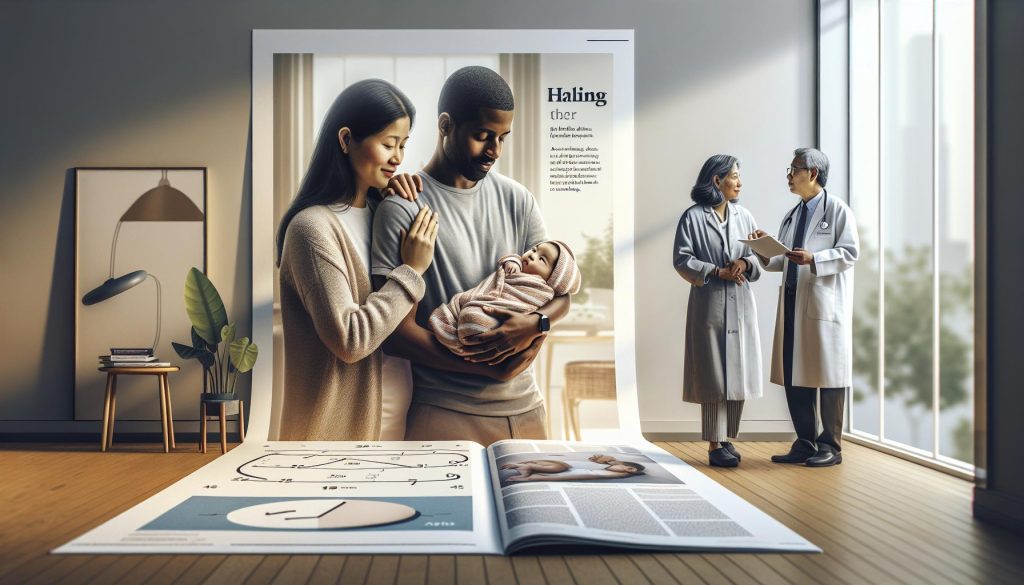
Wondering how soon you can do IVF after having a baby? Discover safe timing, costs, and success rates to guide your family planning journey with confidence.

Unlock the secret to IVF success! Learn why birth control before IVF is crucial for cycle synchronization. Discover expert insights that enhance your journey.

How many days after IVF transfer can you test? Discover the key waiting period and get ready for the results. Understand your journey and take control!

Discover how to determine your IVF due date accurately. Learn key calculation methods and find emotional support on your fertility journey today!

Discover when to start birth control before IVF to maximize your success. Get vital timing insights and empower your fertility journey today!
Discover how old IVF technology truly is-45 years of groundbreaking advancements in fertility! Learn its impact on family-building and your options today.

Celebrate World IVF Day on July 25! Learn how this day promotes awareness and support for fertility journeys. Discover resources, treatments, and hope today!

Wondering how soon after IVF implantation you can test? Discover the best timing for accurate results and boost your chances of success today!