

Can You Do Artificial Insemination at Home? Safety & Success
Can you do artificial insemination at home? Discover essential safety tips and success strategies to navigate your fertility journey with confidence today!
AI Procedures & Techniques is a specialized interventional insemination methodology that processes ejaculated spermatozoa and executes sterile catheter deposition into the uterine cavity to eliminate prostaglandins, concentrate motile gametes, and synchronize ovulation arrival.
Evidence-based clinical analysis and patient guidance regarding can you do artificial insemination at home? safety & success.
Evidence-based clinical analysis and patient guidance regarding how effective is artificial insemination in dogs? results.
Evidence-based clinical analysis and patient guidance regarding how to prepare for artificial insemination: essential checklist.
The clinical execution of intrauterine insemination (IUI) demands meticulous laboratory processing and precise procedural timing. Raw semen contains seminal plasma, prostaglandins, cellular debris, and bacteria that induce severe uterine cramping and anaphylactoid reactions if introduced directly into the uterine cavity. Laboratory sperm preparation utilizes density-gradient centrifugation or swim-up techniques with buffered nutrient culture media to isolate a concentrated pellet of morphologically normal, progressively motile spermatozoa.
Clinical insemination is performed 34 to 36 hours following an ovulatory trigger injection (or 24 to 28 hours after a detected natural LH surge). Using a sterile speculum and an ultra-fine, flexible intrauterine catheter, the clinician navigates the internal cervical os to inject 0.3 to 0.5 mL of washed sperm suspension into the upper uterine cavity with minimal mucosal disruption.
Raw semen contains prostaglandins, which cause violent uterine contractions, severe pain, and potential infection. Sperm washing removes seminal plasma, isolating only healthy motile sperm safe for intrauterine placement.
Most reproductive endocrinologists look for a post-wash total motile sperm (TMS) count of at least 5 to 10 million for optimal IUI success. Lower counts often suggest that IVF/ICSI will provide a much higher chance of conception.
Clinics typically advise patients to remain resting supine for 10 to 15 minutes following insemination. Afterward, normal daily activities may be resumed immediately.
Can you do artificial insemination at home? Discover essential safety tips and success strategies to navigate your fertility journey with confidence today!
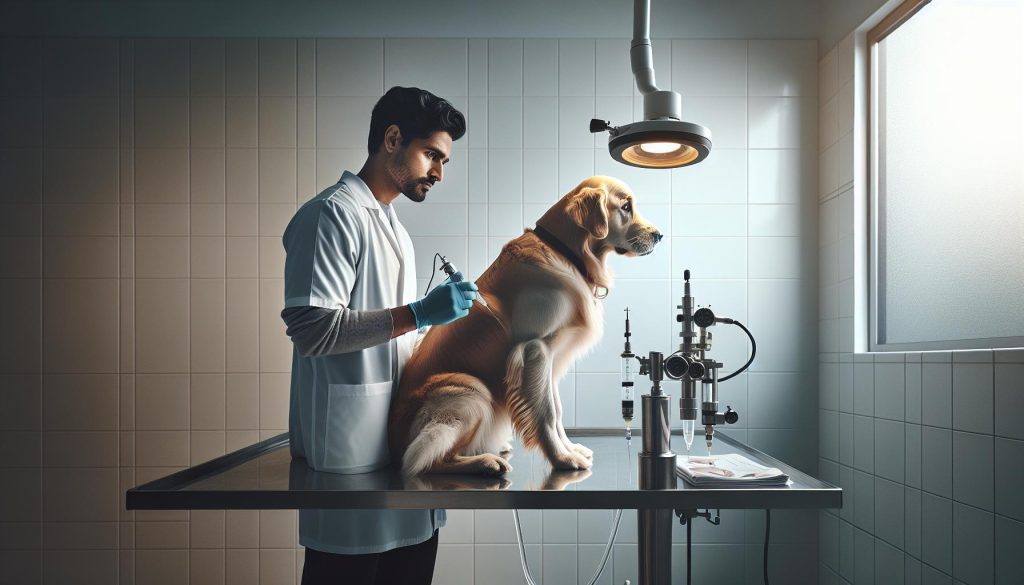
Discover how effective artificial insemination in dogs can be! Learn about success rates, costs, and what to expect in this life-changing journey.

Unlock your path to parenthood! Discover the essential checklist for preparing for artificial insemination-boost your success and ease your journey today.
Unlock the potential of your herd! Discover the benefits of artificial insemination in cattle for improved breeding outcomes and herd genetics. Don’t miss out!

Discover the essential steps for artificial insemination-understand the process, costs, and what to expect. Learn how to take charge of your fertility journey today!

Curious about French Bulldog breeding? Discover if all are artificially inseminated and uncover the truth behind their reproduction methods and challenges!
Unlock the secrets of successful breeding! Discover how artificial insemination in livestock enhances fertility, maximizes genetic potential, and boosts your farm’s productivity.

Wondering how long after artificial insemination you can test for pregnancy? Discover crucial timelines and tips to maximize your journey to parenthood.
Unlock the secrets of successful feline breeding! Discover how to artificially inseminate a cat with our expert guide. Take the first step toward kitty parenthood today!

Discover if you can be artificially inseminated after menopause! Get essential facts on success rates, treatment options, and your fertility journey today.