Artificial insemination in cattle is a revolutionary breeding practice that allows farmers to enhance their herds’ genetic quality and productivity. Did you know that this method can significantly improve milk and meat production while also reducing the costs associated with maintaining a bull? For many cattle owners, understanding the benefits of artificial insemination can mean the difference between a thriving herd and one that falls short of its potential.
This technique not only helps in managing breeding schedules but also minimizes the risks of disease transmission that can occur with natural mating. As you explore this article, you’ll discover how artificial insemination not only supports herd improvement but also aligns with your farming goals, ensuring healthier cattle and better yields. Let’s dive into the world of artificial insemination and uncover the transformative effects it can have on cattle breeding.
What Is Artificial Insemination in Cattle?
Artificial insemination (AI) in cattle is a revolutionary breeding technique that enhances reproductive efficiency and genetic advancement within herds. This process involves the deliberate introduction of sperm into a female’s reproductive tract without the natural mating process. By using AI, cattle breeders can select genetically superior bulls to improve the overall quality of the herd-producing offspring that may have better health, higher milk production, or improved growth rates.
One of the significant advantages of artificial insemination is its ability to reduce the risk of disease transmission that can occur with natural breeding, thereby promoting a healthier herd. Furthermore, AI can significantly broaden the genetic pool available to ranchers. With access to a wider array of genetic material from proven sires, breeders can enhance desirable traits across multiple generations. This innovation not only drives productivity but also supports sustainable practices within cattle farming.
The procedure itself is relatively straightforward but requires careful attention to timing and technique. Estrus synchronization and proper timing ensure that insemination coincides with ovulation, maximizing the chances of conception. Various AI techniques, including fresh or frozen semen, allow for flexibility depending on the specific goals of the breeding program. With this technique, cattle breeders can effectively manage their breeding schedules, ultimately leading to more controlled and predictive outcomes for herd development.
The Science Behind Artificial Insemination
Artificial insemination in cattle is underpinned by the principles of reproductive science that allow for successful breeding without the need for natural mating. This technique utilizes advanced methods to introduce sperm directly into a cow’s reproductive tract. One of the crucial aspects of this process is understanding the reproductive cycle of cattle, particularly the estrous cycle, which typically lasts about 21 days. During this cycle, the cow exhibits specific behaviors and physiological changes that indicate she is in estrus or “heat,” making it the optimal time for insemination.
To maximize the potential for conception, timing is critical. Estrus synchronization techniques are often employed to ensure that a group of cows can be bred around the same time, thereby simplifying management and increasing efficiency. With advancements in veterinary science, hormones can be administered to regulate ovulation, allowing insemination to be timed precisely. Once the sperm is delivered-using methods such as intrauterine or intracervical insemination-it can fertilize the egg, leading to pregnancy.
In terms of genetic selection, the science of artificial insemination leverages cryopreserved (frozen) sperm from high-quality bulls, which allows breeders to enhance the genetic diversity of their herds far beyond what is possible with natural breeding. This genetic advantage supports the development of desirable traits over multiple generations, such as improved milk production, growth rates, and disease resistance, contributing to the overall productivity and sustainability of cattle farming.
As the field continues to evolve, the application of technologies such as genomic selection is becoming increasingly prominent. This approach allows breeders to evaluate and select the best candidates based on DNA information, further refining the genetic traits desired in future offspring. The combination of these scientific advancements not only improves breeding outcomes but also promotes the long-term health and viability of cattle populations.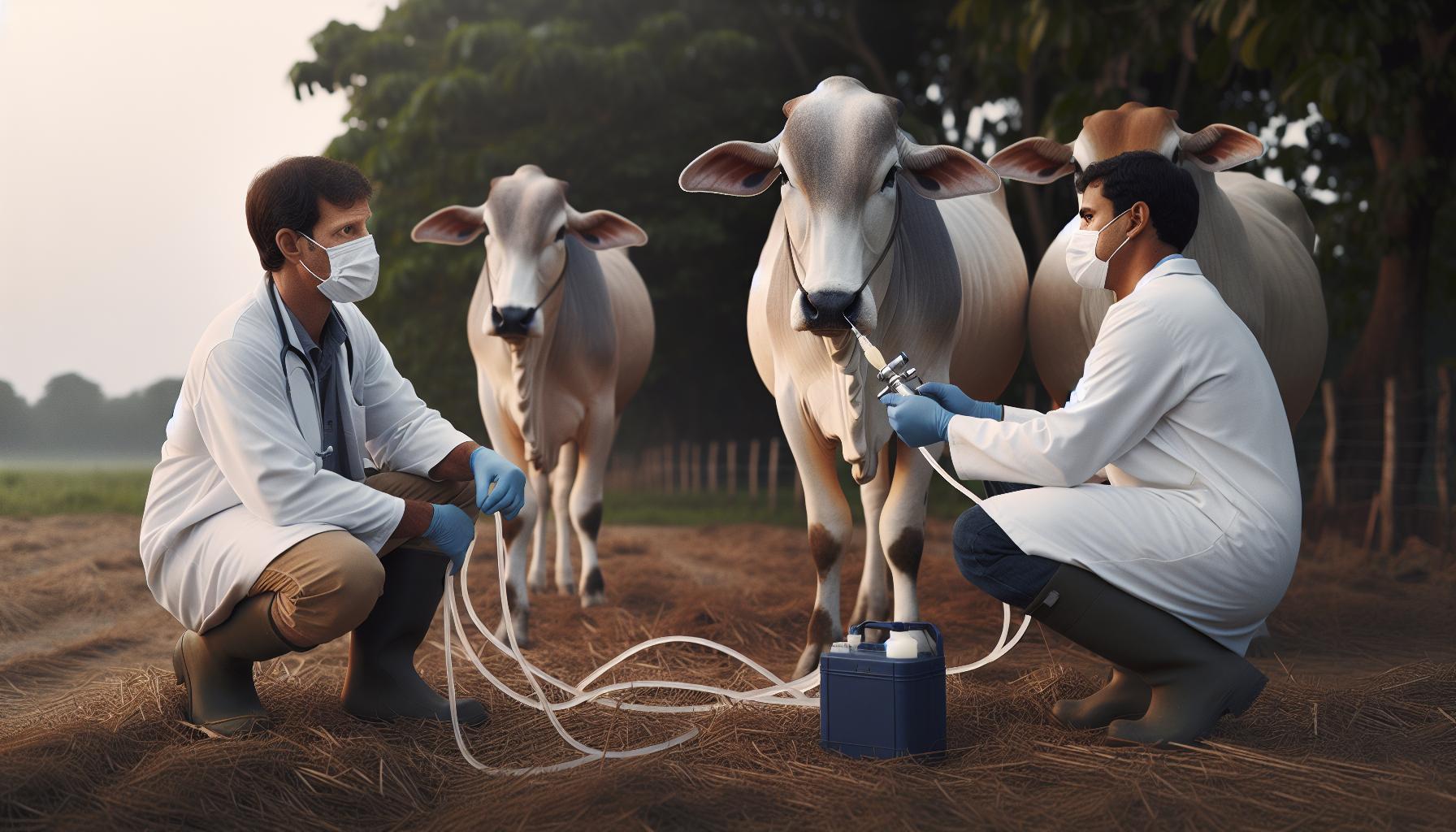
Benefits of Artificial Insemination for Cattle Breeding
Artificial insemination (AI) has revolutionized cattle breeding, offering numerous advantages that enhance both productivity and genetics in herds. One of the standout benefits is the ability to introduce superior genetics into a herd without the logistical challenges of maintaining a bull on premises. This allows farmers to select from a broader pool of high-quality sires, significantly improving traits such as milk production, growth rates, and overall disease resistance in offspring. By using cryopreserved (frozen) semen from top-performing bulls, breeders can access genetic diversity that may have been previously unattainable through traditional breeding methods.
In addition to genetic gains, artificial insemination simplifies management processes on farms. For instance, AI enables synchronization of estrus cycles among cows, allowing multiple animals to be bred at the same time, maximizing efficiency and timing for herd management. This synchronized approach leads to a more organized breeding program, reducing the time and labor involved in tracking individual heat cycles. As a result, producers can plan around specific breeding seasons, making it easier to manage veterinary care and calf rearing.
The financial implications of AI are also significant. While the upfront costs of using artificial insemination can be higher due to the purchase of semen and specialized equipment, these costs are often offset by the increased productivity and profitability derived from improved herd genetics and condensed breeding schedules. Moreover, using AI reduces the risks associated with maintaining a bull, such as the costs of feed, medical care, and potential injury. In the long run, investing in AI is beneficial, leading to stronger, healthier cattle and greater returns on investment.
In terms of ethical considerations, AI alleviates the need for extensive bull management and reduces the potential for aggressive behaviors often associated with bulls in proximity to breeding females. This makes handling cattle safer for farm workers and allows for improved conditions for both cows and bulls. By harnessing the benefits of artificial insemination, cattle breeders can ensure they are not only building better herds but also doing so in a more humane and efficient manner.
Understanding the Different AI Techniques
Artificial insemination (AI) in cattle involves a range of techniques designed to enhance reproductive efficiency and ensure that superior genetics are passed on to future generations. Each method has its own unique advantages and applications, facilitating a tailored approach to breeding that can significantly improve herd quality.
One predominant technique is intrauterine insemination (IUI). This method involves inserting specially prepared sperm directly into the uterus using a catheter. This technique is beneficial because it allows for a higher concentration of sperm closer to the site of fertilization, which can lead to improved conception rates. IUI is particularly advantageous for timing insemination with the female’s estrous cycle for optimal results.
Another commonly utilized method is cervical artificial insemination (CAI). In this procedure, a specially designed instrument is used to deposit sperm into the cervix, making it less invasive than IUI while still providing good success rates. CAI is often easier to perform than IUI and may be a preferred choice in herds where managing the insemination process needs to be streamlined.
Furthermore, the technique known as intracervical insemination (ICI) places sperm into the cervix as well but with a focus on simplicity and minimal equipment. This method can be beneficial in larger herds where quick, effective insemination is a necessity. The primary advantage of ICI lies in its feasibility for more remote or less-equipped farming operations, allowing for greater accessibility to AI technology.
Regardless of the method employed, understanding the timing of insemination in relation to the cow’s estrus cycle is crucial. Effective synchronization protocols can help ensure that the breeding occurs at the optimal time, thereby increasing the likelihood of successful pregnancies. This involves the use of hormonal treatments to induce estrus, enabling producers to manage breeding schedules more efficiently.
In conclusion, the choice of AI technique should be guided by the specific needs of the herd, the available resources, and the desired outcomes. By leveraging these advanced techniques, cattle breeders can maximize their productivity and enhance the genetic potential of their livestock, ultimately contributing to a more sustainable and profitable farming operation.
Key Factors Influencing Success Rates
The success of artificial insemination (AI) in cattle greatly relies on several interrelated factors. Understanding these elements can significantly improve the odds of successful conception and maintain the productivity of breeding programs. Key aspects include the timing of insemination, health of the cows, semen quality, and handling techniques.
One of the most critical components is the timing of insemination in relation to the female’s estrous cycle. For optimal results, it is essential to inseminate the cow when she is in heat. This can often be achieved through synchronization protocols using hormonal treatments, which help manage breeding schedules and ensure that insemination occurs at the peak of fertility. In practical terms, utilizing tools like heat detection aids can help farmers accurately identify the right moment, significantly boosting conception rates.
The health and nutrition of the cows also play a pivotal role in influencing success rates. Cows that are undernourished or stressed are less likely to conceive. Therefore, providing a balanced diet rich in essential nutrients and ensuring appropriate living conditions can enhance reproductive performance. Regular health checks are also advisable, as underlying health issues can impede fertility.
Another factor that directly affects success rates is the quality of the semen used for insemination. Semen must be collected, stored, and handled correctly to maintain its viability. High-quality, properly thawed semen with adequate motility and morphology will markedly increase the chances of successful fertilization. It’s beneficial for cattle breeders to work with reputable AI services that can provide quality semen and offer guidance on handling techniques.
Finally, the practices and techniques employed during the insemination process itself, such as the method of insemination (IUI, CAI, or ICI), can influence outcomes. Skilled technicians who are well-trained in AI can enhance the likelihood of success by ensuring that the semen is deposited in the optimal location within the reproductive tract.
By focusing on these key factors-timing, health, semen quality, and insemination techniques-cattle breeders can better position themselves for success in their artificial insemination programs, thereby maximizing both the genetic potential and overall productivity of their herds.
Timing: When to Use Artificial Insemination
In the world of cattle breeding, timing can mean the difference between success and disappointment. To maximize the potential for pregnancy during artificial insemination (AI), it is crucial to target the insemination process to coincide with the cow’s estrous cycle. This cycle has specific phases, with the peak fertility period occurring during the heat, or estrus, which typically lasts about 24 to 48 hours. Understanding this cycle is key to optimizing fertility outcomes.
Cattle ranchers often utilize synchronization protocols, which involve hormonal treatments to help manage and predict the timing of heat. By employing these methods, ranchers can ensure that a larger number of cows will be in heat simultaneously, making it easier to schedule insemination when the chances of conception are highest. In addition, technologies such as heat detection aids-devices or systems that monitor behavioral changes indicative of heat-can provide invaluable assistance in identifying the optimal moment for AI.
Beyond the initiation of heat, monitoring the duration and intensity of estrus can further enhance the effectiveness of AI.
- Pre-heat Observation: Closely observe any signs of impending estrus, which can include increased vocalization and restlessness.
- Peak Estrus Timing: The best time to inseminate is typically 12 to 18 hours after the onset of heat.
- Post-Insemination Monitoring: After insemination, keep a close watch on the cow for returning signs of heat, as this can help guide future breeding decisions.
In addition, the health of the cattle plays a significant role in fertility. Cows under stress or in poor health may not exhibit regular estrous cycles, making it challenging to accurately predict the ideal time for insemination. Therefore, maintaining overall herd health through proper nutrition, stress management, and veterinary care is foundational to successful breeding practices. Proper timing, combined with a holistic approach to cattle management, empowers farmers to enhance the success rates of artificial insemination and drive productivity within their herds.
Preparing Cattle for Artificial Insemination
To successfully prepare cattle for artificial insemination, ranchers must focus on several crucial aspects to optimize fertility and ensure the best chances of success. This involves not only understanding the physiological conditions of the cattle but also implementing management strategies that enhance reproductive outcomes.
Starting with health assessment, it’s essential to ensure that the cattle are in good physical condition. Cows that are well-nourished, free from disease, and stress-free are more likely to exhibit regular estrous cycles. Regular veterinary checks can identify any health issues that could interfere with reproduction. Nutritional management plays an integral role; providing a balanced diet that meets the energy and protein requirements of breeding cattle is vital. An imbalance can lead to issues such as suboptimal body condition, which directly impacts fertility.
Timing is crucial in the preparation process. Understanding and predicting a cow’s estrous cycle is key to scheduling insemination. Utilizing synchronization protocols can help align estrus among the herd. Hormonal treatments can be administered to manage the onset of heat, allowing for more predictable timing of insemination. Cattle ranchers can enhance their ability to detect heat by observing behavioral changes in the herd. This includes watching for signs such as increased vocalization, restlessness, and a willingness to stand for mounting, all of which indicate potential readiness for insemination.
Lastly, environmental factors should not be overlooked in preparing cattle for AI. Stress from environmental changes, inadequate shelter, or overcrowding can adversely affect a cow’s reproductive efficiency. Maintaining a comfortable environment, with adequate shade and water supply, will help keep the cattle calm and healthy, further enhancing their conditions for a successful breeding outcome. By investing time in thorough preparation and understanding the unique needs of each cow, ranchers can significantly increase the success rates of artificial insemination, leading to a more productive and efficient breeding program.
Equipment and Technology Used in AI
The intricate process of artificial insemination (AI) in cattle hinges on the intersection of biology and technology, providing ranchers with tools designed to enhance breeding outcomes significantly. At the heart of this endeavor lies a suite of specialized equipment that ensures precision and efficiency, from the collection of semen to its application in the cow’s reproductive tract.
To begin with, the collection of semen requires specific instruments like electroejaculators or artificial vaginas. These devices stimulate the bull to produce semen while minimizing stress and discomfort. The collected semen is then evaluated for quality, with attributes like motility and concentration being critical indicators of fertility potential. Semen extenders are often added to increase the longevity of spermatozoa during storage and transportation, ensuring viability at the time of insemination.
When it comes to the insemination process itself, specialized AI guns or catheters are essential tools. These devices are designed to precisely deliver semen into the uterus, either through intrauterine insemination (IUI) or intracervical insemination (ICI) techniques. The choice of technique can depend on various factors, including the breed of the cattle and specific breeding goals. Ultrasound equipment is also increasingly used to assist in monitoring estrous cycles and confirming pregnancies, allowing practitioners to adjust their strategies with real-time data.
In recent years, advancements in cryopreservation technology have revolutionized cattle breeding, allowing for the long-term storage of semen. This not only facilitates genetic diversity from superior bulls but also enables ranchers to schedule breeding more flexibly, without geographic limitations. Coupled with these advancements, software solutions for managing breeding schedules and herd fertility records are becoming increasingly valuable, streamlining operations and improving decision-making.
Ultimately, successfully integrating these tools requires not just technical skill but also a seamless understanding of the cattle’s reproductive physiology and optimal management practices. As ranchers invest in both technology and education, the benefits of artificial insemination can amplify their breeding programs, increasing efficiency and enhancing genetic quality across herds.
Common Myths and Misconceptions About AI
Many misconceptions surround artificial insemination (AI) in cattle, often causing confusion among ranchers and those new to cattle breeding. One prevalent myth is that AI is a complicated process that requires extensive technical expertise, making it inaccessible for the average farmer. In reality, while training and knowledge are essential, numerous resources and support systems exist to help ranchers successfully implement AI in their herds. With proper education and practice, most farmers can learn to perform AI with confidence.
Another misconception is the belief that AI reduces genetic diversity within a herd. Some think that relying on a small number of superior bulls for semen will lead to inbreeding. However, the opposite is true. AI allows ranchers to access a wide variety of genetic material from bulls across the country or even globally. This capability enables the introduction of desirable traits into a herd without the need for physically transporting livestock, thereby enhancing genetic diversity and overall herd quality.
Many also assume that the timing of AI is arbitrary. However, successful insemination hinges on precise timing in relation to the cow’s estrous cycle. Utilizing techniques such as estrus synchronization and monitoring ovulation through hormonal treatments are strategies that ensure the best outcomes. Moreover, using technology like ultrasound can significantly aid in confirming pregnancies and managing breeding schedules more effectively.
Financial considerations are often a source of concern. Some believe that AI is too costly or not worth the investment compared to natural breeding methods. While there are upfront costs associated with AI, such as purchasing semen, equipment, and training, the long-term benefits often outweigh these expenses. Improved reproductive efficiency, reduced labor costs, and enhanced genetic progress can lead to higher profitability in the long run.
In addressing these myths, it’s vital to highlight that AI can be an empowering tool for cattle ranchers. By staying informed, engaged, and open to learning, ranchers can effectively harness the potential of artificial insemination to elevate their breeding programs and contribute to the future of cattle production.
Cost Considerations and Economic Benefits
Investing in artificial insemination (AI) can significantly bolster the economic viability of cattle operations, transforming breeding from a traditional practice into a strategic business decision. The initial costs may seem daunting, but when analyzed through a long-term lens, the economic benefits often far outweigh upfront expenses. For instance, while purchasing high-quality semen, specialized equipment, and training can require an initial investment, these costs are typically amortized over time through improved herd productivity and genetic advancements.
When considering cost factors, it’s crucial to recognize the financial advantages that AI offers, including:
- Increased Genetic Potential: AI allows ranchers access to superior genetics from high-performing bulls without the need to maintain several bulls on-site, which reduces feed, healthcare, and maintenance costs.
- Improved Reproductive Efficiency: Cattle can experience higher conception rates, leading to reduced calving intervals and increased milk production, which enhances revenue.
- Species-Wide Genetic Diversity: Contrary to the misconception that AI limits genetic diversity, it actually opens the door for a wider gene pool, thereby boosting herd quality and resilience against diseases.
- Reduced Labor Costs: AI can be performed more efficiently than natural breeding, which often requires significant time spent managing bull-cow interactions and monitoring for signs of estrus.
Moreover, some ranchers may express concerns about the perceived complication and costs associated with training staff for AI procedures. However, many educational programs and workshops are available, often supported by agricultural organizations or universities, leading to a relatively small investment of time compared to the extensive benefits gained. Educational investments in AI not only foster skills that can be reused but also ensure that farmers are adept in best practices, further optimizing operation efficiency.
Understanding and navigating the financial landscape concerning AI is pivotal for ranchers aiming to enhance productivity and profitability. By carefully evaluating all costs and integrating AI into herd management, ranchers can look forward to a sustainable future in cattle breeding, marked by both economic growth and increased herd quality.
Ethical Considerations in Artificial Insemination
Artificial insemination (AI) in cattle invokes a range of ethical considerations that are crucial for ranchers aiming to make informed decisions. The practice, driven by the dual goals of improving herd quality and enhancing productivity, raises questions about animal welfare, genetic diversity, and the nature of breeding practices.
One primary ethical concern involves the welfare of the cattle involved. Ranchers must ensure that the AI process minimizes stress on the cows, which can involve trained personnel and proper equipment to facilitate humane treatment. The handling of animals during AI can be a sensitive subject, and it is essential to adopt best practices that prioritize their comfort and health. Observing the animals’ behavior and well-being before and after the procedure can provide valuable insights into their response to AI, ensuring that they remain healthy and free from distress.
Additionally, the implications of utilizing superior genetics through AI need careful consideration. While AI allows for greater genetic diversity and access to high-quality bulls, there is a risk of narrowing the genetic base if the same genetics are used extensively. This could lead to a lack of genetic diversity, making herds vulnerable to diseases and environmental changes. Therefore, ranchers should maintain a balanced approach, selectively integrating various genetic lines to promote resilience within the herd.
Economic motivations should also be balanced with ethical responsibilities. The initial costs associated with AI-such as procuring high-quality semen, training staff, and purchasing equipment-can weigh heavily on ranchers. However, the long-term benefits of improved herd genetics and productivity can justify these investments. Being transparent with stakeholders about the benefits and ethical practices involved in AI fosters trust and supports community engagement. By prioritizing ethical standards alongside economic goals, ranchers can create a sustainable breeding environment that respects animal welfare and upholds a commitment to best practices in animal husbandry.
In this ethical landscape, ongoing education and advocacy play essential roles. Engaging with agricultural organizations and veterinary experts can help ranchers navigate the ethical complexities associated with AI, ensuring that their practices align with contemporary standards and societal expectations. This proactive approach not only enhances the perception of AI within the community but also supports a future where cattle breeding advances ethically and responsibly.
Future Trends in Cattle Breeding Techniques
As we look towards the future of cattle breeding, several transformative trends are emerging that promise to enhance the efficiency and effectiveness of artificial insemination (AI) practices. One of the most significant advancements is the integration of genomic selection, which allows ranchers to utilize genetic information to select sires with superior traits, such as better growth rates, disease resistance, and overall reproductive performance. This not only boosts productivity but also optimizes herd health by minimizing genetic disorders.
Technology is also playing a pivotal role in shaping AI practices. Innovations such as automated estrus detection tools, which use sensors to monitor cattle behavior, have significantly increased the accuracy of timing for insemination. These systems can alert ranchers when a cow is in heat, which is critical for successful AI. Additionally, artificial intelligence is being employed to analyze data from past breeding outcomes, enabling more informed and strategic breeding decisions tailored to individual herd needs.
Furthermore, the advent of cryopreservation techniques has revolutionized the preservation of semen. Advances in freezing and thawing methods allow for longer storage periods and greater viability of sperm cells, which means ranchers can access a wider genetic pool without the limitations of time and distance. This has enormous implications for enhancing genetic diversity and improving the overall quality of cattle herds.
Lastly, sustainability is becoming a key pillar of future cattle breeding practices. There is a growing emphasis on eco-friendly methods that minimize the environmental impact of animal farming. By combining AI with sustainable practices, ranchers can aim for healthier herds while ensuring that their methods align with consumer preferences for responsible agriculture.
In summary, the future of artificial insemination in cattle is poised for significant advancements that leverage technology, genetics, and sustainability to optimize breeding outcomes and support the agricultural industry’s evolution in a responsible manner. As these trends continue to develop, they will provide ranchers with the tools necessary to enhance productivity while maintaining ethical standards and animal welfare.
Frequently asked questions
Q: What are the main benefits of artificial insemination in cattle?
A: The main benefits of artificial insemination (AI) in cattle include improved genetic selection, enhanced disease management, and increased reproductive efficiency. AI allows farmers to use superior genetics without needing to maintain bulls, leading to healthier offspring and higher production yields.
Q: How does artificial insemination improve cattle breeding?
A: Artificial insemination improves cattle breeding by enabling access to high-quality genetics from various bulls, boosting herd performance and productivity. It facilitates the introduction of diverse traits such as disease resistance and better milk or meat quality into the herd.
Q: What is the process of artificial insemination in cattle?
A: The process of artificial insemination in cattle involves collecting semen from a bull, processing and freezing it, and then inseminating a cow during her estrus phase. This ensures that the sperm is viable when it reaches the egg for fertilization.
Q: When is the best time to use artificial insemination in cattle?
A: The best time to use artificial insemination in cattle is during the cow’s estrus cycle, generally 12 to 24 hours after the onset of heat. Monitoring estrus signs and using technologies like hormone treatments can optimize timing for successful insemination.
Q: What factors affect the success rates of artificial insemination in cattle?
A: Success rates of artificial insemination in cattle are influenced by factors such as semen quality, timing of insemination, nutritional status of the cow, and overall reproductive health. Proper training in AI techniques also plays a crucial role in achieving high success rates.
Q: Are there any risks associated with artificial insemination in cattle?
A: While generally safe, risks of artificial insemination in cattle can include infection at the insemination site or poor semen handling leading to reduced fertility. Proper technique and hygiene can mitigate these risks effectively.
Q: How do farmers choose the right bull for artificial insemination?
A: Farmers choose the right bull for artificial insemination based on genetic evaluations, performance data, and desired traits such as growth rate and milk production. Utilizing AI catalogs and consulting with breeding experts can assist in making informed decisions.
Q: What technology is used in artificial insemination for cattle?
A: Technology used in artificial insemination for cattle includes ultrasonography for monitoring reproductive health, hormone treatments to synchronize estrus, and specialized equipment for semen collection and insemination. This technology enhances the effectiveness of the breeding process.
Wrapping Up
As you explore the transformative benefits of artificial insemination in cattle, remember that this method not only enhances breeding efficiency but also supports genetic diversity and herd health. Take the opportunity to implement AI in your farming practices and witness the potential for improved livestock quality and productivity. If you have further questions or concerns about the process, don’t hesitate to check out our detailed guides on livestock management and breeding strategies.
We invite you to sign up for our newsletter for ongoing insights and practical tips tailored for livestock producers like you. Explore our resources on beef quality assessment and herd health management to deepen your understanding and maximize your success. The journey to effective cattle breeding starts with informed decisions-let us help guide you every step of the way!
Get our latest guides, news, and insights highlighted in your Google Search & AI Overviews.