Did you know that the process of creating reproductive sex cells is a crucial aspect of human development and inheritance? This specialized type of cell division, known as meiosis, ensures that gametes-sperm and eggs-are produced with the right number of chromosomes, allowing for genetic diversity and continuation of species. Understanding meiosis is vital for anyone navigating the complex landscape of fertility and family planning, as it directly impacts reproductive health. Whether you’re exploring options for conception, considering IVF, or simply wanting to know more about how our bodies work, grasping the intricacies of meiosis can provide insight into your own fertility journey. As we dive deeper into this fascinating topic, you’ll discover the essential stages of meiosis and how they play a significant role in reproduction, helping to demystify the emotional and medical aspects of building a family.
Understanding Cell Division: Mitosis vs. Meiosis
The process of meiosis is a specialized form of cell division crucial for sexual reproduction in eukaryotes. Unlike mitosis, which produces two genetically identical daughter cells, meiosis creates four genetically distinct gametes, each containing half the number of chromosomes of the original cell. This reduction in chromosome number is essential for maintaining the species’ chromosome count across generations when gametes fuse during fertilization.
Meiosis occurs in two main stages: meiosis I and meiosis II. In meiosis I, homologous chromosomes are separated, leading to a reduction in chromosome number from diploid to haploid. This stage includes events such as synapsis and crossing over, where genetic material is exchanged between homologous chromosomes, increasing genetic diversity. Meiosis II resembles mitosis, where sister chromatids are separated, resulting in four unique gametes, each with a haploid set of chromosomes.
Understanding meiosis is vital, not only because it underpins sexual reproduction but also because it introduces genetic variation through processes such as crossing over and independent assortment. These variations are a foundation for evolution and adaptation in changing environments.
In both plants and animals, meiosis occurs but can present distinct characteristics. In animals, meiosis typically results in the formation of eggs and sperm, while in plants, it leads to the development of spores that further differentiate into gametes. Common misconceptions include the belief that meiosis simply halves the chromosome number without adding genetic diversity, which is a key aspect of its function.
Errors in meiosis can have significant implications for reproduction, leading to conditions such as Down syndrome, where an extra chromosome results from nondisjunction during meiosis. These aspects of meiosis are crucial for understanding human reproduction, fertility issues, and the impact of genetic diversity on health and evolution.
What is Meiosis: The Process Explained
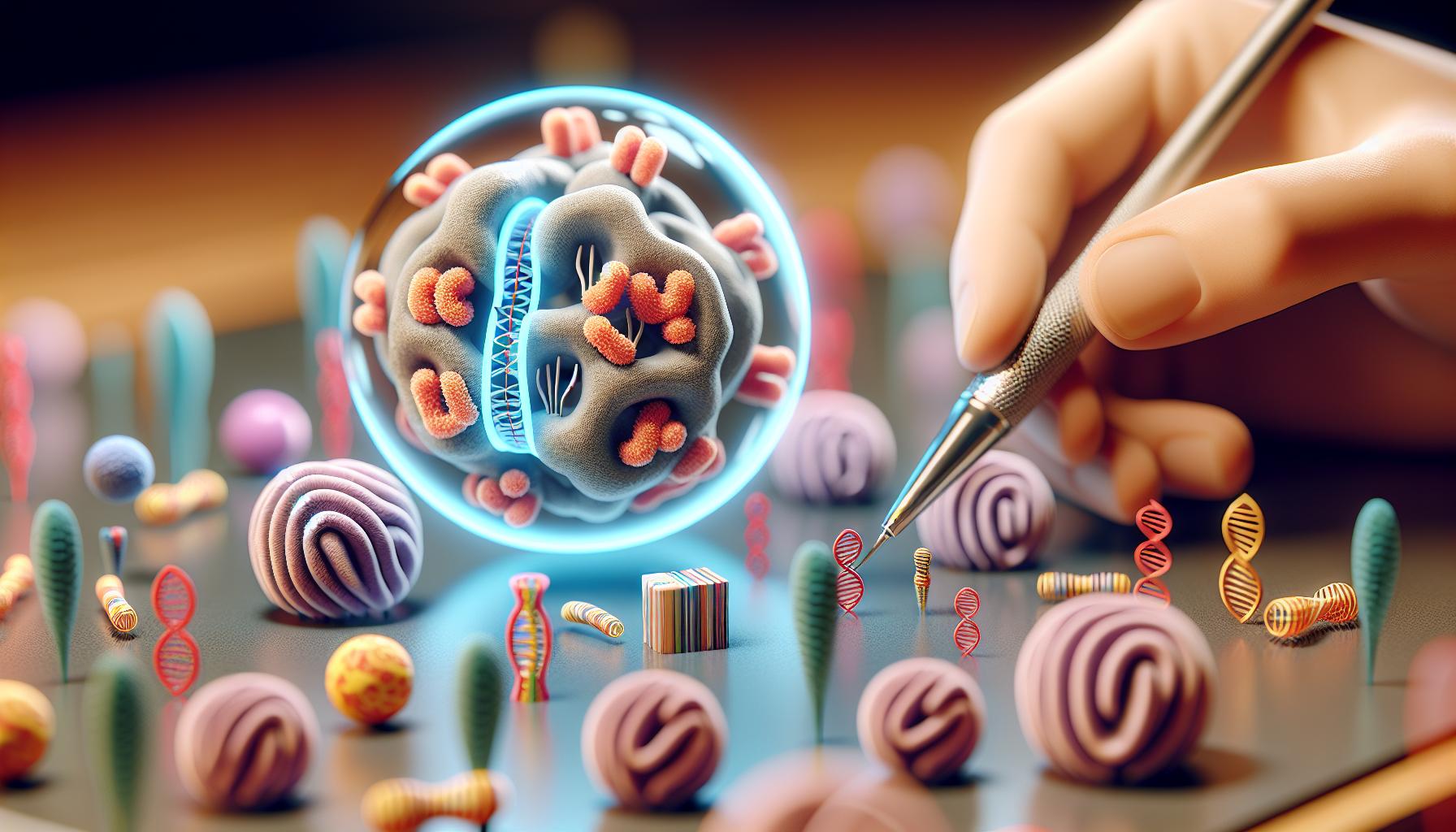
Meiosis is a fascinating and intricate process that ensures the continuity of genetic information while fostering diversity among offspring. It is the specialized form of cell division responsible for producing gametes- the reproductive cells that unite during fertilization to form a new organism. Unlike mitosis, the type of cell division that generates two identical cells, meiosis produces four unique gametes, each with half the number of chromosomes as the original cell. This halving is crucial for maintaining the stability of an organism’s chromosome number across generations.
Throughout meiosis, the two main stages-meiosis I and meiosis II-play vital roles. In meiosis I, homologous chromosomes pair up and exchange genetic material through a process called crossing over, which introduces variability among the gametes. This shuffling of genes is fundamental for evolution and adaptation. Following this, the homologous chromosomes are separated, reducing the chromosome number from diploid (two sets) to haploid (one set), preparing the gametes for their unique role in reproduction. Meiosis II then resembles mitosis, where sister chromatids are separated, ultimately leading to the formation of four genetically distinct gametes.
Understanding meiosis is essential not only from a biological perspective but also for anyone navigating the complexities of reproduction. For those experiencing difficulties in building a family, grasping the mechanisms of meiosis can provide insight into fertility challenges, such as how errors during this division can lead to conditions like Down syndrome, which arises from nondisjunction-the failure of chromosomes to separate properly. This knowledge can empower individuals on their fertility journey by illuminating the biological foundations affecting their reproductive health, helping to foster feelings of control and understanding in what can often be an emotionally charged time.
Stages of Meiosis: Detailed Breakdown
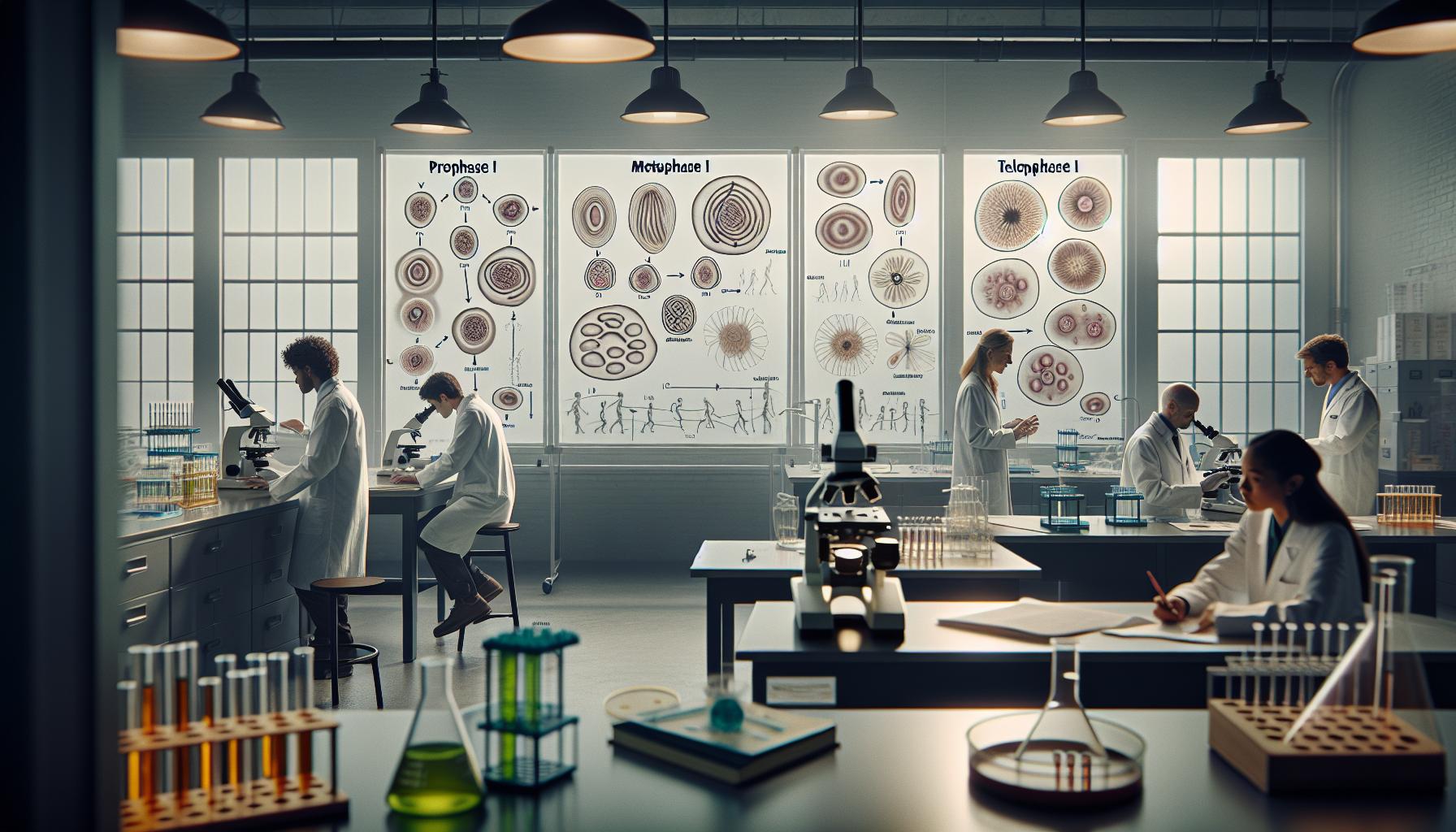
Understanding the stages of meiosis can clarify much about how reproductive cells are formed and why genetic diversity is essential in human reproduction. Meiosis consists of two sequential divisions, meiosis I and meiosis II, each with distinct phases that ensure the reduction of chromosome number and the shuffling of genetic material.
During meiosis I, the process begins with the pairing of homologous chromosomes, which are chromosomes that carry the same genes but may have different alleles. This is a crucial time for genetic variation; during a phase called prophase I, the chromosomes can exchange segments in a process known as crossing over. This reshuffling of genetic material is not just a random event; it creates new combinations of genes that are passed to the offspring. Following prophase I, the homologous chromosomes are aligned at the cell equator during metaphase I. Here, the spindle fibers attach to these chromosomes, which are then pulled apart and segregated into two new cells during anaphase I. By the end of meiosis I, each daughter cell contains half the chromosome number of the original parent cell, transitioning from diploid to haploid.
Next, meiosis II resembles a typical mitotic division. Without any additional chromosome duplication, each of the two haploid cells from meiosis I undergoes the second division. In prophase II, a new spindle apparatus forms in each cell. During metaphase II, the chromosomes line up at the center once again. The sister chromatids are then separated during anaphase II and pulled towards opposite poles. Finally, in telophase II, the nuclei reform around each set of chromatids, and the cells divide, resulting in a total of four non-identical haploid daughter cells. These cells will mature into gametes-sperms in males and eggs in females-ready for fertilization.
Comprehending these stages is vital for anyone exploring options for family building, as complications during meiosis can lead to genetic disorders that impact fertility. An understanding of where things can go awry may illuminate some of the challenges faced on a fertility journey and help inform discussions with healthcare professionals. It can also provide a sense of connection to the intricate processes happening at the cellular level. Always remember that while the scientific mechanics are complex, they serve the purpose of creating life and diversity, processes that lie at the very heart of our existence.
Significance of Meiosis in Sexual Reproduction
The intricate process of meiosis is not merely a biological necessity; it lies at the heart of sexual reproduction, ensuring the continuation and diversity of life. Each time meiosis occurs, it produces gametes-sperm and egg cells-that carry half the genetic information necessary to form a new individual. This halving of chromosome numbers is essential; without it, fertilization would lead to offspring with double the usual number of chromosomes, which can result in significant developmental challenges.
One of the most compelling aspects of meiosis is its role in promoting genetic diversity. During prophase I, the exchange of genetic material between homologous chromosomes through crossing over creates unique combinations of alleles. This process means that the gametes are not just copies of the parent’s genes; rather, they contribute to a rich tapestry of genetic possibilities. When sperm and egg unite, they can form offspring that are not only genetically different from their parents but also from each other, enhancing the adaptability and resilience of the population as environmental conditions shift.
Moreover, the implications of meiosis extend well beyond the act of reproduction itself. Understanding how it functions can illuminate the underlying causes of certain infertility issues. For instance, errors during meiosis can lead to conditions such as Down syndrome or Turner syndrome, where the number or structure of chromosomes is affected. Recognizing these potential pitfalls can guide individuals and couples in their family-building journeys, allowing for more informed discussions with healthcare providers.
To foster a compassionate and supportive environment, it’s crucial to acknowledge the emotional weight many face when navigating challenges related to reproduction. Each step along the path towards parenthood may bring hope, but it can also be fraught with uncertainty and grief. By understanding meiosis and its vital role in creating diverse and healthy gametes, individuals can better appreciate the complexity of human reproduction. This knowledge not only enhances personal connections to the biological processes but also empowers couples to make informed decisions, celebrate milestones, and understand potential difficulties with grace and resilience.
Differences Between Meiosis and Mitosis
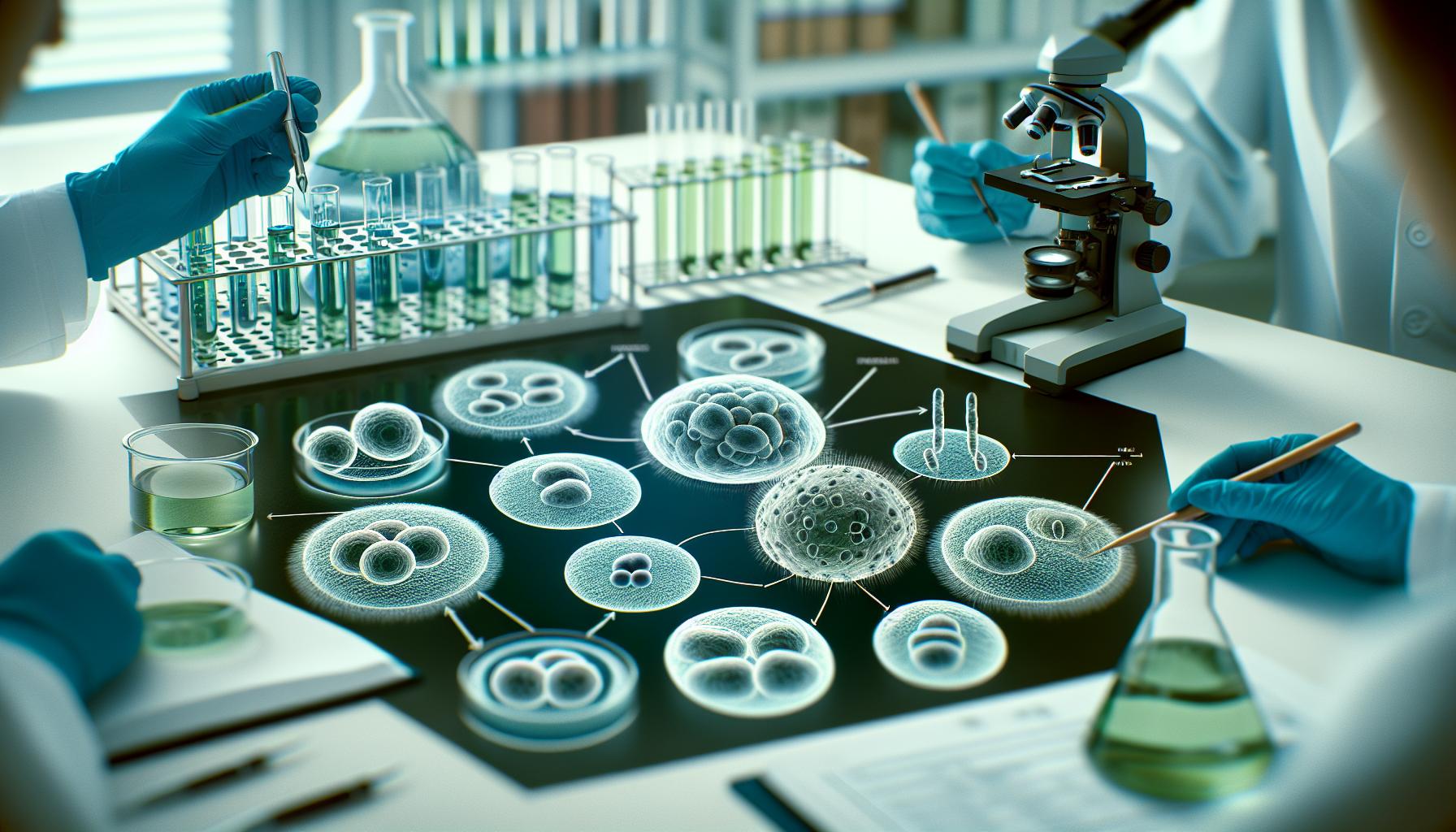
The two primary forms of cell division-meiosis and mitosis-serve distinct purposes in biological processes, each integral to the life cycle of organisms. While mitosis is responsible for growth and repair, producing two genetically identical daughter cells, meiosis specializes in creating gametes, or sex cells. This key difference is foundational for understanding sexual reproduction and the complexities of genetic inheritance.
In mitosis, a single parent cell divides once, resulting in two diploid cells, each containing the same number of chromosomes as the original. This process is essential for somatic cell proliferation, ensuring that as cells replicate, they maintain the organism’s genetic integrity. Common examples of mitosis occur in tissues like skin and muscle, where cellular turnover is necessary for health and development.
Conversely, meiosis involves two rounds of division and produces four haploid cells, each with half the original cell’s chromosome number. This reduction is crucial for sexual reproduction because it allows for the restoration of diploid status upon fertilization, ensuring genetic diversity. The intricate steps of meiosis, particularly during prophase I where crossing over occurs, lead to unique genetic combinations, fostering variability in traits among offspring, which is a significant advantage in changing environments.
One cannot overlook the implications of these processes in the realm of fertility. Understanding these differences can empower individuals, especially those facing challenges in conception, to appreciate their own biological processes. Issues such as chromosomal abnormalities can stem from errors in meiosis, impacting the potential for healthy conception. Additionally, recognizing how each process plays a role in the journey of family-building can validate the feelings of hope and uncertainty many experience as they navigate this deeply personal path.
The Role of Meiosis in Genetic Diversity
Genetic diversity is a cornerstone of evolution and species survival, and meiosis plays a pivotal role in this process. As a unique type of cell division, meiosis produces gametes-sperm and eggs-that are essential for sexual reproduction. During meiosis, cells undergo two rounds of division, resulting in four haploid cells, each containing half the genetic material of the parent cell. This reduction is significant, but what truly enhances genetic diversity are the processes of crossing over and independent assortment that occur during meiosis.
Crossing Over: The Exchange of Genetic Material
One of the most critical events during meiosis happens in prophase I, where homologous chromosomes undergo crossing over. Here, segments of DNA are exchanged between paired chromosomes, leading to new combinations of alleles. This shuffling of genetic information is crucial because it creates offspring with unique genetic profiles, enhancing their ability to adapt to changing environments. For instance, this mechanism is why siblings can resemble each other yet still be distinct individuals.
Independent Assortment: The Random Distribution of Chromosomes
Alongside crossing over, the principle of independent assortment occurs during metaphase I of meiosis. Here, chromosomes line up randomly along the cell’s equator before being pulled into daughter cells. The random distribution of maternal and paternal chromosomes means that each gamete-and consequently each offspring-will have a different combination of genes. This randomization contributes significantly to genetic variation within a population.
The significance of genetic diversity cannot be overstated, particularly as it relates to health and fertility. For couples trying to conceive, the genetic variability that comes from meiosis can influence the overall health of their future children, which is why understanding the mechanisms behind meiosis can provide hope and insight. Individuals navigating their fertility journeys might face emotional challenges when dealing with genetic complications or disorders that can arise from errors in meiosis. Recognizing the vital role of this process can be empowering; it highlights how intricate and beautiful human reproduction is, despite its challenges.
Incorporating knowledge about meiosis into fertility discussions allows individuals to appreciate the complexities involved and validates their experiences. It also reinforces the idea that while errors can occur, the processes are designed to enhance diversity, resilience, and adaptability, offering a wider array of options in family-building strategies, whether through natural conception or assisted reproductive technologies.
Common Misconceptions About Meiosis
Misunderstandings regarding meiosis often stem from its complexity and the specialized nature of this type of cell division. It’s crucial to clarify some common misconceptions, as they can profoundly affect understanding fertility and reproductive health.
One prevalent myth is that meiosis and mitosis are identical processes. While both involve cell division, meiosis is distinctive in that it comprises two rounds of division that result in four non-identical gametes with half the chromosome number-in stark contrast to mitosis, which produces two identical daughter cells. This difference is fundamental because meiosis introduces genetic variation through both crossing over and independent assortment, while mitosis merely replicates genetic material.
Another misconception is that meiosis results in only one egg during female gamete formation. In fact, meiosis produces one viable egg and three polar bodies that typically degenerate. This can lead to confusion for those unfamiliar with the nuances of egg development. Additionally, there’s a belief that all eggs produced are of the same quality. In reality, egg quality can vary greatly, reflecting a combination of genetic, environmental, and health factors.
Moreover, many people assume that errors in meiosis only occur in women. While it is true that women are often more aware of meiotic errors due to conditions like Down syndrome being associated with maternal age, men can also experience meiotic issues that affect sperm quality and genetic integrity.
Awareness of these misconceptions can be empowering during discussions about fertility. Understanding the realities of meiosis allows individuals to navigate their reproductive journeys more effectively and encourages open conversations about the challenges and options available in family planning. By demystifying meiosis, we pave the way for informed and compassionate discussions surrounding reproductive health, offering hope and clarity amidst uncertainty.
Meiosis in Plants vs. Animals: Key Differences
In the fascinating world of biology, meiosis serves as a critical pathway for the formation of reproductive cells, but its expression varies between plants and animals. A captivating fact to consider is that while the fundamental mechanisms of meiosis remain conserved, the resulting structures and processes exhibit unique characteristics tailored to the specific reproductive strategies of these two kingdoms.
For animals, meiosis directly produces specialized cells known as gametes-sperm and eggs-that are crucial for sexual reproduction. Male animals often produce millions of sperm through a process called spermatogenesis, while females typically produce a limited number of eggs through oogenesis. In oogenesis, meiosis results in one viable egg and several polar bodies that are generally discarded. This investment in fewer, potentially higher-quality eggs reflects the energy-intensive nature of nurturing a developing embryo.
In contrast, plants undergo a process known as alternation of generations, which complicates their meiotic cycle. Meiosis in plants results in the formation of spores rather than gametes. This process ultimately leads to the development of a multicellular haploid organism (the gametophyte), which then produces gametes. This unique life cycle allows plants to thrive in diverse environments and adapt through both sexual and asexual reproduction. Furthermore, in many flowering plants, fertilization occurs within the flower structure itself, further emphasizing their specialized reproductive strategies.
Understanding these distinctions not only enriches our knowledge of cellular biology but also has practical implications. Issues such as plant fertility, crop production, and animal reproductive health can intertwine with how meiosis functions in each kingdom. This might resonate deeply with those navigating their own journeys through fertility challenges or reproductive technologies, bringing awareness to the diverse biological frameworks underpinning reproduction. Whether dealing with assisted reproductive technologies in animals or exploring pollination and seed development in plants, the nuances of meiosis serve as a reminder of the complexity and beauty of life itself.
How Errors in Meiosis Affect Reproduction
Errors during meiosis can significantly impact reproduction, leading to conditions that affect fertility and the health of future generations. One of the most common issues that arise from errors in meiosis is aneuploidy, which refers to an abnormal number of chromosomes. This can happen when chromosomes do not segregate properly during the meiotic division, resulting in gametes with an extra chromosome (trisomy) or a missing chromosome (monosomy). Such chromosomal abnormalities can lead to conditions like Down syndrome, Turner syndrome, and others, demonstrating the profound implications of meiotic errors on human health and development.
Types of Errors in Meiosis
Understanding the types of errors that can occur in meiosis is crucial for recognizing their potential consequences. Common mistakes include:
- Nondisjunction: This occurs when homologous chromosomes fail to separate properly during meiosis I or sister chromatids during meiosis II. The result is gametes that contain either too many or too few chromosomes.
- Translocation: Parts of one chromosome may detach and reattach to another chromosome. This can create gametes with unusual genetic material, leading to disorders or infertility.
- Deletion: This involves a part of a chromosome being lost, which may result in missing essential genes from some gametes.
These errors can lead to various reproductive challenges, including infertility or pregnancy loss. For individuals and couples struggling with fertility, understanding the role of meiotic errors offers insight into their own reproductive health journey.
Impact on Infertility and Health
Missegmentation during meiosis may contribute to infertility by producing gametes that are unviable, reducing the chances of successful fertilization and embryonic development. For women, advanced maternal age is a notable risk factor for meiotic errors, where the likelihood of aneuploidy increases significantly, leading to higher rates of miscarriage or chromosomal abnormalities in offspring.
By identifying and understanding these issues, healthcare providers can better support patients facing challenges in achieving pregnancy. Genetic counseling may offer valuable options, including preimplantation genetic testing during in vitro fertilization (IVF), which can help in selecting embryos with the correct number of chromosomes for implantation.
Looking Ahead
As research continues to unfold, advancements in genetic technologies present hopeful avenues for addressing meiotic errors and their implications. For those on their fertility journey, it’s crucial to remain informed and proactive, engaging with fertility specialists who can provide tailored guidance relevant to personal circumstances, emotional support, and the latest medical options. Whether dealing with the emotional toll of infertility or exploring pathways like IVF or adoption, understanding the fundamental biological processes and potential errors in meiosis can empower individuals to navigate this often-challenging journey with greater clarity and hope.
Applications of Meiosis in Biotechnology and Research
Applications of meiosis extend far beyond the classroom and into groundbreaking biotechnological innovations. Researchers leverage the fundamental principles of this specialized cell division to enhance reproductive technologies, develop genetic therapies, and create genetically modified organisms. By understanding how meiosis operates, scientists can manipulate various factors to achieve desired outcomes in fields such as agriculture, medicine, and conservation.
One of the most impactful applications of meiosis in biotechnology is in the area of assisted reproductive technologies (ART), including in vitro fertilization (IVF). Here, the understanding of meiosis enables clinicians to select viable sperm and eggs for fertilization, significantly increasing the chances of a successful pregnancy. Moreover, preimplantation genetic testing (PGT) allows for the screening of embryos for chromosomal abnormalities before implantation, helping to reduce the risk of genetic disorders linked to errors in meiosis, such as down syndrome and Turner syndrome. By integrating meiotic insights into ART, practitioners can provide more informed and effective support to families navigating fertility challenges.
In agriculture, the applications of meiosis are vital for developing crops with enhanced traits, such as resistance to pests, diseases, and environmental stresses. Techniques like hybridization take advantage of meiotic processes to combine desirable qualities from different plant species, resulting in more robust and higher-yielding varieties. For instance, researchers can induce polyploidy, where the number of chromosome sets increases, leading to greater hybrid vigor and improved crop performance.
Moreover, understanding meiosis contributes significantly to conservation efforts for endangered species. By studying the meiotic processes that govern fertility and reproduction in these species, biologists can devise strategies for breeding programs aimed at preserving genetic diversity and preventing inbreeding depression.
Overall, the application of meiosis in biotechnology illustrates its pivotal role not only in understanding fundamental biological processes but also in addressing pressing challenges in health, agriculture, and conservation. Emphasizing the connection between biological research and practical application empowers both scientists and individuals navigating fertility paths, reinforcing the profound effect that these cellular processes can have on our lives.
Exploring Gametogenesis: From Meiosis to Sex Cells
Gametes, the reproductive sex cells necessary for sexual reproduction, are the products of a unique type of cell division known as meiosis. This intricate process not only forms sperm and eggs but also ensures that genetic material is passed down in a way that maintains stability across generations. In humans, this process occurs through two sequential divisions-meiosis I and meiosis II-resulting in four haploid cells from one diploid cell. Understanding gametogenesis can be incredibly valuable, particularly for individuals facing fertility challenges or exploring options for family building.
During meiosis, a diploid cell undergoes genetic recombination, which introduces variation by shuffling parental genes. This is crucial in a world where adaptability enhances survival. Each egg or sperm cell produced has a unique combination of genes, a diversity that contributes to the variability seen in offspring. This genetic variation is necessary for evolution and is one of the key reasons sexual reproduction is favored in nature over asexual reproduction, where offspring are genetic clones of a single parent.
In practical terms, recognizing the significance of gametogenesis can empower individuals on their fertility journeys. For instance, couples utilizing assisted reproductive technology (ART) such as in vitro fertilization (IVF) can greatly benefit from understanding how embryologists select and assess gametes. By ensuring that viable eggs and sperm are chosen, the chances of a successful pregnancy can be enhanced. Furthermore, awareness of the meiotic process helps individuals grasp why chromosomal abnormalities occur, offering insights into genetic screenings that can aid in family planning and decision-making.
It’s important to remember that the journey from meiosis to successful conception is not always smooth. Issues such as chromosomal abnormalities or hormonal imbalances can impact fertility. Seeking guidance from a reproductive health specialist can provide personalized insights into one’s specific challenges and options. Every path to parenthood is unique, whether it involves natural conception, IVF, adoption, or other methods, and each deserves compassion and support. By understanding the biological underpinnings of gametogenesis, individuals can engage more completely with their fertility journeys, making informed choices that echo their hopes for the future.
Supporting Your Fertility Journey: Understanding Biological Foundations
Understanding the biological foundations of reproduction can be pivotal for anyone navigating the complex journey of fertility. Did you know that the process of meiosis, which produces reproductive sex cells, plays a crucial role not only in ensuring genetic diversity but also in how individual fertility can be affected? It is essential to appreciate how intricately connected these processes are, especially when facing challenges in conceiving.
When considering family-building options such as in vitro fertilization (IVF) or artificial insemination (AI), awareness of the meiotic process and genetic health can greatly inform your decisions. For instance, understanding how gametes (sperm and eggs) are formed through meiosis allows individuals to recognize the importance of quality. Emphasizing genetic testing and the selection of the healthiest gametes during ART procedures can enhance the likelihood of successful pregnancies. Moreover, if you are facing fertility issues, it is beneficial to have discussions with your healthcare provider about potential chromosomal abnormalities or hormonal imbalances that might be affecting your reproductive system.
As you engage with the fertility process, acknowledge the emotional weight of this journey. It’s common to experience mixed feelings-hope intertwined with uncertainty and even grief. Each individual’s path to parenthood is unique, and whether it involves natural conception, assisted methods, or adoption, it’s essential to remember that each step deserves compassion and validation. Celebrating small milestones along the way can help maintain a sense of optimism and resilience.
Here are some key considerations that could be helpful as you navigate your fertility journey:
- Seek Specialist Guidance: Connect with reproductive health experts who can provide personalized insights into your specific challenges.
- Understand Your Options: Learn about various family-building methods and the associated costs, success rates, and treatment timelines.
- Focus on Your Health: Lifestyle choices, such as nutrition and stress management, can impact your reproductive health. Prioritize self-care throughout this journey.
- Stay Informed: Engage in discussions regarding genetic screenings and assessments to inform decision-making and planning.
Navigating the pathway to becoming a parent requires both knowledge and support. Understanding the scientific principles behind cell division and recognizing the emotional aspects of fertility can empower you in making informed choices that align with your aspirations for the future.
Faq
Q: What is the purpose of meiosis in reproduction?
A: The purpose of meiosis is to produce haploid sex cells (gametes), ensuring genetic diversity through the process of sexual reproduction. By reducing the chromosome number by half, meiosis allows for the combination of genetic material from two parents, crucial for species variation.
Q: How does meiosis differ from mitosis?
A: Meiosis differs from mitosis in that it consists of two rounds of cell division, resulting in four genetically diverse haploid cells compared to two identical diploid cells produced by mitosis. This fundamental difference underpins the production of gametes for sexual reproduction.
Q: What are the stages of meiosis?
A: Meiosis includes two main stages: Meiosis I and Meiosis II. Each stage has specific phases: Prophase, Metaphase, Anaphase, and Telophase. This structured process results in the formation of four unique gametes, crucial for reproduction.
Q: Why is genetic diversity important in sexual reproduction?
A: Genetic diversity is essential as it enhances a population’s ability to adapt to changing environments and resist diseases. By shuffling genes during meiosis, offspring inherit a mix of traits, promoting survival and evolutionary success.
Q: What are gametes and how are they formed?
A: Gametes are the reproductive cells (sperm and egg) formed through meiosis. They are unique haploid cells that facilitate sexual reproduction by combining with another gamete to create a diploid zygote, initiating development.
Q: How can errors in meiosis affect reproduction?
A: Errors in meiosis can lead to conditions such as Down syndrome or other aneuploidies, resulting from an extra or missing chromosome. These errors significantly impact reproductive success and overall health of offspring.
Q: What is the role of meiosis in gametogenesis?
A: The role of meiosis in gametogenesis is critical as it ensures the formation of mature, functional gametes through cell division and genetic recombination. This process prepares the gametes for fertilization, enabling successful reproduction.
Q: Can meiosis occur in organisms besides animals?
A: Yes, meiosis occurs in a wide variety of organisms, including plants and fungi. In plants, for instance, meiosis leads to the formation of spores that eventually develop into gametes, highlighting its universal significance in sexual reproduction across species.
Concluding Remarks
As we’ve explored the fascinating process of cell division that leads to the formation of reproductive sex cells, it’s clear that this mechanism plays a vital role in the continuity of life. Understanding these biological processes not only enriches our knowledge of reproduction but also empowers us to make informed choices about fertility options. If you’re navigating through your own fertility journey, consider reaching out to our resources, like our guides on IVF and artificial insemination, to get comprehensive support and insights tailored to your needs.
Don’t hesitate to explore related topics that delve deeper into causes of infertility and the latest advancements in reproductive health-knowledge is power! If you found this information valuable, join our newsletter for updates and tips that could support your path forward. Your questions and experiences are important to us; feel free to share your thoughts in the comments below. Together, let’s celebrate the journey of building families, understanding the challenges, and finding hope amidst the uncertainties.