Sexual reproduction is a fascinating process essential for creating genetic diversity, but it comes with its own set of challenges that can impact individuals and couples navigating fertility journeys. While many seek the joy of parenthood, understanding the disadvantages of this method-such as the time-consuming nature of finding a mate and the energy-intensive processes involved-can provide valuable insights into reproductive health. As we explore the two main disadvantages of sexual reproduction, we’ll uncover how these factors can influence your family-building options and why it’s important to approach this topic with compassion and awareness. Delving deeper into these challenges can equip you with the knowledge to make informed decisions on your path toward parenthood.
Potential Risks of Sexual Reproduction Explained
Sexual reproduction, while a fundamental mechanism for creating genetic diversity, comes with inherent risks that can have significant implications for both individuals and species. One of the primary drawbacks is the possibility of genetic complications. When organisms reproduce sexually, offspring inherit a mix of genes from both parents, which can lead to the expression of recessive genetic disorders. This risk is particularly concerning in small populations where inbreeding may occur, increasing the likelihood of negative genetic traits becoming prevalent.
Moreover, the energy and resource costs associated with sexual reproduction are substantial. Engaging in mating behaviors often requires significant investments of time and resources, such as locating a partner, competing for mates, or engaging in courtship rituals. This not only diverts energy from other vital survival activities, such as foraging for food or evading predators, but it can also lead to higher mortality rates during breeding seasons when competition increases sharply.
Vulnerability to Diseases
Another critical aspect to consider is the heightened vulnerability to sexually transmitted infections (STIs). During mating, organisms expose themselves to potential pathogens that can reduce reproductive success and overall health. This scenario can particularly impact populations where certain STIs circulate widely, leading to decreased fertility rates and increased mortality, thereby posing a threat to the survival of the species.
In addition, the search for suitable mates can present its own set of challenges. Finding a partner often requires navigation through hostile or competitive environments, which can delay reproduction or result in missed mating opportunities. Such challenges contribute to the complex interplay of factors affecting reproductive success.
Overall, while sexual reproduction is essential for fostering genetic diversity, it poses several risks that can affect both individual health and the stability of populations. Understanding these potential risks is crucial for anyone navigating their reproductive journey, as awareness can help in making informed choices regarding family planning and reproductive health.
Understanding Genetic Variation and Its Drawbacks
While sexual reproduction is crucial for enhancing genetic diversity, it doesn’t come without its set of challenges, particularly regarding genetic variation and the potential drawbacks it entails. One notable disadvantage is the increased likelihood of expressing genetic disorders. When offspring are produced through sexual reproduction, they inherit a combination of genes from both parents. Although this can result in beneficial traits, it also raises the risk of recessive genetic issues manifesting, especially in small populations where inbreeding might occur. Here, harmful alleles can gain a foothold, leading to reduced genetic health within that population.
Moreover, the environment can play a significant role in how genetic variation impacts survival. In changing or stressful conditions, individuals with genetic traits that do not confer advantages may struggle to survive and reproduce. These individuals might carry genes that are not well-suited to the new environmental pressures, leading to an overall decline in population health. It highlights a double-edged sword of genetic variation: while it enhances adaptability, it also exposes populations to new vulnerabilities.
In practical terms, when considering family planning, it’s essential to be aware of your family’s medical history and potential genetic risks. Genetic counseling can be a valuable resource to explore these complexities, helping individuals make informed decisions that take into account both the potential for genetic diseases and the advantages of diverse genetic backgrounds. Balancing the desire for genetic connection with the understanding of these challenges is crucial for navigating the emotional landscape of reproducing amidst uncertainties. Understanding the interplay between genetic variation and its drawbacks can empower individuals and couples in their reproductive journeys, ensuring they approach the process with knowledge and greater ease.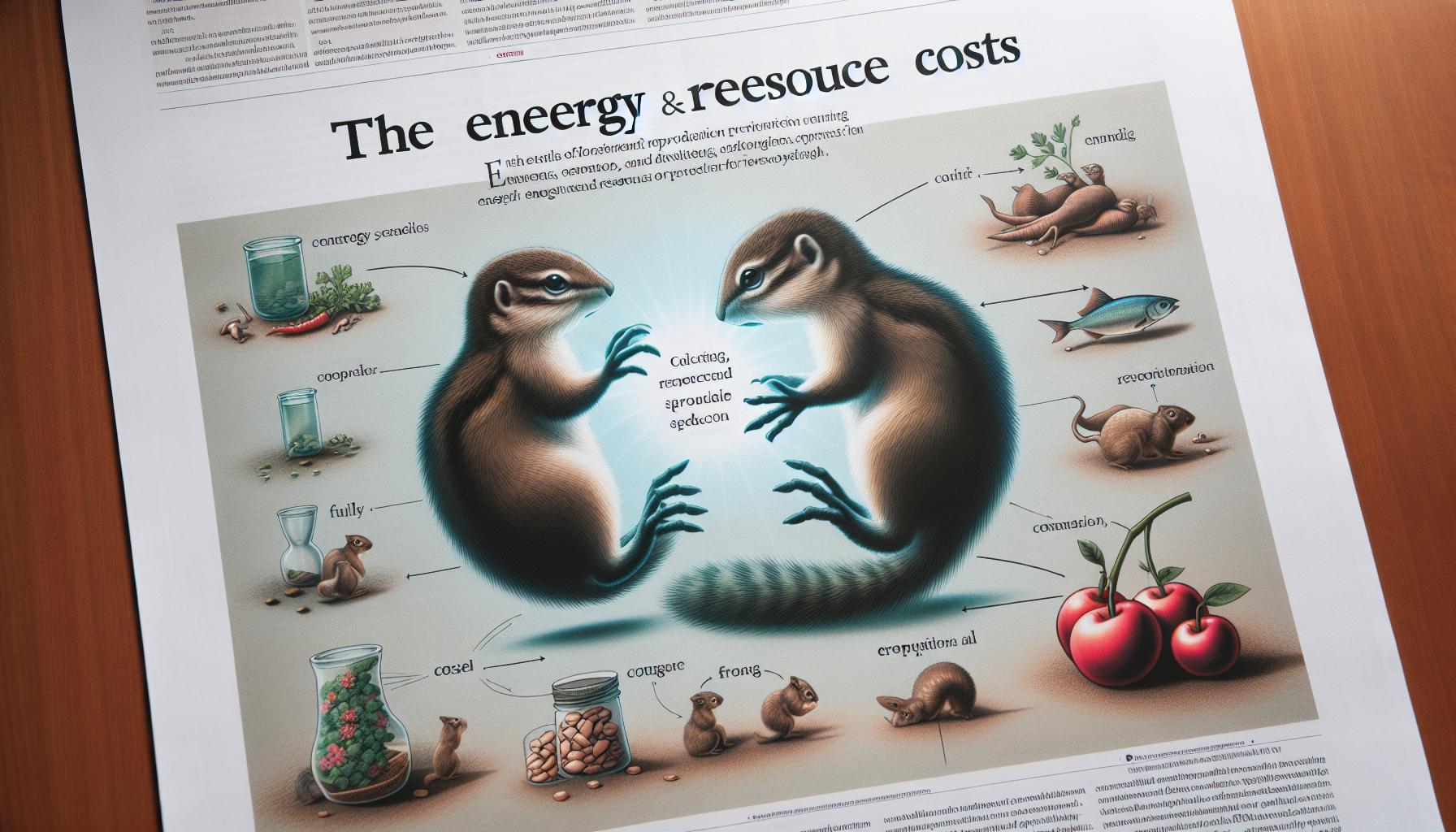
Energy and Resource Costs of Sexual Reproduction
Engaging in sexual reproduction requires a significant investment of energy and resources, which can be a notable disadvantage for many organisms. The process itself is often time-consuming and demands a variety of physiological and environmental contributions. For instance, finding a suitable mate, which is a prerequisite for sexual reproduction, can involve considerable energetic costs. This quest for a partner often necessitates elaborate displays of fitness, courtship behaviors, or even competition with others, all of which consume energy and time that could otherwise be directed toward growth or survival.
Furthermore, the act of reproduction itself requires additional resources. Producing gametes is energetically expensive; organisms must allocate nutrients and energy toward egg or sperm production. For many species, particularly those with a longer gestation or development period, this can also lead to prolonged periods of vulnerability. For example, a female may experience increased predation risks while pregnant or nursing. This extended period also requires that parental figures dedicate time and effort to protecting and nurturing the offspring, diverting resources away from their own survival and well-being.
- Energy expenditure: Energy is spent not just in mating rituals, but in producing and supporting offspring.
- Resource allocation: Nutritional resources are allocated to both gamete production and the growth and development of embryos or young.
- Parental investment: The care required for offspring can further strain the parents’ resources.
In many environments, these investments can be particularly costly. For example, in resource-scarce habitats, the costs associated with sexual reproduction may outweigh the benefits of increased genetic diversity, especially if conditions do not favor survival or reproduction of the young. This reality emphasizes the importance of understanding reproductive strategies, as the success of an individual or a population might hinge on effectively balancing these energy expenditures with the need to propagate their genetic material successfully. Being aware of these challenges allows individuals and couples considering family planning to better navigate their reproductive journey, as they may face not only emotional and psychological challenges but also these practical considerations regarding resource management.
Impact of Sexual Reproduction on Survival Rates
The reliance on sexual reproduction can significantly impact survival rates for many species due to the inherent risks and complexities involved. In environments where resources are limited, the energy invested in courting and mating can detract from essential survival activities, such as foraging for food or evading predators. For instance, during the elaborate courtship processes, animals often display vibrant colors or engage in behaviors that make them more conspicuous to potential threats. This heightened visibility can increase the risk of predation both for the individual seeking a mate and for their offspring once conceived.
Moreover, the physiological demands of sexual reproduction-such as gestation and nursing-can further compromise an individual’s survival. While nurturing offspring is crucial for the continuation of a species, it also means diverting valuable resources towards the young when one’s own survival may be jeopardized. For example, in species where females have prolonged gestation periods, they may become more vulnerable to environmental stresses-particularly in habitats where food and shelter are scarce. The extended duration that parents must allocate to raising young increases the chances that they will encounter adverse conditions that could threaten their survival.
The unpredictable nature of sexual reproduction also introduces variability in the success of offspring. Even if a parent invests heavily in the survival of their young, environmental changes-such as drought, floods, or shifts in predator populations-can dramatically affect the survival rates of these offspring, rendering parental investments uncertain. This unpredictability is a critical disadvantage inherent to sexual reproduction, as parents cannot guarantee that the resources they expend will lead to successful progeny that also survive to reproductive maturity.
Given these challenges, it’s essential for individuals navigating their reproductive journey to understand these implications. Acknowledging the emotional and physical toll of such investments can help in making informed decisions regarding family planning, while also offering insight into the broader challenges faced by many species relying on sexual reproduction for its genetic benefits. This understanding not only informs personal choices but also fosters greater compassion and support for those engaging in various family-building paths, including IVF and adoption.
Challenges of Finding Mates in Nature
Finding a mate in nature is often fraught with challenges that can complicate the sexual reproduction process. One of the primary difficulties is the sheer energy and time investment associated with mate selection. Courtship behaviors can be elaborate and demanding; many species employ complex rituals, and colorful displays or vocalizations that not only require effort but also expose them to predation. For instance, male peacocks flaunt their extravagant plumage to attract females, which makes them easier targets for predators. This balancing act between finding a partner and ensuring personal safety highlights the inherent risks involved in the mating process.
In addition to the risks posed by predators, the availability of potential mates can be unpredictable and unevenly distributed across habitats. Factors such as environmental conditions, social structures, and population densities can lead to scenarios where individuals struggle to find suitable partners. For example, in species where males are required to defend a territory, the presence of other males may lead to aggressive encounters that can deter mating opportunities. This competition often favors only the fittest individuals, potentially leaving others without the chance to reproduce. In small or fragmented populations, the difficulty intensifies; isolated individuals may face limited options, which could hinder genetic diversity and overall reproductive success.
Moreover, mating behavior is often timed with specific environmental cues, such as temperature, seasonal changes, or the availability of resources. These factors can make synchronization between mates a precarious endeavor. For instance, in certain amphibian species, the breeding season coincides with periods of wet weather. If environmental conditions are not favorable, individuals may miss their short windows of opportunity to mate.
In the broader spectrum of reproductive strategies, acknowledging these challenges sheds light on why some species may adopt alternative methods, such as asexual reproduction. While sexual reproduction contributes to genetic diversity, its requirements can lead to significant hurdles that pose risks not only to individuals but also to the species as a whole. Understanding these dynamics reinforces the importance of comprehensive approaches in supporting all forms of reproduction, including those involving assisted reproductive technologies (ART) like IVF, which can aid couples facing similar issues in human fertility. Each step taken during the connection process-whether in nature or family planning-carries weight, and recognizing the nuances helps build a compassionate understanding of the journey toward parenthood.
Sexual Reproduction and Disease Vulnerability
Engaging in sexual reproduction brings undeniable benefits, like genetic diversity, but it also exposes individuals to heightened disease vulnerability. The act of mating inherently involves physical contact, increasing the likelihood of transmitting a variety of pathogens, including sexually transmitted infections (STIs). The Centers for Disease Control and Prevention (CDC) reports that conditions such as chlamydia, gonorrhea, and syphilis can be easily passed between partners during sexual activity. This biological reality makes it crucial for individuals engaging in sexual reproduction to prioritize their health and practices that mitigate these risks.
The impact of STIs extends beyond the immediate physical illness; they can have severe long-term effects on reproductive health. For example, untreated infections such as chlamydia or gonorrhea can lead to pelvic inflammatory disease (PID), which may result in infertility or ectopic pregnancies. Women, in particular, face significant risks during pregnancy; STIs can jeopardize fetal health, leading to complications ranging from congenital infections to premature birth. It’s essential for individuals to engage in regular screening and maintain open communication with partners about sexual health.
Moreover, the emotional toll associated with STIs can add another layer of complexity to sexual reproduction. The stigma surrounding these infections often leads to feelings of shame or isolation for affected individuals. It’s vital to foster a supportive environment where discussions about sexual health feel safe and destigmatized. Remember, prioritizing one’s health through education, preventive measures such as vaccination (e.g., HPV vaccine), and regular testing can greatly reduce the risks of STIs and their complications.
Ultimately, while sexual reproduction thrives in the interplay of connections and exchanges, acknowledging the vulnerabilities that come with it allows for more informed choices. Open dialogues and proactive health measures can contribute significantly to safeguarding personal well-being during the intricate journey of sexual reproduction.
Reproductive Timing: A Complicated Factor
Timing is a crucial yet complex factor in the realm of sexual reproduction, with significant implications for both individuals and species. The window of opportunity for successful reproduction often depends on various biological, environmental, and social conditions that can create frustration and challenges for those trying to conceive. For many species, optimal reproductive timing aligns with environmental cues such as seasonal changes, food availability, or climate factors; disturbances in these regular patterns can lead to decreased offspring survival.
In human reproduction, timing can be influenced by a multitude of factors, including ovulation cycles, fertility windows, and even emotional readiness. This can lead to uncertainty and stress, particularly for individuals and couples navigating infertility challenges. Understanding one’s menstrual cycle, for instance, is essential for optimizing chances of conception, but it can also lead to anxiety when attempts fail. Furthermore, relying on methods such as ovulation tracking or fertility treatments introduces an additional layer of complexity around timing. The emotional weight of measuring cycles, paired with the unpredictability of conception, can evoke feelings of grief or disappointment.
Moreover, social dynamics play a role in reproductive timing. Individuals often face social pressures that dictate when and how to start a family. Cultural norms, career aspirations, and personal circumstances can create conflicts, leading some to delay reproduction until later in life. This postponement may subsequently affect fertility, as age is a significant factor in reproductive success. The rising age of first-time parents, especially among women, has been linked to lower fertility rates and increased risks of complications.
Navigating the intricacies of reproductive timing requires a supportive and informed approach. Open communication regarding family planning, regular discussions about reproductive health, and understanding individual fertility cycles can empower individuals and couples in their reproductive journeys. Seeking guidance from healthcare professionals can also provide clarity and support, helping to alleviate some emotional burdens associated with timing challenges. By actively engaging in their health and fertility awareness, couples can better manage their reproductive goals while making informed decisions that align with their life’s timing.
Parental Investment: The Hidden Costs
The process of sexual reproduction carries with it a significant investment from both parents, particularly in species where biparental care is common. This hidden cost manifests in various ways, affecting not only the individuals directly involved but also their offspring’s long-term success and survival. Understanding these investment dynamics is crucial for appreciating the broader implications of sexual reproduction.
For many species, the most immediate parental investment is time and energy devoted to raising offspring. This could include feeding, protecting, and teaching young ones necessary survival skills. Such investment can lead to a significant decrease in the parents’ available energy for other activities, including foraging, mating, or even self-care. For instance, in mammals, the gestation period itself is a considerable burden on the female’s body, while males may invest in elaborate courtship behaviors or in defending territory to attract mates. These efforts can lead to physical exhaustion and increased vulnerability to predators or environmental stresses.
Moreover, the emotional toll on parents cannot be understated. The stress of nurturing offspring, for instance, can lead to anxiety and diminished health if resources are scarce. This emotional investment often starts even before conception, as individuals may feel a responsibility to ensure they are in a stable environment to bring new life into the world. Such emotional stakes can create a sense of urgency that complicates decisions about timing and family planning, often leading to heartache when challenges such as infertility arise.
As societal structures vary, the implications of parental investment also shift. In some cultures, there may be significant pressure for parents to invest heavily in the education and upbringing of their children, further complicating the financial landscape of sexual reproduction. This can lead to stress regarding financial stability, making it imperative for prospective parents to thoughtfully consider how they manage resources and set realistic expectations for family planning.
Ultimately, acknowledging the hidden costs of parental investment in sexual reproduction allows potential parents to prepare not just for the responsibilities of child-rearing, but also for the emotional and financial commitments that accompany this profound journey. Understanding these challenges fosters a more supportive environment, encouraging open dialogue about the realities of parenting and helping individuals and couples navigate their paths with greater confidence and compassion.
How Environmental Changes Impact Sexual Reproduction
Environmental changes are powerful forces that can disrupt the delicate processes of sexual reproduction, affecting not only individual organisms but also entire populations and ecosystems. Rising temperatures, changing precipitation patterns, and habitat destruction can all play a significant role in reproductive success. For example, many species rely on specific environmental cues, such as temperature or seasonal changes, to trigger mating behaviors and reproductive cycles. Altering these cues can lead to mismatches in timing, ultimately decreasing the likelihood of successful reproduction.
One major concern is how climate change affects fertility in various species. The timing of breeding seasons can be thrown off, leading to situations where offspring are born at times when environmental conditions are not favorable for survival. Take amphibians, for example: changes in weather patterns can affect the availability of water bodies during their breeding season, impacting where and when they can successfully lay eggs. In birds, studies have shown that mismatches between food availability and breeding times can lead to lower chick survival rates.
Furthermore, habitat destruction impacts reproductive strategies by limiting the resources needed for courtship and nurturing offspring. For species that rely on specific habitats for nesting or mating, loss of these environments can severely compromise their ability to reproduce. For example, coastal birds that nest on beaches face challenges as rising sea levels erode nesting sites. Similarly, urbanization creates barriers that can prevent species from finding mates, disrupting the delicate dance of sexual reproduction in many locales.
Adaptation to environmental changes is another critical concern. While some species can adjust their reproductive strategies in response to new challenges-such as shifting their breeding seasons or altering mate selection criteria-not all can adapt quickly enough to keep pace with the rapid changes occurring in their environments. This Limited adaptability can reduce genetic diversity and resilience, further undermining populations in the long term, leading to a cascading effect that impacts broader ecological networks.
By acknowledging these environmental challenges, conservation efforts can be better directed. Prioritizing habitat preservation and restoration is vital to provide safe spaces for breeding and nurturing young. In addition, educating communities about sustainable practices can help mitigate adverse changes, allowing species more resilience in facing environmental pressures. Understanding how these factors shape reproductive dynamics not only informs conservation strategies but also deepens the appreciation for the intricate tapestry of life that each species contributes to.
Comparative Benefits: A Look at Asexual Reproduction
The world of reproduction is diverse, with sexual reproduction often taking the spotlight for its role in genetic variation. However, asexual reproduction presents a compelling alternative with unique benefits that address some of the disadvantages inherent in sexual means of reproduction.
One of the most significant advantages of asexual reproduction is its efficiency. Since it does not require a mate, organisms can reproduce rapidly and in large numbers. For instance, bacteria can divide and multiply in a matter of hours, allowing them to thrive in various environments without the need for courtship or mating behaviors. This straightforward process enables populations to grow quickly and colonize new areas, particularly advantageous in unstable or changing environments where finding a mate can be challenging or time-consuming.
The energy and resource demands associated with sexual reproduction are also notably reduced in asexual reproduction. Finding a mate involves competing displays, courting rituals, and the energy expenditure of copulation, all of which can divert resources from other essential activities, such as foraging or growth. In contrast, asexual organisms can allocate more energy to survival and reproduction, leading to potentially higher survival rates for offspring in stable conditions where adaptation and genetic variation are not prioritized.
Furthermore, asexual reproduction offers a solution to the potential vulnerability associated with sexual reproduction. In sexually reproducing populations, the introduction of diseases can spread more rapidly among individuals, especially if their immune responses are genetically similar. Asexual organisms, producing clones of themselves, can capitalize on successful adaptations. If an organism is well-suited to its environment, its offspring are likely to be similarly suited, potentially ensuring better survival against environmental threats.
In summary, while sexual reproduction has its merits, such as promoting genetic diversity, asexual reproduction stands out for its speed, energy efficiency, and resilience to environmental changes. By understanding these comparative benefits, we can appreciate the nuanced strategies nature employs to ensure the survival of diverse life forms.
Cultural and Ethical Considerations in Reproduction
The complexities surrounding reproduction extend beyond the biological realm, deeply intertwining with cultural and ethical considerations. In many societies, the decision to reproduce is influenced by cultural norms and expectations. For instance, traditional views often place value on larger families or specific gender expectations for children, which can lead to significant emotional stress for those who face challenges in family planning or fertility. The pressures to conform can be overwhelming, especially for individuals or couples experiencing infertility or those who may choose alternative paths such as adoption or assisted reproductive technologies like IVF and AI.
Another vital aspect of this discussion involves ethical concerns surrounding reproductive technologies. The advent of procedures that assist in sexual reproduction, including genetic screening and manipulation, raises questions about the implications of “designer babies” and the potential for socioeconomic disparities in access to these technologies. Individuals may grapple with moral dilemmas regarding what constitutes a “desirable” trait and how these choices could affect societal norms. It’s crucial to foster a respectful dialogue that acknowledges diverse viewpoints, ensuring that families are not judged based on their reproductive choices.
Additionally, it’s essential to recognize the emotional weight that accompanies these decisions. Many individuals navigating reproductive challenges experience a myriad of feelings, such as grief, hope, and uncertainty. It’s important for them to feel supported, whether through community resources or professional guidance. Celebrating small victories in this journey, such as successfully completing a cycle of IVF or finding solace in shared experiences, can significantly contribute to emotional well-being. Recognizing and validating these feelings is a key part of fostering a compassionate environment where everyone’s reproductive paths are respected.
Moreover, family structures today are increasingly diverse, and this should be reflected in discussions about reproduction. Whether through single parenthood, same-sex partnerships, or blended families, embracing all forms of family-building can create a more inclusive atmosphere. Providing clear, empathetic guidance on navigating the complexities of family planning, including financial aspects, treatment choices, and emotional support, is vital for fostering understanding and acceptance in reproductive health discussions.
Future Trends in Reproductive Strategies
As we look toward the future of reproductive strategies, it becomes increasingly evident that advances in technology and shifts in societal norms are reshaping family planning options. The challenges associated with sexual reproduction, such as genetic variation concerns and the emotional toll of finding a mate, have prompted innovation in reproductive technologies. In particular, the rise of assisted reproductive technologies (ART) and genetic screening is transforming how individuals and couples navigate their fertility journeys.
One notable trend is the growing acceptance and reliance on in vitro fertilization (IVF) and other ART methods. These techniques not only help those experiencing infertility but also allow individuals to make informed choices about their reproductive health. For instance, preimplantation genetic testing can identify genetic disorders early on, providing couples the opportunity to select embryos with desirable traits while minimizing potential health risks in offspring. This advancement, however, also raises ethical discussions as families balance the desire for healthy children against the potential slippery slope into “designer babies.”
Furthermore, as societal attitudes shift toward inclusivity, reproductive methods are becoming more diverse. Same-sex couples and single parents increasingly leverage artificial insemination and surrogacy to fulfill their family aspirations. This push for acceptance helps normalize various family structures and challenges traditional views of reproduction. While these approaches can present unique hurdles, such as financial costs and navigating legalities, they empower individuals to create families in ways that align with their personal circumstances.
Telemedicine is also emerging as a significant player in reproductive health, offering individuals and couples convenient access to fertility specialists and reproductive resources. This can reduce the anxiety and logistical burden associated with seeking medical support, particularly for those living in areas with limited access to reproductive care. By fostering a supportive environment that embraces technological advancements, we empower people to explore these options without feeling judged.
In conclusion, the future of reproductive strategies is bright yet complex. As medical science continues to evolve, it is vital for practitioners and patients alike to remain engaged in ethical discussions while considering the emotional intricacies surrounding these decisions. Navigating this evolving landscape means supporting individuals and families as they make informed choices that align with their hopes and values.
Faq
Q: What are the primary drawbacks of sexual reproduction?
A: The primary drawbacks of sexual reproduction include increased energy and resource costs and the potential for disease vulnerability. Organisms expend significant resources to find mates and produce offspring while also facing risks of sexually transmitted diseases that can impact reproductive success.
Q: How can sexual reproduction impact genetic diversity negatively?
A: While sexual reproduction typically increases genetic diversity, it can also lead to some genetic disadvantages. For instance, if a population is already at risk of inbreeding, sexual reproduction can maintain or exacerbate the prevalence of harmful genetic traits, reducing overall fitness.
Q: Why is mate selection a disadvantage in sexual reproduction?
A: Mate selection can be time-consuming and risky, leading to potential missed reproductive opportunities. In environments where mates are scarce, individuals may have difficulty finding partners, which can ultimately reduce reproductive rates and success.
Q: How does sexual reproduction affect population growth rates?
A: Sexual reproduction can lead to slower population growth rates compared to asexual reproduction. This is primarily due to the additional time and energy required for mating and gestation, resulting in fewer offspring produced in a given timeframe.
Q: What challenges do organisms face during the mating process?
A: Organisms face numerous challenges during the mating process, including the need to successfully communicate, attract mates, and compete with others. These challenges can lead to high mating costs, impacting overall reproductive success.
Q: Can environmental changes affect sexual reproduction outcomes?
A: Yes, environmental changes can significantly affect sexual reproduction outcomes. Changes such as climate shifts or habitat destruction can disrupt mating behaviors and timings, leading to reduced reproductive success and survival rates.
Q: What role does parental investment play as a disadvantage of sexual reproduction?
A: Parental investment in offspring can be a significant disadvantage, as it requires considerable time and resources. This investment may detract from an individual’s ability to reproduce again, thereby limiting their overall reproductive output.
Q: Is sexual reproduction more prone to failure compared to asexual reproduction?
A: Yes, sexual reproduction is generally considered more prone to failure due to factors such as failed fertilization, mate scarcity, and competition. These factors can lead to fewer successful births compared to organisms that reproduce asexually, which can reproduce rapidly and efficiently.
Key Takeaways
While sexual reproduction comes with distinct advantages, understanding its disadvantages helps you make informed choices. By recognizing the potential for genetic disorders and the complexities it introduces into the reproductive process, you gain a clearer perspective on this natural phenomenon. If you found this information enlightening, don’t stop here-explore our related articles on the differences between sexual and asexual reproduction, or dive into the fascinating world of genetics to see its implications in other biological processes.
Moreover, if you’re interested in furthering your knowledge, consider subscribing to our newsletter for the latest insights in reproductive biology-your journey into understanding life’s intricacies is just beginning. Share your thoughts or questions in the comments below; we love hearing from you! Engaging with our community can provide additional perspectives and support as you navigate these topics. Thank you for joining us, and we look forward to your continued exploration!
Get our latest guides, news, and insights highlighted in your Google Search & AI Overviews.