✨ This article was AI edited. Editorial responsibility: MIE.
Navigating the world of IVF can be both exhilarating and overwhelming, especially during the post-transfer phase. For many, experiencing cramping after an embryo transfer raises questions and concerns. Is this normal? Understanding the biological and emotional landscape of this journey is crucial. Cramping can be a common occurrence due to hormonal changes or the procedure itself, but it also brings a mix of hope and anxiety about the outcome. As you read on, we’ll explore what these sensations may indicate, how they fit into the broader context of your IVF experience, and what steps you can take to manage any discomfort. Your feelings are valid, and knowing what to expect can help ease some of the uncertainty on this path to parenthood.
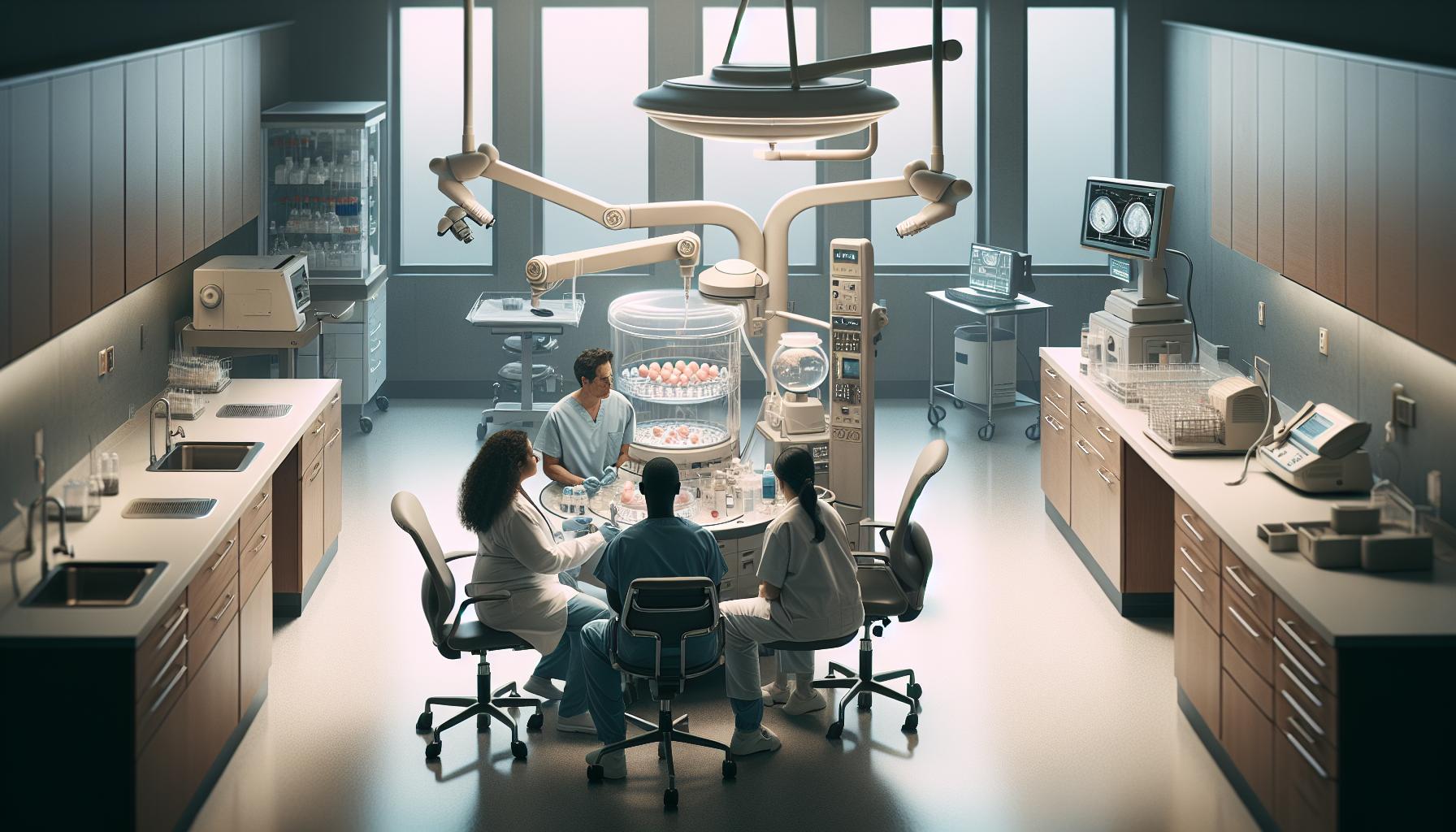
Understanding IVF Transfer: What Happens?
The process of progesterone-ivf-the-truth/” title=”Will I Miscarry If I Stop Taking … IVF? The Truth”>IVF transfer is a critical and emotional step in the journey toward parenthood. This procedure involves placing a fertilized embryo directly into the uterus, and it’s often accompanied by a range of physical sensations and emotional responses. Many individuals experience a mixture of hope and anxiety, making it essential to understand what happens during this pivotal moment.
During the transfer, a thin catheter is used to place the embryo in the uterus, which is carefully timed to correspond with the phase of your menstrual cycle to optimize the chances of implantation. A gentle yet precise approach ensures that the embryo is situated in the best position for possible success. Although the actual procedure is relatively quick, lasting just a few minutes, it is often preceded by several weeks of preparation involving hormone injections and monitoring of follicle development.
After the transfer, it’s typical to feel a sense of relief mixed with anticipation. As your body begins to process this new phase, awareness of any symptoms, including cramping, becomes heightened. Understanding that the body is adjusting to the changes is crucial. Some people may feel mild cramping as a normal part of the process, attributable to hormonal changes or the physical introduction of the embryo itself. However, emotions can run high during this time, making it important to approach any discomfort with patience and understanding.
Ultimately, while the journey through IVF is rife with challenges, awareness and education can empower you. Seeking support, whether from medical professionals or community groups, provides a network that validates your feelings and experiences. Remember, you are not alone on this journey, and every step forward is a milestone worth celebrating.
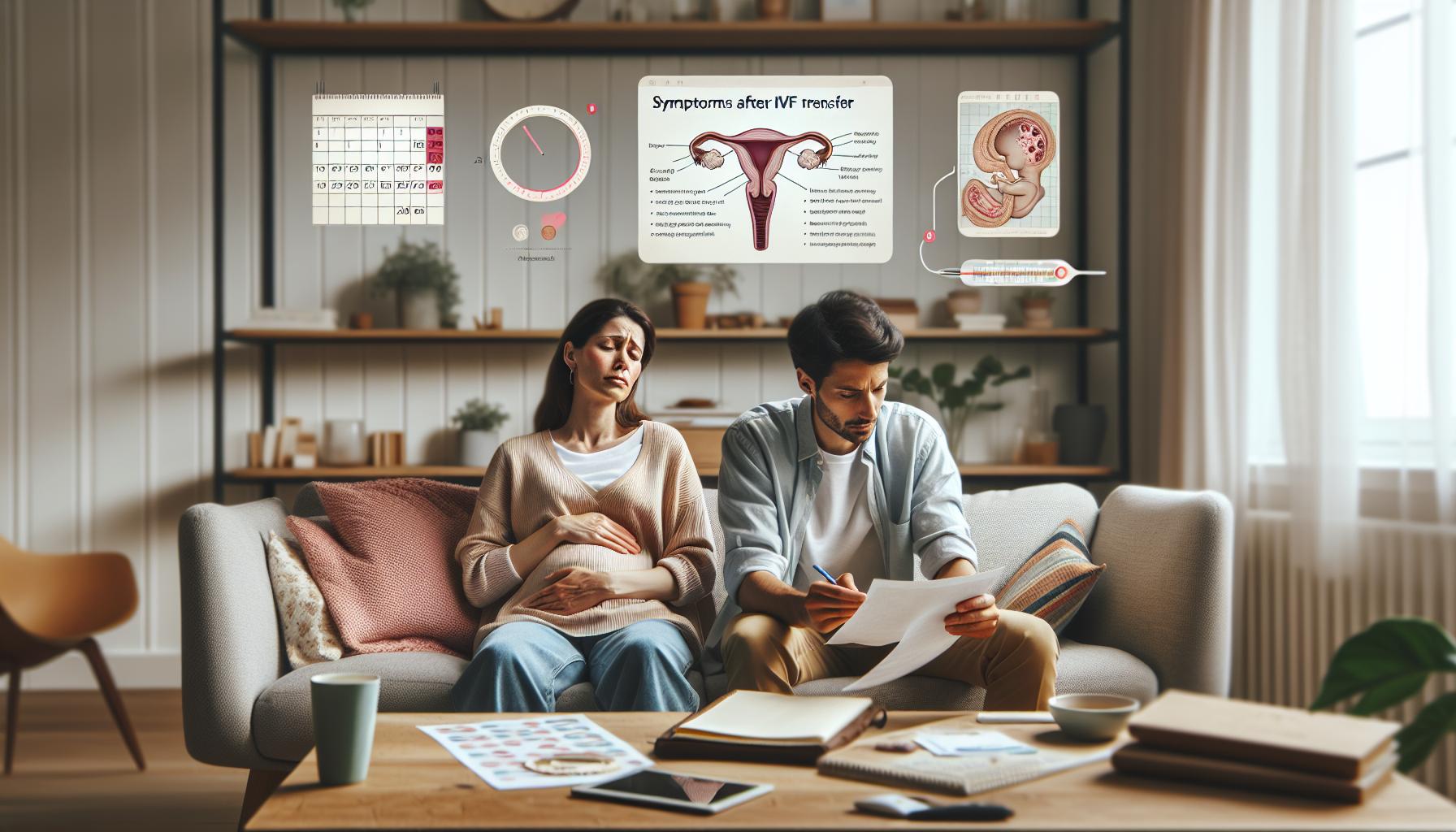
Common Symptoms After IVF Transfer
Experiencing symptoms after an IVF transfer can be both reassuring and anxiety-inducing. Many individuals anticipate signs that may indicate success, while also dealing with the hormonal shifts occurring in their bodies. It’s common to encounter various symptoms during this phase, which are often influenced by the intricate hormonal changes that take place after the transfer. Understanding these symptoms can help reduce anxiety and foster a calmer mindset during this emotionally charged time.
Mild cramping is a frequent occurrence post-transfer and can be attributed to multiple factors. The placement of the embryo may cause some discomfort as the uterus adapts to the new presence, similar to the sensations felt during a menstrual cycle. Additionally, the hormonal medications used in IVF-such as progesterone-can affect the uterine lining and exacerbate feelings of cramping. It’s important to note that each person’s experience is unique; while some may only feel slight discomfort, others may have more pronounced cramping. If you find your cramping is accompanied by heavy bleeding or severe pain, it’s essential to reach out to your healthcare provider for guidance.
During this period, other common symptoms may include light spotting, breast tenderness, fluctuating emotions, and fatigue. These occurrences result from the hormonal adjustments occurring in preparation for potential implantation. Emotional ups and downs can also be prevalent; feelings of excitement and anxiety often coexist. It’s vital to acknowledge your emotions and give yourself the grace to feel them without judgment. Engaging in calming activities such as yoga, meditation, or simply taking time for self-care can be beneficial.
In summary, while cramping and other mild symptoms after IVF transfer can be completely normal, staying attuned to your body and reaching out for medical advice when necessary empowers you during this journey. Remember, each person’s experience is different, and understanding what to expect can provide comfort amid uncertainty.
Is Cramping Normal After IVF Transfer?
Mild cramping after an IVF transfer is a common experience that many individuals encounter, and understanding this aspect can help ease anxiety during a time filled with uncertainty. The sensations of cramping can often be linked to the body adjusting to the presence of the newly implanted embryo. As the uterus accommodates the embryo, it can trigger feelings similar to those felt during menstruation, sometimes resulting in mild discomfort or cramps.
### What Causes Cramping?
The root of cramping can be attributed to several factors:
- Embryo Implantation: As the embryo implants into the uterine lining, the body undergoes various physiological changes, which can lead to cramping.
- Hormonal Changes: Medications commonly used during IVF, particularly those containing progesterone, can affect the uterine lining and lead to heightened sensations of cramping.
- Uterine Contractions: The uterus may experience contractions post-transfer in preparation for a potential pregnancy, which might manifest as cramps.
It’s crucial to recognize that each person’s experience with cramping will vary. While some may feel only slight discomfort, others might experience more pronounced cramping. However, if cramping becomes severe or is accompanied by heavy bleeding, it is imperative to contact your healthcare provider immediately for further evaluation.
### Emotional Considerations
Experiencing cramping can also stir up a mix of emotions as you navigate the rollercoaster of hope and anxiety regarding the outcome of your IVF cycle. Acknowledging these feelings is essential; honoring your emotional state can provide a much-needed release during this intensely personal journey. Engaging in stress-relieving activities, such as meditation or gentle yoga, can be beneficial in soothing both physical and emotional discomfort during this time.
In summary, while cramping after an IVF transfer is typically normal, being attuned to your body and reaching out for medical advice when necessary can empower you throughout this process. Each journey is unique, and understanding the potential range of experiences can provide comfort amidst the uncertainty that follows an IVF transfer.
Types of Cramping and Their Causes
Mild cramping is a common experience after an IVF transfer, often leaving individuals wondering about its origins and meanings. Understanding the different types of cramping can help demystify this experience and provide reassurance during a vulnerable time. Each type of cramping carries unique characteristics and potential causes, which can significantly influence how you feel and react in the days following your transfer.
Types of Cramping
- Implantation Cramps: As the embryo embeds itself into the uterine lining, some women may experience distinct cramps that feel similar to menstrual pain. These are often mild and may be accompanied by brief spotting. If these cramps are slight and occasional, it’s usually a positive sign that implantation is occurring.
- Medication-Related Cramps: During IVF treatment, hormonal medications such as progesterone are commonly administered. These can lead to sensations of fullness or pressure in the abdomen, along with cramps. Recognizing these cramps as a side effect can be helpful, as this understanding lowers the anxiety often linked to new sensations.
- Uterine Contractions: After the transfer, the uterus may contract in preparation for potential implantation. These contractions can mimic menstrual cramps and typically do not last long. If they persist or increase in intensity, it is advisable to consult with your healthcare provider to rule out any complications.
- Gastrointestinal Discomfort: Sometimes, cramping can arise from digestive issues, which are not uncommon during the hormonal fluctuations associated with IVF. Maintaining a balanced diet and staying hydrated can be beneficial in alleviating this type of discomfort.
Understanding these variations helps in distinguishing between normal post-transfer sensations and those that may warrant medical attention. Remember, each person’s experience is unique, and while some may have only minimal discomfort, others might face more intense sensations. If your cramps become severe or are coupled with heavy bleeding, reaching out to your healthcare provider is essential for guidance and reassurance. Being aware of the types of cramping you might experience can empower you to better navigate your IVF journey with a sense of control and understanding.

When to Worry: Warning Signs to Monitor
Experiencing cramping after an IVF transfer is common, but it’s essential to be mindful of various symptoms that could indicate potential issues. Understanding when to worry can help you feel more secure during this emotionally charged journey. If you encounter severe cramping that intensifies over time, especially if accompanied by heavy bleeding, it’s vital to reach out to your healthcare provider immediately. Such symptoms may not just be typical early pregnancy signs but could signal complications that require prompt attention.
Another concerning sign to monitor is persistent pain that doesn’t improve with rest or over-the-counter pain relief. While some discomfort is expected, ongoing, debilitating pain can be a red flag. It’s also worth noting any unusual discharge; if the cramping is accompanied by a change in vaginal discharge-particularly if it’s foul-smelling or unusual in color-this could indicate an infection or another complication.
Additionally, watch for systemic symptoms such as fever, chills, or acute abdominal tenderness. These may suggest a more serious condition that warrants immediate medical evaluation. Remember, while it’s helpful to be informed about typical post-transfer sensations, trusting your instincts is equally important. If something doesn’t feel right, don’t hesitate to seek advice from your healthcare team. Your peace of mind and health should always come first.

Managing Discomfort: Tips for Relief
Experiencing discomfort after an IVF transfer is a common concern, and finding ways to manage that discomfort can make a significant difference in your journey. Many individuals find that gentle techniques can help ease cramping and tension in the days following the transfer. It’s essential to prioritize your comfort and well-being as you navigate this emotional time.
One effective method to alleviate discomfort is applying a warm compress to the lower abdomen. This can help relax the muscles and alleviate cramping sensations. You might also consider taking warm baths, which can provide soothing relief and promote relaxation. In addition, staying hydrated is crucial. Drinking enough water can help your body flush out any remaining discomfort and support overall health during this period.
Incorporating light physical activity, such as walking or stretching, can also be beneficial. Engaging in gentle movements aids circulation and may help reduce cramping. Listening to your body is key, so if you feel fatigued or uncomfortable, allow yourself to rest. It’s vital to maintain a balance between activity and relaxation.
Lastly, don’t underestimate the power of emotional support. Connecting with loved ones or joining support groups can help you express your feelings and concerns. Engaging in calming practices, such as meditation or deep-breathing exercises, can also help alleviate anxiety while you focus on your recovery. Remember, it’s normal to have mixed emotions during this process, and seeking comfort in community can provide both relief and understanding.
Emotional Impact of IVF Recovery
The emotional journey of IVF recovery is as complex as the medical process itself. Many individuals find themselves engulfed in a whirlwind of feelings, ranging from hope and anticipation to anxiety and despair. This emotional landscape is not only influenced by the physical aspects of treatment but also by the weight of expectations and the societal pressures surrounding fertility. It’s essential to acknowledge that these feelings are valid and common, and experiencing them is part of the journey toward starting or expanding a family.
Understanding Your Emotions
Struggling with emotions during this time isn’t a sign of weakness. Many experience a profound sense of loss, especially if previous attempts at conception have failed. The pressure of the IVF cycle can amplify these feelings, as each step towards potential pregnancy brings both hope and hesitation. For some, there might be a sense of isolation, which can be eased by engaging with support networks-whether through friends, family, or online communities where shared experiences can foster understanding and connection.
Managing Emotional Well-being
Taking care of your emotional health is crucial during this recovery period. Here are some ways to help navigate your feelings:
- Talk About It: Don’t hesitate to express your feelings to close friends or a therapist. Voicing concerns can provide relief and clarity.
- Celebrate Small Wins: Every step in the IVF process is a milestone. Acknowledge these moments, whether it’s positive test results or finishing medications.
- Practice Mindfulness: Techniques such as meditation, yoga, or journaling can help ground you amidst the emotional turbulence. Taking time to focus on your breath or engage in calming activities can significantly reduce anxiety.
- Stay Informed: Understanding the IVF process, including the implications of symptoms like cramping, can alleviate fears and help manage expectations.
It’s important to balance optimism with realism. While IVF can lead to successful pregnancies, it doesn’t guarantee them, and the emotional toll of setbacks can be profound. Maintaining open communication with your fertility specialist and being honest about your emotional state can help them provide the best support tailored to your needs.
It’s essential to remember that navigating the IVF experience is unique for everyone. Surround yourself with supportive people, and be kind to yourself as you traverse the ups and downs of this challenging yet hopeful journey.
What to Expect in the Days Following Transfer
In the days following an IVF transfer, it’s essential to be aware of what might occur as your body adjusts and potentially begins the early stages of pregnancy. Many individuals experience a variety of symptoms that can be both physical and emotional, and understanding these can help you navigate this anxious waiting period more comfortably.
Cramping is a common experience during this time. While it can be distressing, it’s important to remember that mild cramping can occur as the uterus accommodates the embryo. This cramping can feel similar to menstrual cramps and usually varies in intensity. Some may also experience slight spotting, which, when accompanied by light cramping, can be a normal part of the implantation process as the embryo settles into the uterine lining.
Common Symptoms to Monitor
In addition to cramping, several other symptoms might arise after your embryo transfer. These can include:
- Bloating: Hormonal changes can cause your abdominal area to feel full or swollen.
- Nausea: Some women report feelings of nausea, which can be due to medication or the hormonal shifts occurring.
- Fatigue: Increased tiredness is a normal response as your body works overtime in preparation for a potential pregnancy.
Although many of these symptoms can be attributed to the effects of hormone treatments, being in tune with your body will help you distinguish between normal side effects and signs that may require a call to your fertility clinic.
Emotional Fluctuations
Alongside physical symptoms, emotional shifts are common. The awaited outcome of the transfer can bring a whirlwind of feelings-hope, anxiety, and sometimes fear. It’s crucial to recognize that these feelings are part of the process; many individuals find it helpful to connect with support groups or forums where shared experiences offer comfort. Remember to take care of your emotional well-being by engaging in activities that bring you calm, whether it’s gentle exercise, mindfulness practices, or simply talking to those who understand your journey.
In this pivotal moment, striving for patience and self-care can make a substantial difference. Surround yourself with supportive individuals and remind yourself that whatever happens, you are not alone in this experience.
How Hormones Influence Post-Transfer Symptoms
The hormonal landscape following an IVF transfer is intricate and can significantly influence the range of symptoms you may encounter during this pivotal time. After the transfer, your body experiences a surge in various hormones, primarily progesterone, which plays a crucial role in preparing the uterine lining for implantation. This increase is indicative of your body’s efforts to support a potential pregnancy and can be both a source of relief and a trigger for discomfort.
As progesterone levels rise, many women may notice symptoms like cramping, bloating, and mood swings. These sensations are often similar to those experienced during the menstrual cycle, but in their post-transfer context, they can feel compounded due to the emotional weight of waiting for pregnancy results. It’s important to distinguish between the normal side effects of hormone fluctuations and potential warning signs. For instance, light cramping can be a normal part of the implantation process, while severe cramping or significant pain may warrant communication with your healthcare provider.
Aside from physical discomfort, hormonal changes can also lead to emotional fluctuations. Feelings of hope and anxiety can intertwine as the body reacts to the hormonal fluctuations, which may include heightened sensitivity or mood swings. Engaging in self-care practices-such as gentle exercise, meditation, or connecting with supportive friends-can help manage these emotional shifts. Acknowledging that these feelings are a direct response to your body’s hormonal changes can normalize the experience, allowing you to navigate this anxious period with a bit more peace.
Ultimately, being informed about how hormones affect your body post-transfer can empower you to respond to your symptoms with greater awareness. Symptoms such as bloating, nausea, and fatigue can be part of your body’s natural response as it adjusts to the hormonal treatment, and understanding this connection can help alleviate some of the uncertainty during this waiting game.
Diet and Lifestyle Considerations After IVF
After an IVF transfer, it’s vital to consider how your diet and lifestyle choices can support your body during this sensitive time. Many find that the emotional and physical stresses of the IVF process are compounded in the days following transfer, making self-care more important than ever. Incorporating a well-rounded approach that nourishes both body and mind can enhance your well-being and may positively impact your chances of a successful outcome.
A balanced diet rich in whole foods is essential. Focus on incorporating a variety of fruits, vegetables, whole grains, lean proteins, and healthy fats into your meals. Such nutrients can help manage inflammation and promote overall health. Hydration is also crucial; aim to drink plenty of water throughout the day. Avoid excessive caffeine and alcohol, as these can influence hormonal levels and overall health. Instead, consider herbal teas that are caffeine-free and known for their soothing properties, such as chamomile or ginger, unless otherwise advised by your doctor.
In addition to dietary measures, it’s beneficial to engage in gentle physical activities. Light yoga, walking, or stretching can help alleviate some cramping and discomfort while keeping your body active without overexertion. Listen to your body; if you’re feeling particularly fatigued or uncomfortable, rest is just as crucial. Practicing stress-reducing techniques such as meditation, breathing exercises, or mindfulness can help you maintain a sense of calm and foster a positive mindset during the emotionally charged days following your transfer.
Understanding that this journey can be filled with both hope and anxiety is important. Surround yourself with supportive friends and family or join a support group where you can share your experiences with others who understand the emotional landscape of IVF. Recognizing and validating your feelings while seeking comfort in connection can play a significant role in managing the emotional toll that often accompanies fertility treatments. Each small step you take towards nurturing yourself counts, and prioritizing your well-being can provide a strong foundation as you wait for the outcome of your IVF journey.
Next Steps: If Cramping Persists
If cramping continues longer than expected after an IVF transfer, it’s important to take a proactive approach to manage your symptoms and understand what they may indicate. While mild cramping is typically normal due to the implantation process, persistent or severe cramping can sometimes signal complications that warrant further attention.
Start by keeping a journal to track the intensity, frequency, and duration of your cramps. This record can be invaluable for discussions with your healthcare provider. If the cramping is accompanied by heavy bleeding, sharp pain, or fever, it is crucial to reach out to your physician immediately. These symptoms can indicate potential issues such as an ectopic pregnancy or other complications that might require prompt medical intervention.
In the absence of severe symptoms, consider some self-care strategies to relieve discomfort. Applying a heating pad to your abdomen can help ease muscle tension and reduce cramping. Additionally, staying hydrated and engaging in light activities, like gentle stretching or walking, can positively impact your discomfort levels without overexerting yourself. Focus on relaxation techniques, such as deep breathing exercises or meditation, which can mitigate stress and help you stay emotionally balanced during this time.
Remember, it’s completely normal to feel anxious about persistent cramping after an IVF transfer. Engaging with support groups or talking to friends and family who have undergone similar experiences can provide emotional relief and validation. Each step you take to address your concerns-whether it’s monitoring symptoms, seeking help, or finding moments of relaxation-supports both your physical health and emotional well-being as you navigate this sensitive journey.
Success Rates: Understanding IVF Outcomes
Understanding the success rates of IVF can help set realistic expectations and provide hope during what can often be a challenging journey. Current statistics indicate that the success rates for IVF vary based on several factors, including the woman’s age, the reason for infertility, and the specific protocols used during treatment. Generally, younger women tend to have higher success rates compared to older women. For instance, women under 35 typically experience success rates of around 40% to 50% per cycle, while those aged 40 and older may see rates drop to approximately 10% to 20%.
It’s important to recognize that while these statistics provide a general overview, they only tell part of the story. Each individual’s path to conception is unique, shaped by personal health history, lifestyle choices, and even emotional well-being. Many couples find that navigating IVF can present not only physical challenges but also emotional hurdles. Therefore, it’s essential to focus on what you can control, such as maintaining a healthy lifestyle, remaining informed about your treatment options, and fostering open communication with your healthcare team.
That said, the emotional impact of IVF cannot be overstated. The cycle of hope, disappointment, and ongoing uncertainty can be intense. Engaging with support groups, like those available online or in your community, can provide invaluable shared experiences and encouragement. Remember, taking care of your emotional health is just as vital as addressing the physical aspects of treatment. Establish a support system that includes loved ones, counseling, or therapists who specialize in fertility issues.
Ultimately, approaching IVF with realistic expectations while being adaptable and informed about your journey can enhance your experience and emotional resilience. Focus on the process rather than just the end goal; celebrate small milestones, and allow yourself to feel the full spectrum of emotions that accompany this significant life chapter. Each step taken, no matter the outcome, contributes to your journey toward parenthood.
Q&A
Q: Is cramping after IVF transfer a common experience?
A: Yes, cramping after IVF transfer is a common experience for many women. It can be caused by the embryo implanting in the uterine lining or due to hormonal changes. However, if cramps are severe or persist, it’s important to consult your healthcare provider.
Q: How long can cramping last after an IVF transfer?
A: Cramping can last from a few days to a week post-transfer. Most women report that discomfort decreases as time passes. If cramping persists beyond a week or is accompanied by unusual symptoms, seek medical advice.
Q: What should I do if the cramping becomes severe after IVF?
A: If you experience severe cramping after IVF, it is crucial to contact your fertility clinic for guidance. They can assess whether the symptoms are typical or if further evaluation is needed to rule out complications.
Q: Can cramping indicate a successful IVF pregnancy?
A: While cramping can occur during a successful pregnancy due to implantation, it is not a definitive sign. Each woman’s body reacts differently, so it’s best to follow up with a pregnancy test and consult your doctor for confirmation.
Q: What types of cramping should I expect after IVF transfer?
A: After IVF transfer, you may experience mild to moderate cramping similar to menstrual cramps. Different sensations can indicate various processes, such as implantation or uterine adjustments. Tracking your symptoms can help in discussions with your doctor.
Q: Is it normal to have back pain along with cramping after IVF?
A: Yes, experiencing mild back pain alongside cramping is not uncommon after IVF transfer. This can be due to hormonal changes or muscular tension. However, consult your healthcare provider if the pain worsens or becomes unbearable.
Q: Should I be concerned about spotting with cramping after IVF?
A: Spotting accompanied by cramping can occur after IVF but should be monitored closely. While light spotting can be normal, heavy bleeding or significant changes in cramping intensity should prompt immediate communication with your healthcare provider.
Q: What lifestyle tips can help manage cramping after IVF transfer?
A: To manage cramping after an IVF transfer, consider maintaining hydration, gentle exercises, and heat applications like a warm compress. Avoid strenuous activity, and ensure plenty of rest. Always discuss any concerns with your doctor for personalized advice.
The Way Forward
Experiencing cramping after your IVF transfer can be a common concern, but understanding its context can ease your worries. Remember, while cramping might be unsettling, it could also signal that your body is adjusting to the changes from the procedure. For more insights, consider exploring our article on what to expect during the early stages of pregnancy after IVF or check out our guide on managing discomfort after embryo transfer.
As you navigate this journey, don’t hesitate to connect with others in our community or consult your healthcare provider for personalized advice and reassurance. Stay informed and empowered: sign up for our newsletter for ongoing support and resources about IVF and fertility options. Your path may have challenges, but remember that you are not alone. Keep learning, asking questions, and celebrating each step forward on your journey towards building your family.
Get our latest guides, news, and insights highlighted in your Google Search & AI Overviews.