In the vast and intricate journey of human reproduction, understanding the terms that define our biology is essential. One key concept is the term for reproductive cells, which are foundational to the creation of life. In females, these are known as egg cells, while in males, they are referred to as sperm cells. Both types of cells contain 23 chromosomes, essential for fertilization and the development of a new being. This knowledge can help demystify the complex processes involved in conception and fertility, addressing the hopes and concerns many face along their family-building journey. As you explore this topic, you’ll gain valuable insights into the science of reproduction, offering a clearer path through the emotional landscape of fertility challenges and triumphs. Join us as we dive deeper into what makes these reproductive cells so vital and how they play a crucial role in creating new life.
What Are Reproductive Cells? A Simple Overview
Reproductive cells, known scientifically as gametes, are essential components of biological reproduction. They play a pivotal role in the continuation of species across the animal and plant kingdoms by merging during fertilization to form a new organism. This fusion creates the genetic blueprint for the offspring, threading together the DNA from two parent organisms. In human reproduction, the female gamete is referred to as an ovum (or egg), while the male gamete is known as sperm. Each of these cells carries half of the genetic material required to create a new life, emphasizing their significance in heredity and diversity.
Understanding the structure and function of gametes is fundamental for anyone interested in reproductive health. Gametes are produced through a specialized process called meiosis, which ensures that they contain only one set of chromosomes-half the typical count found in somatic (body) cells. This unique reduction is critical because it prepares the gametes for fusion during fertilization, maintaining the species-specific chromosome number across generations. The formation of gametes is a sophisticated process that reflects the complexity of life itself, embodying a mix of biological precision and stunning variability.
As individuals embark on their fertility journeys, it’s important to recognize the emotional weight this can carry. Feelings of hope, grief, and uncertainty can dominate the experience, especially when faced with challenges like infertility. Understanding reproductive cells, their roles, and their health can empower couples and individuals as they navigate their options-whether pursuing natural conception, assisted reproductive technologies like IVF, or exploring alternative paths to parenthood. Each step holds its own emotional nuances, and approaching these journeys with compassion and resilience is key to finding joy in the process, no matter the outcome.
The Role of Gametes in Human Reproduction

Gametes play a crucial role in human reproduction, serving as the building blocks for new life. In the simplest terms, these reproductive cells ensure the transfer of genetic material from parents to offspring, carrying half the necessary chromosomes for a complete set that defines species’ traits and characteristics. The union of a sperm cell from the male and an ovum from the female leads to fertilization, initiating the complex process of embryonic development. This not only highlights the biological significance of gametes but also the delicate interplay of genetics that determines our unique identity.
When gametes unite, they form a zygote, which is the first step towards creating a new organism. This moment is not just a biological transaction; it can be filled with profound emotional weight. For many individuals and couples, this journey is imbued with dreams of parenthood and future possibilities. However, challenges like infertility can complicate this path, bringing forth feelings of grief, hope, and uncertainty. Understanding the role of gametes can empower people facing these challenges by reinforcing the idea that every step taken toward conception, whether naturally or through assisted reproductive technologies like IVF, is a significant milestone in their journey.
The health and quality of gametes are also fundamental to successful reproduction. Factors such as age, lifestyle, and overall health can affect gamete viability. For example, maintaining a balanced diet, managing stress, and avoiding harmful substances can enhance gamete quality. This education can play a pivotal role in fostering a proactive approach to fertility, encouraging individuals to take actionable steps toward improving their reproductive health.
Ultimately, recognizing the centrality of gametes not only enlightens one about the biological processes of reproduction but also contextualizes the emotional experiences tied to parenthood. Whether one is navigating through assisted reproductive methods, experiencing the heartache of infertility, or simply exploring their family-building options, understanding gametes fosters compassion, resilience, and hope throughout the journey.
Differences Between Male and Female Gametes
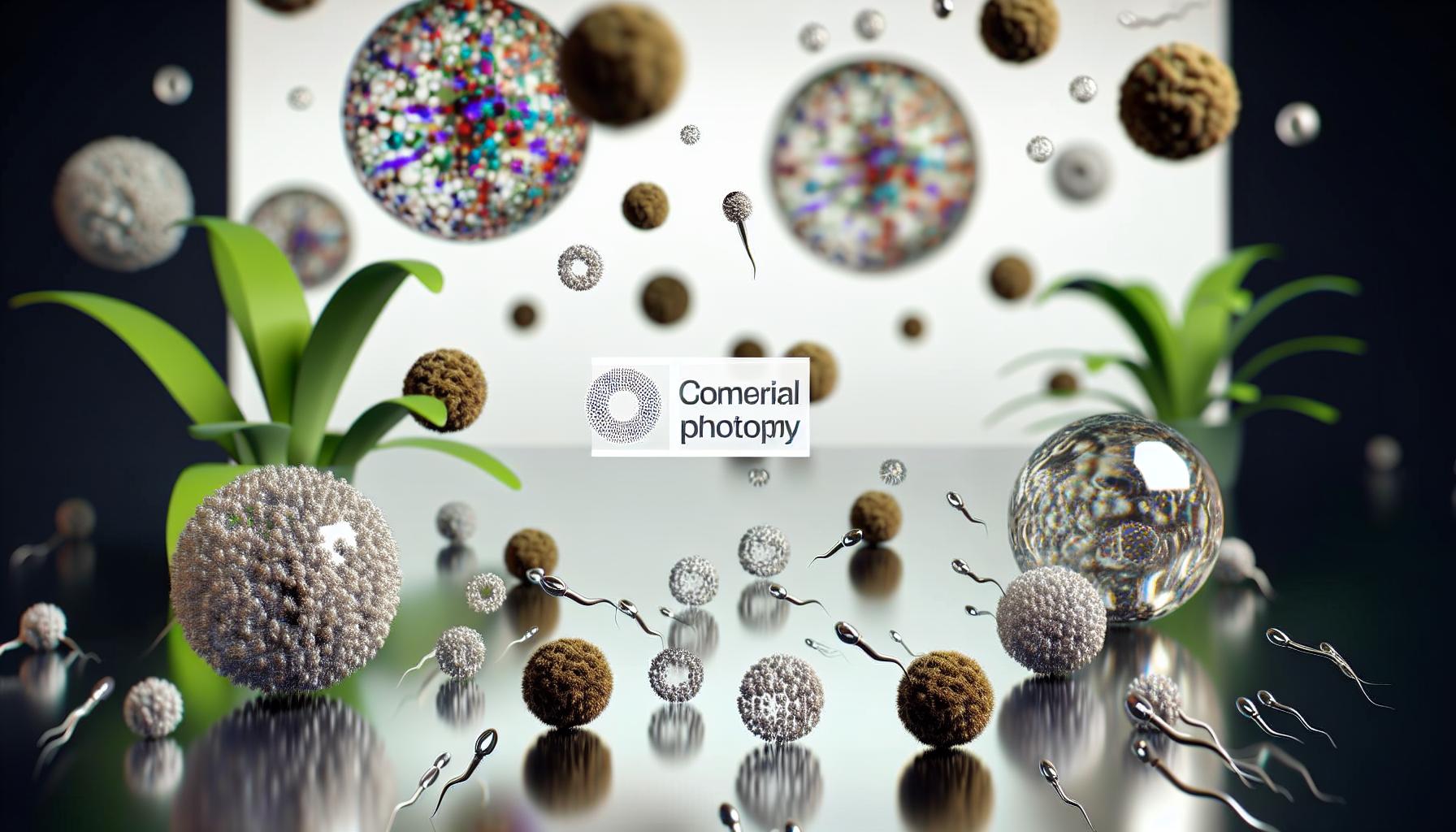
Gametes, the key players in the reproduction process, differ significantly between males and females in both structure and function. Understanding these differences can help clarify the reproductive journey and the challenges that may arise along the way. Male gametes, known as sperm cells, are typically small, motile, and designed for mobility. Their primary function is to travel to the female’s egg for fertilization. In humans, a single ejaculation can release millions of sperm, highlighting the competitive nature of their journey. Sperm cells are streamlined, allowing them to navigate through the female reproductive tract, aided by their flagellum, which propels them forward.
In contrast, female gametes, or ova, are considerably larger and non-motile. The ovum is rich in nutrients and has a protective layer, which helps it survive the fertilization process. In humans, females are born with a finite number of eggs, typically around one to two million, but only a few hundred will mature and be ovulated during their reproductive years. This stark contrast points not just to biological differences but also to the different roles each gamete plays in reproduction. While sperm are designed for speed and quantity, eggs focus on quality and nourishment.
These intrinsic characteristics highlight the challenges people may face in conception. For couples struggling with infertility, understanding these gametic roles can be helpful. For example, issues like low sperm motility or egg quality can significantly impact the chances of successful fertilization. As potential parents navigate their unique paths to parenthood-whether naturally or through assisted reproductive technologies like IVF-acknowledging these differences can empower them to make informed choices in consultation with their healthcare providers.
When considering the emotional aspect of fertility, it’s also important to recognize that these differences can shape experiences and expectations. The sociodemographic pressures and biological realities often lead to heightened awareness of timing and readiness. This knowledge can help reduce the anxiety surrounding conception timelines. As individuals and couples explore their options, understanding the distinct roles of male and female gametes can foster resilience and hope in their family-building journey, whether through IVF, adoption, or other paths.
How Gametes are Formed: The Process Explained
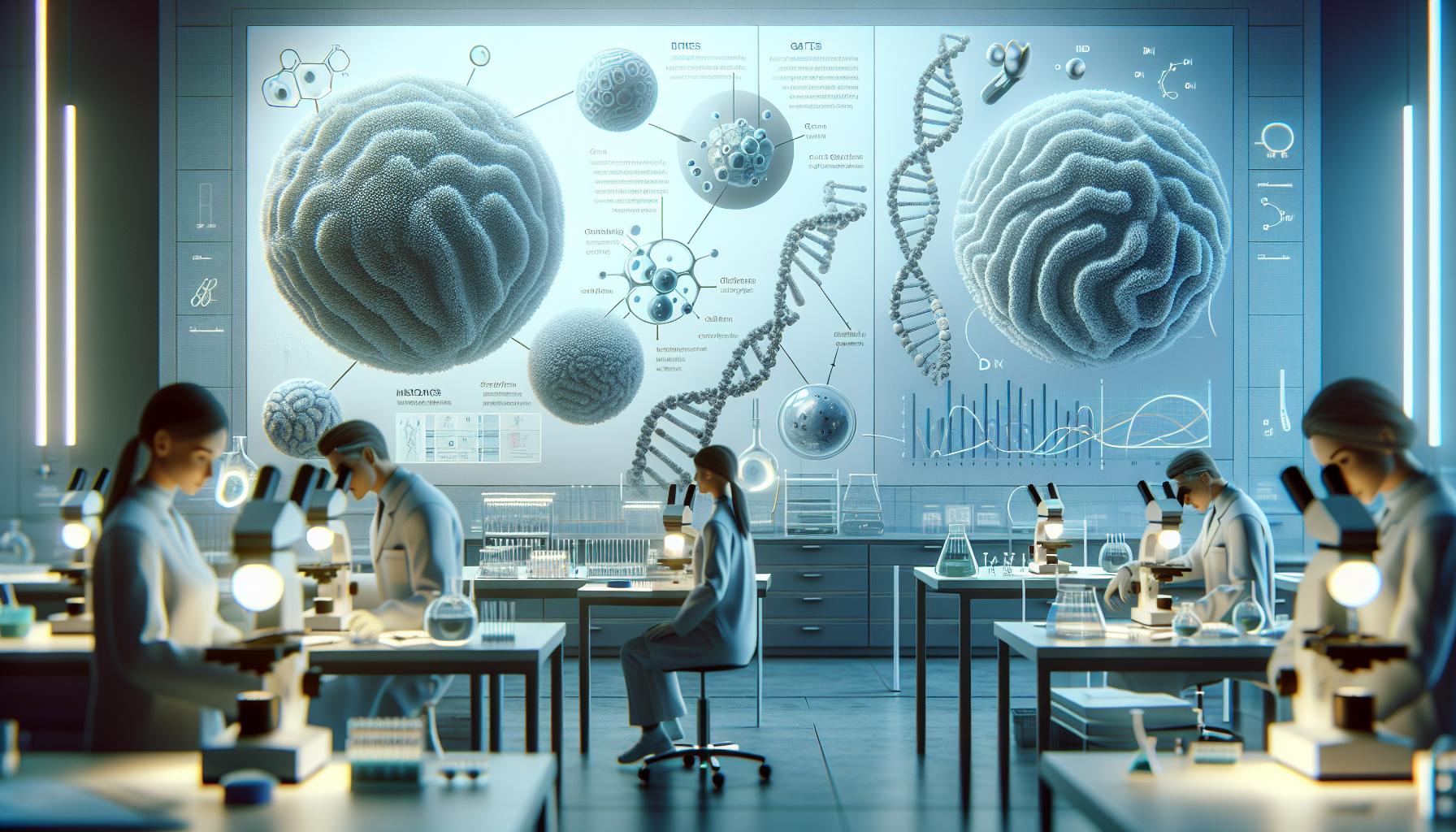
Gametes, the fundamental building blocks of reproduction, undergo a fascinating and complex formation process known as meiosis. This specialized type of cell division reduces the chromosome number by half, producing haploid cells-sperm in males and ova in females-that carry genetic information from each parent. Understanding how gametes are formed can empower individuals and couples on their fertility journeys, offering insight into potential challenges they may face.
The process begins with a germ cell, which is any cell destined to become a gamete. For males, this occurs in the testes, while for females, it takes place in the ovaries. During meiosis, the germ cell first duplicates its DNA, resulting in two copies of each chromosome. It then undergoes two sequential divisions: meiosis I and meiosis II. In meiosis I, homologous chromosomes (one from each parent) are separated into different cells, reducing the total chromosome number from diploid (two sets) to haploid (one set). This is followed by meiosis II, where the sister chromatids are separated, ultimately resulting in four distinct gametes from one initial germ cell.
For women, the formation of ova is rather unique. Typically, one ovum matures and is released during each menstrual cycle, while the other three cells generated during meiosis become polar bodies, which do not develop into functional eggs. This process highlights the investment of energy and resources into a single egg aimed at maximizing viability and potential for fertilization. Conversely, men produce millions of sperm daily, ensuring genetic diversity and competitive success in fertilization.
Understanding this formation process not only sheds light on reproductive biology but also emphasizes the importance of gamete health. Factors such as age, lifestyle, environmental influences, and medical conditions can significantly impact the quality of gametes, affecting fertility outcomes. For those pursuing parenthood, recognizing these elements can guide lifestyle choices and, if necessary, prompt discussions with healthcare professionals regarding fertility assessments and potential interventions to enhance gamete quality.
In summary, the science behind gamete formation is crucial for understanding human reproduction and fertility challenges. By acknowledging the intricacies of meiosis and the specific dynamics of sperm and egg production, individuals and couples can better navigate their family-building options and make informed decisions along their journey.
The Importance of Gamete Quality in Fertility
The quality of gametes-the sperm and eggs-is a crucial factor in the journey towards conception and a successful pregnancy. Poor gamete quality can lead to difficulties in fertilization, and issues with embryo development may arise, ultimately hindering the ability to conceive. Studies have shown that healthcare professionals increasingly emphasize the significance of gamete quality in fertility treatments. Recognizing its importance is vital for anyone exploring their options in family building, whether through natural conception or assisted reproductive technologies.
Several factors can influence the quality of gametes, including age, lifestyle choices, and environmental exposures. For instance, as men and women age, the integrity of their gametes may deteriorate-leading to decreased fertility rates and higher risks of genetic anomalies in offspring. An unhealthy lifestyle, such as poor diet, smoking, and excessive alcohol consumption, can further compromise gamete quality. To help address these concerns, couples trying to conceive can take proactive measures, such as adopting a balanced diet rich in antioxidants, exercising regularly, and reducing exposure to harmful substances.
It’s also essential to recognize that issues affecting gamete quality can be identified and addressed. For example, hormonal imbalances may impact ovulation in women, while men may experience low sperm motility or count. Medical professionals can conduct thorough evaluations to diagnose potential fertility challenges and recommend tailored interventions, which may include lifestyle modifications, nutritional support, or specific fertility treatments.
As couples navigate their fertility journey, understanding and optimizing gamete quality can empower them to make informed decisions and enhance their chances of success. Celebrating small milestones along the way-like improvements in health or receiving positive feedback from fertility assessments-can help foster hope and resilience during an emotionally challenging period. Remember, embarking on this journey requires patience, courage, and a supportive approach to both physical and emotional health, underlining the importance of viewing gamete quality as a pivotal element in the quest for parenthood.
Common Issues Affecting Reproductive Cells
Understanding the challenges that can affect reproductive cells is vital for anyone on the journey to conceive. Both sperm and egg cells are influenced by a variety of factors that can significantly impact their quality and function. From hormonal imbalances to lifestyle choices, recognizing these issues can empower individuals to take proactive steps in their fertility journey.
One common issue is hormonal imbalances. In women, this can manifest as irregular ovulation or anovulation, making it difficult to conceive. Conditions like polycystic ovary syndrome (PCOS) can disrupt normal hormonal rhythms. Men, too, may face hormonal challenges such as low testosterone levels, which can lead to reduced sperm production and motility, crucial factors for successful fertilization. Regular evaluations from healthcare professionals can help identify these imbalances early on, allowing for tailored interventions such as medication or lifestyle modifications.
Additionally, lifestyle factors play a substantial role in gamete health. Unhealthy habits such as smoking, excessive alcohol consumption, and poor nutrition can compromise gamete quality. For instance, oxidative stress from an unhealthy diet may lead to sperm DNA fragmentation, reducing fertility potential. Conversely, a balanced diet rich in antioxidants, along with regular exercise, can improve both sperm and egg quality. It’s crucial for couples trying to conceive to prioritize their health by adopting beneficial lifestyle changes, which can have a positive ripple effect on their reproductive cells.
Aside from health and lifestyle, environmental factors also deserve attention. Exposure to pollutants and endocrine disruptors-found in some plastics and industrial chemicals-can adversely affect gametes. Couples should strive to limit their exposure to these harmful substances, both in their personal lives and through awareness of their surroundings.
By understanding and addressing these , individuals can foster a more favorable environment for conception. It’s also important to recognize that the path to parenthood can be fraught with ups and downs, making it essential to approach this journey with patience and resilience. Regular check-ins with healthcare providers and support from loved ones can provide reassurance and guidance throughout this meaningful process.
The Science Behind Fertilization: Gametes Unite
Fertilization is a remarkable process that marks the beginning of new life, and it all hinges on the union of gametes-the male sperm and the female ovum. These reproductive cells are not just carriers of genetic material; they embody the potential for growth, development, and eventually, the emergence of a new individual. Understanding how these gametes come together offers insights into the complexities of reproduction and fertility, which many individuals and couples navigate on their journey to parenthood.
When a sperm cell successfully reaches and penetrates an egg, a series of extraordinary events unfold. First, the sperm must navigate a challenging environment, overcoming a plethora of barriers posed by the female reproductive system. Factors such as the timing of ovulation and the health of the sperm influence this journey. Once the sperm successfully fertilizes the egg, their genetic materials combine, forming a diploid zygote. This zygote contains a complete set of chromosomes, half from the mother and half from the father, thus setting the foundation for the development of a new life.
One compelling aspect of fertilization is the role of gamete quality. The health of both sperm and egg cells significantly impacts the chances of successful fertilization and subsequent pregnancy. For instance, sperm motility (how well sperm swim) is crucial for reaching and fertilizing the egg. Factors like age, lifestyle, and even environmental exposure can affect gamete quality. Therefore, couples aiming to conceive may benefit from evaluating their overall health, as improving diet, reducing stress, and avoiding harmful substances can lead to healthier gametes and a better likelihood of successful fertilization.
The journey doesn’t stop at fertilization; it’s just the beginning. As the fertilized egg, now a zygote, begins dividing and developing, it travels down the fallopian tube towards the uterus. This process can take several days, and implantation in the uterine lining is the critical next step that often determines the success of the pregnancy. Understanding this intricate and beautiful chain of events reminds us of the delicate balance involved in reproduction, and why both physical and emotional readiness are vital when approaching conception. This journey can bring feelings of hope and excitement but may also evoke anxieties and uncertainties, and it’s essential to approach it with compassion and a willingness to seek support when needed.
Advancements in Reproductive Technology and Gametes
Advancements in reproductive technology have radically transformed our understanding and approach to gametes, significantly enhancing fertility treatment options. Techniques such as in vitro fertilization (IVF) have become more accessible and effective, allowing couples facing infertility challenges to conceive with the aid of medical science. IVF involves retrieving eggs from a woman’s ovaries and fertilizing them with sperm in a laboratory setting, offering a unique opportunity to manage gametes in a controlled environment. This method not only increases chances of conception but also allows for preimplantation genetic testing, ensuring that embryos free from genetic disorders are selected for implantation.
Moreover, recent developments in assisted reproductive technologies (ART) have introduced innovative practices like intracytoplasmic sperm injection (ICSI), where a single sperm is injected directly into an egg. This technique is particularly beneficial for men with sperm motility issues, making it easier to achieve fertilization even when sperm quality is compromised. Additionally, advancements in cryopreservation have made it possible to freeze both sperm and eggs, enabling individuals to preserve their reproductive cells for future use, which is especially important for those facing medical treatments that may affect their fertility, such as chemotherapy.
Strong emphasis is placed on gamete quality, recognizing its critical role in successful fertilization and healthy pregnancies. To enhance gamete health, couples are encouraged to adopt healthy lifestyle choices-such as a balanced diet, regular exercise, and stress management techniques. Environmental exposures, like smoking and excessive alcohol consumption, are important factors to minimize, as they can adversely affect both sperm and egg quality. Understanding these elements can empower individuals on their fertility journey, fostering a proactive approach to reproductive health.
As technology continues to evolve, so do the ethical considerations surrounding assisted reproduction. It is essential for individuals to engage in informed discussions about their options, considering the potential psychological, emotional, and financial impacts. Awareness of the realities of costs, success rates, and emotional wellbeing throughout this journey can help in setting realistic expectations and navigating the numerous choices available in today’s reproductive landscape.
Tips for Enhancing Gamete Health Naturally
Maintaining optimal gamete health is crucial for individuals or couples aspiring to conceive. Understanding the role that lifestyle choices play can empower you on this journey, offering hope and the possibility of improving reproductive outcomes. Here are several effective strategies to enhance gamete health naturally.
Balanced Nutrition
A nutritious diet is the foundation of reproductive health. Incorporate foods rich in antioxidants, such as fruits and vegetables, to combat oxidative stress that can harm gametes. For example, berries, leafy greens, and nuts are excellent choices. Additionally, healthy fats from sources like avocados, olive oil, and fatty fish support hormone balance, which is essential for gamete development. Consider these food groups:
- Fruits and vegetables: Provide vital vitamins and minerals.
- Whole grains: Offer essential nutrients and promote stability in blood sugar levels.
- Lean proteins: Help in tissue repair and hormone production.
Regular Exercise
Physical activity plays a significant role in enhancing overall health, including reproductive wellness. Engaging in moderate exercise can improve circulation and hormone levels, reducing stress and anxiety-both of which can adversely affect fertility. Aim for at least 150 minutes of moderate intensity exercise weekly, such as brisk walking or yoga. Remember, balance is key; excessive exercise may lead to hormonal imbalances, adversely affecting reproduction.
Mindful Stress Management
The emotional toll of the fertility journey can be overwhelming. Stress management techniques such as mindfulness, meditation, or yoga can significantly benefit gamete health. These practices reduce cortisol levels, which, when elevated, can interfere with hormone production and negatively impact reproductive functions. Finding supportive communities, whether online or in-person, can also provide emotional encouragement and help alleviate feelings of isolation.
Avoiding Environmental Toxins
Environmental factors can negatively affect gamete quality. It is advisable to minimize exposure to harmful chemicals found in certain plastics, pesticides, and personal care products. Opt for organic produce when possible and choose natural beauty products with fewer additives. Educating yourself about potential toxins in your daily environment can be empowering, enabling you to create healthier living conditions.
By embracing these natural strategies, individuals can promote healthier gametes, fostering a supportive environment for conception. This mindful approach not only enhances reproductive health but also contributes to overall well-being during a potentially challenging time. Celebrate small successes along your journey and remember that every positive step taken is one closer to achieving your family-building goals.
Understanding Genetic Factors in Reproductive Cells
Understanding the genetic factors involved in reproductive cells, or gametes, is essential for anyone navigating the complexities of fertility. Each gamete carries half of the genetic material required to form a new individual, highlighting the critical role they play in human reproduction. Anomalies in the genes carried by sperm or eggs can significantly impact fertility and overall reproductive health. For instance, chromosomal abnormalities like aneuploidy-where cells have an abnormal number of chromosomes-can lead to issues such as miscarriage or genetic disorders in offspring.
Genetic quality is directly influenced by various factors, including age, lifestyle choices, and environmental exposures. Research suggests that as individuals age, particularly women, the quality of eggs tends to decline, which can lead to decreased fertility and increased risk of genetic issues. In men, factors such as smoking, obesity, and exposure to chemicals can adversely affect sperm quality and genetic integrity. To mitigate these risks, embracing a healthy lifestyle can prove beneficial. Ensuring a balanced diet rich in antioxidants, maintaining regular physical activity, and managing stress levels can support optimal genetic health in reproductive cells.
Additionally, certain genetic tests can provide insights into the integrity of gametes. Preimplantation genetic testing (PGT) during in vitro fertilization (IVF) allows for the screening of embryos for specific genetic conditions, ensuring only those with the appropriate chromosomal structure are selected for implantation. Understanding your genetic profile can empower you on your family-building journey, offering pathways to make informed decisions regarding assisted reproductive technologies.
It’s crucial to approach this topic with compassion, recognizing the emotional burdens associated with fertility challenges. Each step, whether through counseling, testing, or lifestyle modifications, can provide hope and clarity in this intricate journey. Being proactive about genetic factors not only improves the chances of conception but also fosters long-term health for both the parents and their future children.
Exploring Assisted Reproductive Techniques Involving Gametes
Assisted reproductive techniques have revolutionized the journey to parenthood, offering hope to those facing fertility challenges. These methods primarily involve gametes-sperm and eggs-which are the key players in human reproduction. Understanding the various techniques available can empower individuals and couples to make informed decisions about their family-building paths.
One prominent method is in vitro fertilization (IVF). This complex process begins with ovarian stimulation to promote the maturation of multiple eggs. Once the eggs are ready, they’re retrieved in a minor surgical procedure. The retrieved eggs are then combined with sperm in a lab setting, allowing for fertilization. The resulting embryos are monitored for quality before selecting the most viable ones for implantation into the uterus. IVF success rates vary but typically range from 40% to 50% for women under 35, decreasing with age. It’s essential to discuss costs, which can range from $10,000 to $15,000 per cycle without insurance coverage, and potential financing options.
Another technique is intrauterine insemination (IUI), often less invasive and more affordable than IVF. IUI involves placing prepared sperm directly into the uterus around the time of ovulation, increasing the chances of fertilization. This method is generally recommended for couples with unexplained infertility, ovulation issues, or mild male factor infertility. While IUI can be a hopeful option, its success rates tend to be lower than IVF, averaging about 10% to 20% per cycle depending on various factors.
Additionally, emerging technologies such as egg freezing and sperm banking provide alternatives for individuals wishing to preserve their reproductive options. For instance, women may choose to freeze their eggs if they wish to delay motherhood for personal or career reasons, while sperm banking can offer a viable solution for men facing surgery or medical treatments that may affect fertility.
As you explore these options, it’s crucial to consider the emotional journey involved. Conversations with fertility specialists can help clarify the benefits and potential drawbacks of each method, and counseling may provide valuable support through the ups and downs. Remember, every path to parenthood is unique, and taking the time to understand your choices can lead to a more fulfilling journey.
Q&A
Q: What are gametes and why are they important?
A: Gametes are reproductive cells crucial for sexual reproduction. They include sperm in males and ova (eggs) in females. Their fusion during fertilization creates a zygote, essential for initiating embryonic development. Understanding gametes can help identify fertility issues, which is discussed in detail in the article’s section on Common Issues Affecting Reproductive Cells.
Q: How do gametes differ from other body cells?
A: Unlike typical body cells, gametes have a haploid number of chromosomes, meaning they contain only one set (23 in humans) compared to the diploid count (46) in other body cells. This specialized form is vital for maintaining genetic diversity during reproduction.
Q: What factors can affect the quality of gametes?
A: Gamete quality can be influenced by several factors, including age, nutrition, environmental exposure, and health conditions. Maintaining a healthy lifestyle can enhance gamete health, discussed further in the article’s section on Tips for Enhancing Gamete Health Naturally.
Q: When do gametes undergo maturation?
A: Gametes begin to mature during puberty-spermatogenesis in males and oogenesis in females. This process continues throughout a reproductive lifespan, with females typically releasing one mature ovum during each menstrual cycle.
Q: Why are genetic factors important in gamete health?
A: Genetic factors play a critical role in gamete health, affecting fertility and the potential for hereditary conditions. Understanding these factors can guide couples in family planning and reproductive choices, as explored in the article.
Q: What are some common assisted reproductive techniques involving gametes?
A: Common assisted reproductive techniques include in vitro fertilization (IVF) and intracytoplasmic sperm injection (ICSI). These methods help couples struggling with infertility by directly facilitating the interaction of gametes, further elaborated in the article’s section on Exploring Assisted Reproductive Techniques Involving Gametes.
Q: How can lifestyle changes improve gamete quality?
A: Lifestyle changes such as adopting a balanced diet, exercising regularly, and reducing stress can significantly enhance gamete quality. Avoiding harmful substances like tobacco and excessive alcohol is also beneficial, as discussed in the section on Tips for Enhancing Gamete Health Naturally.
Q: When is genetic testing recommended for gametes?
A: Genetic testing is often recommended prior to fertility treatments, particularly in cases of advanced maternal age, known reproductive issues, or family history of genetic conditions. This proactive measure helps ensure healthier outcomes, aligning with discussions in the article on Understanding Genetic Factors in Reproductive Cells.
Wrapping Up
Understanding the term for reproductive cells is just the beginning of your journey into reproductive health. Whether you’re exploring options like IVF or artificial insemination, knowledge is your ally. We invite you to dive deeper into related topics, such as causes of infertility, where you’ll discover informative resources that can illuminate your path forward. Don’t hesitate to explore treatment guides and find practical steps tailored to your needs, including costs and success rates.
If you have more questions or need personalized guidance, consider signing up for our newsletter or reaching out for a consultation. Each step you take is a step towards understanding your options and navigating the emotional landscape of family-building. Share your thoughts or experiences in the comments below, and connect with our community that understands the weight of this journey. Remember, you’re not alone, and we’re here to support every milestone along the way.
Get our latest guides, news, and insights highlighted in your Google Search & AI Overviews.