The journey to parenthood can be filled with both hope and heartache, especially for those considering in vitro fertilization (IVF). As you navigate this complex path, you may wonder about the moral and religious implications for your child, particularly regarding baptism in the Catholic Church. This article aims to address your questions and concerns about whether the Church will baptize a baby conceived through IVF. Understanding this important aspect can provide you with clarity and assurance as you embark on your family-building journey. We’ll explore the Church’s teachings, what to expect during the baptism process, and how you can respectfully navigate this significant moment in your child’s life, regardless of your family’s unique story.
Understanding the Catholic Church’s Stance on IVF
The Catholic Church’s stance on in vitro fertilization (IVF) is complex and often a source of significant deliberation for families considering this path to parenthood. Officially, the Church holds that IVF is morally objectionable due to its implications for the sanctity of life and the nature of procreation. The Church teaches that every child should be conceived through the natural marital act, emphasizing the unity of procreation and the marital bond. Documents like “Donum Vitae,” issued in 1987, articulate these principles, asserting that the use of IVF can separate the procreative act from the relational context that is meant to accompany it [3[3].
Despite this teaching, many Catholics face the emotionally charged decision of whether to pursue IVF when struggling with infertility. Research indicates that a notable number of Catholics do not perceive IVF as morally wrong and choose to engage with this option in their fertility journeys. This discrepancy raises important questions about personal conscience, the interpretation of Church doctrine, and the pastoral responses offered by local parishes and clergy [1[1].
From a doctrinal point of view, while the Church does not reject the children conceived through IVF, they emphasize that the method itself raises ethical concerns. These include issues such as the potential destruction of embryos, the creation of excess embryos for which there is no intention of implantation, and the reduction of human life to a product of technology [2[2]. In light of these teachings, couples considering IVF are encouraged to engage with their faith communities and seek spiritual guidance, ensuring that their approach to family building aligns with their values and beliefs.
As families navigate the emotional landscape surrounding IVF, understanding the Church’s teachings can provide clarity and support. This journey often intertwines with deep reflections on faith and the definition of family in the context of modern reproductive technologies. Embracing open dialogue with clergy and parish resources can help individuals and couples reconcile their desires for children with their faith, creating an inclusive space for hope and healing.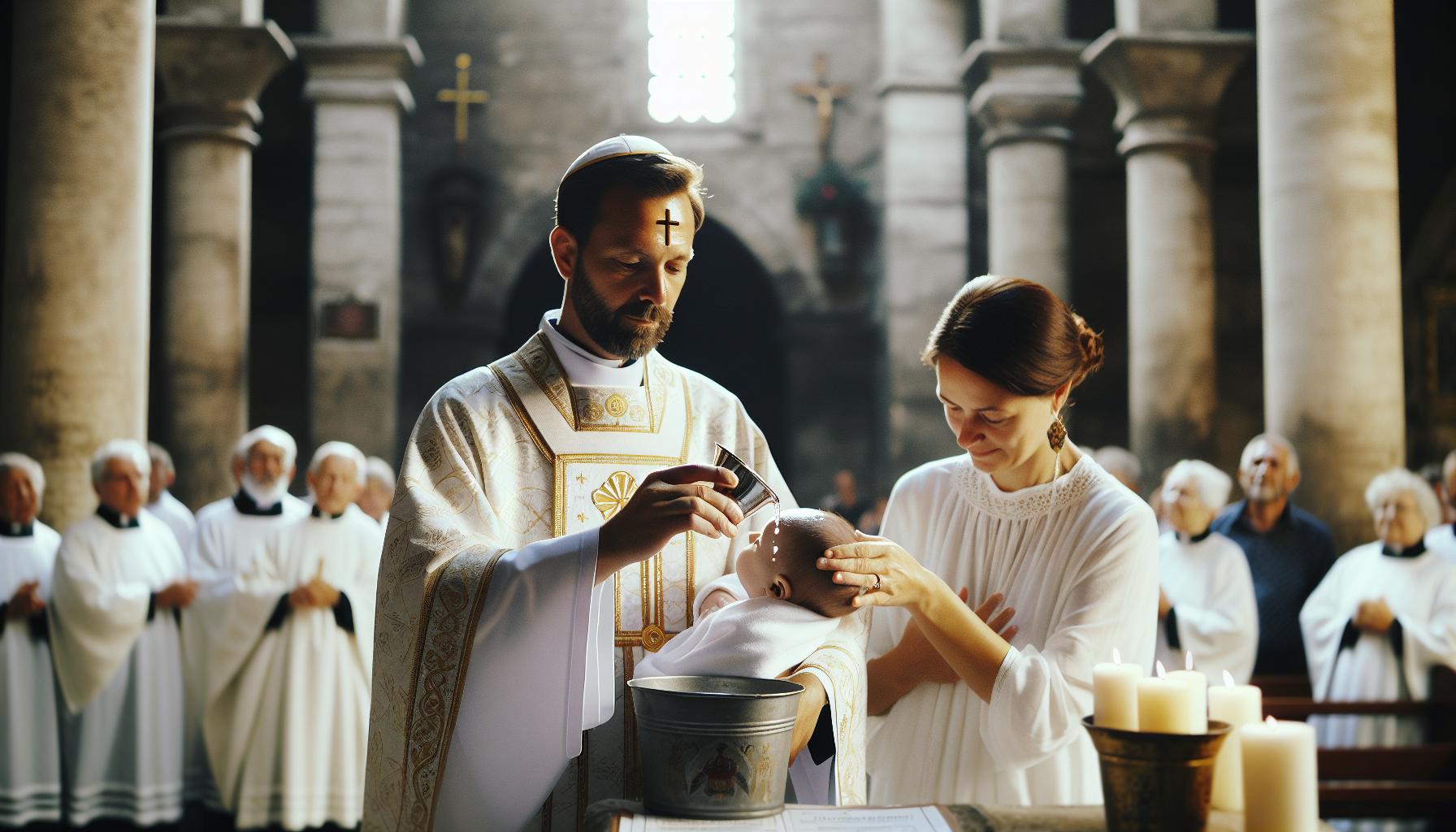
The Significance of Baptism in Catholicism
Baptism holds a significant place within Catholicism, symbolizing not just the entry into the Christian faith, but also the grace and forgiveness of original sin. It marks a child’s initiation into a loving community of believers and their journey towards spiritual growth. For parents navigating the complexities of bringing an IVF baby into the Church, understanding the importance of baptism can serve as a source of comfort and clarity in their faith journey.
The essential role of baptism is made clear in the Gospel, where Christ himself was baptized, setting a precedent for his followers. For many families, baptism represents a powerful moment of connection to God and the Church. It is a sacrament that affirms the belief that all children are precious in the eyes of God, regardless of how they are conceived. This perspective is essential for parents grappling with the moral implications surrounding IVF. The Church teaches that every child, including those conceived through assisted reproductive technologies, is deserving of love, acceptance, and the sacramental grace that baptism provides.
When considering baptism for an IVF baby, parents may have questions about whether there are specific requirements or hurdles to overcome. Generally, the Church does not place restrictions on baptizing children based on the method of their conception. Instead, the focus is on the child’s readiness for baptism and the parents’ commitment to raising the child in the Catholic faith. Engaging with a priest or pastoral staff can help in addressing any specific concerns, allowing families to feel supported in their choices.
A valuable aspect of baptism is the communal support it brings. This sacrament is typically celebrated within the context of a parish community, further enhancing the experience for families. During the baptism ceremony, godparents play a crucial role, serving as spiritual mentors to the child and helping to instill faith-based values throughout their upbringing. As families gather for this special occasion, it reinforces the notion that they are not alone in their faith journey, no matter the challenges they may have faced in conceiving.
In summary, baptism serves as a profound celebration of life, a chance to welcome a new child into the loving embrace of the Church community, and a reaffirmation of faith for parents. For those who have undertaken the path of IVF, the beauty of baptism is that it transcends method of conception-highlighting the belief that every child is a gift from God, deserving of the same spiritual nurturing as any other.
Baptism Requirements for IVF Babies
When considering baptism for a child conceived through in vitro fertilization (IVF), many parents may wonder about the specific requirements and the stance of the Catholic Church. The good news is that the Church does not impose restrictions on baptizing children based solely on their method of conception. Instead, the focus lies on the child’s readiness for baptism and the parents’ commitment to raising their child within the faith.
To begin the baptism process, parents typically need to fulfill a few essential requirements. First, they should contact their local parish and arrange a meeting with a priest or pastoral staff member. This initial engagement is crucial for addressing any specific concerns or questions regarding the baptism of an IVF baby. It also provides an opportunity for the priest to explain the sacrament’s significance and preparation guidelines.
- Parental Commitment: Parents must affirm their dedication to nurturing their child in the Catholic faith. This commitment is a fundamental aspect of baptism.
- Godparents: Selecting at least one godparent is essential. Godparents should preferably be confirmed Catholics, who will support the child’s spiritual growth.
- Baptism Preparation Class: Many parishes require parents to attend a baptism preparation class. This class covers the meaning of the sacrament and practical aspects of raising a child in faith.
- Timing of Baptism: While many families opt for baptism in early infancy, the timing can often be flexible. Parents can discuss this with their priest to find an appropriate time for their family.
In this supportive environment, parents will likely find that their child is embraced just as any other, emphasizing that every child, regardless of conception method, is a gift from God who deserves love and the sacramental grace provided through baptism. This process not only marks a significant spiritual milestone but also offers familial and communal support, reassuring families navigating the complexities of infertility and assisted reproduction.
Exploring the Role of the Family in Baptism
The baptism of a child conceived through in vitro fertilization (IVF) opens a path of new beginnings, joy, and a profound opportunity for familial unity in faith. Families often face emotional complexities when navigating the intersection of assisted reproduction and sacred traditions. Understanding the role of the family during this spiritual milestone is essential for creating an environment of support and love within the Catholic faith.
Central to the baptism process is the family’s commitment to nurturing the child in the Catholic faith. This dedication is more than a formality; it’s a lifelong promise that sets the spiritual foundation for the child’s journey. Parents need to engage actively with their local parish, seeking guidance from clergy and immersing themselves in the church community. As they prepare for baptism, families are encouraged to reflect on their values and the importance of fostering a nurturing environment where faith can thrive amidst the complexities of modern family structures.
Moreover, support from extended family and friends plays a crucial role. Designating godparents extends the child’s support network, reinforcing connections within the faith community. Choosing individuals who embody Catholic values and are committed to being active participants in the child’s spiritual growth enhances the baptism’s significance. This collaborative approach not only enriches the child’s experience but also strengthens family bonds, fostering an atmosphere of shared faith and responsibility.
As families embark on this sacred journey, it’s vital to acknowledge the emotional weight often associated with infertility and assisted reproduction. Celebrating the arrival of an IVF baby can be bittersweet for some, but the baptism serves as a powerful reminder of hope, renewal, and the belief that every child, regardless of their conception story, is a cherished gift from God. Embracing this moment with love and openness allows families to create lasting memories rooted in faith, ultimately paving the way for their child to become an integral part of the church community.
The Emotional Impact of Baptism on Families
The experience of baptism can evoke a myriad of emotions for families, particularly for those who have journeyed through the challenges of infertility and assisted reproductive technologies like in vitro fertilization (IVF). The moment when a child is baptized often symbolizes not just spiritual welcome but also the culmination of hope and perseverance. For many parents, this transition from longing for a child to witnessing their baptism can be profoundly moving, sparking feelings of joy, relief, and reflection.
Families may find themselves reflecting on the emotional toll that the infertility journey entails. Whether it’s the grief from losses faced along the way or the anxiety surrounding the unknown outcomes of IVF cycles, these experiences significantly shape the lead-up to baptism. Celebrating this sacrament often becomes a moment of healing, allowing families to reframe their narratives by recognizing their child – regardless of the circumstances of their conception – as a divine gift full of potential. In this light, the child’s baptism becomes more than a ritual; it is a powerful affirmation of faith and resilience.
Moreover, the support system surrounding this event plays a critical role in mediating its emotional impact. Engaging with a community of like-minded individuals, sharing experiences with friends and family, and receiving guidance from church leaders can foster a sense of belonging and reduce feelings of isolation. Families are encouraged to establish connections with godparents who not only serve as spiritual role models but also provide emotional support throughout the child’s life. This network can help in nurturing shared values and promoting a strong foundation for the child’s spiritual upbringing.
Ultimately, the baptism of an IVF baby invites families to embrace their unique journeys, combining both the struggles and the joys of parenthood. It cultivates an atmosphere of acceptance and love, where every family member’s role is honored and valued. These moments of shared faith and community not only commemorate the child’s entry into the Catholic Church but also celebrate the incredible pathways that lead families to this joyful day.
Addressing Concerns about Catholic Doctrine
The intersection of in vitro fertilization (IVF) and Catholic doctrine often raises significant questions, particularly regarding the baptism of children conceived through assisted reproductive technologies. Many parents wonder how the Church reconciles its teachings with the modern realities of family-building and reproductive health. It is crucial to understand that while the Catholic Church has specific teachings regarding the sanctity of human life and marital procreation, these teachings do not negate the possibility of baptism for IVF babies.
The Church holds that every human life is created in the image of God and deserves to be honored and celebrated. This respect for life extends to children conceived through IVF, as their existence is a testament to the hopes and dreams of their parents. Therefore, the Church traditionally affirms the right of any child to receive the sacrament of baptism, regardless of the circumstances surrounding their conception. The Catholic Church views baptism as a vital initiation into the Christian community, marking the child’s acceptance into the grace of God.
However, parents may encounter some challenges relating to the Church’s stance on IVF itself. The Catholic Church typically opposes IVF because it separates procreation from the marital act, leading to ethical concerns regarding the treatment of embryos created during the process. Many parents feel the weight of these teachings while navigating their personal journeys of infertility. It is essential for them to engage in open discussions with their parish priest or a knowledgeable church official to address any doctrinal concerns they may have about baptism. These conversations can provide clarity, support, and an understanding of how to align their desires for their child’s spiritual upbringing with the Church’s teachings.
In this endeavor, connecting with others who share similar experiences can also be invaluable. Support groups or faith-based communities often provide encouragement and a safe space to discuss the complexities of IVF and Catholicism. They can reassure individuals that they are not alone in their struggles and help cultivate a sense of belonging as they seek to embrace the additional layers of their family’s journey.
Ultimately, navigating the concerns surrounding Catholic doctrine and baptism for IVF babies requires a compassionate approach. It’s about understanding the Church’s teachings while recognizing the profound love and sanctity of each child’s life, regardless of how they were conceived. The path may present challenges, but with dialogue, support, and faith, families can find peace in their spiritual journey as they prepare for the baptism of their child.
Navigating the Admissions Process for Baptism
The journey to baptizing your child, particularly one conceived through in vitro fertilization (IVF), can feel overwhelming amid the shared emotions of hope and apprehension. As you prepare for this significant milestone in your family’s life, it’s essential to understand the admissions process for baptism in the Catholic Church, which emphasizes compassion and inclusion.
To begin the process, the first step is to contact your local parish. Each parish may have specific requirements and guidelines, so scheduling an appointment with a parish priest or baptism coordinator is advisable. This meeting serves as an opportunity to discuss your child’s baptism and any unique circumstances related to their conception. It’s vital to express your desire to have your IVF baby baptized, as Church teachings recognize that every child deserves the sacrament, independent of how they were conceived.
Once you’ve established communication with the parish, you may be asked to participate in a baptism preparation class, which is designed to help parents understand the sacrament’s significance, responsibilities, and the Church’s teachings regarding raising a child in the faith. This class can be a comforting space where you are not alone in your journey, as you connect with other parents who may share similar experiences and narratives about family creation and faith.
Additionally, you will need to gather specific documents such as proof of your baptism and confirmation, as well as an understanding of your child’s godparents, who must also be confirmed Catholics. It’s an excellent opportunity to involve family members or close friends who can act as spiritual guides for your child. The Church encourages choosing godparents who are supportive of your values and can help nurture your child’s faith.
By approaching the admissions process with open communication and a heartfelt commitment to your child’s spiritual life, you can navigate potential concerns with confidence. Remember, the Church sees the baptism of every child as a celebration of life and a welcoming into the Christian community, regardless of their conception story. With compassion, dialogue, and preparation, you can ensure a smooth path toward this enriching sacrament for your IVF baby.
Types of Support Available for Families
Navigating the path to baptism for your child conceived through in vitro fertilization (IVF) can feel daunting, particularly in the context of the Catholic faith. Fortunately, a variety of support systems are in place to assist families during this journey, ensuring they feel connected, understood, and empowered as they prepare for this sacred ceremony.
One of the most immediate sources of support comes from your local parish. Here, you can find compassionate guidance from priests and parish coordinators who are familiar with the unique circumstances surrounding IVF. They will provide essential information about the baptism process, answer questions, and offer reassurance that your child’s baptism is both welcomed and celebrated, regardless of their conception. Many parishes also hold baptism preparation classes where families can come together, share experiences, and learn more about the importance of the sacrament and their responsibilities as parents and godparents.
In addition to parish resources, connecting with support groups specifically for families dealing with infertility and IVF can be invaluable. These groups often provide a safe space for sharing feelings of hope, grief, and success stories. Members can offer practical advice on how to talk about IVF within a faith context, as well as emotional support and camaraderie. Online forums and local meet-ups can be great ways to find community and reassurance from others who understand your unique journey.
Furthermore, many Catholic organizations offer resources aimed at assisting families through fertility challenges and their subsequent family-building experiences. These resources can include informative articles, workshops, and counseling services, helping families navigate not just the practical aspects of baptism, but also the emotional complexities that often accompany fertility treatments and the decisions surrounding family creation.
Ultimately, knowing that you are part of a broader community that embraces your family’s journey can provide a crucial sense of belonging. Having access to these various types of support will empower you and your family to approach the baptism process with confidence, joy, and the knowledge that you are not alone in your experiences.
Personal Stories: IVF and the Catholic Faith
The journey of IVF within the Catholic faith is filled with a tapestry of personal stories that illustrate a myriad of experiences, emotions, and encounters. For many families, the perspective on having a child through in vitro fertilization is often intertwined with deep faith, love, and sometimes, uncertainty. A mother, Maria, shares her story of hope and rediscovery of faith while undergoing IVF. After several heart-wrenching years of infertility, Maria and her husband decided to pursue IVF, feeling torn between their desire for children and their understanding of Church teachings. She recalls the significant moment when she spoke to her parish priest: “He reassured us that every child is a gift, regardless of how they come into the world.” This encounter provided them with the emotional support they desperately needed.
In another account, John, a devoted Catholic, faced challenges that brought up strong feelings about the moral implications of IVF. He admits to feelings of guilt and doubt, grappling with the Church’s opposition to IVF. However, after joining a local support group comprised of couples with similar experiences, he found solidarity and understanding. Members of the group shared their faith journeys and how they reconciled their choices with their beliefs. “Hearing others’ stories made me feel less alone,” John reflects. “It helped me embrace my faith while pursuing the dream of having children.”
As families navigate the complex waters of IVF and baptism, sharing these personal stories creates a sense of community and solidarity. These narratives often highlight how many parents are welcomed with open arms into the faith community, regardless of the circumstances surrounding their child’s conception. The emotional impact of these connections cannot be understated; they reinforce the idea that families can be built in various ways and still be profoundly blessed. Many report feeling grateful that the Church provides a pathway for their child’s baptism, affirming their standing within the faith and the unconditional love of God.
In understanding this emotional landscape, it is essential to remember that every journey with IVF and faith is unique. Each family’s story adds richness to the understanding of what it means to be both Catholic and a parent through modern reproductive technologies. Whether through shared support groups, conversations with faith leaders, or personal reflections, these experiences unite families facing similar challenges, highlighting the enduring power of faith and community in the face of adversity.
Guidance from Faith Leaders on IVF Baptism
Discussing the baptism of a child conceived through IVF can be an emotional and complex topic for many families. Faith leaders within the Catholic Church provide guidance to help parents navigate their feelings and the Church’s teachings. Open and understanding dialogue with parish priests or spiritual advisors is encouraged, as they can offer personalized insights that resonate with each family’s unique situation. It’s important to remember that in Catholicism, the focus of baptism is not on the manner of conception but on the child’s soul and the parents’ intention to raise the child in the faith.
Many priests adopt a supportive stance towards parents who have pursued IVF, emphasizing that every child is viewed as a gift from God. Engaging in discussions with church leaders often reveals a deep compassion for the struggles couples face in their fertility journeys. Faith leaders encourage parents to express their desire for baptism and highlight their commitment to nurturing their child’s faith. This can foster a sense of belonging and community, reaffirming that love and acceptance are at the heart of Catholic teachings.
It’s also beneficial for families to join groups or discussions with others who share similar experiences. Many parishes have support networks for couples dealing with infertility or embarking on IVF. These groups often serve as a platform for sharing personal stories and receiving encouragement from faith leaders and peers alike. Such connections can help alleviate feelings of isolation, as parents realize they are not alone in their journeys, and can contribute positively to their spiritual and emotional well-being.
Ultimately, the journey towards baptism for an IVF baby is supported by the understanding that the process is inclusive and caring. Families are reassured that the love and grace of God extend to all children, regardless of how they were conceived. Parents are encouraged to prepare for baptism by engaging with their faith community, nurturing their child’s spiritual education, and fostering their connection to the Church. This approach builds a foundation of faith that celebrates both the miracle of life and the profound love that guides every family’s path.
Resources for Families Considering IVF
Considering the journey through IVF can be both thrilling and overwhelming, accessing the right resources is vital for families navigating this path. For those who are beginning their fertility treatment, understanding what support is available can alleviate some anxiety and provide a clearer path forward. Families should not only focus on the medical aspects but also on emotional and spiritual support, especially when contemplating how this journey aligns with their faith and baptism.
One essential resource is the availability of educational programs and workshops offered by many church communities or fertility support groups. These sessions often cover topics like the stages of treatment, financial planning for IVF, and how to discuss your journey with family and friends in a way that feels comfortable and supportive. Many local parishes might also host support groups where couples can share their experiences, fostering community connections that can be incredibly comforting during this sensitive time.
Additionally, consider reaching out to reproductive health counselors or fertility specialists who are respectful of faith-based concerns. These professionals can provide guidance on medical procedures while acknowledging the emotional weight of the fertility journey. Engaging with a fertility specialist who understands the challenges and realities of IVF can help families make informed decisions that honor both their health and their spiritual beliefs.
It’s also important for families to have access to comprehensive information regarding the financial aspects of IVF. Transparent discussions about costs, insurance coverage, and potential financial aid from fertility clinics can diminish stress around budgeting for treatment. Many clinics offer payment plans or grant options for those who may struggle financially, ensuring that the focus remains on growing the family rather than on financial burdens.
By tapping into these resources, families considering IVF can find much-needed support, knowledge, and affirmation as they work toward welcoming a new life. Whether through educational opportunities, community support, or financial guidance, the goal remains to create an environment where hope, faith, and love can flourish.
Next Steps: Preparing for Baptism in the Church
Preparing for baptism in the Catholic Church is a significant spiritual milestone for any family, and it can carry unique considerations for those whose children are conceived through in vitro fertilization (IVF). Understanding these nuances can foster a deeper connection to the faith and ease any concerns surrounding the baptism process.
To begin, it’s essential to speak with your local parish priest about your intention to baptize your child. Most priests are supportive and provide guidance on the requirements and the significance of the sacrament. Typically, baptisms for IVF babies follow the same procedures as for any child, with an emphasis on the parents’ intent and commitment to raise the child in the Catholic faith. It’s a moment to celebrate the miracle of life and to affirm the family’s belief system.
As you prepare, consider participating in any available baptismal preparation classes offered by the parish. These classes facilitate a deeper understanding of the sacrament, allowing parents to reflect on their faith and the responsibilities that come with raising a baptized child. It’s also an opportunity to meet other families, fostering community ties that can provide ongoing support.
Additionally, keep in mind that you might feel a mix of emotions during this process. It’s normal to experience joy, gratitude, and even some anxiety about fulfilling both spiritual and parental responsibilities. Engaging in open discussions with faith leaders or fellow parishioners who share similar experiences can be incredibly helpful. Creating a supportive network can provide both emotional affirmation and practical advice as you navigate this sacred journey together.
By taking these steps, families can approach the baptism with a sense of readiness and peace, reinforcing the bond between their child’s spiritual journey and their own faith practice.
Frequently Asked Questions
Q: Can IVF babies be baptized in the Catholic Church?
A: Yes, babies conceived through IVF can be baptized in the Catholic Church. The sacrament focuses on the child’s soul and the parents’ intention to raise the child in the faith, rather than the method of conception [2[2].
Q: What are the main requirements for baptizing an IVF baby?
A: To baptize an IVF baby, parents must be practicing Catholics and intend to raise the child in the faith. The baptism must also be performed by a priest, and parents may need to attend a preparation class [2[2].
Q: Are there any stipulations regarding the baptism of IVF babies?
A: While there are no specific stigmas against baptizing IVF babies, parents should ensure they are prepared to fulfill the role of spiritual guides for their child. Parental intention matters greatly, and the child’s upbringing in the Catholic faith is pivotal [2[2].
Q: How does the Catholic Church view the moral implications of IVF?
A: The Catholic Church has a cautious view of IVF due to concerns about human dignity and the sanctity of life. However, the Church acknowledges that faithful practices should be prioritized, emphasizing the nurturing of the child’s faith above the conception method [1[1].
Q: What role does the community play in the baptism of an IVF baby?
A: The community plays an essential role in welcoming an IVF baby into the faith. Godparents and parishioners support families in their faith journey, reflecting the communal aspect of baptism as a significant rite of passage [2[2].
Q: What steps should parents take to prepare for their IVF baby’s baptism?
A: Parents should begin by contacting their parish to discuss baptism requirements and register for a preparation class. They should also consider the spiritual role they will play, ensuring they can nurture their child’s faith [3[3].
Q: Are there any support systems for families with IVF babies in the Church?
A: Yes, many parishes offer support groups and resources for families undergoing IVF, including educational sessions on faith and fertility. Connecting with other families can create a sense of community and support through shared experiences [3[3].
Q: How does the Catholic Church recommend addressing concerns about IVF and baptism?
A: The Church encourages open dialogue with parish leaders about any concerns regarding IVF and baptism. Engaging with clergy can help clarify doctrine and provide the emotional and spiritual support needed [1[1].
The Conclusion
As you navigate the profound journey of considering baptism for an IVF baby, it’s essential to understand the Catholic Church’s teachings regarding this sensitive topic. While the Church emphasizes the importance of natural conception, the path to grace through baptism remains accessible. If you’re seeking further clarity, explore our detailed articles on Catholic teachings on IVF and understanding infertility for a broader perspective.
Don’t hesitate to engage with us in the comments or share your thoughts-your experiences are valuable! For ongoing support, consider subscribing to our newsletter where you’ll receive updates and resources to assist you on this beautiful but challenging family-building journey. Remember, whatever path you choose, you are not alone; we are here to provide compassionate guidance as you move forward.