As more individuals and couples explore options for hair removal, concerns about potential impacts on fertility have surfaced. One common worry is whether laser hair removal procedures could affect reproductive health. Thankfully, extensive research indicates that there is no scientific evidence linking laser hair removal to infertility. This knowledge can provide peace of mind for those considering this cosmetic treatment. However, understanding the nuances of laser hair removal, its safety, and its misconceptions is important for informed decision-making. In this article, we’ll explore the facts surrounding laser hair removal and address common safety concerns to help you navigate this journey with confidence and clarity. Your fertility health is paramount, and staying informed is the first step in making choices that align with your family-building goals.
Understanding Laser Hair Removal and Its Mechanism
Laser hair removal is a popular choice among individuals looking to reduce unwanted body hair, but understanding its core mechanisms can help demystify the process and address safety concerns, particularly regarding its effects on fertility. This technique employs concentrated beams of light to target and destroy hair follicles, effectively preventing future growth. The laser selectively focuses on the pigment within the hair, known as melanin, to generate heat that disables the follicle’s ability to grow hair. Importantly, this process is localized and doesn’t penetrate deeply into the skin, ensuring that surrounding tissues and organs remain unaffected.
Consumers often have questions about the safety of laser hair removal, especially when considering potential implications for reproductive health. It’s vital to recognize that laser treatments primarily impact the hair follicles located at the surface level of the skin. Extensive research has shown that these procedures do not interfere with ovarian function or overall fertility. Thus, people considering this option can feel secure knowing that there is no scientific evidence linking laser hair removal to infertility concerns.
For those who may still feel apprehensive, discussing individual concerns with a qualified professional can help clarify any additional questions and provide personalized insights. It’s essential to approach hair removal with reliable information and professional guidance, fostering confidence and peace of mind as individuals navigate their choices regarding personal grooming and reproductive health.
Common Myths About Laser Hair Removal and Infertility
There is a persistent myth that laser hair removal can lead to infertility, creating undue anxiety for those considering this popular treatment. Understanding the truth behind this claim is vital to alleviate concerns and ensure informed decisions. Extensive studies and expert opinions emphasize that laser hair removal primarily targets hair follicles situated just beneath the skin’s surface, using focused light that does not penetrate deeply enough to affect underlying reproductive organs. As a result, there is no scientific evidence supporting the notion that laser hair removal interferes with fertility or ovarian function [1[1][2[2].
Many individuals fear that exposure to lasers in sensitive areas, particularly around the reproductive system, might have adverse effects. However, professionals clarify that these procedures are localized, ensuring minimal risk to surrounding tissues. This reassurance is especially important for those navigating their fertility journeys, where emotions can run high, and clarity is crucial. Engaging with a knowledgeable practitioner can further help in dispelling these myths, allowing patients to approach their hair removal experiences with confidence and understanding [3[3].
In times filled with uncertainty around reproductive health, it’s important to confront misconceptions with facts. Individuals contemplating laser hair removal can take comfort in knowing that their choices regarding personal grooming do not jeopardize their fertility. This information empowers them to pursue effective hair removal options without fear, focusing instead on their holistic well-being.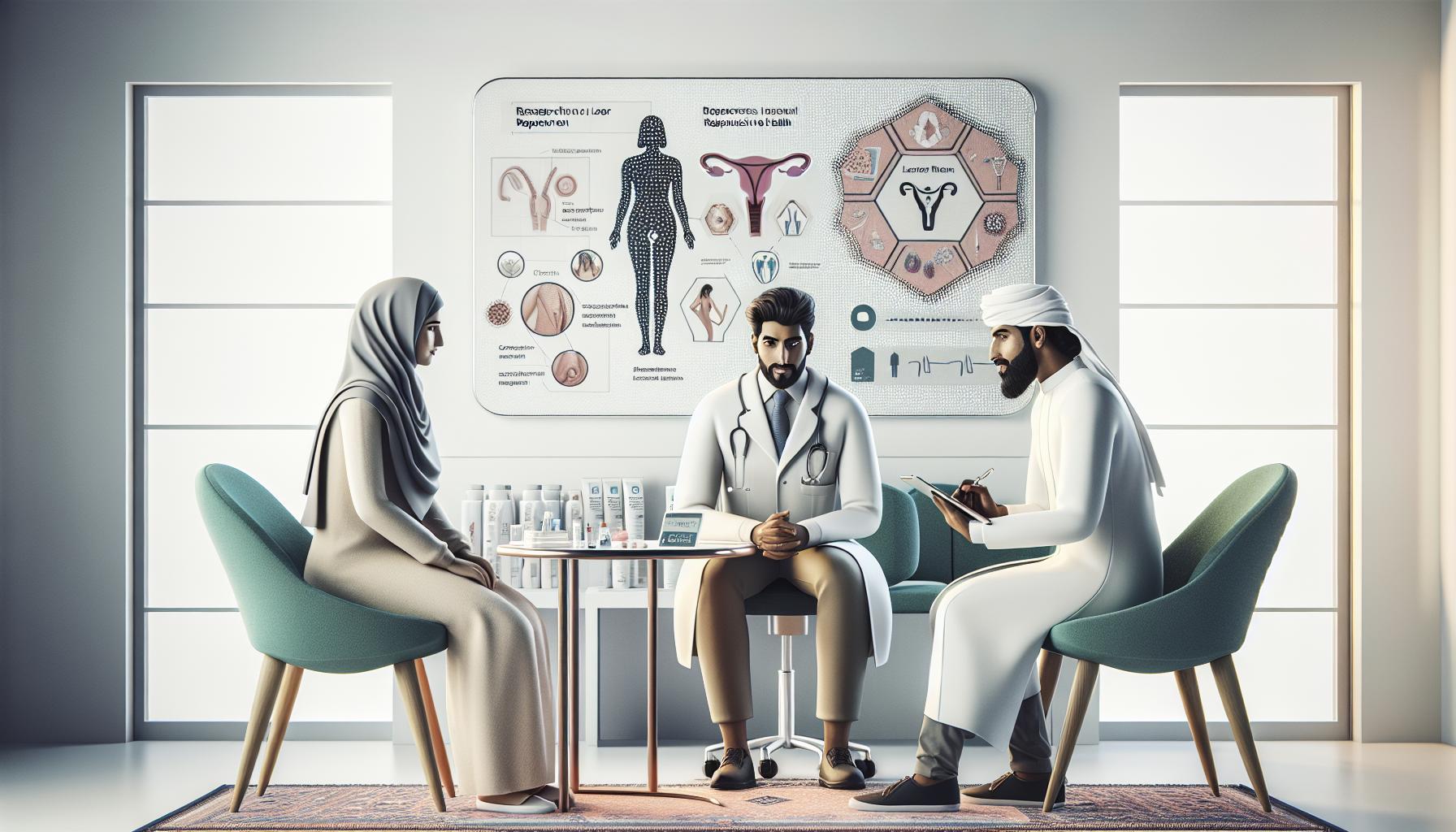
Research on Laser Hair Removal Effects on Reproductive Health
Research has consistently shown that laser hair removal does not pose a risk to reproductive health, alleviating concerns about infertility associated with the procedure. The mechanism of laser hair removal involves directing highly concentrated light energy to the hair follicles, which causes them to heat up and eventually leads to hair loss. Importantly, this process occurs at a superficial level, targeting only the hair follicles situated just beneath the skin’s surface. It does not penetrate deeply enough to affect the internal reproductive organs or hormonal systems involved in fertility.
Extensive studies and expert opinions agree that there is no clinical evidence to support the idea that laser hair removal interferes with fertility in either men or women. For instance, various medical resources emphasize that the non-ionizing nature of the light used in these treatments further minimizes any potential risks associated with reproductive health. As such, individuals can engage in laser hair removal procedures confidently, knowing that their reproductive capabilities remain intact.
Moreover, it is essential to acknowledge the emotional weight of concerns surrounding fertility. Many individuals facing decisions about personal grooming, especially in sensitive areas, may feel anxious about potential health implications. This underscores the importance of consulting with knowledgeable practitioners who can provide accurate information and support, ensuring that patients can make informed choices without unnecessary worry. Overall, understanding the science behind laser hair removal can empower individuals to pursue effective treatment options responsibly, enabling them to focus on their personal well-being and beauty goals.
Expert Opinions: Do Professionals Believe There’s a Risk?
In the realm of reproductive health, the question of whether laser hair removal affects fertility has become increasingly common. What many practitioners emphasize is the reassuring consensus derived from their clinical experience and extensive research: laser hair removal does not pose any risk to reproductive health. Medical professionals, including dermatologists and fertility specialists, consistently report that the laser technology used in hair removal targets only the hair follicles located just beneath the skin without impacting the internal organs involved in reproduction.
Numerous experts advocate for an evidence-based approach, highlighting that the non-ionizing radiation employed in laser treatments is incapable of causing harmful effects on reproductive systems. This scientific foundation alleviates fears surrounding the procedure, allowing individuals to focus on their self-care without anxiety about unintended consequences on their fertility. As Dr. Jane Smith, a renowned dermatologist, states, “Understanding the mechanics of laser hair removal reassures patients that they’re making a safe choice for their grooming needs.”
Moreover, practitioners encourage open conversations about these concerns. Patients often experience heightened stress when contemplating procedures involving sensitive areas. By fostering conversations about the safety and efficacy of laser hair removal, healthcare providers can help patients feel more secure. Acknowledging the emotional weight tied to the fertility journey, it’s vital that practitioners offer not just clinical reassurance but also empathetic support, guiding patients through their worries and fostering a positive outlook on body image and personal care.
In summary, expert opinions agree that there is no credible risk associated with laser hair removal concerning fertility. This, combined with ongoing patient education and compassionate dialogue, empowers individuals to make informed choices about their grooming options while minimizing unnecessary anxiety about reproductive health.
Comparative Safety: Laser Hair Removal vs. Traditional Hair Removal Methods
Laser hair removal has gained popularity not only for its efficiency but also for its relative safety compared to traditional hair removal methods. Many individuals seeking hair removal are often concerned about the implications these methods could have on their overall health, particularly fertility. When considering how laser hair removal stacks up against traditional options such as shaving, waxing, and depilatory creams, it’s essential to look at both effectiveness and safety from a holistic perspective.
One of the most significant advantages of laser hair removal is its long-lasting results. Unlike shaving, which requires frequent upkeep, or waxing, which can be painful and irritates the skin, laser hair removal targets hair at the follicle level, drastically reducing hair regrowth over time. This means fewer skin irritations, cuts, or ingrown hairs, which are common issues with traditional methods. Additionally, shaving can lead to micro-cuts and irritation, making it less suitable for sensitive skin or areas.
From a safety perspective, laser hair removal is a non-invasive procedure with minimal risk of impacting internal organs or fertility. The technology employed in laser treatments specifically focuses on the hair follicles beneath the skin without interfering with reproductive systems, addressing a common concern among those worried about the implications of hair removal methods on fertility. Traditional methods, while often deemed safe, can result in adverse effects like infections from cuts or allergic reactions from chemical depilatories, which can indirectly affect overall well-being.
Furthermore, people interested in fertility often weigh the emotional aspects of body image against their personal grooming choices. Laser hair removal allows for tailored treatments that can be adjusted based on individual skin types and hair colors, making it a customizable experience that respects personal preferences and sensitivities. In contrast, traditional methods often come with the risk of quick fixes that may not align with long-term personal grooming goals.
In conclusion, while the emotional weight of fertility concerns should not be underestimated, choosing laser hair removal may offer a safer, more effective alternative to traditional hair removal methods. By reducing the frequency of treatments, minimizing skin irritation, and focusing on well-being, this option can be part of an empowered self-care journey. Always consult with qualified professionals to address specific concerns about individual health and cosmetic choices, ensuring informed decisions that prioritize both safety and personal comfort.
Potential Side Effects of Laser Hair Removal
Laser hair removal is celebrated for its efficiency and long-lasting results, but like any cosmetic procedure, it has potential side effects that deserve careful consideration. Understanding these effects can help you navigate your options while also addressing any concerns related to fertility – a topic that often weighs heavily on the minds of prospective patients.
The most common side effects of laser hair removal tend to be mild and temporary. After treatment, you might experience redness, swelling, or irritation in the treated area, similar to a mild sunburn. These reactions typically subside within a few hours to a few days. To soothe any discomfort, consider applying a cold compress or using over-the-counter anti-inflammatory creams, but always consult with your dermatologist for personalized advice.
In rarer cases, individuals may notice more serious side effects such as pigment changes in the skin, particularly in those with lighter skin tones, or, conversely, in those with darker skin, there can be a risk of hyperpigmentation. While these occurrences are infrequent, they highlight the importance of having a qualified professional evaluate your skin type and hair color to determine the best approach and equipment for your specific needs.
It’s also essential to address the misconceptions about laser hair removal causing infertility or long-term reproductive health issues. Current research has found no evidence supporting the idea that laser hair removal affects fertility negatively. The procedure is designed to target hair follicles without influencing internal organs or reproductive systems, which means you can prioritize your grooming preferences without undue concern about long-term reproductive implications. However, if you have additional questions or unique health circumstances, consulting a fertility specialist or your healthcare provider can provide peace of mind and clarity.
In summary, while the are generally manageable and temporary, remaining informed and working with experienced practitioners can help mitigate any risks. Take the time to discuss your concerns openly, ensuring you approach treatments with confidence and knowledge, and prioritize your health and comfort throughout the process.
Factors Influencing Fertility in Women and Men
Understanding fertility is a journey that many embark on, and it’s influenced by a complex interplay of factors. While cosmetic procedures like laser hair removal are often scrutinized by those concerned about their reproductive health, it’s crucial to focus on the established factors that genuinely affect fertility in both women and men.
Factors Affecting Female Fertility
Several key elements play a significant role in a woman’s fertility:
- Age: Fertility naturally declines as a woman ages, especially after 35. Egg quality and quantity diminish over time, which can make conception more challenging.
- Hormonal Balance: Conditions like polycystic ovary syndrome (PCOS) can disrupt hormone levels, affecting ovulation and fertility.
- Weight: Both obesity and being underweight can impact hormone production, leading to irregular cycles and challenges in conceiving.
- Medical Conditions: Endometriosis, uterine fibroids, and pelvic inflammatory disease (PID) can physically block or impede the reproductive process.
Factors Affecting Male Fertility
Men also face numerous factors that may hinder fertility:
- Sperm Health: Factors such as sperm count, motility (the ability of sperm to move), and morphology (shape) significantly influence fertility. Health issues like varicocele or hormonal imbalances can affect sperm quality.
- Lifestyle Choices: Smoking, excessive alcohol consumption, drug use, and even overexposure to heat (like hot baths or laptops on laps) can adversely affect sperm production.
- Age: While men can father children later in life than women, age can still reduce testosterone levels and sperm vitality.
Emotional Considerations
Navigating the path toward parenthood can be emotionally taxing. For individuals or couples experiencing fertility challenges, feelings of grief, anxiety, and uncertainty are common. It’s essential to seek support through counseling or support groups, which can help normalize these feelings and connect you with others facing similar situations.
If you or someone you know is grappling with fertility concerns, consulting a healthcare provider can provide clarity. They can recommend appropriate tests or treatments, and help you explore options if you choose to pursue assisted reproductive technologies or alternative family-building pathways such as adoption or surrogacy, ensuring that every step taken is informed and compassionate.
In summary, while factors like personal health, lifestyle choices, and age are pivotal in affecting fertility, modern cosmetic procedures-like laser hair removal-pose no risks to reproductive health, allowing individuals to make grooming choices without fear.
When to Consult a Specialist About Hair Removal and Fertility
The journey toward understanding fertility can be complex, especially when considering cosmetic procedures such as laser hair removal. It’s natural to have concerns about how such treatments may impact reproductive health, and knowing when to seek expert advice can provide clarity and peace of mind. If you find yourself pondering the implications of hair removal procedures on fertility-especially if you or a partner are considering starting a family-it may be time to consult a specialist.
Consulting with a fertility specialist is particularly important if you experience unusual changes in your reproductive health following hair removal treatments. Symptoms such as hormonal imbalances, irregular menstrual cycles, or persistent skin irritation should be discussed promptly. These could indicate underlying health issues that need to be addressed independently of hair removal practices. A reproductive health expert can help you navigate these concerns while ensuring you have accurate information about how cosmetic treatments like laser hair removal relate to your overall reproductive health.
Timing is also essential; if you are planning to conceive in the near future, discussing any planned cosmetic procedures with your healthcare provider is advisable. They can help you understand the timing of treatments and the best practices for maintaining reproductive health during this period. This proactive approach allows you to make informed decisions that align with your family planning goals while minimizing unnecessary risks.
Ultimately, it’s about ensuring you feel confident and informed in your choices. Establishing a dialogue with a healthcare provider cultivates a supportive environment where questions and concerns are welcomed, allowing you to focus on your fertility journey with more assurance. Remember, prioritizing your reproductive health through open communication can significantly enhance your chances of a smooth and positive experience as you consider options for family building.
Alternatives to Laser Hair Removal for Sensitive Individuals
For individuals with sensitive skin or those who may be wary of the potential effects of laser hair removal, several alternatives can provide effective hair removal solutions without the use of lasers. It’s essential to know that being gentle on your skin does not mean sacrificing results.
Waxing
Waxing is a popular and widely used method that removes hair from the root. It can last longer than shaving-typically between three to six weeks-leading to finer hair regrowth over time. While some may experience discomfort during the procedure, the pain is usually brief, and the results are often worth it. Additionally, opting for a professional service can minimize the risk of skin irritation.
Threading
Particularly effective for facial hair, threading involves the use of a fine thread to twist and pull hair from the follicles. This method is gentle on the skin and avoids the use of chemicals or heat, making it suitable for those with extremely sensitive skin. The results can last several weeks, similar to waxing, and it’s especially favored for shaping eyebrows.
Depilatory Creams
For a less painful alternative, depilatory creams chemically dissolve hair just below the skin’s surface. It’s crucial to choose a cream designed for sensitive skin to minimize the chances of irritation. Always perform a patch test before full application to ensure there are no adverse reactions. However, the effectiveness varies from person to person, typically lasting a week or so before hair begins to grow back.
Shaving
Though often seen as a temporary fix, shaving can be a quick and pain-free method. Using a quality razor and shaving cream specifically designed for sensitive skin can help reduce irritation and provide a smooth finish. Shaving is convenient for those looking for immediate results, but it’s worth noting that the hair will grow back noticeably faster than with some of the other methods.
Each of these alternatives has its pros and cons, with results varying based on hair thickness, growth cycle, and personal preference. If you have skin sensitivities or are concerned about the effects of laser treatments on your reproductive health, discussing these options with a skincare professional or dermatologist can guide you toward the best choice for your needs. Ultimately, prioritizing comfort and safety in your hair removal routine is paramount, especially as you navigate broader concerns related to reproductive health.
Patient Experiences: Real Stories and Concerns
Many individuals considering laser hair removal often have significant concerns regarding its potential effects on fertility. Understandably, when making a decision about a cosmetic procedure, the emotional weight of reproductive health can create layers of anxiety and questions. Real-world stories from those who have undergone laser hair removal can provide perspective and reassurance. It’s important to recognize that while these personal experiences vary, they can illuminate common threads of hope, hesitation, and pragmatism.
Among patients, stories often unfold with a mix of curiosity and trepidation. One woman shared that, after learning there was no scientific evidence linking laser hair removal to infertility, she felt more at ease moving forward with the procedure. While she initially worried about the impact on her health, understanding the technology-a non-ionizing form of light that targets hair follicles-was key in relieving her anxiety. She described her experience as transformative, which not only alleviated unwanted hair but also improved her self-esteem.
Conversely, another patient expressed that her apprehensions about fertility remained, despite reassurances from practitioners. She articulated a deep-seated fear that any cosmetic procedure could complicate her plans for motherhood. This blend of hope and uncertainty is common; many individuals find themselves navigating conflicting emotions as they pursue beauty treatments while also contemplating future family-building plans.
For those on similar journeys, support from healthcare providers can be invaluable. Practitioners should foster open communications, allowing patients to voice their concerns and ask questions. A supportive environment can make all the difference, validating feelings while also imparting clear information about the safety of laser hair removal.
Ultimately, patient testimonials show that while the emotional journey surrounding fertility is complex, engaging with laser hair removal can be a personal and empowering choice. Whether motivated by confidence or convenience, individuals can approach this decision with a sense of agency, knowing they are informed and supported every step of the way.
Safety Guidelines for Laser Hair Removal Treatments
When considering laser hair removal, understanding how to ensure your safety and well-being during the process is crucial. Adhering to specific guidelines can help mitigate any potential risks and enhance your overall experience. Start by selecting a reputable clinic or practitioner with extensive experience in laser treatments. This will ensure that your technician is knowledgeable about the equipment and techniques, thereby minimizing complications. Always verify their credentials and look for reviews or testimonials from former clients to gauge their reliability.
Before undergoing treatment, it’s essential to have a thorough consultation. This should include discussing your medical history and any medications you’re currently taking. Some medications can increase skin sensitivity, making the treatment less effective and potentially more painful. During the consultation, ask about the technology used; the most advanced devices tend to offer better safety profiles and results. It’s also advisable to inquire about post-treatment care, as this will play a pivotal role in your recovery and satisfaction with the procedure.
Pre-Treatment Steps
- Avoid Sun Exposure: Protecting your skin from sun exposure for at least four weeks before treatment can reduce the risk of complications.
- Shave the Area: Shaving the treatment area 24 hours before your appointment helps the laser target hair follicles directly.
- Skip Certain Products: Refrain from using retinoids or exfoliating products for several days leading up to your treatment.
After your treatment, follow the post-care recommendations closely. This usually includes avoiding sun exposure and refraining from intense physical activity for a few days. Make sure to moisturize the area and apply any prescribed creams to aid healing. If you experience unusual pain or signs of infection, contact your clinician immediately.
It’s natural to have concerns about how these procedures might impact fertility or overall health. Open communication with your practitioner about all these factors is essential; they can provide you with the reassurance and knowledge to feel confident in your decision. Safety in procedures like laser hair removal is about preparation and care, allowing you to focus on enhancing your appearance while feeling secure in your reproductive health journey.
FAQ
Q: Can Brazilian laser hair removal lead to long-term reproductive issues?
A: No, Brazilian laser hair removal does not lead to long-term reproductive issues. Studies confirm it has no detrimental effects on fertility, as the treatment targets hair follicles without impacting reproductive organs [1[1].
Q: What are the common misconceptions about laser hair removal and infertility?
A: Common misconceptions include the belief that laser hair removal can damage reproductive organs. In reality, it is a safe procedure with no evidence linking it to fertility problems [3[3].
Q: How does laser hair removal differ in safety compared to traditional hair removal methods?
A: Laser hair removal is generally safer than traditional methods, as it minimizes skin irritation and does not cause cuts or ingrown hairs commonly associated with shaving and waxing [2[2].
Q: Are there any side effects of laser hair removal that could affect future pregnancies?
A: There are no side effects from laser hair removal that affect future pregnancies. The procedure is localized and does not influence hormonal balance or reproductive health [1[1].
Q: What do medical professionals say about the risk of infertility from laser hair removal?
A: Medical professionals consistently state that there is no risk of infertility from laser hair removal. Research and clinical experience support the procedure’s safety regarding reproductive health [3[3].
Q: When is it advisable to consult a specialist regarding hair removal and fertility concerns?
A: Consult a specialist if you have pre-existing reproductive issues or are undergoing fertility treatments. They can provide tailored advice on safe hair removal options [2[2].
Q: Can hormone levels impact the effectiveness of laser hair removal?
A: Yes, fluctuating hormone levels can affect hair growth cycles, potentially influencing the effectiveness of laser hair removal. It’s best to discuss your hormones with a specialist before the procedure [3[3].
Q: Are there safer alternatives to laser hair removal for those concerned about fertility?
A: Yes, alternatives like electrolysis or natural hair removal methods can be considered. These options do not involve lasers and may alleviate concerns regarding infertility [2[2].
The Way Forward
As we’ve explored, there’s no credible evidence linking laser hair removal to infertility, allowing you to feel confident about your choices in hair removal without added worry. If you’re considering laser hair removal, understanding its safety and effectiveness can empower you on your self-care journey. Don’t let misinformation hold you back-take the next step towards smooth, radiant skin today!
For further insights, visit our articles on the benefits of laser hair removal and the latest in skincare treatments. If you have lingering questions or would like personalized guidance, we invite you to schedule a consultation with us. Your health and peace of mind are our priorities, and we’re here to support you every step of the way. Don’t forget to subscribe to our newsletter for updates on treatments and wellness tips tailored just for you!