Understanding how the female reproductive system works is essential for anyone considering their fertility options or navigating health concerns. Did you know that each month, your body prepares for the possibility of pregnancy by undergoing a complex hormonal dance? This guide will help you uncover the intricacies of the menstrual cycle, ovulation, and the roles of various reproductive organs. Whether you’re facing challenges with conception or simply seeking to understand your own body better, this resource provides clear explanations and compassionate support. We’ll explore different paths to parenthood-be it natural conception, IVF, or adoption-while validating the emotions that can come with each journey. Every step matters, and you’re not alone on this path. Join us as we delve into the remarkable workings of the reproductive system, empowering you with the knowledge you need.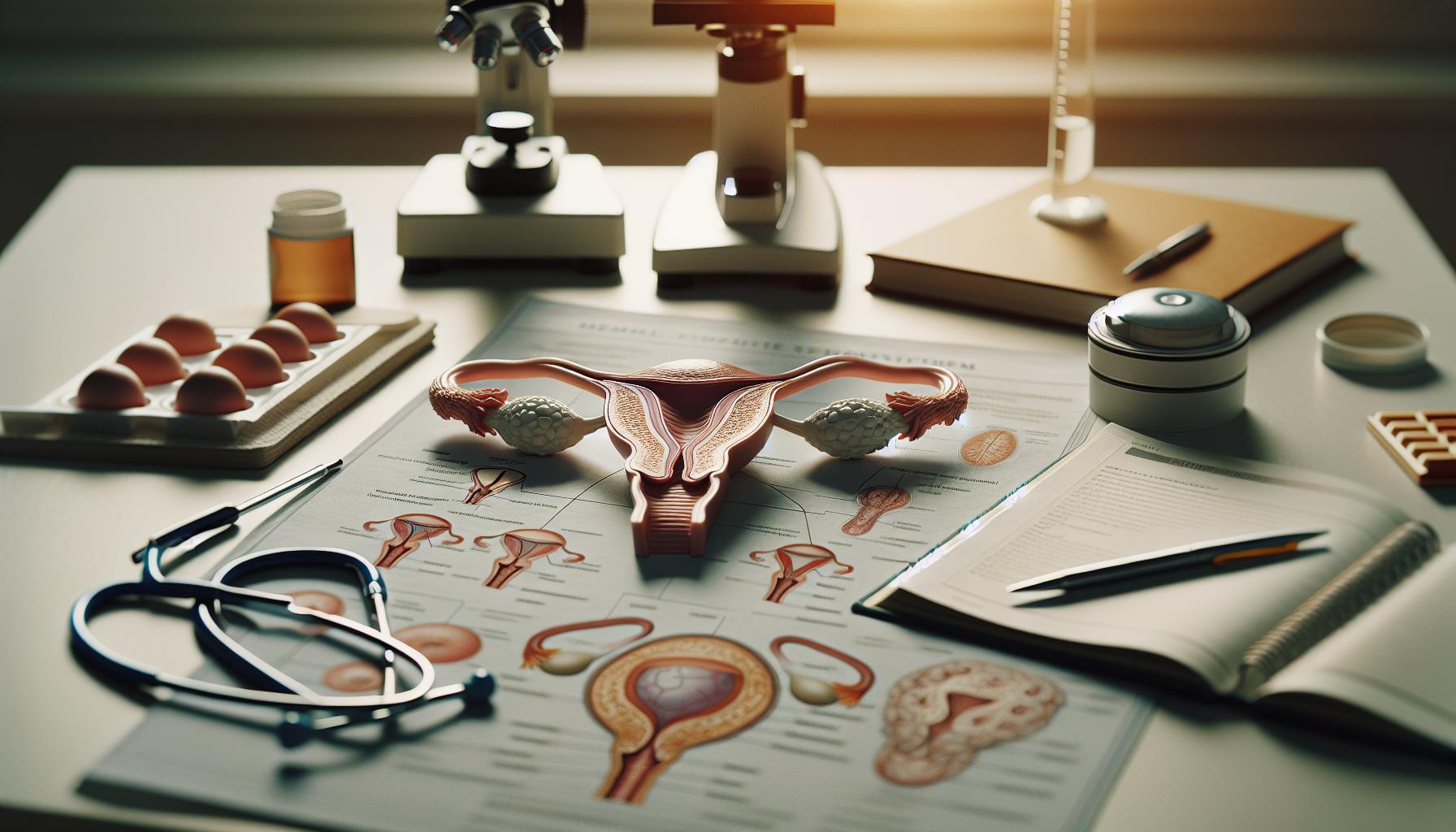
Understanding the Anatomy of the Female Reproductive System
The female reproductive system is a complex and remarkable network that plays a vital role in nurturing life. At its core are the ovaries, two small but powerful organs responsible for producing eggs (ova) and hormones like estrogen and progesterone. Each month, during a woman’s menstrual cycle, one of the ovaries releases an egg in a process known as ovulation. This egg travels through the fallopian tube, where it may encounter sperm and become fertilized. Understanding this journey is crucial as it underpins many aspects of reproductive health.
Surrounding these essential components are the uterus and vagina. The uterus, a muscular and resilient organ, is designed to support a developing fetus, while the vagina serves as the passage for sperm to enter and for the menstrual flow to exit. The endometrium, the inner lining of the uterus, thickens each month in preparation for a potential pregnancy, highlighting the rhythmic interplay of hormonal changes that govern the reproductive system.
In addition to the physiological aspects, it’s important to recognize how external factors can influence reproductive health. Stress, lifestyle choices, and medical conditions may affect hormone levels and menstrual cycles, leading to issues such as irregular periods or fertility challenges. By maintaining open communication with healthcare providers and understanding one’s body, women can make informed choices and seek timely interventions that support reproductive health goals.
Empowerment in understanding the anatomy and functioning of the female reproductive system can lead to more proactive health management. Whether navigating contraception, planning for pregnancy, or addressing reproductive health concerns, knowledge is an invaluable tool in promoting overall well-being and informed decision-making.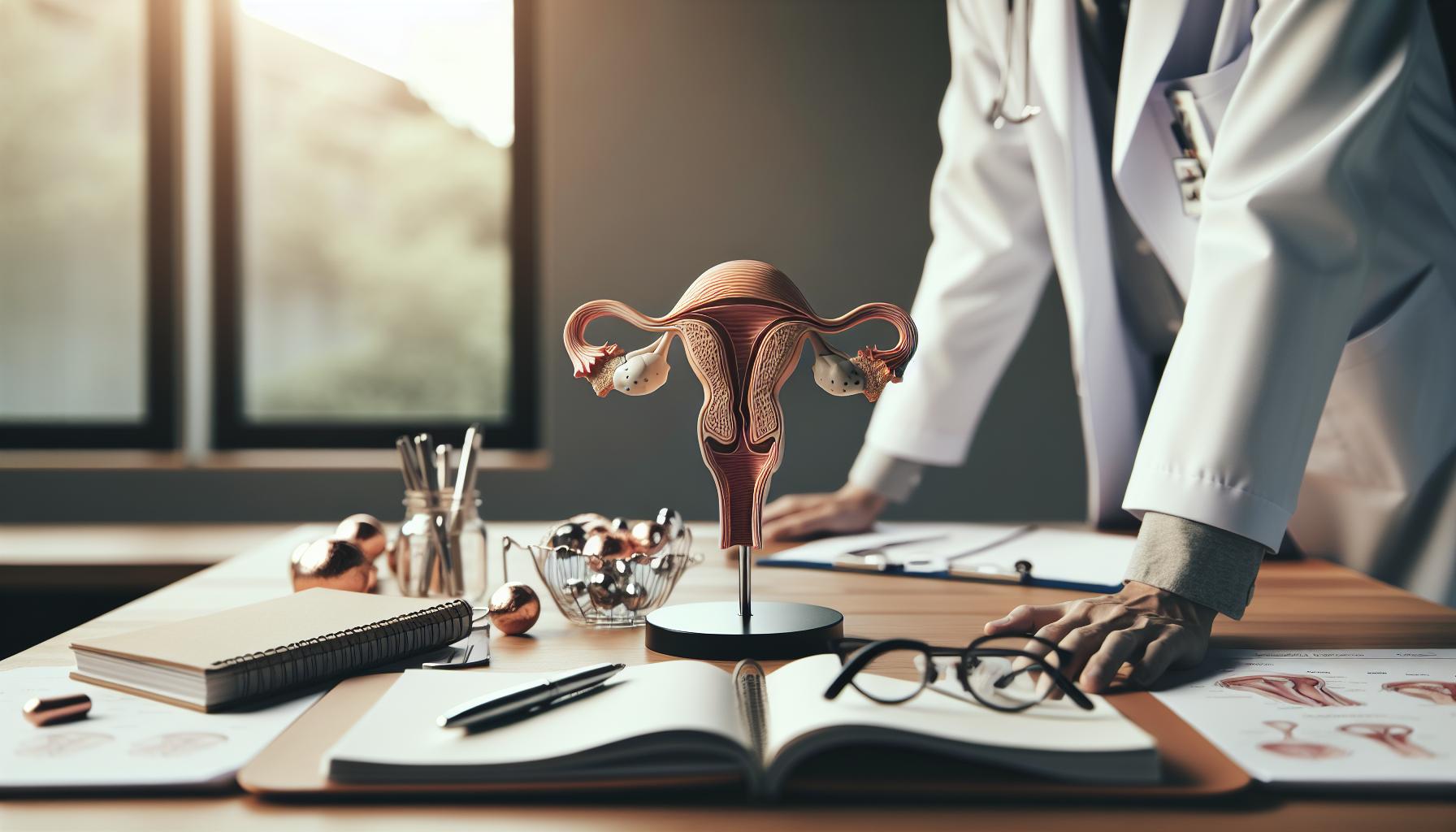
How Menstruation Impacts Reproductive Health
Menstruation is more than just a monthly cycle; it’s a vital sign of reproductive health that can provide insights into a woman’s overall well-being. The menstrual cycle, which typically lasts around 28 days, consists of various phases-each having distinct hormonal influences and biological processes. These hormonal fluctuations can impact not only reproductive health but also emotional and physical states, illustrating the interplay between menstruation and health. For instance, irregularities in menstruation can signal underlying health issues such as hormonal imbalances, polycystic ovary syndrome (PCOS), or thyroid dysfunction.
Understanding begins with recognizing the role of hormones like estrogen and progesterone. During the follicular phase, estrogen promotes the thickening of the uterine lining in preparation for a potential pregnancy. If fertilization does not occur, levels of estrogen and progesterone drop, triggering the shedding of the uterine lining-this is menstruation. Monitoring these cycles can serve as a powerful tool for women to assess their reproductive health. A regular cycle is often a sign of balanced hormone levels, while significant variations may warrant further evaluation from a healthcare provider.
For women who are trying to conceive, the relationship between menstruation and fertility is particularly crucial. A consistent menstrual cycle can indicate ovulation, which is needed for conception. Utilizing methods such as tracking basal body temperature or observing changes in cervical mucus can help women identify their fertile window. Additionally, if a woman experiences severe menstrual pain or other symptoms that disrupt daily living, it may indicate conditions like endometriosis or fibroids, which require medical attention.
The emotional components of menstruation should not be overlooked. Many women experience a range of feelings from relief to frustration during their cycles. Acknowledging these emotions can contribute to mental and emotional well-being. Whether it’s reaching out for support, accessing information about reproductive health, or expressing feelings openly, taking proactive steps can be empowering. Understanding menstruation and its implications can help women navigate their reproductive journeys with confidence and clarity, fostering a deeper connection with their bodies and enhancing their health.
The Role of Hormones in Women’s Reproductive Function
The intricate dance of hormones is crucial for the proper function of the female reproductive system, influencing everything from menstrual cycles to pregnancy. Hormones are chemical messengers, and their delicate balance can significantly affect a woman’s reproductive health, emotional well-being, and overall quality of life. Estrogen and progesterone, the primary hormones involved in the menstrual cycle, play vital roles in regulating reproductive processes, establishing a rhythm that prepares the body for potential conception each month.
In the first half of the menstrual cycle, estrogen rises during the follicular phase, leading to the thickening of the uterine lining and the maturation of ovarian follicles. This phase culminates in ovulation, when a mature egg is released. The emotional and physical sensations experienced during this time can vary widely; some women feel energized and hopeful, while others may experience discomfort or mood swings due to hormonal fluctuations. Understanding these changes can empower women to track their cycles more effectively, offering insights into their fertility and emotional health.
Following ovulation, the luteal phase begins, characterized by a surge in progesterone, which further prepares the uterine lining to receive a fertilized egg. If fertilization does not occur, hormone levels will drop, triggering menstruation. This regular cycle not only reflects hormonal balance but can also signal underlying health issues. Women experiencing severe PMS symptoms or irregular cycles may need to consult healthcare professionals to rule out conditions such as hormonal imbalances or polycystic ovary syndrome (PCOS).
Understanding and monitoring these hormonal shifts can be incredibly supportive, especially for those on a fertility journey. Utilizing tools such as ovulation predictor kits, basal body temperature tracking, or fertility apps can provide women with tailored insights into their reproductive cycles. This knowledge can help navigate emotional highs and lows inherent in the fertility process, fostering patience and resilience. Each cycle becomes a step toward better understanding one’s body, enhancing emotional well-being, and ultimately supporting the journey toward family building.
Common Reproductive Health Issues Women Face
The journey through reproductive health can come with a variety of challenges that many women face, often compounded by emotions and societal expectations. Understanding common reproductive health issues not only empowers women but also helps foster a supportive environment during what can sometimes be a tumultuous experience.
One of the most prevalent issues is polycystic ovary syndrome (PCOS), affecting approximately 5-10% of women of reproductive age. This hormonal disorder can lead to irregular menstrual cycles, weight gain, and excess hair growth, alongside fertility challenges. Recognizing the signs early is crucial; women experiencing symptoms like irregular periods should consult healthcare providers for proper diagnosis and management strategies that often include lifestyle changes and medications.
Another concern is endometriosis, a condition in which tissue similar to the lining inside the uterus grows outside it, often causing severe pain and potentially interfering with fertility. It is estimated that about 10% of women in their reproductive years are affected. Symptoms can vary widely, from chronic pelvic pain to infertility. Women experiencing these symptoms should seek evaluation from healthcare professionals who can provide a comprehensive treatment plan which may include pain management strategies and discussions around fertility options.
Issues such as fibroids, uterine anomalies, and infections like pelvic inflammatory disease can also play significant roles in reproductive health. Fibroids are noncancerous growths that can lead to heavy menstrual bleeding, pain during intercourse, and other complications. While many women may not require treatments, those who do might find options such as medication or minimally invasive surgery helpful.
Emotional health is intricately linked to reproductive challenges, where issues like infertility or painful menstruation often lead to feelings of isolation or distress. It’s important for women to acknowledge these feelings and seek help when needed, whether through counseling or support groups. There are resources available that cater to different family-building paths, including fertility treatments like IVF or IUI, adoption, and surrogacy, each with unique emotional and financial implications.
Navigating common reproductive health issues is not only about addressing physical symptoms but also about fostering an understanding of one’s body and emotions. Each woman’s experience is personal, and recognizing this individuality can help in tailoring approaches to care and support. Always consult with healthcare providers for personalized medical advice, and remember that finding a supportive community can provide comfort and guidance through the challenges faced in reproductive health.
Exploring Conception: From Ovulation to Fertilization
The journey of conception begins with the intricate dance between ovulation and fertilization, which is central to understanding the female reproductive system. Ovulation typically occurs around the midpoint of a woman’s menstrual cycle, when a mature egg is released from one of the ovaries, making its way into the fallopian tube, where fertilization can occur. This egg will only survive for about 12 to 24 hours unless it encounters sperm during this brief window. Recognizing the signs of ovulation, such as changes in cervical mucus or slight increases in basal body temperature, can be crucial for those trying to conceive.
When sperm enters the female reproductive tract during intercourse, it embarks on a challenging journey to find the egg. Millions of sperm are released, but only a few hundred will reach the fallopian tube, where the egg awaits. Fertilization happens when a single sperm penetrates the egg, creating a fertilized egg, or zygote, which will begin to divide as it travels down to the uterus. This process takes about 5 to 6 days, culminating in implantation into the uterine lining, a vital step that many may overlook yet is essential for a successful pregnancy.
During this intricate process, hormonal levels also play a significant role. Hormones like estrogen and progesterone are necessary for regulating the menstrual cycle and preparing the uterine lining for a potential pregnancy. These hormones ensure that the environment is right for implantation and support early pregnancy if fertilization occurs. Understanding these hormonal interactions can provide insight into common fertility issues, such as luteal phase defects, which can affect the chances of successful conception.
As you embark on or navigate your fertility journey, it’s important to remain informed and empowered. While trying to conceive can be filled with hope, it can also bring uncertainty and emotional challenges. Each step of this journey-be it tracking ovulation, understanding fertilization, or coping with the potential for disappointment-deserves acknowledgment and support. Every woman’s experience is unique, so take heart in celebrating small victories along the way, whether it’s confirming ovulation or witnessing the miraculous moment of fertilization. Remember, seeking help from healthcare professionals can provide valuable guidance tailored to individual needs, ensuring you are not alone on this path.
Fertility Awareness: Tracking Your Cycle Effectively
Tracking your menstrual cycle effectively can be a powerful tool in understanding your reproductive health and enhancing your fertility awareness. Many women find that gaining insight into their cycle can help them identify their most fertile days, facilitating the journey toward conception. By recognizing the various phases of the menstrual cycle and the physiological changes that occur, you can better position yourself for success in achieving your family-building goals.
One effective way to track your cycle is through menstrual cycle charts, where you note the start and end dates of your period. A typical cycle ranges from 21 to 35 days, with ovulation usually occurring around day 14 in a 28-day cycle. This understanding can help pinpoint when you are most fertile, as the egg is viable for about 12 to 24 hours after ovulation. Additionally, monitoring changes in your body can provide valuable insights. For example, tracking cervical mucus-which may become clearer and more slippery around ovulation-can indicate your fertile window. Similarly, noting slight increases in basal body temperature (BBT) after ovulation can help confirm when you’ve ovulated.
Utilizing modern technology can also enhance your cycle tracking experience. Several mobile applications are designed to help monitor your menstrual cycle, ovulation, and symptoms, making your awareness not just more precise but also more user-friendly. These apps often allow you to log physical symptoms, moods, and even sexual activity, creating a comprehensive picture of your reproductive health. However, remember that while these tools can be incredibly helpful, they should complement-not replace-professional medical advice.
Emotionally, tracking your cycle can be a mixed journey. It’s not uncommon to experience a range of feelings as you navigate the complexities of fertility awareness. Acknowledge the grief and uncertainty that can come with this process, but also celebrate the milestones, whether that’s identifying your ovulation days or simply becoming more in tune with your body. Seeking support-whether through friends, family, or healthcare providers-can further empower you during this intimate journey toward understanding your reproductive health.
Assisted Reproductive Technologies: Options and Processes
In the journey of family building, Assisted Reproductive Technologies (ART) offer hope to many couples facing fertility challenges. This branch of medicine encompasses a variety of techniques designed to assist with conception, significantly broadening the options available for those struggling to conceive naturally. The most well-known methods include In Vitro Fertilization (IVF) and Intracytoplasmic Sperm Injection (ICSI), each tailored to meet the unique needs of individuals or couples.
Types of Assisted Reproductive Technologies
- In Vitro Fertilization (IVF): This process involves extracting eggs from the ovaries, fertilizing them with sperm in a laboratory setting, and then transferring the resulting embryos back into the uterus. IVF has a success rate that varies based on age and other health factors, generally ranging from 20% to 40% per cycle.
- Intracytoplasmic Sperm Injection (ICSI): A specialized form of IVF where a single sperm is injected directly into an egg. This technique is often recommended for cases of male infertility, such as low sperm count or poor motility.
- Egg and Sperm Donation: For individuals unable to use their own eggs or sperm, donor options are available. This can be an important route for same-sex couples or single parents as well.
- Embryo Freezing (Cryopreservation): This allows embryos created during IVF to be preserved for future use, which can help in family planning and addressing any potential health issues later.
Understanding the Process
The process of ART can be both physically and emotionally demanding. Here’s a brief overview of what clients can expect during various ART procedures:
- Initial Consultation: Meet with a fertility specialist to evaluate personal medical histories and any underlying fertility issues.
- Pre-Treatment Assessments: Tests may be conducted to assess hormone levels, ovarian reserve, and overall reproductive health for both partners.
- Stimulation Cycle: For IVF, hormonal medications are administered to stimulate the ovaries to develop multiple follicles, which house the eggs.
- Egg Retrieval: Once follicles mature, a medical procedure retrieves the eggs from the ovaries, usually done under sedation.
- Fertilization and Culture: Eggs and sperm are combined in the lab, and fertilization occurs. Embryos are monitored for a few days to assess their development before transfer.
- Embryo Transfer: One or more healthy embryos are selected and transferred into the uterus. A pregnancy test follows about two weeks later.
Emotional and Financial Considerations
While ART can significantly improve the chances of conception, it’s important to acknowledge the emotional weight of the process. Feelings of hope, anxiety, and even frustration are common throughout the journey. Understanding the costs associated with these treatments can also alleviate some of the stress. IVF cycles typically cost between $12,000 and $15,000 in the United States, not including medications, which can add another $2,000 to $5,000 to the total expense.
Moreover, navigating insurance coverage can be complex, as policies vary widely on what they will cover. Seeking clarity on financial aspects and potential state laws regarding ART can empower patients as they make decisions.
Ultimately, the journey through assisted reproductive technologies is marked by both challenges and triumphs. Each step taken is a testament to the desire for family, and recognizing the importance of emotional support throughout the process is vital. Engaging with support groups, counseling, or trusted loved ones can make a significant difference in managing the emotional rollercoaster that often accompanies fertility treatments.
The Impact of Age on Reproductive Health
As women age, the dynamics of their reproductive health evolve significantly, impacting fertility, hormonal balance, and general well-being. Understanding these changes can empower women to make informed decisions about family planning, and recognizing these shifts is crucial for managing expectations and navigating reproductive health options effectively.
By the late 20s to early 30s, most women are at their peak fertility, with higher chances of conception. However, as women approach their late 30s and into their 40s, fertility begins to decline. This natural decline is due to various factors, including a decrease in the quantity and quality of eggs. By age 35, many women may notice that it takes longer to become pregnant and their risk of miscarriage increases. Having a clear understanding of ovulation and tracking cycles can be helpful during this time, allowing women to optimize their chances of conception.
Age-Related Changes
With age, several physiological changes can occur:
- Hormonal fluctuations: Hormones like estrogen and progesterone begin to fluctuate more dramatically in the late 30s and early 40s, impacting menstrual cycles and ovulation.
- Increased risk of infertility: Conditions such as polycystic ovary syndrome (PCOS) or endometriosis may become more prevalent, complicating fertility further.
- Pregnancy risks: Older women face higher risks of pregnancy-related complications, such as gestational diabetes or preeclampsia.
Fertility treatments can be an option for those facing challenges due to age-related factors. Assisted reproductive technologies (ART), such as IVF, may be considered. Success rates for these procedures can vary significantly based on age-typically lower for women over 40, reflected in success rates that may drop to below 10% per cycle. However, as daunting as these statistics may seem, many have found pathways to conceive through donor eggs or embryos, which can offer higher success rates.
Ultimately, it is essential for women to cultivate patience and self-compassion throughout their reproductive journeys. Acknowledging emotional complexities, such as grief or anxiety regarding alternative family-building avenues, is valid. Support systems, whether through counseling or support groups, can enhance resilience and provide comfort. Remember, whether choosing traditional paths or advanced reproductive technologies, embracing each step of the journey can lead to profound growth and connection.
Emotional Aspects of Reproductive Health: What to Expect
Navigating the emotional landscape of reproductive health can often feel like a complex journey filled with a mix of hope, anxiety, and uncertainty. Many women experience a wide range of emotions as they embark on this path, especially when faced with challenges related to fertility. Recognizing these feelings-the grief from failed attempts or the fear of the unknown-is crucial. It’s important to honor these emotions rather than push them aside. Just as a loving guide would advise, acknowledging your feelings is a key step in navigating this often turbulent journey.
The emotional weight of fertility challenges can impact not only the individual but also relationships with partners and family. Understanding the various stages of this journey allows for better preparation and response to the emotional toll. For instance, many women feel euphoric when receiving positive news about ovulation or pregnancy but may quickly experience fear or anxiety about the lasting implications. Seeking support from therapy or support groups can prove invaluable in these instances, providing a safe space to express fears and share experiences. Connecting with others who are walking similar paths fosters understanding and reduces feelings of isolation.
Fertility treatments such as IVF (In Vitro Fertilization) can be both a beacon of hope and a source of stress. The financial considerations alone-ranging from thousands to tens of thousands of dollars-can add to this emotional burden. Inside the IVF process, women might face disappointment during every unsuccessful cycle, which can strain mental health. Transparency regarding costs, treatment timelines, and realistic success rates can equip women with the information they need to manage expectations. It’s essential to maintain open communication with healthcare providers to explore all available options and to ensure that emotional support remains a priority throughout the process.
As you embark on or continue your journey, remember that celebrating small milestones can foster resilience. Whether it’s successfully tracking your cycle or completing a treatment cycle, recognizing these achievements, no matter how small, provides moments of joy amidst the challenges. Moreover, understanding that alternative family-building paths, such as adoption or using donor gametes, are valid options, can help expand the view of what family can look like. Be patient with yourself, allow space for complex emotions, and reach out for help when needed. Remember, your journey, with all its ups and downs, is yours to navigate, and finding support along the way can make a significant difference.
Navigating Family Building: Choosing the Right Path
Navigating the journey of family building can feel overwhelming, especially when faced with the myriad of options available today. Each path has its distinct advantages, challenges, and emotional implications, making it essential to take the time to explore what works best for you and your unique situation. Understanding your reproductive health and the emotional landscape of this process can empower you to make informed decisions.
One commonly chosen path is Assisted Reproductive Technologies (ART), which includes procedures like In Vitro Fertilization (IVF) and artificial insemination (AI). IVF can offer hope for couples facing infertility challenges, but it often comes with significant financial considerations-costs can start from $10,000 to upwards of $15,000 per cycle, depending on your location and specific needs. While success rates vary, factors such as age, health conditions, and previous fertility history play a crucial role in determining outcomes. Understanding these parameters can help set realistic expectations.
For those who may consider other family-building methods, adoption is a beautiful option. The journey to adopt can vary widely in duration and complexity, often requiring home studies and background checks. All while offering the chance to create a family filled with love and purpose. Similarly, using donor gametes, whether eggs or sperm, provides an alternative for those who might not produce viable gametes or wish to pursue genetic connection. Each option embraces the potential for joy and connection, yet it is vital to reflect on your feelings and the emotional impact these choices can have, ranging from hope to uncertainty.
Ensuring emotional support during your journey is equally important. Many women find solace in support groups, online forums, or therapeutic settings where they can share their experiences and feelings openly. Recognizing and celebrating small victories along the way-whether it be a successful cycle tracking or a positive consultation-can help maintain resilience throughout this challenging journey. Moreover, keep in mind that your path to building a family, including all its ups and downs, is valid and deserving of respect, understanding, and compassion.
Preconception Health: Preparing for Pregnancy
Preparing for pregnancy is a journey filled with anticipation and emotional weight. Understanding and improving your preconception health lays a critical foundation for a healthier pregnancy. Women are most fertile between the ages of 20 and 34, but many may choose to delay pregnancy for personal or professional reasons. Regardless of your timing, prioritizing your health before conception can significantly impact not only your ability to conceive but also the health of your future child.
One essential aspect of preconception health is lifestyle choices. Nutrition plays an integral role in fertility. Eating a balanced diet rich in fruits, vegetables, whole grains, and lean proteins can provide the necessary nutrients for your body and help regulate your menstrual cycle. Here are some key factors to consider:
- Folic Acid: This B vitamin is critical for preventing neural tube defects. Women who are trying to conceive should take 400 to 800 micrograms of folic acid daily.
- Maintain a Healthy Weight: Being underweight or overweight can affect hormonal balance and ovulation. Aiming for a body mass index (BMI) within the normal range is advisable.
- Avoid Harmful Substances: It’s important to reduce or eliminate alcohol, tobacco, and illegal drugs, as these can adversely affect fertility and fetal development.
Understanding your menstrual cycle is also vital. Tracking your ovulation can help you identify the best time to conceive. This may involve monitoring basal body temperature or using ovulation predictor kits. Knowing your cycle can empower you, providing clarity in the timing of intercourse to maximize your chances of conception.
Emotional preparedness is another paramount aspect. The journey to parenthood can often come with expectations and pressures. It’s normal to experience a range of emotions, from hope and excitement to anxiety and uncertainty. Having a support system-be it friends, family, or even professional counsellors-can offer a safe space to discuss fears and expectations. Remember, every couple’s path to parenthood is unique, and comparing your journey to others may lead to unnecessary stress.
Lastly, consider scheduling a preconception check-up with your healthcare provider for personalized advice. This appointment allows you to address any underlying health issues and discuss your medical history, dietary habits, and lifestyle choices. Your doctor can offer tailored recommendations, including vaccinations needed before pregnancy, ensuring you’re in the best possible health to embark on this significant life journey. By laying this groundwork, you not only prepare your body for pregnancy but also cultivate a nurturing environment for the new life you’re hoping to create.
Understanding Menopause: Changes and Implications
Menopause marks a significant transition in a woman’s life, often accompanied by physical changes and emotional shifts that can feel overwhelming. Typically occurring in women between the ages of 45 and 55, menopause is defined as the cessation of menstrual periods for 12 consecutive months, resulting from a decline in hormone production, particularly estrogen and progesterone. This natural biological process signifies the end of a woman’s reproductive years, but understanding what to expect can help ease the transition.
During menopause, many women experience a variety of symptoms that can impact daily life. Hot flashes, night sweats, sleep disturbances, and mood swings are common and can vary significantly in intensity and duration among individuals. These symptoms arise due to hormonal fluctuations affecting the body’s thermoregulation and neurotransmitter activity. Additionally, vaginal dryness and changes in libido are prevalent, also linked to lower estrogen levels. Embracing these changes with awareness and preparedness can help mitigate their impact.
To support well-being during this transition, it’s essential to consider lifestyle choices and potential treatment options. Regular exercise can improve mood, enhance physical health, and manage weight fluctuations that often accompany menopause. A balanced diet rich in calcium and vitamin D can support bone health. Furthermore, discussing symptoms with a healthcare provider can lead to effective management strategies, such as hormone replacement therapy (HRT), which can alleviate severe symptoms for some women. However, this option should be approached with careful consideration of personal health history and preferences.
Emotional changes are also a significant aspect of menopause. Women may face feelings of loss or anxiety as they navigate this life stage, which can be challenging. Establishing a support network of friends, family, or support groups can provide a safe space for sharing experiences and coping strategies. Prioritizing mental health during this time is just as crucial as physical health. Women should feel empowered to seek help and resources to navigate this new chapter in their lives successfully. Remember, menopause is a natural part of aging, and with the right support and information, it can be approached with confidence and resilience.
Frequently asked questions
Q: What are the key stages of the menstrual cycle?
A: The menstrual cycle comprises several stages: menstruation, follicular phase, ovulation, and luteal phase. It typically lasts about 28 days. Understanding these stages helps in tracking ovulation and fertility as detailed in our section on Fertility Awareness.
Q: How can I maintain reproductive health throughout my life?
A: Prioritize regular gynecological check-ups, maintain a balanced diet, exercise regularly, and manage stress. Also, understanding hormonal changes can guide choices during different life stages, as covered in our article on The Role of Hormones in Women’s Reproductive Function.
Q: Why is it important to track ovulation for conception?
A: Tracking ovulation is crucial because it identifies the most fertile days in a woman’s cycle. This enhances the chances of conception, aligning with insights from our Exploring Conception section, which details the ovulation-fertilization connection.
Q: What lifestyle changes can improve fertility?
A: Adopting a healthy lifestyle can significantly improve fertility. Focus on a nutritious diet, regular exercise, and avoiding harmful substances. Our Preconception Health section provides actionable steps for preparing for pregnancy.
Q: What are the signs of menopause and when does it typically start?
A: Menopause usually occurs between ages 45 and 55, marked by irregular periods, hot flashes, and mood changes. For more on managing this transition, see our section on Understanding Menopause.
Q: How do reproductive health issues affect emotional well-being?
A: Reproductive health issues can lead to anxiety and depression due to hormonal fluctuations and societal pressures surrounding fertility. Acknowledging these emotions is vital, as discussed in our Emotional Aspects of Reproductive Health section.
Q: What options are available for women facing infertility?
A: Women facing infertility can explore various options like lifestyle changes, medication, or assisted reproductive technologies (ART) such as IVF or IUI. Detailed descriptions are available in our Assisted Reproductive Technologies section.
Q: How does aging impact a woman’s reproductive health?
A: Aging affects fertility and the quality of eggs. Women may experience hormonal changes that complicate conception. Refer to our The Impact of Age on Reproductive Health section for in-depth insights on managing reproductive health as you age.
Concluding Remarks
As we wrap up our exploration of the women’s reproductive system, we hope you now feel more empowered and informed about its complex yet fascinating processes. Understanding your body is the first step in navigating your reproductive health journey, whether you’re considering options like IVF, artificial insemination, or exploring causes of infertility. Remember, every woman’s path is unique, and it’s perfectly normal to have questions or concerns along the way.
If you’re eager to learn more, check out our articles on IVF procedures and infertility causes, which offer step-by-step guides and expert insights. Don’t hesitate to reach out for personalized support or to join our newsletter for the latest updates and resources tailored to your needs. Your journey towards understanding and possibly starting a family can be filled with hope and information-let’s continue this journey together. Feel free to share your thoughts in the comments below!