The question of whether masturbation causes infertility is steeped in myth and misunderstanding. For many, the connection between these topics stirs up concerns about reproductive health and the fears accompanying the journey to parenthood. With studies indicating that excessive masturbation may impact male sperm quality, it’s crucial to dissect these claims. Understanding the intricate relationship between masturbation and fertility can empower individuals and couples facing challenges in conceiving, providing clarity amidst confusion. As we navigate this sensitive topic together, we’ll explore the medical facts and dispel the misinformation that often clouds this discussion, ensuring you have the knowledge needed to make informed decisions about your reproductive health. Join us as we uncover the truths of this often-debated subject-your fertility journey deserves the best guidance and support.
Understanding Male and Female Infertility Factors
Understanding the complexities of infertility requires a nuanced approach, as there are multifactorial elements involved in male and female reproductive health. Infertility can stem from a variety of causes, including hormonal imbalances, anatomical issues, and genetic factors. For men, common issues include low sperm count, poor sperm motility, or abnormal sperm shape. For women, factors can include ovulatory disorders, age-related conditions, or issues within the reproductive tract.
Discussions around sexual health, specifically related to masturbation, often lead to misconceptions about its impact on fertility. Many individuals may worry that masturbation could be linked to infertility, but research indicates that normal masturbation does not cause permanent damage to sperm production. According to studies, frequent masturbation may lead to temporary reductions in sperm concentration, but it is not a cause for concern regarding long-term fertility issues. It’s essential to distinguish between normal sexual health practices and practices that might affect reproductive health, as stress and other lifestyle factors can play more significant roles in fertility challenges.
Hormonal balance significantly influences fertility in both sexes. In men, testosterone levels directly affect sperm production and libido, while in women, hormones regulate ovulation and menstrual cycles. This interplay makes understanding hormonal health integral to diagnosing infertility. Individual emotional and psychological well-being also plays a role in reproductive health, with stress and anxiety potentially exacerbating fertility issues. It’s important for those on the fertility journey to explore not only physical health but also the emotional and mental factors that may contribute to their experiences.
In conclusion, embracing an open dialogue about both male and female infertility factors is crucial in demystifying the challenges surrounding reproductive health. Celebrating small milestones, whether they involve successful treatments or simply building knowledge, can provide solace and hope in what can often be an emotionally taxing journey.
The Science Behind Masturbation and Fertility
Masturbation is a natural and common behavior among both men and women, yet it often comes with misconceptions regarding its impact on fertility. Many people wonder whether engaging in this behavior might hinder their ability to conceive, leading to unnecessary worry. The truth is, emerging research suggests that masturbation, when practiced normally, does not have a detrimental effect on fertility. A critical aspect to understand is that while frequent masturbation may lead to short-term changes in sperm production or concentration, these effects are temporary and not linked to long-term infertility issues[1[1].
Masturbation can actually play a role in maintaining reproductive health. For men, regular ejaculation may help in clearing out older sperm, which can improve the overall quality of sperm. Studies show that fluctuations in sperm concentration due to frequent ejaculation do not cause permanent reductions in sperm health; rather, the body adjusts and continues to produce viable sperm[3[3]. For women, masturbation is not linked to infertility and can help increase sensitivity and lubrication, which may enhance overall sexual health and well-being.
Understanding the science underlying these concerns can alleviate much of the anxiety associated with normal sexual practices like masturbation. It’s important to create a conversation around these topics to not only debunk myths but also to empower individuals with accurate information. Educating partners and individuals about the interplay between sexual health and fertility can foster a supportive environment that acknowledges both physical and emotional aspects of the fertility journey. This compassionate approach validates feelings of anxiety while reassuring those on this path that their concerns are being addressed respectfully.
In conclusion, normal sexual health practices, including masturbation, do not impede fertility and should instead be viewed through a lens of well-being-for both men and women. Engaging in open and honest discussions can help normalize these behaviors and create a healthier framework for understanding reproductive health.
Debunking Myths: Masturbation and Infertility Risks
There’s a prevalent myth that masturbation can lead to infertility, causing many to worry unnecessarily about their reproductive health. In reality, both scientific evidence and clinical observations strongly suggest that masturbation does not cause infertility in either men or women. Understanding the facts can alleviate anxiety and help individuals engage positively with their bodies and reproductive processes.
For men, regular ejaculation through masturbation can actually promote sperm health by disposing of older sperm. Fluctuations in sperm concentration due to frequent ejaculation are temporary and the body is adept at recovering sperm counts quickly. Research indicates that normal masturbation practices do not correlate with long-term issues regarding sperm quality or fertility[1].
Women also face misconceptions about masturbation impacting their ability to conceive. The belief that female masturbation leads to infertility is unfounded. In fact, for women, masturbation can enhance sexual health by improving lubrication and increasing sensitivity, creating a more positive sexual experience which can be conducive to a healthy reproductive system[3].
Understanding and addressing these myths can foster a healthier dialogue about sexuality and reproduction. Creating a supportive environment where people can discuss their worries and questions openly is essential. By normalizing the conversation around masturbation and its effects on fertility, we empower individuals to feel more at ease with their bodies, supporting both their mental and physical health in the process.
Is There a Medical Basis for Concerns?

There is no substantial medical evidence to support the belief that masturbation causes infertility in either men or women. This misconception has been widely circulated, often fueled by cultural and societal stigmas surrounding sexual health. Understanding the biological processes involved can help dispel these fears and promote a more informed perspective on fertility.
For men, regular ejaculation, including through masturbation, is associated with positive sperm health. The body continually produces sperm, and ejaculation helps clear out older sperm, which can be less viable. Research indicates that while frequency of ejaculation can lead to temporary fluctuations in sperm count, the overall quality and health of sperm remain unaffected in the long term. In fact, some studies suggest that regular ejaculation may enhance sperm quality by reducing oxidative stress and other factors that could affect fertility negatively.
Women, too, benefit from the natural and healthy practice of masturbation. It can enhance sexual health by improving lubrication and increasing sensitivity, ultimately leading to more positive sexual experiences. These factors contribute to a more conducive reproductive environment. The prevalent myth that female masturbation may lead to infertility lacks any scientific grounding, as women’s reproductive systems are not harmed by this natural practice.
Ultimately, the medical consensus is clear: masturbation is a normal part of human sexuality and does not impede fertility. Engaging in open discussions about sexual health can help alleviate anxieties surrounding these myths and empower individuals on their fertility journeys. Understanding one’s body and dispelling misinformation plays a crucial role in fostering a healthy relationship with sexuality and reproductive health.
How Masturbation Affects Sperm Health
Regular ejaculation, including through masturbation, is often mistakenly viewed as detrimental to sperm health. However, research indicates otherwise. It plays a critical role in maintaining optimal sperm quality by helping to eliminate older sperm that may be less viable. This process allows the body to make way for better quality sperm, enhancing overall reproductive health.
One important aspect to consider is how masturbation influences sperm production. The body continuously produces sperm, and the act of ejaculation helps to regulate this cycle. Contrary to fears about masturbation leading to infertility, studies suggest that while short-term reductions in sperm count can occur due to frequent ejaculation, these changes are not lasting. In fact, regular ejaculation, whether through masturbation or sexual intercourse, has been linked to improved sperm motility, reduced oxidative stress, and a healthier sperm environment.
Men contemplating conceiving, especially those undergoing fertility treatments like IVF, often wonder about the timing of ejaculation. It is generally advised that men abstain from ejaculation for a couple of days before providing a semen sample to optimize sperm quality. A brief period of abstinence allows for a higher concentration of sperm, but it’s essential to balance this with regular ejaculation to ensure ongoing sperm health.
The societal myths surrounding masturbation and infertility can create unnecessary anxiety for individuals trying to conceive. Understanding the biological benefits of masturbation, including its positive effects on sperm health, provides reassurance. Embracing a natural approach to fertility and engaging in open dialogue about sexual health can alleviate fears. It’s important that individuals feel empowered and informed about their bodies and fertility health, making the journey toward conception a less stressful experience.
Masturbation Frequency: What the Research Says
Frequent ejaculation, whether through masturbation or sexual activity, is a natural part of male reproductive health, and understanding its effects can help demystify common concerns about infertility. Research shows that regular ejaculation does not lead to permanent reductions in sperm count or semen volume. Instead, it decreases the presence of older, less viable sperm and allows your body to generate fresher, healthier sperm. This is crucial as sperm quality is a vital factor in male fertility.
Studies indicate that while there may be a temporary dip in sperm count due to frequent ejaculation, this is not a lasting issue. In fact, regular ejaculation-up to several times a week-can promote improved sperm motility and an overall healthier sperm environment. The act of ejaculating helps “reset” sperm production, helping the body to clear out older sperm and make way for new, robust sperm. This cycle contributes positively to reproductive health, lowering oxidative stress within the reproductive system, which is beneficial for sperm viability.
Many men wonder about the ideal frequency of ejaculation when trying to conceive. Generally, a balance is key. While it might be useful to abstain for a couple of days before providing a semen sample-allowing for higher sperm concentration-consistently engaging in regular ejaculation promotes long-term sperm health. Thus, it’s important for men mimicking IVF protocols or simply trying to conceive to navigate this balance carefully.
Moreover, societal beliefs often foster misconceptions regarding masturbation and male fertility. It’s not uncommon for myths to instill undue anxiety in men who are trying to conceive. Understanding that frequent ejaculation supports sperm health rather than hinders it helps alleviate these worries, highlighting the importance of open conversations about sexual health within the context of fertility. Providing a supportive environment where men feel informed and respected can significantly ease the emotional weight of their fertility journey.
The Role of Hormones in Reproductive Health
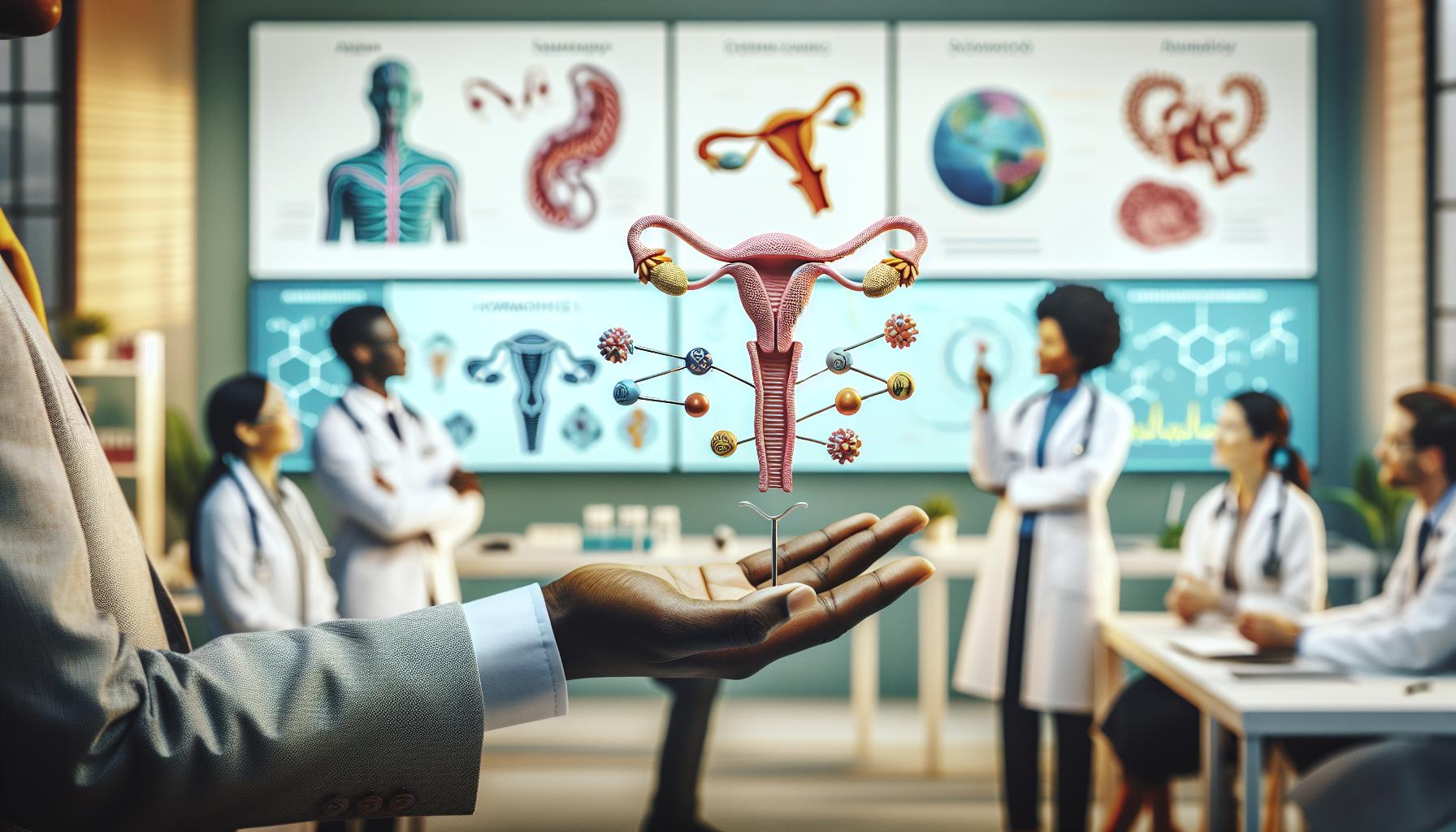
The interplay between hormones and reproductive health is a crucial aspect that significantly influences fertility. Hormones such as testosterone, follicle-stimulating hormone (FSH), and luteinizing hormone (LH) are vital for the production of healthy sperm and the overall reproductive process. Low levels of testosterone can lead to decreased sperm production, impacting male fertility. Additionally, both FSH and LH play roles in regulating the development of sperm cells and maintaining proper function within the male reproductive system.
Through lifestyle and health choices, hormone levels can be affected, thus impacting fertility. For example, factors like stress, sleep quality, diet, and weight can all impact hormonal balance. High levels of stress can lead to increased cortisol, which may negatively affect testosterone levels. Men experiencing infertility may benefit from lifestyle adjustments, such as adopting a balanced diet rich in fruits, vegetables, and healthy fats, engaging in regular physical activity, and managing stress through relaxation techniques. Making these changes can support hormonal health and, in turn, promote better sperm production.
Understanding the emotional and psychological dimensions of hormone fluctuations can’t be overlooked. Navigating fertility challenges can evoke feelings of anxiety, frustration, and sadness. Being open about these feelings and seeking support-be it through counseling, support groups, or informational resources-can help individuals and couples find solace in community and shared experiences. Recognizing that fluctuations in hormone levels affect not just physical health but emotional well-being is integral to a holistic approach to reproductive health.
In conclusion, maintaining balanced hormone levels is essential for reproductive health and fertility. Regular check-ups with a healthcare provider can help assess hormone levels and identify any underlying issues. Whether dealing with fertility concerns or exploring family-building options, understanding the hormonal landscape can empower individuals and couples to make informed choices on their journey toward parenthood.
Psychological Effects of Masturbation on Fertility
Understanding the is essential, especially as individuals navigate their fertility journeys. While physical factors play a vital role in reproductive health, the mental and emotional aspects can significantly influence both perception and experiences of fertility. The process of trying to conceive can evoke a host of emotions, including anxiety, guilt, and fear of inadequacy, which are often exacerbated by societal myths surrounding masturbation.
It’s important to acknowledge that many people might feel conflicted about their sexual behaviors, focusing on how they might impact fertility. In reality, frequent masturbation is generally considered safe and shows minimal long-term effects on sperm health and fertility. However, the psychological toll of worrying about these issues can lead to stress, which has known adverse effects on reproductive health. Stress increases cortisol levels, which can, in turn, disrupt hormonal balances essential for ovulation and sperm production. Thus, addressing these emotional concerns through coping strategies such as counseling, mindfulness, and open conversations with partners can significantly improve one’s mental health, which is crucial for fertility.
Additionally, understanding that masturbation is a normal part of human sexuality can help alleviate some of the anxiety surrounding its potential impact on fertility. Engaging in healthy sexual practices, including masturbation, may not only provide physical pleasure but can also relieve tension and reduce everyday stress levels. These benefits can create a more relaxed state conducive to conception.
In summary, while masturbation itself does not cause infertility, the psychological impacts of guilt or stress can complicate one’s fertility journey. Recognizing the importance of mental health in dealing with fertility-related issues can provide individuals with tools to cope with their challenges more effectively. Seeking support can help individuals maintain a balanced perspective, ensuring they celebrate small milestones on their path to family building.
Lifestyle Choices That Impact Fertility
Understanding how daily habits and choices can impact fertility is crucial for anyone navigating this journey. For instance, nutrition plays a pivotal role in reproductive health. A diet rich in whole foods, fruits, vegetables, lean proteins, and healthy fats contributes to optimal hormone balance and overall wellbeing. Conversely, high consumption of processed foods, sugars, and trans fats may negatively affect fertility levels. Staying hydrated by drinking plenty of water can also improve reproductive health, aiding in bodily functions essential for sperm production and ovulation.
Another critical factor is exercise. Regular physical activity not only helps maintain a healthy weight but also supports hormonal balance, which is essential for fertility. However, excessive exercise or extreme caloric restriction can have the opposite effect, especially in women, by disrupting menstrual cycles. Finding a balanced routine that incorporates moderate exercise, like walking, cycling, or yoga, can foster both physical health and emotional resilience, which is vital during such a sensitive time.
Smoking and excessive alcohol consumption represent lifestyle choices that can adversely affect fertility outcomes. Smoking has been associated with decreased sperm quality and changes in hormone levels for both men and women. Similarly, heavy drinking can impair ovulation and reduce sperm production. Moderating or eliminating these substances can significantly improve the chances of conceiving and contribute to a healthier pregnancies.
Finally, focusing on mental health and stress management is integral to the fertility journey. High stress levels can disrupt hormonal balance, affecting ovulation and sperm production. Practices such as mindfulness, meditation, and seeking support from friends or professionals can alleviate anxiety and create a more conducive environment for conception. Embracing a holistic approach that encompasses physical health, emotional wellbeing, and lifestyle choices can greatly enhance overall fertility potential.
Alternative Perspectives: Cultural and Religious Views
Cultural and religious perspectives on masturbation can significantly shape individual beliefs regarding its implications for fertility and reproductive health. In many cultures, there are enduring myths surrounding masturbation that link it to moral decline and health issues, including infertility. Understanding these perspectives can help demystify some of the anxiety and stigma associated with the practice.
In certain religious frameworks, masturbation is viewed not only as a personal moral issue but also as one that can affect one’s spiritual health. For example, some religious teachings may suggest that engaging in masturbation is sinful, potentially leading to guilt and shame. This stigma can create unnecessary psychological stress for individuals trying to conceive, diverting attention from medically sound information that clarifies masturbation’s lack of impact on fertility. Therefore, it is important for individuals in these communities to find compassionate environments where they can discuss these topics without judgment.
Conversely, there are cultural beliefs that embrace sexual health, including masturbation, as a natural part of human experience. For some, it is recognized as a means of exploring one’s body, enhancing sexual knowledge, and fostering intimacy within relationships. Recognizing masturbation in these terms can encourage dialogues on reproductive health that are healthy and informed, rather than based on fear or misinformation.
It’s crucial for individuals navigating their fertility journey to explore and understand these various cultural and religious views. Engaging openly with healthcare providers about personal beliefs can contribute to a more holistic approach to fertility, combining medical advice with respect for individual values. Support groups, therapy, or counseling can also provide safe spaces for discussing these multifaceted issues, promoting both emotional and reproductive health. If concerns continue to persist, consider consulting a fertility specialist who can offer medical insights and reassurance.
When to Consult a Fertility Specialist
Considering that approximately 15% of couples experience challenges conceiving, understanding when to seek expert assistance can significantly ease the stress of the journey toward parenthood. If you’ve been actively trying to conceive for over a year (or six months if you’re over 35), it’s advisable to consult a fertility specialist. These professionals can provide comprehensive evaluations and guidance tailored to your specific circumstances.
Equally important is recognizing signs that might indicate a deeper issue. If you or your partner have a history of reproductive health issues, irregular menstrual cycles, or any medical conditions-such as diabetes, obesity, or previous surgeries affecting reproductive organs-these factors warrant an early visit to a fertility expert. Acknowledging these concerns at an early stage can lead to more effective interventions and create a clearer path toward your family-building goals.
It’s natural to feel overwhelmed or uncertain about the entire process. A fertility specialist can offer compassionate support and share recent advancements in reproductive medicine, including options like in vitro fertilization (IVF) and intrauterine insemination (IUI). They will be honest about the costs, success rates, and timelines associated with each procedure, so you’re fully informed when making decisions.
Remember, seeking help is a proactive step, not a sign of failure. Engaging with a fertility specialist allows you to understand your reproductive health better and equips you with the tools and knowledge needed to pursue your dreams of parenthood. Don’t hesitate to reach out-your journey deserves expert guidance and support.
Exploring Support and Resources for Fertility Issues
Understanding infertility can be an emotionally charged journey, especially when navigating the myriad of myths and truths surrounding male and female reproductive health. For many couples, the uncertainty of whether certain lifestyle choices, including masturbation, could impact their fertility adds an additional layer of stress. While it’s essential to approach these topics with sensitivity, there are numerous resources available that can provide clarity, support, and guidance during this challenging time.
For those grappling with infertility concerns, it’s crucial to seek information that is evidence-based and free from stigma. Online communities and forums can be valuable for sharing experiences and feelings, but they should complement rather than replace professional medical advice. Professional organizations, such as the American Society for Reproductive Medicine (ASRM) and Resolve, the National Infertility Association, offer extensive educational materials, webinars, and support groups to assist individuals and couples. These resources not only cover the science behind fertility but also address emotional challenges and coping strategies, enriching your understanding of both the medical and psychological aspects of infertility.
Connecting with Professionals
Reaching out to a fertility specialist can significantly enhance your journey. These experts can conduct thorough evaluations, recommend appropriate fertility tests-including hormone assessments and semen analyses-and help you understand the implications of your lifestyle on reproductive health. For instance, discussions around masturbation and sperm health can clarify common misconceptions about its effects on fertility. Many specialists emphasize that moderate masturbation does not typically lead to infertility; however, they might suggest refraining from it prior to semen analysis to ensure optimal sperm health.
Support Groups and Counseling
Emotional support plays a critical role in navigating infertility. Consider participating in support groups where individuals share their challenges and victories. These groups can foster a sense of belonging and reduce feelings of isolation. Additionally, professional counseling may offer tools to cope with grief and anxiety associated with fertility struggles. Therapists specializing in reproductive health can provide coping strategies, especially when dealing with the frustrations that may arise throughout the fertility journey.
Investing time in connecting with these resources not only empowers you with knowledge but also creates a supportive environment for discussing concerns, such as the myths surrounding masturbation and its potential connection to infertility. If you or a partner feel overwhelmed, remember that seeking help is a proactive step towards understanding your reproductive health, paving the way toward your family-building goals.
Faq
Q: Can masturbation lead to infertility in men?
A: No, masturbation does not lead to infertility in men. It does not cause permanent lower sperm count or semen volume, according to research[2[2]. Maintaining a healthy lifestyle impacts overall fertility more significantly.
Q: Is there a connection between masturbation and low testosterone?
A: Masturbation is not directly linked to low testosterone levels. While frequent sexual activity may cause temporary hormonal changes, there isn’t evidence suggesting long-term effects on testosterone or fertility[1[1].
Q: Do cultural beliefs about masturbation affect people’s fertility concerns?
A: Yes, cultural beliefs can significantly impact attitudes towards masturbation and fertility. Societal stigmas around masturbation may hinder discussions about infertility and delay seeking necessary medical help[3[3].
Q: How does stress from infertility affect masturbation habits?
A: Stress from infertility can lead to changes in masturbation habits. Some individuals may engage more in it as a stress relief method, while others might experience decreased libido[1[1].
Q: Are there psychological effects of masturbation on fertility?
A: Psychological effects of masturbation can vary among individuals. It might improve mood and help reduce stress, potentially benefiting fertility indirectly. For a deeper understanding, refer to sections discussing psychological impacts in fertility[1[1].
Q: Should I consult a specialist if I have concerns about masturbation and fertility?
A: Yes, consulting a fertility specialist is advisable if concerns arise. They can provide tailored advice and help address any potential fertility issues, ensuring a comprehensive understanding of both masturbation’s role and overall reproductive health.
Q: What is the impact of lifestyle on fertility compared to masturbation?
A: Lifestyle choices have a more substantial impact on fertility than masturbation. Factors such as diet, exercise, and stress management play a crucial role in reproductive health[1[1].
Q: How often is masturbation considered normal and healthy?
A: Masturbation frequency varies among individuals, and what is deemed ‘normal’ can differ. Most research indicates that it is a common and healthy sexual activity when done in moderation[2[2].
Final Thoughts
In conclusion, the notion that masturbation causes infertility is a myth; research indicates it does not affect male or female fertility. Understanding this can lift unnecessary worries and empower your journey towards family-building. For those seeking deeper insights into fertility challenges, exploring related topics like hormonal imbalances and the impacts of lifestyle on reproductive health can be quite beneficial.
Don’t let myths hold you back-take control of your fertility journey by visiting our comprehensive resources on IVF options, sperm health, and emotional support during treatment. Subscribe to our newsletter for the latest updates or schedule a consultation with our specialists to address any lingering questions. Your path to understanding fertility can start here-let’s continue this important conversation together.