When considering artificial insemination, understanding sperm longevity is crucial. Did you know that the lifespan of sperm can significantly impact your chances of conception? For individuals navigating the complexities of fertility, this knowledge can help mitigate uncertainty and maximize the effectiveness of each attempt. Sperm can be preserved through freezing, allowing for flexibility in timing your insemination procedures. This aspect of storage is not just a technical detail; it’s a vital step in your reproductive journey, allowing you to plan and hope while facing the emotional ups and downs of fertility treatments. As you explore how long sperm can last in storage, you’ll discover essential insights that empower you to make informed decisions in your family-building journey. Let’s delve into the science behind sperm storage and its implications for successful artificial insemination.
How Long Can Sperm Survive for Insemination?
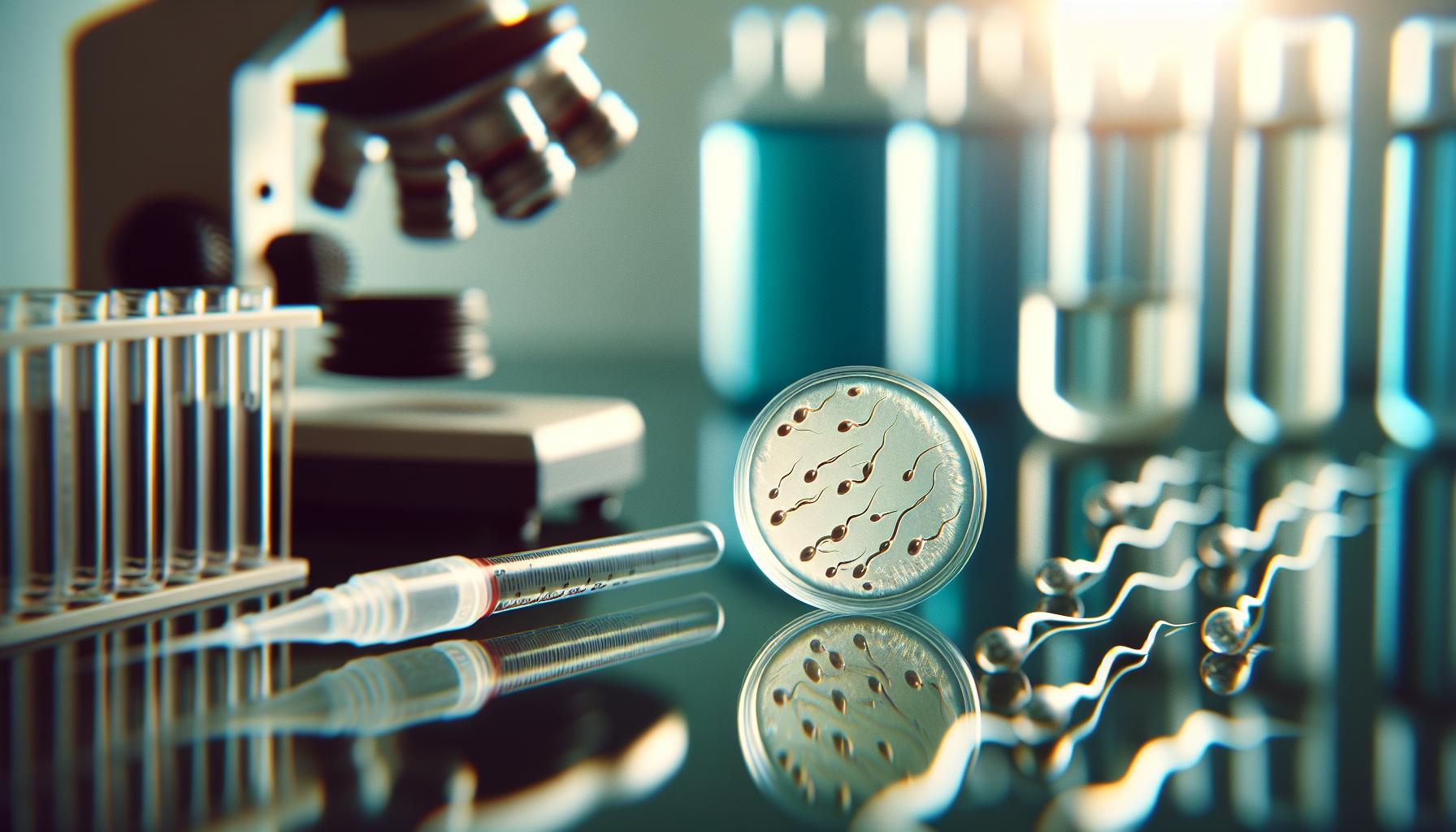
Sperm longevity is a crucial factor in the success of artificial insemination. In optimal conditions, sperm can survive in the female reproductive tract for up to five days after ejaculation, which provides a valuable window for conception to occur [3[3]. However, when considering stored sperm, the scenario shifts dramatically. Freezing sperm, a common practice in fertility treatments, enables it to be preserved for years, with little to no decline in viability when properly handled.
The survival rate of sperm post-thaw is influenced by several factors, including the method of freezing, the quality of the sperm before freezing, and the conditions under which it is stored. Fertilization success rates using frozen sperm can vary, typically ranging between 30-60%, depending on the specific circumstances and techniques employed [3[3].
To maximize the chance of successful insemination, it is essential to ensure the best possible sperm quality at the time of storage. Regular assessments can help in determining motility and concentration, which are critical for effective fertilization. As you navigate your journey, it’s essential to stay informed about these aspects to make empowered decisions about your reproductive health and the path you choose.
Factors Influencing Sperm Longevity
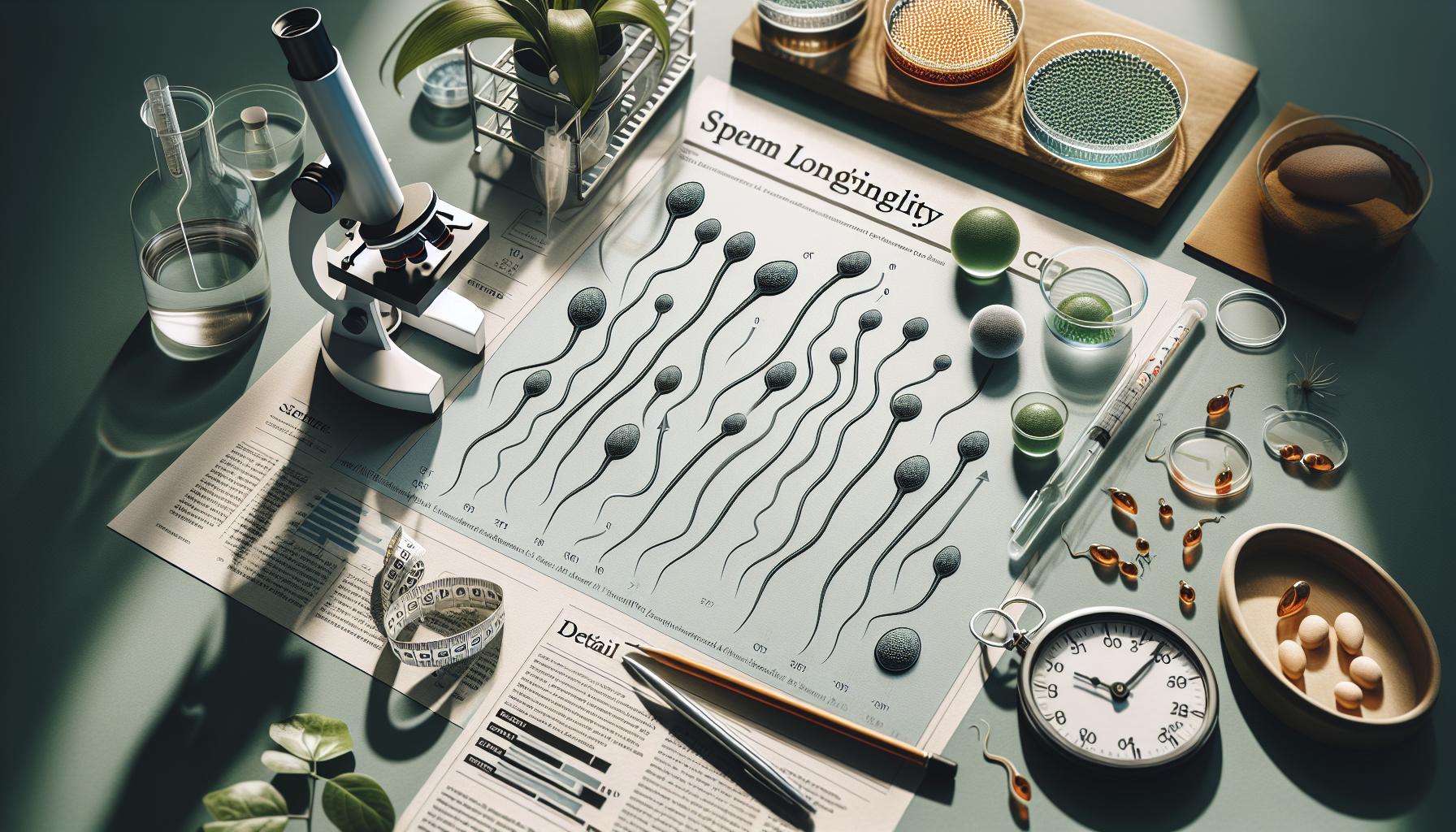
The longevity of sperm is crucial not just for natural conception but also for artificial insemination. Several factors play a pivotal role in determining how long sperm can survive, whether it’s inside the female reproductive tract or stored for future use. Understanding these components can empower you as you navigate your fertility journey.
First, the conditions of the sperm’s environment have a direct impact on its longevity. In the female reproductive tract, sperm can live up to five days, influenced by factors such as the cervical mucus, which provides a favorable environment rich in nutrients. Conversely, when sperm is stored, its longevity can extend for many years if properly frozen and stored in controlled cryogenic conditions. The freezing process often uses liquid nitrogen to reach ultra-low temperatures, effectively halting biological processes that would otherwise lead to deterioration.
Another important factor is the quality of the sperm at the time of freezing. High motility and concentration contribute to better survival rates post-thaw. For example, sperm that has robust motility, indicative of its ability to swim and reach the egg, tends to achieve higher fertilization rates. Hence, a thorough assessment of sperm quality before storage is essential. This could include tests to measure motility, count, and morphology.
Lastly, it’s important to remain informed about the methods of storage and the technological advancements in cryopreservation techniques. Variations in freezing protocols, such as the use of cryoprotectants, are crucial in protecting cells during the freeze-thaw cycle, which can ultimately affect success rates in fertilization. Always consult with a fertility specialist who can provide insights tailored to your specific circumstances and support you through this sensitive process, ensuring you make well-informed decisions that align with your personal goals for family building.
Storage Methods for Sperm: Options and Techniques
When it comes to sperm storage, understanding the options and techniques available can make a significant difference in your fertility journey. There are several methods for preserving sperm, each with distinct advantages and challenges that are worth exploring.
One primary technique is cryopreservation, where sperm is frozen in liquid nitrogen at ultra-low temperatures, halting all biological activity and preserving the cells for future use. This method is widely used not only for sperm but also for eggs and embryos. Sperm can be banked for many years, giving individuals and couples the flexibility to pursue parenthood at a later date. In clinical settings, sperm samples are often cryopreserved in specialized containers that minimize the risk of damage during the freezing and thawing processes.
Another option is room temperature storage, typically employed for short-term use, such as sperm collected for intrauterine insemination (IUI) during a treatment cycle. This method is less common for long-term storage, as it does not offer the same viability over time as cryopreservation but might be suitable for immediate procedures.
Besides the freezing technique, the use of cryoprotectants is crucial in the storage process. These substances protect sperm cells from ice crystal formation, which can cause damage during the freezing process. Examples of commonly used cryoprotectants include glycerol and dimethyl sulfoxide, which help maintain sperm integrity by penetrating the cell membranes and preventing dehydration.
A thorough assessment of storage conditions is vital. Sperm must be stored in controlled environments, with monitoring systems in place to alert technicians about any changes in temperature or other relevant parameters. This level of attention ensures that the viability of the sperm is preserved until it is needed for insemination.
Navigating the emotional aspects of sperm storage is equally important. During this uncertain time, it’s crucial to have open conversations with fertility specialists who can guide you through the processes and help manage expectations regarding timing, success rates, and potential challenges. Each individual’s experience is unique, and being informed about the options available will empower you to make decisions that align with your family-building goals.
Freezing Sperm: The Science Behind Cryopreservation
Freezing sperm is a remarkable process that allows sperm to be preserved for future use, giving individuals and couples flexibility in their family planning. The science behind cryopreservation involves freezing sperm cells at ultra-low temperatures, typically in liquid nitrogen, effectively halting all biological activity. This method can maintain sperm viability for many years, which is particularly valuable for those undergoing medical treatments that may affect fertility, single individuals looking to start a family later, or same-sex couples exploring options for parenthood.
The key component of successful cryopreservation is the use of cryoprotectants. These agents, such as glycerol or dimethyl sulfoxide, are added to sperm samples before freezing. They play a crucial role in preventing the formation of ice crystals, which can disrupt the cellular structure and diminish sperm viability. The process requires careful control of cooling rates to ensure that sperm cells are frozen uniformly, minimizing the risk of damage. When done properly, this technique not only preserves the genetic material needed for fertilization but can also lead to high success rates in subsequent insemination attempts.
Once the sperm is frozen, it can remain in cryogenic storage indefinitely, provided that the storage conditions are maintained. Monitoring systems in sperm banks ensure that these delicate environments are consistently managed, providing peace of mind to individuals and couples using the services. Understanding the technology and science behind this process helps demystify the sperm storage journey, as it involves not only biological considerations but also emotional ones. Couples navigating this pathway can find comfort in knowing that their aspirations for family can still be fulfilled, even amid uncertainties related to timing, fertility healths, or life choices.
Engaging with fertility specialists can further provide essential support throughout the cryopreservation process. These expert professionals can guide you through the technicalities of sperm freezing and thawing, help navigate potential emotional challenges, and ensure that you are well-informed about the implications this storage technique has for future insemination.
Thawing Process: How to Maximize Sperm Viability
The thawing process of frozen sperm is crucial for its viability during artificial insemination. Each step in this procedure can significantly influence the quality and lifecycle of the sperm post-thaw. Sperm cells, once frozen, undergo changes that can impair their functionality if not handled correctly. Understanding how to thaw sperm properly is essential to maximize the chances of successful fertilization.
To start, it’s important to thaw sperm quickly but gently. The most common practice involves placing the frozen vial in a warm water bath set at approximately 37 degrees Celsius (98.6 degrees Fahrenheit). This temperature mimics the body’s natural environment, creating optimal conditions for the sperm. The vial should be submerged for about 30 seconds to one minute, depending on the volume of the sample. Avoid direct contact with boiling water or extreme temperatures, as this can lead to rapid and uneven temperature changes, harming the sperm.
Once thawed, the sperm should be assessed shortly after for motility and concentration, as these factors are directly linked to fertilization success. Fertility specialists often use specialized equipment to evaluate parameters, like the percentage of motile sperm, which should ideally be above 40% for a good chance of successful insemination.
If the sperm does not meet the necessary quality standards, it may be beneficial to engage a fertility specialist for further guidance. They can offer insights into whether insemination should proceed or if additional sperm samples should be considered. While the thawing process is straightforward, nuances in handling and immediate assessment can greatly impact the outcome, making understanding and preparation key to navigating this emotional journey effectively.
Sperm Quality Assessment Before Storage
Before storing sperm, it’s crucial to assess its quality to ensure the best chance of successful fertilization later. High-quality sperm can significantly enhance outcomes in artificial insemination, which is why fertility specialists recommend a comprehensive evaluation of various parameters. This process not only considers the count of sperm but also their motility and morphology.
During a quality assessment, several factors are usually measured, including:
- Sperm Count: A healthy sperm count is essential for optimal fertility. Typically, a concentration of at least 15 million sperm per milliliter is considered normal.
- Motility: This indicates how well the sperm can move. Motility should ideally be over 40% for a reasonable chance of fertilization.
- Morphology: This examines the shape and structure of sperm. Normal morphology is typically defined as at least 4% of sperm having a normal shape.
- pH Levels: The pH level of the semen can affect sperm function. A pH range of 7.2 to 8.0 is generally considered optimal.
Understanding these factors provides insight into the viability of sperm before storage. It’s important to note that environmental factors, lifestyle choices, and underlying health issues can negatively impact sperm quality. For instance, exposure to heat, certain medications, and even dietary choices can reduce the health of sperm.
If the initial assessment reveals suboptimal results, further testing may be necessary. Engaging a fertility specialist can help determine if interventions to improve sperm quality are warranted before proceeding with storage. This step is vital, as using low-quality sperm can lead to unnecessary emotional and financial stress later on in the insemination process. Be assured that advocating for your reproductive health by thoroughly assessing sperm quality sets a solid foundation for future family-building efforts.
Legal and Ethical Considerations in Sperm Storage
Navigating the legal and ethical landscape of sperm storage is crucial for individuals and couples on their fertility journey. Understanding these considerations can provide peace of mind as you make decisions about using stored sperm for artificial insemination. One of the primary legal issues revolves around consent. It’s essential that the sperm donor provides informed consent not only for the donation process but also for how the sperm will be used, ensuring clarity around future rights regarding paternity and anonymity. In many countries, legislation governs the storage duration, so it’s important to know the laws that apply in your region. Typically, sperm can be stored for many years, but regulations may affect how long it can be kept based on specific contracts or donor agreements.
Moreover, ethical questions frequently arise concerning the use of donor sperm. Considerations involving potential offspring are especially poignant; parents might ponder issues such as genetic relations and the possibility of siblings being born from different donations. In cases where sperm is sourced from a sperm bank, ethical standards require that donors undergo thorough screening for genetic and infectious diseases. This protects both the mother and child from potential health risks, yet it also invites discussion about the donor’s rights and the child’s right to know their biological origins.
It’s also vital to approach sperm storage with sensitivity towards emotional implications. The journey to parenthood can be fraught with feelings of anxiety, grief, and hope. Establishing clear agreements and open communication channels with all parties involved-donors, storage facilities, and medical professionals-can help alleviate uncertainty. For couples utilizing donor sperm, emotional support services can provide valuable resources to navigate the complexities of family building. Being proactive in understanding the legal and ethical aspects not only enhances your journey but also respects the connections and rights associated with sperm banking and donation.
In summary, as you consider sperm storage for artificial insemination, take into account the consent processes, legal regulations, ethical implications, and emotional aspects. Each step in this journey should be handled with care, empathy, and a commitment to informed choices, ensuring that all of the parties involved feel valued and respected.
Cost Analysis of Sperm Storage and Insemination
The financial aspect of sperm storage and insemination can play a significant role in the family-building journey. Costs may vary significantly based on numerous factors, including location, specific services needed, and the type of sperm used. Understanding these expenses can help you make informed decisions while navigating the emotional landscape of fertility treatment.
When considering sperm storage, initial costs typically include the collection and processing of sperm, storage fees, and any necessary medical evaluations or screenings of donors. On average, the initial setup for sperm storage ranges from $500 to $1,500, with monthly or annual fees for ongoing storage ranging from $100 to $700 per year. It is crucial to inquire about the total costs, including any additional charges for services such as storage extensions or transferring sperm to a fertility clinic.
Insemination costs also vary based on whether you choose intrauterine insemination (IUI) or in vitro fertilization (IVF). IUI is generally the more affordable option, ranging from $300 to $1,000 per cycle, while IVF costs can escalate quickly, often ranging from $12,000 to $15,000 per cycle excluding medication. Discussing payment plans with your fertility clinic can alleviate some financial stress, while checking with your insurance provider can clarify coverage options for both storage and insemination procedures.
Key Cost Components:
- Initial sperm bank costs (collection and processing): $500 – $1,500
- Annual storage fees: $100 – $700
- IUI costs per cycle: $300 – $1,000
- IVF costs per cycle: $12,000 – $15,000
By understanding these financial elements, you can better prepare for the expenses associated with sperm storage and insemination, allowing you to focus on the hopeful aspects of your journey toward parenthood. Remember, you are not alone; support systems are available to help you navigate both the emotional and financial challenges in this process.
Success Rates: Understanding Fertilization with Stored Sperm
The use of stored sperm for insemination can lead to successful fertilization, but understanding the success rates associated with this process is crucial for prospective parents. Generally, success rates vary based on a number of factors, including the method of insemination used and the characteristics of both the sperm and the recipient. For example, intrauterine insemination (IUI) typically has success rates ranging from 8% to 15% per cycle, while in vitro fertilization (IVF) can have higher success rates, often between 30% to 40% per retrieval, depending on factors like age and overall reproductive health.
When utilizing stored sperm, it is also essential to evaluate the sperm quality prior to use. Factors such as motility (the ability of sperm to move efficiently), morphology (the shape of sperm), and the overall sperm count can significantly influence fertilization success. Sperm that has been cryopreserved generally has similar motility and fertilization potential as fresh sperm, but there may be some variability based on how it was frozen and thawed.
It’s also worth noting that the age of the egg and any underlying health conditions of the recipient play significant roles in the likelihood of successful conception. For instance, younger recipients with fewer fertility issues may experience better outcomes even when using stored sperm compared to older recipients. This underscores the importance of a comprehensive evaluation by fertility specialists to tailor the approach based on individual circumstances.
Ultimately, the journey towards parenthood using stored sperm can be filled with hope and potential, yet it’s vital to remain informed about the varying success rates. These figures may not assure instant results but should be seen as part of the broader narrative of fertility treatment, which is often a mix of emotional and physical challenges. Seeking support and maintaining open communication with health professionals can provide the necessary guidance through this complex process.
Emotional Support for Recipients of Donor Sperm
Navigating the emotional landscape of using donor sperm can be complex and deeply personal. Many individuals and couples embarking on this journey experience a range of feelings, from excitement and hope to anxiety and uncertainty. Understanding that these emotions are valid and common can be comforting. It’s essential to know that emotional support is available and should be an integral part of your journey toward parenthood.
Building a support network is crucial. This can include supportive partners, family members, or friends who understand your aspirations and challenges. Some might find professional support from therapists specializing in fertility issues to be beneficial. These professionals can provide a safe space to voice fears, explore feelings about the donor process, and work through any grief associated with infertility struggles or complex emotions around conception.
Key Considerations for Emotional Well-Being:
- Validate Your Feelings: It’s normal to experience a rollercoaster of emotions. Whether it’s joy, fear, or sadness, each feeling should be acknowledged and explored.
- Celebrate Milestones: Recognize and appreciate small achievements along the way, whether it’s completing an appointment or receiving positive news. Each step is a victory.
- Educate Yourself: Understanding the processes involved in sperm storage and insemination can reduce anxiety. Knowledge empowers you to make informed decisions about your path forward.
- Consider Community Support: Connecting with groups of individuals going through similar experiences can foster a sense of belonging. Online forums or local support groups can be invaluable.
It’s essential to remember that there are numerous paths to parenthood, including single parenthood, LGBTQ+ family building, or using sperm donors. Embracing a non-judgmental view of family-building options can help ease the emotional burden. Focus on what feels right for you and your future family. Each journey is unique, and your feelings about donor sperm are part of your story. Ultimately, seeking emotional support opens the door to coping strategies that validate your experience and lead to greater clarity and hope as you pursue your dreams of starting a family.
Alternatives to Insemination: Exploring Other Options
Exploring paths to parenthood can be a transformative journey, filled with myriad options beyond traditional insemination methods. For those considering alternatives to artificial insemination, understanding the various routes available can empower you to make informed decisions that fit your unique situation.
One popular option is in vitro fertilization (IVF). This method involves retrieving eggs from the ovaries and fertilizing them with sperm in a laboratory setting. Once fertilized, the embryos are cultured for several days before one or more are transferred back into the uterus. IVF allows for genetic screening of embryos, which can enhance the chances of a successful pregnancy. However, it is essential to be aware of IVF’s costs, which can range significantly, depending on the clinic and necessary medications, often falling between $10,000 and $15,000 per cycle.
Another avenue is reciprocal IVF, particularly popular among same-sex couples. In this arrangement, one partner provides the eggs, while the other partner carries the child. This process not only enables both partners to actively participate in the conception but also can strengthen their emotional connection to the pregnancy. As with traditional IVF, understanding the financial implications and emotional journey is crucial, as this option can be similarly costly.
For those unsure about medical interventions, adoption offers a profound and impactful alternative. This path can fulfill the desire for parenthood while providing a loving home to a child in need. While the journey to adoption can vary widely in length and complexity, the emotional and social rewards can be immensely fulfilling.
Lastly, many individuals and couples consider co-parenting arrangements. This involves collaborating with another individual or couple to share the responsibilities of raising a child. Co-parenting can be a flexible approach that allows for various family structures while ensuring that both parties are involved in the child’s life.
In sum, the journey to parenthood encompasses various options tailored to different needs and desires. Exploring these alternatives can provide the clarity and hope necessary to navigate the complexities of fertility and family-building in an inclusive, supportive atmosphere.
Frequently asked questions
Q: How long can sperm be stored prior to artificial insemination?
A: Sperm can be stored for several years if frozen using cryopreservation techniques. Typically, frozen sperm retains its viability for up to 10 years or more. It’s essential to discuss storage options with a fertility specialist to ensure optimal outcomes for insemination.
Q: What are the ideal conditions for storing sperm?
A: Sperm should be stored in liquid nitrogen at temperatures around -196°C (-321°F) to maintain cell integrity. Maintaining this extreme cold prevents cellular damage and ensures maximal sperm viability for future use during artificial insemination.
Q: Does thawing affect the lifespan of stored sperm?
A: Yes, the thawing process can impact sperm lifespan. Proper thawing techniques are crucial to maintaining viability; careful handling and adherence to recommended protocols can help maximize the sperm’s potential for successful insemination.
Q: Can sperm lose viability over time in storage?
A: While sperm can remain viable for years when properly frozen, some loss of functionality may occur over extended periods. Regular quality assessments before use can help ensure optimal sperm health for artificial insemination.
Q: Are there any factors that affect how long sperm lasts in storage?
A: Yes, factors like initial sperm quality, freezing methodology, and storage conditions all play a role in how long sperm can be preserved effectively. It’s important to evaluate these elements to enhance success rates during insemination.
Q: What should be tested before sperm storage?
A: Before sperm storage, conducting a sperm quality assessment is vital. Tests will evaluate parameters such as sperm motility, count, and morphology to ensure effective options for future insemination.
Q: How often should stored sperm be checked or maintained?
A: It’s advised to perform routine checks at least annually on stored sperm. Monitoring the storage conditions and ensuring that the freezing units are functioning correctly will help maintain sperm viability for future use.
Q: What can I do if I’m concerned about sperm storage and its effectiveness?
A: If you have concerns about sperm storage, consult with a fertility clinic or specialist. They can provide personalized guidance, assess the stored sperm’s condition, and suggest strategies to enhance the chances of successful artificial insemination.
The Way Forward
Understanding how long sperm lasts for artificial insemination is crucial in your family-building journey. Remember, whether you’re considering IVF, facing infertility challenges, or exploring insemination options, the key is preparation and awareness. If you have any lingering questions or concerns about storage, costs, or success rates, don’t hesitate to reach out to a trusted fertility specialist.
For more insights, check out our guide on IVF timelines or learn about common causes of infertility. These resources can support you every step of the way. Ready to take the next step? Sign up for our newsletter for ongoing support and updates or explore our helpful tools tailored for your journey. Your path to parenthood matters-let’s navigate it together, understanding both the emotional and practical aspects. Share your thoughts in the comments below; we’d love to hear from you and support your experience.
Get our latest guides, news, and insights highlighted in your Google Search & AI Overviews.