When considering artificial insemination for your dog, timing is crucial. The right moment can significantly impact the chances of success, and understanding your dog’s reproductive cycle is key. Many pet owners share a desire to help their furry companions expand their families, but it can be a journey filled with uncertainty and emotional weight.
Recognizing when your dog is in her fertile window not only enhances the likelihood of conception but also alleviates some of the stress often associated with the process. In this article, we’ll explore the signs to watch for, the best practices for identifying optimal insemination times, and how you can support your beloved pet through each step. Your commitment to your dog’s health and happiness lays the groundwork for nurturing the next generation, so let’s dive into this vital aspect of responsible breeding.
When to Schedule Artificial Insemination for Dogs

Timing is crucial when it comes to scheduling artificial insemination (AI) for dogs, as it directly influences the likelihood of successful conception. Typically, the optimal window for AI corresponds with the female dog’s estrus cycle, more commonly known as her heat cycle. This cycle can generally be divided into four phases: proestrus, estrus, diestrus, and anestrus. Understanding these phases helps pinpoint the best time for insemination.
During the estrus phase, which lasts about 5 to 9 days, the female is fertile and most receptive to mating. It’s during this phase that the timing for AI becomes vital. To maximize success, it is recommended to schedule the insemination within the first 48 hours of the estrus phase. Many breeders utilize progesterone testing to better determine the precise timing for insemination. This test measures hormone levels and can indicate when ovulation occurs, ensuring that insemination is performed at the ideal moment.
Key Considerations for Scheduling:
- Track the Heat Cycle: Keep a record of your dog’s heat cycles, noting the start and end dates, as this aids in predicting future cycles.
- Veterinary Consultation: Work with your veterinarian to develop a tailored AI schedule based on your dog’s specific cycle and breed characteristics.
- Monitoring Signs of Estrus: Look out for behavioral changes such as increased urination, a swollen vulva, or receptiveness to male dogs, which may indicate that she is entering her fertile period.
By working closely with your veterinarian and keeping a meticulous record of your dog’s heat cycles, you can help ensure that the timing of artificial insemination aligns perfectly with her fertility window, thereby enhancing the chances of achieving a successful pregnancy.
Understanding the Canine Estrus Cycle

The estrus cycle in canines is a fascinating and complex process that significantly impacts the timing for artificial insemination (AI). Understanding this cycle is essential for dog owners and breeders aiming to achieve a successful pregnancy. Typically, the canine estrus cycle lasts about six months, but this can vary based on the individual dog and her breed. This cycle is divided into four distinct phases: proestrus, estrus, diestrus, and anestrus, each characterized by different physiological and behavioral changes.
During the proestrus phase, which lasts approximately 7 to 10 days, the female dog begins to show early signs of heat. At this stage, there may be a bloody vaginal discharge, and although she may attract males, she will not yet be receptive to mating. The next stage, estrus, is where the magic happens. Lasting about 5 to 9 days, this is when the female is fertile and open to mating. This is the critical period for scheduling AI, as fertility peaks within the first 48 hours of this phase. Signs that your dog is entering estrus include increased urination, a swollen vulva, and changes in behavior, such as becoming more affectionate or restless.
Following estrus is the diestrus phase, during which the female’s body prepares for a potential pregnancy. This phase lasts about 60 days, regardless of whether mating has occurred. If the dog is not pregnant, she will eventually enter the anestrus phase, a resting stage lasting until the next cycle begins. Understanding these phases not only aids in the timing of AI but also allows dog owners to better care for their pets during the hormonal fluctuations that accompany each stage.
By closely monitoring your dog’s behavior and physical changes and consulting with a veterinarian, you can ensure that you are well-prepared to time artificial insemination effectively. Keeping detailed records of her cycles will empower you to track patterns and predict future fertile periods, enhancing your chances of successful conception.
Signs of Optimal Fertility in Dogs
Identifying the signs of optimal fertility in your dog is crucial for timing artificial insemination (AI) effectively. One of the most prominent indicators of fertility is the physical and behavioral changes that occur during the estrus phase, which typically lasts about 5 to 9 days. During this time, you’ll notice several signs that indicate your dog is ready for mating.
First and foremost, watch for a swollen vulva and a change in vaginal discharge from bloody to a clearer, straw-colored fluid. These are strong indicators that she is in the fertile window. In addition, your dog’s behavior may shift; she may become more affectionate, seek attention from male dogs, or display an increased interest in exploring her surroundings. Another sign to observe is increased urination, which is a common behavior in females during estrus as they signal their readiness to mate.
It’s also beneficial to record the exact days of these changes, as timing is key. Most breeders find success by scheduling AI within the first 48 hours of the estrus phase, as this is when ovulation is most likely to occur. To enhance your chances of successful conception, you might consider utilizing hormone testing alongside observations to pinpoint the optimal time for insemination. Hormonal assays can help detect when LH (luteinizing hormone) surges, which precedes ovulation and indicates the best moment for AI.
Ultimately, being proactive and attentive to these signs not only maximizes the likelihood of a successful pregnancy but also fosters a deeper bond with your pet during this significant time in her reproductive cycle. Make sure to keep in close contact with your veterinarian throughout the process for guidance tailored to your dog’s unique needs.
Different Types of Artificial Insemination Methods

The journey of artificial insemination (AI) for dogs is not just a technical process; it’s filled with emotional nuances and hopes for the future. Understanding the various methods of artificial insemination can empower you as a pet owner, allowing for a more informed and confident decision-making process.
There are primarily three methods of artificial insemination used in dogs: transcervical insemination (TCI), surgical insemination, and vaginal insemination. Each technique has its own set of advantages and applications depending on the situation.
Transcervical Insemination (TCI)
This method involves the use of a specialized instrument to guide the insemination catheter through the cervix directly into the uterus. TCI is often preferred due to its non-invasive nature and relatively high success rates. It allows for fresh, chilled, or frozen semen to be used effectively. This method requires a vet trained in reproductive technology, and hormone monitoring is usually done to choose the optimal insemination time.
Surgical Insemination
Surgical insemination is more invasive but can be necessary in certain cases, particularly when dealing with frozen semen that may not survive less invasive methods. This procedure involves making a small incision to deposit semen directly into the uterus. Though it comes with higher risks and recovery time, it’s sometimes the best option for achieving successful conception, especially in challenging reproductive scenarios.
Vaginal Insemination
The most straightforward and commonly used method, vaginal insemination, involves placing the semen directly into the vagina. While it’s less invasive and can be performed by breeders with the proper training, it generally has lower success rates compared to TCI and surgical methods. Timing is critical here, as insemination needs to align closely with the female’s ovulation for the best chance of conception.
Each method comes with its own considerations regarding success rates, costs, and the necessary level of veterinary involvement. By discussing these options in detail with your veterinarian, you can select the method that aligns not only with your dog’s reproductive health needs but also with your journey as a pet owner navigating this poignant moment.
Success Rates of Artificial Insemination in Dogs
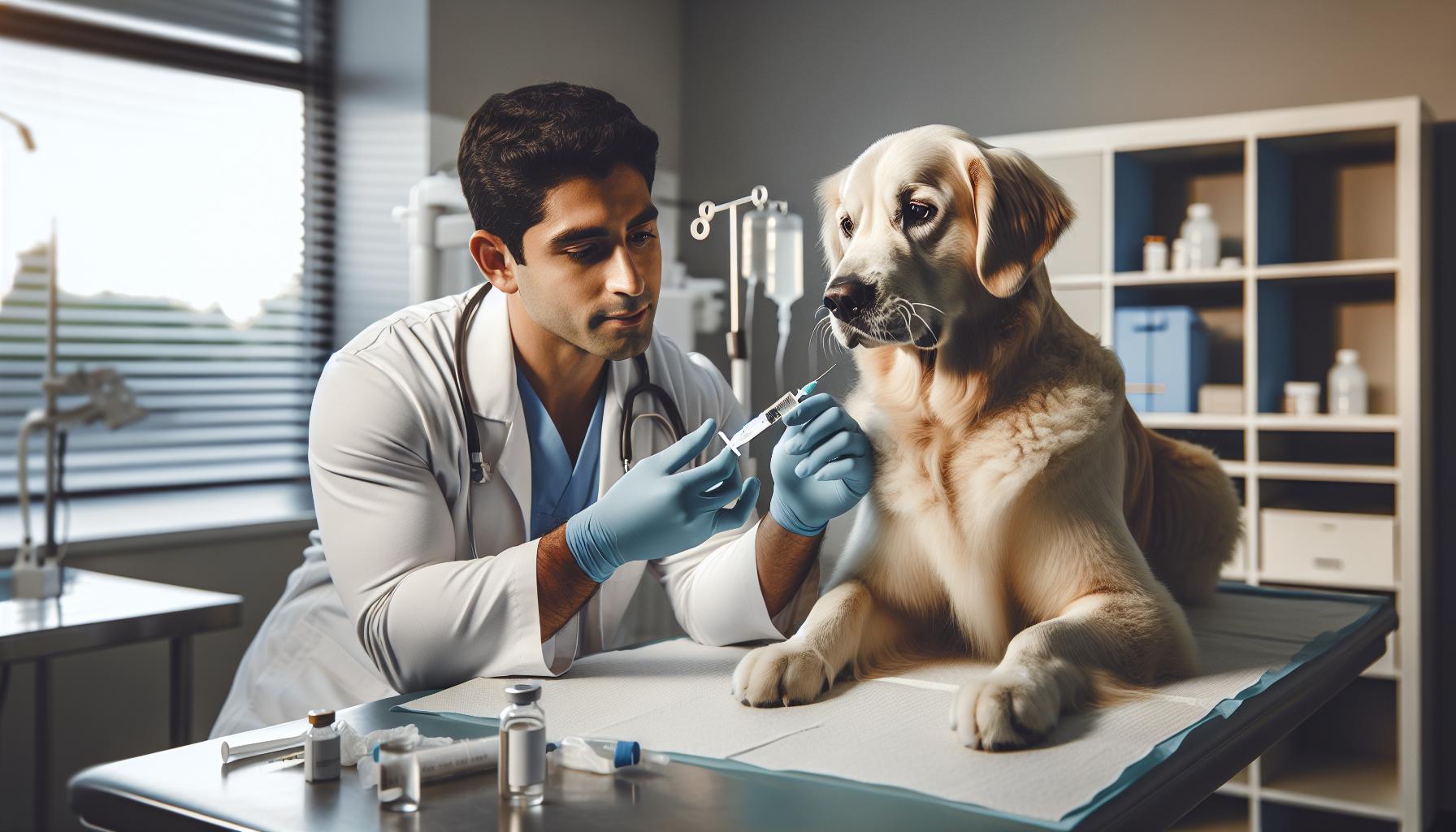
Success rates for artificial insemination (AI) in dogs can vary significantly based on several factors, including the method used, the timing of insemination, and the overall reproductive health of both the male and female dogs involved. In general, transcend cervical insemination (TCI) tends to have the highest success rates, often ranging from 60% to 90% per cycle, depending on the specific circumstances and veterinary expertise. This method is particularly effective because it allows for direct placement of semen into the uterus while minimizing trauma to the reproductive tract.
In contrast, vaginal insemination typically has lower success rates, commonly around 50% to 70%. The effectiveness of this method is heavily reliant on precise timing with the female’s estrous cycle; if insemination occurs too early or too late, the likelihood of conception diminishes significantly. Therefore, careful monitoring of the female’s hormone levels and behavioral signs of heat is crucial for optimizing success when using vaginal insemination.
Surgical insemination can also provide strong success rates, especially when using frozen or poorly motile semen, although the associated risks and recovery time must be considered. Success rates for surgical methods may align closer to those of TCI, yet they come with the higher invasiveness of surgery. When planning artificial insemination, it’s essential to have detailed discussions with your veterinarian about which method is best suited for your dog’s individual needs and circumstances.
Additionally, emotional resilience is important during this journey. Expect a rollercoaster of feelings, from hope to anxiety, as you await the results of the insemination. Recognizing that each attempt is a step forward, regardless of the outcome, can help manage expectations and cope with the emotional aspects of the process.
Factors Influencing Insemination Timing
Timing is crucial when it comes to artificial insemination (AI) for dogs, as it can significantly influence the chances of conception. The canine estrus cycle, divided into four stages-proestrus, estrus, diestrus, and anestrus-sets the stage for optimal insemination timing. The most critical phase for AI is the estrus phase, particularly the ovulation period when the female is fertile. Typically, this occurs about 10 to 14 days after the onset of proestrus, but variations can exist depending on the individual dog’s cycle.
To accurately determine the best timing for insemination, close observation of behavioral signs and veterinary monitoring of hormonal changes are essential. Signs include swelling of the vulva, a change in discharge color and consistency, and increased interest from males. A veterinarian may recommend hormone tests, such as progesterone testing, to pinpoint ovulation more reliably. Tracking these indicators allows for a better understanding of when to schedule insemination, whether using artificial insemination methods like surgical, transcervical, or vaginal insemination.
It’s also important to consider factors such as the female dog’s overall health and reproductive history, which may affect her estrous cycles. Past breeding attempts and any medical conditions could provide insights into her fertility patterns. Maintaining a calm environment and minimizing stress during this time, both for the female and her owner, is crucial as stress can impact fertility. Remember that each dog is unique, and what works for one may not work for another; therefore, consultations with a veterinary reproductive specialist can provide tailored guidance that aligns with your dog’s individual needs.
By being proactive and informed, you can significantly enhance your chances of success during artificial insemination, paving the way for a fulfilling journey toward expanding your family.
Preparing Your Dog for Artificial Insemination
involves thoughtful planning and care to ensure a successful process. As your dog approaches her fertile window, which often coincides with the estrus phase of her cycle, it becomes essential to create an environment that supports her health and reduces stress. This can not only enhance her emotional well-being but also positively influence her fertility.
To start, ensure that your dog is in optimal health. A veterinary checkup prior to insemination is vital. During this visit, your veterinarian can assess her overall condition, review her reproductive history, and perform necessary tests to check for any underlying health issues. Proper vaccinations and good nutrition can also play a significant role in her preparedness. Providing a balanced diet rich in the nutrients necessary for reproductive health-such as omega fatty acids for skin and coat health, as well as vitamins and minerals to support hormonal balance-will help set the foundation for a successful breeding experience.
Throughout this preparation phase, monitoring your dog’s behavioral changes is crucial. Besides the physical signs of her coming into heat, pay attention to her mood and energy levels. Keeping her environment calm and familiar can help reduce anxiety, which is conducive to successful insemination. Additionally, consider gradually introducing her to the concept of veterinary visits and any specific procedures that may take place to lessen fear.
Furthermore, while it’s important to focus on the logistics of timing, don’t overlook the emotional aspect of this journey. Many owners experience hope tempered with anxiety or uncertainty-acknowledge these feelings and seek support when needed, whether through community groups or conversations with your veterinarian. Remember that preparing for artificial insemination is not just a physical process but an emotional one as well. By being proactive and attentive to both physical and emotional needs, you position both yourself and your beloved pet for an enriching journey ahead.
Post-Insemination Care for Your Dog
Post-insemination care is crucial for your dog’s recovery and overall well-being, ensuring the best chance of a successful outcome. Immediately after the procedure, it’s important to provide your dog with a quiet, comfortable space where she can relax and recover from any stress associated with the insemination. This ensures she feels safe and nurtured, which can support her emotional state during this sensitive time.
Encourage hydration and monitor her diet, providing balanced nutrition that supports her reproductive health. Foods high in nutrients, such as omega fatty acids, can be beneficial. You may also want to consider offering smaller, more frequent meals to help maintain her energy levels without overwhelming her digestive system. During this phase, it’s essential to maintain a calm environment-gentle interactions, familiar toys, and soothing sounds can help alleviate any anxiety she may experience.
Monitoring Health and Behavior
Keep a close eye on her physical condition in the days following insemination. Watch for any signs of distress, such as changes in appetite, lethargy, or excessive panting. If you notice anything amiss, don’t hesitate to consult your veterinarian. It’s also a good practice to maintain a journal of her behavior and health, noting any changes or patterns that could be relevant for follow-up visits.
In addition, emotional support for both you and your dog is vital. The journey of artificial insemination can be filled with uncertainty and anticipation, so allow yourself to express your feelings. Whether it’s sharing experiences with fellow dog owners who have undergone similar situations or seeking guidance from your vet, connecting with others can provide comfort. Remember, every step you take in this process counts-even when it feels challenging. Celebrate small milestones together, whether it’s a successful insemination or even just a good day of rest, as this journey is as much about emotional bonding as it is about physical health.
Post-Insemination Follow-Up
As your dog recovers, schedule a follow-up appointment with your veterinarian to discuss any necessary next steps based on her progress. This visit may include recommendations for further care, such as ultrasound checks to confirm a pregnancy if applicable. Staying proactive about her health will help ensure that she continues to thrive, both emotionally and physically, as you await any exciting news on the horizon.
Handling Potential Challenges and Risks
When navigating the journey of artificial insemination for your dog, being prepared for potential challenges and risks is essential. Even with proper timing and technique, the process can have ups and downs, and understanding these can help you manage expectations and provide the necessary emotional support for your pet.
One significant challenge is the possibility of unsuccessful insemination attempts. Factors such as the quality of the semen used, timing of the insemination relative to the dog’s estrus cycle, and the overall health of your dog can affect the success rate. It’s crucial to have a discussion with your veterinarian about the expected outcomes and what steps to take if the first attempt does not lead to pregnancy. Acknowledge that disappointment is a valid emotion, and allow yourself to process this while remaining hopeful for future attempts.
Another aspect to consider is the risk of health complications following insemination. Some dogs may experience infections or hormonal imbalances that can impede their health and the potential for pregnancy. Regular monitoring of your dog’s condition post-insemination can help catch any issues early. Watch for signs like lethargy, changes in appetite, or unusual behavior, and maintain an open line of communication with your veterinarian regarding any concerns.
Emotional and Financial Implications
Beyond physical health, the emotional toll of artificial insemination can be significant for both you and your dog. Understandably, the uncertainty of the outcome can lead to anxiety and stress. It’s important to cultivate a supportive environment-both for your dog and for yourself. Connect with other dog owners who have experienced similar journeys or seek professional advice to help manage these emotions.
Financial considerations also play a crucial role in artificial insemination. The costs can vary widely based on the method of insemination, veterinary fees, and necessary follow-up appointments. It’s wise to create a budget that includes potential repeat attempts or additional treatments. Transparency about costs with your veterinary team can help prevent unexpected expenses and enable you to make informed decisions about moving forward.
In addressing these challenges, remember to celebrate each small milestone in the journey. Whether it is a successful insemination or simply a day where your dog seems happy and healthy, acknowledging these moments can help create a positive outlook in what can often feel like an uncertain path. Embrace the support of your veterinarian and the canine community; you are not alone in this journey, and by discussing and acknowledging challenges, you lay the groundwork for resilience and hope.
Cost Considerations for Artificial Insemination
Understanding the financial aspects of artificial insemination can help pet owners make informed decisions while navigating this emotional journey. Costs can vary significantly depending on multiple factors, including the method of artificial insemination chosen, the geographic location, and the specific veterinary clinic. Typically, the price for artificial insemination can range from $300 to over $1,500 per procedure. Here are some key aspects to consider:
- Method of Insemination: There are different methods of artificial insemination, such as vaginal insemination, transcervical insemination, and surgical insemination. Each method has its own cost implications due to varying levels of complexity and required veterinary expertise.
- Semen Quality: The cost of semen can vary widely, especially if using frozen or artificially collected sperm from a specialized source. Choosing high-quality semen may increase upfront costs but can improve chances of success.
- Veterinary Fees: Routine checks, hormone level assessments, and follow-up consultations are essential parts of the process. These services can add to the total expense, so being aware of these additional costs early on is critical.
- Geographic Location: The cost of veterinary services and procedures can vary based on where you live, with urban and specialized clinics generally charging higher rates compared to rural practices.
- Potential Repeat Attempts: It’s helpful to budget not just for the initial insemination but also for possible repeat attempts if the first one is unsuccessful. Having a financial cushion can ease the stress of multiple rounds.
To navigate these financial considerations effectively, it may be beneficial to have an open dialogue with your veterinarian. Ask for a breakdown of anticipated costs and potential additional expenses, ensuring you have a clear understanding of the financial commitment involved. This transparency will not only help you plan better but also alleviate some anxiety associated with the decision-making process.
In addition, some veterinary practices may offer payment plans or financing options, which can lessen the burden of upfront costs. Consider researching different clinics to compare prices and services, and don’t hesitate to discuss your budget and concerns with your chosen veterinarian. They can assist you in finding the best solutions tailored to your situation.
Choosing a Qualified Veterinarian for AI
Choosing the right veterinarian for artificial insemination (AI) is a pivotal step in your dog’s reproductive journey. Not only does the expertise of the vet directly impact the success rates of the procedure, but it can also alleviate the emotional weight that comes with this process. A skilled veterinarian should not only be well-versed in the various AI techniques available but also be compassionate and genuinely invested in your dog’s well-being.
When selecting a veterinarian, consider their experience and qualifications specifically related to artificial insemination. Ask about their success rates, which can vary significantly based on their technique and the canine breeds they typically work with. A vet who frequently performs AI on your dog’s breed will likely have more tailored advice and strategies. You might also want to check reviews from other pet owners and seek recommendations from local breeders or pet clubs. Engaging with the community can provide insights into which veterinarians are known for their expertise and supportive nature.
Furthermore, ensure that the veterinary clinic offers a comprehensive reproductive health examination before proceeding with AI. This initial assessment can include hormone level testing and an evaluation of your dog’s health and reproductive status, helping to determine the optimal timing for the procedure. During your visits, gauge the veterinary team’s approach: Are they patient in answering your questions? Do they provide clear explanations about each step of the AI process? And importantly, do they foster an atmosphere of empathy and support? Your comfort and trust in your veterinarian can significantly ease the anxiety often associated with AI.
Lastly, don’t overlook the logistical aspects of care. Inquire about the clinic’s facilities-do they have the necessary equipment for the specific type of insemination, whether it’s vaginal, transcervical, or surgical? Understanding the cost structure and whether they offer payment plans or financing options can also help in preparing for any financial commitments involved. A transparent and communicative veterinarian can make this journey much more manageable, providing emotional support alongside expert care.
Emotional Support During the Insemination Journey
The journey through artificial insemination can be filled with a whirlwind of emotions, as many pet owners grapple with feelings of hope, anxiety, and uncertainty. Embracing these emotions is essential. Understanding that you are not alone in this experience can provide significant comfort. Many have faced the same challenges and have found ways to navigate them. Remember, it is entirely normal to feel overwhelmed at times, and acknowledging these feelings is an important step in the process.
It’s vital to create a supportive atmosphere for both you and your dog during this journey. Engaging with a community of pet owners who have been through similar experiences can help alleviate feelings of isolation. Online forums, social media groups, or local pet clubs can serve as a source of encouragement and shared knowledge. Celebrating small milestones, such as successful health check-ups or positive signs of fertility, can foster a sense of hope and achievement. Reaching out to a counselor or a pet therapist can also provide valuable coping strategies for navigating the emotional ups and downs.
During the process of artificial insemination, open communication with your veterinarian is crucial. They can provide not only medical expertise but also emotional reassurance. Don’t hesitate to express your fears or concerns; a good vet will understand and support you. Furthermore, keeping a journal can be a therapeutic way to process your thoughts and emotions throughout the journey. Writing down your hopes, fears, and reflections can help you gain clarity and serve as a supportive outlet.
Finally, remember that each step in this process is part of a larger picture. The path to building a family-whether through artificial insemination, adoption, or other methods-is deeply personal and varies for everyone. Be kind to yourself, and recognize that it’s okay to seek help along the way. A compassionate, patient approach to yourself and your dog can make this journey a more manageable and fulfilling experience.
Q&A
Q: How can I tell when my dog is ready for artificial insemination?
A: You can tell your dog is ready for artificial insemination by monitoring her estrus cycle, specifically during the fertile window. Look for signs such as a swollen vulva, increased attractiveness to males, and color changes in the discharge. For precise timing, consider scheduling a vaginal cytology with your vet to confirm optimal fertility periods.
Q: What are the signs of optimal time for artificial insemination in dogs?
A: The optimal time for artificial insemination in dogs is typically during estrus, usually days 11-15 of the cycle. Signs include behavioral changes, such as increased affection, and any noticeable physical changes like a decreased vulvar swelling. Regular veterinary check-ups can help identify the best timing based on hormone levels.
Q: When is the best time to breed my dog naturally compared to artificial insemination?
A: The best time to breed naturally aligns with estrus, much like artificial insemination. However, artificial insemination can help achieve breeding with more precision, especially if the female’s estrus is irregular. Consult your veterinarian to determine which method is ideal based on your dog’s health and breeding goals.
Q: How does the age of my dog affect the timing of artificial insemination?
A: The age of your dog can impact her fertility and hormone levels. For best results, it’s advised to breed dogs aged 2-5 years, as their reproductive health is typically optimal. Older dogs may require more careful timing and veterinary management to ensure successful artificial insemination.
Q: What factors influence the success rate of artificial insemination in dogs?
A: Several factors influence the success rate of artificial insemination, including the timing of insemination, the quality of semen, the female’s overall health, and her reproductive history. Regular veterinary support and proper preparation enhance the likelihood of success. Review detailed insights in our section on Success Rates of Artificial Insemination in Dogs.
Q: Can I use frozen semen for artificial insemination, and what’s the timing for that?
A: Yes, frozen semen can be used for artificial insemination, but timing is crucial. You should typically inseminate 24-48 hours after the female shows signs of peak fertility. Working closely with a vet can help optimize timing and health checks before the procedure.
Q: What should I do if I miss the optimal insemination window?
A: If you miss the optimal insemination window, don’t panic. Depending on your dog’s cycle, you may wait until the next estrus cycle. However, consult your veterinarian about evaluating your dog’s reproductive health to ensure the best chance of success in future cycles.
Q: Is there a specific time of year that’s best for artificial insemination in dogs?
A: There isn’t a specific time of year for artificial insemination, as the canine reproductive cycle is not seasonal. Instead, focus on monitoring your dog’s estrus cycle. Consistent checks will allow you to schedule artificial insemination accurately. For more details, refer to our section on Understanding the Canine Estrus Cycle.
Final Thoughts
As you consider the best timing for artificial insemination in dogs, keep in mind the critical signs of heat cycles and the importance of consulting with your veterinarian to ensure success. Remember, achieving a healthy litter not only depends on timing but also on understanding your dog’s cycle and health. If you have lingering questions, explore our articles on canine reproductive health and caring for puppies to deepen your knowledge.
Don’t wait-start planning your next steps today! For personalized advice, consider scheduling a consultation with a veterinary specialist who can offer insights tailored to your dog’s unique needs. Your journey towards expanding your canine family can be exciting and fulfilling, and we’re here to support you every step of the way.
Join our community by signing up for our newsletter to stay updated on the best practices in pet care and connect with fellow pet owners. Your next adventure in dog breeding awaits, so let’s ensure it’s a joyful one!
Get our latest guides, news, and insights highlighted in your Google Search & AI Overviews.