Artificial insemination (AI) in dogs is a vital veterinary procedure that offers hope to breeders facing challenges with natural mating. This technique allows for the precise collection and introduction of semen, maximizing the chances of conception. As a compassionate pet owner, understanding the intricacies of AI can empower you in your journey to expand your furry family. Whether you’re navigating potential fertility issues or seeking to control breeding timelines, this informative guide will illuminate the process of artificial insemination in dogs, addressing your concerns and emphasizing its significance in pet reproduction. Explore the step-by-step procedure, success rates, and what to expect, as we dive into this essential aspect of canine reproductive health.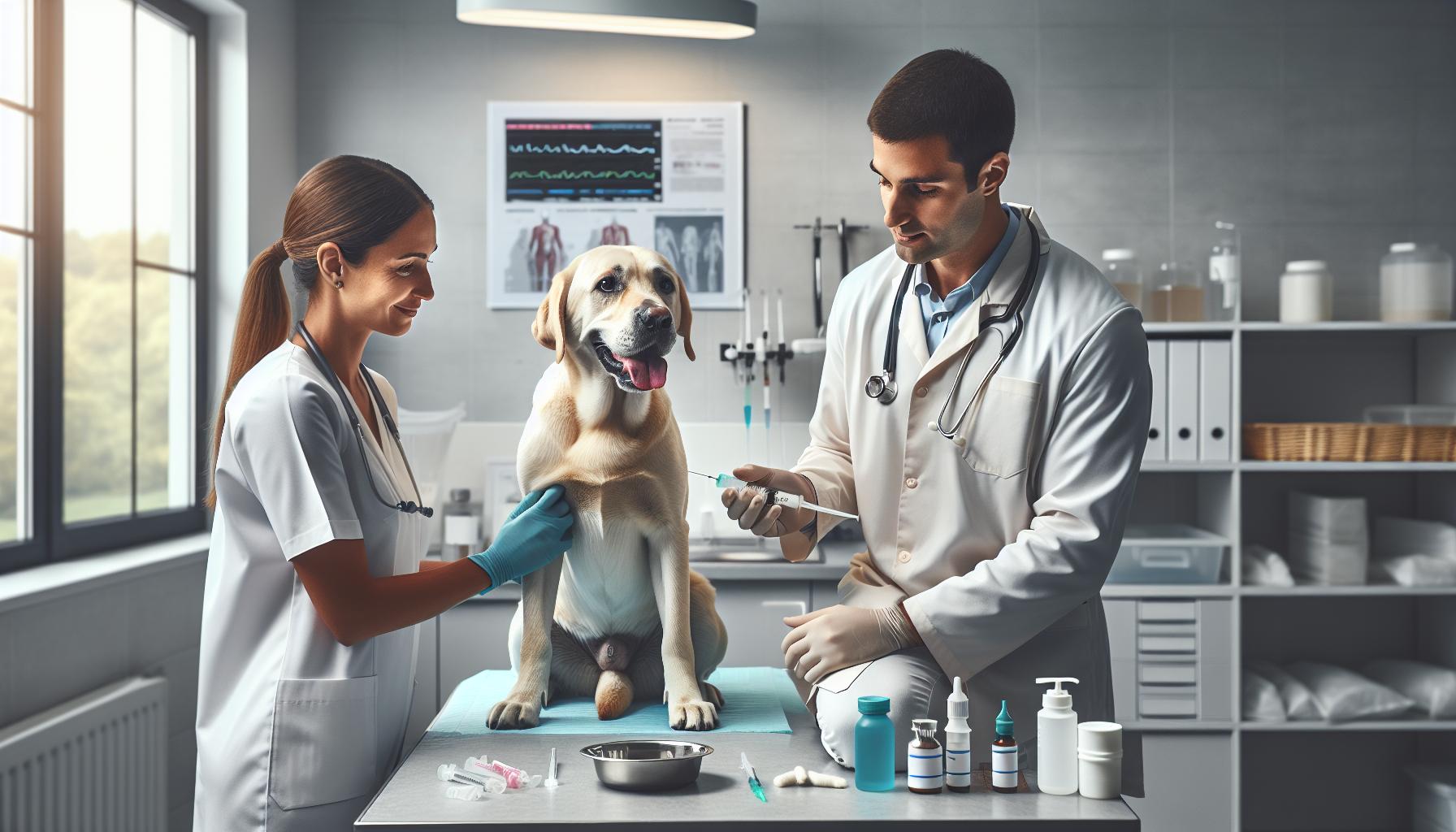
Understanding Artificial Insemination in Dogs
Artificial insemination (AI) in dogs is a pivotal method that enables the breeding of dogs without the necessity for natural mating. This technique is especially beneficial when physical mating isn’t possible due to behavioral concerns, logistical issues, or health conditions affecting either the male or female. Understanding the nuances of AI can empower dog owners to make informed decisions about their breeding plans, bringing them one step closer to welcoming a new litter into their lives.
The procedure involves the collection of semen from a stud dog, which is then carefully introduced into the female dog’s reproductive tract, ideally near the cervix. It’s essential that this process be executed by a veterinary professional to ensure the health and safety of both the female dog (bitch) and the collected semen. The timing of the artificial insemination is crucial; it should coincide with the female’s ovulation cycle to maximize the chances of successful fertilization.
One of the significant advantages of artificial insemination is its ability to facilitate breeding between dogs that may not have the opportunity to mate naturally. This can include dogs located in different geographic areas or those with compatibility issues. Additionally, AI enables the use of frozen or chilled semen, allowing dog owners to introduce champion or genetically diverse bloodlines that would otherwise be difficult to access.
Despite its benefits, the emotional complexities of the breeding journey cannot be overlooked. Many pet owners experience a mix of hope and uncertainty. It’s vital to provide support throughout this process, recognizing the attachment to future puppies while respecting the genuine concerns about outcomes. The success rates of artificial insemination can vary based on several factors, including the timing of the insemination, the health and fertility of both dogs involved, and the method of semen collection used.
As dog owners navigate these waters, an understanding of all related processes-from ovulation detection methods to post-procedure care-will help them prepare thoroughly for each step of their breeding journey.
The Step-by-Step Veterinary Procedure
The artificial insemination process for dogs is a carefully orchestrated series of steps, designed to ensure safety, efficiency, and the highest chance of success. The procedure begins with the collection of semen from the stud dog, which can be done using various methods, including manual collection or the use of an artificial vagina. Once collected, the semen is promptly assessed for its quality, including motility and sperm count, to ensure it meets the necessary standards for insemination.
Once the assessment is complete, the timing of the insemination becomes crucial. It is typically performed during the female’s optimal fertile window, determined through monitoring her hormonal changes or ultrasound evaluation of her ovaries. A veterinary professional will guide dog owners in determining the best time for insemination, which maximizes the chances of successful fertilization.
During the actual insemination procedure, the female dog may undergo a sedative to help her relax. The semen is deposited directly into the reproductive tract using a catheter. This technique is particularly effective as it places the semen close to the cervix, helping to ensure a higher success rate. The whole process is relatively quick, often taking less than 30 minutes to complete from start to finish.
Post-procedure, it is essential to provide appropriate care for the female dog. The veterinarian may recommend rest and a minimal amount of activity for a few days to increase the chances of conception. Emotional support for the pet owner is also important during this time, as waiting for the results can be bittersweet, filled with both hope and anxiety. Understanding the entire procedure helps demystify the process and prepares owners for what to expect, both physically and emotionally.
Benefits of Artificial Insemination for Dogs
Artificial insemination (AI) offers numerous benefits that can significantly enhance the breeding process for dogs, providing both veterinary assistance and pet owners with peace of mind. For starters, AI enables the use of superior genetic material from stud dogs that may not be in close geographical proximity. This advantage broadens the genetic pool and helps produce healthier litters, as breeders can choose mates based on desirable traits without the hassle of natural mating logistics.
Additionally, the process reduces risks associated with natural mating, such as injuries that may occur during the mating ritual. It also eliminates the possibility of sexually transmitted diseases, another concern for responsible breeders. The controlled environment of AI provides optimal conditions for semen collection and insemination, considerably increasing the chances of successful fertilization.
Timing is more precise with AI, thanks to advanced techniques in monitoring ovulation. Veterinarians can more accurately determine the female dog’s fertile window, ensuring that insemination occurs at the most opportune moment. This precision directly correlates with higher success rates for conception and efficient use of resources.
It’s also important to consider the emotional aspect of breeding. The journey can be fraught with anxiety and uncertainty, but AI allows for more predictable outcomes and an overall streamlined process. By understanding the benefits of artificial insemination, dog owners can approach breeding with a realistic outlook, knowing they have tools and support to navigate the complexities of canine reproduction.
Types of Artificial Insemination Techniques
The journey of artificial insemination (AI) in dogs involves several techniques, each tailored to specific circumstances and needs of the breeders and their pets. Understanding these methods can empower pet owners to make informed decisions that best suit their breeding goals. The three primary techniques include transcervical insemination, surgical insemination, and vaginal insemination.
Transcervical Insemination
Transcervical insemination (TCI) is a sophisticated procedure that involves the use of an endoscope to place the sperm directly into the uterus through the cervix. This method is highly effective for ensuring that sperm reaches the eggs, maximizing the chances of conception. TCI can be particularly beneficial for bitches who may struggle with traditional mating or for those requiring artificial insemination due to distance issues with the stud dog.
Surgical Insemination
Surgical insemination is the most invasive technique, but it can also be the most effective, especially for females with significant reproductive challenges. During this procedure, a veterinarian makes a small incision in the abdominal wall to deposit the semen directly into the uterus. This method is typically reserved for instances where other techniques have failed or where the female dog has specific anatomical issues impeding traditional insemination paths.
Vaginal Insemination
Vaginal insemination is the most straightforward and commonly used AI method. In this technique, semen is deposited into the vagina using a special device or by hand. While it may be less precise than TCI or surgical methods, it remains effective, especially when done during the female’s optimal breeding window. Timing is crucial here, as successful insemination depends significantly on the female’s ovulation cycle.
Choosing the right insemination technique can have a profound impact on the breeding process and overall success rates. It’s important to consult with a veterinary reproductive specialist to assess the best approach based on the individual needs of the dogs involved. This comprehensive understanding enables breeders to navigate the complexities of canine reproduction confidently and sensitively, ensuring the best outcomes for both their dogs and future litters.
Assessing the Need for Artificial Insemination
Determining whether artificial insemination (AI) is the right choice for your dog involves several considerations that are crucial for successful breeding. It is not merely about the desire to produce a litter; rather, it is a nuanced decision that can greatly impact the health and future of both your dog and her offspring. Key factors to assess include the health and reproductive status of the bitch, the availability and quality of sperm, and any logistical challenges that may arise.
One of the foremost elements to evaluate is the health of the female dog. A thorough veterinary examination can provide insight into her reproductive health, including the detection of any underlying issues that may hinder natural mating attempts. If a bitch has a history of reproductive problems such as irregular heat cycles or anatomical abnormalities, AI might be the best alternative. Moreover, considering her age and overall health is essential, as older dogs may have decreased fertility and higher risks during the breeding process.
Logistics also play a significant role in this decision. For instance, if the stud dog is located far away, AI can eliminate the stress and complications associated with travel, particularly if timing is critical to ensure the best chances of conception. Furthermore, advancements in technology allow for the preservation and shipping of quality semen, which can be utilized even if the stud dog cannot mate naturally. The choice between fresh, chilled, or frozen semen can affect potential outcomes and should be discussed with a veterinary reproductive specialist.
Lastly, potential emotional considerations cannot be overlooked. The journey of breeding can be filled with hope and excitement, but it may also carry an element of anxiety around the success of the procedure and the health of the future pups. Open conversations with professionals knowledgeable in reproductive veterinary medicine can prepare owners for the realities of AI, including the possible need for additional procedures or the emotional impacts of breeding setbacks. By fully assessing these factors, dog owners can make informed and compassionate decisions that align with their goals and the best interests of their pets.
Timing and Ovulation Detection Methods
Determining the optimal timing for artificial insemination (AI) is crucial for maximizing the chances of pregnancy in dogs. The female dog’s reproductive cycle, known as the estrus cycle, typically consists of four stages: proestrus, estrus, diestrus, and anestrus. The key phase for AI is estrus, during which the bitch is receptive to mating and ovulation occurs. Understanding how to detect this timing is essential for success.
To accurately determine when a dog is ready for insemination, there are several methods available:
- Behavioral Signs: During the proestrus phase, a bitch may exhibit signs such as swelling of the vulva and a change in behavior, becoming more affectionate and vocal. As she transitions to estrus, she may actively seek out males and show a willingness to mate.
- Vaginal Cytology: Veterinary professionals often perform cytology to evaluate the cells present in the vaginal discharge. This technique helps pinpoint the exact phase of the estrous cycle by analyzing the types of cells present, which change throughout the cycle.
- Progesterone Testing: Blood tests measuring progesterone levels are highly effective in determining ovulation timing. This hormone rises significantly just before and after ovulation, allowing for precise scheduling of AI.
- Ultrasound: In some cases, veterinarians may use ultrasound to visualize developing follicles in the ovaries, offering direct insight into the optimal timing for insemination.
By utilizing one or a combination of these methods, owners can better ensure that the artificial insemination occurs at the most advantageous time, thereby increasing the likelihood of a successful breeding outcome. Recognizing this pivotal window not only enhances fertility potential but also provides peace of mind to pet owners navigating the emotional landscape of dog breeding.
Preparation and Requirements for the Procedure
Preparation for artificial insemination (AI) in dogs is a critical step that can significantly influence the success rate of the procedure. Understanding the requirements and taking necessary precautions can ensure a smoother process for both the pet and the owner. The initial phase involves thorough veterinary consultation where the veterinarian will evaluate the health and reproductive status of the female dog (bitch).
Veterinary input is vital; before any insemination can occur, the veterinarian will conduct a comprehensive health assessment. This will typically involve blood tests to check hormone levels, confirm the phase of the estrous cycle, and rule out any underlying health issues. More specifically, progesterone testing is essential, as it helps determine the precise timing for the insemination. Alongside hormonal assessments, factors like the bitch’s overall health, age, and breed-specific reproductive traits will be taken into account.
Once the timing is established, owners must prepare both physically and emotionally for the procedure. This may include arranging for a suitable environment for the insemination, which can either be performed at the veterinary clinic or at home under professional supervision. The semen, whether fresh, chilled, or frozen, must be collected and stored as per the guidelines provided by the veterinarian. Semen quality is paramount; ensuring that it has good motility and viability can be a significant factor in the chances of a successful pregnancy.
Additionally, emotional preparedness is often overlooked but is equally important. Owners should be aware of the potential risks, costs, and emotional rollercoasters associated with AI. While veterinary professionals can offer support, owners should also take time to reflect on their own feelings and concerns, understanding that the journey may involve ups and downs. Support groups or networks of fellow pet owners who have navigated similar paths can provide invaluable encouragement and advice. In recognizing these preparatory steps, pet owners can better set the stage for a positive experience with artificial insemination.
Success Rates and Factors Influencing Outcomes
The success rate of artificial insemination (AI) in dogs can vary significantly based on several factors, making it essential for pet owners to be well-informed as they embark on this journey. Typically, success rates can range from 60% to 80% depending on the technique used and the circumstances surrounding each individual case. However, it is crucial to understand what influences these rates and how to optimize the chances of a successful pregnancy.
One of the primary factors affecting outcome is timing. The process involves precise identification of the bitch’s ovulation period, often determined through progesterone testing or vaginal cytology. Performing AI too early or too late can yield poor results, as the optimal window for insemination is usually within 12 to 36 hours post-ovulation. A thorough understanding of the female dog’s estrous cycle and careful planning with the veterinarian can help improve the likelihood of success.
Additionally, the quality of the semen used is a critical determinant. Factors like motility (the ability of sperm to move) and viability (the sperm’s ability to live and fertilize an egg) greatly influence the chances of conception. Fresh semen tends to yield higher success rates compared to frozen semen, which can lose viability during the thawing process. Ensuring that the semen is collected and stored according to veterinary guidelines enhances its quality and increases the odds of successful insemination.
Health status also plays a fundamental role. A comprehensive health assessment of the mother, including any underlying reproductive issues, is necessary. Conditions like uterine infections or hormonal imbalances can adversely affect fertility. Regular veterinary check-ups and a detailed discussion about the bitch’s health history are essential steps in this process.
Finally, emotional and psychological factors should not be overlooked. The journey of artificial insemination can be filled with hope and anxiety. Support systems, whether through veterinary professionals or pet owner communities, can provide not only necessary information but also emotional reassurance. Acknowledging the uncertainty and learning to celebrate each step, whether successful or not, fosters a more positive experience throughout the journey. Ultimately, while the path may be fraught with challenges, being well-informed and prepared can significantly improve the chances of success.
Cost Breakdown of Dog Artificial Insemination
Understanding the financial commitment involved in artificial insemination (AI) for dogs is crucial for pet owners embarking on this journey. Costs can accumulate quickly, making it essential to plan and budget accordingly. Generally, the total expense can vary significantly based on the type of procedure, veterinarian fees, and the specifics of the semen used.
A typical breakdown of costs associated with artificial insemination includes:
- Veterinary Examination: Initial consultations and health assessments typically range from $50 to $150. This is a vital step to evaluate the health of the bitch and ensure she is the right candidate for AI.
- Ovulation Timing: Various methods, such as progesterone blood tests or vaginal cytology, are used to determine the optimal time for insemination. This can add another $100 to $300 to the overall cost.
- Insemination Procedure: The cost for the procedure itself varies depending on the technique used, generally falling between $200 and $600. If surgery is required for a more complex procedure, costs can increase significantly.
- Semen Costs: The price of semen can vary dramatically based on the dog’s pedigree and lineage. Fresh semen may cost anywhere from $500 to $1,000, while frozen semen prices can range from $300 to $800 per straw, depending on the breed and quality.
- Follow-Up Care: Post-procedure examinations and any necessary treatments for the bitch can add another $100 to $200 to your costs.
When all these factors are combined, the total cost of artificial insemination can typically range from $1,000 to $2,500 or more per cycle. It’s important for pet owners to communicate thoroughly with their veterinarian about all potential costs upfront to avoid surprises later in the process.
As you navigate this financial landscape, remember that emotional support is just as integral as the financial aspects. Seeking advice and reassurance from your veterinary team and connecting with fellow pet owners who have experienced similar journeys can provide comfort and validation during this time. Each step taken, whether a success or learning experience, is part of a broader journey towards growing your family, and it’s important to celebrate the progress along the way.
Post-Procedure Care for the Bitch
Caring for a bitch after artificial insemination is vital for ensuring her health and maximizing the chances of a successful pregnancy. Right after the procedure, the attention shifts to monitoring her well-being and providing an environment conducive to conception. It’s common for pet owners to feel a mix of excitement and anxiety during this waiting period, making it essential to approach her care with mindfulness and compassion.
One of the first steps post-procedure is to ensure she has a comfortable, quiet space to recover. Minimizing stress is crucial, as anxiety can negatively impact hormone levels and overall health. Be observant of any signs of distress or discomfort. Regular check-ins can help, allowing you to gauge her behavior and mood. If she’s particularly restless or seems in pain, consult your veterinarian promptly.
### Regular Monitoring
Monitoring her health is key. Here are some important aspects to keep track of:
- Appetite: Changes in appetite are normal. Ensure she’s eating and drinking regularly.
- Activity Level: While she may be less active right after the procedure, gradual reintroduction to light activity can be beneficial.
- Physical Symptoms: Look for swelling, discharge, or any unusual signs; these could indicate complications.
### Follow-Up Care
Most veterinarians will schedule a follow-up appointment about two weeks after insemination. This visit is often for a pregnancy check, which may include blood tests or ultrasounds to confirm if the insemination was successful. It’s perfectly normal to feel anxious during this time-connecting with your vet and asking questions can ease these feelings.
### Coping with Emotions
Remember, the journey of dog breeding can be emotionally taxing. It’s okay to feel a mix of hope and anxiety. Acknowledge these feelings rather than suppress them. By reaching out to fellow pet owners and sharing experiences, you can find reassurance and celebrate the small milestones together.
Provide your bitch with love, patience, and the care she deserves during this waiting period. Each day brings you closer to a decision that could change your lives forever, and honoring this journey is vital for both you and your dog.
Common Concerns and Myths Debunked
The process of artificial insemination in dogs is often surrounded by misconceptions that can cause unnecessary worry for pet owners. Understanding these common concerns is essential in navigating this journey with your canine companion. For instance, many people believe that artificial insemination (AI) is a complicated and intrusive procedure. In reality, the method employed for dogs, particularly non-surgical techniques, is relatively simple and minimally invasive, ensuring both safety and comfort for the female dog. This understanding can help alleviate fears about the emotional and physical stress that the procedure may impose.
One prevalent myth is that AI guarantees pregnancy, when, in fact, success rates can vary significantly based on a range of factors including the timing of insemination, the quality of the semen, and the overall health of the female dog. Knowing that AI is not a guaranteed solution provides a more realistic perspective, allowing owners to prepare for various outcomes. Pet owners should also be aware that multiple insemination attempts might be necessary, as some dogs may require more than one procedure to conceive.
Moreover, there’s a belief that only certain breeds can benefit from this technique, which is untrue. AI can be advantageous for dogs of all breeds and can be crucial in specific situations, such as when natural mating is not feasible due to health issues or logistical challenges. Additionally, questions about the costs involved often arise. While the expense of AI can be significant, particularly when considering veterinary fees, semen collection and storage, and follow-up care, it’s important for owners to view it as an investment in their pet’s health and the desired outcomes.
Lastly, emotional support is vital throughout the AI process. Many pet owners experience a rollercoaster of feelings, from excitement to anxiety about the outcome. Acknowledging these emotions and seeking support-whether from fellow pet owners, veterinarians, or support groups-can ease the uncertainties during this journey. Embracing the shared experiences of others can provide comfort and reinforce the understanding that the path to expanding your furry family can be filled with both challenges and joys.
Emotional Support for Pet Owners During the Process
During the journey of using artificial insemination for your dog, it’s not just the process itself that matters but also the emotional landscape that pet owners navigate. Undertaking this journey can evoke a range of feelings-from hope and excitement to anxiety and uncertainty. It’s essential to recognize that these emotions are valid and natural as you pursue the possibility of expanding your furry family. Just as a fertility specialist offers support, finding avenues of emotional comfort can significantly bolster your well-being during this time.
Understanding that the path to conception can be filled with ups and downs is crucial. While many pet owners dream of a successful pregnancy immediately, the reality of needing multiple insemination attempts or facing unexpected hurdles can lead to frustration or grief. Acknowledging these feelings can lighten the emotional load. Establishing a support network-whether it involves friends, family, or fellow pet owners who have faced similar circumstances-can provide you with a sense of community and understanding. Sharing your experiences with others can normalize your feelings of doubt and hope, creating a comforting space to discuss concerns and celebrate each small milestone.
Another factor to consider is the financial aspect of artificial insemination. Costs can be substantial, covering veterinary fees, semen collection, and post-procedure care. It’s important to approach these conversations openly, recognizing that while the financial investment may be significant, it represents a commitment to your pet’s health and well-being. Resources exist to help discuss these concerns more transparently, including pet owner communities and veterinarians who can provide guidance on budgeting for the procedure.
Finally, don’t hesitate to reach out to professionals if you feel overwhelmed. Many veterinary clinics understand the emotional weight of this process and offer services that extend beyond the physical aspects of care. Engaging with a veterinarian whose approach is compassionate and supportive can make a world of difference. Remember, the journey of creating a family-either through artificial insemination, adoption, or other methods-is uniquely personal, and there are countless paths to explore. Your emotions matter, and taking the time to care for your mental well-being during this process is just as vital as the physical preparation.
FAQ
Q: What is the process for preparing a female dog for artificial insemination?
A: Preparing a female dog for artificial insemination includes health assessments, proper timing related to her heat cycle, and sometimes nutritional adjustments. Ensure that the dog is in optimal health with regular veterinary evaluations to enhance the chances of a successful pregnancy. Check the section on Preparation and Requirements for the Procedure for more details.
Q: What should I expect during the artificial insemination procedure?
A: During the artificial insemination procedure, a veterinarian will collect sperm from a male dog and then introduce it into the female’s reproductive tract using specialized techniques. This procedure is typically quick and straightforward, requiring minimal recovery time. Refer to the article’s Step-by-Step Veterinary Procedure section for a detailed overview.
Q: Are there any risks associated with artificial insemination in dogs?
A: While artificial insemination is generally safe, potential risks include infection, trauma to the reproductive tract, and complications related to the anesthesia if used. Always discuss these risks with your veterinarian beforehand to ensure informed decision-making and understanding of the Benefits of Artificial Insemination for Dogs.
Q: How can I determine the right timing for artificial insemination?
A: The right timing for artificial insemination is crucial and is typically determined by monitoring the female dog’s heat cycle. Techniques such as vaginal cytology or progesterone testing can help identify the optimal ovulation window. For more details on timing, see the Timing and Ovulation Detection Methods section in the article.
Q: What types of artificial insemination are there for dogs?
A: There are several types of artificial insemination for dogs, including trans-cervical insemination, surgical insemination, and vaginal insemination. Each method varies in procedure and appropriateness depending on specific circumstances. More information can be found in the Types of Artificial Insemination Techniques section.
Q: How is the success rate of artificial insemination determined?
A: The success rate of artificial insemination in dogs is influenced by factors such as the quality of the sperm, timing of insemination, and the female’s reproductive health. Generally, success rates range from 60% to 80%, depending on these factors. Refer to Success Rates and Factors Influencing Outcomes for detailed statistics.
Q: What are the signs of pregnancy after artificial insemination in dogs?
A: Signs of pregnancy in dogs can include changes in appetite, increased lethargy, weight gain, and behavioral changes. Veterinary confirmation through ultrasound or blood tests around 30 days post-insemination is recommended. For comprehensive care and expectations, review the Post-Procedure Care for the Bitch section.
Q: How much does artificial insemination cost for dogs?
A: The cost of artificial insemination can vary significantly based on the technique used, location, and any additional veterinary services required. Typically, costs can range from $300 to over $1,000. For a more thorough overview, see the Cost Breakdown of Dog Artificial Insemination section.
Insights and Conclusions
As you explore the intricate process of how dogs are artificially inseminated, it’s essential to remember that this procedure can be a vital part of responsible breeding and health management. Understanding the costs, success rates, and available options can empower you to make informed decisions for your furry companions. If you’re considering this route, don’t hesitate to reach out for a consultation with a trusted veterinarian who can guide you through each step, ensuring a positive experience for you and your pet.
For more insights, check out our articles on common fertility concerns in dogs and the impact of artificial insemination on breeding outcomes. If you have questions, we invite you to share your thoughts in the comments below or subscribe to our newsletter for the latest updates and expert advice. Remember, every step you take is toward building a healthy future for your pets; your engagement is crucial in this journey.