Artificial insemination in livestock is a vital reproductive technique that enhances breeding efficiency and genetic quality. This method allows for the careful selection of superior genetics, leading to healthier herds and improved productivity. As livestock producers face challenges like fluctuating market demands and the need for sustainable practices, understanding artificial insemination becomes invaluable. By harnessing this technology, farmers can achieve successful pregnancies without the constraints of traditional mating, ultimately ensuring the long-term viability of their operations. Whether you’re a seasoned breeder or just starting your journey, exploring the nuances of artificial insemination can unlock greater potential for your livestock enterprise. Join us as we delve into this essential breeding guide, addressing your concerns and helping you make informed decisions for your breeding program.
What Is Artificial Insemination in Livestock?
Artificial insemination (AI) in livestock is a revolutionary technique that has transformed the breeding landscape for many species, particularly cattle, pigs, and sheep. By introducing sperm directly into the female reproductive tract, this method bypasses the need for natural mating, making it easier to manage breeding programs and improve herd genetics. Farms utilizing AI can select high-quality sires based on desirable traits such as milk production, growth rates, and disease resistance, leading to stronger and more productive livestock. This practice not only enhances the genetic diversity of herds but also allows for the use of semen from far-off locations, broadening the scope of genetic selection.
One of the key advantages of artificial insemination is its efficiency in controlling reproduction. Farmers can strategically schedule breeding events, maximizing the chances of successful conception. The procedure can be timed to coincide with a female’s most fertile period, significantly improving success rates. Additionally, AI reduces the physical stress on animals associated with natural mating and mitigates the risk of sexually transmitted diseases between animals. These benefits are especially crucial in large-scale operations, where logistical challenges might compound the complexities of traditional breeding methods.
Moreover, the process of artificial insemination is generally reproducible and less dependent on the behavior of the animals involved, leading to a more predictable outcome. This uniformity is crucial for farmers who rely on consistent production levels to meet market demands. However, while the practice presents numerous benefits, it’s essential to combine AI with sound management and husbandry practices to optimize the health and reproductive performance of the livestock involved. As technology and techniques continue to evolve, artificial insemination stands as a cornerstone of modern livestock breeding, profoundly influencing agricultural productivity and sustainability.
Understanding the Basics of Artificial Insemination
Artificial insemination (AI) in livestock stands as a significant advancement in agricultural practices, enabling farmers to optimize their breeding strategies and enhance genetic quality across herds. By directly depositing sperm into the reproductive tract of females, this technique circumvents natural mating, offering a myriad of benefits that not only bolster productivity but also improve animal welfare.
The core principle behind AI is simple yet powerful: it allows for precise control over reproduction. Farmers can select semen from high-quality sires that exhibit desirable traits such as increased milk yield, rapid growth, or resistance to diseases. With AI, the genetic diversity within a herd can be effectively expanded without the need to maintain multiple bulls on-site, particularly beneficial for larger operations where space and resources may be limited. Additionally, the ability to utilize frozen semen facilitates long-distance breeding, giving access to superior genetic material from anywhere in the world.
Timing plays a crucial role in the success of AI; farmers often utilize heat detection methods to identify the optimal moment for insemination, aligning it with a female’s ovulation cycle. This careful scheduling can enhance the likelihood of conception, making the process more efficient. Moreover, AI reduces the physical strain on animals typically associated with mating, which is particularly important for large livestock operations where stress can impact overall health and productivity.
For those new to the practice, understanding the procedure itself is vital. Typically, a trained technician uses a specialized instrument to introduce the prepared semen into the uterus or cervix, a process that can be performed with minimal disruption to the animal’s routine. This efficiency, combined with the potential for improved genetic outcomes, underscores why AI has become an indispensable tool in modern livestock management. As the agricultural landscape continues to evolve, ongoing advancements in AI technology promise further enhancements in breeding efficacy and livestock health.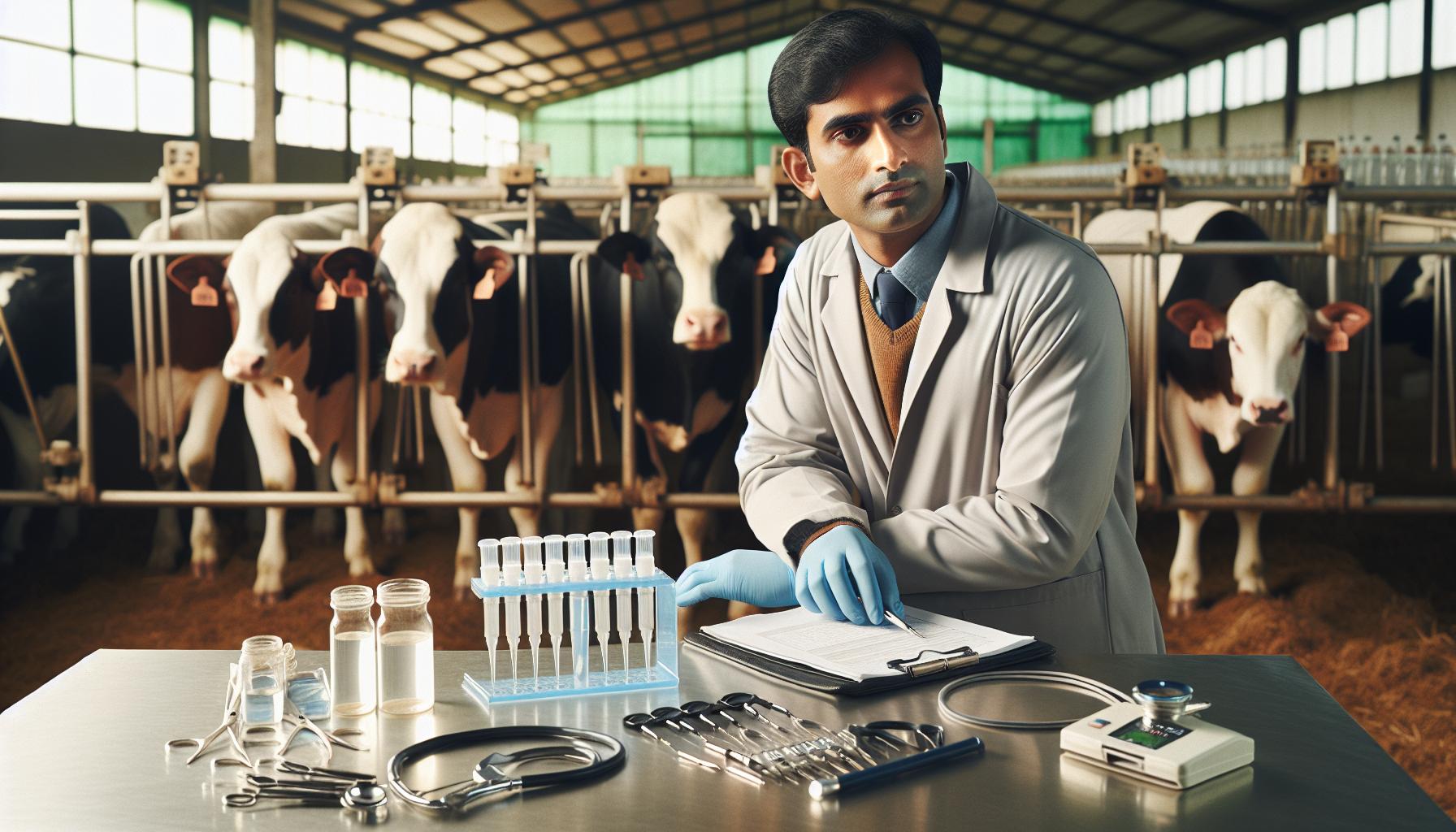
Benefits of Using Artificial Insemination in Livestock
Artificial insemination (AI) is revolutionizing the livestock industry by offering farmers several key benefits that enhance not just productivity but also the overall health and genetic quality of their herds. One of the most compelling advantages is the ability to access superior genetics without the logistical challenges and costs associated with maintaining multiple bulls on-site. This not only allows farmers to select semen from high-performing sires, but it also significantly reduces the risks and health issues that can arise from keeping non-productive bulls in a herd.
Enhanced Genetic Diversity
With AI, farmers can introduce genetic diversity into their herds more effectively. By utilizing frozen semen, they can select from a global pool of high-quality genetics, which helps to reduce inbreeding and promote healthier offspring. For instance, a farmer in the Midwest can use frozen semen from a prize-winning bull located on the other side of the country, which enhances genetic vigor in previously inbred cattle populations. This broader genetic selection leads to improvements such as increased disease resistance, better growth rates, and higher quality products like milk or meat.
Improved Breeding Efficiency
Timing is everything when it comes to breeding livestock, and AI allows for precise control over the insemination process. Farmers often leverage technologies for heat detection, ensuring that insemination occurs at the optimal time during the female’s cycle. This increased efficiency not only enhances the chances of successful conception but also optimizes resources by reducing the number of insemination attempts needed. In many instances, this means fewer visits from technicians and less stress on the animals.
Cost-Effectiveness in Operations
Though the initial investment in AI technologies and training might seem high, the long-term savings and benefits typically outweigh these costs. By reducing the need for physical bulls, farmers can save on feed, housing, and veterinary care. Additionally, with improved conception rates and higher quality offspring, livestock operations can see significant returns on investment through enhanced productivity. A well-planned AI program can lead to a more sustainable farming operation that not only meets economic goals but also contributes to animal welfare.
To illustrate the cost-effectiveness, a comparison of traditional breeding versus AI could look something like this:
| Aspect | Traditional Breeding | Artificial Insemination |
|---|---|---|
| Initial Cost | Higher (bull purchase, maintenance) | Lower (semen purchase, technician training) |
| Conception Rates | Variable | Higher (timed insemination) |
| Genetic Access | Limited to local bulls | Global genetic pool |
| Animal Stress | Higher stress levels | Minimal disruption |
With these advantages, AI empowers farmers to optimize their livestock breeding strategies, paving the way for a more robust and eco-friendly agricultural future. As with any practice, the key is to approach AI thoughtfully and strategically, leveraging its many benefits while remaining aware of the challenges that can arise.
The Artificial Insemination Process Step-by-Step
To effectively implement artificial insemination (AI) in livestock, understanding the step-by-step process is crucial. This method not only enhances breeding efficiency but also supports farmers in improving herd genetics and health. The AI procedure typically encompasses several well-defined steps, each critical to ensuring a high success rate.
The first step in the artificial insemination process involves heat detection. Farmers must accurately identify when a female animal is in estrus, or heat, as this is the optimal time for insemination. Various methods, such as observing behavioral signs or using heat detection aids, can help in this regard. Once the female’s heat is confirmed, planning for insemination can begin.
Next, sperm collection and preparation take place. Semen must be collected from a selected bull, usually done through electroejaculation or artificial vaginas. The semen is then evaluated for quality, including motility and concentration, before being prepared for insemination, which often involves extending it in a nutrient-rich solution to enhance survival during the process.
The crucial moment soon arises: insemination. Using a specialized insemination gun, the technician introduces the prepared semen into the female’s reproductive tract at the ideal location, generally within the uterus. This step requires skill and precision to minimize discomfort for the animal and maximize the chances of conception.
Following insemination, care for the animal is vital. Proper post-insemination care includes monitoring the female for signs of conception and providing a stress-free environment. It’s also recommended to conduct pregnancy checks a few weeks post-insemination to confirm success.
Each of these steps is fundamental to ensuring that artificial insemination is conducted effectively, leading to improved outcomes in livestock breeding. By understanding and executing these processes, farmers can make informed decisions that positively affect their livestock’s productivity and genetic strength.
Understanding Semen Types Used in Insemination
The type of semen used in artificial insemination (AI) plays a crucial role in determining the success of the breeding process, and understanding the different options available can help farmers make informed choices. Generally, there are two primary types of semen used: fresh semen and frozen semen. Each type has distinct characteristics that can influence the breeding outcomes.
Fresh Semen is collected and used shortly after collection, typically within a few hours. Because it hasn’t gone through the freezing process, fresh semen maintains higher motility and overall viability. This is particularly advantageous for insemination, as the sperm can reach the egg more efficiently. However, fresh semen requires precise timing with the female’s estrus cycle and may need to be transported quickly, which can limit its availability, especially in geographic areas far removed from the source.
Conversely, Frozen Semen has become increasingly popular in livestock breeding due to its convenience and long shelf life. Collected semen is frozen in liquid nitrogen, allowing it to be stored indefinitely. One of the notable advantages of frozen semen is the ability to access genetic lines from animals located far away, increasing genetic diversity within herds. However, the freezing and thawing process can affect sperm viability; hence, it is vital to use high-quality, well-processed frozen semen for better pregnancy rates.
Choosing the Right Type of Semen
When deciding between fresh and frozen semen, consider multiple factors:
- Availability: Fresh semen may not always be accessible, especially for specific breeds or superior genetics.
- Timing: Fresh semen requires careful estrus timing, while frozen semen provides more flexibility.
- Genetic Quality: Evaluate the breeding goals and choose semen that aligns with desired traits.
The success of artificial insemination heavily relies on understanding these semen types and their respective benefits. By selecting the most appropriate semen type for their livestock, farmers can significantly enhance their breeding programs and contribute to the overall success and sustainability of their operations.
Best Practices for Timing and Synchronization
Timing and synchronization play pivotal roles in the success of artificial insemination (AI) in livestock. Understanding the estrus cycle of the female animal is essential, as it determines the optimal window for insemination. The physiological process that indicates the best time for reproduction is known as estrus or heat, when the female is most fertile. Typically, this cycle varies among species; for example, cows have a repeating 21-day cycle, with estrus lasting about 18 hours.
To maximize the chances of successful conception, employing synchronization protocols can significantly benefit livestock breeding. Synchronization involves the use of hormonal treatments to induce estrus in multiple animals simultaneously, ensuring that inseminations occur within a narrower, more manageable timeframe. These protocols often include administering hormones such as prostaglandins or gonadotropins to regulate ovulation processes. This method not only aids in timing but also allows producers to plan effectively for insemination and subsequent care.
Monitoring and recording individual animal behavior is equally important. Farmers should be vigilant for physical signs of heat, including increased vocalization, restlessness, and mounting behavior. Using tools such as tail or activity detectors can provide objective measurements of these behaviors, enhancing the timing accuracy for insemination. Moreover, coupling these observations with records of previous breeding performance can inform and refine future synchronization efforts.
Ultimately, successful AI requires a well-coordinated approach to timing and synchronization. By aligning the insemination process with the natural reproductive cycle and leveraging hormonal synchronization methods, breeders can improve conception rates, enhance genetic progress, and support the overall productivity of their livestock operations.
Factors Influencing Success Rates of Insemination
Successful artificial insemination (AI) in livestock is influenced by a myriad of factors that can significantly enhance or hinder conception rates. Understanding these variables is crucial for farmers and breeders who aim to optimize their breeding programs for improved genetic quality and productivity.
One of the primary factors affecting success rates is sperm quality. The motility, morphology, and overall viability of the semen used in the insemination process are vital. Semen must be collected, processed, and stored correctly to maintain its quality before usage. Poor handling can lead to a decline in fertility rates. Selecting high-quality semen from reputable sources can greatly increase the odds of successful pregnancies.
Another significant factor is the timing of insemination. Synchronizing AI with the female’s estrus cycle is critical. In cattle, for example, the optimal time for AI is typically within a short window following the onset of heat. Using hormonal treatments to synchronize heat across a herd can improve efficiency and increase the likelihood of successful insemination.
Environmental conditions also play a role in the success of AI procedures. Stress factors such as overcrowding, excessive heat, or poor nutrition can negatively impact reproductive performance. Providing a comfortable and nutritious environment can mitigate stress and enhance fertility.
Additionally, the skill and experience of the personnel performing the insemination can’t be overlooked. Proper technique and timing in the application of AI can vastly improve outcomes. Training and ongoing education are recommended for those involved in livestock breeding to ensure best practices are consistently applied.
By focusing on these key factors-sperm quality, timing, environmental conditions, and technician skill-farmers can significantly enhance the success rates of artificial insemination in livestock, leading to more productive breeding programs and healthier herds.
Cost Breakdown of Artificial Insemination Procedures
The financial commitment associated with artificial insemination procedures in livestock can vary widely based on a multitude of factors. Understanding these costs is crucial for farmers and breeders to effectively budget and optimize their investment in breeding programs. Generally, expenses can be categorized into several key areas, including semen procurement, veterinary services, equipment, and operational costs.
Firstly, the cost of semen can fluctuate depending on the genetics and quality of the breeding stock. High-quality semen from proven bulls often comes at a premium price, potentially ranging from $20 to $200 per dose. It’s essential for breeders to weigh the potential genetic benefits against the cost, as investing in superior genetics can lead to significant long-term gains in herd productivity and quality.
Veterinary services are another critical component in the cost breakdown. Professional assistance is often required for proper insemination techniques, hormone treatments for synchronization, and health assessments of the livestock. Fees for veterinary services can vary based on location and the experience of the practitioner but might typically range from $50 to $300 per procedure, depending on the complexity of the service required.
Operational costs, including necessary supplies such as insemination kits, storage containers for semen, and monitoring equipment, are additional expenses to consider. A basic insemination kit may cost around $40 to $150, and investing in good monitoring equipment can further enhance the success rates of the insemination process.
Finally, analyzing the overall cost of artificial insemination procedures helps breeders understand potential return on investment. By estimating the costs and aligning them with anticipated gains in productivity and herd quality, farmers can make informed decisions that support both their financial and genetic goals. A thoughtful approach to budgeting can lead to a more successful and beneficial implementation of artificial insemination in livestock breeding.
Common Challenges and Solutions in Insemination
In the journey of artificial insemination in livestock, challenges are an inevitable part of the process, yet each obstacle presents an opportunity for learning and improvement. One of the most significant challenges is timing; inseminating animals at the right moment in their estrous cycle is crucial for achieving successful conception. Farmers often encounter difficulties in accurately predicting this timing, which can be influenced by various factors such as environmental stressors and individual animal health. To tackle this, utilizing synchronization protocols, like hormone treatments, can help ensure that animals come into estrus at similar times, making management much easier.
Another common challenge relates to the quality of semen. The viability of the sperm is essential for successful insemination, and factors such as improper storage or handling can diminish sperm motility. It’s crucial for farmers to implement strict protocols for thawing and using frozen semen. Additionally, investing in high-quality semen from reputable sources can mitigate risks associated with poor sperm quality. Regular monitoring of semen quality through simple tests can also provide insights into its viability before insemination.
Insemenation techniques pose another layer of complexity. For those inexperienced with the procedure, improper handling can lead to injury or stress in livestock, which affects overall fertility. Training programs and workshops on best practices for artificial insemination can empower livestock handlers with the skills they need to perform the process with confidence and care. Utilizing visualization tools and simulation training can further prepare them for real-world applications.
Lastly, post-insemination care is essential and often overlooked. While the insemination procedure is critical, ensuring that the animal is in optimal health post-procedure can significantly impact the success rate. Providing proper nutrition, a stress-free environment, and monitoring for any signs of complications can enhance the chances of conception. By addressing these challenges through education, careful planning, and attention to animal health, farmers can improve their success rates in artificial insemination and move closer to achieving their breeding goals.
Post-Insemination Care for Cows and Other Livestock
Caring for livestock after artificial insemination is as critical as the insemination procedure itself. Post-insemination care can significantly enhance the chances of a successful pregnancy, ensuring both the animal’s well-being and the farm’s productivity. One essential aspect to consider is the nutrition provided to the female animal. A balanced diet rich in vitamins and minerals, particularly those supporting reproductive health like vitamins A and E, should be prioritized to support embryo development and overall health.
Monitoring the animal’s health post-insemination is also vital. Farmers should diligently watch for any signs of distress or complications, such as fever or changes in appetite. Early intervention can be key; if there’s any indication of infection or health issues, contacting a veterinarian promptly can help mitigate further complications. To create a stress-free environment, it’s advisable to keep the animal in a familiar, calm setting, away from loud noises and sudden disruptions, as stress can adversely affect fertility outcomes.
Another important consideration is the timing for pregnancy checks. Depending on the species and specific breeding protocols, farmers should plan to check for pregnancy 30 to 60 days after insemination. This timing allows for the detection of pregnancy via ultrasound or physical examination, helping farmers to make informed decisions about future breeding.
Additionally, implementing a consistent routine for care and observation can provide peace of mind. Regularly scheduled health assessments and creating an environment that fosters relaxation can help in ensuring the livestock’s well-being. For example, allowing adequate space for movement and providing comfortable bedding contributes positively to an animal’s post-insemination recovery.
In summary, effective post-insemination care involves a multifaceted approach that includes good nutrition, health monitoring, minimizing stress, and timely pregnancy checks. By paying attention to these factors, farmers can not only boost the probability of success in their breeding programs but also ensure the long-term health of their livestock.
Ethical Considerations in Livestock Breeding
The integration of artificial insemination in livestock breeding raises significant ethical considerations that every responsible farmer and breeder should grapple with. As advancements in reproductive technologies continue to transform traditional practices, a thoughtful approach to these ethical questions is essential for both animal welfare and public perception of farming methods.
One of the primary concerns revolves around the welfare of the animals involved in the artificial insemination process. Ensuring that the animals are treated humanely throughout the procedure is critical. This includes not only the technical aspects of the insemination itself but also the overall care and environment provided to the livestock. Farmers should prioritize stress-free handling techniques and provide a comfortable, safe space for breeding. Regular veterinary check-ups can help monitor any potential discomfort or health issues, ensuring that the animals are healthy and well-cared for at all stages of reproduction.
Transparency and Public Perception
Farmers must also consider the broader implications of their practices on public perception and consumer trust. With increasing awareness of animal rights, it is crucial to be transparent about breeding methods, including artificial insemination. Engaging with consumers about the purposes and benefits of such techniques, while also addressing concerns regarding animal welfare, can foster a more informed and supportive public. Producers can benefit from sharing stories about their farming practices, showcasing their commitment to ethical standards and animal care.
Breeding Practices and Genetic Manipulation
Moreover, ethical considerations extend to the selection of breeding stock and the implications of genetic manipulation. While the ability to choose superior genetics can lead to improvements in productivity and health, it is vital to avoid excessive inbreeding and to maintain genetic diversity within herds. This balance not only upholds animal health and breeding viability but also protects livestock from potential genetic disorders. Farmers might engage in regular genetic assessments and breeding program evaluations to ensure they are making choices that support long-term sustainability.
In summary, the ethical landscape of artificial insemination in livestock breeding involves a complex interplay of animal welfare, public perception, and genetic responsibility. By fostering a commitment to ethical practices and open dialogue with consumers, farmers can navigate these challenges while supporting both their livestock’s well-being and the future of sustainable agriculture. Continuous education on ethical implications and potential advancements can empower farmers to make informed decisions that balance productivity with compassion towards the animals they care for.
The Future of Artificial Insemination in Livestock Farming
As the landscape of livestock farming evolves, artificial insemination (AI) stands at the forefront of advancements that promise to revolutionize breeding practices. One noteworthy trend is the integration of genomic technologies, allowing farmers and breeders to make informed decisions based on DNA analysis. This shift enables the selection of traits that enhance productivity, health, and disease resistance, fostering healthier animals and more resilient herds. With rapid developments in biotechnology, the future of AI is poised to become even more precise and effective.
Alongside genetic advancements, the increasing use of automation and artificial intelligence in the breeding process is reshaping how insemination is conducted. Smart farms equipped with sensor technologies and software applications are streamlining everything from monitoring reproductive cycles to predicting optimal breeding windows. For instance, wearables can track physiological signals in livestock, offering real-time data to ensure that insemination occurs at the right moment. As these technologies continue to improve, they promise to raise the success rates of conception and overall productivity.
Furthermore, environmental sustainability is increasingly influencing the direction of AI in livestock farming. Farmers face growing pressure to adopt more sustainable practices, which can be achieved through selective breeding that prioritizes traits like feed efficiency and reduced environmental impact. By utilizing AI to enhance these traits, livestock operations can contribute to more responsible production systems that address global food security concerns without compromising animal welfare.
Ultimately, is one of innovation and responsibility. With continuous advancements in genetic science, technology, and sustainable practices intertwined, farmers are equipped to not only increase productivity but also uphold the highest welfare standards for their animals. Embracing these changes will be essential for farmers looking to thrive in an increasingly competitive and conscientious market. The commitment to transparency and ethical breeding will foster stronger connections with consumers, ensuring that the livestock industry adapts to the needs and values of modern society.
FAQ
Q: What is the purpose of artificial insemination in livestock?
A: The primary purpose of artificial insemination in livestock is to enhance breeding efficiency. It allows for the introduction of superior genetics into a herd, improves reproductive success rates, and broadens genetic diversity without the need for physical mating. This technique is crucial for livestock producers aiming for optimal herd performance.
Q: How is semen collected for artificial insemination in livestock?
A: Semen is typically collected from male livestock through various methods such as electroejaculation or artificial vaginas. The collected semen is then evaluated for quality and motility before being processed and stored for future use. Ensuring high-quality semen is vital for successful insemination outcomes.
Q: When is the best time to perform artificial insemination in livestock?
A: The best time for artificial insemination is during the female’s estrus or heat cycle, which is when she is most fertile. Timing is critical; insemination should occur 12 to 24 hours after the onset of heat for optimal success. Monitoring estrus signs is essential for effective breeding.
Q: What are the differences between fresh and frozen semen in artificial insemination?
A: Fresh semen is collected and used immediately, providing higher fertility rates. In contrast, frozen semen can be stored for extended periods and shipped easily but may have reduced fertility due to the freezing process. Both types have their specific uses depending on breeding goals and logistics.
Q: What steps are involved in the artificial insemination process?
A: The artificial insemination process includes several steps: preparation of the insemination equipment, heat detection of the female, proper handling and thawing of semen if frozen, insemination technique, and post-insemination care. Following these steps ensures a higher chance of pregnancy.
Q: How can livestock producers maximize successful artificial insemination rates?
A: To maximize success rates, livestock producers should ensure proper timing with accurate heat detection, use high-quality semen, and maintain good nutrition and health practices for breeding animals. Regular veterinary check-ups and monitoring reproductive health can significantly impact overall success.
Q: What common challenges do livestock farmers face with artificial insemination?
A: Common challenges include inaccurate heat detection, poor semen quality, and low conception rates. Additionally, environmental factors and animal health can affect outcomes. Implementing technology for heat detection and ensuring optimal breeding conditions can mitigate these issues.
Q: What role does genetic selection play in artificial insemination?
A: Genetic selection is vital in artificial insemination as it enables livestock farmers to choose specific traits for enhancement, such as milk production or disease resistance. By utilizing superior genetic lines, producers can significantly improve the overall quality and productivity of their herds.
To Wrap It Up
As you explore the fascinating world of artificial insemination in livestock, remember that implementing these techniques can significantly enhance your breeding program’s efficiency and success. Don’t miss our detailed insights on “Understanding Fertility in Livestock” and “Best Practices for Livestock Breeding” to further enrich your knowledge. Act now to optimize your breeding strategy and maximize your herd’s genetic potential.
If you have questions or need personalized guidance, consider reaching out for a consultation or signing up for our newsletter to stay updated with the latest research and best practices. Your journey in livestock management can be rewarding and impactful-let’s navigate it together! Join our community by sharing your thoughts or experiences in the comments below, and discover how others are succeeding in their breeding endeavors. Together, we can cultivate a thriving future for your livestock operations.
Get our latest guides, news, and insights highlighted in your Google Search & AI Overviews.