Chlamydia is a common sexually transmitted infection that can lead to serious health issues, including infertility, if left untreated. Did you know that this infection often goes unnoticed, affecting many without their awareness? Understanding how long it takes for chlamydia to potentially cause infertility is crucial for those concerned about their reproductive health. If you’ve ever wondered about the long-term implications of a chlamydia infection on your fertility journey, you’re not alone. This article will explore the timeline of infertility risk associated with chlamydia, guiding you through the complexities with empathy and clarity. Knowing the signs, risks, and treatment options can empower you to take proactive steps in safeguarding your reproductive future. Let’s delve into the details together.
Understanding Chlamydia and Its Impact on Fertility
Chlamydia is more than just a common sexually transmitted infection; its consequences can ripple through many aspects of reproductive health. When left untreated, this bacterial infection can lead to significant long-term complications, including infertility. The initial infection often goes unnoticed due to the absence of symptoms, particularly in women, which can result in a delayed diagnosis and treatment. This silence can create a false sense of security, allowing the infection to persist and potentially cause severe damage to reproductive organs.
The medical connection between chlamydia and infertility is primarily linked to the potential for the infection to cause pelvic inflammatory disease (PID). PID can lead to scarring and blockages in the fallopian tubes, which are crucial for the passage of eggs from the ovaries to the uterus. In men, untreated chlamydia can result in epididymitis, which may affect sperm production and transport. Early intervention is key; however, the timeline for how quickly chlamydia can lead to infertility varies significantly among individuals, often depending on factors like the individual’s health, the severity of the infection, and the promptness of treatment.
Recognizing the signs and symptoms of chlamydia-related complications is critical. While some may experience pelvic pain or unusual discharge, many remain asymptomatic until more severe reproductive health issues arise. Understanding these risks empowers individuals to seek regular screenings and maintain proactive reproductive health. The emotional impact of a chlamydia diagnosis can be profound, engendering feelings of anxiety, grief, and uncertainty about future family-building options. It’s essential to approach this journey with sensitivity, acknowledging the complexities involved while providing support for those navigating the intricate path of fertility challenges post-chlamydia.
How Chlamydia Causes Infertility: The Medical Connection
Chlamydia, often unnoticed due to its asymptomatic nature, carries serious risks for reproductive health, particularly its potential to cause infertility. Although many people may dismiss chlamydia as a minor hiccup in sexual health, it can lead to significant complications if left untreated. The bacteria that cause chlamydia, Chlamydia trachomatis, primarily damage the reproductive organs and can set off a cascading effect that culminates in infertility.
In women, untreated chlamydia can lead to pelvic inflammatory disease (PID), a serious infection that can cause scarring and blockages in the fallopian tubes. The fallopian tubes are essential pathways for the egg to travel from the ovaries to the uterus. When these tubes are blocked, the chance of natural fertilization diminishes significantly, leading to difficulties becoming pregnant. Men can also experience fertility issues, as untreated chlamydia may result in epididymitis, an inflammation of the epididymis that can impede sperm maturation and transport.
The timeline from a chlamydia infection to infertility can vary widely between individuals, influenced by factors such as overall health, the presence of other infections, and the timeliness of treatment. Studies suggest that, without prompt intervention, the risks of infertility can increase substantially within just a few months of an untreated infection. This underscores the importance of early detection: regular screenings and awareness of potential symptoms, even when none are present, can help mitigate long-term reproductive health issues.
Understanding how chlamydia can lead to infertility is vital for anyone in the realm of family planning. If you suspect exposure or if you’ve been diagnosed, seeking medical advice and treatment promptly can not only resolve the infection but also significantly improve your future fertility outcomes. By approaching the situation with both awareness and action, individuals can navigate the complexities of reproductive health more successfully, fostering hope even amidst uncertainty.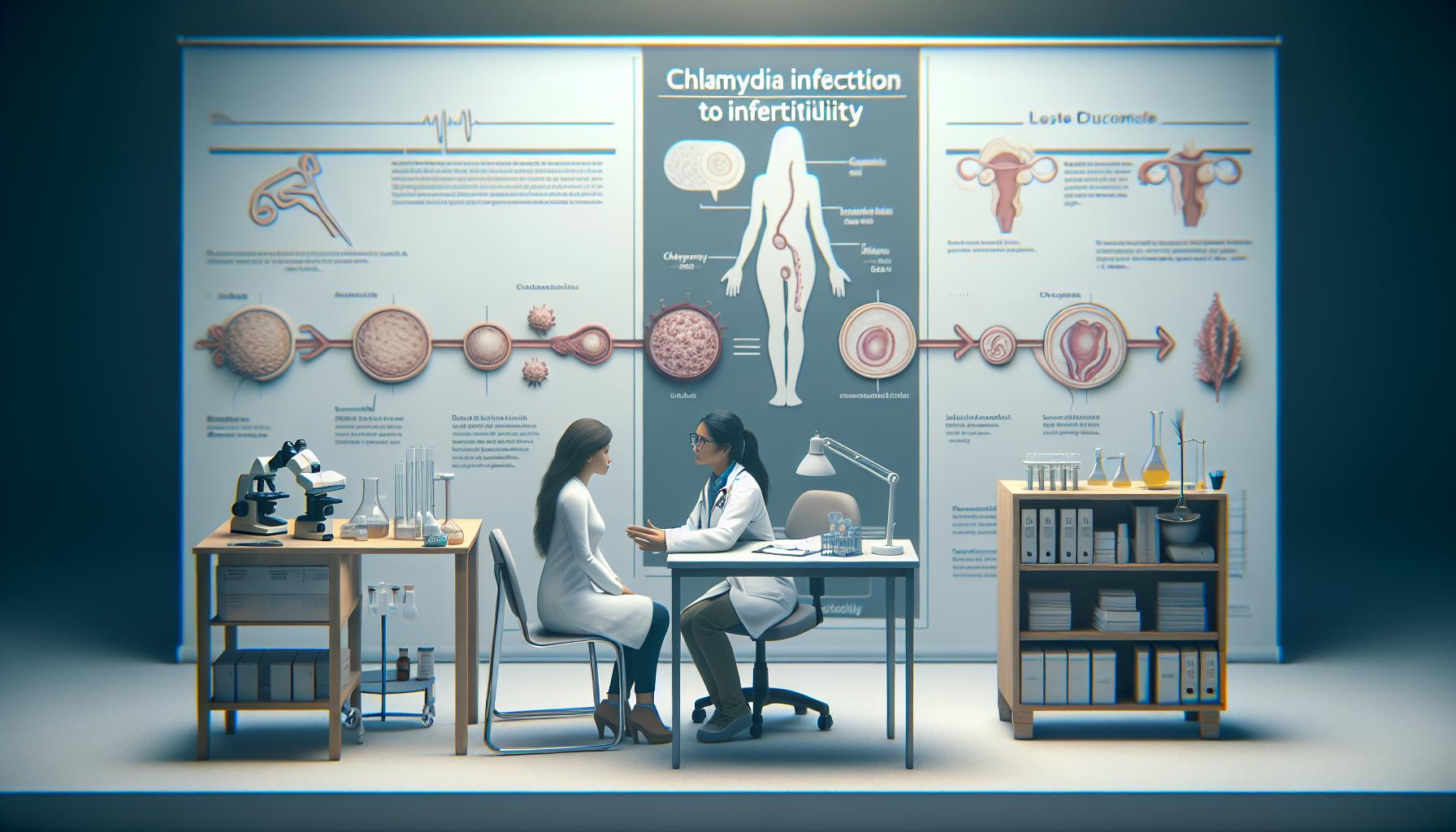
Timeline: From Chlamydia Infection to Infertility
Chlamydia can be a silent adversary in reproductive health, often making its presence felt only when complications arise. Understanding the timeline from infection to potential infertility is crucial, as this knowledge empowers individuals to swiftly seek treatment and mitigate risks. Once a person contracts chlamydia, the period before infertility can be surprisingly brief-many studies suggest that the time frame ranges from a few months to a couple of years, depending significantly on whether the infection is treated.
In women, untreated chlamydia can progress to pelvic inflammatory disease (PID) within a few months. This condition can cause scarring that leads to blocked fallopian tubes, presenting immediate barriers to conception. The risk of such complications increases the longer the infection remains untreated. Similarly, men may experience epididymitis, which can affect sperm production and transport over time. The emotional weight of this reality can be heavy, particularly as the deciding line between treatment and potential infertility can be so thin.
While many individuals may not exhibit symptoms, being proactive about sexual health is vital. Routine screenings and awareness of one’s own body can play a pivotal role in preventing the timeline from extending into the realm of infertility. If you suspect you’ve been exposed to chlamydia, initiating a conversation with a healthcare provider can lead to timely testing and intervention. The sooner you address the infection, the better your chances of preserving future fertility.
Throughout this journey, it’s essential to maintain a level of compassion for oneself-recognizing that uncertainty and fear often accompany discussions of fertility. Take heart; effectively managing chlamydia is possible, and many who seek prompt care find themselves on the path to recovery and family planning.
Signs and Symptoms of Chlamydia-Related Infertility
While chlamydia is often labeled a “silent infection” due to its frequently asymptomatic nature, its potential implications for fertility are anything but subtle. Many individuals with chlamydia may not initially notice any physical symptoms, which can lead to a dangerous delay in seeking treatment. It’s crucial to understand that the absence of symptoms does not equate to the absence of impact; untreated infections can quietly escalate and disrupt reproductive health, increasing the risk of infertility significantly.
In women, the progression from chlamydia to infertility can manifest through complications such as pelvic inflammatory disease (PID), which can occur in a matter of months if the infection remains untreated. PID can lead to serious issues like scarring of the fallopian tubes, which directly impacts a woman’s ability to conceive. Symptoms that may arise include pelvic pain, pain during intercourse, and abnormal bleeding, but these signs might easily be overlooked or mistaken for other issues. Therefore, any pelvic discomfort or unusual symptoms should prompt a conversation with a healthcare provider about the possibility of screening for STIs.
Men, too, can face fertility challenges due to chlamydia, albeit the symptoms may appear differently. Conditions such as epididymitis can develop from untreated infections, causing pain and swelling in the testes, which can ultimately affect sperm quality and transport. Symptoms in men may include testicular pain or swelling, a sensation of heaviness, or unusual discharge; these can often be dismissed or misunderstood, delaying crucial treatment. Recognizing and addressing these signs as potential indicators of an underlying chlamydia infection is vital for preserving reproductive health.
To sum up, awareness of potential symptoms is essential for anyone sexually active. Regular screenings, especially for those with new or multiple partners, are invaluable in ensuring early detection and treatment. The journey toward family planning can be filled with uncertainty, but maintaining open lines of communication with healthcare providers can lead to effective management and recovery, highlighting the importance of taking proactive steps for sexual health.
Diagnosis of Chlamydia: Tests and Procedures Explained
Understanding how chlamydia can impact fertility begins with the crucial step of diagnosis. This sexually transmitted infection (STI) is often asymptomatic, meaning that individuals might not realize they are infected until significant health issues arise, potentially compromising their reproductive health. If you’ve been sexually active, especially with new partners, regular testing is vital.
Diagnosis typically involves a couple of straightforward methods, with testing being quick and usually painless. One of the most common approaches is a urine test, which allows you to provide a sample without the need for invasive procedures. Alternatively, healthcare providers might recommend a swab of the cervix in women or the urethra in men. During this simple procedure, the clinician gently collects a sample from the affected area, which is then sent to a laboratory for analysis.
Importance of Early Diagnosis
Detecting chlamydia early can significantly mitigate risks to reproductive health. Untreated infections can lead to complications such as pelvic inflammatory disease (PID) in women, which can result in severe damage to the reproductive system over time. For men, untreated chlamydia may lead to conditions like epididymitis, affecting fertility. Hence, testing is not just a formality; it’s an essential step in preventing potential infertility and other health complications.
What to Expect During Testing
You may wonder about what happens during the testing process. It usually includes:
- Consultation: A healthcare provider will review your symptoms and sexual history (if any), to assess the need for testing.
- Sample Collection: Depending on the method, you may either provide a urine sample or undergo a swab procedure.
- Results: Test results can often be available within a few days, allowing for prompt treatment if needed.
Facing the diagnosis of chlamydia can be nerve-wracking, and it’s normal to have mixed emotions during this time. Remember, being informed and proactive can empower you on your fertility journey. Early detection and treatment can lead to successful management of the infection and help protect your future reproductive health-a vital aspect to consider in family planning. If you feel uncertain at any stage, seek a compassionate and supportive healthcare professional who can guide you through the process.
Treatment Options for Chlamydia and Their Effectiveness
Chlamydia, a common sexually transmitted infection, is often treatable with antibiotics, but it’s vital to understand the effectiveness of different treatment options and the importance of timely intervention. Early treatment can significantly reduce the risk of infertility, which may develop if the infection is left untreated. Generally, healthcare providers prescribe antibiotics such as azithromycin or doxycycline, which have proven to be highly effective in clearing the infection. When taken as directed, these medications can eliminate chlamydia from the body in about one week in most cases.
Types of Treatment Options
- Antibiotics:
– Azithromycin: Taken as a single dose, it is effective and convenient, making it a popular choice for patients.
– Doxycycline: This requires a longer treatment course, usually taken twice a day for a week, but is also highly effective.
- Follow-Up Testing:
– It’s crucial to follow up with your healthcare provider to ensure the infection is fully resolved. A test of cure may be recommended, especially for pregnant individuals or those who have symptoms persisting after treatment.
While these treatments are effective, it’s essential to address the emotional strain associated with a chlamydia diagnosis. Patients may experience anxiety about fertility or worry about their health. Remember, emotions like grief and fear are valid, and reaching out for support-whether through counseling, support groups, or trusted friends-can provide comfort and understanding.
Impact on Future Fertility
Understanding the timeline from infection to potential fertility issues is critical. If treated promptly, most individuals can expect a full recovery without long-term consequences. However, untreated chlamydia can lead to conditions such as pelvic inflammatory disease (PID) in women, which can result in scarring and blockages in the reproductive tract, affecting fertility. Therefore, prompt treatment not only clears the infection but also protects against complications that could hinder future family planning.
An integral part of treatment is education on prevention, including the use of condoms and regular testing if you’re at higher risk. Engaging in these practices helps prevent reinfection and contributes to better reproductive health.
In summary, addressing chlamydia efficiently through appropriate antibiotic treatment is crucial for maintaining fertility. Early detection and prompt treatment can significantly mitigate risks associated with persistent infections, enabling individuals to focus on their fertility journey with hope and clarity.
Recovery and Future Fertility After Chlamydia Treatment
Navigating recovery after a chlamydia diagnosis can feel daunting, but understanding your body’s healing process is vital for regaining your confidence in future fertility. Once treated with effective antibiotics-typically azithromycin or doxycycline-the majority of individuals can expect their reproductive health to fully return within a few weeks. However, the journey doesn’t stop there; understanding the potential impacts of the infection and the treatment timeline plays an essential role in family planning.
Understanding the Healing Process
After completing treatment, your body begins to heal, but it’s crucial to monitor your health closely. If chlamydia is detected early and treated promptly, the risk of lasting damage is notably reduced. Many individuals return to normal reproductive health, allowing for family planning without long-term concerns. However, untreated chlamydia can lead to complications, such as pelvic inflammatory disease (PID), which can create scarring in the reproductive tract, potentially leading to infertility.
Importance of Follow-Up Care
Engaging in follow-up care is equally important during recovery. A clear communication line with your healthcare provider can alleviate anxiety regarding your reproductive health. Follow-up testing is often recommended to confirm that the bacteria have been fully eradicated, particularly for individuals who may have had symptoms or complications prior to treatment. This reassurance can be a pivotal step in preventing the emotional strain that comes from uncertainty.
Emotional Wellbeing and Future Family Planning
Understanding the emotional weight of a chlamydia diagnosis and its potential effects on future fertility is essential. Anxiety about fertility can be overwhelming. Connecting with support resources, such as counseling or support groups, can help validate your feelings and provide the emotional support needed during this journey. Remember that feeling anxious about the future is normal, and it’s okay to seek help from professionals who specialize in fertility and reproductive health.
It’s important to approach family planning with hope and realistic expectations. Depending on individual circumstances, consulting with a fertility specialist can provide additional insights into your reproductive health and outline any necessary steps if challenges arise. Celebrating small milestones in your recovery can be a source of strength, reminding you of the progress you’ve made on your path toward starting or expanding your family.
Preventing Infertility: Importance of Early Detection
Early detection of chlamydia is crucial not only for effective treatment but also for preserving future fertility. The reality is that many individuals may carry the infection without exhibiting any symptoms, making regular screenings particularly important. According to health guidelines, anyone sexually active, especially those with new or multiple partners, should consider getting tested annually. Identifying chlamydia early can significantly reduce the risks of severe complications like pelvic inflammatory disease (PID), which can lead to scarring and infertility.
Understanding the timeline from infection to potential infertility underscores the importance of proactive health measures. If chlamydia is detected and treated early-often through a course of antibiotics such as azithromycin or doxycycline-the chances of long-lasting impacts on fertility are minimal. On the other hand, untreated infections can progress within a few months to years, creating irreversible damage to reproductive organs. This pathway highlights the necessity of communication with healthcare providers, ensuring awareness of your sexual health, and acting promptly when necessary.
In addition to clinical care, emotional support plays an essential role in the journey toward reproductive health. It is common to feel anxiety or uncertainty after a chlamydia diagnosis. Finding support through counseling or community resources can assist in managing these feelings while fostering a sense of control over your health. Regular follow-up with healthcare providers not only aids in monitoring recovery but also provides reassurance, enabling you to focus on your future family planning.
Ultimately, understanding and recognizing the signs of chlamydia, alongside regular screening, can serve as a robust defense against infertility. Empowering oneself with knowledge and seeking timely medical care underscores a commitment to both physical and emotional well-being on the path to parenthood. Remember, every step you take towards awareness and treatment is a step toward safeguarding your future reproductive health.
Emotional Impact of Chlamydia on Reproductive Health
Facing a diagnosis of chlamydia can be a daunting experience, casting a shadow over one’s emotional well-being, especially when considering its potential impact on reproductive health. Many individuals grapple with feelings of shame, anxiety, and uncertainty about the future. Recognizing that these emotions are valid is the first step in managing the psychological toll of such a situation. It’s crucial to convey that seeking help and talking about these feelings is a sign of strength, not weakness.
The potential link between chlamydia and infertility can amplify feelings of hopelessness for many. Patients may experience grief over perceived loss of control over their reproductive futures. Open and honest communication with healthcare providers about the implications of chlamydia can help reduce uncertainty. Attending support groups, whether in-person or online, provides a communal space to share experiences and coping strategies. This connection can alleviate feelings of isolation, enabling individuals to process their emotions alongside others who understand the journey.
Additionally, embarking on options such as IVF (in vitro fertilization) or discussing alternative family-building methods like adoption can give hope and empower individuals on their paths to parenthood. However, it’s essential to approach these discussions with realistic expectations regarding costs, success rates, and emotional resilience alongside medical insights. Here are some important considerations to keep in mind:
- Therapeutic Support: Seeking therapy can help individuals navigate the emotional landscape of dealing with chlamydia and its implications.
- Emotional Validation: Recognizing that it’s normal to feel a range of emotions, from sadness to anger, can foster healing.
- Engaging with Community: Finding community support through forums or groups can offer reassurance and shared understanding.
- Education: Learning about the medical aspects of chlamydia, infertility, and potential treatment options can empower patients in their journey.
Ultimately, while the emotional journey surrounding a chlamydia diagnosis and its potential repercussions on fertility is fraught with challenges, there is also a path forward filled with hope and support. Taking proactive steps, such as seeking information, developing a care plan, and connecting with supportive communities, can lead to a more positive outlook on reproductive health and the journey toward family planning.
Myths and Facts About Chlamydia and Fertility
Chlamydia, a prevalent sexually transmitted infection, is often shrouded in myths, especially regarding its impact on fertility. Many people believe that an infection will immediately compromise their reproductive potential, which creates unnecessary anxiety. In reality, while untreated chlamydia can lead to significant reproductive health issues, such as infertility, the timeline for such effects varies considerably from person to person. Prompt treatment with antibiotics can effectively eliminate the infection, often before it has the chance to cause long-term damage.
One common misconception is that chlamydia always leads to infertility. This is not necessarily true. Although untreated chlamydia can cause pelvic inflammatory disease (PID), which can lead to scarring and damage to the reproductive organs, many individuals with chlamydia do not experience any lasting effects on their fertility if treated adequately and in a timely manner. Regular testing and early intervention are crucial in mitigating potential complications.
Another myth is the belief that once diagnosed, there is little hope for restoring fertility. In fact, advancements in reproductive medicine have provided various pathways for individuals affected by fertility issues, including assisted reproductive technologies like in vitro fertilization (IVF). Additionally, the emotional and psychological aspects of dealing with possible infertility should not be underestimated. Seeking support through counseling or support groups can help individuals navigate their feelings and foster a sense of hope.
Investing time in understanding the facts about chlamydia and its implications on fertility is transformative. Here are some clarifying points:
- Treatment is effective: Antibiotics can cure chlamydia, preventing severe complications that affect fertility.
- Not all cases lead to infertility: With timely treatment, many individuals maintain their fertility despite a chlamydia diagnosis.
- Emotional support matters: Engaging in therapy or support groups can aid in processing feelings associated with infertility and reproductive health concerns.
- Open communication is key: Discussing concerns with healthcare providers can clarify misconceptions and provide reassurance.
By debunking these myths, individuals can empower themselves with knowledge, reducing fear and fostering better reproductive health outcomes. It’s essential to view this as part of a broader journey toward understanding and managing one’s reproductive health effectively.
Support Resources for Those Affected by Infertility
For individuals grappling with the emotional toll of infertility linked to chlamydia, accessing the right support resources can be a transformative step. These resources not only provide valuable information but also foster community and understanding, crucial for navigating this challenging journey. Connecting with others who share similar experiences can mitigate feelings of isolation and offer new perspectives on family building.
Local and online support groups can be invaluable. These groups often provide a safe space to share feelings and experiences, whether it’s through in-person meetings or virtual sessions. Many organizations, such as Resolve: The National Infertility Association, offer community gatherings, forums, and educational resources that validate individual experiences and promote healing through shared stories. Whether discussing the challenges of treatment or exploring options like IVF or adoption, these platforms enable open dialogues that can reduce anxiety about the future.
Professional counseling is another essential resource. Infertility can evoke complex emotions, from grief to frustration, and an experienced therapist can help individuals process these feelings without judgment. Look for counselors specializing in reproductive health who understand the nuances of the infertility journey. Support can also be facilitated through fertility clinics, which often have mental health professionals available to assist patients in coping with the emotional aspects of treatment.
Finally, educating oneself about chlamydia and its implications on fertility can empower individuals to take control of their reproductive health. Reliable online resources, such as those provided by Planned Parenthood and the Cleveland Clinic, offer trustworthy information on treatment options and preventive care. Understanding what’s ahead can alleviate uncertainties and foster a proactive approach to health and wellness. Recognizing that support is available, whether through community, counseling, or education, helps create a sense of hope and resilience for those affected by infertility.
Navigating Family Planning After Chlamydia Diagnosis
Navigating family planning after a diagnosis of chlamydia can feel overwhelming, but understanding your options is crucial for making informed decisions. Chlamydia can lead to complications that may affect fertility, so it’s essential to prioritize health and seek out effective strategies for family planning. Many individuals find themselves grappling not only with the medical implications but also with emotional concerns about their future.
To start, communicating openly with a healthcare provider is vital. They can provide personalized guidance based on your health status, test results, and fertility goals. It’s also beneficial to educate yourself about the potential effects of chlamydia on reproductive health, such as the risk of pelvic inflammatory disease (PID), which can lead to infertility if not treated promptly. Understanding how long it might take for chlamydia to potentially lead to infertility can empower you to take proactive measures. Early treatment is key; antibiotics can effectively clear the infection and significantly reduce the risk of long-term fertility issues.
Once treatment is underway, many individuals consider their family-building options. If natural conception seems compromised, assisted reproductive technologies (ART) such as IVF (in vitro fertilization) may be explored. Keep in mind the costs associated with these treatments, as they can vary significantly depending on your location and the specific services required. Many clinics offer financing options or payment plans, which can make these pathways more accessible.
Additionally, it’s crucial to manage the emotional journey. Infertility can evoke feelings of grief, frustration, and uncertainty, which are entirely valid. Connecting with counseling services, either through fertility clinics or individual therapists who specialize in reproductive health, can provide invaluable support. Participating in support groups can also foster a sense of community, allowing you to share experiences and learn from others in similar situations.
Ultimately, planning for the future after a chlamydia diagnosis requires a combination of medical insight and emotional support. It’s about balancing hope with realism; celebrating small milestones along the way can foster resilience. Remember, there’s no one right path to family, and being open to different possibilities can lead to fulfilling outcomes.
Q&A
Q: How quickly can Chlamydia affect fertility?
A: Chlamydia can lead to fertility issues within weeks to months if left untreated. The bacteria can cause inflammation and damage to reproductive organs, increasing the risk of infertility. Early detection and treatment with antibiotics are crucial for preventing complications. For more information on treatment effectiveness, see the section on treatment options.
Q: What are the long-term effects of untreated Chlamydia on fertility?
A: Untreated Chlamydia can cause severe long-term effects, including pelvic inflammatory disease (PID), which can result in scarring of the fallopian tubes and lead to infertility. Addressing infections promptly is vital to mitigate these risks.
Q: Can Chlamydia cause infertility in both men and women?
A: Yes, Chlamydia can cause infertility in both genders. In women, it can lead to PID, while in men, it may cause epididymitis, which can affect sperm health. Early treatment is essential for both men and women to preserve fertility.
Q: Are there symptoms of infertility caused by Chlamydia?
A: Symptoms of infertility from Chlamydia may not be obvious initially. However, signs like pelvic pain, irregular periods, or painful intercourse may indicate complications affecting fertility. Regular check-ups can help detect issues early on.
Q: How can I prevent infertility from Chlamydia?
A: The best prevention is regular STI screenings and practicing safe sex by using condoms. Early detection and treatment of Chlamydia are crucial in preventing damage to reproductive organs and maintaining fertility.
Q: Is infertility from Chlamydia reversible?
A: Infertility caused by Chlamydia can be reversible, especially if treated in early stages. Antibiotics can clear the infection, and many individuals may regain fertility. For potential impacts and further details, check the recovery options section in the article.
Q: What should I do if I think I have Chlamydia?
A: If you suspect you have Chlamydia, seek medical attention for testing and treatment. Early intervention is key to preventing complications and safeguarding your reproductive health.
Q: Why is it important to get tested for Chlamydia regularly?
A: Regular testing is crucial because many people with Chlamydia may not exhibit any symptoms yet can still suffer from infertility if the infection is left untreated. Early detection allows for timely treatment, significantly reducing the risk of complications.
Concluding Remarks
In conclusion, understanding the timeline of infertility related to chlamydia is crucial for your reproductive health. Early detection and treatment can prevent long-term complications. If you have concerns about chlamydia or fertility issues, don’t hesitate to reach out for a consultation. Remember, it’s essential to stay informed, and our resources on chlamydia treatment options and infertility causes can provide additional support.
Take action today-consider getting tested and reading more about your options. Your health is important, and navigating this can feel overwhelming, but you’re not alone. Join our newsletter for updates and tips that empower your journey, and feel free to leave a comment or share your experiences below. Let’s work together toward a hopeful future!
Get our latest guides, news, and insights highlighted in your Google Search & AI Overviews.