For many aspiring parents, the journey to conception is filled with hopes and dreams, but it can also be shadowed by frustration and uncertainty. Did you know that celiac disease, an autoimmune condition triggered by gluten, may significantly impact fertility? Research suggests that untreated celiac disease can lead to complications affecting reproductive health, potentially causing infertility. Understanding the relationship between gluten intolerance and conception could be crucial for those navigating the complexities of family planning. In this article, we will explore how celiac disease affects fertility, the importance of a gluten-free diet, and steps you can take to support your reproductive health. Join us as we unpack these insights and aim for clarity on this important subject, respecting the emotional weight of your fertility journey.
Understanding Celiac Disease and Infertility Connection
Celiac disease is more than just an intolerance to gluten; it’s an autoimmune condition that can significantly impact various aspects of health, including fertility. Studies have shown that women suffering from celiac disease might face challenges in conceiving, which can often be attributed to the inflammation and damage caused by gluten in the intestines. This immune response can disrupt the hormonal balance necessary for ovulation and pregnancy, leading to a variety of reproductive issues.
The connection between celiac disease and infertility often stems from both physiological and nutritional factors. For instance, individuals with celiac disease frequently experience malabsorption of essential nutrients, such as folic acid, iron, and other vitamins crucial for reproductive health. Deficiencies in these nutrients can directly impact ovulation and the overall health of any potential pregnancy. Furthermore, the emotional toll of fertility struggles can be compounded for those with celiac disease, amplifying feelings of frustration and hopelessness. This highlights the importance of a holistic approach to treatment, addressing both medical and emotional challenges.
It’s crucial for women with celiac disease who are trying to conceive to work closely with healthcare providers. Ensuring a strict gluten-free diet can not only mitigate symptoms but also improve overall fertility. By managing celiac disease effectively, many women have been able to conceive successfully, highlighting the critical nature of diagnosis and treatment in their reproductive journeys. Understanding this connection empowers individuals to take proactive steps in both their digestive and reproductive health, paving the way for potential success in family-building efforts.
How Gluten Intolerance Affects Reproductive Health
Celiac disease isn’t just an inconvenience; it’s a significant autoimmune condition that can have profound implications for reproductive health. Women with celiac disease often encounter obstacles when trying to conceive, with gluten intolerance impacting both physiological and emotional aspects of their fertility journey. The inflammation caused by gluten can disrupt the delicate hormonal balance necessary for healthy ovulation and conception. For many women, understanding how celiac disease and gluten sensitivity intertwine with reproductive health can be crucial in navigating their family-building path.
Individuals with gluten intolerance often experience malabsorption of vital nutrients like folic acid and iron, which are essential for reproductive health. These deficiencies can contribute to complications such as delayed ovulation, irregular menstrual cycles, and even higher risks of miscarriage. As a result, a gluten-free diet not only alleviates gastrointestinal symptoms but also plays a critical role in restoring nutrient absorption and improving overall fertility. Incorporating foods rich in essential vitamins and minerals into one’s diet can enhance the chances of conception significantly.
Moreover, the psychological and emotional burden of struggling with infertility while managing a chronic condition like celiac disease can be heavy. Anxiety and frustration are common feelings-acknowledging these emotions is vital. Building a support system that includes healthcare providers, nutritionists, and support groups can provide encouragement and practical advice tailored to women’s unique situations. Celebrating small victories along the way, such as improvements in health or menstrual regularity, can help maintain hope throughout the journey. Ultimately, understanding the interplay between gluten intolerance and reproductive health empowers women to take proactive steps, fortifying both their physical and emotional resilience on the path to conception.
The Role of Nutritional Deficiencies in Fertility
Nutritional deficiencies play a critical role in fertility, especially for those with celiac disease. When gluten triggers an autoimmune response in the body, it can lead to significant malabsorption of essential nutrients, underscoring the importance of evaluating one’s nutritional intake when facing challenges with conception. For women with celiac disease, deficiencies in key vitamins and minerals are common, particularly folate, iron, zinc, and vitamins A, D, E, and K. These nutrients are vital not only for overall health but also for reproductive functions such as ovulation and implantation.
Impact of Nutritional Deficiencies on Reproductive Health
The absence of these nutrients can contribute to a cascade of reproductive issues, including irregular menstrual cycles, delayed ovulation, and in severe cases, increased risk of miscarriage. For instance, folic acid is crucial for DNA synthesis and repairing cellular damage, both of which are essential during early pregnancy. Iron is vital for oxygen transport and energy production, and its deficiency can lead to fatigue, reducing a woman’s ability to cope with other stresses linked to fertility challenges. Furthermore, deficiencies in zinc and vitamins can disrupt hormonal balance, negatively impacting ovulation and menstrual regularity.
To proactively address these deficiencies, a woman with celiac disease should consider working closely with a healthcare provider or a nutritionist who specializes in reproductive health. Implementing a nutrient-rich gluten-free diet can significantly improve dietary intake. Here are some foods to consider:
- Leafy greens: Spinach and kale for iron and folate.
- Legumes: Lentils and chickpeas are great sources of both iron and fiber.
- Nuts and seeds: Almonds, pumpkin seeds, and sunflower seeds for zinc and healthy fats.
- Fortified gluten-free grains: Such as quinoa for a good source of protein and iron.
- Fish: Such as salmon for omega-3 fatty acids and vitamin D.
As women navigate this journey, it’s essential to acknowledge the emotional weight that accompanies both the experience of infertility and managing celiac disease. Encouragement and support can come from celebrating even small milestones, like sticking to dietary changes or successfully managing symptoms through a gluten-free diet. By focusing on nutrition and actively addressing dietary deficiencies, individuals with celiac disease can cultivate a foundation that not only supports their health but enhances their overall chances of conception.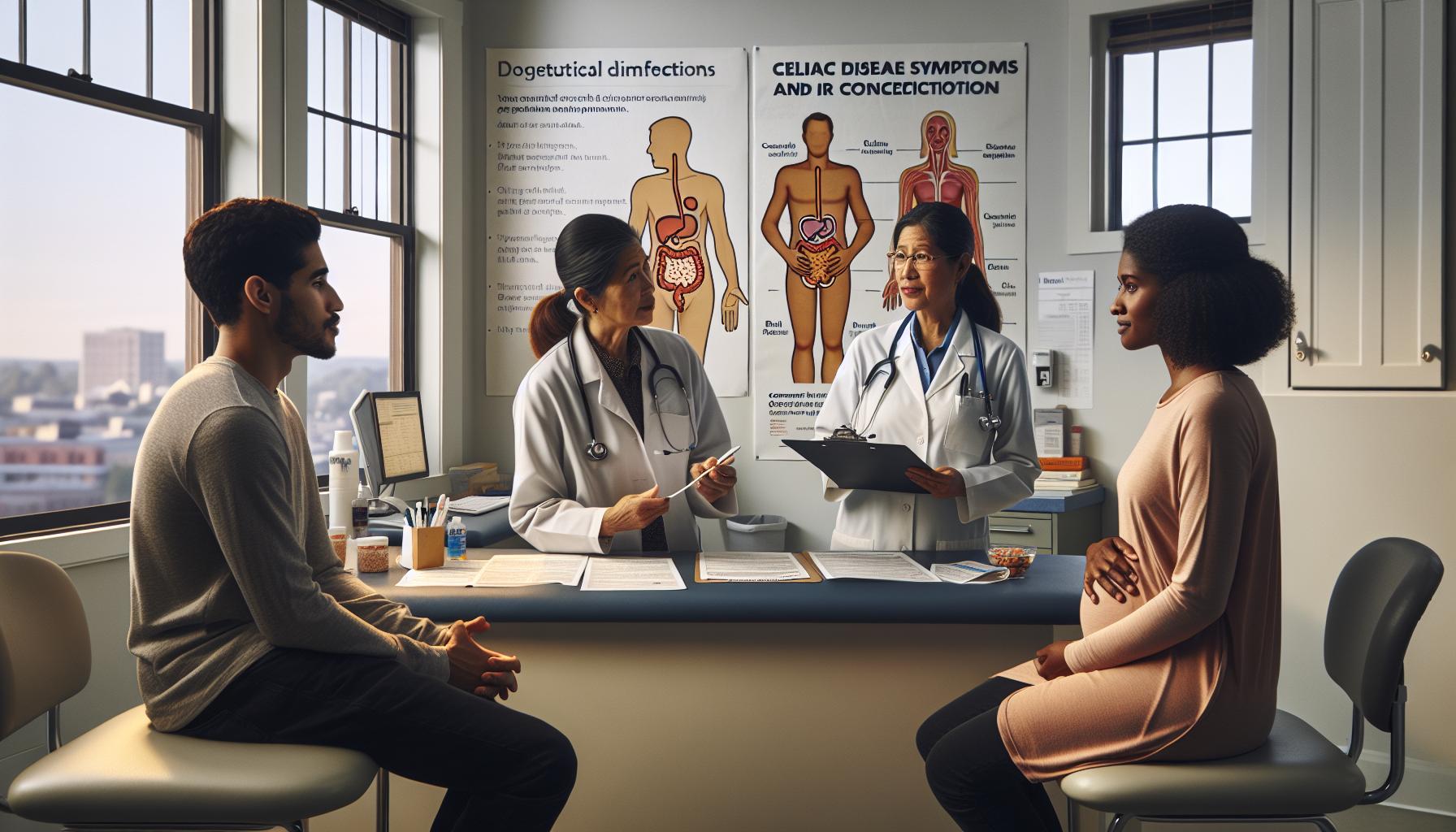
Celiac Disease Symptoms: Impact on Conception
Celiac disease can significantly affect a woman’s ability to conceive, often masking its symptoms as general reproductive health issues. Many women with this autoimmune disorder remain unaware of its implications on their reproductive functions. Indeed, research has shown that celiac disease can lead to menstrual irregularities, hormonal imbalances, and even fertility challenges. The inflammatory response triggered by gluten exposure can disrupt the normal functioning of the ovaries, leading to anovulation and irregular cycles, which are critical factors for conception.
One of the less obvious symptoms of celiac disease, such as fatigue, bloating, and digestive discomfort, may distract from its more severe reproductive repercussions. These can create a cycle of stress and uncertainty for women trying to conceive. Conditions like amenorrhea or oligomenorrhea can result from both the physical effects of celiac disease and the psychological strain of dealing with infertility, leading to a complex interplay that can hinder fertility. Understanding these symptoms is vital for women on their journey to conception, allowing them to seek appropriate testing and support.
To navigate these challenges proactively, women with celiac disease should consider maintaining a strict gluten-free diet. This dietary change has been shown to facilitate improvements in hormonal balance and restore regular menstrual cycles, enhancing the possibility of pregnancy. Collaborating with healthcare providers for monitoring and managing celiac disease symptoms can also play a critical role in this journey. Regular follow-ups ensure that women are not only adhering to dietary adjustments but also receiving support for any associated emotional challenges during their fertility journey.
In addition to dietary management, emotional support is indispensable. The weight of fertility struggles can lead to feelings of grief, hope, and uncertainty. Embracing small milestones, such as sticking to dietary commitments or experiencing symptom relief, can help in bolstering morale and fostering resilience. Remember, the journey towards conception, particularly for those managing celiac disease, requires patience, understanding, and often, external support systems to navigate both the physical and emotional terrains of fertility.
Diagnosis of Celiac Disease in Women Seeking Pregnancy
The path to understanding celiac disease can be pivotal for women seeking to conceive, especially since this autoimmune disorder can significantly impact reproductive health. For many, the journey begins with recognizing the need for diagnosis, which can often feel daunting. Women experiencing difficulties with conception or irregular menstrual cycles may unwittingly overlook symptoms of celiac disease, interpreting them instead as common reproductive challenges. Understanding the diagnostic process is crucial in not only navigating fertility but also in empowering women to take charge of their health.
- Signs and Symptoms: Celiac disease manifests through a variety of symptoms such as bloating, fatigue, and gastrointestinal discomfort, which may not initially be linked to infertility. Women should be vigilant about any persistent symptoms, particularly if they coincide with difficulties in conceiving. Other manifestations specific to reproductive health, like irregular menstruation or amenorrhea, can signal underlying celiac disease.
- Testing for Celiac Disease: The diagnostic process usually begins with a blood test to measure specific antibodies related to gluten sensitivity (tTG-IgA is the most common). If the results indicate a possible diagnosis, a biopsy of the small intestine may be performed to confirm damage to the villi, which is crucial for absorbing nutrients. It’s essential for women not to eliminate gluten from their diets prior to testing, as this can alter test results.
- Consultation with Specialists: For those seeking to conceive, partnering with healthcare professionals who understand both fertility and celiac disease is vital. Reproductive endocrinologists are often experienced in managing cases where autoimmune disorders like celiac are at play. They can provide the necessary tests and tailor a plan that encompasses both reproductive health and any needed lifestyle adjustments.
- Psychological Considerations: The emotional toll of navigating a fertility journey amidst a health diagnosis cannot be overstated. Feelings of grief, frustration, and anxiety can arise, especially when balancing the complexities of celiac disease symptoms with the desire to conceive. Seeking support from counselors knowledgeable about infertility and chronic health conditions can provide valuable emotional grounding.
By focusing on the right diagnostics and empowering women with knowledge, there’s a real opportunity to enhance the likelihood of conception while managing the challenges of celiac disease. Acknowledging the holistic nature of health-where physical, emotional, and nutritional aspects intertwine-is essential in this journey, providing a clearer pathway towards fulfilling family-building goals.
The Link Between Celiac Disease and Hormonal Imbalance
Many women navigating the complexities of fertility face significant challenges due to hormonal imbalances, which can be exacerbated by celiac disease. This autoimmune condition can hinder the body’s ability to absorb vital nutrients-nutrients that play a crucial role in hormone production and regulation. When the small intestine is damaged due to gluten consumption, the resulting malabsorption can lead to deficiencies in essential vitamins and minerals, including vitamin D, iron, and B vitamins, all of which are key players in maintaining hormonal balance.
The impact of these deficiencies can be profound. Hormones like estrogen and progesterone depend on adequate nutrition for their synthesis and regulation. For women with celiac disease, this disruption can manifest as irregular menstrual cycles, which not only complicates efforts to conceive but also affects overall reproductive health. Women may notice changes in their cycles or experience symptoms such as amenorrhea (the absence of menstruation), which can be misattributed solely to stress or other lifestyle factors. Recognizing that celiac disease could be a contributing factor is crucial for holistic treatment.
Taking proactive steps to manage celiac disease is vital for those pursuing a family. Adhering to a strict gluten-free diet not only alleviates gastrointestinal symptoms but also allows the intestinal lining to heal, improving nutrient absorption over time. Regular consultations with healthcare professionals who specialize in both fertility and celiac disease can guide women in making dietary choices that support hormonal health. In addition to gluten avoidance, incorporating a well-balanced diet rich in whole foods, and possibly working with a nutritionist, may help replenish any deficiencies that might have developed.
Ultimately, addressing celiac disease and its effects on hormone levels is an essential aspect of enhancing fertility. A collaborative approach involving knowledgeable healthcare specialists can empower women to navigate their reproductive journeys more effectively, fostering both physical health and emotional well-being along the way. Understanding the interconnectedness of these health concerns is a step toward achieving the dream of conception, and avoiding feelings of isolation during this challenging path can make all the difference.
Managing Celiac Disease for Optimal Fertility
Navigating the journey toward conception can be daunting, especially for women with celiac disease. The intricate relationship between gluten intolerance and fertility emphasizes the necessity for effective management strategies to optimize reproductive health. One of the most impactful steps is adhering to a strict gluten-free diet. This fundamental change not only alleviates gastrointestinal distress but also plays a vital role in healing the intestinal lining, enhancing nutrient absorption, and consequently supporting hormonal balance.
It’s crucial to recognize that managing celiac disease involves more than just dietary modifications. Regular consultations with healthcare providers who specialize in both reproductive health and celiac disease can offer tailored guidance. Support from nutritionists may be particularly beneficial, as they can help create a balanced meal plan rich in essential vitamins and minerals. Some key nutrients to focus on include:
- Vitamin D: Supports hormone production and immune function.
- Iron: Vital for preventing anemia, which can affect energy levels and overall health.
- B Vitamins: Important for energy metabolism and can improve menstrual regularity.
Furthermore, women with celiac disease should be encouraged to practice proactive health monitoring. Keeping a symptom diary can help track dietary triggers and hormonal changes, facilitating meaningful conversations with healthcare professionals. Additionally, embracing stress-reducing practices, such as yoga or meditation, can positively influence hormonal health and overall well-being.
As you traverse the complexities of fertility, celebrate the small milestones along the way. Each step taken towards managing celiac disease is a stride closer to your reproductive goals. Remember, your journey is unique, and it’s important to approach each day with a blend of hope and realism, supported by knowledgeable experts who understand your path. Ultimately, connecting with community support groups can also provide valuable connections and shared experiences, further easing feelings of isolation during this challenging journey.
Dietary Changes That Can Improve Fertility Chances
Making the right dietary choices can significantly enhance fertility, especially for women navigating the complexities of celiac disease. Starting a gluten-free diet is not merely about eliminating wheat, barley, and rye; it involves making thoughtful replacements that nourish the body and support reproductive health. A well-balanced diet rich in whole, nutrient-dense foods can improve overall health and help rebuild vital nutrients often depleted in individuals with celiac disease.
Focus on incorporating a variety of whole foods into your daily meals. Emphasizing fruits and vegetables can provide essential antioxidants and fiber, which promote a healthy gut and balanced hormones. Foods like berries, leafy greens, sweet potatoes, and avocados not only offer vitamins but also help combat oxidative stress, a key factor in fertility struggles. Combine these with lean proteins such as chicken, fish, and legumes, which supply important amino acids that support hormone production.
Fat is another critical component of a fertility-enhancing diet. Opt for healthy fats found in olive oil, nuts, and seeds, as these can improve insulin sensitivity and reduce inflammation. Consider integrating omega-3 fatty acids, pivotal for hormonal balance, into your meals. Fatty fish like salmon or plant-based sources such as flaxseeds and walnuts can be beneficial.
Lastly, pay careful attention to hydration. Drinking ample water daily is essential for maintaining optimal bodily functions, including hormonal balance and nutrient transport. Avoiding sugary drinks and excessive caffeine can further support your reproductive health.
The journey toward conception can come with an emotional weight, and dietary changes, although significant, can help pave the way for a healthier future. Each meal is an opportunity to nourish your body; celebrate the progress you make as you align your diet with your fertility goals!
Fertility Treatments: Considerations for Women with Celiac
Navigating fertility treatments while managing celiac disease presents unique challenges and important considerations. For women with celiac, it’s essential to work closely with healthcare providers who understand both the dietary and reproductive health aspects of their situation. Studies suggest that being on a strict gluten-free diet can improve fertility outcomes, but the journey towards conception can still be complex and emotional.
One of the primary options in fertility treatments is in vitro fertilization (IVF). For women with celiac, it is vital to ensure that all medications and procedures are gluten-free. Some medications used in IVF may contain gluten as a filler or stabilizer, so discussing this with a fertility specialist is important. Additionally, monitoring any potential nutrient deficiencies is crucial, as deficiencies in folate, iron, and other essential vitamins and minerals can affect both fertility and pregnancy health. A nutrient-rich diet tailored to support hormone balance can enhance the effectiveness of IVF and other treatments.
Artificial insemination (IUI) is another option that women with celiac may consider. Similar to IVF, it requires proper management of dietary restrictions and supplementation to ensure that nutrient absorption is optimal. An integrative approach, combining celiac management with fertility strategies, can make this process smoother. Many women find it beneficial to establish a support network that includes nutritional counseling, mental health resources, and community support, helping to alleviate the emotional stress that often accompanies fertility treatments.
Understanding the costs involved in different treatments can also help in making informed decisions. IVF can range significantly in price, often from $12,000 to $15,000 per cycle, while IUI is generally more affordable, averaging about $500 to $4,000 per cycle. Insurance coverage varies widely, so checking with the insurance provider about what is covered for celiac-related treatments is essential. Prioritizing mental health during this period is also invaluable; counseling or support groups related to infertility and celiac can provide comfort and connection.
As you embark on this journey, remember to honor each step you take and celebrate small victories along the way. Managing celiac while pursuing fertility treatments is indeed challenging, but with the right approach and support, hope and success are very much within reach.
Success Stories: Conception After Celiac Diagnosis
For many women diagnosed with celiac disease, the journey to motherhood may feel daunting, but numerous success stories illustrate the remarkable possibilities that arise after embracing a gluten-free lifestyle. Women who have struggled with fertility often find renewed hope once they adopt a strict gluten-free diet. By eliminating gluten, they not only alleviate the symptoms associated with celiac disease but also create a healthier internal environment that supports reproductive health.
Case Study: A New Beginning
Consider the story of Sarah, who faced years of unexplained infertility. After her diagnosis, she committed to a gluten-free diet and worked closely with a nutritionist to ensure she was obtaining all the necessary nutrients like folate and iron, critical for conception. Within six months, Sarah was able to conceive naturally, experiencing an emotionally uplifting journey towards motherhood that she once thought was out of reach.
- Dietary Adjustments: Women like Sarah have reported that focusing on whole, naturally gluten-free foods not only helps with nutrient absorption but also revitalizes their overall wellness, enhancing their fertility.
- Support Networks: Engaging with online communities or local support groups often provides emotional encouragement and practical tips, as shared experiences can mitigate feelings of isolation.
Success stories abound, from those who conceived through natural means to women who utilized assisted reproductive technologies like IVF. These treatments can be particularly effective if managed with care-fertility specialists are increasingly aware of the importance of gluten-free protocols in patient care. With personalized strategies in place, patients can navigate the intricacies of fertility treatments while prioritizing their health.
It is essential to recognize the emotional landscape of this journey. The initial challenges can be overwhelming, leading to feelings of grief or frustration. However, as Sarah and many others have demonstrated, a successful conception can emerge from commitment and resilience. Whether it is through dietary adjustments or exploring fertility treatments like IVF or insemination, each step taken is a victory worth celebrating.
As you navigate your path, remember that the journey is uniquely yours, filled with its own milestones and emotional nuances. Many have walked a similar path and found joy on the other side, proving that with the right support and determination, conception after a celiac diagnosis is entirely achievable.
Mental Health Aspects of Celiac and Infertility
Navigating the emotional landscape of infertility can be particularly challenging for women with celiac disease. The stress of managing a chronic illness while yearning for pregnancy often intertwines with feelings of grief, uncertainty, and the weight of societal expectations. Research indicates that the struggle to conceive can exacerbate anxiety and depression, potentially creating a vicious cycle where emotional distress further complicates health management. This is why addressing mental health is crucial for women dealing with both celiac disease and infertility.
Many women find that sharing their experiences within support groups can greatly alleviate feelings of isolation and hopelessness. Engaging with others who understand the unique intersection of celiac disease and infertility can provide not only emotional support but also practical strategies for coping and managing treatments. Here are some strategies that can help:
- Professional Support: Seeking a therapist or a counselor who specializes in fertility issues and chronic illness can be essential. They can help women process their emotions and develop coping strategies.
- Mindfulness Practices: Techniques such as meditation, yoga, and deep breathing exercises can significantly reduce stress levels. These practices encourage women to focus on the present moment, which can help ease anxiety about the future.
- Open Communication: Sharing feelings with partners or loved ones can lead to understanding and support. Talking openly about fears and hopes can reinforce bonds and mitigate feelings of loneliness.
Moreover, it’s vital to remember that the journey towards motherhood looks different for everyone, and that alternative family-building paths such as IVF, adoption, or fostering can be valid and fulfilling options. Each of these paths may come with its own emotional hurdles, but celebrating the small victories along the way-be it understanding the dietary adjustments needed for celiac management or achieving emotional milestones in therapy-can provide motivation and hope.
Acknowledging the complexity of this experience is key. Balancing the demands of managing celiac disease with the emotional toll of infertility is no small feat, and women should be gentle with themselves while navigating these challenges. Finding strength through community, professional support, and mindfulness can pave the way for healing and resilience in the face of these intertwined journeys. Remember, you are not alone-many women have traveled this difficult path and have eventually found joy on the other side.
Exploring Support Resources for Celiac and Reproductive Health
Access to reliable support resources is essential for women navigating the complexities of celiac disease and reproductive health. Finding the right community can provide not only emotional solace but also practical guidance specific to the unique challenges faced when trying to conceive. Women may encounter feelings of isolation, but support networks can foster a sense of belonging and understanding. Organizations like the Celiac Disease Foundation offer resources tailored to individuals with celiac disease, including information on nutrition and health management, which is crucial for maintaining overall wellness while pursuing pregnancy.
Engaging with a therapist specializing in reproductive health and chronic illness can be profoundly beneficial. These professionals help navigate the emotional landscape of infertility and chronic conditions, offering coping strategies tailored to personal struggles. Additionally, support groups, both online and in-person, allow for sharing experiences and advice on managing celiac symptoms while trying to conceive. This exchange often equips women with actionable tips and insights from those who have faced similar hurdles, reinforcing the notion that they are not alone in their journey.
Utilizing educational workshops or online webinars can enhance understanding of how celiac disease interacts with fertility. Knowledge is empowering, and workshops that focus on gluten-free nutrition, hormonal health, and fertility management can provide invaluable tools. Furthermore, discussing dietary adjustments with a registered dietitian experienced in celiac disease ensures that women not only follow a strict gluten-free diet but also meet their nutritional needs for optimal reproductive health.
For those considering fertility treatments, consulting with reproductive endocrinologists who are well-versed in celiac disease can help tailor approaches that respect dietary restrictions and health considerations. Exploring all options, including IVF or IUI, in a supportive environment helps to create an informed path forward, balancing hope and realism. Always remember, prioritizing self-care and emotional well-being throughout this journey will assist in managing the stresses of infertility and celiac disease.
Frequently Asked Questions
Q: Can celiac disease lead to infertility?
A: Yes, celiac disease can lead to infertility due to the damage it causes to the small intestine, affecting nutrient absorption essential for reproductive health. Nutritional deficiencies resulting from this condition can impact hormonal balance and ovulation, complicating conception.
Q: How does gluten intolerance affect fertility?
A: Gluten intolerance, or non-celiac gluten sensitivity, may negatively impact fertility by causing inflammation and hormonal disruptions. While more research is needed, some studies suggest that managing gluten intake can improve reproductive health, benefiting those trying to conceive.
Q: What nutritional deficiencies are associated with celiac disease and fertility?
A: Common nutritional deficiencies in individuals with celiac disease include iron, folate, and vitamin D, all crucial for reproductive health. These deficiencies can impair ovulation and fertilization, emphasizing the need for proper dietary management to enhance fertility.
Q: Can a gluten-free diet improve fertility in women with celiac disease?
A: Yes, adopting a strict gluten-free diet can significantly improve fertility in women with celiac disease. This diet helps heal the intestinal lining, improves nutrient absorption, and restores hormonal balance, enhancing the chances of conception.
Q: Are there specific tests for celiac disease when experiencing infertility?
A: Yes, specific tests for celiac disease include serological tests for anti-tissue transglutaminase antibodies and a biopsy of the small intestine. It is essential for women experiencing infertility to discuss these tests with their healthcare provider if celiac disease is suspected.
Q: Does celiac disease affect pregnancy outcomes?
A: Research indicates that untreated celiac disease during pregnancy can lead to complications such as low birth weight and preterm birth. Managing celiac disease through a gluten-free diet is crucial for improving pregnancy outcomes and the health of both mother and baby.
Q: What role does stress play in celiac disease and infertility?
A: Stress can worsen the symptoms of celiac disease and negatively impact fertility. High levels of stress may exacerbate inflammation and hormonal imbalance, making it essential to manage stress through wellness practices to support reproductive health.
Q: Can infertility treatments be successful for women with celiac disease?
A: Yes, infertility treatments can be successful for women with celiac disease, particularly when dietary management is implemented. Treatments like IVF may yield better outcomes if the woman adheres to a strict gluten-free diet, enhancing overall reproductive health.
Insights and Conclusions
The journey to parenthood can be complex, especially when navigating the potential impacts of celiac disease on fertility. Understanding how gluten intolerance can affect conception is crucial. We hope this exploration has empowered you to take charge of your reproductive health. If you’re experiencing challenges, consider seeking advice from a healthcare professional who specializes in fertility and celiac disease.
We invite you to dive deeper into related topics such as “Celiac Disease Symptoms and Diagnosis” and “Understanding Fertility Options.” These resources can provide further insights and step-by-step guidance.
Don’t let uncertainty linger-sign up for our newsletter for ongoing support and the latest information tailored to your needs. Your path to building a family deserves clarity and confidence. Share your thoughts in the comments below, and let’s continue this conversation together. Remember, you’re not alone on this journey!
Get our latest guides, news, and insights highlighted in your Google Search & AI Overviews.