The connection between dietary choices and fertility is a topic often filled with uncertainty, leaving many to wonder: does matcha, a popular green tea powder, have any impact on reproductive health? As you navigate your journey toward parenthood, it’s essential to sift through the myths and facts surrounding this vibrant beverage. While matcha boasts numerous health benefits, questions have arisen about its potential effects on fertility. Understanding whether enjoying this artisanal drink might heed or hinder your goals is vital. Join us as we explore the science behind matcha and infertility, empowering you with clarity and insight to support your family-building journey.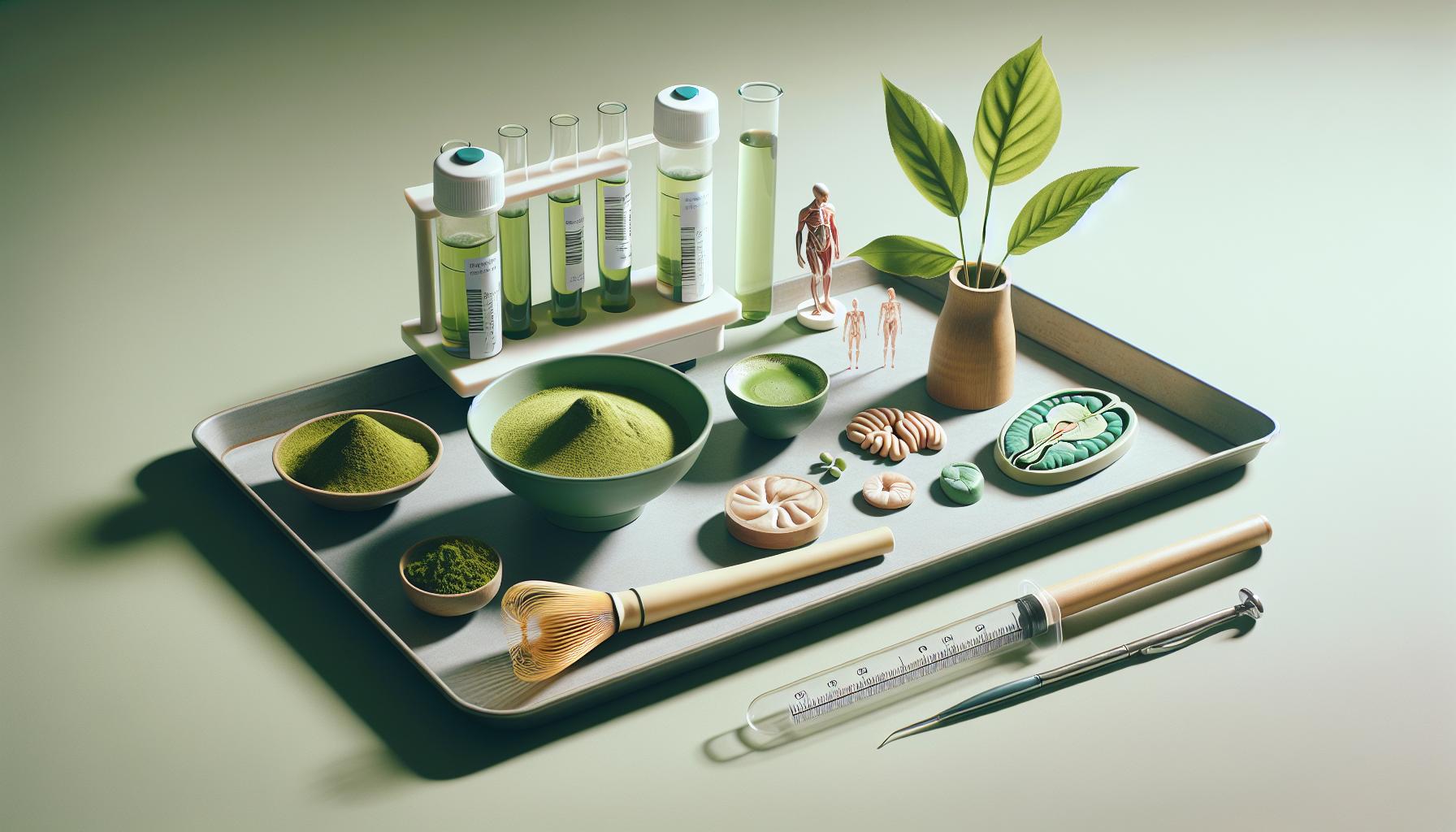
Does Matcha Affect Fertility Hormones?
Research around the relationship between matcha and fertility hormones is still evolving, but existing insights suggest a primarily neutral to beneficial impact. Matcha, derived from finely ground green tea leaves, contains a range of bioactive components that can influence various physiological processes, including hormone regulation. Specifically, it is rich in catechins, which are known for their antioxidant properties and potential to help modulate the body’s hormonal balance.
One of the key components of matcha, L-theanine, has been shown to promote relaxation and facilitate better stress management. Given that high stress levels can adversely affect fertility by impacting hormonal balance, incorporating matcha into your routine may provide some supportive benefits in this regard. However, balance is critical. While moderate consumption may help, excessive intake of caffeine-found in matcha-could lead to disruptions in hormone levels, making moderation essential depending on individual tolerance.
Moreover, the practice of integrating matcha into a broader healthy lifestyle can be beneficial. Lifestyle factors such as diet and stress management play a significant role in reproductive health. Including matcha, when consumed thoughtfully, may complement a diet rich in antioxidants and supportive nutrients, aiding hormonal health over the long term. For those on this journey, it’s important to listen to your body and consult healthcare professionals for personalized advice, ensuring that choices around matcha consumption align with your unique fertility needs.
Ultimately, while matcha may offer some promising attributes when it comes to supporting hormone balance, it is crucial to view it as one component of a holistic approach to fertility.
Understanding the Components of Matcha
Matcha is much more than just a trendy beverage; it’s a powerhouse of nutrients packed within each vibrant green powder. This finely ground form of specially cultivated green tea leaves holds a unique profile of bioactive compounds that can influence various aspects of health, including potentially reproductive health. One of the most notable components is catechins, a type of antioxidant that may help protect cells from damage and promote overall well-being. These antioxidants are believed to support a healthy inflammatory response, which is essential when considering how inflammation can impact fertility.
Another key player in matcha is L-theanine, an amino acid that has garnered attention for its calming effects. By fostering relaxation, L-theanine may boost your body’s ability to manage stress, a factor closely linked to hormonal balance and fertility. Stress can negatively influence reproductive hormones, so incorporating matcha as a calming addition to your diet might provide some supportive benefits on your fertility journey. However, moderation is crucial-while a cup or two of matcha can be a delightful part of your day, excessive caffeine intake can lead to disruptions in hormone levels, so it’s important to listen to your body’s needs.
The antioxidants found in matcha can complement a diet that emphasizes fertility-supportive nutrients, like folate-rich foods and healthy fats. Integrating matcha into a balanced diet may offer a nourishing approach, as it weaves itself into a broader lifestyle that prioritizes wellness. When approaching the topic of matcha and fertility, consider it an ally rather than a magic solution. It can contribute positively to dietary variety, but it’s pivotal to engage with healthcare providers for personalized recommendations tailored to your particular journey. Every step towards understanding how components like matcha can fit into your health plan can make a difference, paving the way for empowered choices along your path to parenthood.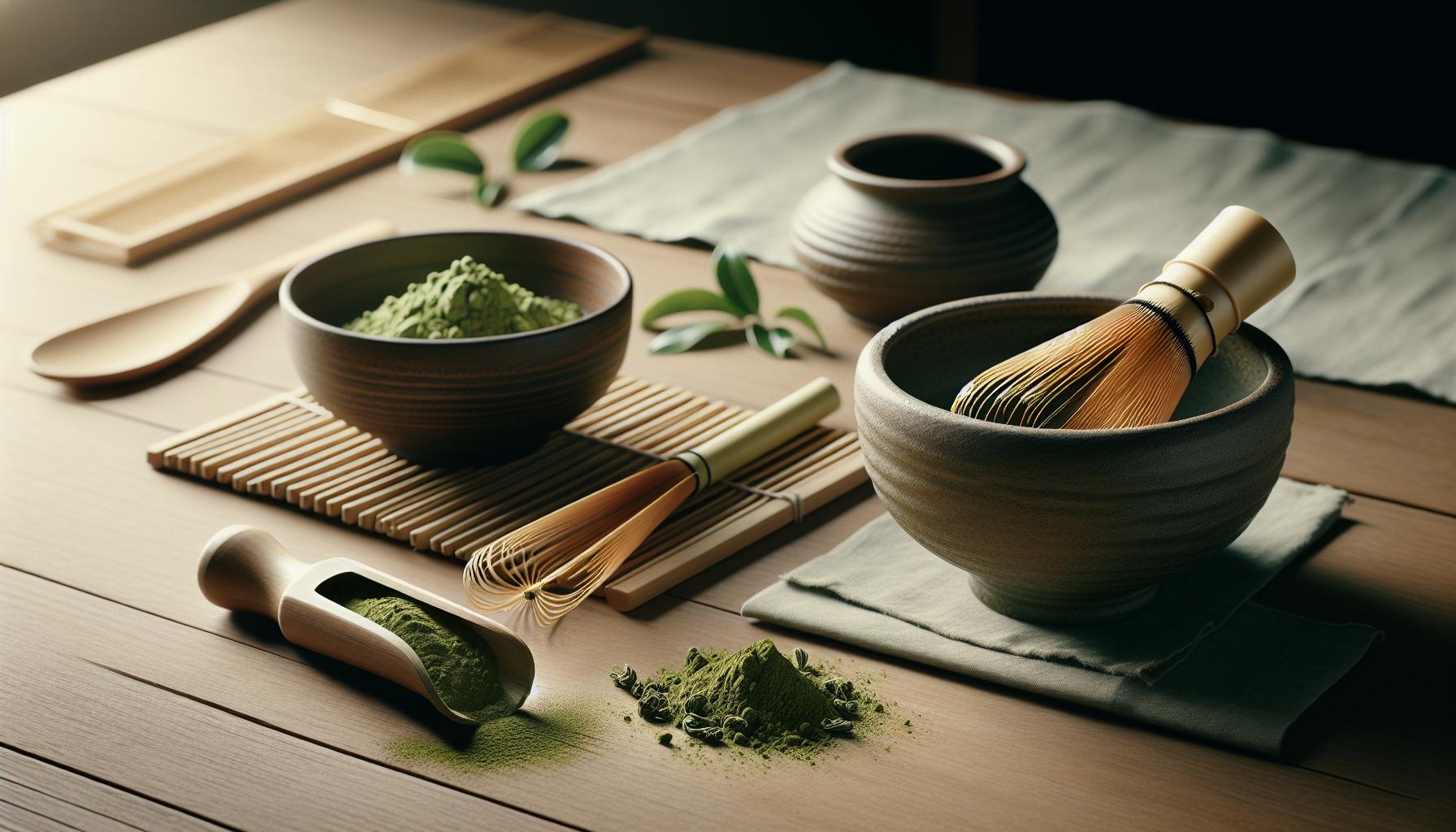
The Science Behind Caffeine and Infertility
Caffeine remains a topic of much debate in the realm of fertility. Many people are cautious about their caffeine consumption when trying to conceive, fearing it may negatively impact their reproductive health. However, scientific evidence paints a more nuanced picture regarding caffeine’s role in fertility, particularly when it comes to matcha, a popular source of caffeine that is also abundant in antioxidants.
Studies have shown that moderate caffeine intake, about 200-300 mg per day-roughly equivalent to two to three cups of coffee-does not appear to pose significant risks to fertility for most individuals. This is encouraging, especially for matcha enthusiasts. One cup of matcha typically contains about 70 mg of caffeine. This makes it possible to enjoy matcha without exceeding recommended caffeine limits. However, it’s essential to be mindful of total daily intake, as excessive caffeine can lead to hormonal disruptions and may also contribute to fertility challenges.
While the anxiety surrounding caffeine and infertility is understandable, it’s crucial to focus on holistic health. Implementing stress-reducing practices such as mindfulness or yoga can help improve hormonal balance and overall reproductive health. Moreover, maintaining a balanced diet rich in fertility-supportive nutrients alongside moderate caffeine consumption can create a beneficial environment for conception. Before making any significant dietary changes, engaging with a healthcare provider familiar with your fertility journey can help guide your choices, ensuring you’re not just reducing caffeine but enhancing your overall health.
In summary, while caffeine can influence reproductive hormones, moderate consumption of matcha does not necessarily contribute to infertility concerns. Engaging in a well-rounded approach to diet and lifestyle while being mindful of caffeine intake can support your reproductive health and contribute positively to your fertility journey.
Investigating Antioxidants and Fertility Health
Antioxidants play a significant role in maintaining reproductive health, and matcha is particularly rich in these beneficial compounds. This finely ground green tea is loaded with catechins, a type of antioxidant that can help neutralize harmful free radicals in the body. Free radicals can lead to oxidative stress, which has been linked to fertility issues in both men and women. By incorporating matcha into your diet, you could be supporting your reproductive system in more ways than one.
Research shows that the antioxidants found in matcha may help enhance the quality of eggs and sperm, crucial components of conception. For women, healthy eggs are vital for successful ovulation and fertilization, while for men, quality sperm is essential for reproductive success. The antioxidants help combat oxidative stress which may contribute to cellular damage, and studies suggest that a diet rich in antioxidants can improve overall fertility outcomes for couples trying to conceive. For example, individuals consuming diets high in fruits, vegetables, and other antioxidant-rich foods often report better reproductive health.
In addition to supporting cellular health, antioxidants found in matcha can also aid in managing inflammation and promoting hormonal balance. Chronic inflammation can disrupt normal hormonal functions essential for reproduction, such as ovulation in women or testosterone levels in men. By potentially reducing inflammation, matcha may help create a healthier environment for conception.
As you consider your fertility journey, think about practical ways to incorporate matcha into your diet. Here are a few easy strategies:
- Add a teaspoon of matcha powder to your morning smoothie or oatmeal for an antioxidant boost.
- Enjoy a warm cup of matcha tea as an afternoon pick-me-up instead of reaching for sugary snacks or caffeine-laden drinks.
- Incorporate matcha into baking recipes, such as energy bites or muffins, to make your snacks healthier.
Remember, while matcha is a fantastic addition to a fertility-friendly diet, it should complement an overall balanced approach. Ensure that your diet also includes other fertility-supportive nutrients like folic acid, omega-3 fatty acids, and minerals. Consulting with a healthcare provider can give you personalized advice, helping you navigate this complex journey with clarity and support. By understanding the benefits of antioxidants, you can make informed choices that positively impact your fertility health.
Cultural Beliefs: Myths and Facts About Matcha
In discussions about matcha and its effects on fertility, cultural beliefs and myths often overshadow the facts. Many people are drawn to matcha due to its rich history and traditional uses, but it’s essential to differentiate between longstanding cultural narratives and scientific realities. For example, some might believe that consuming matcha could directly impair fertility due to its caffeine content. However, current research indicates that moderate caffeine consumption does not inherently cause infertility and may actually support fertility through its antioxidant properties[[2]](https://encha.com/blogs/info/does-matcha-cause-infertility-the-trust-about-matcha?srsltid=AfmBOory7Q_0jH1VIsBdsPwhT39nIM8n3G4R3gIRd61t2lhP1cBTkDpY).
Another common myth suggests that all caffeine sources should be avoided entirely during the journey to parenthood. While high caffeine intake can lead to complications, evidence shows that moderate use-especially of natural sources like matcha-can provide beneficial antioxidants that may enhance overall reproductive health[[3]](https://ujichamatcha.com/blogs/latest/does-matcha-cause-infertility-what-science-says-about-matcha-caffeine-and-fertility?srsltid=AfmBOoq-ZPGKUwY75fiz4EG_95hodVKhgVAX96zTS5yzIXjdgZg2O2uq). Recognizing that these components can actually contribute positively to hormonal balance and inflammation management is pivotal in dispelling harmful misconceptions.
It’s crucial to adopt a nuanced perspective grounded in facts rather than folklore. Matcha is celebrated not only for its unique flavor but also for its potential to enhance health through antioxidants. In fact, including matcha as part of a balanced diet may help improve egg quality, sperm health, and overall reproductive vitality. Rather than falling prey to myths, embracing a holistic view of dietary choices, including moderation and variety, can empower individuals on their fertility journey. This supportive mindset is essential, not just for personal wellness but also for fostering a more informed community around fertility.
Ultimately, your choices should be guided by a combination of research, expert opinions, and personal experiences. Consulting with healthcare providers who specialize in reproductive health can provide clarity amidst the noise. They can help decode the science behind what you might hear in popular culture and assist you in creating a balanced approach that aligns with your unique needs and aspirations for family building.
The Impact of Diet on Reproductive Health
A well-rounded diet plays a crucial role in reproductive health, influencing everything from hormonal balance to the quality of eggs and sperm. Incorporating a variety of nutrient-dense foods can enhance fertility by providing essential vitamins, minerals, and antioxidants that support reproductive functions. For example, foods rich in omega-3 fatty acids like salmon, nuts, and seeds are known to help regulate hormones and promote better egg and sperm quality. Green leafy vegetables and colorful fruits not only provide vital nutrients but also enhance antioxidant capacity, combating oxidative stress that can impair fertility.
In the realm of dietary components, matcha emerges as a beneficial addition to a fertility-friendly diet. This finely ground green tea is rich in antioxidants, particularly catechins, which have been linked to reduced inflammation and improved blood flow. By integrating matcha into your daily routine, you may experience enhanced overall health, which is pivotal when trying to conceive. Some studies even suggest that the antioxidants found in matcha can support ovarian function and egg quality, making it a worthwhile consideration for those on a fertility journey. However, moderation is key-excessive intake of any food, even one as beneficial as matcha, may have unintended effects.
Moreover, it’s essential to acknowledge the individual nature of dietary needs during the fertility journey. Factors like age, weight, medical history, and lifestyle can significantly impact nutritional requirements. Consulting with a healthcare provider or a registered dietitian can help tailor a diet that aligns with personal health goals and fertility aspirations. This personalized approach not only addresses nutritional needs but also provides reassurance during a time that can be fraught with uncertainty. Remember, it’s not just about what you eat, but the holistic approach you adopt towards your health that can promote fertility and emotional well-being in your family-building journey.
Balancing diet and lifestyle factors, including stress management and physical activity, will support your reproductive health. It’s essential to celebrate small achievements on this journey and to remain open to the myriad paths to parenthood-whether through natural conception, assisted reproductive technologies like IVF, or other family-building options. Your experience is uniquely yours, and an informed, compassionate approach will pave the way to making empowered choices.
Practical Guide: Balancing Matcha Consumption
Incorporating matcha into your daily diet can be an enriching experience during your fertility journey, but it’s crucial to strike the right balance. While matcha is renowned for its antioxidant properties and potential benefits for overall health, excessive consumption can lead to unintended consequences, such as elevated caffeine intake. Aim to consume matcha in moderation, ideally limiting it to one to two servings per day, which aligns with general guidelines for caffeine intake. This allows you to enjoy its benefits without overwhelming your body or adversely affecting your fertility.
### Understanding Your Body’s Needs
Everyone’s body reacts differently to dietary changes, especially during the sensitive period of trying to conceive. Pay attention to how matcha affects your energy levels and physical wellness. You might consider keeping a food diary to track how your body responds to matcha over time. If you’re experiencing any discomfort, consider reducing your intake or switching to decaffeinated options to see if it helps. Consulting with a healthcare provider or dietitian can also personalize your approach, ensuring that your dietary choices support both your health and fertility goals.
### Incorporating Matcha Mindfully
To seamlessly integrate matcha into your lifestyle, consider the following tips:
- Start small: If you’re new to matcha, begin with half a teaspoon and gradually increase as your body adjusts.
- Mix it up: Combine matcha with other nutrient-dense ingredients, like almond milk or smoothies, to enhance flavor and add more vitamins and minerals.
- Timing matters: Enjoy matcha earlier in the day to harness its energizing effects without disrupting your sleep cycle later on.
### Create a Supportive Environment
As you navigate this journey, cultivate a positive atmosphere around your consumption of matcha and other fertility-friendly foods. Sharing meals with supportive friends or incorporating matcha into comforting rituals can help reduce stress and boost your emotional well-being. Remember, it’s about the experience and the support you curate for yourself during this time, while staying informed and balanced in your choices. Your path may have its challenges, but with thoughtful consideration of what you consume, you can foster a nurturing environment for your future family.
Expert Opinions: What Fertility Specialists Say
Fertility specialists emphasize that the relationship between matcha consumption and fertility is nuanced and largely positive. While many are concerned about caffeine levels in beverages like matcha, experts clarify that moderate intake can actually support reproductive health rather than hinder it. Caffeine, in measured amounts, is typically safe for those trying to conceive. Studies have shown that consuming less than 200 mg of caffeine daily-approximately the amount in one to two cups of matcha-does not negatively affect fertility outcomes for most women.
Matcha is rich in antioxidants, particularly catechins, which are known to benefit overall health, including reproductive health. Research indicates that these antioxidants can improve sperm quality and may even enhance ovarian function, supporting women on their fertility journeys. Fertility specialists note that incorporating matcha into a balanced diet may help mitigate oxidative stress, which is essential for maintaining healthy eggs and sperm.
However, specialists advise mindfulness in consumption. Some recommend mixing matcha with calcium-rich ingredients to balance any potential effects of tannins, which could inhibit iron absorption. Furthermore, it is essential for individuals to monitor their body’s response to matcha, as every person’s fertility journey is unique. Keeping a food diary can be a helpful tool for assessing how various foods, including matcha, impact energy levels and well-being during this sensitive time.
Ultimately, fertility specialists advocate for a holistic approach to diet while trying to conceive. They encourage couples to focus on a nutrient-dense diet, adequate hydration, and maintaining a healthy lifestyle. Above all, seeking guidance from a fertility specialist or nutritionist can provide personalized insights tailored to individual health needs, ensuring that any dietary choices-including matcha-align with their specific fertility goals.
Real-Life Experiences: Stories from the Fertility Community
It’s not uncommon for individuals on a fertility journey to encounter a myriad of advice and opinions about food and drink, particularly when it comes to something as popular as matcha. Many stories from the fertility community reveal a mix of excitement and apprehension about incorporating matcha into their diets. One woman, Jessica, shared how she started including matcha latte in her morning routine out of curiosity. After reading about its antioxidant benefits, she found that it gave her a calm energy boost without the jitters often associated with coffee. This change in her diet was a small yet significant step in her journey toward trying to conceive.
Another couple, Mark and Sofia, found themselves grappling with the emotional aspects of fertility treatments. They learned about matcha while attending a wellness seminar focused on natural foods to support reproductive health. With encouragement from their nutritionist, they began experimenting with homemade matcha smoothies, blending in spinach and banana, and found not only a nutritious snack but also a moment of joy in their day. This act of preparing meals together allowed them to reconnect amid the stress of infertility, proving that food can be a source of comfort and support.
Despite the generally positive anecdotes, it’s crucial to balance these experiences with evidence-based information. Several members of the community have expressed concerns about caffeine intake from matcha, particularly during assisted reproductive technology procedures. Sarah, who underwent IVF, decided to limit her matcha consumption, opting for decaf versions instead. She noted feeling more at ease with her choices after discussing her dietary concerns with her fertility specialist, who assured her that moderation is key, and that everyone’s body responds differently.
These real-life experiences underscore the importance of personalization on the path to fertility. Whether it’s incorporating matcha into your diet or making other dietary adjustments, it’s vital to listen to your body and consult with healthcare providers. Each story is unique, filled with varying perspectives on the balance between hope and uncertainty, demonstrating the need for both emotional support and scientific guidance. As the community continues to share its collective journey, stories surrounding food and fertility remind us of the importance of nurturing not only our bodies but also our spirits in this endeavor.
How to Make Informed Choices About Matcha
Navigating the journey toward fertility can feel overwhelming, especially with the myriad of dietary choices presented to you. Matcha, with its vibrant green color and touted health benefits, often catches the attention of those looking to enhance their reproductive health. However, understanding requires a careful consideration of its effects and a balance between enthusiasm and caution.
When considering the incorporation of matcha into your diet, it’s vital to be aware of its caffeine content. Caffeine is often a point of concern for those undergoing fertility treatments, as excessive consumption may have implications for reproductive health. Experts suggest that moderation is key; typically, limiting caffeine to under 200 mg per day is considered safe, which equates to about one to two cups of matcha, depending on its strength. Therefore, if matcha becomes part of your routine, keep track of your overall caffeine intake from all sources, including tea, coffee, and chocolate.
Another integral aspect is the nutritional benefits matcha can provide. Rich in antioxidants, particularly catechins, matcha has the potential to support general health, which may indirectly benefit reproductive health by combating oxidative stress. Antioxidants are known to protect sperm and egg quality, making them crucial during the fertility journey. Nevertheless, matcha alone should not be viewed as a magic solution; rather, it should complement a balanced diet rich in vitamins, minerals, and whole foods that scientifically support fertility.
Finally, consider engaging with healthcare providers or nutritionists when integrating matcha into your diet. A tailored approach will allow you to discuss how matcha fits within your specific health condition or fertility plan. Seeking expert opinions can help mitigate concerns and ensure that your dietary choices align with your reproductive goals, creating a supportive path forward during what can be a challenging time. By approaching matcha with curiosity and informed discretion, you can enrich your fertility journey with this unique green beverage while prioritizing your overall well-being.
Additional Lifestyle Factors Influencing Fertility
Navigating the complexities of fertility often entails understanding how various lifestyle factors intertwine with overall reproductive health. While much focus is placed on dietary components like matcha, it’s crucial to appreciate that lifestyle choices can significantly impact fertility. Stress management, physical activity, sleep quality, and even social connections all play essential roles in this journey.
Stress, in particular, can be a formidable barrier to conception. The emotional toll of infertility can lead to heightened anxiety and depression, which in turn may disrupt hormonal balance and ovulation. Incorporating stress-relief practices such as yoga, meditation, or mindfulness can help nurture mental well-being. Effective stress management not only fosters a healthier mind but can enhance the body’s responsiveness during fertility treatments or natural conception efforts.
The Role of Physical Activity
Regular physical activity is another cornerstone of reproductive health. Engaging in moderate exercise helps regulate weight, balance hormones, and improve overall circulation-all beneficial for fertility. However, it’s essential to strike a balance. Over-exercising can lead to irregular menstrual cycles and may adversely affect fertility. Aiming for 30 minutes of moderate exercise several times a week, such as brisk walking, cycling, or swimming, can provide health benefits without overwhelming the body.
The Importance of Sleep
Sleep quality is often overlooked when considering factors that influence fertility. Poor sleep patterns can alter hormonal levels, disrupt ovulation, and lead to increased fatigue-making the journey more challenging. Prioritizing 7 to 9 hours of restful sleep per night can significantly benefit reproductive health. Practicing good sleep hygiene, such as maintaining a consistent bedtime, reducing screen time before sleep, and creating a calming nighttime routine, can enhance sleep quality.
Building Supportive Relationships
Lastly, social connections and support systems are vital. Surrounding oneself with understanding friends and loved ones can provide emotional backing during challenging times. Participating in support groups, whether in-person or online, can foster a sense of community and shared experience. These connections can empower individuals and couples, reminding them that they are not alone on this journey.
Integrating these lifestyle factors with dietary choices, like the mindful consumption of matcha, can create a holistic approach to fertility. Each small change adds up, contributing to a healthier reproductive landscape and supporting the hopes and aspirations of those seeking to conceive.
Q&A
Q: Can matcha negatively affect fertility?
A: No, matcha does not negatively affect fertility. Research indicates no credible evidence that moderate consumption of matcha or green tea contributes to infertility. It’s essential to balance caffeine intake and consider overall diet for reproductive health.
Q: How much matcha is safe to consume when trying to conceive?
A: Consuming 1-2 cups of matcha daily is generally considered safe for those trying to conceive. It’s important to monitor your total caffeine intake from all sources and maintain a balanced diet to support fertility.
Q: Does caffeine in matcha impact reproductive health?
A: While high caffeine consumption may be linked to fertility issues, moderate matcha intake does not appear to be harmful. Limiting caffeine to 200mg per day (about 2 cups of matcha) is recommended for individuals trying to conceive.
Q: Are there any benefits of matcha for fertility?
A: Yes, matcha is rich in antioxidants, which can promote overall health and may support reproductive health. Antioxidants help combat oxidative stress, potentially benefiting fertility. Including balanced lifestyle habits is key for reproductive wellness.
Q: Do antioxidants in matcha help with fertility?
A: Antioxidants in matcha may indeed help with fertility by reducing oxidative stress. A healthy balance of antioxidants can enhance reproductive health. For optimal benefits, consider incorporating a variety of antioxidant-rich foods into your diet.
Q: What should I consider about my overall diet when consuming matcha?
A: Focus on a balanced diet that includes whole foods, fruits, vegetables, and healthy fats while incorporating matcha in moderation. This holistic approach can enhance reproductive health and support the body during conception efforts.
Q: Can I drink matcha during pregnancy?
A: It’s advisable to limit caffeine during pregnancy. Consulting with a healthcare provider about matcha consumption is recommended to ensure it aligns with personal health needs and dietary restrictions during pregnancy.
Q: How does matcha compare with other types of tea in terms of fertility?
A: Generally, matcha and other teas have similar effects on fertility, with moderate consumption posing no significant risks. However, individual caffeine tolerance and dietary preferences should guide choices, as some may prefer herbal options without caffeine.
For more insights on the relationship between matcha and fertility, check out sections like “The Science Behind Caffeine and Infertility” and “Investigating Antioxidants and Fertility Health.”
The Conclusion
As we’ve explored, there is no scientific evidence linking matcha to infertility, so you can enjoy your matcha latte without worry! Finding trustworthy information is essential, especially when it comes to your health. If you have more questions about fertility, consider diving into our articles on “Understanding IVF Success Rates” and “The Role of Diet in Reproductive Health” for further insights. Don’t forget to subscribe to our newsletter for the latest on fertility research and wellness tips tailored just for you.
Your journey through fertility can be challenging, but you’re not alone. Whether you’re considering treatments like IVF or exploring holistic health options, we’re here to support you every step of the way. For personalized advice, reach out to our expert team or schedule a consultation today. Let’s continue this conversation-share your thoughts in the comments below or connect with us on social media. Your health and happiness matter, and together, we can navigate this path with confidence and care.
Get our latest guides, news, and insights highlighted in your Google Search & AI Overviews.