Human papillomavirus (HPV) might be more than just a common sexually transmitted infection; emerging research suggests it could play a role in fertility challenges for both men and women. If you’re navigating the complexities of conception, understanding the potential impacts of HPV on fertility is crucial. This journey can be filled with uncertainty, and you may have concerns about how HPV might affect your chances of starting or growing your family. In this article, we will unpack the links between HPV and infertility, aiming to provide clarity and insight into your fertility risks and options, empowering you with knowledge as you take steps towards your family-building goals.
Understanding HPV: Overview and Types
Human papillomavirus (HPV) is more than just a common sexually transmitted infection; it plays a significant role in various aspects of health, including reproductive outcomes. With over 200 different strains of HPV, the virus is categorized mainly into low-risk and high-risk types. Low-risk HPVs are not associated with cancer and can cause benign conditions such as genital warts. In contrast, high-risk HPVs are linked to serious health issues, including cervical cancer and other anogenital cancers.
Understanding the nature of HPV begins with recognizing its transmission. The virus spreads primarily through intimate skin-to-skin contact, making sexual activity the primary risk factor. Most sexually active individuals will encounter HPV at some point in their lives, commonly without showing any symptoms. This silent nature of the virus means that many may not realize they are infected and potentially transmitting it to partners.
The implications of HPV extend beyond immediate health concerns. Recent studies have highlighted a complicated relationship between HPV and reproductive health, revealing that high-risk strains may contribute to infertility in both males and females. For women, persistent HPV infections can result in changes to the cervical tissue, which could complicate conception and pregnancy. In men, HPV may impact sperm quality, including parameters like motility and DNA integrity, potentially leading to fertility challenges. As we delve deeper into this complex relationship, it becomes essential to discuss the documented evidence supporting these claims and the mechanisms by which HPV could interfere with reproductive health.
How HPV Affects Reproductive Health
Persistent human papillomavirus (HPV) infections can pose significant challenges to both male and female reproductive health. Research indicates that high-risk strains of HPV may compromise fertility factors, leading many couples to confront unanticipated obstacles on their family-building journey. Understanding how HPV affects reproductive capabilities can be empowering, allowing individuals to make informed choices about their health and family planning.
For women, HPV can lead to changes in cervical tissue, increasing the risk of cervical dysplasia. These abnormal changes can hinder conception and, when going through pregnancy, may result in complications. Additionally, the presence of HPV can contribute to inflammation and an altered vaginal environment, which may negatively affect sperm viability and mobility. Men, on the other hand, can experience reduced sperm quality due to HPV, specifically through impacts on DNA integrity and motility. Poor sperm quality can make it more difficult to achieve natural conception, influencing overall fertility outcomes.
To navigate these complexities, understanding potential treatment options and their implications for fertility is crucial. Regular screening and monitoring of HPV, along with discussions about potential interventions, can enable individuals and couples to address any reproductive health concerns proactively. Emotional support during this process cannot be overstated; acknowledging the feelings of grief, uncertainty, and hope that accompany these challenges is essential. Connecting with healthcare providers who are sensitive to these emotional aspects can help bolster resilience as couples explore their family-building options, whether through natural methods or assisted reproductive technologies like IVF or artificial insemination.
Ultimately, while HPV may present certain fertility risks, proactive management and support can pave the way for hopeful family planning, empowering couples to navigate their unique fertility journeys with clarity and strength.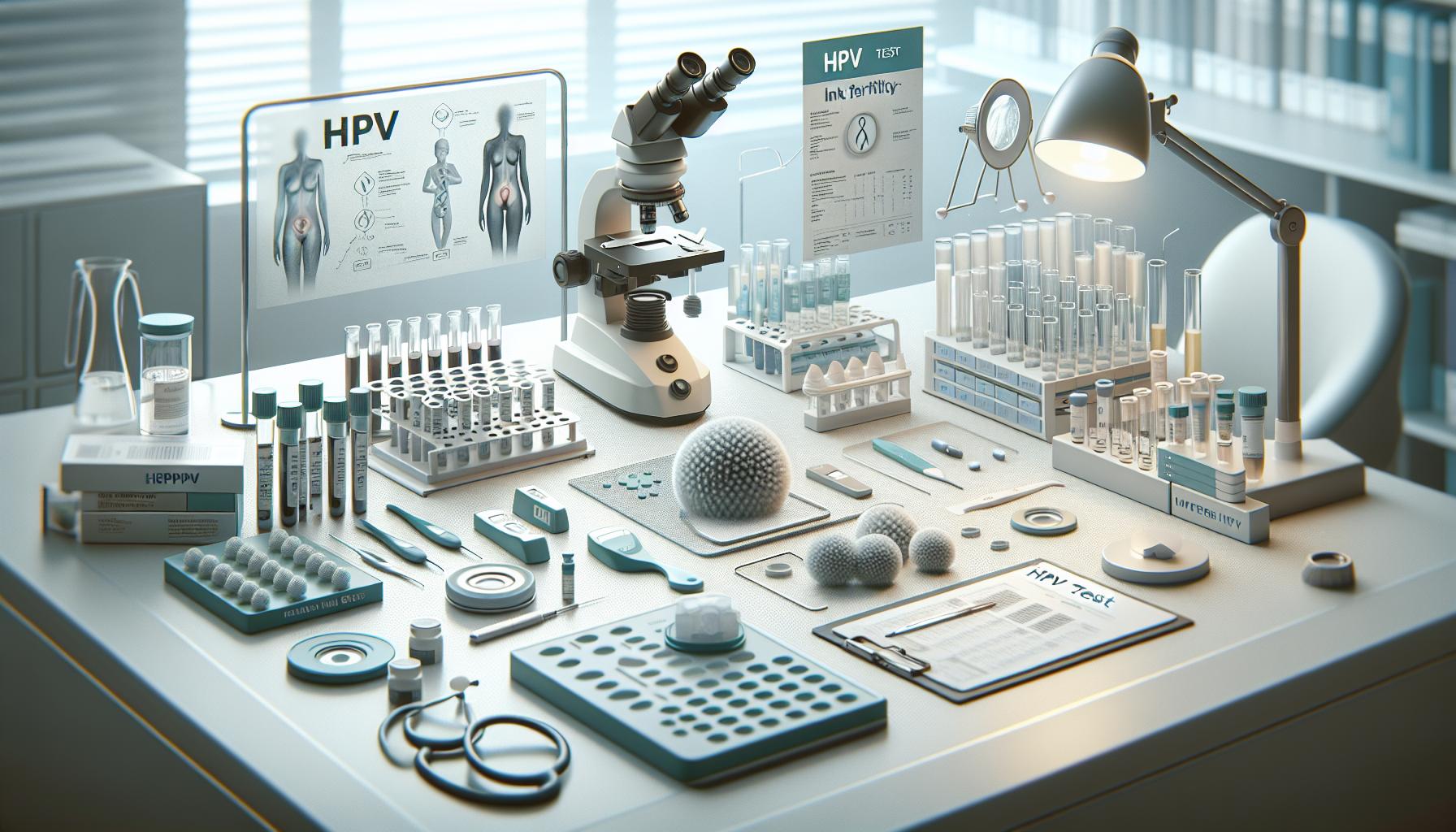
Link Between HPV and Infertility: What Studies Show
Research has increasingly highlighted the relationship between persistent human papillomavirus (HPV) infections and infertility. A number of studies suggest that high-risk HPV strains may play a significant role in affecting reproductive health, both in men and women. For instance, it has been found that HPV can lead to changes in the cervical tissue of women, which can hinder conception by causing cervical dysplasia and increasing risks during pregnancy [3[330799-0/fulltext)]. Similarly, in men, HPV has been linked to compromised sperm quality, reportedly affecting sperm DNA integrity and motility, making natural conception more challenging [1[1].
Additionally, some research indicates that oxidative stress, which may be triggered by HPV infection, negatively impacts sperm viability [2[2]. Inflammation stemming from HPV infection can further alter the vaginal environment, potentially impacting sperm function and overall fertility outcomes. While many studies indicate a correlation between HPV and infertility, it is essential to recognize that HPV is not classified as an independent cause of infertility. Instead, it may act as a contributing factor alongside other underlying conditions that affect reproductive capabilities [3[330799-0/fulltext)].
Combining insights from these studies provides a more nuanced understanding of how HPV might complicate the fertility journey. Couples experiencing infertility are encouraged to discuss their HPV status with healthcare professionals who can provide tailored advice and support. Regular screenings and proactive management can aid in addressing any fertility concerns, empowering individuals to make informed decisions and fostering a sense of agency in their family-building journey. Being knowledgeable about these links can also alleviate some of the fears and uncertainties that often accompany a diagnosis of HPV.
Potential Mechanisms of HPV-Induced Infertility
The intricate link between human papillomavirus (HPV) and infertility involves multiple biological processes that can hinder reproductive success for both men and women. Various studies underscore how the presence of HPV, particularly high-risk strains, may contribute to fertility complications, albeit not always as a direct cause.
In women, HPV can lead to cervical dysplasia-a condition where abnormal cells form on the cervix. This dysplastic tissue can disrupt normal cervical function and impede sperm entry during conception. Additionally, HPV has been associated with chronic inflammation in pelvic tissues, which can affect uterine health and the implantation of embryos. Abnormal cervical mucus, potentially resulting from HPV-related changes, can also create a hostile environment for sperm, further complicating the journey to conception.
On the male side, HPV’s impact is particularly related to sperm quality. Research suggests that HPV infections may alter sperm DNA integrity, affecting motility and overall viability-a crucial factor for successful fertilization. Moreover, oxidative stress, which is often triggered by viral infections, can damage sperm cells, further compromising their ability to fertilize an egg. This oxidative stress creates an environment that decreases sperm viability, hence making natural conception more challenging.
Understanding these mechanisms is vital for those trying to conceive. For couples facing fertility issues, discussing HPV status with healthcare professionals is essential. They can offer tailored strategies and necessary screenings that address both HPV and associated infertility risks. Considerations for sperm health, such as dietary adjustments and lifestyle changes, may also support better outcomes when navigating fertility challenges. Ultimately, while HPV may be a contributing factor to infertility, it is one piece of a larger puzzle, and comprehensive care and open dialogue with specialists can empower couples in their family-building journey.
Common Myths About HPV and Fertility
Despite the complexities surrounding human papillomavirus (HPV) and its implications for reproductive health, many myths persist that can cloud understanding and decision-making for those navigating fertility challenges. One common misconception is that HPV directly causes infertility. While presence of high-risk HPV strains can contribute to fertility issues-primarily by impacting cervical health and sperm quality-it is not an absolute determinant. Many individuals with HPV can conceive without complications, so it’s crucial to approach this topic without fear or stigma.
Another prevalent myth is that once a person is infected with HPV, they will always have it and be at risk for infertility. In reality, the majority of HPV infections are transient and are cleared by the immune system within a couple of years. Only persistent high-risk strains pose ongoing risks, but these cases represent a minority. Thus, understanding the nature of HPV infections can alleviate undue anxiety regarding fertility and family planning.
There is also a belief that HPV vaccination guarantees protection against all fertility-related complications. While the vaccine is highly effective in preventing the most common high-risk types of HPV linked to cervical cancer, it does not address all potential causes of infertility. Therefore, vaccination should be viewed as an important preventive measure, but not a sole solution for fertility concerns.
Lastly, some think that having HPV means that they should not pursue assisted reproductive technologies like in vitro fertilization (IVF) or intrauterine insemination (IUI). This is misleading, as many healthcare providers can work with patients to manage HPV while offering support through these procedures. Open discussions with healthcare professionals about HPV status can lead to informed decisions regarding fertility treatments, alongside strategies to bolster overall reproductive health.
In sum, addressing these misconceptions with accurate information empowers individuals and couples on their fertility journeys, allowing them to navigate the emotional and practical aspects of family planning with greater confidence and clarity.
Symptoms of HPV: What to Watch For
Many individuals with HPV may not experience noticeable symptoms, which can often make awareness of the virus challenging. Understanding what to watch for is essential in empowering you on your fertility journey and addressing any concerns about reproductive health. Some high-risk HPV strains can lead to complications that affect fertility, and recognizing possible symptoms can prompt timely medical consultations and interventions.
Recognizing Symptoms
While most HPV infections resolve on their own, it’s important to be aware of potential signs, especially if you are at risk for persistent strains. Common symptoms associated with HPV include:
- Genital Warts: These may appear as small, flesh-colored or gray growths in the genital area, or they can be smooth or cauliflower-like in texture.
- Changes in Cervical Cells: HPV can cause changes that may be detected through routine Pap smears. Abnormal results can indicate the presence of high-risk HPV types.
- Pain during Intercourse: Some individuals may experience discomfort or pain during sex, which can sometimes stem from cervical changes due to HPV.
- Unusual Bleeding: If you notice bleeding outside of your menstrual cycle or after intercourse, this may warrant a conversation with your healthcare provider.
It’s crucial to note that many of these symptoms might not directly indicate an HPV infection but could signify other reproductive health issues. Therefore, regular gynecological check-ups and open communication with your healthcare team are vital.
Emotional Impact and Next Steps
Discovering you have HPV can evoke a range of emotions, including anxiety about future fertility and family planning. It’s normal to feel uncertain, but this is a journey many navigate successfully. Consulting a fertility specialist or a knowledgeable healthcare provider can help clarify risks and support you in making informed decisions about your reproductive goals.
Establishing a plan that includes regular screenings, discussing potential treatment options, and understanding the implications of HPV on fertility can help alleviate some of the fear and uncertainty. Remember, you’re not alone in this journey, and many paths lead to family-building.
Diagnosis: How HPV is Detected
Diagnosing HPV is a crucial step in understanding its potential impact on reproductive health and fertility. Most individuals may remain unaware of their HPV infection, as many strains do not cause any noticeable symptoms. However, certain diagnosis methods can effectively identify the presence of HPV and its associated risks.
The primary diagnostic tool is the Pap smear, a routine screening test for individuals with a cervix. During this test, cells are collected from the cervix and examined for abnormal changes indicative of high-risk HPV types. It’s essential for patients to discuss the results with their healthcare provider, as abnormal findings may necessitate further testing, such as the HPV DNA test. This test can determine whether high-risk strains are present, which is important for assessing the risk of cervical cancer and other complications.
For those seeking to confirm an HPV diagnosis or monitor potential effects on fertility, a thorough gynecological examination is recommended. This may involve visual inspection for genital warts, which can be an external sign of HPV infection. It’s also important to openly communicate any unusual symptoms, such as pain during intercourse or abnormal bleeding, as these can provide critical context for your healthcare provider.
Regular screenings and open dialogue about reproductive health are vital, especially for individuals planning to conceive. Early detection can lead to timely interventions that help mitigate HPV’s possible impact on fertility. Consider scheduling annual check-ups or following your doctor’s recommendations for your specific needs, keeping a proactive approach to your reproductive health in mind.
Treatment Options for HPV and Their Impact on Fertility
Treatment for human papillomavirus (HPV) varies depending on the type of HPV involved and its potential effects on reproductive health. While most HPV infections are transient and resolve on their own, persistent infections, particularly with high-risk types, can lead to complications that may affect fertility. Understanding the treatment options available is essential for managing HPV and its implications for reproductive health.
One of the most common treatment options for HPV-related conditions, such as genital warts or precancerous changes in cervical cells, involves topical therapies. Treatments like imiquimod or podophyllin can help remove warts, offering a localized approach that often doesn’t impact overall fertility. For women with significant cervical changes due to HPV, a healthcare provider may suggest procedures like LEEP (Loop Electrosurgical Excision Procedure) or cryotherapy to remove affected tissue. While these procedures are generally safe and effective, they may carry a slight risk of scarring, which could affect future pregnancies; discussing these risks with a healthcare professional is crucial.
For those diagnosed with high-risk HPV and showing signs of cervical dysplasia, regular monitoring is key. Follow-up Pap smears and HPV testing can help track any progression and ensure timely intervention. If treatment is necessary, it’s important to maintain an open dialogue with your healthcare provider regarding how any procedures could affect reproductive choices in the future.
While treatment can address the immediate concerns associated with HPV, emotional support plays a vital role in navigating the experience. It is normal to feel anxious about how HPV might impact family planning. Connecting with supportive networks or counseling can aid individuals and couples in processing their emotions and exploring their options, whether that’s through assisted reproductive technologies like in vitro fertilization (IVF) or considering adoption.
Understanding the full scope of treatment options, their implications, and emotional impacts helps create a balanced approach to managing HPV and fertility. Always consult with a healthcare professional about individual circumstances to tailor the best plan moving forward.
Risk Factors for Fertility Complications Related to HPV
Certain factors can heighten the risk of fertility complications related to HPV, making it essential to be aware of them as part of your reproductive health journey. Understanding these risk factors can empower individuals and couples to take informed steps in managing their fertility and navigating potential hurdles.
One of the most significant risk factors is the presence of high-risk HPV types, which have been linked to cervical dysplasia and other complications that may affect fertility. Research has shown that persistent HPV infections can lead to changes in cervical cells, increasing the likelihood of conditions that may require surgical intervention, like LEEP or cryotherapy. While these treatments address immediate health concerns, they may inadvertently result in cervical scarring or alterations in cervical mucus, potentially impacting future pregnancies.
In addition to the infection type, individual health factors play a crucial role. For instance, a person’s immune system status significantly influences how effectively their body can manage HPV. Individuals with compromised immune systems, such as those with HIV or those undergoing immunosuppressive treatments, may face a higher risk of persistent HPV infections. This persistence can lead to an increased likelihood of fertility issues since the body may not be able to clear the infection as effectively, increasing the risk of complications.
Lifestyle choices can also serve as contributing factors. Smoking, for instance, has been associated with poorer fertility outcomes in both men and women. It not only affects the general reproductive health but may also exacerbate the effects of HPV by further compromising immune functions. Additionally, factors such as obesity and lack of exercise could contribute to hormone imbalances, which can also affect fertility.
- Presence of high-risk HPV types: Linked to cervical changes that may require surgical intervention.
- Immune system health: Compromised immune systems may struggle to clear infections.
- Lifestyle choices: Smoking and obesity can further impact reproductive health.
Awareness of these risk factors can lead to proactive conversations with healthcare providers. Regular monitoring and follow-up tests are essential for those with HPV to assess any changes that might affect fertility. Open discussions about your reproductive plans and any concerns can foster a collaborative approach towards maintaining both health and fertility. Understanding that these factors exist can help frame your journey in a more informed manner and facilitate discussions around the appropriate preventive measures you can take.
Is HPV Vaccination a Preventative Measure for Infertility?
While the direct link between HPV and infertility is complex, the HPV vaccination serves as a key preventative measure that targets high-risk HPV strains linked to cervical cancer and related complications. Vaccination can dramatically reduce the incidence of these high-risk types, thereby potentially safeguarding reproductive health. It’s essential to understand that while the vaccine does not directly prevent all types of infertility, it protects against infections that, if persistent, may lead to conditions affecting fertility.
The HPV vaccine is most effective when administered before the onset of sexual activity, making it crucial for preteens and young adults. Studies have shown that widespread vaccination can lead to a significant decrease in the rates of cervical dysplasia and cancer, conditions that can complicate pregnancy. Furthermore, by preventing the establishment of high-risk HPV infections, the vaccine helps maintain a healthy cervical environment, which is vital for fertility.
Many individuals may wonder about the impact of the vaccine on their overall reproductive health. The immune response generated by the vaccination not only helps in clearing HPV but also contributes to an overall healthier reproductive system, enhancing the likelihood of successful future pregnancies. For those who may already be HPV positive, vaccination can still be beneficial since it can protect against other strains and reduce the overall viral burden, which is essential for improving reproductive outcomes.
In summary, while HPV itself may not be a direct cause of infertility, the HPV vaccine plays a significant role in reducing risks associated with high-risk HPV types that can affect reproductive health. Thus, discussing vaccination options with healthcare providers could be a vital step toward not only cancer prevention but also a healthier fertility journey.
Emotional Impact of HPV Diagnosis on Family Planning
Receiving a diagnosis of HPV can lead to a whirlwind of emotions, especially for those planning to build a family. The uncertainty surrounding the implications of HPV on reproductive health can evoke feelings of fear, confusion, and even grief. Acknowledging these feelings is a crucial step in navigating the emotional landscape that often accompanies such a diagnosis. It’s essential to recognize that while HPV might pose risks to fertility, it doesn’t negate the possibility of having children; many individuals have successfully conceived after an HPV diagnosis.
For some, the worry may stem from concerns about how HPV is perceived within their relationships or among family and friends. Addressing stigma is vital here; open conversations can help demystify the condition and alleviate undue shame. Connecting with others who have had similar experiences can also provide solace and understanding. Consider joining support groups or online forums where you can share your journey and learn from others, reinforcing that you are not alone in this situation.
Navigating Family Planning Decisions
When planning a family post-diagnosis, it’s important to have a clear understanding of the medical implications. Consult with healthcare providers who can offer personalized insights based on your situation. They can help clarify the risks associated with HPV, its potential impact on fertility treatments such as IVF or IUI, and outline any necessary steps moving forward. As you consider your options-be it natural conception, assisted reproductive technologies (ART), or adoption-having a support system in place will help you remain hopeful and focused on the journey ahead.
Your emotions are just as valid as any medical concerns. Celebrate small victories, whether that’s clearing a medical hurdle or simply feeling empowered to ask questions about your health. Remember that family planning can take many forms, and there are multiple pathways to parenthood. Embrace the journey with an open heart, knowing that support is available, and you can write your narrative at your own pace.
Next Steps: Navigating Your Fertility Journey After HPV
Receiving an HPV diagnosis can stir a complex mix of emotions, especially for those envisioning a future family. It’s crucial to recognize that while HPV may introduce uncertainties, many individuals have successfully navigated their fertility journeys post-diagnosis. Addressing the emotional weight of your situation is important; feelings of fear, anxiety, or even grief are valid and acceptable. Allow yourself to process these emotions while seeking support from loved ones or professional counselors who specialize in reproductive health.
As you embark on your family planning journey, consider consulting with healthcare professionals who can guide you based on your personal health situation. They will help clarify how HPV might interact with fertility, including any potential risks related to conception methods such as natural intercourse, intrauterine insemination (IUI), or in vitro fertilization (IVF). Having transparent discussions regarding treatment options will empower you to make informed decisions about your reproductive future. Understanding key statistics-like success rates of assisted reproductive technologies-can also help set realistic expectations without diminishing hope.
Practical Steps to Consider:
- Gather Information: Learn about the types of HPV you may have and their implications for fertility.
- Explore Treatment Options: Depending on your situation, treatments for HPV or fertility assistance, like IVF, may be applicable.
- Foster Support Networks: Engage with support groups or online communities where you can share your journey and insights.
Remember, family planning can take various forms. Whether you are considering assisted reproductive technologies, natural conception, or even adoption, respect your timeline and choices. Celebrate small milestones, be it completing a medical appointment or feeling informed and empowered in your decisions. Above all, recognize that regardless of the challenges, there are pathways to parenthood, and including your emotional well-being in this journey is just as important as the medical aspects.
Q&A
Q: Can HPV lead to pelvic inflammatory disease (PID) and affect fertility?
A: Yes, HPV can contribute to the risk of pelvic inflammatory disease (PID), which is an infection of the reproductive organs. PID can cause scarring and damage that may hinder fertility. Maintaining regular gynecological check-ups can help monitor and manage potential complications related to HPV.
Q: Are there specific HPV types more associated with fertility issues?
A: Yes, high-risk HPV types, particularly HPV types 16 and 18, are more commonly associated with cervical changes that could lead to infertility due to conditions like cervical cancer. Regular screenings and preventive measures, such as the HPV vaccine, are recommended to mitigate this risk.
Q: How does HPV affect male fertility?
A: While HPV primarily impacts female reproductive health, it can also affect male fertility indirectly. HPV infection in men may lead to issues like reduced sperm quality or viability, potentially impacting fertility. Consulting a healthcare provider when faced with HPV is advisable to explore fertility implications.
Q: What treatment options are available for HPV that may influence fertility?
A: Treatment options for HPV typically include monitoring low-risk lesions, surgical removal of high-risk lesions, or the use of topical medications. While these treatments are important for reducing health risks, discussing their potential impact on fertility with a healthcare provider is crucial for comprehensive care.
Q: Does having HPV mean I can’t get pregnant?
A: No, having HPV does not mean you cannot get pregnant. Most individuals with HPV do not face infertility directly. However, if HPV leads to complications like cervical changes, it might affect fertility. It’s essential to follow up with medical advice tailored to your individual health status.
Q: How can I improve my fertility if I have HPV?
A: To improve fertility with HPV, prioritize regular gynecological check-ups, follow treatment recommendations, and maintain a healthy lifestyle. Addressing overall reproductive health and managing HPV effectively can support your fertility goals. Collaborate with a healthcare provider for personalized guidance.
Q: What role does HPV vaccination play in protecting fertility?
A: The HPV vaccine is a preventive measure that helps protect against the most common high-risk HPV types. By reducing the risk of HPV-related cervical cancer and related complications, the vaccine indirectly supports reproductive health, enhancing overall fertility prospects. It’s a proactive step in family planning.
Q: What emotional support is available for those facing fertility issues related to HPV?
A: Emotional support is vital for those dealing with fertility issues associated with HPV. Consider seeking support groups, counseling, or therapy focused on fertility challenges. Engaging with healthcare providers who understand the emotional aspects of your journey can also provide guidance and comfort.
Closing Remarks
In exploring the connection between HPV and fertility, it’s crucial to understand that while HPV can be a factor in fertility issues, it doesn’t serve as a standalone cause for infertility. Knowledge is empowering; if you have concerns about HPV or its impact on your reproductive health, don’t hesitate to consult a healthcare professional. They can guide you through your options, including additional testing and treatments, helping you navigate your unique fertility journey.
For more insights, check out our articles on understanding male infertility and the latest advancements in IVF technology. If you’re ready to take the next step, sign up for our newsletter to receive the latest updates and resources tailored to support your path to parenthood. Remember, you are not alone on this journey; reach out, ask questions, and stay informed. Every step counts, and we’re here to support you along the way.
Get our latest guides, news, and insights highlighted in your Google Search & AI Overviews.