Uterine fibroids, also known as leiomyomas, are non-cancerous growths in the uterus that can affect many aspects of health, including fertility. Recent studies suggest that these tumors might contribute to infertility by disrupting the uterine environment, potentially impeding embryo implantation or altering the shape of the uterus. If you’re navigating the complexities of trying to conceive, understanding the connection between fibroids and fertility is crucial. This article will explore how uterine fibroids can impact your reproductive journey, providing insights and guidance that can empower you to make informed decisions. Join us as we delve into the various factors at play, helping you better understand your body and the options available on your path to parenthood.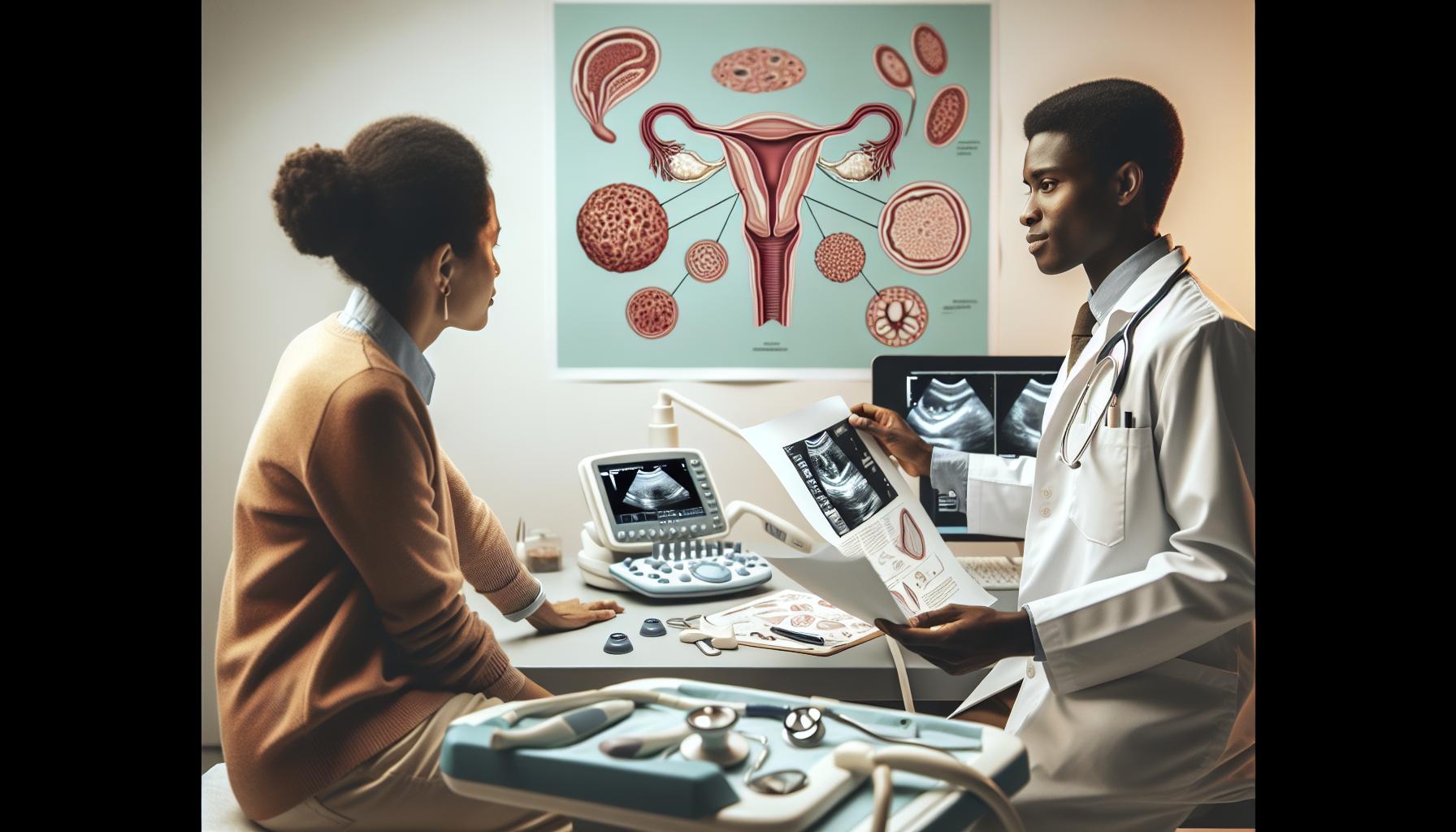
Do Uterine Fibroids Cause Infertility? Understanding the Link
Uterine fibroids, also known as leiomyomas, are benign tumors that can significantly impact a woman’s reproductive health. While many women with fibroids can conceive and carry pregnancies to term, there is a notable link between the presence of fibroids and difficulties in achieving pregnancy. The connection lies in several factors that can interfere with natural conception, the implantation of embryos, and overall fertility.
Fibroids can alter the shape of the uterus or block the fallopian tubes, which are crucial pathways for sperm and eggs. When fibroids are located within the uterine cavity-known as submucosal fibroids-they can hinder the implantation of a fertilized egg, reducing the chances of a successful pregnancy. Additionally, larger fibroids may also disrupt the blood flow to the uterine lining, affecting its ability to support a growing embryo. If you have fibroids and are experiencing infertility, it’s vital to discuss how they might be affecting your reproductive capabilities with your healthcare provider.
Managing fibroids, when linked to infertility, often requires a strategic approach depending on individual circumstances. Women may be advised to consider treatments like medication to shrink fibroids or surgical options such as myomectomy to remove them. Every case is unique, and decisions should be made carefully in consultation with a fertility specialist who understands the implications of fibroids on both fertility and pregnancy.
As you navigate this journey, it’s essential to acknowledge the emotional weight of dealing with infertility and fibroids. Seeking support-whether through counseling, support groups, or friends-can help in coping with the uncertainty and grief that often accompanies the process. Remember, you are not alone, and there are paths forward to consider, with each step bringing you closer to your family-building goals.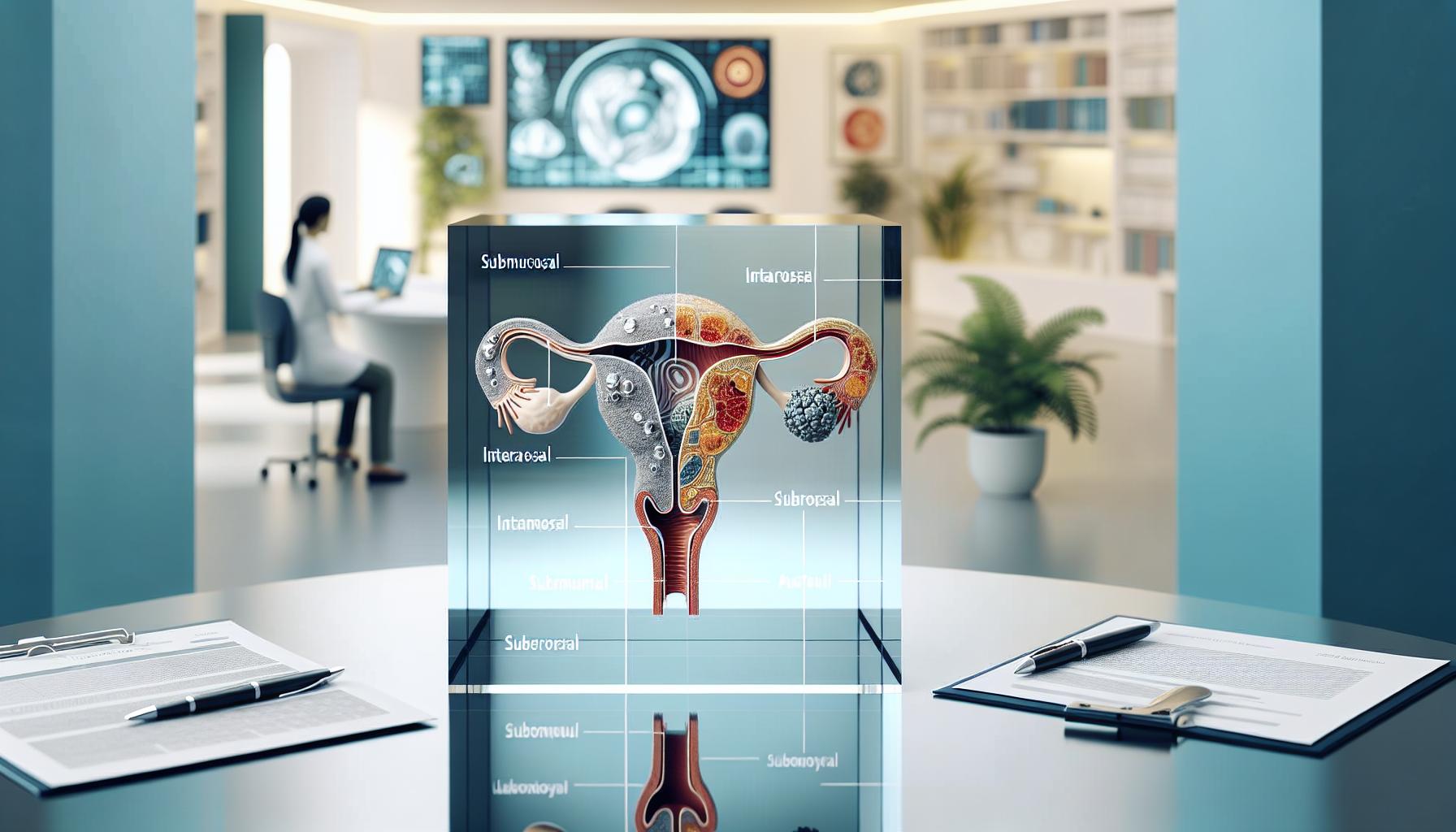
Types of Uterine Fibroids and Their Characteristics
Uterine fibroids come in various types, each with distinct characteristics that can influence fertility and pregnancy. Understanding these types can help women better navigate their reproductive health journey. The main types of uterine fibroids are categorized based on their location within the uterus, and each type can affect fertility in different ways.
Types of Uterine Fibroids
- Submucosal Fibroids: These fibroids develop just beneath the lining of the uterine cavity. They are often the most problematic when it comes to fertility because they can distort the uterine cavity and interfere with the implantation of a fertilized egg. Their presence can lead to heavy menstrual bleeding and pain, which might also impede a woman’s ability to conceive.
- Intramural Fibroids: Found within the muscular wall of the uterus, these fibroids can vary significantly in size. Large intramural fibroids can change the shape of the uterus, potentially leading to complications during pregnancy such as miscarriage or preterm labor. Despite these risks, many women with intramural fibroids can have healthy pregnancies.
- Subserosal Fibroids: These fibroids grow on the outer wall of the uterus. Typically, they do not affect the interior of the uterine cavity or its function. However, they can cause discomfort due to their size and pressure on surrounding organs. While less likely to impact fertility directly, their presence can complicate certain pregnancy outcomes.
- Pedunculated Fibroids: These fibroids are attached to the uterus by a stalk-like structure, either on the outside (subserosal) or inside (submucosal). Depending on their location, they can cause various symptoms and could influence the pregnancy experience by causing pain or interfering with fetal development.
While fibroids can affect many aspects of reproductive health, not every woman with fibroids will experience infertility. The key is recognizing how their specific characteristics and locations might present challenges during conception and pregnancy. Regular communication with a healthcare provider is vital for women with fibroids who are trying to conceive, as they can tailor monitoring and treatment to individual needs, ensuring that both emotional and physical health is prioritized in this journey. Remember, each step taken toward understanding your fibroids is a step toward addressing their potential impact on your fertility.
How Uterine Fibroids Affect Fertility and Pregnancy
Uterine fibroids can significantly impact both fertility and pregnancy, serving as a source of concern for many women hoping to conceive. These non-cancerous growths, while often benign, can alter the uterine environment in a way that may hinder the process of becoming pregnant. For instance, submucosal fibroids, which develop just beneath the uterine lining, can distort the cavity of the uterus, making it difficult for an embryo to implant. This physical barrier can lead to challenges in fertility, particularly in cases where fibroids are large or numerous.
Beyond their direct effects on implantation, fibroids can also contribute to various complications during pregnancy itself. Women with intramural fibroids, which reside within the uterine wall, may experience changes in the shape of their uterus. This alteration can increase the risk of miscarriage or preterm labor, as the fibroids may exert pressure on the growing fetus or reduce the space available for healthy development. Conversely, subserosal fibroids, although generally less impactful on fertility, can still cause discomfort and hinder a woman’s overall experience during pregnancy due to the additional pressure they create on surrounding organs.
It’s also important to recognize that not all women with fibroids will encounter infertility or pregnancy complications. Many can conceive and sustain a healthy pregnancy despite having these growths. The variability in individual experiences highlights the significance of personalized care and open communication with healthcare providers. Regular monitoring can help identify any potential issues early, allowing for timely interventions if necessary.
Overall, understanding the relationship between uterine fibroids, fertility, and pregnancy can empower women on their reproductive health journeys. It is crucial to approach this process with both hope and awareness, recognizing that while challenges may exist, they do not define the path to motherhood.
Diagnosing Uterine Fibroids: Tests and Procedures
Diagnosing uterine fibroids primarily involves a combination of medical history, physical examinations, and imaging tests, which can help identify the presence, type, and size of fibroids. For women who are experiencing infertility or complications during pregnancy, understanding this diagnosis process can provide clarity and guide the next steps in their treatment journey.
A thorough medical history is often the first step. A healthcare provider will discuss your symptoms, menstrual history, and any family history of fibroids. Following this, a pelvic exam allows the doctor to physically check for any abnormalities in the uterus. This examination can suggest the presence of fibroids, but imaging tests are crucial for a definitive diagnosis.
Imaging tests are pivotal in not only confirming the diagnosis of uterine fibroids but also in assessing their impact on your reproductive health. The most common imaging techniques include:
- Ultrasound: This is typically the first imaging test performed. It uses sound waves to create images of your uterus, allowing the detection of any fibroids.
- Magnetic Resonance Imaging (MRI): MRI offers a more detailed view and is especially useful for determining the exact size and location of fibroids, which aids in planning treatment.
- Sonohysterography: This involves the injection of a saline solution into the uterus during an ultrasound to provide a clearer image of the uterine cavity, which can help visualize submucosal fibroids that might affect implantation.
Early detection is key in managing fibroids effectively, especially for those considering pregnancy. Regular follow-ups with your healthcare provider can help monitor fibroid growth and guide any necessary interventions. It’s essential to feel empowered and informed throughout this diagnostic process, as it will set the stage for a tailored approach to managing your reproductive health, ensuring that any potential impact on fertility is addressed with care and expertise.
The journey through diagnosis can bring about a mix of emotions; acknowledging that you are not alone can help ease the weight of uncertainty. Many women have navigated these challenges and gone on to achieve their dream of motherhood. Embracing open communication with your healthcare team will not only provide you with valuable information but also support you emotionally, helping you to remain hopeful throughout your fertility journey.
Symptoms of Uterine Fibroids You Should Know
Understanding the symptoms associated with uterine fibroids is crucial for women who may be affected by these common growths. While many fibroids are asymptomatic, they can still lead to reproductive health issues, including fertility challenges. Being aware of the signs can empower you to seek timely intervention and support, which is essential for managing your health and fertility journey.
Some of the most common symptoms of uterine fibroids include:
- Heavy Menstrual Bleeding: Many women experience prolonged or heavy periods that can lead to anemia.
- Pelvic Pain or Pressure: This may manifest as a constant ache or discomfort, particularly during menstruation.
- Frequent Urination: Large fibroids can press against the bladder, leading to increased urination.
- Difficulty Emptying the Bladder: Conversely, some women might find it hard to fully empty their bladder.
- Constipation: Fibroids can press against the rectum, causing discomfort or difficulties with bowel movements.
- Enlarged Abdomen: In some cases, fibroids can cause the abdomen to protrude, resembling pregnancy.
- Pain During Intercourse: Fibroids may lead to discomfort during sexual activity due to their location in the uterus.
It’s important to note that while these symptoms can be indicative of fibroids, they can also result from other medical issues. If you are experiencing any of these symptoms, it is advisable to consult with a healthcare professional who can conduct an assessment and recommend the best course of action.
The emotional weight associated with these symptoms can be significant; many women experience anxiety and uncertainty regarding their reproductive health. Acknowledging these feelings and seeking support from professionals or peer groups can foster resilience and empowerment. Remember, you are not alone in your journey, and there are specialists ready to support you through diagnosis and treatment, helping you navigate the path to family-building or addressing fertility challenges that arise.
Fertility Treatments for Women with Fibroids
Women facing fertility challenges due to uterine fibroids often grapple with a whirlwind of emotions-hope, anxiety, and sometimes despair. Understanding the available fertility treatments can empower you in your family-building journey, bringing clarity during uncertain times. While fibroids can affect the ability to conceive and carry a pregnancy, various treatment options exist to manage their impact.
Many women with fibroids find success through assisted reproductive technologies (ART). In vitro fertilization (IVF) is frequently recommended, especially if fibroids obstruct the fallopian tubes or distort the uterine cavity. IVF can bypass issues related to fibroid size or location, allowing for embryo implantation in an optimal environment. The success rates for IVF can vary but are typically around 40-50% for women under 35, decreasing with age. It’s crucial to discuss your specific situation with a fertility specialist to understand the best options for you.
Alongside IVF, intrauterine insemination (IUI) may be indicated depending on individual circumstances. This less invasive procedure involves placing sperm directly into the uterus during ovulation, maximizing the chance of fertilization. Many couples find IUI to be less burdensome both emotionally and financially, with costs significantly lower than IVF procedures.
For some, medication may offer relief from the symptoms of fibroids and improve fertility chances. GnRH agonists, for instance, temporarily shrink fibroids, making subsequent treatments more effective. However, these medications are typically a short-term solution. In some cases, surgical options like myomectomy can be pursued to remove fibroids while preserving the uterus, potentially increasing chances of conception. This option can be particularly beneficial for women who wish to become pregnant in the future.
In navigating these options, maintaining open communication with your healthcare provider about your emotions and expectations is vital. Each step may involve ups and downs, including medication side effects or the emotional toll of treatments. Celebrate each small victory, whether it’s a positive response to a medication or a successful procedure. Know that you’re not alone; support systems, both professional and peer-based, can provide comfort as you embark on this challenging yet hopeful journey towards parenthood.
Managing Fibroids for Optimal Pregnancy Outcomes
Managing uterine fibroids effectively is crucial for optimizing pregnancy outcomes, especially for women navigating the complexities of infertility. Studies suggest that the size and location of fibroids can impact both conception and the ability to carry a pregnancy to term. Therefore, an individualized approach to managing these fibroids can make a significant difference in your journey toward parenthood.
Understanding Treatment Options
Early intervention is key. Regular consultations with a healthcare provider specializing in reproductive health can help monitor fibroids. Imaging tests, such as ultrasounds or MRIs, are often used to assess the size and placement of fibroids, enabling targeted treatment decisions. Some women may benefit from medications like GnRH agonists, which temporarily reduce fibroid size, thereby alleviating symptoms during the crucial early stages of pregnancy preparation. However, since these medications are not suitable for long-term use, discussing alternative options is essential.
For those with larger or symptomatic fibroids, surgical options may be necessary. Myomectomy, which involves the surgical removal of fibroids while preserving the uterus, can significantly enhance the chances of conception and successful pregnancy. Discussing the timing of surgery in relation to your fertility goals is critical; many women benefit from scheduling myomectomy before attempting to conceive, while ensuring enough recovery time afterward.
Lifestyle Considerations
In addition to medical interventions, certain lifestyle changes can support fibroid management and overall reproductive health. Maintaining a balanced diet rich in fruits, vegetables, and whole grains can help manage inflammation and hormonal balance, which may indirectly impact fibroid growth. Additionally, regular exercise can improve blood flow and reduce stress, enhancing overall well-being during this emotionally taxing time.
Support systems, whether through counseling or support groups, play a vital role in coping with the emotional aspects of dealing with fibroids and infertility. It’s essential to celebrate each milestone, no matter how small, and acknowledge the range of feelings that may arise-hope, fear, and uncertainty are all part of this complex journey. Engaging with other women who understand your experience can be both empowering and reassuring.
In summary, effectively involves a combination of medical treatment, lifestyle adjustments, and emotional support. By approaching this challenge holistically, you can enhance your chances of successful conception and create a nurturing environment for future pregnancies.
The Emotional Journey: Coping with Infertility and Fibroids
Navigating the emotional landscape of infertility while managing uterine fibroids can feel overwhelming. For many women, this journey is not just about physical health but also the emotional toll it takes. The feelings of grief over unrealized dreams of motherhood, hope amid uncertainty, and the range of emotions that accompany medical interventions add layers to the experience. It’s essential to recognize that these emotions are valid and shared by many women facing similar challenges.
Understanding that you are not alone can be a powerful source of comfort. Connecting with others who have experienced the same struggles can provide a sense of solidarity. Support can come in various forms, from therapy and support groups to online forums where women share their stories and coping mechanisms. Celebrating small milestones, whether it’s a successful appointment or a positive change in health, can help maintain motivation and hope during this taxing journey.
It’s equally important to engage in self-care practices that nurture both body and mind. Simple actions like journaling your feelings, practicing mindfulness, or engaging in calming activities can help process feelings of anxiety or sadness. Sharing your thoughts with a partner or loved ones can also lighten the emotional load. For those considering fertility treatments or surgery for fibroid management, having honest conversations about expectations, costs, and potential challenges can provide clarity and reduce anxiety.
Above all, be kind to yourself. The path to parenthood may not be linear, and it’s crucial to allow space for all emotions-joy, frustration, sadness, and hope. Seeking professional guidance can help navigate the specifics of treatment options and timelines, while emotional support provides a much-needed buffer against the stresses that come with this journey. Remember, taking care of your emotional well-being is just as important as managing your physical health.
Natural Remedies and Lifestyle Changes for Fibroid Management
When navigating the challenges posed by uterine fibroids, many women seek natural remedies and lifestyle changes that can aid in managing symptoms and potentially improving fertility. While medical treatment options are available, incorporating natural approaches can also play a significant role in overall well-being and fibroid management.
A diet rich in anti-inflammatory foods can be beneficial. Focus on incorporating more fruits and vegetables, particularly those high in antioxidants such as berries, spinach, and sweet potatoes. Additionally, fatty fish like salmon, which contain omega-3 fatty acids, can help reduce inflammation. It’s advisable to limit processed foods, red meat, and sugar, as these can contribute to inflammation and hormonal imbalances.
Maintaining a healthy weight is another important factor. Being overweight can exacerbate fibroid symptoms and may influence hormonal levels. Regular physical activity, tailored to your fitness level, can help manage weight, reduce stress, and improve overall hormone regulation. Activities such as yoga and pilates can be particularly beneficial, promoting not only physical strength but also mental and emotional well-being.
Stress reduction techniques are crucial, as high levels of stress can worsen symptoms and potentially influence fibroid growth. Gentle practices such as mindfulness meditation, deep breathing exercises, and regular relaxation activities can aid in stress management. Additionally, establishing a supportive social network can provide emotional comfort and resilience during this journey.
Lastly, herbal supplements like green tea extract and curcumin have been studied for their potential effects on fibroid growth and inflammation. However, it’s essential to consult with a healthcare provider before starting any supplements to ensure they are appropriate for your specific health needs. Balancing natural remedies with professional medical advice can create a comprehensive approach to fibroid management, helping women navigate their health journey more effectively.
When to Consider Surgery for Uterine Fibroids
When facing the impact of uterine fibroids on fertility, the decision to consider surgical options can be daunting. It’s essential to understand that surgery may be the most effective route for managing fibroids that significantly affect your ability to conceive or maintain a pregnancy. While not every woman with fibroids will need surgery, there are specific circumstances where surgical intervention becomes advisable.
If fibroids are large or numerous, they can block the fallopian tubes or alter the shape of the uterus, making implantation difficult. This structural challenge may warrant surgery to remove the fibroids-either through a procedure called myomectomy, which focuses on preserving the uterus, or a hysterectomy, which removes the entire uterus and is usually considered when other treatments have failed or if the woman has completed her family. It’s vital to discuss with your healthcare provider whether myomectomy aligns with your fertility goals, especially if you are planning future pregnancies.
Another consideration for surgery is the presence of symptoms that negatively affect your quality of life, such as severe pain, heavy menstrual bleeding, or pressure on other organs. These symptoms not only impact daily activities but can also lead to emotional distress, making it essential to evaluate their severity. If conventional treatments and lifestyle changes have not sufficiently alleviated these symptoms, documenting their impact and discussing surgery as a feasible option could be beneficial.
Timing and Planning for Surgery
Understanding the timing and recovery associated with surgical options is crucial for those considering this path. A thorough pre-surgical consultation is necessary to review your medical history, the size and location of fibroids, and the type of surgery that may be appropriate. Costs associated with surgery can vary widely based on factors such as the type of procedures, the facility, and whether you have insurance coverage. Being informed about the estimated costs and your insurer’s policies can help mitigate financial stress.
Post-surgery, recovery times differ by the type of procedure performed. While a myomectomy might require a hospital stay followed by a few weeks of recovery, a hysterectomy could involve a longer recovery period. During this time, it’s important to monitor your emotional health, as the challenges of managing fertility alongside recovery can be overwhelming. Support from friends, family, or professional counseling can provide valuable outlets during this transitional phase.
Ultimately, well-informed decisions about surgery can provide a clear path toward overcoming the hurdles posed by uterine fibroids, reigniting hope for those on a fertility journey. The emotional load of considering surgery can be significant, but understanding your options empowers you to take proactive steps towards your health and family goals.
The Role of Hormones in Fibroid Development and Fertility
The interplay between hormones and uterine fibroids is a significant aspect of understanding fertility and overall reproductive health. Hormones, especially estrogen and progesterone, play a pivotal role in the development and growth of fibroids. These tumors thrive in environments rich in these hormones, leading to their enlargement, which can impact the uterine environment crucial for conception and maintaining a healthy pregnancy.
During the menstrual cycle, estrogen levels rise and trigger the thickening of the uterine lining in preparation for a potential pregnancy. However, for individuals with fibroids, elevated estrogen can lead to excessive growth of these tumors, potentially causing structural changes in the uterus. As fibroids grow, they can distort the shape of the uterine cavity or block fallopian tubes, making it more challenging for sperm to reach an egg or for a fertilized egg to implant successfully. Understanding this hormonal connection is vital for women experiencing infertility linked to fibroids.
Managing hormone levels can be a proactive approach to help mitigate the impact of fibroids. Some lifestyle changes can influence hormone balance, such as:
- Healthy Diet: Incorporating a balanced diet high in fruits, vegetables, and whole grains while reducing processed foods can support hormonal balance.
- Exercise: Regular physical activity helps maintain a healthy weight, which can influence estrogen levels.
- Stress Management: Practicing stress-reducing techniques like yoga and meditation can also positively affect hormonal health.
In cases where these lifestyle adjustments are insufficient, healthcare providers may recommend hormonal therapies that could shrink fibroids or regulate hormone production, thus alleviating some of the issues related to fertility. It’s essential for individuals facing these challenges to have open conversations with their healthcare professionals about the role hormones play not only in their fibroid growth but also in their fertility journey. By addressing these factors holistically, women can empower themselves in their path toward conception and pregnancy, while also managing the emotional complexities associated with infertility and fibroids.
Future Research: Innovations in Treating Fibroids and Infertility
Innovative research is paving the way for new approaches to managing uterine fibroids and their potential impact on infertility. These advancements are not only aimed at understanding the underlying causes of fibroid development but also at finding effective treatment options that are less invasive and more tailored to individual patient needs. One of the most exciting areas of research involves the use of targeted therapies that specifically address the hormonal influences on fibroid growth. By employing techniques that target estrogen receptors, researchers hope to develop medications that effectively manage fibroid size and symptoms without disrupting overall hormone balance.
In parallel, technological advancements are enhancing diagnostic capabilities, allowing for earlier detection and more accurate evaluation of fibroids. For instance, high-resolution imaging techniques, such as MRI, can provide detailed insights into fibroid size and location, which is essential for personalized treatment planning. These improvements can significantly streamline the process for women seeking fertility treatments, as a better understanding of fibroid characteristics can lead to more successful interventions.
Moreover, researchers are exploring minimally invasive surgical options, like laparoscopic myomectomy and uterine artery embolization, which have shown promising results in preserving the uterus while effectively treating fibroids. These approaches may not only alleviate the symptoms associated with fibroids but also improve fertility outcomes, presenting a hopeful alternative for women looking to conceive.
As with any medical condition, patient education and active participation in treatment decisions are crucial. Conversations between healthcare providers and patients about the latest research, options, and potential outcomes can empower women to make informed choices that align with their family-building goals. For those navigating the emotional complexities of infertility alongside fibroid management, knowing that innovative solutions are on the horizon can provide a much-needed sense of hope and reassurance.
FAQ
Q: Can uterine fibroids prevent pregnancy?
A: Yes, uterine fibroids can prevent pregnancy. They may block the fallopian tubes or distort the uterine cavity, impacting implantation. It’s essential for women with fibroids trying to conceive to discuss their situation with a fertility specialist to assess the best course of action.
Q: What types of uterine fibroids are most likely to affect fertility?
A: Submucosal fibroids, which grow into the uterine cavity, are most likely to affect fertility. They can obstruct implantation and disrupt the uterine environment. If you’re concerned about fibroids impacting your fertility, consider an evaluation through your healthcare provider.
Q: How do uterine fibroids impact early pregnancy?
A: Uterine fibroids can impact early pregnancy by increasing the risk of miscarriage or complications such as preterm labor. Monitoring and managing fibroids during pregnancy can help achieve better outcomes. Consult your healthcare provider for individualized care plans.
Q: Are there fertility treatments available for women with fibroids?
A: Yes, fertility treatments for women with fibroids include medication, hormone therapy, and surgical options to remove fibroids or improve uterine health. Each approach should be tailored to the individual’s specific fibroid type and fertility goals.
Q: When should women consider surgery for uterine fibroids?
A: Surgery for uterine fibroids is typically considered when they cause significant symptoms or infertility. Options like myomectomy may help improve fertility chances. Discussing individual cases with a specialist can determine the best timing and approach.
Q: Do fibroids always cause symptoms or fertility issues?
A: No, not all fibroids cause symptoms or fertility issues. Many women with fibroids experience no problems at all. Regular check-ups and monitoring can help identify any changes that may affect reproductive health.
Q: What lifestyle changes can help manage uterine fibroids?
A: Maintaining a healthy weight, managing stress, and following a balanced diet rich in fruits and vegetables can help manage fibroids. Regular exercise also promotes overall reproductive health. Consider integrating these changes and discussing management strategies with your doctor.
Q: How can women cope emotionally with infertility caused by fibroids?
A: Coping with infertility can be challenging, especially when related to fibroids. Seeking support groups, engaging with mental health professionals, and connecting with others on similar journeys can foster resilience. It’s important to acknowledge feelings and take steps to support emotional well-being throughout the process.
In Retrospect
If uterine fibroids are a concern for you, understanding their impact on fertility and pregnancy is vital. While they can present challenges, many women successfully navigate this journey with the right information and support. It’s crucial to consult with a healthcare provider to explore your options-whether that means monitoring your fibroids, considering treatments like IVF, or exploring other reproductive technologies.
For more insights on fertility challenges, check out our articles on infertility causes and treatment timelines, or read about the emotional aspects of the fertility journey. Don’t hesitate to reach out for personalized guidance; we’re here to support you. Join our community by signing up for our newsletter for tips, resources, and shared experiences. Remember, you’re not alone-take the next step toward your family-building goals today!