Can you be infertile and still ovulate? This question may feel daunting, yet it’s more common than you think. Understanding that ovulation doesn’t always equate to fertility is crucial for anyone navigating this sensitive journey. Whether you’re exploring fertility treatments or grappling with the emotional weight of infertility, it’s important to know that ovulation can occur while underlying issues prevent successful conception. As you delve deeper into this surprising truth, you’ll find insights that can empower your next steps, nurturing hope and clarity along the way. Join us in unraveling the complexities of ovulation and fertility, acknowledging the challenges but also exploring the possibilities ahead.
Understanding Infertility: What It Means to Ovulate
Understanding the complexities of ovulation can be pivotal for anyone navigating their fertility journey. Ovulation is the process where an ovary releases an egg, which typically occurs once a month during a woman’s menstrual cycle. However, the mere act of ovulating does not guarantee fertility. Many women may ovulate regularly yet still face challenges in conceiving due to various factors that affect overall reproductive health.
Several conditions can contribute to this paradox. For instance, even if an egg is released, issues such as poor egg quality, hormonal imbalances, or structural problems within the reproductive system can impede the ability to conceive. Conditions like polycystic ovary syndrome (PCOS) can lead to irregular ovulation while still allowing for some cycles of ovulation, creating a false sense of security regarding fertility. Furthermore, other factors such as stress, weight fluctuations, and age can significantly impact fertility without eliminating the occurrence of ovulation itself.
In addition to understanding how all these factors interconnect, it’s essential to recognize the emotional toll this uncertainty can create. The struggle to conceive can bring about feelings of grief, anxiety, and frustration. Supporting oneself during this time is crucial, whether it involves fostering a supportive community, seeking counseling, or engaging in open discussions with healthcare providers. Empowering oneself with knowledge about ovulation, understanding its complexities, and actively seeking out resources can be beneficial steps toward navigating this challenging journey.
Engaging in ovulation tracking can also provide valuable insights. By monitoring cycles, individuals can identify patterns that may indicate whether they are ovulating effectively and bringing them one step closer to understanding their fertility. As you embark on this pathway, remember that the journey to parenthood can vary and that every story is unique. Embrace the small milestones and allow yourself to seek and celebrate the progress along the way.
The Science of Ovulation: Can You Ovulate and Be Infertile?
Many women may be surprised to learn that ovulating does not always equate to fertility. In fact, it is entirely possible to experience regular ovulation and still face infertility challenges. The nuanced relationship between ovulation and fertility underscores the complexity of reproductive health. For instance, although an egg is released during ovulation, several factors may inhibit successful conception, such as poor egg quality or issues like endometriosis or structural abnormalities in the reproductive system.
When discussing infertility despite ovulation, hormonal balance plays a crucial role. Conditions such as polycystic ovary syndrome (PCOS) can lead to irregular ovulation cycles while leading one to think they are fertile due to occasional ovulation. Hormones such as estrogen and progesterone must be in proper levels and balance to not only ovulate but also to create an environment conducive for implantation of a fertilized egg. Unfortunately, even if ovulation occurs, these hormonal imbalances can prevent the body from supporting early pregnancy, contributing to infertility.
Moreover, everyday factors can further complicate matters. Emotional stress, significant weight changes, and age can influence both ovulation and general fertility health, often with unpredictable outcomes. For example, advancing age affects egg quality, which can hinder conception even if the regular release of an egg is maintained. Each woman’s experience is unique, emphasizing the importance of thorough consultation with healthcare providers. They can assist in evaluating both ovulation patterns and the broader fertility landscape to identify underlying issues and formulate a supportive plan moving forward.
Navigating this reality can be emotionally taxing, raising feelings like grief, confusion, or anxiety as aspirations for parenthood become intertwined with the struggles of fertility. It’s essential to approach this journey with self-compassion, acknowledging personal feelings while seeking knowledge and fostering supportive networks. Educating oneself about the complexities of both ovulation and fertility can empower one in this often challenging journey, fostering hope and practical steps toward achieving parenthood.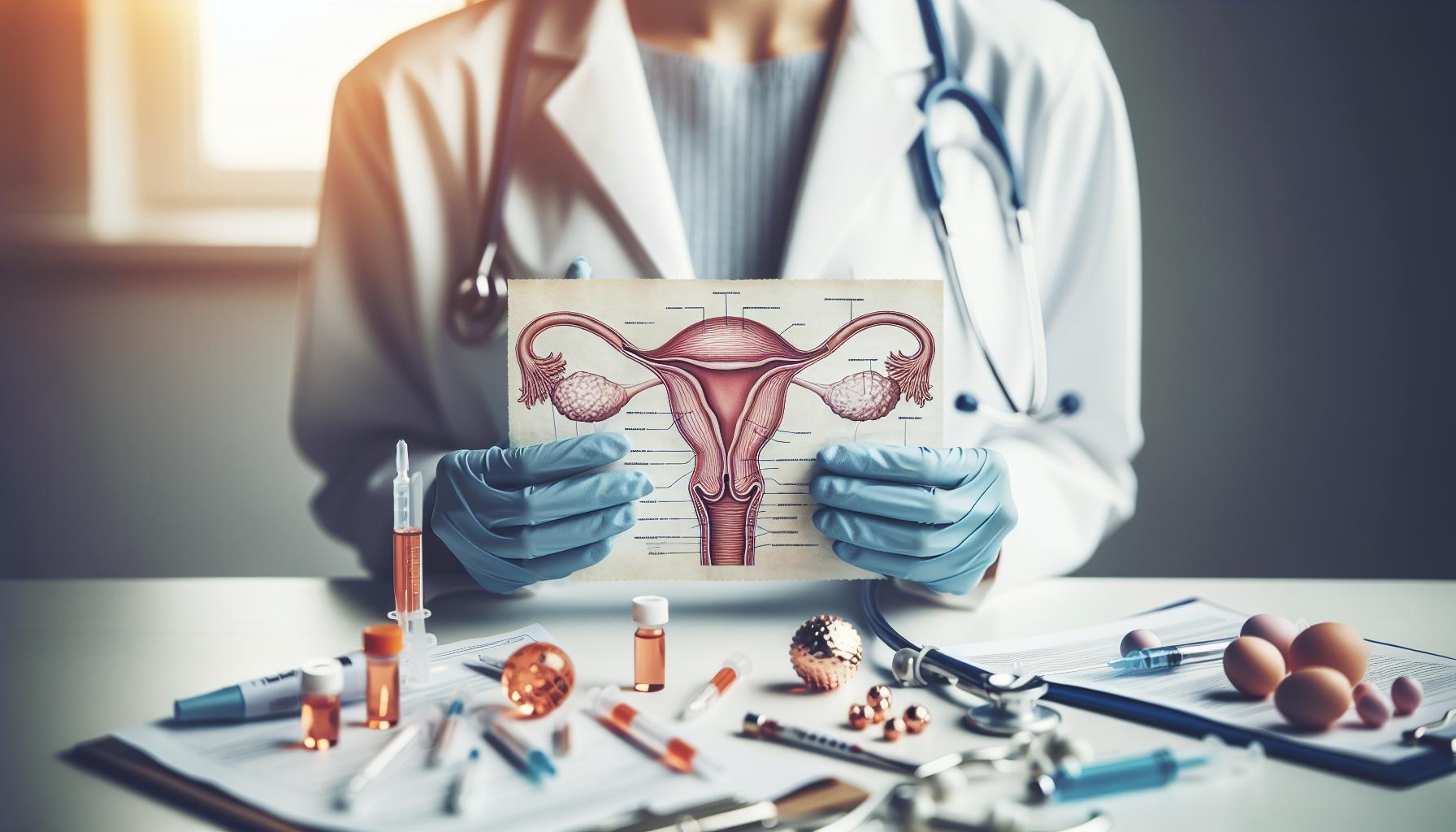
Common Causes of Infertility Despite Ovulation
While many assume that regular ovulation guarantees fertility, numerous factors can complicate this understanding. Infertility can persist even when a woman is ovulating, highlighting the intricate relationship between ovulation and successful conception. Below are some common underlying causes of infertility that can occur despite having regular ovulation.
Poor Egg Quality
Even when an egg is released from the ovaries, its quality is paramount for successful fertilization and implantation. Factors such as age, genetic abnormalities, and environmental toxins can compromise egg quality. For example, as women age, the quality of their eggs tends to decline, increasing the risk of chromosomal abnormalities that can hinder fertilization or lead to miscarriage.
Structural Abnormalities
Physical issues within the reproductive system can also play a significant role. Conditions such as endometriosis, uterine fibroids, or scar tissue can obstruct sperm from reaching the egg or impede the embryo’s ability to implant properly. These structural challenges often go unnoticed until fertility issues arise, underscoring the need for comprehensive evaluation.
Hormonal Imbalances
Hormones are integral to the reproductive process, influencing not just ovulation but also the body’s readiness for pregnancy. Conditions like polycystic ovary syndrome (PCOS) can result in irregular ovulation and hormonal imbalances that disrupt the entire reproductive cycle. Even when ovulation occurs, inadequate hormone levels-such as low progesterone-can prevent the body from sustaining a pregnancy.
Unrecognized Factors
Sometimes, infertility can stem from external factors that might be overlooked. Stress, extreme weight fluctuations, and lifestyle choices such as smoking or excessive alcohol consumption can have adverse effects on overall reproductive health. Each individual’s circumstances are unique, and addressing lifestyle can significantly impact fertility success.
Navigating these challenges can be emotionally taxing, and understanding these potential causes empowers you to seek appropriate medical advice or interventions. Collaborating with a fertility specialist can lead to tailored treatment options that address specific issues, promoting a more hopeful journey toward parenthood.
Role of Hormones in Ovulation and Fertility
Hormones play a pivotal role in the intricate process of ovulation and overall fertility, influencing not just the release of eggs but also the body’s capacity to support a pregnancy. For many women, a delicate balance of hormones is essential; disruptions can lead to challenges even when ovulation occurs. Understanding this hormonal interplay can provide valuable insights for those navigating the complexities of infertility.
At the heart of this process are key hormones like estrogen, progesterone, follicle-stimulating hormone (FSH), and luteinizing hormone (LH). Estrogen and progesterone prepare the uterine lining for a potential pregnancy, while FSH and LH are crucial for triggering ovulation itself. In conditions such as polycystic ovary syndrome (PCOS), these hormonal levels can become imbalanced, resulting in irregular ovulation or even anovulation-where no egg is released. This imbalance not only complicates conception but can also affect the health of the menstrual cycle, potentially leading to irregular periods and other health concerns.
Another crucial aspect is the function of the corpus luteum, which forms after an egg is released. This structure produces progesterone, vital for maintaining the uterine lining during early pregnancy. If progesterone levels are insufficient, it can lead to difficulties in sustaining a pregnancy, resulting in a potential early miscarriage even if ovulation has occurred. Monitoring and managing hormone levels through medical interventions can be an effective strategy for women experiencing these issues.
Recognizing the signs of hormonal imbalance can empower you to take charge of your reproductive health. Symptoms such as irregular menstrual cycles, excessive hair growth, or unexpected weight changes may indicate underlying hormonal issues. Seeking support from a healthcare provider can guide you in exploring treatment options, which could include lifestyle modifications, medications to regulate hormone levels, or assisted reproductive technologies. Emotional resilience is key in this journey; understanding your hormonal health can illuminate paths to achieving your family-building goals.
Recognizing the Signs of Ovulation: A Guide
Understanding your body’s signals during the menstrual cycle is key to recognizing ovulation and enhancing your fertility awareness. Many women experience distinct physical changes that indicate the approach of ovulation, and being attuned to these signs can offer crucial insights into your reproductive health. For instance, some women notice a shift in cervical mucus, which becomes clearer, stretchy, and more abundant around the time of ovulation, resembling egg whites. This change is a natural indicator of peak fertility, providing a window of opportunity for conception.
Another common sign is a slight increase in basal body temperature (BBT) following ovulation, typically due to the rise in progesterone. Tracking your BBT over the course of several months can reveal patterns that suggest when you are most fertile. Additionally, some women experience ovulation pain, known as mittelschmerz, which can present as a mild cramp or sharp pain on one side of the abdomen at the time of ovulation. Paying attention to these signals can empower you to time intercourse effectively and maximize your chances of conception.
Being proactive in monitoring signs of ovulation can also equip you with valuable information to discuss with your healthcare provider if you encounter challenges with fertility. Many women benefit from using ovulation predictor kits (OPKs), which measure hormone surges that occur just before ovulation. This method not only takes the guesswork out of timing but also provides a clearer picture of your menstrual cycle’s rhythm.
If you find that you are experiencing confusion around your cycle or have irregularities, reaching out for support can be beneficial. Partnering with a fertility specialist can help navigate your individual situation, offering tailored advice and interventions as necessary. Remember, recognizing these signs is not just about understanding your fertility; it’s about owning your reproductive health and feeling empowered along the way.
How Ovulation Tracking Can Help You
Tracking ovulation is an empowering strategy for those navigating the complex landscape of fertility. Especially when faced with the paradox of ovulating yet still grappling with infertility, understanding your body’s rhythms through ovulation tracking can reveal invaluable insights. Many women are surprised to learn that ovulation doesn’t always lead to pregnancy, highlighting the importance of precision in timing and awareness of one’s fertility window.
To get started, consider using tools such as ovulation predictor kits (OPKs) or temperature charting. OPKs detect the surge in luteinizing hormone (LH) that occurs just before ovulation, while tracking your basal body temperature (BBT) provides retrospective insights into your ovulation patterns. This dual approach can help clarify your fertile days, allowing for better planning and increased chances of conception. You might notice distinct physical symptoms as well, like changes in cervical mucus or mild abdominal cramps, which can further confirm ovulation.
Maintaining a consistent ovulation tracking routine not only aids in timing intercourse appropriately but also equips you with concrete data to discuss with healthcare providers. If you face challenges with conception, presenting your tracking records can help identify potential hormonal or ovulatory disorders. For example, irregular results may indicate issues like polycystic ovary syndrome (PCOS) or thyroid imbalances, which might require specific interventions to enhance fertility.
In this journey, emotional resilience is crucial. Each cycle can bring a mix of hope and disappointment, so surrounding yourself with supportive resources enhance your experience. Engage with community groups, talk to friends or therapists, and consider professional guidance if needed. The path to parenthood varies for everyone, and recognizing your unique journey with compassion and understanding can help navigate this emotionally charged landscape.
Impacts of Age on Ovulation and Infertility
The journey through age and fertility holds many surprises, particularly regarding ovulation and its connection to infertility. As women age, the quality and quantity of their ovarian reserve, or the pool of available eggs, steadily declines. This natural decline often begins in a woman’s early 30s and becomes more pronounced after 35. By the time a woman reaches her 40s, she faces not only reduced egg numbers but also an increase in chromosomal abnormalities, which can impact embryo development and overall fertility. Consequently, even if a woman continues to ovulate regularly, the decreased egg quality may hinder her chances of conception.
Understanding this age-related decline offers hope and clarity for those facing challenges in their fertility journey. Regular ovulation may still occur; however, the efficacy of the ovulated eggs in achieving a healthy pregnancy diminishes. This complex scenario emphasizes the importance of monitoring not just ovulation but also reproductive health markers, like hormone levels. For women in this category, consulting with fertility specialists can provide actionable insights regarding fertility preservation methods, such as egg freezing, or assist in creating tailored treatment plans.
Early intervention and awareness of one’s reproductive health can make a significant difference. Women often benefit from fertility assessments to understand their specific situation better. Tests like ovarian reserve testing (which measures levels of hormones such as AMH) and ultrasound evaluations can offer crucial information about egg quality and infertility risks. If you’re in your late 30s or early 40s, consider starting conversations with healthcare providers about family planning and reproductive health to address age-related concerns proactively.
Ultimately, the emotional weight of dealing with age-related infertility can be significant. It’s essential to acknowledge the grief, hope, and uncertainty that come with each cycle. Seeking support through counseling, community groups, and educational resources can provide the emotional resilience needed during this time. Remember, while age does present challenges, many women navigate this journey successfully with the right knowledge and support, empowering them to make informed decisions about their reproductive futures.
Fertility Tests: Diagnosing Ovulation Issues
Sorting through the complexities of ovulation and infertility can feel overwhelming, particularly given that many women may experience ovulation regularly yet still encounter challenges when trying to conceive. Understanding how to diagnose potential ovulation issues is a pivotal step on this journey. Fertility tests offer valuable insights into your reproductive health, allowing you to make informed decisions about next steps.
One of the primary tests for assessing ovulation involves measuring hormone levels, particularly progesterone, which peaks during ovulation. A blood test, typically performed about one week after ovulation, can confirm whether your body is indeed releasing an egg. If hormone levels are not what they should be, this can indicate ovulation disorders such as polycystic ovary syndrome (PCOS) or other hormonal imbalances affecting fertility.
In addition to hormone testing, ultrasound evaluations can track the development of ovarian follicles, which are critical for ovulation. A transvaginal ultrasound can visualize these follicles and provide information on their size and growth, giving fertility specialists a clearer picture of your ovulatory function. Regular monitoring of these follicles can also help pinpoint the timing of ovulation, which is essential for optimizing chances of conception.
If initial evaluations suggest potential ovulation issues, additional testing may be recommended. For example, an ovulation predictor kit (OPK) can help you identify the surge in luteinizing hormone (LH) that occurs around ovulation. These kits are widely available and allow you to monitor your cycle more closely from home, giving you real-time insights into your fertility status.
Ultimately, stay proactive about your reproductive health by discussing these tests with your healthcare provider. Understanding your individual circumstances-what’s normal for you, as well as recognizing any early signs of concern-empowers you to take charge of your fertility journey. Each step brings you closer to answers, and remember that support is always available when facing the emotional complexities of infertility.
When to Seek Help: Signs of Infertility
Recognizing the signs of infertility can feel daunting, especially when you know you are ovulating yet still experience challenges conceiving. Understanding when to seek help is essential in navigating your fertility journey with confidence and clarity. If you’ve been actively trying to conceive for over a year (or six months if you’re over 35), it might be time to consult a fertility specialist. They can guide you through the complexities of your reproductive health and help identify any underlying issues.
Several indicators can signal potential infertility that should not be overlooked. Irregular menstrual cycles, for instance, can suggest problems with ovulation, even if you believe you are ovulating regularly. Additionally, if you experience severe menstrual pain or endometriosis symptoms, it’s crucial to discuss these with your doctor, as they can impact fertility. Also, factors like a history of sexually transmitted infections, pelvic inflammatory disease, or certain medical conditions can affect your ability to conceive.
In your conversations with your healthcare provider, be open about your cycle history, any physical symptoms, and your emotional concerns. The process can be overwhelming, but acknowledging these feelings is a crucial step toward empowerment. You are not alone; many individuals and couples share similar experiences and emotions. Seeking support from a fertility specialist can provide not only medical insights but also reassurance and guidance as you explore your options for family building.
By taking this proactive approach to your reproductive health, you’re not just seeking answers; you are also affirming your commitment to understanding your body and its unique needs. This journey may be challenging, but each step you take puts you closer to the support and solutions that align with your family-building goals. Remember, it’s okay to ask questions and express your concerns; a compassionate specialist will understand and provide the validation and care you deserve.
Exploring Treatment Options for Ovulation-Related Infertility
When navigating the challenging terrain of ovulation-related infertility, understanding the available treatment options is vital for those hoping to conceive. While ovulation is a critical aspect of fertility, many women may experience difficulties in conceiving even while they are ovulating. This paradox highlights the importance of tailored treatments that address underlying factors affecting fertility.
Medication Options
Many treatment approaches begin with medication aimed at enhancing ovulation. For instance, clomiphene citrate is often prescribed to stimulate ovarian function, increasing the likelihood of conception by promoting the release of eggs. This medication is typically taken early in the menstrual cycle and can be effective for women who have irregular ovulation or other ovulatory disorders. Other medications, such as hormonal injections, may also be utilized to induce ovulation and improve the quality of eggs released.
Advanced Reproductive Technologies
In cases where medication alone does not lead to successful conception, advanced reproductive technologies such as In Vitro Fertilization (IVF) may be considered. During this process, eggs are retrieved from the ovaries and fertilized in a lab before being implanted in the uterus. IVF can be particularly beneficial for women with blocked fallopian tubes or endometriosis. It’s important to note that the success rates of IVF can vary significantly, often depending on factors like age and overall health, but it provides a hopeful option for many couples.
Holistic and Supportive Approaches
In addition to medical interventions, incorporating holistic approaches such as stress management, dietary changes, and acupuncture may enhance overall reproductive health. These supportive measures can help in creating a conducive environment for conception while alleviating some emotional burdens associated with infertility. Seeking counseling or joining support groups can also offer emotional support, making the journey less isolating and more manageable.
Each treatment option comes with its own set of costs and success rates, making it essential for couples to discuss these aspects with their healthcare providers to create a personalized plan. Remember, this journey can provoke a range of emotions from hope to frustration. Validating these feelings is crucial, and every step taken towards understanding your body and its needs is a significant milestone. Whether it involves medication, technology, or supportive lifestyle changes, the pathway to conception can be navigated together with compassion and care.
Navigating Emotional Challenges of Infertility
Navigating the emotional landscape of infertility can be an overwhelming journey, often marked by a complex blend of hope and despair. It’s important to acknowledge that feeling a range of emotions-from grief to frustration-is completely normal. Many individuals and couples face the painful irony of ovulating regularly while still struggling to conceive. This common experience can lead to feelings of isolation, as if they are the only ones facing such a challenge. Understanding that you are not alone can be one of the first steps towards healing.
One effective approach to managing the emotional challenges of infertility is fostering open communication with your partner. Sharing feelings about the stress and anxieties surrounding fertility can strengthen your bond, helping both partners feel understood and supported. Consider setting aside time each week to discuss your feelings, concerns, and hopes, creating a safe space for vulnerability. Additionally, it may be beneficial to seek support from professionals, such as therapists specializing in fertility issues, or joining support groups where you can connect with others who understand your struggles. This community can provide validation, encouragement, and shared experiences, helping to lighten the emotional load.
Recognizing and celebrating small milestones can also play a pivotal role in navigating this emotional journey. Whether it’s completing a fertility test, starting a new treatment cycle, or simply allowing yourself a moment of hope, acknowledging these small victories can foster a sense of progress. It’s crucial to remind yourself that every step taken-no matter how small-moves you forward on this path.
Lastly, don’t shy away from exploring holistic approaches to support your emotional well-being. Practices like meditation, yoga, and journaling can help center your thoughts and reduce anxiety. Additionally, giving yourself permission to grieve the loss of what might have been can be a healthy part of the process. Understanding the emotional challenges of infertility allows for a compassionate approach to healing, keeping hope alive while navigating the realities of the journey.
Empowerment in Your Fertility Journey: Support Resources
Facing infertility can feel isolating, especially when the biological signs of ovulation are present but conception remains elusive. Understanding that you are not alone in this experience is crucial. Many others navigate this paradox, making it essential to seek support and resources tailored to your unique journey. Building a network of understanding individuals-friends, family, and experts-can significantly empower you during this challenging time.
Support Groups and Communities
Connecting with others who share similar experiences can be incredibly validating. Support groups, whether in-person or online, offer a space to share feelings, exchange advice, and build friendships that can lighten the emotional burden. These communities often provide insights into various paths to parenthood, including IVF (In Vitro Fertilization), IUI (Intrauterine Insemination), or even adoption. They can also serve as a platform to discuss the emotional and financial challenges that often accompany these journeys.
Professional Counseling
Professional guidance through counseling or therapy can also play a pivotal role in your fertility journey. Therapists specializing in reproductive health can help you navigate the complex emotional landscape of infertility. They provide tools and coping strategies to help manage anxiety, grief, and frustration without dismissing your feelings or rushing the healing process. Therapy can be a safe space to express fears, set realistic expectations, and develop coping mechanisms, which are especially important when facing the uncertainties of treatment outcomes.
Education and Information Resources
Knowledge is power when confronting infertility. Seeking out credible resources-books, websites, and educational seminars focused on reproductive health-can help you better understand your options and the science behind fertility treatments. Familiarize yourself with terms like follicles, embryos, and sperm motility in straightforward language. This education enables you to engage in informed discussions with your healthcare provider, ensuring that you make choices aligned with your unique situation.
Celebrating Milestones
Amidst the complexities of treatments and tests, it’s essential to acknowledge and celebrate small milestones. Whether it’s a successful medication regimen, a positive test result, or simply gaining knowledge about your condition, recognizing progress fosters a sense of accomplishment. Keeping a journal of these victories can serve not only as a record of your journey but also as a reminder of your resilience and strength throughout this process.
Incorporating these resources can transform the emotional strain of infertility into an empowered journey of self-discovery and hope. Remember, you are not alone, and there are paths to navigate your feelings and options with compassion and support.
Frequently Asked Questions
Q: Can you get pregnant if you ovulate irregularly?
A: Yes, it is possible to get pregnant with irregular ovulation, although the chances may be lower. Tracking ovulation through methods like basal body temperature or ovulation kits can improve your chances. Consider consulting a healthcare provider for personalized advice and testing options.
Q: What does it mean to be infertile but still ovulate?
A: Being infertile while still ovulating means that you release eggs regularly but may have other reproductive issues preventing conception, such as hormonal imbalances or structural problems. Understanding the full context of your fertility is crucial; a fertility specialist can help identify underlying factors.
Q: How common is it to ovulate without being able to get pregnant?
A: It’s relatively common for women to experience ovulation without achieving pregnancy due to various factors affecting fertility, like age, stress, or medical conditions. Consulting with a fertility expert can help evaluate your situation and explore tailored treatment options.
Q: What tests can help identify infertility despite ovulation?
A: Tests to identify infertility include hormone level assessments, ultrasounds for ovarian health, and hysterosalpingography to check fallopian tube patency. Discuss these options with your healthcare provider to determine the best approach for your specific situation.
Q: Why is ovulation tracking important for women trying to conceive?
A: Ovulation tracking is essential for timing intercourse to align with your fertile windows, increasing the chances of conception. It can also help identify irregularities in your cycle, prompting further investigation with a fertility specialist, should you need it.
Q: What role do lifestyle factors play in ovulation and fertility?
A: Lifestyle factors such as diet, exercise, stress management, and avoiding smoking or excessive alcohol consumption can significantly affect ovulation and fertility. Adopting a healthy lifestyle may improve your chances of conception, so consider discussing holistic changes with your healthcare provider.
Q: When should you consult a doctor about infertility despite ovulation?
A: You should consult a doctor if you have been trying to conceive for over a year without success, or if you experience irregular cycles or other symptoms. Early intervention can help identify potential issues and guide your fertility journey.
Key Takeaways
Understanding that ovulation can occur despite infertility challenges offers a crucial insight into your reproductive health journey. If you’re feeling uncertain, know that you’re not alone-many share this experience, and the path forward often includes a variety of options, from IVF to artificial insemination. Empower yourself with knowledge by exploring our resources on the costs and success rates of these treatments, along with emotional coping strategies tailored for your unique journey.
Ready to take the next step? Sign up for our newsletter for the latest insights and support in your fertility journey, or check out our articles on related topics like “Causes of Infertility” and “Options for Family Building.” Your journey matters, and we’re here to guide you with empathy and expertise. Don’t hesitate to reach out; your questions are valid and deserve thoughtful answers. Let’s keep the conversation going, and together we can celebrate each milestone and navigate the uncertainties ahead.
Get our latest guides, news, and insights highlighted in your Google Search & AI Overviews.