Did you know that human papillomavirus (HPV) is one of the most common sexually transmitted infections, affecting millions of women worldwide? While many may be aware of its link to certain cancers, fewer understand its potential impact on fertility. As a woman navigating her reproductive health, the concern about how HPV could affect your future family plans is valid and important. This article will explore the relationship between HPV and infertility, addressing common fears and misconceptions while providing insights into preventative measures and health options. By understanding the implications of HPV on fertility, you can empower yourself to take control of your reproductive health journey, ensuring a brighter future for you and your family. Let’s delve into the details together.
Understanding HPV and Its Impact on Fertility
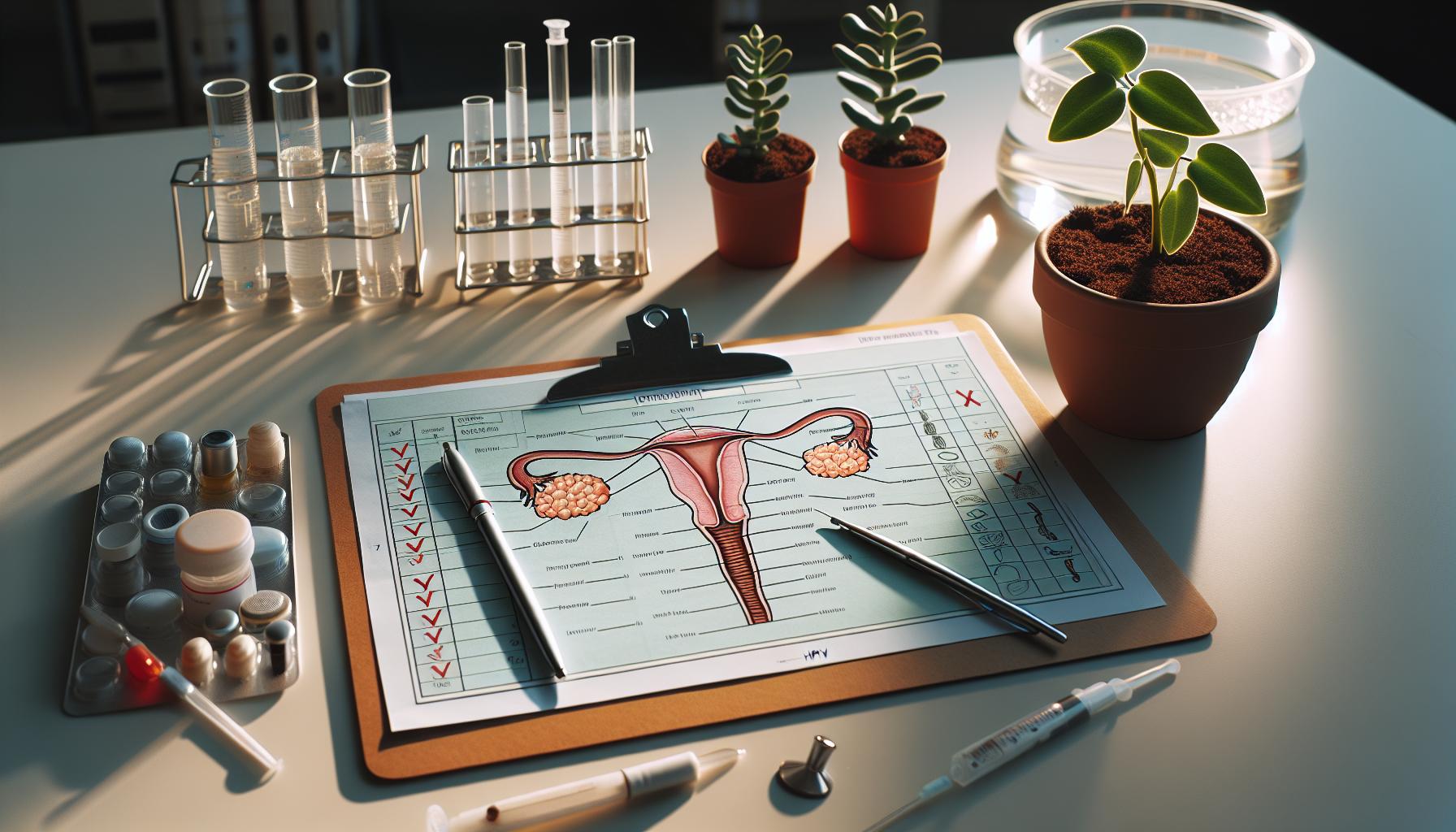
Understanding the complexities of Human Papillomavirus (HPV) and its potential impact on fertility is crucial for many women navigating their reproductive health. HPV is a common sexually transmitted infection that can lead to various health issues, some of which may affect fertility. While many HPV infections resolve on their own, persistent strains, particularly high-risk types, are more concerning. These strains can lead to cervical dysplasia and even cervical cancer if left untreated, which might necessitate interventions such as surgery. Such procedures, while aimed at preventing cancer, can inadvertently affect the cervix, potentially leading to challenges in conceiving or carrying a pregnancy to term.
The relationship between HPV and infertility isn’t straightforward. HPV itself doesn’t directly cause infertility, but the repercussions of related health issues can play a significant role. For instance, treatments for cervical precancer or cancer may involve the removal of cervical tissue, which can impact the ability of sperm to reach the egg or can lead to complications in pregnancy, such as preterm birth or miscarriage. It’s essential for women who are or plan to be sexually active to engage in regular screenings, such as Pap smears, to catch any abnormalities early on, allowing for timely management.
Aside from the physical health implications, the emotional toll of a potential HPV diagnosis and its aftermath can be substantial. Many women feel a mix of anxiety and uncertainty regarding their fertility futures. Acknowledging these feelings is critical, and seeking support-whether from loved ones or fertility specialists-can make a significant difference. Women should be encouraged to communicate openly with their healthcare providers about their concerns and explore all options available to them, whether that be natural conception, assisted reproductive technologies like IVF, or other family-building methods.
Ultimately, staying informed about HPV, understanding the importance of preventative measures, and addressing the emotional impacts of infertility can help women navigate their fertility journey with hope and resilience.
How HPV Affects Female Reproductive Health

Many women may not realize that the Human Papillomavirus (HPV), while primarily known for its association with cervical cancer, can have broader implications for female reproductive health. The negative impacts of high-risk HPV strains can lead to conditions such as cervical dysplasia, which refers to the abnormal growth of cells on the cervix. If these conditions require treatment, such as surgical procedures to remove affected tissue, they can inadvertently affect a woman’s reproductive capabilities. It’s essential to understand that while HPV itself does not cause infertility, the treatments resulting from related health complications can have a significant effect on a woman’s ability to conceive and carry a pregnancy to term.
Moreover, HPV can alter the natural environment of the vagina and cervix, potentially impacting fertility. For instance, inflammation or changes in cervical mucus associated with HPV may hinder sperm transport to the egg, complicating conception efforts. Additionally, if surgery on the cervix is needed, this can lead to cervical insufficiency, where the cervix may not hold a pregnancy to full term, increasing the risk of preterm labor or miscarriage. Therefore, maintaining regular gynecological check-ups and early detection through Pap smears is vital in identifying any abnormalities early on and addressing them before they escalate into more severe health issues.
It’s equally important to consider the emotional aspects when facing HPV-related reproductive health concerns. Many women may experience feelings of anxiety, fear, or uncertainty about their fertility future, especially if they receive a diagnosis requiring medical intervention. Connecting with healthcare professionals who understand these concerns, as well as seeking additional support from counselors or support groups, can provide invaluable reassurance and guidance through this journey. Women should be empowered to advocate for their health, explore all their reproductive options, and make informed decisions aligned with their family-building desires. By prioritizing both physical and emotional health, individuals can navigate this challenging landscape with resilience and hope.
The Connection Between HPV and Infertility
The relationship between Human Papillomavirus (HPV) and infertility often raises significant concern among women navigating their reproductive health. While HPV is largely known for its link to cervical cancer, its impact extends into areas that can affect a woman’s ability to conceive and carry a pregnancy to term. It’s crucial to understand that HPV itself does not directly cause infertility; however, the complications arising from certain HPV-related conditions can undoubtedly influence fertility outcomes.
High-risk HPV strains can lead to the development of cervical dysplasia, which refers to abnormal changes in cervical cells. If these changes necessitate surgical intervention, such as a loop electrosurgical excision procedure (LEEP), the structural integrity of the cervix may be compromised. This alteration can create cervical insufficiency, a condition where the cervix is unable to sustain a pregnancy, increasing the chances of preterm birth or miscarriage. Additionally, HPV-induced inflammation can affect mucous production in the cervix, impacting sperm transport and potentially making conception more difficult.
Understanding these dynamics emphasizes the importance of regular gynecological examinations, including Pap smears and HPV testing. These measures allow for the early detection of any abnormalities and timely intervention, thereby helping to maintain both physical health and reproductive potential. If you have been diagnosed with HPV, discussing your fertility concerns with your healthcare provider can open up avenues for preventative measures and tailor a monitoring plan that aligns with your reproductive goals.
Empowering yourself with knowledge and advocating for your reproductive health is vital. Whether considering options like intrauterine insemination (IUI), in vitro fertilization (IVF), or even adoption, knowing your body and the influences of HPV enables you to make informed decisions. Many women have navigated the complexities of HPV and fertility with resilience, finding avenues to achieve their dreams of motherhood, regardless of the hurdles they face.
Emotional Impact of Infertility Due to HPV
Navigating the challenges of infertility can feel overwhelming, especially when intertwined with health concerns like HPV. As women grapple with the implications of a diagnosis that can affect their fertility, it’s essential to acknowledge the emotional weight that comes along with it. Many experience a rollercoaster of feelings-hope, grief, anxiety-often compounded by societal pressures and personal expectations. The desire to conceive and build a family can become clouded by uncertainty and fear, leading to feelings of isolation and sadness.
It’s crucial to remember that you are not alone in this journey. The is valid and deserving of recognition. Many women find solace in connecting with others who share similar experiences, whether through support groups or online communities. These platforms provide a safe space to share stories, coping strategies, and even practical advice on navigating the complexities of fertility treatments. Verbalizing your feelings can be a powerful step towards healing, enabling you to process the grief associated with unmet expectations of motherhood.
Additionally, managing the emotional toll can involve incorporating mindfulness practices or seeking professional support. Therapists specializing in reproductive health can offer guidance tailored to your specific needs, helping you build resilience through this challenging time. Engaging in hobbies, maintaining a support network, and setting small, achievable goals can also create moments of joy amid uncertainty. Each step you take towards understanding your emotions can pave the way for empowerment on your fertility journey, allowing you to celebrate small victories, such as enhancing your knowledge about treatment options or taking active steps towards managing your reproductive health.
In this setting, it is essential to foster a non-judgmental environment about family-building paths. Whether considering IVF, intrauterine insemination (IUI), or exploring adoption, every journey is unique. Recognizing and validating your feelings during this process is key. Allow yourself to feel, seek out support, and give space for both hope and sadness as you navigate your path forward.
Preventative Measures for HPV Protection
Taking proactive steps towards protecting yourself from HPV can significantly impact your reproductive health and future fertility. One of the most effective ways to prevent HPV infection is through vaccination. The HPV vaccine is recommended for preteens, but it can also be administered to adolescents and young adults up to age 26. For certain individuals, the vaccine may even be recommended up to age 45. By getting vaccinated, you can protect yourself against the most common high-risk strains of HPV that are linked to cervical cancer and other related health issues.
In addition to vaccination, practicing safe sex is crucial in reducing the risk of HPV transmission. This includes using condoms and dental dams consistently and correctly, as they can lower the risk of HPV but do not completely eliminate it. It’s also important to have open and honest conversations with your partner(s) about sexual health and history. Regular screenings, such as pap smears and HPV tests, are vital for early detection of any abnormalities, which can lead to prompt treatment and prevention of more serious conditions.
Maintaining a healthy immune system can also play a role in preventing HPV-related complications. A balanced diet rich in fruits, vegetables, and whole grains, along with regular exercise, can boost your immune response. Adequate sleep and stress management techniques-such as mindfulness and yoga-can further support your overall health. Lastly, staying up to date with health check-ups and following your healthcare provider’s recommendations will empower you to take charge of your fertility journey. Protecting yourself through these measures not only promotes your reproductive health but also contributes to your overall well-being, allowing you to approach your fertility goals with greater confidence and security.
Screening and Early Detection of HPV
Regular screenings are essential for early detection of HPV, offering a proactive approach to managing reproductive health. Women are encouraged to begin cervical cancer screening at age 21, with pap smears typically performed every three years. Starting at age 30, women may opt for a Pap and HPV co-test every five years, depending on their health history. This combination effectively identifies precancerous changes, enabling timely interventions that can safeguard fertility.
Early detection through these screenings can lead to the identification of high-risk HPV strains, which are associated with cervical cancer. By addressing HPV-related changes before they advance, women can avoid more severe health consequences, including complications that may affect fertility. It’s crucial to understand that while most HPV infections resolve on their own, persistent infections can lead to significant health issues.
In addition to routine screenings, personal awareness of symptoms is also vital. While many women with HPV may remain asymptomatic, being attentive to any unusual changes in menstrual cycles or pelvic pain is important. Regular communication with healthcare providers about symptoms and any concerns related to HPV can further support reproductive health.
Finally, understanding the implications of HPV on reproductive health helps demystify the condition. For those already concerned about the impact of HPV on their fertility, seeking support from healthcare professionals can provide guidance on potential treatment plans. Remember, early detection empowers women to take control of their health and make informed decisions about their fertility journeys.
Choosing the Right Treatment Options
after an HPV diagnosis can be daunting, yet it is essential for protecting your fertility and overall reproductive health. Initial decisions are often guided by the type of HPV strain present, the severity of any cervical changes, and your personal goals regarding family planning. It’s important to consult with your healthcare provider to determine the best course of action tailored to your situation.
Many options are available, ranging from regular monitoring to surgical interventions. In cases where HPV has caused precancerous changes or lesions, procedures like Loop Electrosurgical Excision Procedure (LEEP) or conization may be recommended to remove affected tissue. These treatments are generally effective and can prevent the progression to cervical cancer, thereby protecting fertility. It’s crucial to discuss potential side effects and recovery times with your doctor, as recovery can influence your timeline for trying to conceive.
For women who may face additional fertility challenges related to HPV, assisted reproductive technologies like in vitro fertilization (IVF) could be considered. IVF allows for controlled conditions where eggs can be harvested, fertilized, and implanted. It’s beneficial to explore the costs associated with these treatments-IVF can range from $12,000 to $15,000 per cycle-while also discussing financial assistance programs or insurance coverage options available in your area.
Remember, emotional support during this process is vital. Many women find comfort in speaking with therapists specializing in fertility issues or joining support groups. Addressing mental health and grief around infertility is just as important as the medical aspects of treatment. Ultimately, making informed choices about your treatment path can empower you on your fertility journey, enabling you to stay hopeful and proactive about your future family.
Navigating Fertility Treatments After HPV
The journey through fertility treatments after an HPV diagnosis can feel overwhelming, yet knowing your options can be empowering. Research shows that while HPV can pose certain risks, particularly if it leads to cervical changes, many women go on to have successful pregnancies. Understanding the nuances of fertility treatments tailored to your situation will help you navigate this path with confidence.
After receiving an HPV diagnosis, it’s essential to work closely with your healthcare provider to assess any necessary treatments for precancerous changes or lesions. Procedures like Loop Electrosurgical Excision Procedure (LEEP) or conization, which remove affected tissue, are common and can preserve fertility when managed appropriately. Recovery times can vary, so maintaining an open dialogue with your physician about what to expect during your recovery is vital. This can help you strategically plan for when you may begin trying to conceive again.
For women facing increased fertility challenges due to HPV-related issues, options such as in vitro fertilization (IVF) may be appropriate. IVF not only allows for the harvesting of eggs under controlled conditions but also provides the opportunity for prenatal genetic testing, which may reassure couples about choosing genetically healthy embryos for implantation. Considering the financial aspect, it’s important to discuss costs-IVF can range from $12,000 to $15,000 per cycle-and insurance coverage when exploring this route.
In addition to the medical side, emotional support during this process is crucial. Connecting with therapists who specialize in fertility issues or joining support groups can provide comfort and understanding. It’s normal to experience a range of emotions, from hope to grief, as you navigate your fertility journey. Finding ways to celebrate small milestones, whether it’s a successful procedure or simply making it through a tough day, can help maintain positivity and resilience. Remember, you are not alone in this journey, and a supportive network can make all the difference.
Support Resources for Women Facing Infertility
The emotional journey of dealing with infertility, especially following an HPV diagnosis, can feel isolating. It’s important to remember that you’re far from alone in this experience. Connecting with support resources can provide not only practical information but also emotional comfort during this challenging time.
Therapeutic Support
Seeking professional help from therapists who specialize in infertility can provide a safe space to express your feelings. They can help validate your experiences and offer coping strategies tailored to your unique situation. Cognitive-behavioral therapy (CBT), for instance, can help manage anxiety and depression that may accompany the uncertainty of fertility challenges.
Support Groups
Joining a support group for women facing similar struggles can be incredibly beneficial. These groups foster a sense of community and allow you to share your experiences, hopes, and challenges without fear of judgment. Online forums and local meet-ups can create connections that help combat feelings of isolation, providing encouragement and understanding from those who truly get it.
Educational Resources
Many organizations offer webinars, workshops, and educational materials focusing on fertility issues related to HPV. Websites such as RESOLVE: The National Infertility Association and the American Society for Reproductive Medicine provide a wealth of information and can help you understand your diagnosis, treatment options, and the emotional aspects of fertility.
Coping Strategies
Maintaining open communication with your partner and loved ones is crucial. They can often serve as your primary support system. Also, consider engaging in stress-reducing activities, such as yoga, meditation, or journaling, which can help manage the emotional toll associated with fertility struggles.
As you navigate this journey, celebrate your milestones, however small they may seem, and approach your path to parenthood with resilience and hope.
Maintaining Hope on Your Fertility Journey
The journey toward parenthood can be particularly daunting when navigating the implications of HPV on fertility. Many women may fear that an HPV diagnosis will derail their dreams of starting a family. However, it’s important to maintain a sense of hope and understand the pathways available to protect and nurture your fertility.
One practical step is to engage in open dialogue with your healthcare provider. Discuss your concerns about HPV and its potential effects on your reproductive health, as they can provide tailored insights and options. Early intervention, monitoring, and treatment can sometimes mitigate risks and help you maintain control over your reproductive future. Regular check-ups and screenings, including Pap smears and HPV tests, are crucial for early detection of any changes and to inform your next steps.
Support networks also play a vital role in sustaining hope. Connecting with others who share similar experiences can provide invaluable emotional support and shared wisdom. Seek out local or online support groups where you can express your feelings without judgment. Sharing your journey with others can help alleviate feelings of isolation and promote resilience. Remember, it’s okay to have days filled with uncertainty; acknowledge those feelings, but don’t lose sight of your dreams.
Finally, keep in mind that there are numerous family-building options available, including assisted reproductive technologies like IVF, insemination, or even adoption. Each pathway presents its challenges, but they also open doors to different possibilities. Celebrate every small victory along the way, whether it’s a successful consultation, a new connection, or gaining more knowledge about your options. Hope thrives in informed understanding and community support, so embrace every aspect of your journey.
Addressing Myths About HPV and Fertility
It’s a common misconception that a diagnosis of HPV inevitably leads to infertility in women. In reality, while certain high-risk strains of HPV are linked to cervical cancer, the virus itself does not directly cause infertility. Many women live with HPV without ever encountering fertility issues. Notably, factors such as the presence of cervical dysplasia or cancer, which can arise from persistent high-risk HPV infections, pose more significant risks to reproductive health than the virus itself.
To address these fears, it’s important to understand that the body’s immune system often clears HPV naturally over time. In cases where HPV leads to precancerous changes, regular screenings and early intervention can help manage and treat these conditions before they impact fertility. Healthcare providers can guide women through monitoring, treatment options, and potential impacts of HPV on future pregnancies, reinforcing that most women with HPV maintain their reproductive health effectively.
Furthermore, emotional support and accurate information can significantly reduce anxiety surrounding these myths. Connecting with groups or therapists knowledgeable about HPV-related fertility issues can provide a safe space to share experiences and build resilience. Realizing that many paths exist for family building-be it through natural conception or assisted reproductive technologies-can help women focus on their options rather than their fears, fostering a sense of hope and empowerment on their fertility journey.
Coping Strategies for the Emotional Toll of Infertility
Navigating the emotional landscape of infertility can feel like an overwhelming journey, especially when concerns about HPV intertwine with dreams of parenthood. It’s essential to acknowledge the complex feelings that arise during this time, including grief, anxiety, and even moments of hope. Building a supportive framework around your emotional health is crucial for you to cope effectively with the challenges ahead.
One effective strategy is to foster connections. Seeking support from friends, family, or support groups can make a significant difference. Sharing your feelings and experiences with others who understand can alleviate feelings of isolation. Consider finding local or online groups focused on fertility issues, where you can exchange insights and strategies. These spaces often allow for candid discussions about fears and hopes, offering a sense of community that can be incredibly reassuring.
Another valuable approach is to practice mindfulness and self-care. Techniques such as meditation, yoga, or journaling can help ground your emotions and reduce stress. Engaging in activities that bring you joy, whether it’s reading, painting, or spending time in nature, can be incredibly restorative. Remember that it’s okay to take breaks from the fertility conversation when needed. Prioritizing your mental health is just as important as any medical treatment.
Additionally, communicate openly with your healthcare provider about your feelings and concerns. They can offer reassurance and practical solutions, help you understand your treatment options, and set realistic expectations regarding timelines and success rates. Discussing your emotional health during these appointments can lead to tailored support that addresses both your physical and mental health needs.
Ultimately, you deserve compassion and understanding throughout this process. Keeping a balanced perspective-celebrating small milestones and acknowledging setbacks-will help maintain your hope. Empower yourself with knowledge about your options in family building, whether that means exploring IVF, adoption, or other pathways. Cultivating resilience is a journey, and surrounding yourself with supportive people and practices can empower you as you navigate through it.
Q&A
Q: How does HPV affect women’s fertility?
A: HPV primarily affects the cervix, which can lead to cervical cancer if untreated. While HPV itself doesn’t directly cause infertility, cervical changes may impact fertility treatments or increase risks during pregnancy. Regular screening and vaccination are vital for prevention and maintaining future fertility.
Q: What symptoms of HPV should I watch for that might affect fertility?
A: Most HPV infections are asymptomatic, but some may develop genital warts or changes in cervical cells. These changes can complicate fertility, so monitoring for any abnormal symptoms through regular gynecological exams is crucial. If you have concerns, discuss them with a healthcare provider.
Q: Can HPV lead to complications during pregnancy?
A: Generally, HPV doesn’t affect pregnancy, but certain complications may arise if precancerous changes are present. It’s essential to discuss your HPV status with your healthcare provider to ensure proper monitoring and management during pregnancy and to avoid potential risks.
Q: How can I protect my fertility from HPV?
A: Vaccination against HPV significantly reduces the risk of infection and associated complications. Additionally, practicing safe sex, having regular cervical screenings, and following your doctor’s recommendations can help protect your fertility and reproductive health.
Q: Are there specific fertility treatments affected by HPV?
A: HPV can influence treatment options, particularly if cervical abnormalities are present. Procedures like IVF may require careful planning to address these issues. Consulting with a fertility specialist knowledgeable about HPV is essential for personalized guidance.
Q: What is the relationship between HPV and endometriosis?
A: While HPV is not directly linked to endometriosis, both conditions can co-occur. Endometriosis may hinder fertility, so addressing both issues with healthcare providers is vital for improving reproductive health and treatment options.
Q: How often should I get screened for HPV if I want to conceive?
A: Women aged 21 to 29 should have a Pap test every three years, while those 30 and older should have HPV testing every five years or Pap testing every three years. Regular screenings allow for early detection of any issues that could affect fertility and overall health.
The Conclusion
As we’ve discovered, HPV can be a serious concern for women’s reproductive health, potentially affecting fertility in various ways. It’s crucial to stay informed and proactive. If you’re worried about HPV and its implications, consider consulting a healthcare professional for tailored advice on screening and potential treatments. Prioritize your health today by exploring our comprehensive resources on fertility awareness and reproductive health options, including IVF treatments and preventative HPV vaccinations.
Don’t let uncertainty hold you back-empower yourself with knowledge and support. Join our community by signing up for our newsletter for the latest insights on female reproductive health and fertility solutions. Your journey matters, and you deserve to explore all possible paths to achieving your family goals. Remember, addressing these concerns now can safeguard your future. Feel free to leave your thoughts or questions in the comments below, and let’s continue this vital conversation together!