In recent years, spicy foods have gained popularity, with dishes like Buldak Ramen becoming household favorites. However, a troubling myth has emerged: Can indulging in these fiery noodles impact fertility? This question is vital for those on their journey to parenthood, as many are looking for answers amid overwhelming information. Understanding the potential effects of diet, particularly spicy foods like Buldak Ramen, on reproductive health can help individuals make informed choices. As we explore this topic, we’ll delve into the science behind the myth, addressing your concerns and offering clarity. Let’s uncover the truth together and pave the way for a confident, hopeful family-building experience.
Examining the Spicy Noodle Controversy
The consumption of spicy foods, particularly popular items like Buldak Ramen, has often been at the center of debate regarding their effects on health, specifically in relation to fertility. While anecdotal claims suggest a connection between spicy diets and reproductive issues, scientific evidence remains inconclusive. Buldak Ramen, known for its intense heat and flavorful seasoning, raises questions for those on a fertility journey, prompting them to wonder if such beloved spicy treats could pose a risk to their reproductive health.
One perspective focuses on the role of diet in overall wellness, with research indicating that nutritional choices can significantly impact hormonal balance and reproductive function. Spicy foods may briefly elevate metabolism and increase heart rate, but they also introduce high sodium content and preservatives, present in many instant noodle products. It’s essential to contemplate how frequently one consumes such products and the possible cumulative effects on long-term health, especially when trying to conceive.
Additionally, some experts advocate for moderation to support both health and fertility. A balanced diet rich in fruits, vegetables, whole grains, and lean proteins can enhance reproductive outcomes. While a spicy noodle dish might bring immediate comfort, it’s crucial to ensure that it doesn’t replace more nutrient-dense options in your daily meals. Engaging with a healthcare provider or a nutrition specialist can provide tailored insights, enabling individuals to find a harmonious balance between enjoying cultural favorites like Buldak Ramen and fostering an environment conducive to fertility.
In conclusion, while Buldak Ramen and other spicy foods can be enjoyed, awareness about their nutritional implications is vital for those who may be concerned about fertility. Emphasizing a varied and balanced diet offers the best pathway to supporting reproductive health without forsaking culinary joys.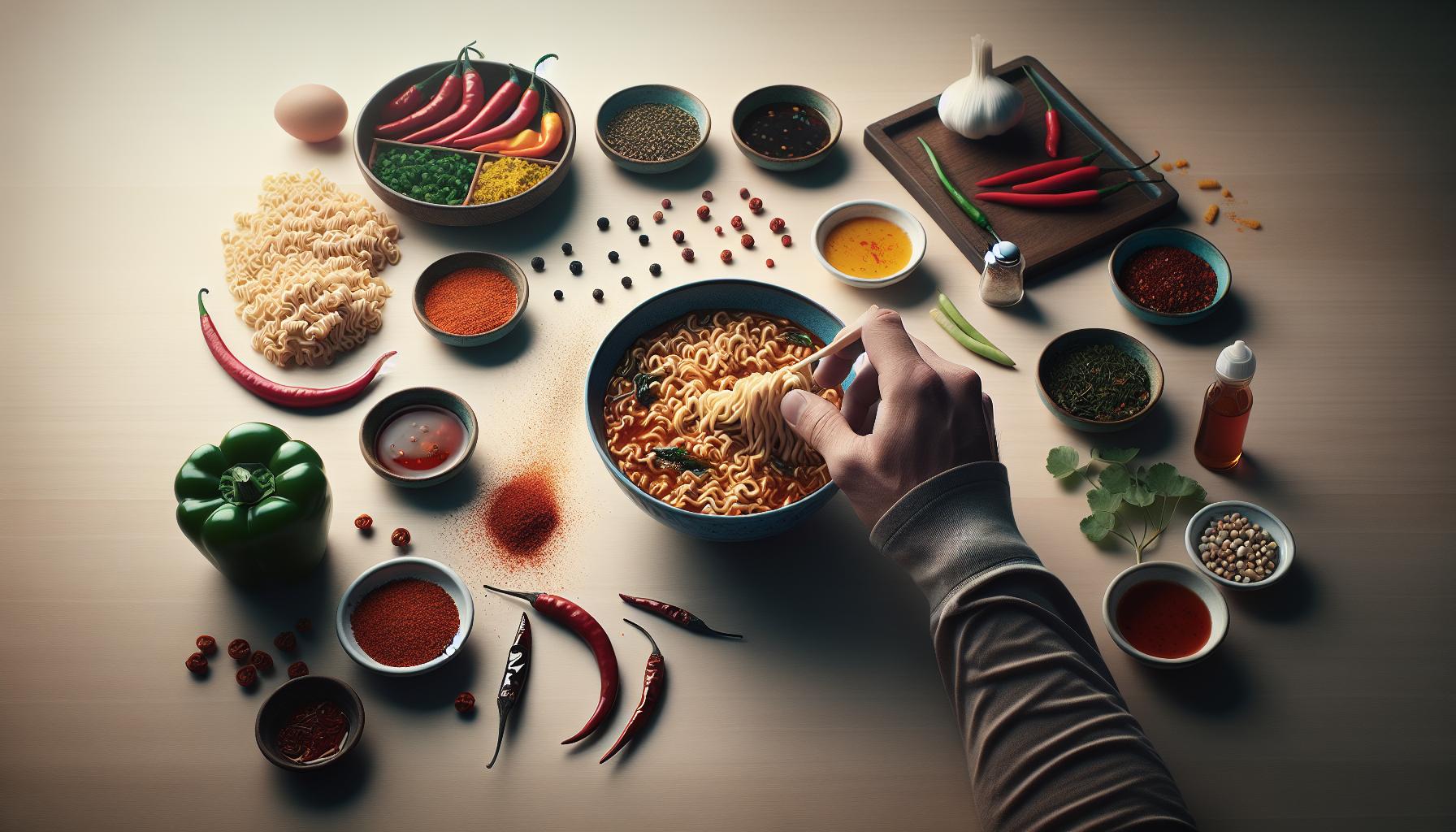
The Link Between Diet and Fertility
Making conscious dietary choices can significantly influence reproductive health, and understanding the link between what we eat and our fertility can guide those on the journey of conception. While the notion that spicy foods like Buldak Ramen could adversely affect fertility may seem alarming, it’s essential to sift through the myths to uncover a more nuanced reality. Diet plays a critical role in regulating hormone levels, improving ovulation, and maintaining a healthy weight-all of which are vital for conception.
Research indicates that a well-rounded diet can improve reproductive outcomes. A balanced intake of fruits, vegetables, whole grains, and lean proteins is crucial, as these foods provide essential nutrients that support hormone balance and reproductive organ health. On the other hand, a singular focus on spicy foods, particularly those high in sodium and preservatives like Buldak Ramen, can lead to health issues if consumed excessively. The key lies in moderation and ensuring that spicy dishes do not overshadow more nutrient-dense foods in one’s diet.
Engaging with healthcare providers or nutrition specialists can offer personalized advice tailored to individual dietary needs and fertility goals. They can help craft meal plans that integrate beloved spicy treats alongside wholesome options. Importantly, recognizing that dietary choices can evoke emotional connections can make a substantial difference. Food is not merely sustenance; it also represents comfort, culture, and celebration. Striving for balance between enjoying cultural favorites and prioritizing fertility-enhancing foods can cultivate a joyous and supportive environment for conception.
Ultimately, awareness around what we consume is paramount. While Buldak Ramen can provide flavorful enjoyment, fostering a diverse and nutrient-rich diet ensures a more conducive atmosphere for reproductive health. Listening to one’s body and making informed choices empowers individuals on their fertility journey, reinforcing the notion that health and enjoyment can coexist harmoniously.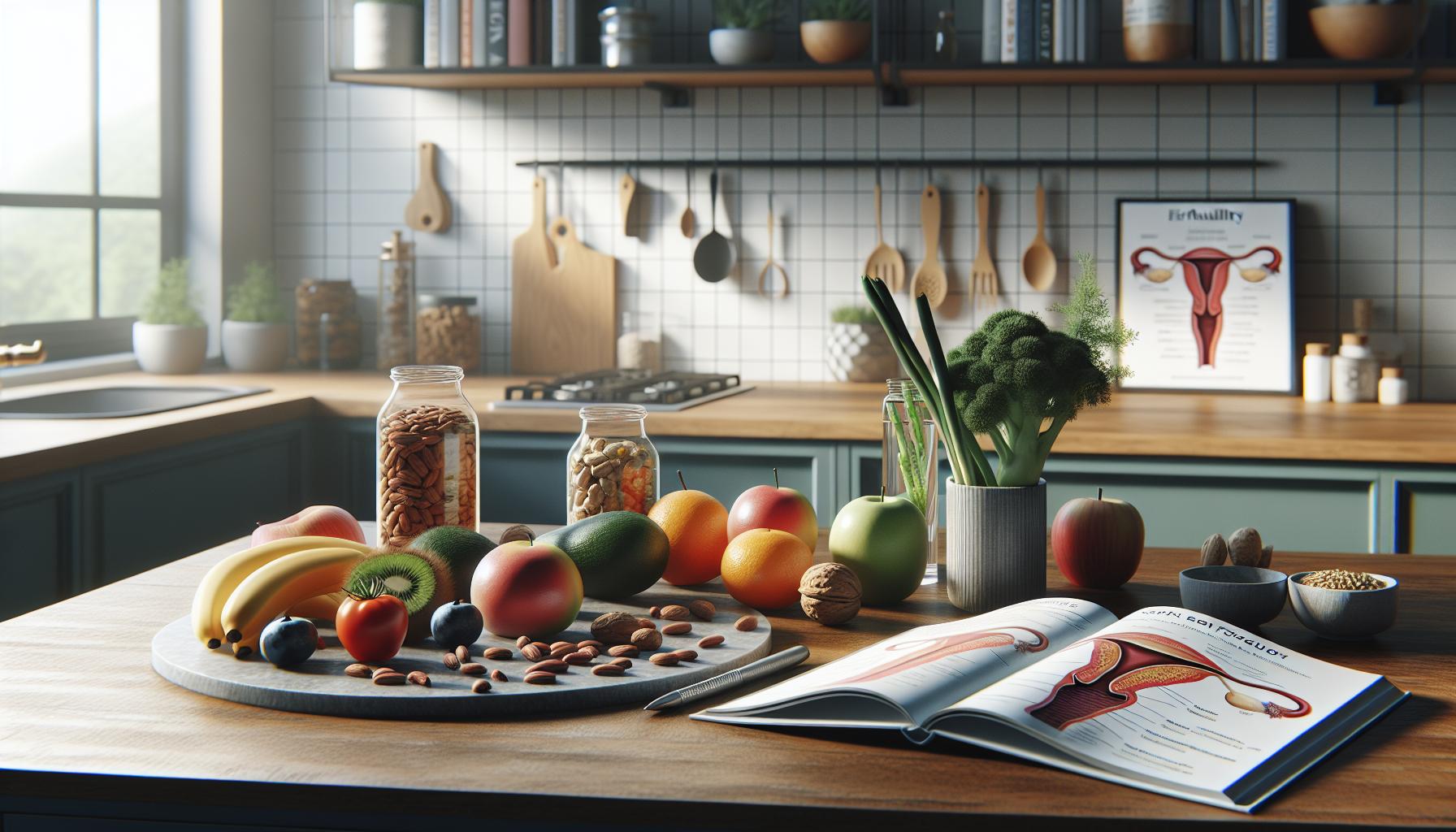
Buldak Ramen: Ingredients and Health Risks
Buldak Ramen has gained notoriety for its fiery flavor, becoming a go-to for those who crave a spicy meal. However, as individuals embark on their fertility journeys, concerns about dietary choices can arise, particularly around products high in sodium and artificial ingredients. It’s essential to dive deep into the ingredients of Buldak Ramen and understand potential health risks to make informed decisions.
The core components of Buldak Ramen include wheat flour, palm oil, seasoning mix, and a combination of various additives. The condiment packet typically contains artificial flavors, preservatives, and high levels of sodium. Each serving can contain over 1,000 mg of sodium, which is significantly higher than recommended daily limits. Excessive sodium intake can contribute to hypertension and cardiovascular issues, potentially influencing overall health and fertility. It’s crucial to recognize how a high-sodium diet may impact bodily functions, including hormone regulation essential for reproductive health.
Moreover, the presence of artificial additives can raise concerns. While they enhance flavor and extend shelf life, these ingredients may not provide nutritional benefits and could potentially disrupt metabolic processes. For individuals trying to conceive, focusing on a balanced diet rich in whole foods-such as fruits, vegetables, lean proteins, and whole grains-can better support reproductive health. The key is moderation; enjoying Buldak Ramen sporadically within a diverse diet can mitigate potential risks while allowing for indulgence without compromising health.
For those yearning for balance, consider pairing Buldak Ramen with nutrient-dense sides like steamed vegetables or a protein-rich salad. This approach not only enhances the nutritional profile of the meal but also allows for enjoyment of cultural foods without over-reliance on less healthy options. Engaging with a healthcare professional or nutritionist can provide personalized guidance tailored to individual dietary needs and fertility goals. It’s important to listen to one’s body and make choices that foster a positive environment for both health and hope on the path to conception.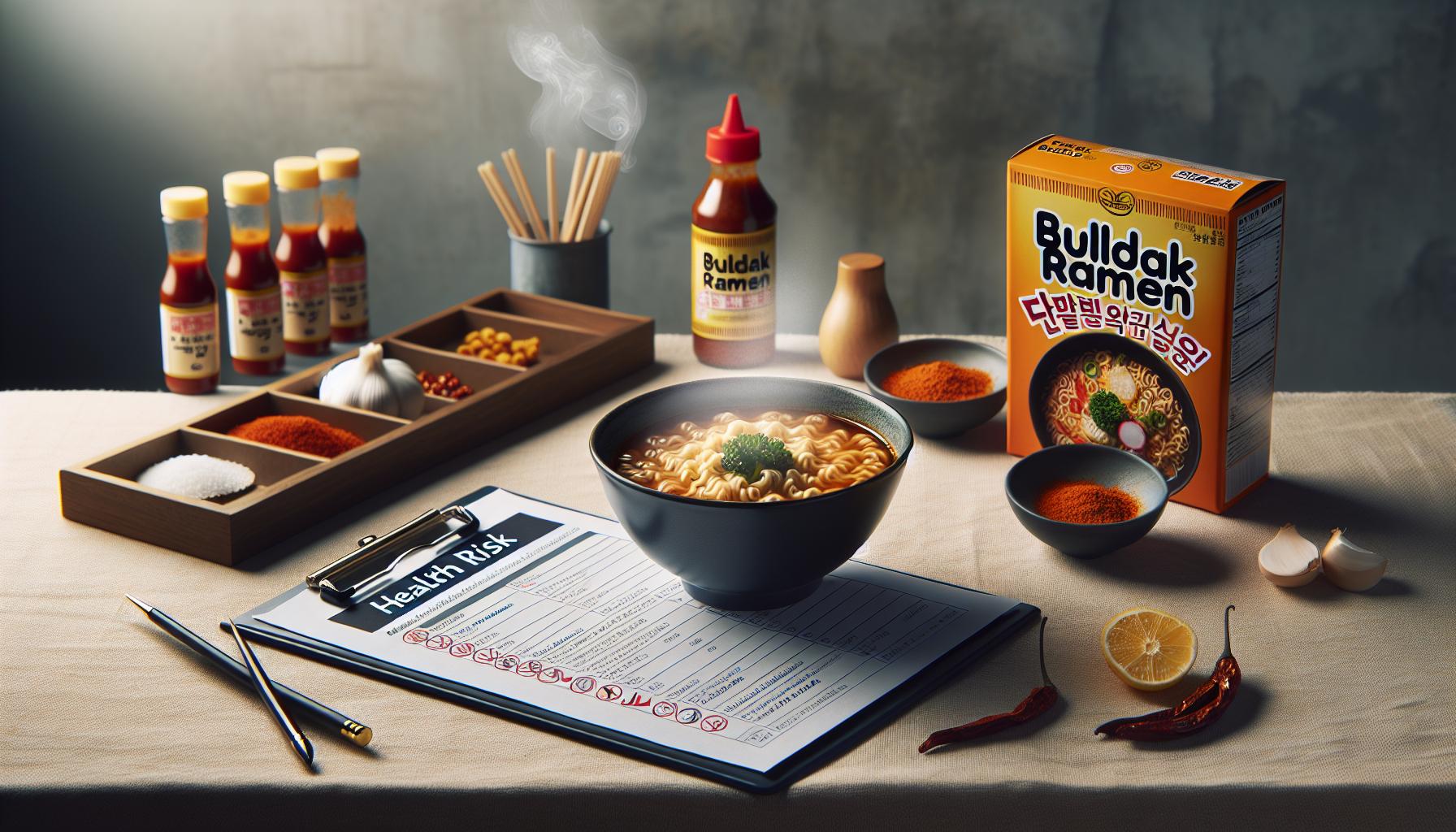
Understanding Infertility: Key Factors and Myths
Understanding the complexities of infertility can be both daunting and confusing, especially when faced with pervasive myths surrounding dietary influences. One common misconception is that certain foods, including spicy noodles like Buldak Ramen, have a direct impact on fertility. While diet undeniably plays a role in reproductive health, it’s vital to unpack what aspects truly matter and where myth may overshadow reality.
Many lifestyle factors influence fertility, including age, medical history, and body weight. Women’s reproductive health can be particularly sensitive to hormonal changes, which can be affected by overall nutrition and lifestyle choices. High-sodium diets, as seen with frequent consumption of products like Buldak Ramen, can lead to health issues such as hypertension, which may indirectly affect fertility by influencing overall well-being. However, current scientific evidence does not support the idea that consuming spicy foods alone-like Buldak Ramen-causes infertility.
Furthermore, misunderstanding the role of specific dietary components often leads to unnecessary fear. Spicy foods can cause digestive discomfort for some, but there is no conclusive research linking them directly to reproductive difficulties. Instead, a balanced diet rich in vitamins, minerals, and antioxidants is associated with better fertility outcomes. Consider incorporating a variety of foods, such as fruits, vegetables, whole grains, and lean proteins, which provide essential nutrients that support hormonal balance and ovulation.
As you navigate your fertility journey, it is important to engage with healthcare professionals who can provide personalized advice that considers your unique circumstances. Listening to your body and creating a balanced, nutritious eating plan may not only enhance your chances of conception but also contribute to your overall health and well-being. Embrace small dietary changes that support your reproductive path, and remember to seek support if you ever feel overwhelmed by the emotional weight of this journey.
Spicy Foods and Their Impact on Reproductive Health
While spicy foods like Buldak Ramen are often enjoyed for their flavor and heat, their impact on reproductive health can stir up concerns among those trying to conceive. Many people wonder if indulging in such foods can pose a risk to fertility. To clarify, the current scientific research does not substantiate the notion that spices or spicy noodles directly contribute to infertility. Instead, the key to understanding this relationship lies in recognizing the broader context of diet and lifestyle.
There are anecdotal reports suggesting that high levels of spices can lead to digestive issues, which might cause discomfort, but these are typically not linked to infertility. It’s essential to consider how lifestyle choices-including diet, stress management, and regular exercise-intertwine with reproductive health. Consuming any food in moderation generally poses little risk. In fact, spices have been known to contain beneficial compounds that may have positive health effects, including anti-inflammatory properties which can support overall well-being.
Finding Balance in Your Diet
To maintain optimal reproductive health, focus on a balanced diet rich in a variety of nutrients. Consider incorporating the following food groups:
- Fruits and Vegetables: These are high in antioxidants which combat oxidative stress.
- Whole Grains: Foods like quinoa, brown rice, and oats support sustained energy levels.
- Lean Proteins: Options such as chicken, fish, beans, and legumes provide essential amino acids.
While the occasional bowl of Buldak Ramen can be enjoyed as part of a well-rounded diet, it’s important to balance such indulgences with nourishing choices. Consulting with a healthcare professional or a nutritionist can aid in developing a personalized eating plan that accommodates your fertility goals, addresses specific health concerns, and considers any dietary preferences or restrictions you may have.
Ultimately, it’s essential to foster a supportive environment for your reproductive journey. This includes understanding that the connection between diet and fertility is multifaceted; rather than focusing on individual foods, emphasize a holistic approach that nurtures both your body and mind during this significant time in your life.
Scientific Studies on Spicy Foods and Fertility
The relationship between spicy foods, such as Buldak Ramen, and fertility is a topic shrouded in misunderstanding and myth. While some may fear that indulging in fiery dishes could harm reproductive health, scientific studies suggest otherwise. Research has largely focused on how diets rich in specific nutrients and balanced eating habits contribute more significantly to fertility than the inclusion of spicy ingredients. For instance, studies indicate that antioxidants found in fruits and vegetables, combined with healthy fats and proteins, play a crucial role in supporting reproductive function.
Emerging research highlights that certain spices, including those found in spicy foods, might possess beneficial properties. Capsaicin, the active component in chili peppers, has been studied for its potential health benefits, including anti-inflammatory and antioxidant effects. These effects can be supportive of overall well-being, which is essential during the fertility journey. However, most scientific literature does not directly correlate high consumption of spicy foods with adverse effects on fertility; rather, it encourages a balanced approach to diet that includes a variety of food groups to support reproductive health.
It is also worth noting the importance of individual tolerance levels and lifestyle choices when considering diet. Digestive comfort plays a role; individuals with specific gastrointestinal sensitivities may experience discomfort from spicy foods, which could indirectly impact overall well-being during the conception process. Therefore, while indulging in spicy cuisine like Buldak Ramen occasionally is generally acceptable, moderation and personal sensitivity are key.
In summary, the link between spicy foods and fertility is not clearly defined in scientific research, and much of the existing evidence points towards an encompassing view of diet rather than demonizing individual food types. A holistic approach that integrates a variety of nutrient-rich foods is essential for nurturing reproductive health, allowing individuals to enjoy their culinary preferences without undue concern.
Nutritional Myths: Debunking Fertility Misconceptions
The world of fertility is often overshadowed by a myriad of myths and misconceptions that can leave individuals feeling confused and uncertain about their dietary choices. One such belief is that consuming spicy foods, like Buldak Ramen, can negatively affect fertility. However, this outlook tends to oversimplify a complex topic and fails to recognize the nuances of nutrition and reproductive health.
First and foremost, it’s essential to understand that a holistic approach to diet plays a significant role in fertility. While some spicy foods might be labeled as harmful, focusing on a balanced intake of macro and micronutrients-such as proteins, healthy fats, vitamins, and minerals-has a much more substantial impact on reproductive function. For instance, antioxidants found in fruits and vegetables support overall health and can enhance fertility by reducing oxidative stress in the body. This holistic view not only allows for the occasional indulgence in spicy dishes but also emphasizes the importance of variety in a diet.
Moreover, individual responses to spicy foods vary widely. Some people enjoy the heat without any digestive issues, while others may experience discomfort. This sensitivity can indeed distract from the emotional and physical well-being essential during the conception process. It’s important to listen to your body; if consuming spicy dishes leaves you feeling unwell, it might be prudent to limit intake, regardless of fertility myths.
Finally, while scientific research does not definitively link high spicy food consumption to infertility, it encourages a well-rounded diet to support reproductive health. Therefore, rather than viewing spicy foods as a villain in the fertility narrative, consider them one component of a diverse and nutritious eating plan. By debunking such myths and focusing on practical, nutritious choices tailored to individual needs, individuals can navigate their fertility journeys with greater confidence and clarity.
How Lifestyle Choices Affect Reproductive Health
Making thoughtful lifestyle choices can play a pivotal role in enhancing reproductive health and overall well-being. Factors such as nutrition, physical activity, sleep, and stress management collectively contribute to one’s ability to conceive and maintain a healthy pregnancy. Rather than focusing solely on specific food items like Buldak Ramen or spicy dishes, it’s crucial to adopt a comprehensive approach that prioritizes holistic health.
A balanced diet rich in essential nutrients can directly influence reproductive function. Foods high in antioxidants (like berries, leafy greens, and nuts) support cellular health and reduce oxidative stress, which can adversely affect fertility. Healthy fats, found in avocados and olive oil, play a vital role in hormone production, while adequate protein intake from both plant and animal sources is necessary for tissue repair and growth. Regularly incorporating a variety of nutrient-dense foods not only nourishes the body but also sets a strong foundation for conception.
Physical activity is another cornerstone of reproductive health. Regular exercise can help maintain a healthy weight, balance hormones, and reduce anxiety, all of which are beneficial when trying to conceive. However, it’s important to find a balance; excessive exercise can lead to elevated stress hormones, negatively impacting fertility. Aim for moderate activity, such as walking or yoga, which can encourage both physical and mental well-being.
Furthermore, managing stress through mindfulness practices, adequate sleep, and social support is essential. The journey to parenthood can bring about significant emotional challenges. It’s perfectly normal to experience feelings of grief, hope, and uncertainty. Engage in practices that promote relaxation and self-care, such as meditation or spending time in nature, to counteract stress’s potential harmful effects on fertility.
In summary, focusing on creating a healthy lifestyle that incorporates balanced nutrition, regular physical activity, and effective stress management techniques can greatly enhance reproductive health. By embracing these holistic practices, individuals can foster a positive environment that supports their fertility journey.
The Role of Moderation in Dietary Choices
Making conscious choices about what we consume can play a vital role in our reproductive health, especially for those navigating the complexities of fertility. While enjoying foods like Buldak Ramen-known for its fiery ingredients-is perfectly acceptable in moderation, it’s important to recognize how an unbalanced diet can impact overall well-being. Balance is key; indulging in your favorite spicy noodles occasionally does not equate to harm, but consuming them excessively can lead to nutritional deficiencies that may affect fertility.
To maintain a healthy relationship with food while trying to conceive, consider adopting a moderately varied diet. This can include nourishing components such as:
- Fruits and Vegetables: Aim for a rainbow of colors to ensure adequate vitamins and minerals support optimal health.
- Whole Grains: Foods like quinoa, brown rice, and whole wheat provide essential nutrients and help regulate blood sugar levels.
- Healthy Fats: Sources such as avocados and olive oil support hormone production and overall cellular health.
- Lean Proteins: Incorporating various protein sources-including legumes and fish-can aid in bodily repair and reproductive function.
Moderation extends beyond just the quantity of food; it also encapsulates the diversity of options on your plate. Integrating different food groups ensures that your body receives a complete range of nutrients essential for reproductive health. For instance, while the sweet and spicy flavor profile of Buldak Ramen can be delightful, consider pairing it with a side of leafy greens or a mixed vegetable stir-fry to enhance its nutritional value.
Embracing moderation also means being attentive to how particular foods make you feel. If you notice that spicy foods lead to discomfort or digestive issues, it might be wise to limit their intake. Ultimately, finding a balance that allows you to enjoy flavorful meals without compromising health is crucial. Celebrate small wins in your dietary choices-whether that’s choosing a healthier option one day or learning a new recipe that prioritizes nutrition. Remember, navigating fertility can be an emotional journey filled with various ups and downs; being gentle with yourself and cultivating a healthy environment for your body is vital.
What to Eat for Optimal Fertility
Maintaining a nutritious diet can significantly influence fertility, especially during the journey of trying to conceive. Nutrient-dense foods play a critical role in supporting reproductive health, and it’s essential to thoughtfully consider what we eat. While enjoying occasional indulgences like Buldak Ramen is fine, prioritizing wholesome ingredients can help create an environment conducive to conception.
To optimize fertility, focus on incorporating a variety of nutrient-rich foods into your daily diet. Good choices can include:
- Fruits and Vegetables: Aim for a colorful mix, as different colors often represent various vitamins and minerals vital for reproductive health. Berries, leafy greens, and citrus fruits are excellent sources of antioxidants.
- Whole Grains: Foods such as brown rice, quinoa, and oats can help regulate insulin levels and provide sustained energy, which is beneficial for hormonal balance.
- Healthy Fats: Incorporating sources like avocados, olive oil, and nuts can support hormone production and overall body function. Omega-3 fatty acids found in fish like salmon are particularly beneficial.
- Lean Proteins: Diverse protein sources-including legumes, fish, and poultry-are crucial for tissue repair and overall bodily functions, including reproductive health.
Additionally, it’s helpful to stay hydrated and pay attention to portion sizes. Moderation is key-while spicy foods like Buldak Ramen can add flavor, they should not dominate your diet. Instead, consider balancing them with larger servings of vegetables and other nutritious sides to enhance meals while enjoying their taste.
Remember, the path to conception can be laden with emotional ups and downs. Taking small, consistent steps towards healthier eating can foster a supportive environment for your body as it navigates this journey. Be gentle with yourself, celebrate progress, and prioritize foods that care for both your physical and emotional well-being.
Finding Balance: Indulging in Treats While Trying to Conceive
Finding a healthy balance while navigating the complexities of trying to conceive can feel overwhelming. The idea that certain indulgences, like Buldak Ramen, might hamper fertility often stirs concern, but it’s crucial to approach such questions with a nuanced perspective. Pleasure in food can coexist with health, making it possible to enjoy the occasional treat while fostering a supportive environment for reproductive health.
To strike this balance, consider the principle of moderation. Indulging in flavorful dishes, such as spicy noodles, does not equate to poor dietary choices. Instead, the key lies in complementing these foods with nutrient-rich, whole ingredients. For instance, when savoring a bowl of Buldak Ramen, you might add a generous serving of sautéed vegetables like spinach, broccoli, or bell peppers. This not only enhances the meal’s nutritional profile but also increases fiber intake, which can benefit overall health and digestion. Paired with a side of lean protein, such as grilled chicken or tofu, you can enjoy the heat of spice without detracting from your fertility goals.
Creating a Balanced Meal Plan
- Mindful Eating: Practice being present during meals. Savor your ramen, noticing the flavors and textures. This can enhance your eating experience and prevent overeating.
- Healthy Pairings: Incorporate whole grains like brown rice or a side salad rich in leafy greens. These additions can provide essential vitamins and minerals to support reproductive health.
- Limit Overindulgence: Set boundaries around frequency. Enjoy spicy noodles occasionally rather than as a staple, ensuring they fit within a broader, balanced diet.
Remember that every individual’s fertility journey is unique, filled with its own set of challenges and milestones. As you navigate food choices, celebrate the small victories in maintaining a balanced diet. It’s about progress, not perfection. Allow yourself to enjoy culinary experiences, acknowledging that comfort foods can momentarily ease the emotional burdens you may feel. By bridging enjoyment with nourishment, you empower yourself to create a supportive foundation for conception.
Expert Opinions: Fertility Specialists Weigh In
Understanding the intricate relationship between diet, particularly spicy foods like Buldak Ramen, and fertility can be complex. Fertility specialists emphasize that while certain dietary patterns can impact reproductive health, enjoying spicy dishes in moderation doesn’t inherently lead to infertility. In fact, fertility experts often recommend a balanced diet rich in whole foods, as this supports not only physical health but emotional wellbeing during the trying-to-conceive journey.
Nutrition plays a pivotal role in fertility. Experts suggest incorporating a variety of nutrients to optimize reproductive health. Foods rich in antioxidants, healthy fats, and vitamins are crucial. Fertility specialists advise adding vibrant vegetables, lean proteins, and whole grains to meals, transforming a bowl of Buldak Ramen into a more nourishing option. For instance, adding shrimp or chicken, along with an assortment of colorful vegetables, can enhance both flavor and nutrition, making it a healthier indulgence.
It’s also important to address common myths and misconceptions that can create unnecessary stress for individuals trying to conceive. Fertility specialists acknowledge the cultural significance and enjoyment of certain foods, asserting that occasional indulgence in spicy noodles can be part of a healthy lifestyle if balanced correctly. Ultimately, fostering a positive relationship with food is vital, providing not only nutritional benefits but also emotional support in what can be a challenging time.
In conclusion, as you navigate the path of family building, remember that it’s about finding what works best for your unique needs. Listening to your body, indulging mindfully, and understanding the nutritional value of your choices can empower you on your fertility journey.
Frequently Asked Questions
Q: Can eating Buldak Ramen affect fertility?
A: Eating Buldak Ramen in moderation is unlikely to directly affect fertility. However, a diet high in processed foods can negatively impact reproductive health. Focus on a balanced diet rich in nutrients while enjoying spicy noodles occasionally. Consider exploring sections on diet and fertility in the article for more insights.
Q: What are the health risks associated with spicy noodles like Buldak?
A: Spicy foods, including Buldak Ramen, can lead to digestive issues such as heartburn or ulcers if consumed excessively. Moderation is key, and pairing spicy foods with a well-rounded diet can minimize potential risks. See the section on health risks of ingredients for deeper understanding.
Q: Are there any scientific studies on spicy foods and fertility?
A: Current research does not conclusively link spicy foods like Buldak Ramen to infertility. However, some studies suggest that high consumption of processed foods may affect reproductive health. Check the article’s section on scientific studies for detailed findings.
Q: Can a spicy diet affect hormonal balance and fertility?
A: While there is no direct evidence linking spicy foods to hormonal imbalance, a diet high in sodium and unhealthy fats can disrupt health. Prioritize nutrient-rich foods to support hormonal regulation. Refer to the link between diet and fertility section for further information.
Q: How can I maintain a balanced diet while enjoying spicy foods?
A: Balancing your diet while enjoying spicy foods like Buldak Ramen involves moderation and variety. Include plenty of fruits, vegetables, whole grains, and proteins. For tips on what to eat for optimal fertility, check the relevant article section.
Q: Is there a way to make Buldak Ramen healthier?
A: You can make Buldak Ramen healthier by adding vegetables and lean protein. Incorporating ingredients like spinach or chicken enriches the meal with vitamins and reduces sodium concentration. Explore the article’s section for strategies on making healthier dietary choices.
Q: Do lifestyle factors play a role in fertility beyond diet?
A: Yes, lifestyle factors such as stress, exercise, and sleep significantly influence fertility. Reducing stress and maintaining physical health can enhance reproductive outcomes. For more information, see the article’s section on how lifestyle choices affect reproductive health.
Q: What should I do if I’m concerned about my fertility due to dietary choices?
A: If you are concerned about fertility, consult a healthcare provider or a nutritionist. They can offer personalized dietary advice and support. Check the expert opinions section for insights from fertility specialists.
The Way Forward
In conclusion, while the concerns about Buldak Ramen’s impact on fertility are understandable, research suggests that moderation is key. Spicy foods alone aren’t definitive causes of infertility, but they can contribute to overall health impacts when consumed excessively. If you’re worried about how your diet might affect your fertility journey, consider exploring our detailed guides on fertility nutrition and maintaining reproductive health.
Don’t hesitate to take the next steps in your fertility journey; check out our resources on IVF and artificial insemination, or reach out to a specialist for personalized advice. Your health matters, and we’re here to support you every step of the way. For more insights, subscribe to our newsletter or engage with our community-your journey is important, and sharing experiences can be a source of strength. Together, let’s navigate the path to understanding fertility!
Get our latest guides, news, and insights highlighted in your Google Search & AI Overviews.