Urinary tract infections (UTIs) are common health concerns that can significantly impact daily life, but many may wonder: could these infections affect fertility? As you navigate your fertility journey, understanding the potential connection between UTIs and infertility becomes crucial. While it might not be an everyday consideration, the emotional weight of such worries can be heavy. Whether you’re seeking answers for yourself or a loved one, this article will explore the risks and implications of UTIs on fertility, providing valuable insights to help you make informed decisions and find hope amidst uncertainty. Join us as we delve into the complexities of urinary infections, their effects, and what you can do to protect your reproductive health.
Urinary Tract Infections: A Primer for Fertility Concerns
Many individuals facing fertility challenges are unaware of how a urinary tract infection (UTI) can potentially impact reproductive health. Research indicates that UTIs, which are quite common, particularly in women, can sometimes influence fertility. The bacteria that cause UTIs may ascend from the bladder into the reproductive organs, leading to complications such as pelvic inflammatory disease (PID), which can affect fallopian tubes and overall reproductive function.
Frequent UTIs may also lead to chronic inflammation, which is recognized as a potential factor in fertility issues. This ongoing inflammation can disrupt normal reproductive functions, making it more difficult to conceive. It’s important to acknowledge that while a single UTI may not directly cause infertility, recurrent infections could contribute to a cumulative risk, especially if they lead to structural or functional damages in the reproductive system.
For those on a fertility journey, recognizing the symptoms of a UTI is crucial. Common signs include a strong urge to urinate, burning sensation during urination, cloudy or bloody urine, and pelvic discomfort. If these symptoms are present, it is advisable to consult a healthcare provider promptly. A timely diagnosis and appropriate treatment can mitigate potential risks to fertility.
Understanding the significance of UTIs in the context of reproductive health empowers individuals and couples to take proactive steps. Regular gynecological check-ups, proper hydration, and practicing safe hygiene can significantly reduce the risk of UTIs. By addressing UTIs with timely medical intervention, individuals can maintain optimal reproductive health and keep their family-building goals in focus.
The Link Between UTIs and Infertility Explained
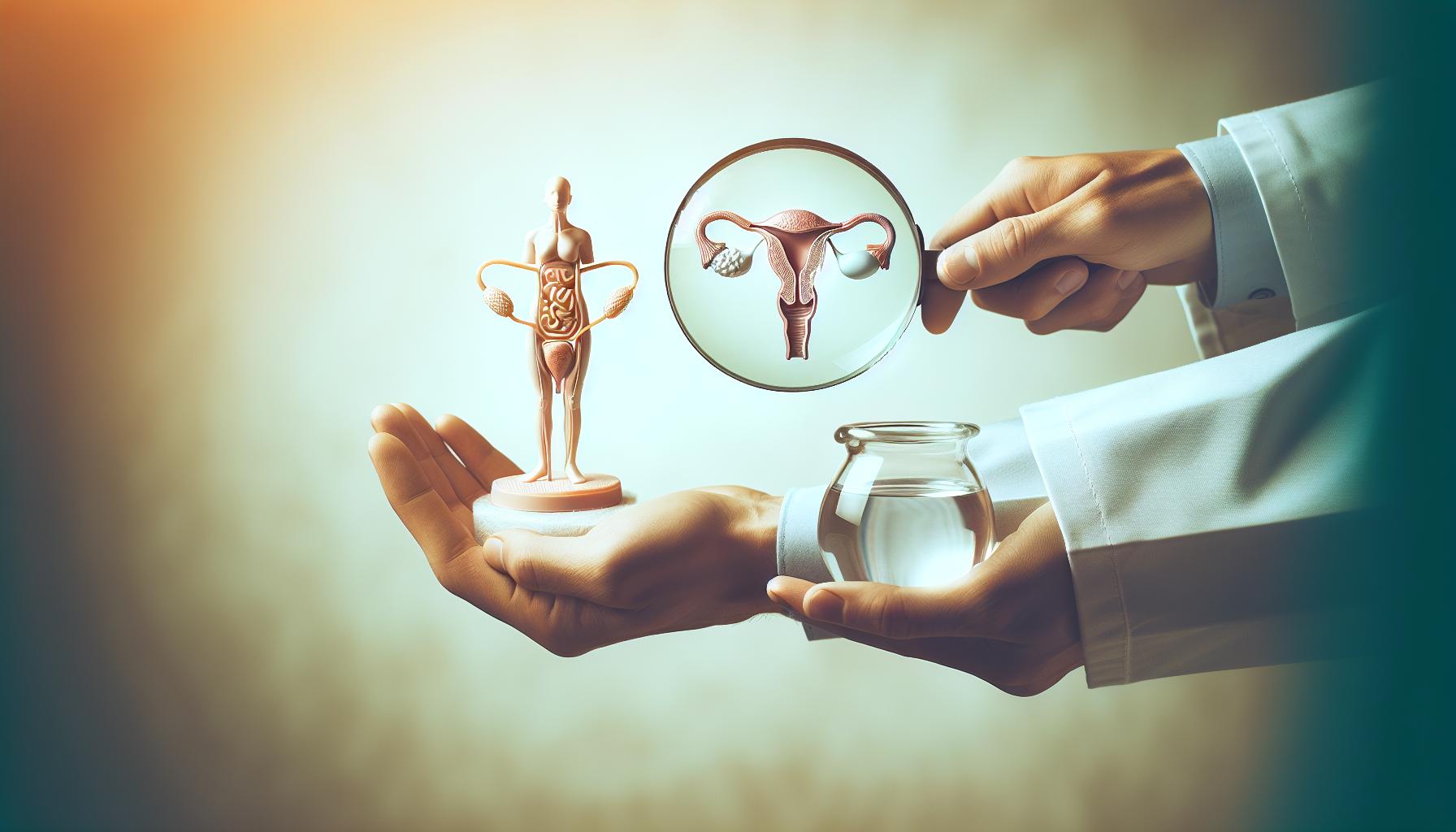
A surprising statistic reveals that nearly half of all women will experience a urinary tract infection (UTI) at least once in their lifetime, and recurrent infections can be particularly concerning for those navigating fertility challenges. While a single UTI might not directly derail fertility plans, it’s essential to understand how chronic infections could significantly affect reproductive health. The bacteria responsible for UTIs can ascend the urinary tract, potentially leading to pelvic inflammatory disease (PID). This condition can cause inflammation and scarring in the reproductive organs, risking damage to the fallopian tubes, which play a crucial role in conception.
Moreover, frequent UTIs can lead to a state of ongoing inflammation within the pelvic region. This chronic inflammation can interfere with normal egg function and implantation dynamics, which are vital elements of conception. Recognizing that these infections can contribute to an environment less conducive to pregnancy is crucial. While it’s true that having a UTI isn’t a guaranteed path to infertility, continual infections could create a cumulative effect over time, leading to challenges in achieving pregnancy.
For individuals and couples trying to conceive, awareness of UTI symptoms-such as a burning sensation during urination, frequent urge to urinate, and pelvic pain-can enable quicker intervention. Seeking professional medical advice early on not only helps in treating the UTI effectively but also in safeguarding reproductive health. If you find yourself dealing with this frustrating cycle, working closely with your healthcare provider can result in personalized strategies to manage infections while pursuing your fertility journey.
Understand that you’re not alone; many individuals face similar struggles, and it’s okay to seek support. Celebrating small steps in the process, whether it’s successfully managing a UTI or achieving a health milestone, can be essential for maintaining hope and motivation. Your concerns about fertility and urinary infections are valid, and the path to motherhood can take many forms-remain open to the possibilities ahead.
How UTIs Impact Female Reproductive Health

Chronic urinary tract infections (UTIs) can create significant hurdles in the journey toward conception for many women. Regularly experiencing these infections can lead to various complications that extend beyond mere discomfort. One critical aspect of female reproductive health that is often overlooked is how UTIs may lead to pelvic inflammatory disease (PID). This serious condition involves inflammation of the reproductive organs, which can result in scarring and adhesions that negatively impact the fallopian tubes, vital conduits for the egg and sperm during conception.
Frequent UTIs also contribute to persistent inflammation within the pelvic region. This ongoing inflammation can disrupt hormonal balances and impair ovarian function, affecting egg quality and the overall implantation process. Although a single UTI is unlikely to cause infertility directly, the potential for recurrent infections to alter the reproductive environment cannot be understated. Women facing recurrent UTIs should be vigilant in recognizing symptoms such as a burning sensation during urination and pelvic pain, as these can signal complications that may warrant a deeper dive into reproductive health.
Seeking timely and effective treatment for UTIs is crucial in preserving reproductive health. By collaborating closely with healthcare providers, women can establish a personalized care plan that not only addresses the infection but also safeguards their fertility. This comprehensive approach often involves lifestyle adjustments, preventive measures, and potentially further medical evaluation to maintain a stable, healthy reproductive environment.
Emotional support is equally essential throughout this challenging journey. Understanding that these struggles with UTIs and fertility are shared across many individuals can provide comfort. Celebrating small achievements, whether managing a UTI successfully or taking steps toward treatment, can foster resilience and hope. Adopting a holistic perspective that values both physical health and emotional well-being is key as one navigates the complexities of reproductive health.
Understanding Male Fertility and Urinary Infections

Urinary tract infections (UTIs) are commonly associated with discomfort and urinary issues, but their impact on male fertility is often overlooked. While UTIs are more prevalent in females, men are not immune to their effects, and recurrent infections can lead to complications that may influence reproductive health. Understanding the potential interplay between urinary infections and male fertility requires knowledge of how UTIs can affect the male reproductive system.
The primary concern with UTIs in men lies in the potential for bacteria to ascend from the urethra to the prostate and reproductive organs, leading to prostatitis or other complications. Prostatitis, inflammation of the prostate gland, can cause pain, difficulty with urination, and even affect sperm quality and motility. Research indicates that inflammation may disrupt hormonal balance and sperm production, contributing to difficulties in conceiving. Men experiencing symptoms like pelvic pain, fever, or persistent urinary issues should consult a healthcare professional to explore the underlying causes, including the possibility of a UTI.
Treatment of UTIs in men often involves antibiotics; however, the implications for fertility must be considered. Some antibiotics can temporarily affect sperm motility, but most have minimal long-term effects on fertility. It’s vital for men to communicate openly with their healthcare providers about their reproductive goals when undergoing treatment. Maintaining general health through a balanced diet, regular exercise, and proper hydration can further support both urinary health and fertility.
Feeling anxious or uncertain about how recurrent UTIs might impact reproductive plans is entirely valid. It’s essential to take these feelings seriously and seek support from healthcare professionals who understand the emotional weight of such issues. Whether considering family planning through natural conception, in vitro fertilization (IVF), or other options, knowing the potential hurdles and treatment pathways can foster a sense of control in this journey. Remember, you’re not alone in this experience, and with the right support and medical care, many men successfully navigate fertility challenges despite prior UTIs.
Symptoms of Urinary Infections Affecting Fertility
Experiencing symptoms from a urinary tract infection (UTI) can extend beyond the discomfort typically associated with urination. For individuals on a fertility journey, recognizing how these symptoms may relate to reproductive health is crucial. UTIs can manifest in a variety of ways, and their presence may complicate efforts to conceive, particularly for those facing other fertility challenges. Understanding and promptly addressing these symptoms can be instrumental in both managing health and maintaining emotional well-being.
Common symptoms of UTIs include a burning sensation during urination, frequent urges to urinate, and cloudy or strong-smelling urine. In some cases, individuals may also experience abdominal pain, pelvic discomfort, or even fever if the infection ascends to the kidneys. It’s important to note that while these symptoms are default indicators of a UTI, they may also signal underlying health concerns that could impact fertility, such as pelvic inflammatory disease (PID) or other reproductive organ complications.
Being aware of these symptoms is the first step in proactive healthcare. If you are actively trying to conceive and notice any signs of a UTI, seeking medical advice promptly can help mitigate potential risks. Early detection and treatment of a UTI, typically with antibiotics, not only alleviate discomfort but also protect reproductive health. Some antibiotics may have limited effects on sperm motility, but discussing this with a healthcare provider can help navigate the best treatment when fertility is a priority.
Moreover, acknowledging the emotional toll that recurrent UTIs can take is essential. Infertility journeys often come with a mix of hope and anxiety, and grappling with the added health challenges of UTIs can feel overwhelming. Maintaining open communication with healthcare professionals who understand both fertility and infectious concerns is vital. It’s okay to express worries regarding how these infections could influence your family-building plans. Validating these feelings and seeking compassionate support can foster a stronger sense of control and community throughout your conception journey. Remember, you are not alone, and there are resources available to help you navigate these challenges effectively.
Diagnosis: Confirming a UTI and Its Implications
Recognizing and confirming a urinary tract infection (UTI) is a critical step, especially for those navigating the complexities of fertility. UTIs can have implications that extend beyond immediate discomfort, potentially affecting reproductive health and your journey to conceive. Early diagnosis not only alleviates physical symptoms but also helps to safeguard overall fertility.
To confirm a UTI, healthcare professionals typically perform a combination of a medical history review and laboratory tests. This may include a urinalysis, where a urine sample is examined for the presence of bacteria, white blood cells, or red blood cells, indicating an infection. Sometimes, a urine culture is conducted to identify the exact bacteria responsible, guiding effective treatment. If you’re experiencing symptoms like painful urination, increased urgency, or pelvic discomfort, these tests are essential in determining whether a UTI is present.
Understanding the implications of a UTI is equally important. Untreated or recurrent UTIs may not only complicate fertility but can also lead to more serious conditions, such as pelvic inflammatory disease (PID), which affects the reproductive organs. PID can result from bacteria ascending from the urinary tract to the reproductive organs, leading to scarring or issues such as ectopic pregnancies. Therefore, addressing a UTI promptly aids in protecting reproductive health.
It’s vital to maintain open communication with your healthcare provider, especially if you are planning to conceive. Bring forth your concerns about how recurrent infections might interfere with your family-building plans. Discussing these aspects with your doctor can help create a tailored management plan that considers both your immediate health and long-term fertility goals. Remember, you’re not alone; navigating these challenges is a shared experience among many, and proactive health management is key to fostering both physical and emotional well-being on your fertility journey.
Treatment Options for UTIs and Fertility Preservation
Addressing urinary tract infections (UTIs) effectively is crucial, especially for those on a fertility journey, as untreated infections can indirectly impact reproductive health. The connection between recurrent UTIs and fertility issues may seem complex, but understanding treatment options can empower individuals and couples to take proactive steps toward preserving their reproductive capabilities.
When it comes to treating UTIs, antibiotics are typically the first line of defense. Medications such as nitrofurantoin and trimethoprim-sulfamethoxazole are commonly prescribed to eliminate the bacteria causing the infection. Each treatment plan should be tailored to the individual, taking into account their medical history and any potential effects on fertility. It’s essential that patients have open dialogues with their healthcare providers about any concerns related to the impact of antibiotic use on fertility, as some studies suggest that specific antibiotics may affect reproductive function.
In addition to antibiotics, there are several holistic approaches that can complement traditional treatments. These include maintaining proper hydration, as drinking plenty of water can help flush out bacteria, and incorporating cranberry products which may reduce UTI recurrence for some individuals. Probiotic-rich foods or supplements can also support urinary tract health by balancing the gut flora, which in turn may bolster overall immune health.
It’s important to consider the emotional aspects of navigating UTIs while trying to conceive. The worry that infections might hinder fertility can lead to significant stress. Practicing self-care, like mindfulness and stress-relief techniques, can be beneficial. For those who face recurrent UTIs, working closely with a fertility specialist can help create a comprehensive management plan that both addresses immediate UTI concerns and aligns with long-term fertility aspirations.
Ultimately, although the path to addressing UTIs and preserving fertility can be fraught with challenges, taking a proactive and informed approach can foster hope and resilience. Remember, you’re not alone in this journey, and there are numerous resources and support systems available to assist you on your way to building your family.
The Role of Antibiotics in Fertility Health
Antibiotics play a pivotal role in managing urinary tract infections (UTIs), especially for those on a fertility journey. It’s crucial to understand not only how these medications can alleviate infections but also their potential implications for fertility health. Most commonly prescribed antibiotics, such as nitrofurantoin and trimethoprim-sulfamethoxazole, are effective in eradicating the bacteria responsible for UTIs. However, each individual’s response to these medications can differ greatly, which is why it’s imperative that treatment plans are personalized. Open dialogues with healthcare providers about any concerns regarding antibiotic use and its impact on fertility are essential.
Research indicates that while many antibiotics are safe, some studies have shown that certain types may affect reproductive function or the overall health of the reproductive system. This is why awareness of potential risks is necessary. For instance, antibiotics that disrupt the vaginal microbiome might indirectly affect fertility by altering the environment in which sperm must thrive. Understanding these nuances is vital, and patients should feel empowered to ask questions regarding their prescribed antibiotics and any alternatives that might be available.
Beyond medications, supplementing antibiotic treatment with holistic approaches can enhance urinary health and create a more favorable environment for conception. Maintaining hydration is one natural method that helps flush bacteria from the urinary tract, while cranberry products can reduce recurrence in some cases. Additionally, incorporating probiotic-rich foods into your diet may support a healthy urinary tract by restoring beneficial bacteria.
Navigating the complexities of UTIs and fertility can be emotionally taxing. It’s important to recognize the stress and anxiety that may accompany concerns about how an infection might influence reproductive health. Engaging in self-care practices, such as mindfulness, can help alleviate some of this emotional burden. For those grappling with recurrent UTIs, collaborating closely with fertility specialists can ensure that both immediate UTI problems and long-term fertility goals are comprehensively addressed, providing hope and a clear pathway forward in the journey toward parenthood.
Preventing Urinary Infections for Better Fertility
Maintaining urinary health is crucial for anyone on a fertility journey. Not only do urinary tract infections (UTIs) pose a risk to reproductive health, but they can also complicate the emotions surrounding family planning. To safeguard your fertility and promote a healthy urinary system, consider incorporating these proactive strategies into your daily routine:
Hydration Habits
Staying well-hydrated is one of the simplest yet most effective ways to prevent UTIs. Drinking sufficient water allows your body to flush out bacteria from the urinary tract before an infection can take hold. Aim for at least 8-10 glasses of water each day to support your urinary health.
Dietary Choices
Certain foods can bolster your urinary tract defenses. Consider including the following in your diet:
- Cranberry products: These can help prevent bacterial adherence to the urinary tract lining.
- Probiotics: Foods like yogurt, kefir, and fermented vegetables can restore balance to your vaginal and urinary microbiome, which is crucial for preventing infections.
- Vitamin C-rich foods: Oranges, strawberries, and bell peppers can acidify urine, making it less hospitable to bacteria.
Hygiene Practices
Good hygiene plays a vital role in preventing UTIs. Always wipe from front to back after using the restroom, and consider urinating shortly after intercourse to help clear any bacteria that may have entered the urinary tract. Wearing breathable cotton underwear can also help reduce moisture buildup, thereby minimizing the risk of infection.
Mindful Monitoring
Listen to your body and track any symptoms that may suggest a UTI, such as painful urination or frequent urges to urinate. Early recognition allows for prompt medical evaluation. Maintaining open communication with healthcare providers about any urinary issues can facilitate timely interventions before they impact fertility.
By integrating these practical strategies into your lifestyle, you can take proactive steps toward reducing the risk of UTIs and enhancing your overall fertility health. Remember, your journey to parenthood is unique, and every small step you take towards supporting your health is a significant milestone on that path.
Coping with the Emotional Impact of UTI-Related Infertility
Experiencing infertility can be particularly challenging for individuals dealing with urinary tract infections (UTIs), as the emotional weight of these two issues can intertwine, amplifying feelings of grief, bewilderment, and anxiety. It’s crucial to recognize that these feelings are valid; navigating the complexities of health and family building is not a linear path. This difficult journey may evoke a broad range of emotions, from frustration and sadness to fleeting moments of hope and optimism. Embracing these emotions can be part of the healing process, and it’s important to remember that you’re not alone.
Connecting with others who share similar experiences can be incredibly supportive. Consider joining a local or online support group focused on fertility struggles. These communities often provide a platform for sharing stories, resources, and coping strategies. Additionally, seeking professional help from therapists specializing in reproductive health can help you process feelings of isolation, fear, or disappointment that may arise from UTI-related infertility. Engaging in these conversations can illuminate paths forward and foster resilience.
Coping strategies can greatly enhance emotional well-being during this challenging time. Here are some practical approaches to consider:
- Journaling: Writing down your thoughts can help clarify your feelings and provide an emotional release. Journals can also serve as a record of your journey, capturing small milestones and expectations.
- Mindfulness and relaxation techniques: Practices such as meditation, yoga, and deep-breathing exercises can help mitigate anxiety and foster a sense of calm amidst uncertainty.
- Educating yourself: Understanding how UTIs interact with reproductive health can empower you, providing a sense of control over your health, and making informed decisions regarding treatment options.
Remember, it’s okay to celebrate small milestones in your fertility journey, whether that’s taking a step towards a treatment option or simply having a good day emotionally. It’s essential to stay connected to your feelings and allow yourself moments of joy amidst the struggle. And always approach your journey with kindness toward yourself, respecting your unique path and the emotions it may bring.
When to Seek Help: Expert Guidance on UTI and Fertility
If you’re experiencing recurrent urinary tract infections (UTIs) and facing challenges with fertility, it’s crucial to seek expert guidance. Many people are unaware that persistent UTIs can have implications for reproductive health, amplifying feelings of concern and uncertainty. Engaging with healthcare professionals specializing in reproductive medicine can provide clarity and reassurance, helping you navigate your unique situation.
Understanding when to reach out for help is a vital step in your journey. Here are some key indicators that it might be time to consult with a specialist:
- Frequent UTIs: If you are experiencing UTIs more than two to three times a year, it may indicate a deeper underlying issue that merits examination by a fertility expert.
- Difficulty Conceiving: If you’ve been trying to conceive for over a year (or six months if you’re over 35), coupled with recurrent UTIs, it’s time to consult a fertility specialist to evaluate how UTIs might be impacting your reproductive health.
- Symptoms Beyond Infection: If you exhibit symptoms like pelvic pain or unusual menstrual irregularities alongside UTIs, these concerns should be explicitly addressed with a healthcare provider.
- Emotional Distress: Persistent UTIs and infertility issues can lead to significant emotional strain. If you find that anxiety or sadness is impacting your daily life, consider reaching out for support from a mental health professional who understands reproductive health.
In seeking help, prepare to discuss your medical history, UTI frequency, any treatments you’ve tried, and your overall fertility goals. A fertility specialist can guide you through diagnostic testing-such as ultrasound or hormone assessments-and tailor a treatment plan that addresses both UTIs and fertility preservation. They may recommend lifestyle changes, medications, or alternative therapies that could improve your overall reproductive health.
Remember, you are not alone on this journey. Connecting with support groups where others share similar experiences can provide additional comfort. These networks can help you feel understood and supported, fostering a stronger coping mechanism during this challenging time. Prioritize your health, and don’t hesitate to seek the guidance you need to move forward with confidence.
Exploring Alternative Therapies for UTI Management and Fertility
Consider exploring alternative therapies for managing urinary tract infections (UTIs) with fertility concerns, as these options can provide supportive pathways alongside conventional treatment. Integrative approaches not only address the infection but also contribute to overall reproductive health. Many individuals seeking to preserve their fertility find value in holistic strategies that enhance their body’s natural defenses against bacteria while promoting a conducive environment for conception.
A few promising alternative therapies include probiotics, which can help restore the balance of healthy bacteria in the urinary tract and can reduce the recurrence of infections. Incorporating more fermented foods such as yogurt or sauerkraut into your diet can be an easy way to support gut health, which in turn influences urinary tract health. Some studies suggest that taking specific strains of probiotics-like Lactobacillus-may be beneficial. Additionally, drinking plenty of water helps to flush out the urinary system, and herbal remedies like cranberry and D-mannose have shown potential in preventing UTIs by creating an environment that prevents bacteria from adhering to the bladder walls.
Acupuncture may also offer relief by enhancing blood flow and supporting the body’s healing processes. Patients often report reductions in overall stress and improved well-being, factors which can positively affect fertility. While these therapies can be beneficial, it’s vital to approach them under the guidance of a healthcare professional, particularly when navigating the complexities of fertility alongside chronic UTIs.
Furthermore, mindfulness and stress management techniques, such as yoga and meditation, can significantly aid in coping with the emotional weight of recurrent infections and fertility issues. These practices help to reduce anxiety, improve hormonal balance, and foster resilience in your fertility journey. Remember, the path to wellness is both physical and emotional, and embracing a comprehensive care approach can empower you in your reproductive health efforts. Engage your healthcare team to discuss these options, ensuring they complement your fertility goals while effectively managing your UTI concerns.
Q&A
Q: Can a urinary tract infection (UTI) lead to infertility in women?
A: UTIs do not directly cause infertility, but recurrent infections may disrupt the reproductive system’s normal function. Chronic UTIs can lead to complications such as pelvic inflammatory disease (PID), which may affect fertility. Seeking timely treatment can help preserve reproductive health.
Q: How do UTIs affect male fertility?
A: While UTIs are less commonly linked to male fertility issues, inflammation or bacterial presence in the reproductive tract can potentially affect sperm quality and motility. If you experience recurrent UTIs, consult a healthcare provider for evaluation and treatment options.
Q: What are the symptoms of a UTI that might indicate fertility issues?
A: Symptoms such as painful urination, frequent urge to urinate, and pelvic discomfort can indicate a UTI. If you have these symptoms along with fertility concerns, it’s crucial to seek medical advice. Early diagnosis and treatment can mitigate potential reproductive issues.
Q: Are antibiotics used for treating UTIs safe for fertility?
A: Most antibiotics prescribed for UTIs are considered safe and do not negatively impact fertility. However, it’s essential to discuss specific medications with your healthcare provider, as some may have side effects. Understanding the potential impact on fertility is vital for treatment planning.
Q: How can chronic UTIs affect my overall reproductive health?
A: Chronic UTIs can lead to pelvic inflammatory disease (PID), which can cause scarring in the reproductive tract and affect fertility. Managing UTI symptoms proactively and maintaining reproductive health should be the focus. Regular check-ups with a healthcare provider are recommended.
Q: What preventive measures can I take to reduce the risk of UTIs affecting my fertility?
A: To prevent UTIs, stay hydrated, urinate after intercourse, and practice good hygiene. Regular monitoring of urinary health and prompt treatment of infections can prevent complications that may impact fertility. For more tips, refer to the section on Preventing Urinary Infections for Better Fertility in our article.
Q: When should I see a doctor about a UTI and its potential impact on fertility?
A: If you experience recurrent UTIs or symptoms that persist despite treatment, consult a doctor. Early intervention can help address any underlying issues that could affect your fertility. Don’t hesitate to discuss your concerns openly with a healthcare provider.
To Wrap It Up
Understanding the link between urinary infections and fertility is crucial for anyone concerned about their reproductive health. While UTIs may pose some risks, knowledge is your best ally. Don’t let uncertainty hold you back-seek consultation with a healthcare professional to address your specific concerns and options.
For more insights, explore our articles on common fertility issues and treatment pathways, including “Understanding IVF Costs” and “Exploring Insemination Options.” Equip yourself with the knowledge needed for your journey and discover potential support systems available to you.
We invite you to subscribe to our newsletter for ongoing updates and resources tailored to your needs. Remember, you’re not alone on this journey, and each step forward, no matter how small, is worth celebrating. Your path to parenthood continues here; let’s navigate it together.
Get our latest guides, news, and insights highlighted in your Google Search & AI Overviews.