Endometriosis affects millions of women worldwide and can significantly impact fertility, with studies indicating that 30% to 50% of women with the condition may face challenges in conceiving [[3]](https://www.massgeneral.org/obgyn/fertility/news/endometriosis-and-its-impact-on-fertility). If you’re on this journey, it’s essential to understand how endometriosis might influence your reproductive health. You’re not alone in experiencing the emotional turmoil that comes with diagnosis-many women share your hopes, fears, and uncertainties. As we explore the relationship between endometriosis and infertility, we’ll shed light on effective management strategies, treatment options, and supportive pathways to parenthood. This journey may be filled with obstacles, but hope is alive. Join us as we navigate the complexities together, offering you the knowledge and support you need to take empowered steps toward your family-building goals.
Understanding Endometriosis and Its Impact on Fertility
Endometriosis affects approximately 1 in 10 women worldwide and can significantly impact fertility. This chronic condition occurs when tissue similar to the lining of the uterus grows outside of it, causing inflammation, pain, and sometimes structural changes in the reproductive organs. While endometriosis does not universally lead to infertility, its presence is associated with an increased risk of fertility challenges, illustrating the complexity of how this condition interacts with reproductive health.
Understanding how endometriosis influences fertility can help in navigating the emotional and practical challenges of family building. Women with endometriosis may experience disrupted ovulation, altered hormone levels, and compromised implantation due to adhesive scar tissue around the reproductive organs. These factors can create hurdles for conceiving naturally. However, it’s crucial to recognize that many women with endometriosis still conceive without medical intervention, underscoring that individual experiences with the condition vary widely.
The emotional weight of a possible infertility diagnosis due to endometriosis can be heavy. Many individuals may grapple with feelings of grief and loss when faced with fertility obstacles. It’s essential for those on this journey to acknowledge these emotions and seek support from medical professionals, support groups, or counseling services. Sharing experiences and receiving validation can provide comfort and hope-reminding individuals that they are not alone in navigating these challenges.
As you explore your path towards parenthood while managing endometriosis, it’s vital to remain informed and empowered. Seeking evaluation by a fertility specialist who understands the nuances of endometriosis can help create a tailored approach, allowing for exploration of various family-building options, whether they include natural conception, fertility treatments like IVF, or adoption. Remember, while the journey may have its uncertainties, there is hope and support available for every step of the way.
How Does Endometriosis Lead to Infertility?

Endometriosis can significantly disrupt the natural processes involved in conception, leading many women to face infertility challenges. One of the primary ways it affects fertility is through the presence of endometrial-like tissue growing outside the uterus, which can cause inflammation, painful adhesions, and scarring in the reproductive area. This can lead to structural changes, such as occlusion of the fallopian tubes, impairing the ability of the egg to travel to the uterus or the sperm to reach the egg.
Another complication associated with endometriosis is the hormonal imbalances that can occur. Hormones that normally regulate the menstrual cycle and ovulation may be disrupted, leading to irregular or absent ovulation. Additionally, the quality of the eggs can be compromised in women with endometriosis, affecting their ability to conceive. When implantation does occur, the presence of scar tissue can create an inhospitable environment in the uterus, reducing the chances of a successful pregnancy.
For many women, understanding that they can still conceive naturally, despite the challenges posed by endometriosis, is vital. While statistics show that women with moderate to severe endometriosis may experience infertility rates of 30-50%, this does not mean that conception is impossible. Many women have successfully become pregnant without medical interventions. Awareness of one’s unique circumstances and early consultation with a fertility specialist can empower individuals to explore all their options, including lifestyle adjustments, medications, or assisted reproductive technologies if needed.
Ultimately, navigating infertility due to endometriosis is a deeply personal journey, layered with emotional complexity. It’s essential to be kind to oneself during this process and recognize the uncertainty that often accompanies attempts to conceive. Whether seeking support through emotional counseling, support groups, or building a solid medical team, it is crucial to prioritize mental and emotional well-being while making informed decisions about fertility pathways.
Exploring the Symptoms of Endometriosis
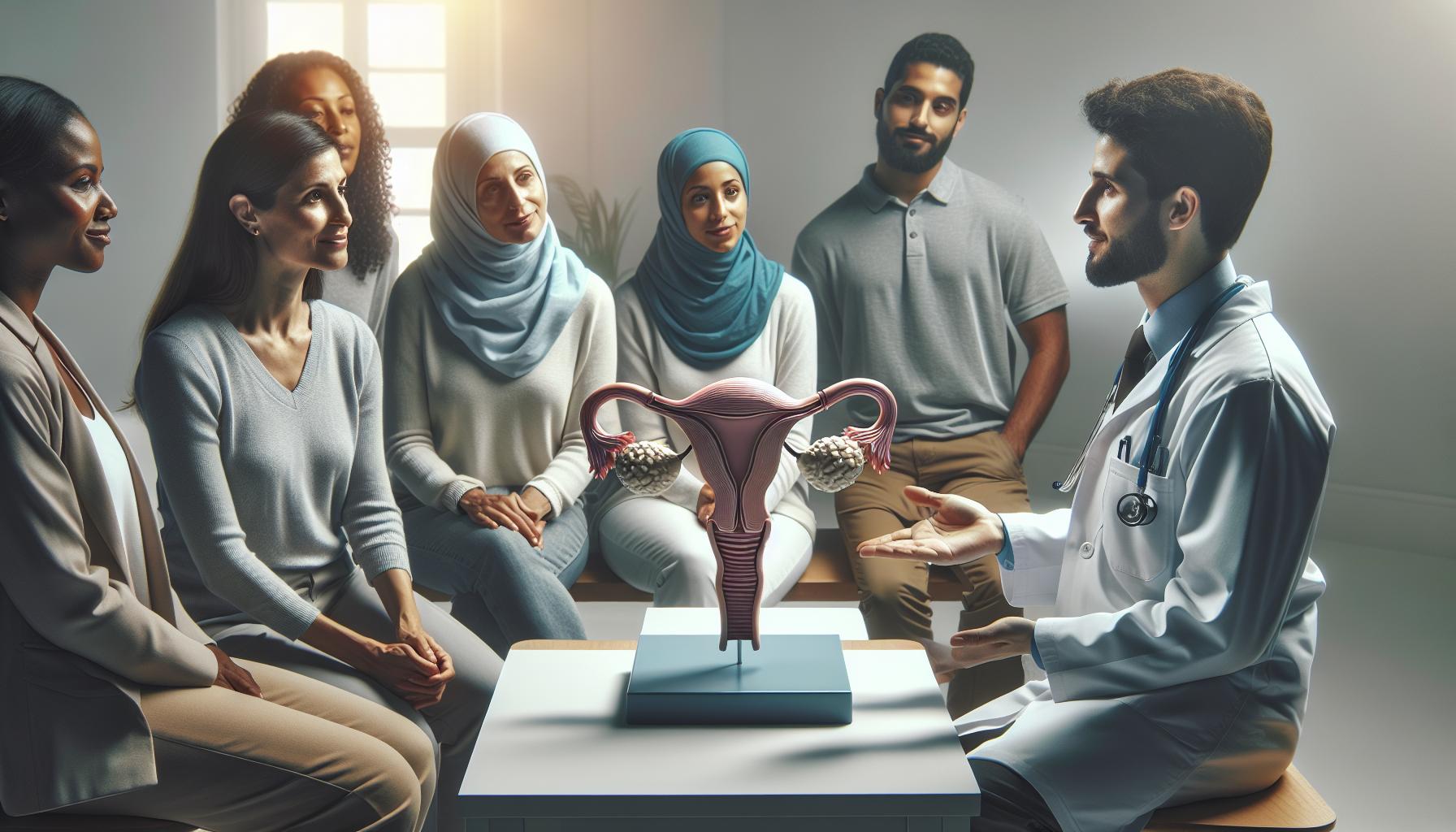
Endometriosis can unveil a multifaceted array of symptoms that often extend beyond just painful periods. Many women report experiencing a medley of signs that can significantly disrupt their daily lives, but the connection between these symptoms and fertility challenges can be complex and nuanced. Understanding these symptoms not only helps in navigating the journey toward diagnosis and treatment but also can be pivotal in addressing infertility concerns related to endometriosis.
Common symptoms include chronic pelvic pain, especially during menstruation, which can range from dull to debilitating. This pain often arises from endometrial-like tissue growing in areas where it shouldn’t, leading to inflammation and scarring. In addition to pelvic pain, many women experience painful intercourse, bladder dysfunction, and gastrointestinal issues such as diarrhea or constipation. These symptoms can fluctuate in intensity, making it difficult to attribute them solely to endometriosis, thus prompting many to overlook their significance until they face infertility challenges.
When it comes to infertility, nearly 30-50% of women with endometriosis can struggle to conceive, a reality underscored by the often silent nature of the condition. For some, symptoms may be minimal or managed, while others may experience severe complications that necessitate immediate medical intervention. Here are some key symptoms and their implications regarding fertility:
- Painful Menstruation: Dysmenorrhea is common and can signal significant endometrial involvement, leading to hormonal imbalances that affect ovulation.
- Pain During Intercourse: This can indicate more advanced disease and may lead to scar tissue that complicates conception.
- Heavy Bleeding: Heavy or irregular periods can be a red flag for hormone signaling issues that also impact fertility.
- Infertility: This may be the first sign of endometriosis for many women, prompting them to seek medical advice.
Recognizing these symptoms is the first step in advocating for oneself and seeking help. It’s important to approach the conversation with your healthcare provider openly; share your experiences and concerns comprehensively. Engaging in a shared decision-making process with your doctor can lead to earlier diagnosis and more effective treatment options. Remember, while endometriosis presents many challenges, understanding your body and its signals can empower you on your fertility journey, holding on to hope and a path forward despite the complexities.
Diagnosis of Endometriosis: What to Expect
Receiving a diagnosis of endometriosis can bring a whirlwind of emotions, especially for those navigating the complexities of fertility. It’s crucial to understand that the diagnostic process is a vital step toward addressing concerns about infertility and determining the most effective treatment options. Typically, the journey begins with a detailed medical history and an open conversation with your healthcare provider about your symptoms and any challenges you’ve faced in conceiving.
The examination process often starts with a physical exam, during which your doctor may check for signs of endometriosis. This may involve a pelvic exam, during which they’re assessing for tissue abnormalities or cysts. If endometriosis is suspected, several diagnostic imaging techniques may be employed, including ultrasound or magnetic resonance imaging (MRI). These imaging methods can help visualize any endometrial-like tissue or adhesions that may affect fertility.
However, the most definitive way to diagnose endometriosis is through laparoscopy, a minimally invasive surgical procedure. During a laparoscopy, a surgeon inserts a small camera through a tiny incision in the abdomen. This allows them to see the internal organs and possibly take tissue samples for biopsy. Many patients find comfort in knowing that this procedure can, not only provide a diagnosis but also offer a potential therapeutic intervention by allowing for the removal of endometrial tissue or adhesions at the same time.
Managing the emotional and psychological aspects of this process is equally important. It’s normal to feel anxious or overwhelmed as you await results or navigate treatment options. Seeking support from friends, family, or support groups can be invaluable. Remember, this journey is yours, and it is okay to feel a range of emotions, from hope to uncertainty. Embrace each step forward, no matter how small, as you advocate for your health and well-being in the pursuit of your family-building goals.
Fertility Challenges: Timing and Ovulation
Timing and ovulation play crucial roles in the journey toward conception, particularly for those navigating the complexities of endometriosis. This condition can disrupt the delicate balance of a woman’s reproductive system, leading to unpredictable ovulation patterns and, ultimately, a reduced chance of becoming pregnant. Understanding these challenges is vital for anyone affected by endometriosis, as it allows for better management of fertility efforts.
Women with endometriosis may experience long or irregular menstrual cycles, making it more difficult to identify the optimal window for conception. Factors such as inflammation and scarring from endometrial lesions can complicate ovulation, sometimes leading to missed opportunities for fertilization. Tracking ovulation becomes essential in this context; methods such as basal body temperature charting, ovulation predictor kits, and monitoring changes in cervical mucus can enhance the chances of conception. By understanding these signs, couples can time intercourse more effectively, increasing the likelihood of success.
Moreover, emotional support is critical during this phase of the journey. The weight of uncertainty can often lead to feelings of frustration and sadness, especially when navigating the timing of ovulation amid the challenges posed by endometriosis. It’s important to validate these emotions and acknowledge that pacing oneself through the process can bring hope without adding extra pressure. Seeking support from healthcare providers, counselors, or support groups can provide a much-needed outlet, helping to navigate the complex feelings surrounding fertility and timing issues.
In conclusion, while the journey can be fraught with challenges, empowering oneself through knowledge and support can make a significant difference. Being proactive about tracking cycles and ovulation can help maximize opportunities for conception, and leaning on resources for emotional support provides a holistic approach to managing the intricacies of fertility in the face of endometriosis.
Treatment Options for Endometriosis and Fertility
Managing the impact of endometriosis on fertility can be both daunting and hopeful. Many women find themselves asking how this chronic condition affects their ability to conceive and what options exist. Various treatment paths are available, each tailored to an individual’s situation, often combining medical intervention with emotional support systems.
Medical Treatments
For those struggling with infertility due to endometriosis, several medical treatments may enhance the chances of conception:
- Medications: Hormonal therapies can help manage symptoms and slow the progression of endometriosis. Medications like birth control pills, progestins, and GnRH agonists can reduce pain and inhibit the growth of endometrial tissue, creating a more favorable environment for conception.
- Surgery: In cases of severe endometriosis or when other treatments fail, surgical options to remove endometrial growths can be a viable choice. Laparoscopic surgery can excise lesions and adhesions, potentially restoring normal anatomy and improving fertility. However, success rates vary depending on the severity and location of the endometriosis, and it’s essential to have a thorough pre-surgery discussion about expectations with your healthcare provider.
Assisted Reproductive Technologies (ART)
For couples where simpler treatments do not yield results, assisted reproductive technologies might be the next step:
- In Vitro Fertilization (IVF): This is often recommended for women with moderate to severe endometriosis. During IVF, eggs are retrieved and fertilized with sperm in a lab, allowing multiple embryos to be evaluated for quality before implantation. IVF success rates for women with endometriosis can vary but typically range from 30-50%, depending on various factors, including age and the severity of the condition.
- Intrauterine Insemination (IUI): For some, IUI may be an option-especially when the male partner’s sperm quality is an issue. IUI involves placing prepared sperm directly into the uterus around the time of ovulation, but its effectiveness may be limited if endometriosis is more severe.
Alternative and Complementary Options
Some women may also explore alternative routes to parenthood if traditional fertility treatments do not result in success:
- Donor Eggs or Sperm: In situations where using one’s own eggs or sperm is problematic, gamete donation can be a compassionate pathway.
- Adoption: For those weighing different family-building options, adoption is a meaningful way to create a family and can bring joy and fulfillment.
Each individual’s journey with endometriosis and fertility is unique, filled with its own set of emotional and physical challenges. Establishing a support system and communicating openly with fertility specialists can help navigate these complexities, allowing for informed decisions tailored to personal needs and circumstances. Remember, it’s essential to celebrate every small victory along this path while remaining hopeful and aware that many options exist.
Emotional Support During the Fertility Journey
The path to parenthood can be particularly challenging for individuals with endometriosis, where hopes and dreams can often collide with emotional and physical stressors. Understanding that many women experience a rollercoaster of emotions-from anxiety and frustration to moments of hope-can be the first step in navigating this complex journey. Recognizing and validating these feelings is essential, as they are not only normal but a shared experience among those facing fertility challenges.
Establishing a supportive network is vital. Consider joining support groups, either in-person or online, where sharing experiences with others who understand your struggles can offer comfort and reassurance. These groups can be a source of invaluable advice and encouragement, reminding you that you are not alone in this fight. Moreover, professional counseling or therapy can be beneficial. A therapist specialized in reproductive health can equip you with coping strategies to manage stress and the emotional upheaval that often accompanies fertility treatments.
Navigating Relationships and Communication
Fertility struggles can also place significant stress on relationships. Open and honest communication with your partner about your feelings, fears, and expectations is crucial. This transparency fosters a supportive environment where both individuals can express their thoughts and feelings without judgement. Allocate time for yourselves outside of appointments and treatments to reconnect, as nurturing your relationship can provide a much-needed emotional refuge amidst the uncertainty.
Celebrating Small Victories
While the wait for a positive result can feel endless, it’s important to celebrate even the smallest milestones along the way. Whether it’s completing a challenging treatment cycle or successfully managing the emotional toll, acknowledging these achievements can help maintain motivation and positivity. Keeping a journal to document your journey may also help in recognizing progress over time, even when it feels minimal.
In the realm of fertility, especially with the added complexities of endometriosis, uncertainty can be daunting. However, empowerment comes from a well-rounded understanding of the potential paths forward and engaging in self-care-emotionally, physically, and mentally. Prioritizing emotional health is just as important as the medical interventions that might be used, ensuring a holistic approach to the fertility journey.
Success Rates: Endometriosis Treatment and Conception
Success in conceiving after endometriosis treatment can often feel elusive, but understanding the numbers and available options is crucial in navigating this journey. Research indicates that individuals with endometriosis may have varied success rates depending on their specific condition and the treatment choices they make. For many, surgery to remove endometriotic tissue has been shown to improve pregnancy rates significantly. An estimated 40% to 60% of women who undergo surgical intervention for moderate to severe endometriosis achieve pregnancy within two years following the procedure. This highlights the potential for hope even in the face of challenging circumstances.
One of the most effective treatments for endometriosis-related infertility is in vitro fertilization (IVF), especially when surgical options do not yield the desired outcome. Studies show that pregnancy rates can reach upwards of 50% with IVF, depending on factors like the age of the individual and the severity of the disease. It’s crucial for patients to consult with reproductive specialists to weigh the benefits and risks associated with IVF, particularly since hormonal treatments can influence the body’s response to this process.
Understanding Costs and Insurance
The financial aspect of fertility treatments can be daunting. It’s estimated that the average cost of one cycle of IVF can range from $12,000 to $15,000, and while some insurance plans offer coverage for fertility treatments, many do not. It’s essential to review your insurance policy carefully and discuss potential coverage options with your healthcare provider. Additionally, ask about any financial assistance programs your clinic may offer.
Setting Realistic Expectations
While aiming for conception can bring excitement, it’s equally important to cultivate realistic expectations. The journey toward parenthood with endometriosis can involve setbacks and emotional turmoil. Support from peers, counseling, and open communication with loved ones can be integral in managing the emotional challenges that arise. Celebrating small victories, such as completing a treatment cycle or achieving a successful response to a fertility medication, can be uplifting and reinforce hope during the fertility journey.
As you navigate this complex landscape, it’s important to remember that while endometriosis can complicate conception, it does not eliminate the possibility. With informed choices and a robust support system, many individuals and couples find paths to parenthood, reminding us that there is always hope, even amid uncertainties.
Alternative Routes to Parenthood with Endometriosis
While navigating the path of parenthood with endometriosis can present unique challenges, various alternative routes exist that allow individuals and couples to explore their family-building options. Understanding these pathways, which may include in vitro fertilization (IVF), artificial insemination (AI), adoption, or even surrogacy, can empower you to make informed decisions that align with your personal circumstances and desires.
In Vitro Fertilization (IVF)
IVF is often recommended when natural conception is hindered by endometriosis. This process involves stimulating the ovaries to produce multiple eggs, retrieving them for fertilization, and transferring viable embryos into the uterus. Pregnancy rates for women with endometriosis undergoing IVF can reach up to 50%, depending on age and the severity of the condition. While IVF can be costly, averaging between $12,000 to $15,000 per cycle, many clinics offer financing options or assist with navigating insurance coverage for those eligible [1[1].
Artificial Insemination (AI)
Artificial insemination, or intrauterine insemination (IUI), may be an alternative for those looking for a less invasive option. This method involves placing sperm directly into the uterus around the time of ovulation, which can be particularly beneficial for couples aiming to enhance the chances of conception with sperm from a partner or donor. Although success rates vary, considering AI’s simplicity and lower cost can make it a worthwhile first step for some individuals [2[2].
Adoption and Surrogacy
For individuals and couples impacted by endometriosis who wish to expand their family without the risks associated with pregnancy, adoption or surrogacy serve as profound options. Adoption allows families to provide a loving home to children in need, while surrogacy offers a way for individuals to have biological children with the support of another woman carrying the pregnancy. Understanding the legal, emotional, and financial aspects of these avenues can significantly enhance your journey toward parenthood. It’s essential to work with agencies and legal advisors to ensure a thorough understanding of the processes involved.
Embracing Your Journey
Regardless of the path you choose, remember that family-building can be a deeply personal journey filled with its own mix of grief and joy. Each success, no matter how small-whether it’s completing a treatment cycle or finding the right support group-should be celebrated. Having open conversations about your experiences, seeking emotional and mental health support, and connecting with communities that understand your journey can also enhance your resilience and provide comfort as you navigate the uncertainties of fertility with endometriosis. The hope of parenthood is within reach, irrespective of the hurdles faced along the way.
Myths and Facts About Endometriosis and Fertility
Endometriosis is often shrouded in misconceptions that can propagate fear and uncertainty for those navigating the journey of fertility. One of the most pervasive myths is that endometriosis automatically equates to infertility. In reality, while endometriosis can create challenges in conceiving, it does not mean that pregnancy is unattainable. Many individuals with endometriosis do go on to have successful pregnancies. It’s important to understand the nuances of this condition, as many factors contribute to fertility outcomes.
While statistics indicate that 30-50% of individuals with endometriosis may experience infertility [3[3], this does not imply a fixed fate. The severity of the disease, such as whether it is classified as mild, moderate, or severe, plays a significant role in determining fertility potential. It’s crucial to recognize that even with advanced stage endometriosis, various treatment options, such as in vitro fertilization (IVF), can result in high success rates for conception-estimates suggest up to 50% depending on individual circumstances [1[1].
Another myth is the belief that all women with endometriosis will experience painful symptoms, leading to misconceptions about the disease’s impact on fertility. While many do face severe pain, some may be asymptomatic. The absence of pain does not correlate with the absence of disease nor its effects on fertility. Therefore, understanding one’s body and maintaining open communication with healthcare providers is vital.
As you traverse this path, it’s essential to combat these myths with facts. Engaging in discussions with fertility specialists and seeking support can empower you with knowledge and options tailored to your specific situation. Remember, each individual’s journey is unique, and conditions like endometriosis do not define your potential to create a family. With the right support and treatment, hope and success are very much within reach.
Patient Stories: Overcoming Infertility with Endometriosis
Overcoming the challenges of infertility with endometriosis is a journey marked by resilience and hope. Many individuals with endometriosis find themselves navigating the complexities of this condition while yearning to build their families. Their stories reflect an inspiring spectrum of experiences, each offering valuable insights and encouragement.
Real Stories of Triumph
One woman, Sarah, shared her journey of diagnosis and treatment. Initially, she felt overwhelmed upon learning she had endometriosis and was advised to consider fertility treatments. After several months of trying to conceive naturally, she and her partner turned to in vitro fertilization (IVF). They were initially anxious about the costs and emotional toll of the process, but after diligent research and consultation with their healthcare provider, they found a supportive clinic that respected their feelings and financial concerns. Through careful planning and support group participation, Sarah eventually achieved her dream of motherhood and emphasizes the importance of community in coping with the emotional challenges of IVF.
Another inspiring story comes from Maria, who experienced chronic pain due to endometriosis but lacked symptoms that directly indicated her fertility issues. Despite a diagnosis of Stage IV endometriosis, Maria’s resolve remained strong. She opted for a surgical approach to remove endometriotic tissue, which dramatically improved her chances for conception. Afterward, she successfully conceived through a combination of dietary changes and guided fertility treatments. Her journey underlines that while endometriosis can present numerous obstacles, targeted treatments can lead to positive outcomes.
Navigating Support Systems
The emotional weight of trying to conceive can be heavy, especially for those with endometriosis. It is important to surround oneself with a support system that understands the pain, grief, and joy associated with family-building journeys. Many individuals in the endometriosis community rave about the benefits of connecting with others facing similar challenges through forums or local support groups. This connection provides validation and the exchange of practical tips and strategies that can ease the burden of the journey.
Patient stories reinforce the message that while the path may be fraught with uncertainty, each small victory-whether it’s reaching a treatment milestone or simply feeling healthy-should be celebrated. Providing oneself grace and seeking emotional support can make a world of difference in navigating the ups and downs of fertility challenges. It is essential to remember that the journey is uniquely yours, punctuated by both struggles and triumphs, and support is available every step of the way.
Q&A
Q: How does endometriosis affect fertility?
A: Endometriosis can significantly impact fertility by causing inflammation and scar tissue, particularly around the ovaries and fallopian tubes, which can hinder egg release and embryo implantation. Understanding this connection is crucial for developing appropriate treatment options for those affected.
Q: Can women with endometriosis conceive naturally?
A: Yes, women with endometriosis can conceive naturally, but the chances may be reduced depending on the severity of the condition. It’s recommended to seek medical advice if conception doesn’t occur within six months of unprotected intercourse, especially for those with moderate to severe endometriosis.
Q: What are the chances of pregnancy after endometriosis surgery?
A: Surgical treatment for endometriosis can improve fertility rates, particularly in Stage III or IV cases. Many women experience higher chances of conception following surgery to remove scar tissue or cysts, with additional fertility treatments considered if pregnancy does not occur within 6-12 months afterward.
Q: Is IVF the only option for women with endometriosis who want to get pregnant?
A: No, while IVF is often recommended for women with severe endometriosis who struggle to conceive, it is not the only option. Treatments may include medications or intrauterine insemination (IUI) depending on individual circumstances and diagnosis. Consultation with a fertility specialist can provide tailored options.
Q: What lifestyle changes can improve fertility in women with endometriosis?
A: Women with endometriosis may improve fertility by maintaining a healthy weight, avoiding excessive alcohol and caffeine, and managing stress through exercise or therapy. Additionally, following a balanced diet rich in antioxidants can support overall reproductive health.
Q: Are there any supplements that can help women with endometriosis increase fertility?
A: Some studies suggest supplements like vitamin D, omega-3 fatty acids, and CoQ10 may support fertility in women with endometriosis. However, it’s essential to consult a healthcare provider before starting any supplementation to ensure safety and efficacy based on individual health needs.
Q: How can emotional support assist women with endometriosis and fertility challenges?
A: Emotional support can greatly benefit women dealing with endometriosis and fertility challenges by providing coping strategies, reducing anxiety, and allowing them to share experiences. Joining support groups or seeking therapy can foster a sense of community and resilience throughout the fertility journey.
In Conclusion
As we wrap up our discussion on endometriosis and its link to infertility, it’s important to remember that you’re not alone on this journey. While endometriosis can indeed pose challenges to conception, many options are available, including assisted reproductive technologies like IVF and other therapies tailored to your unique needs. Don’t hesitate to explore the expert insights on managing your condition and boosting your fertility by visiting our guides on strategies to cope with endometriosis and optimal management of infertility.
Now is the time to take charge of your reproductive health. Consider signing up for our newsletter for ongoing support, resources, and community stories that resonate with your experience. You deserve a fulfilling path to parenthood, filled with hope and actionable steps. Together, we can illuminate the way forward in this complex journey. Share your thoughts with us below, and let’s foster a supportive dialogue around the challenges and triumphs we face in family-building. Stay informed, stay hopeful, and keep exploring your options.
Get our latest guides, news, and insights highlighted in your Google Search & AI Overviews.