Cloning and natural reproduction serve unique purposes in the journey of life, yet their differences can greatly impact our understanding of genetic identity and diversity. Did you know that while natural reproduction involves the mixing of genes from two parents, cloning creates an exact genetic copy of an organism? For many, the implications of this distinction go beyond biology, touching on emotional and ethical discussions around family building, identity, and the natural order. As we explore how cloning differs from natural reproduction, we unravel not just scientific processes but also the profound questions that arise in our quest for understanding fertility, inheritance, and what it means to be uniquely human. Join us in this examination of cloning versus natural reproduction, a topic that resonates deeply with our collective hopes, dreams, and ethical considerations regarding family.
Understanding Cloning: What It Is and How It Works
Cloning is a fascinating process that allows for the creation of genetically identical organisms, a concept that contrasts sharply with the traditional methods of reproduction. In cloning, the focus is on producing duplicates at a genetic level, whether it’s through the cloning of individual cells, tissues, or whole organisms, creating what is known as a clone. This method can be achieved either through asexual reproduction in nature or through artificial means, such as somatic cell nuclear transfer (SCNT), where the nucleus of a somatic cell is transferred into an egg cell that has had its nucleus removed.
Unlike natural reproduction, which relies on the combination of genetic material from two parents-leading to offspring with varied traits-cloning guarantees identical genetic material. This raises important questions and considerations about biodiversity and genetic diversity. In natural reproduction, genetic variation is crucial for a population’s adaptability and resilience. Cloning, while useful for certain applications, such as agricultural improvements or medical advancements like therapeutic cloning, can pose challenges if used excessively, potentially leading to reduced genetic diversity and increased vulnerability to diseases.
Understanding the processes involved in cloning also reveals the complex technology behind it. For example, molecular cloning involves creating copies of DNA fragments, while reproductive cloning focuses on creating entire organisms. These processes illustrate the breadth of cloning techniques and their diverse applications, from research to potential therapeutic uses. Despite the advancements, the ethical implications surrounding cloning must be carefully navigated, especially when it comes to human cloning or the cloning of endangered species, where the impact on genetic diversity and ecological balance must be considered.
Overall, while cloning presents intriguing possibilities for science and medicine, it is essential to balance the benefits with the ethical and environmental considerations that accompany this powerful technology.
The Basics of Natural Reproduction Explained
In the realm of life sciences, natural reproduction serves as a fundamental biological process enabling the continuation of species. Unlike cloning, which produces genetically identical organisms, natural reproduction involves a complex interplay of genetic materials from two distinct parents, resulting in offspring that carry unique combinations of traits. This genetic diversity is crucial, as it fosters adaptability and resilience within populations, equipping them to thrive in changing environments.
The process of natural reproduction begins with the fusion of male and female gametes during fertilization. In humans, this occurs when sperm penetrates the egg, merging their genetic information. The resulting zygote then undergoes multiple cell divisions, ultimately leading to the development of a new organism through a series of carefully orchestrated stages, including embryo formation, implantation in the uterus, and eventual gestation. Each step is characterized by intricate biological mechanisms that regulate growth and differentiation, ensuring the correct development of all bodily systems.
Moreover, natural reproduction is not merely a biological event but also a deeply emotional journey for many individuals and couples. It can encompass a range of experiences, from the joy of conception to the challenges of infertility. Understanding this emotional weight is essential; those navigating their fertility journey may encounter feelings of hope and uncertainty. Providing support during this time-whether through information about reproductive technologies like IVF or emotional validation of their experiences-can significantly impact their overall well-being.
In summary, while natural reproduction results in a diverse array of offspring through the combination of genetic materials, it also encapsulates a deeply human experience filled with hopes, challenges, and the potential for new life. This stands in stark contrast to cloning, where the focus is solely on producing genetically identical organisms, raising significant considerations about biodiversity and the long-term implications for health and ecological balance.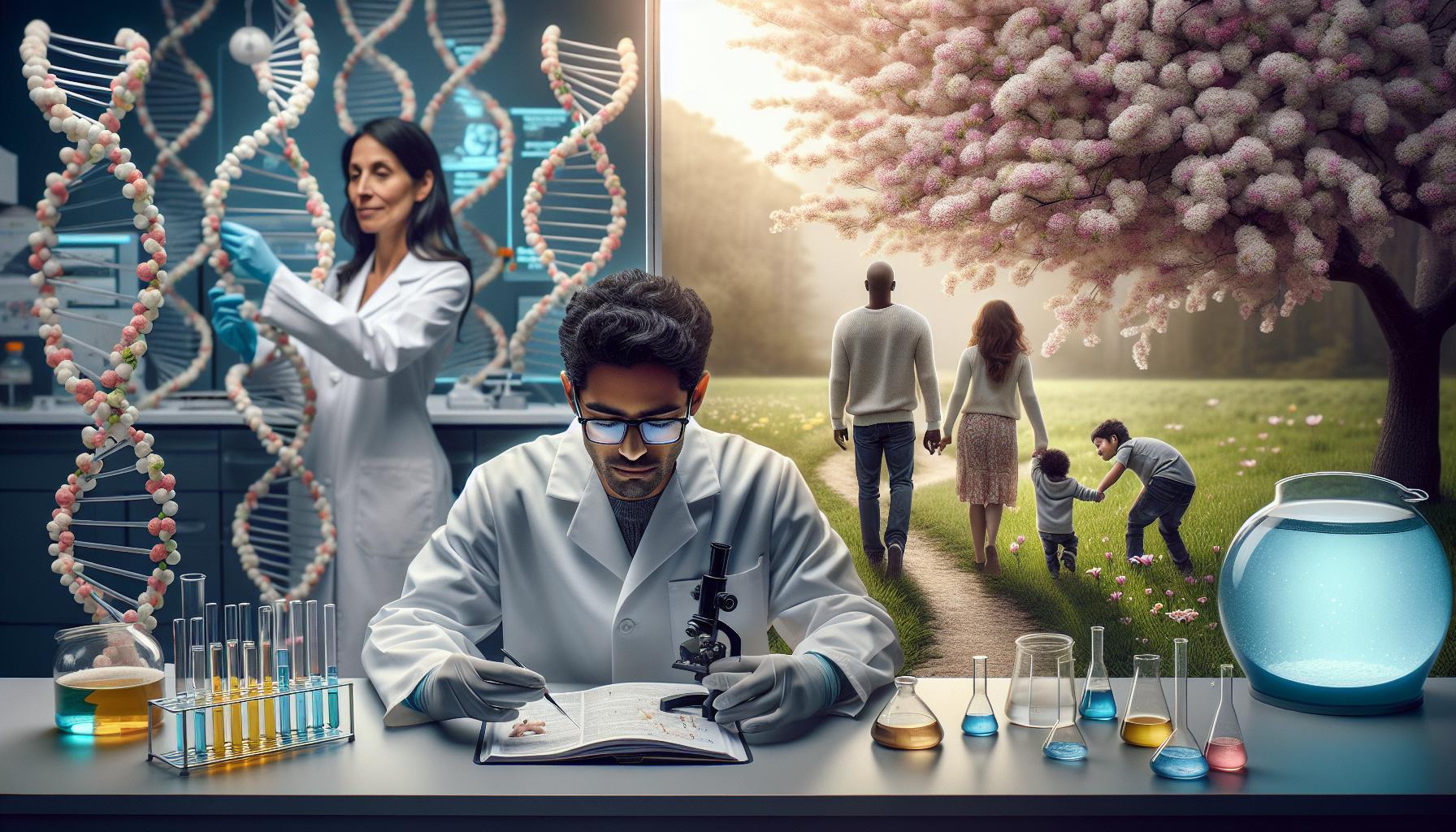
Key Differences Between Cloning and Natural Reproduction
Understanding the contrast between cloning and natural reproduction can illuminate the complexities of biological processes and their implications for both individual organisms and broader ecosystems. Cloning entails creating a new organism that is genetically identical to a donor organism, usually via methods like somatic cell nuclear transfer. In contrast, natural reproduction occurs through the fusion of gametes from two parents, leading to genetically diverse offspring that inherit traits from both contributors.
One notable difference hinges on genetic diversity. In natural reproduction, the shuffling of genes between parents generates unique combinations that adapt and evolve populations over time. This genetic variability is crucial for the survival of species, as it enhances resilience against diseases and environmental changes. Cloning, while beneficial for specific applications such as preserving endangered species or agricultural strains, risks compromising genetic diversity. With clones, especially in a limited population, issues like increased susceptibility to disease can arise, posing long-term ecological challenges.
Moreover, the emotional journey surrounding reproduction diverges starkly between these processes. For many individuals facing infertility, the path of natural reproduction can be fraught with hope, frustration, and deep emotional responses. Understanding their journey requires empathy and support-sensitive to the waves of joy and grief that accompany the struggles of conception. Cloning, being a more technical and often laboratory-focused process, doesn’t involve the same emotional narrative tied to parenthood for individuals and couples as biological reproduction does. Recognizing this can foster a more comprehensive support system for those exploring their family-building options, be it through IVF, adoption, or cloning.
Ultimately, both cloning and natural reproduction serve vital roles in the life sciences, but they do so in fundamentally different ways that highlight the importance of genetic diversity, human emotion, and ecological balance. Understanding these differences can empower individuals to make informed choices about their reproductive journeys and the future of various species.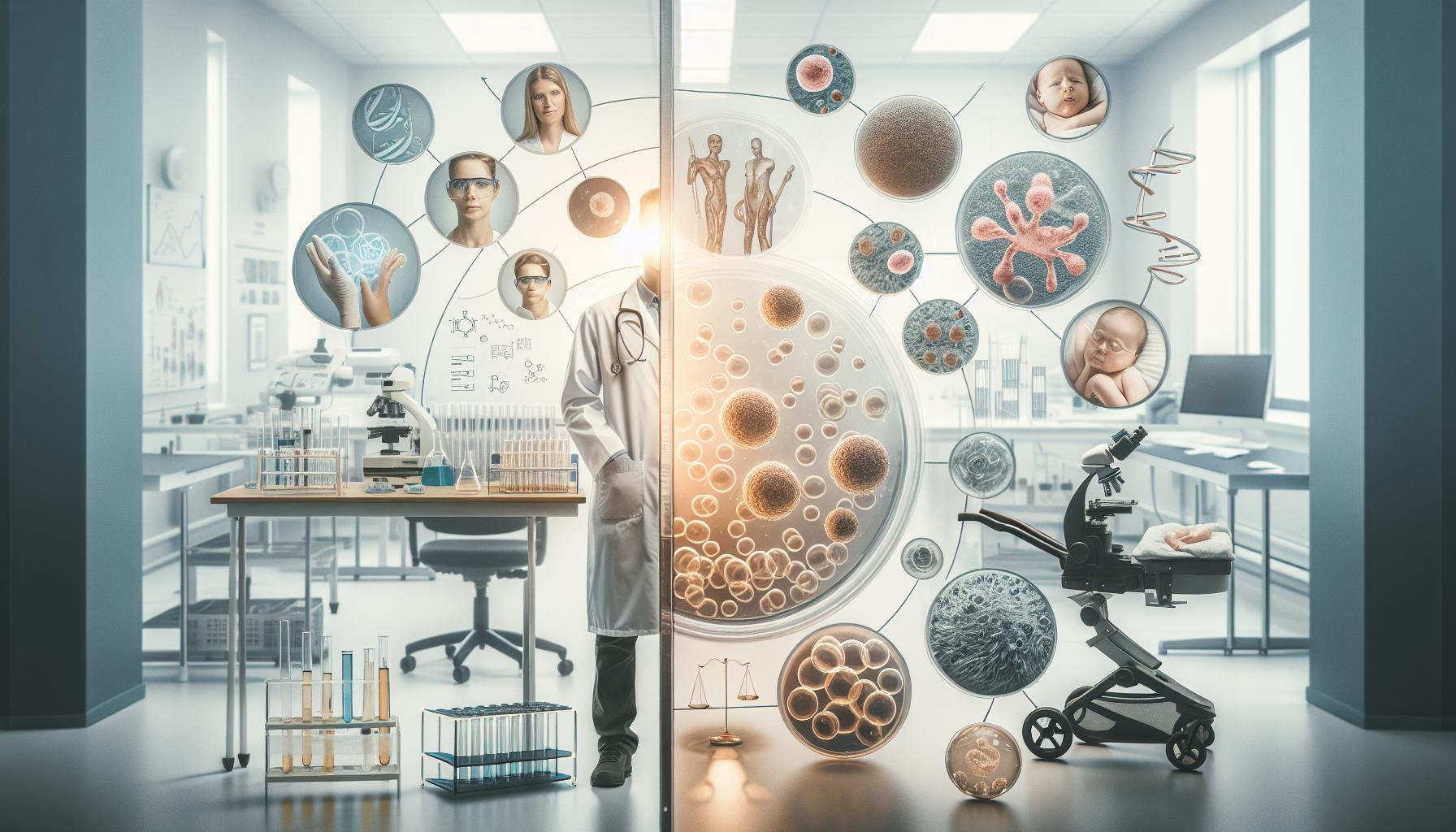
Types of Cloning: Therapeutic vs. Reproductive
In the realm of cloning, understanding the nuances between therapeutic and reproductive cloning can illuminate their distinct purposes and ethical implications. Therapeutic cloning is primarily aimed at medical advancements, focusing on creating cells and tissues for treatment of various diseases, such as Parkinson’s or diabetes. This type of cloning typically involves somatic cell nuclear transfer-where the nucleus of a somatic cell is transferred into an enucleated egg cell, leading to the development of stem cells that are genetically identical to the donor. These stem cells have the potential to differentiate into any type of cell in the body, offering a revolutionary pathway for regenerative medicine.
On the other hand, reproductive cloning is an entirely different endeavor, aimed at creating a living organism that is genetically identical to another. The most famous example of reproductive cloning is Dolly the sheep, the first mammal successfully cloned from an adult somatic cell. While the technique holds promise for species conservation and breeding purposes, it raises profound ethical and welfare concerns regarding the cloned organism’s quality of life and the potential for genetic defects. Unlike therapeutic cloning, where the goal is to enhance human health, reproductive cloning focuses on duplication, which complicates discussions about the uniqueness and individuality of cloned beings.
Both cloning types involve socioeconomic debates on costs, success rates, and applications. For instance, therapeutic cloning requires substantial investments in research and technology, and while it holds the promise of life-saving medical treatments, it is still in its infancy regarding widespread application. Conversely, reproductive cloning has a history of limited success and high failure rates; many clones do not survive to birth or face severe health issues, which leads to powerful arguments for ethical treatment of cloned animals.
As you navigate this complex topic, it’s important to acknowledge that the emotional weight of cloning extends beyond science. For those struggling with infertility or genetic diseases, the advances in therapeutic cloning could offer hope and new opportunities for family building. However, these discussions must also consider the ethical implications and societal perceptions surrounding both types of cloning, allowing for informed decisions that respect diverse viewpoints on life and reproduction.
The Science Behind Cloning Techniques
Cloning techniques involve sophisticated scientific processes that drastically differ from natural reproduction, wherein a unique genetic combination results from the fusion of sperm and egg. At the core of cloning lies the somatic cell nuclear transfer (SCNT), a method that has become emblematic of both therapeutic and reproductive cloning. In SCNT, the nucleus from a somatic cell-containing the organism’s complete genetic information-is transferred into an enucleated donor egg cell. This method essentially reprograms the egg to develop into an organism or specialized cells that are genetically identical to the donor.
One of the most notable applications of cloning techniques is in therapeutic cloning, which aims to derive pluripotent stem cells. These stem cells possess the remarkable ability to differentiate into various cell types, offering immense potential for regenerative medicine. For example, scientists can create heart cells to repair damaged tissue in individuals with heart disease or neurons for patients suffering from neurodegenerative disorders. Although the promise is significant, the process is accompanied by considerable technical challenges, including successful cell reprogramming and ensuring ethical standards are upheld throughout experimentation.
In contrast, reproductive cloning, exemplified by the famous case of Dolly the sheep, extends the application of these techniques to create whole organisms. Dolly was the first cloned mammal from an adult somatic cell, which demonstrated for the first time that it was possible to clone an entire organism with a mature cell. However, reproductive cloning has faced challenges with low success rates and a high incidence of health problems in clones, which raises ethical questions regarding animal welfare and the long-term implications of cloning.
The science behind cloning is not merely a technical endeavor; it is intertwined with profound ethical and social considerations. As scientists explore the possibilities, it is essential for society to engage in discussions about the implications of these technologies on genetic diversity, individuality, and the overall balance of life. By understanding these cloning techniques, we also acknowledge the complexities and potential for both hope and concern that comes with advances in genetic science.
Natural Reproduction: Processes and Stages
Natural reproduction is a complex yet beautifully orchestrated biological process that results in the creation of new life. It begins with the fertilization of an egg by a sperm, creating a unique genetic combination that carries traits from both parents. This genetic diversity is fundamental to the health and adaptability of a species, allowing for variations that can thrive in changing environments.
The journey of natural reproduction can be broken into several essential stages:
The Stages of Natural Reproduction
- Ovulation: Each month, an ovary releases an egg into the fallopian tube, ready for fertilization.
- Fertilization: When sperm successfully penetrates the egg, genetic materials combine to form a zygote.
- Cell Division: The zygote undergoes mitotic divisions as it travels down the fallopian tube, becoming a blastocyst.
- Implantation: The blastocyst attaches to the uterine lining, initiating pregnancy.
- Development: Over approximately nine months, the embryo and then fetus develops, undergoing critical growth milestones.
- Birth: The culmination of this journey is childbirth, where the baby enters the world, often bringing joy, hope, and a sense of new beginnings to families.
In contrast to cloning, which essentially creates a genetic duplicate, natural reproduction celebrates individual genetic composition. Each child embodies a unique mix of parental genes, resulting in diverse traits and increased resilience. This diversity is integral to evolutionary progress and the survival of species, fostering a richer tapestry of life where no two organisms are exactly alike.
Natural reproduction can bring immense joy, but it can also be challenging. Those on a fertility journey may experience a rollercoaster of emotions-from hope to frustration and grief. Recognizing the complexities and emotional weight of this journey is crucial for anyone navigating it. Approaching these challenges with sensitivity and compassion, as well as support from healthcare professionals, family, and friends, can help ease the path toward fulfilling family-building dreams.
Ethical Considerations in Cloning Practices
Cloning, while a scientific marvel, raises profound ethical questions that provoke considerable debate among bioethicists, scientists, and the general public. The act of duplicating an organism’s genetic material challenges our understanding of individuality and the moral implications of creating life through artificial means. As we explore the ethical landscape surrounding cloning, it is essential to consider various dimensions, including the moral status of cloned beings, the potential for exploitation, and the implications for family dynamics.
One primary concern centers on the moral status of cloned individuals. Unlike children born through natural reproduction, clones may face unique identity challenges, as they are often viewed as mere replicas rather than unique entities. This perception can lead to societal stigmas or legal ambiguities regarding their rights and status. Furthermore, the emotional and psychological implications for each clone-and the families that bring them into the world-raise critical questions about the sanctity of life and the ethical responsibilities of those involved in the cloning process.
Another significant ethical consideration is the potential for exploitation of cloning technology, especially in realms like human cloning for reproductive purposes. There are fears that cloning might be misused for eugenics, wherein certain traits could be prioritized over others, leading to a society that values some lives over others based on genetic characteristics. This ‘designer baby’ approach could exacerbate existing social inequalities and violate the principle of equitable treatment for all individuals, regardless of their origin.
Additionally, the financial aspect of cloning, much like fertility treatments, must not be overlooked. The costs associated with cloning practices can be substantial, raising questions about access and inequality. Those with financial means might have greater access to cloning technologies, creating a divide between affluent and less wealthy families. It becomes crucial to address these disparities to ensure that the benefits of scientific advances are equitably distributed, as we move forward in understanding both the potential and the limitations of cloning technologies.
Towards embracing a more compassionate perspective on the future of cloning, individuals and families navigating this complex landscape deserve empathy and support. Like any family-building journey, it is vital to engage in open discussions about the emotional, ethical, and practical aspects of cloning, respecting diverse opinions while upholding the dignity of all potential life. By fostering such dialogues, we can better navigate the challenges and possibilities that cloning presents, all while keeping in mind the value of every individual’s existence in the rich tapestry of life.
Impact of Cloning on Genetic Diversity
The advent of cloning technology raises important questions regarding genetic diversity, particularly when considering how it stands in stark contrast to natural reproduction. In nature, genetic diversity is achieved through the combination of genetic material from two parents, which produces unique offspring with varying traits. This genetic variation is crucial for the adaptability and survival of species, allowing populations to thrive in different environmental conditions.
Cloning, however, produces genetically identical copies of an organism, leading to potential concerns about the reduction of genetic diversity. When clones are produced, especially in agriculture or conservation efforts, they can diminish the gene pool, making populations more susceptible to diseases and environmental changes. For instance, a herd of cloned livestock might all share the same vulnerabilities to specific pathogens, increasing the risk of widespread outbreaks. In nature, diversified genetic traits can help some individuals survive and reproduce even in challenging circumstances, a safety net that cloning inherently lacks.
Moreover, this reliance on a narrower genetic base could impede the long-term adaptability of species. When resistance to diseases or changes in climate are needed, a genetically varied population is more likely to harbor individuals with the necessary traits for survival. In cloning practices-whether in agriculture or medicine-there’s a pressing need to balance the benefits of cloning against the risks posed to genetic health. This includes careful consideration of maintaining genetic diversity within cloned populations and employing strategies to introduce variability when cloning becomes necessary.
Ultimately, as we explore the potential applications of cloning-from medical therapies to agricultural advancements-acknowledging its impact on genetic diversity is vital. Advocates for cloning must remain aware of its implications and take measures to support genetic robustness in both agricultural and conservation practices, ensuring the long-term viability of species and ecosystems. Balancing the precision and benefits of cloning with the vibrant tapestry of genetic diversity is essential for the health of our planet and its inhabitants.
Success Rates of Cloning vs. Natural Reproduction
The journey through cloning and natural reproduction offers fascinating insights into the complexities of life creation. When comparing success rates, cloning presents a challenging landscape marked by lower success statistics compared to traditional methods of natural reproduction. For instance, in reproductive cloning, like that seen in the famous case of Dolly the sheep, success rates have been reported to be as low as 1-3%, with many embryos failing to develop or resulting in abnormal outcomes. This stark contrast emphasizes the unpredictable nature inherent in cloning practices.
In contrast, natural reproduction typically yields higher success rates. For example, in healthy couples, natural conception can see success rates exceeding 20-25% per cycle, depending primarily on factors such as age, health, and timing. The physiological processes involved in natural reproduction, which include the natural selection of gametes and the body’s ability to create a conducive environment for embryo implantation, contribute significantly to these higher success rates. This natural selection optimizes the chances of healthy offspring, showcasing evolution’s efficiency in promoting genetic diversity.
Moreover, the emotional aspects of these reproductive processes should not be overlooked. Couples striving for natural conception often experience a range of emotions, from hope to frustration, as they navigate their fertility journey. In contrast, those opting for cloning, especially in the context of agricultural or scientific research, deal with the ethical implications and disappointments surrounding low cloning success. Understanding these nuances fosters empathy towards individuals navigating either path, illustrating that the experience of creating life-be it through cloning or natural reproduction-carries its own set of challenges and triumphs.
Ultimately, while cloning offers exciting possibilities, its success rates remain a sobering reminder of the complexities involved in replicating life. Balancing these prospects with the proven reliability of natural reproduction underscores the importance of both methods as we continue to explore the frontiers of biology and reproduction.
Public Perception and Misconceptions About Cloning
Public interest in cloning is a complex tapestry woven with intrigue, fear, and hope. As a process that replicates organisms, cloning – particularly reproductive cloning – often evokes sensational headlines, leading to a myriad of misconceptions. Many people imagine cloned beings as carbon copies of existing individuals, failing to grasp the genetic and situational nuances involved. In contrast to the complexities of natural reproduction, which promotes genetic diversity through the mixing of DNA from two parents, cloning typically involves a single organism (the donor) replicating its genetic material. This stark difference raises questions about the clones’ individuality and the ethical implications surrounding their existence.
One prevalent myth is that cloning produces identical organisms that merely mimic their sources, as seen with Dolly the sheep, the first mammal cloned from an adult cell. While Dolly shared the same genetic material, she was not an exact replica; her personality and health could differ significantly from her source. Moreover, concerns about “designer babies” fueled fears that cloning could lead to the manipulation of human traits. However, current cloning practices are far from this reality, primarily focused on agricultural benefits or preserving endangered species rather than altering human genetics.
Cloning also carries an emotional weight that often goes unacknowledged. Individuals interested in cloning might be driven by hope or desperation, particularly those facing infertility challenges. Unlike natural reproduction, which inherently involves risks and uncertainties, cloning can appear as a more rational, albeit regulated, alternative. Yet, the clonal processes come with their own set of emotional hurdles – the disappointments in low success rates and ethical dilemmas that accompany the decision-making around cloning.
It’s vital to have open conversations around cloning rather than shying away due to fear or misconceptions. Engaging public dialogue fosters understanding and empathy, allowing for a balanced perspective on the potential benefits and the ethical considerations inherent in cloning-related innovations. Compassionate discussions can bridge the gap between scientific possibilities and personal experiences, paving the way for informed opinions that respect both the emotional and scientific dimensions of human reproductive health.
Potential Applications and Benefits of Cloning
Cloning opens a realm of possibilities that extend far beyond popular misconceptions. This innovative technology can provide valuable solutions in various fields, particularly in medicine, agriculture, and biodiversity conservation. By creating organisms with identical genetic material, cloning allows researchers and practitioners to replicate and produce individuals with desirable traits, facilitating research and advancement in ways that natural reproduction often cannot.
Enhancing Medical Research
One of the most significant applications of cloning lies in its potential for medical research. For instance, therapeutic cloning can produce stem cells that are genetically identical to a patient, thereby minimizing the risk of rejection when used for treatment. This approach holds promise for regenerative medicine, offering hope for those with conditions such as spinal cord injuries, heart disease, or degenerative diseases like Parkinson’s. Additionally, cloning can aid in the study of diseases by providing consistent models for research, enabling scientists to test treatments and develop therapies more effectively.
Advancements in Agriculture
In agriculture, cloning can lead to more efficient food production. Farmers can use cloning techniques to reproduce livestock or crops with desirable characteristics, such as enhanced disease resistance or increased yield. For example, cloning elite dairy cows can ensure that their offspring inherit high milk production traits. Moreover, cloning can help preserve genetic resources from rare or endangered species of plants and animals, contributing to food security amidst changing climate conditions.
Conserving Biodiversity
As habitat destruction and climate change threaten many species, cloning offers a method to conserve biodiversity. By cloning endangered animals, scientists can help bolster populations that are at risk of extinction. Examples include the cloning of the Pyrenean ibex, which, despite being declared extinct in 2000, led to the birth of a cloned individual in 2003. While this cannot replace natural conservation efforts, it represents a tool that, when combined with other strategies, could help maintain genetic diversity and promote species survival.
Addressing Infertility and Family Building
For individuals and couples facing infertility, cloning may represent an alternative avenue for building a family. While still an area under research and ethical scrutiny, the potential to create genetic material or replace failing reproductive systems offers new hope. This journey, while fraught with emotional complexities, showcases how cloning might one day facilitate family-building options through innovative reproductive technologies.
As this field continues to evolve, it’s vital to discuss the implications and ethical dimensions surrounding cloning. Engaging in an open dialogue can help the public better understand the benefits and challenges, ensuring that advancements in cloning are approached thoughtfully and compassionately, respecting both scientific potential and the emotional journeys of those involved.
Future of Cloning in Medicine and Agriculture
Cloning presents a transformative potential in medicine and agriculture, addressing complex challenges in ways that traditional natural reproduction cannot. As scientists delve deeper into cloning techniques, they envision a future where tailored solutions to health and food security are more accessible. For instance, in medicine, therapeutic cloning may one day enable the creation of patient-specific stem cells, reducing the likelihood of immune rejection during treatments for conditions like heart disease, spinal injuries, and degenerative disorders. This personalized approach allows for more effective therapeutic strategies, giving patients hope for recovery where conventional methods may fall short.
In agriculture, the implications of cloning are equally profound. By enabling farmers to replicate high-yield or disease-resistant plants and animals, cloning can significantly enhance food production efficiency. Imagine cloning an elite strain of crop that thrives in marginal conditions or producing livestock that consistently delivers higher-quality produce. This not only contributes to food security but also offers a buffer against the challenges posed by climate change. Furthermore, cloning can aid in the conservation of endangered species, preserving biodiversity that is crucial for resilient ecosystems.
However, as we step into this new frontier, we must also tread carefully. Ethical questions surrounding cloning warrant serious contemplation, particularly regarding the welfare of cloned organisms and the long-term effects on genetic diversity. Engaging in open, empathetic discussions about the implications of cloning will help inform public perception and guide policy-making in ways that respect both scientific advancement and ethical considerations. As we navigate these waters, it becomes essential to balance innovation with compassion, ensuring that the path forward is one that enhances lives while honoring the intricate webs of life we seek to navigate.
Faq
Q: What are the ethical implications of cloning compared to natural reproduction?
A: The ethical implications of cloning involve issues such as identity, animal welfare, and the potential for human cloning. In contrast, natural reproduction raises concerns around genetic diversity and the moral status of embryos, but typically adheres to established reproductive norms. Understanding these differences is crucial for informed discussions.
Q: How does the success rate of cloning compare to natural reproduction?
A: Cloning generally has a lower success rate than natural reproduction. For instance, while natural reproduction can have about a 20-25% success rate per cycle, cloning success varies widely, often only achieving a fraction of that due to complications in the cloning process.
Q: What are the potential benefits of cloning over natural reproduction?
A: Cloning can offer specific advantages, such as the ability to replicate desired genetic traits, preserve endangered species, or produce genetically identical animals for research. These benefits are not typically achievable through natural reproduction, which inherently involves genetic diversity.
Q: Can cloning be used to solve infertility issues like natural reproduction?
A: Cloning has potential applications in addressing infertility, particularly in cases where conventional methods fail. However, it’s important to note that it remains highly controversial and less understood than traditional methods like IVF.
Q: In what ways do cloning and natural reproduction impact genetic diversity?
A: Cloning tends to reduce genetic diversity since it produces genetically identical organisms. In contrast, natural reproduction increases genetic variation, which is vital for species survival and adaptation.
Q: What biological processes are involved in cloning versus natural reproduction?
A: Cloning involves somatic cell nuclear transfer or similar techniques to create a genetic copy, whereas natural reproduction encompasses fertilization, embryonic development, and natural selection, fostering diversity.
Q: How do public perceptions of cloning differ from views on natural reproduction?
A: Public perception of cloning often involves skepticism and ethical concerns, viewing it as science fiction or unsafe. Conversely, natural reproduction is widely accepted as the standard method for creating life, despite its own ethical debates.
Q: Why might cloning be considered a faster alternative to natural reproduction?
A: Cloning can produce offspring without the lengthy natural gestation and selection process, allowing for quicker genetic experimentation or the rapid multiplication of beneficial traits. However, its application is still in its developmental stages.
In Summary
As we conclude our exploration of how cloning differs from natural reproduction, it’s crucial to remember that while these processes share the ultimate goal of creating new life, they do so through fundamentally different mechanisms. Cloning offers unique advantages, but understanding its implications can be complex. If you’re still curious about reproductive technologies, consider diving into our articles on IVF success rates and the nuances of artificial insemination.
Don’t let your questions linger-join our community by signing up for our newsletter to stay informed about the latest in reproductive health. We welcome your thoughts and experiences in the comments section below; let’s foster a supportive dialogue around these vital topics. Your journey is significant, and we’re here to guide you every step of the way. Explore further with us today!
Get our latest guides, news, and insights highlighted in your Google Search & AI Overviews.