Did you know that 1 in 6 people globally experience infertility at some point in their lives? This staggering statistic highlights the growing concerns about factors affecting reproductive health, including lifestyle choices. One potential culprit that has sparked discussion is the practice of keeping your phone in your waistband. While technology is a part of our daily lives, understanding its effects on fertility is crucial for those trying to conceive. As you read on, we’ll explore how this seemingly harmless habit may impact your reproductive health, and provide insights that could help you make informed decisions along your journey toward family building. Whether you’re just starting to think about expanding your family or have faced challenges along the way, the information here aims to empower you with knowledge and support.
Understanding the Potential Impact of Phone Radiation on Fertility
While the debate surrounding the effects of cell phone radiation on fertility continues, it is essential to consider various aspects of how electromagnetic radiation may influence reproductive health. Concerns often arise about the proximity of mobile devices to reproductive organs, especially when carried in a waistband, prompting many to question the potential implications for fertility.
Research into the relationship between mobile phone use and fertility has shown mixed results. Some studies suggest that prolonged exposure to the radiofrequency energy emitted by phones may affect sperm quality, potentially leading to reduced motility and viability. This is particularly relevant for men, as higher temperatures in the genital region due to phone placement may also alter sperm production and quality. In contrast, the existing evidence remains inconclusive regarding the impact of cell phone radiation on women’s fertility, emphasizing the need for further investigation.
To mitigate potential risks, individuals can adopt practical strategies. For instance, using a hands-free device or ensuring that phones are placed in bags rather than directly on the body can help limit exposure. Furthermore, maintaining a balanced lifestyle through healthy diet and exercise can support overall reproductive health, which is crucial for those on their fertility journeys. Engaging in open discussions with healthcare professionals can provide personalized insights and guidance tailored to individual circumstances, reinforcing the importance of informed choices in family planning.
How Does Electromagnetic Radiation Affect Reproductive Health?
Electromagnetic radiation emitted by mobile phones has sparked considerable interest and concern regarding its potential effects on reproductive health. While the scientific community is still uncovering the full scope of these impacts, understanding how electromagnetic radiation affects reproductive systems is vital for those conscious of their fertility.
Numerous studies have explored the relationship between phone usage and reproductive health, particularly focusing on sperm quality in males. Research indicates that the energy released by mobile devices can elevate temperatures in the surrounding areas when kept close to the body, such as in a waistband. This heat can adversely affect sperm motility and viability, leading to concerns about male fertility. Furthermore, the radiofrequency radiation from phones could disrupt cellular processes, possibly impacting hormone levels crucial for reproductive functioning.
On the other hand, the effects of electromagnetic radiation on women’s fertility remain less well understood. While some anecdotal evidence and preliminary studies suggest potential harm, definitive conclusions are still absent. The need for robust and comprehensive research is critical, as factors involving lifestyle, age, and overall health also play significant roles in women’s reproductive capabilities.
In light of these considerations, adopting practical strategies to minimize exposure is paramount. For instance, using speaker mode or headphones during calls can reduce direct contact with the body. Additionally, placing phones in bags rather than keeping them in pockets or waistbands can further decrease exposure to sensitive areas. By taking these small steps, individuals can prioritize their reproductive health while navigating the modern digital landscape.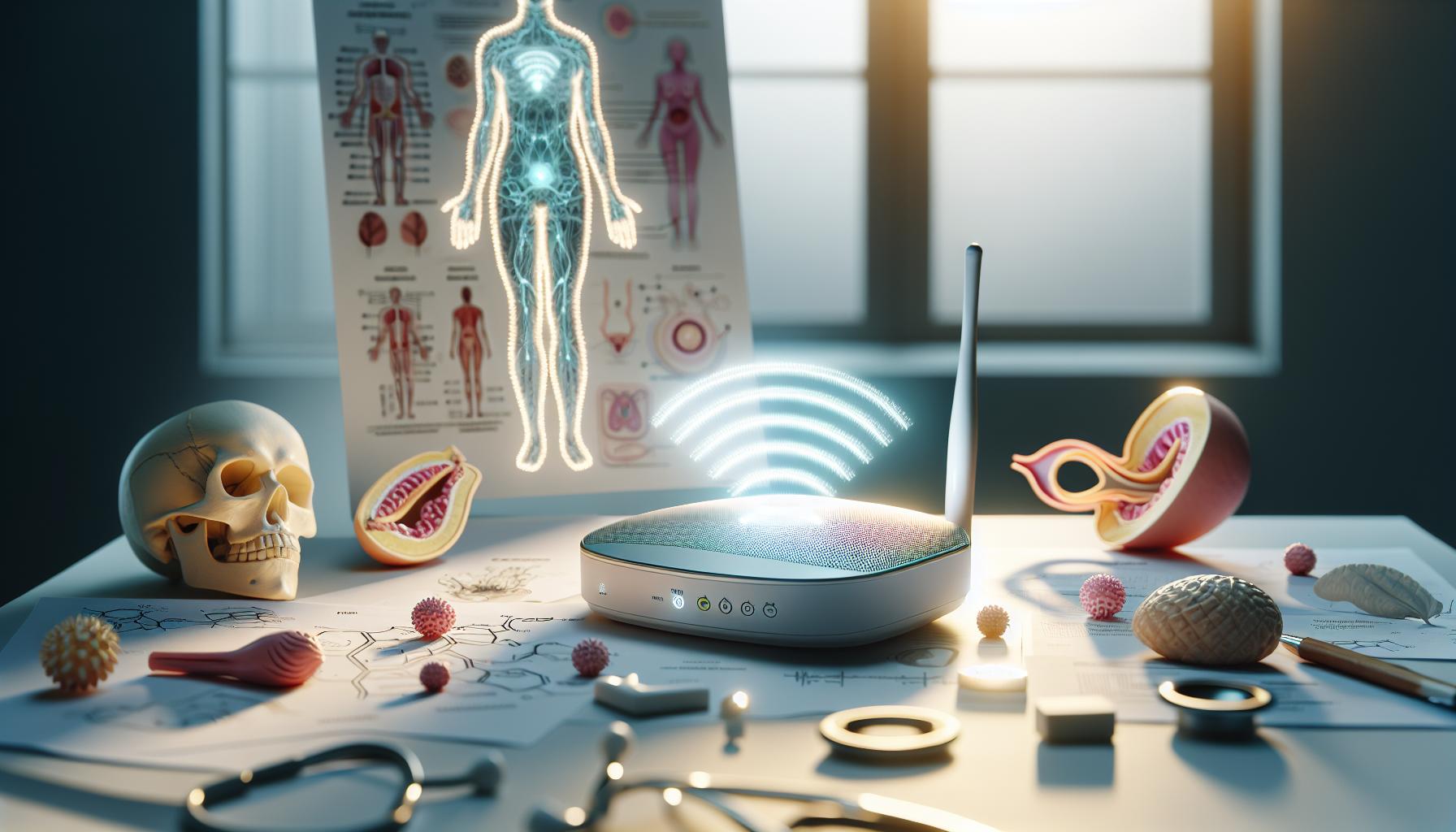
Research Findings on Mobile Phones and Male Infertility
Numerous studies have started to shed light on the potential implications of mobile phone usage for male fertility, especially when phones are routinely kept in the waistband. The concern mainly revolves around the heat generated by devices and the radiofrequency (RF) energy they emit, both of which can negatively impact sperm health. Research has shown that prolonged exposure to elevated temperatures can lead to reduced sperm motility and viability. When mobile phones are stored against the body, particularly around the groin area, they can increase local temperatures, which may disrupt the delicate environment essential for sperm production.
One compelling study found a connection between mobile phone usage and declines in various parameters of sperm quality, including concentration and motility. This has led researchers to hypothesize that the electromagnetic fields (EMF) produced by these devices could interfere with cellular processes and hormone production crucial for spermatogenesis. While emerging evidence presents a concerning picture, it is important to note that the scientific consensus is still developing, and many studies also emphasize the need for further investigation to establish definitive causal links.
To navigate the potential risks, men should consider practical strategies to minimize exposure. Here are a few simple recommendations:
- Avoid prolonged contact: Instead of keeping your phone in your pocket or waistband, consider using a bag or a backpack.
- Opt for hands-free options: Using speakerphone or Bluetooth devices can help keep your phone away from your body during calls.
- Limit usage time: Reducing the duration of phone calls and using text messaging or emails when possible can also be beneficial.
Understanding the emotional weight of this issue is crucial. Many individuals embarking on a fertility journey know that concerns about reproductive health can induce anxiety and uncertainty. By tackling these questions and adopting proactive measures, it is possible to take comforting steps towards maintaining reproductive health while embracing the modern conveniences of digital communication.
Can Women’s Fertility Be Compromised by Cell Phone Use?
Keeping your mobile phone close at hand-often in your waistband-has become a common habit, especially in our technology-driven world. However, as the conversation around reproductive health expands, it’s crucial to consider how this practice might impact women’s fertility. Preliminary research suggests that the electromagnetic radiation emitted by cell phones could potentially influence reproductive health, although more studies are needed to draw definitive conclusions.
While direct links between cell phone use and female infertility have yet to be established, concerns mostly revolve around the potential effects of radiofrequency (RF) energy on ovarian function and hormonal balance. Some experts suggest that prolonged exposure to EMF could interfere with ovarian hormones, thereby disrupting menstrual cycles and potentially affecting the quality of eggs. For women trying to conceive, maintaining hormonal balance is essential for regulating ovulation and optimizing fertility.
In acknowledging the emotional weight of fertility concerns, it’s important to approach this topic with sensitivity. Many women experiencing challenges in conceiving may feel overwhelmed by the myriad factors affecting fertility, including lifestyle and environmental influences. Although the science is still evolving, women can consider practical steps to minimize potential risks while navigating their fertility journeys. Here are some suggestions:
- Limit phone carriage: Instead of placing your phone in a waistband, use a purse or a backpack to keep it away from your body.
- Be mindful of usage time: Reducing the time spent on calls or using text and email as alternatives could lessen exposure.
- Explore speakerphone options: Using a hands-free device can help keep the phone at a distance during interactions.
While it’s essential to remain informed and take proactive measures, it’s also crucial to maintain a hopeful perspective and acknowledge that many aspects of fertility are still under study. Embracing open conversations about reproductive health without fear or stigma can empower many women as they navigate their families’ paths, whether through natural conception, assisted reproductive technologies, or other family-building options.
The Risks of Prolonged Phone Exposure in the Waistband
The habit of tucking a smartphone into a waistband may seem harmless, but emerging concerns about how this practice could affect fertility warrant attention. While many individuals carry their phones in such a manner for convenience, the reality is that prolonged exposure to electromagnetic radiation (EMR) from mobile devices can lead to potential health risks, particularly regarding reproductive health. Preliminary studies suggest that the radiofrequency energy emitted by cell phones may impact ovarian function and hormonal balance, raising alarms about its influence on fertility.
Research indicates that the close proximity of phones to vital reproductive organs could potentially interfere with hormone production. Specifically, there are concerns that extended exposure to EMR may disrupt the delicate hormonal interplay essential for regulating menstrual cycles and ovulation. For women actively trying to conceive, even slight disturbances in hormonal levels can affect the quality of eggs and overall fertility. Therefore, while the science is still developing, it is prudent to explore methods of reducing potential risks associated with phone usage in this way.
For those wondering what steps they can take to limit their exposure while still staying connected, consider these practical suggestions:
- Utilize alternative carrying methods: Instead of placing your phone directly against your body, opt for a bag, purse, or backpack to create distance from your pelvic area.
- Limit phone usage: Be mindful of how often you’re on your device. Opt for texting or emailing over lengthy phone calls to reduce exposure time.
- Employ hands-free strategies: If you must talk on the phone, using speakerphone or a Bluetooth headset can keep the device away from your body, minimizing direct exposure.
Being informed allows you to make conscious choices about your reproductive health. As we understand more about the effects of modern technology, embracing open dialogue about these topics can empower both women and men on their fertility journeys. It’s essential to approach these concerns compassionately, acknowledging the emotional weight many feel while navigating their paths to parenthood.
Expert Opinions: Doctors Weigh In on Phone Fertility Concerns
The conversation surrounding mobile phone usage and its effects on fertility has increasingly caught the attention of healthcare professionals. Many experts emphasize the need for further research into the correlation between electromagnetic radiation (EMR) from cell phones and reproductive health. Dr. Emily Chen, a reproductive endocrinologist, states, “While the existing studies raise valid concerns, we must approach this topic with an understanding of the evolving science. There is a spectrum of factors impacting fertility, and cell phone radiation is just one of many.”
One prominent area of concern is the possibility of EMR affecting sperm quality in men. Research suggests that the heat generated by phones, particularly when kept in a pocket, may decrease sperm motility and viability. Dr. Raj Patel, a urologist specializing in male fertility, notes, “With sperm quality being critical for conception, it’s prudent for men to consider habits that minimize exposure. Keeping phones in a backpack rather than in the pocket is a straightforward but effective change.”
For women, hormonal fluctuations are essential to consider. Dr. Sarah Thompson, a gynecologist, shares that disruptions in hormonal balance can influence menstrual cycles and ovulation. “It’s essential for women who are trying to conceive to be aware of potential environmental factors, including phone exposure. While evidence is still emerging, making precautionary adjustments can only strengthen one’s fertility journey,” she advises.
Ultimately, healthcare professionals advocate for a proactive approach. Staying informed about the potential impacts, listening to one’s body, and consulting with a fertility specialist if concerns arise can empower individuals on their paths to parenthood. Meanwhile, maintaining a balanced perspective that celebrates hope and resilience is vital, recognizing that each person’s journey is unique and filled with both challenges and opportunities for growth.
Real-Life Experiences: Stories from Those Affected
In today’s digital age, our smartphones have become essential companions, often making us unaware of the potential risks associated with prolonged exposure. Many individuals have shared their personal experiences, reflecting a growing concern about the impact of carrying phones in their waistbands on fertility. One man, Mark, a 32-year-old father of two, recounted his journey of trying to conceive with his partner. After facing difficulties, they began exploring lifestyle changes. Mark learned about the risks of excessive phone exposure and decided to stop keeping his device in his pocket. Within months, he noticed improvements in his overall health and fertility, leading him to believe that even small changes can have significant effects on reproductive health.
Another poignant story comes from Jen, a hopeful mother who struggled with hormonal imbalances for years. As she dove deeper into her fertility journey, she learned from her doctor about potential links between cell phone radiation and reproductive health. Though Jen had been reluctant to part with her favorite phone holster, she chose to make a conscious effort to reduce her phone’s proximity to her body. “It felt like a small sacrifice for the larger goal of starting my family,” she shared, illustrating the emotional weight that these decisions can carry. Jen’s commitment to being mindful about her phone use, combined with her dedication to a healthy lifestyle, brought her closer to finally achieving her dream of motherhood.
These accounts highlight the importance of individual action and awareness in the face of potential risks. Many affected individuals report feeling empowered by implementing proactive measures in their daily lives, such as using hands-free devices or keeping phones in bags rather than pockets. As Jen noted, fostering open conversations about these experiences can drive awareness and encourage others to consider their own habits. The emotional journey of fertility is layered with hope and uncertainty, and by sharing real stories like these, we learn that every small step counts toward the goal of building a family.
Ultimately, while science continues to uncover the nuances of phone radiation and fertility, these narratives emphasize the value of personal experience and community support. It’s crucial to listen to one’s body and lifestyle choices while remaining hopeful and proactive on the journey toward parenthood.
Practical Tips for Reducing Exposure to Harmful Radiation
Minimizing exposure to potential harmful radiation from smartphones is a proactive step that individuals concerned about fertility can take. While definitive scientific conclusions on this topic continue to evolve, many are looking for practical measures to reduce their potential risks. Here are some thoughtful strategies to help protect yourself while remaining connected.
- Use Hands-Free Devices: Consider using Bluetooth headsets or wired earphones for calls. This not only keeps your phone away from your body but also reduces direct exposure to your head.
- Keep Your Phone Away from Your Body: Instead of placing your phone in your waistband or pocket, carry it in a bag or purse. If you must keep it nearby, try to keep it at least a few inches away from your body.
- Turn Off Data and Wi-Fi When Not in Use: Limiting the time your phone searches for signals can decrease radiation emissions. Switching off cellular data and Wi-Fi when you’re not using them can also help extend battery life.
- Limit Screen Time: Reducing the amount of time spent on your phone can be beneficial not just for your overall health but also for minimizing exposure. Consider setting “phone-free” times where you engage in other activities.
- Text Instead of Calling: When possible, choose to text rather than make phone calls. This keeps the device away from your head and body.
- Use Airplane Mode: When sleeping or in situations where you don’t need connectivity, activate airplane mode to reduce radiation exposure.
Implementing these simple changes can help you feel empowered and informed as you navigate your fertility journey. By being mindful of your smartphone habits, you can create a supportive environment for your reproductive health without feeling disconnected from the digital world. Remember, small protective measures can contribute to long-term wellness, bringing you closer to your family-building goals while keeping health concerns at the forefront of your mind.
Exploring Alternatives: Safe Phone Habits for Expecting Parents
To foster a healthy environment during your fertility journey, being mindful of mobile phone habits is crucial, especially for expecting parents who may be more sensitive to potential health risks. Moving away from the common habit of tucking phones into waistbands or pockets can create more space for well-being. Instead, consider utilizing different carrying methods such as purses or bags, which keeps your devices at a safer distance from your body, reducing electromagnetic exposure.
Incorporating hands-free options can also create a more relaxed phone experience. Utilizing Bluetooth headsets or wired earphones not only minimizes direct phone-to-body contact but can make communication more comfortable and enjoyable, whether you’re chatting with loved ones or consulting with healthcare providers.
To further reduce potential risks associated with phone radiation, managing your phone’s connectivity is both simple and effective. Turning off Wi-Fi and cellular data when they’re not in use can limit unnecessary radiation emissions and extend your device’s battery life. Schedule times during the day to unplug, designating ‘phone-free’ moments to engage with partners, family, or interests away from screens.
As you navigate this complex landscape of family-building, remember that small changes can collectively contribute to a nurturing environment. The journey may often involve uncertainty and emotion, but maintaining health-focused habits can help you feel empowered and supported as you pursue your goals of parenthood.
Environmental Factors: Lifestyle Choices Impacting Fertility
In the intricate journey of family-building, environmental factors play a pivotal role in our overall reproductive health. While the focus often sits squarely on the role of medical interventions and personal choices, lifestyle habits can significantly impact fertility. Emerging research has indicated that exposure to electromagnetic radiation from mobile phones may have a cascading effect on one’s reproductive capabilities, particularly when devices are kept close to the body, like in a waistband or pocket. Understanding these lifestyle choices can empower you to make decisions that nurture your health while trying to conceive.
The climate of your everyday habits can be as impactful as any single factor in your fertility puzzle. For instance, regular exercise is not just beneficial for maintaining a healthy weight; it has been shown to improve hormonal balance and enhance reproductive function. Conversely, a sedentary lifestyle can lead to metabolic issues that might hinder fertility. Equal attention should be given to your nutritional choices-a diet rich in antioxidants, healthy fats, and whole foods can defend against oxidative stress that harms reproductive health.
Moreover, nurturing mental health cannot be overlooked. Chronic stress can lead to hormonal imbalances that negatively affect both men and women’s fertility. Techniques like mindfulness, yoga, or simply taking time for activities you love can mitigate these stress effects. Finally, environmental toxins-ranging from air pollutants to chemicals found in household products-can disrupt endocrine functions, making them relevant adversaries in your fertility journey. Safe choices like using natural cleaning supplies or choosing organic produce can foster a healthier living environment.
Building a lifestyle that fosters fertility isn’t merely about restriction or avoidance-it is a holistic journey toward wellness. As you navigate this path, remember to remain compassionate with yourself. Fertility struggles can be profoundly emotional, and acknowledging that complexity is a vital step in your overall wellbeing. Encourage yourself and your partner to engage in open conversations about lifestyle choices, reinforcing that every positive change adds up in the pursuit of an empowered, healthy journey toward parenthood.
The Future of Fertility Research: What’s Next?
As concerns about mobile phone radiation and its impact on fertility gain traction, the future of research in this area holds promise for uncovering valuable insights. Emerging studies are expected to focus on the nuanced effects of electromagnetic radiation (EMR) on reproductive health, specifically how prolonged exposure, particularly when devices are stored in the waistband or pockets, might influence fertility in both men and women. Early research indicates a potential link between EMR and issues like reduced sperm quality in men, which may spur more rigorous investigations into how these effects manifest.
New methodologies in reproductive health research aim to utilize advanced imaging and bioanalytical techniques to assess cellular changes in response to EMR exposure. This could pave the way for a clearer understanding of how radiation might affect reproductive organs at the cellular and molecular levels. Furthermore, researchers are likely to explore not just the biological impact but also the behavioral aspects, such as how smartphone habits might differ among genders and across different age groups. Engaging with diverse populations can help capture a more comprehensive view of fertility and technology interactions.
Understanding the emotional and psychological dimensions of fertility can complement scientific studies. Research that includes qualitative aspects-such as personal experiences of individuals struggling with infertility linked to lifestyle choices-will be essential. This human-centered approach can provide context to the clinical findings and may help in developing community support and educational resources that resonate with those facing fertility challenges.
In practical terms, as findings emerge, it’s crucial for individuals to stay informed and adopt preventive measures. This includes awareness of phone placement and repurposing usage habits, such as using speaker mode or headsets to minimize direct contact with the body. By encouraging ongoing discourse and laying the groundwork for future studies, we can work toward a balanced approach that considers both the benefits of technology and the imperative of protecting reproductive health.
FAQ
Q: Can keeping a phone in your waistband cause infertility?
A: While research is still inconclusive, some studies suggest that prolonged exposure to electromagnetic radiation from phones could potentially impact sperm quality in men. It’s advisable to limit direct contact with reproductive organs to minimize any risks.
Q: How significant is the risk of infertility from cell phone radiation?
A: The risk remains in the realm of ongoing debate, with studies showing mixed results. For now, practicing caution by using hands-free devices or avoiding keeping phones in close proximity may be wise.
Q: What are the symptoms of radiation exposure from phones?
A: Symptoms of potential radiation exposure may include headaches, fatigue, and difficulties with concentration. While these aren’t specific to fertility, monitoring your health and consulting a healthcare provider about concerns is essential.
Q: Does the position of the phone matter for fertility?
A: Yes, the position of the phone does matter. Keeping a phone in pockets near the reproductive organs could be riskier than in other locations. To reduce exposure, consider using bags or pouches instead of direct contact.
Q: Are there specific studies on phones and male fertility?
A: Several studies have indicated a possible link between cell phone use and decreased sperm motility, but more research is needed for definitive conclusions. Refer to the Research Findings on Mobile Phones and Male Infertility section for detailed insights.
Q: What are safe practices for mobile phone use regarding fertility?
A: To ensure safety, maintain a distance between your phone and body, use speaker mode, or Bluetooth devices. Regularly limit phone use durations, especially when it’s positioned near reproductive areas, for safer habits.
Q: Can women’s fertility be directly affected by mobile phone use?
A: Research indicates that while men may be at higher risk, women can potentially experience fertility issues as well, depending on overall lifestyle and health factors. Consult your healthcare provider for personalized advice.
Q: Should men avoid carrying phones in their pants pockets?
A: Yes, it’s advisable for men to avoid carrying phones in their pants pockets to potentially reduce risks associated with increased heat and radiation exposure to the testicular area. Consider alternative carrying methods for better health.
Final Thoughts
As we conclude our exploration of whether having your phone in your waistband can impact fertility, remember that understanding the potential risks is crucial for your reproductive health. If you have lingering questions about fertility, consider diving deeper into our comprehensive guides on causes of infertility and treatment options such as IVF and artificial insemination. These resources are designed to support you on your fertility journey.
Don’t wait-take proactive steps for your health today. Whether it’s adjusting your phone habits or seeking a consultation, your choices matter. Share your thoughts or experiences below; we value your voice in this discussion. For further insights and updates, subscribe to our newsletter to stay informed about fertility trends and tips. Your journey is unique, and we’re here to walk alongside you every step of the way!
Get our latest guides, news, and insights highlighted in your Google Search & AI Overviews.