Did you know that every time a cell divides, it meticulously copies its DNA? This process is essential for reproduction and ensures that the genetic information passed down to offspring is accurate and complete. Understanding why DNA copying is crucial not only helps us appreciate the intricacies of life but also connects deeply with our own journeys in family building. Each stage of reproduction relies on this fundamental mechanism, influencing everything from the viability of embryos to the health of future generations. As we explore the significance of DNA replication, we will also address the emotional aspects of reproduction, offering insights that support and affirm your path, no matter how complex it may be. Join us in this discussion to uncover how this biological blueprint shapes the very essence of life and family.
The Role of DNA in Biological Reproduction
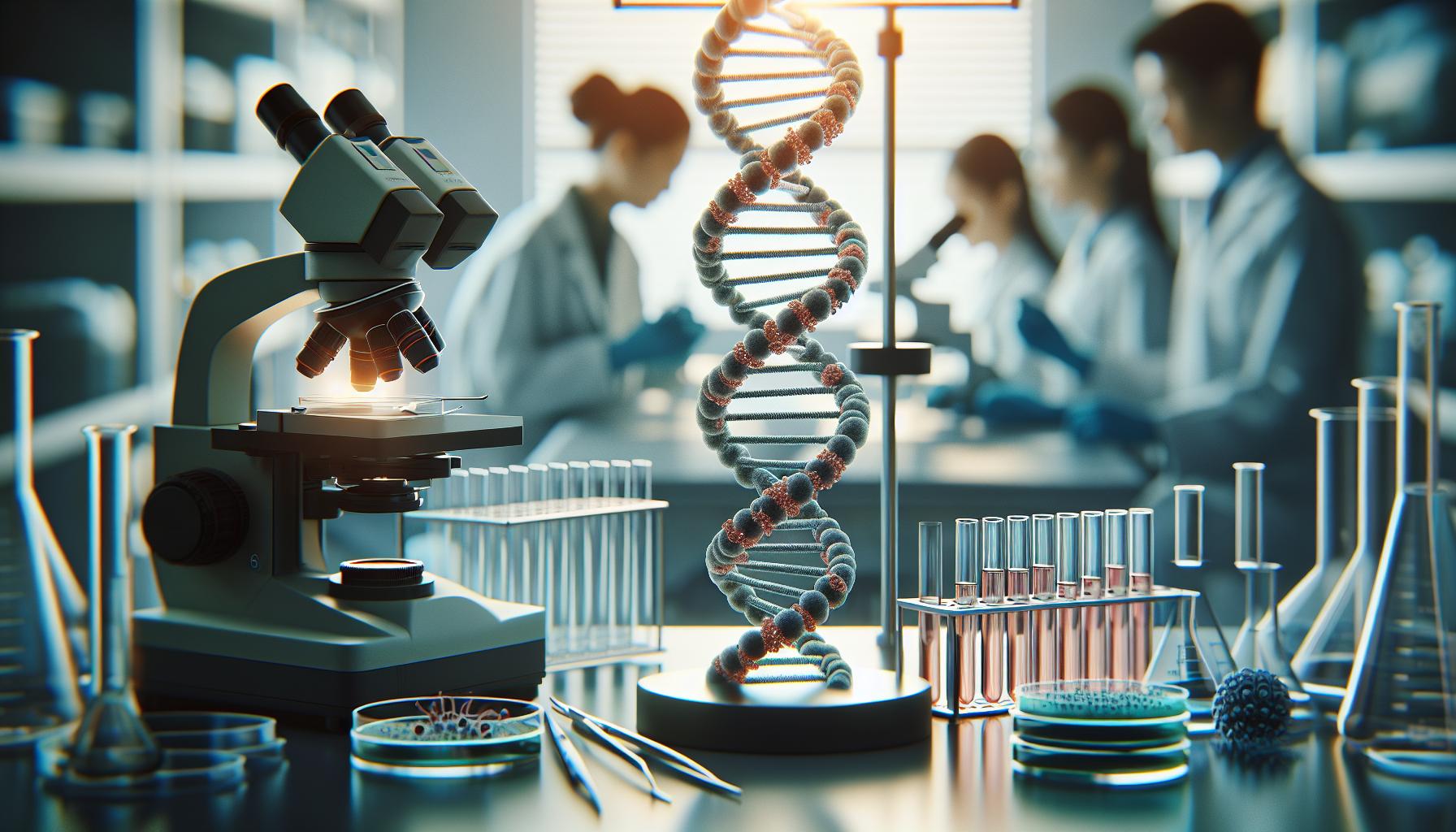
The intricate dance of DNA replication is critical not only for the survival of individual cells but also for the transmission of genetic information across generations. Each time a cell divides, its DNA must be meticulously copied to ensure that the resulting daughter cells receive identical genetic material. This process isn’t just a mechanical necessity; it’s a pivotal part of biological reproduction that embodies the continuity of life.
During DNA replication, the double helix unwinds, and enzymes such as DNA polymerase synthesize new strands by adding nucleotides that are complementary to the original strands. This ensures a faithful copy of the genetic blueprint. The concept of semi-conservative replication-where each new double helix consists of one original strand and one new strand-highlights the precision of this process. This delicate balance is crucial in reproductive contexts, where errors can lead to mutations or chromosomal abnormalities that may jeopardize the viability of an embryo.
Understanding the role of DNA not only demystifies the biological processes underlying reproduction but also opens a window into the challenges faced in fertility treatments. Each reproduction-related procedure, from in vitro fertilization (IVF) to artificial insemination, hinges on the integrity of DNA. Therefore, any disruption in this copying process can have far-reaching implications for family-planning journeys. Recognizing this can provide emotional validation for individuals navigating these paths, reminding them that the complexities of their experiences are intertwined with the fundamental principles of life at the molecular level.
As you ponder the significance of DNA in reproduction, consider the broader implications of these processes not just for individual health, but for the continuation of species, evolutionary changes, and the very fabric of life itself.
How DNA Replication Works: A Step-by-Step Guide
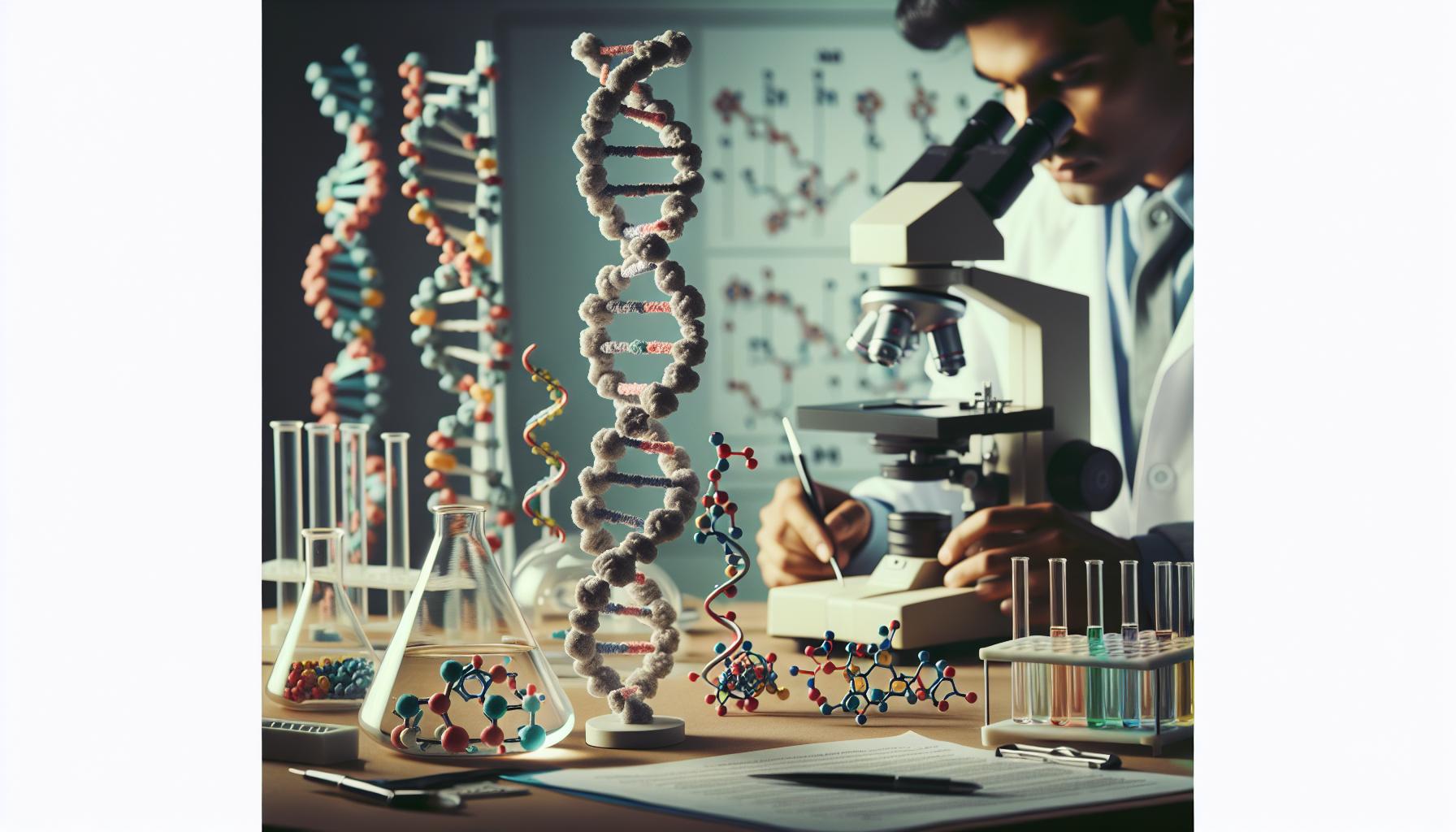
The intricate process of DNA replication is an essential mechanism that ensures genetic continuity across generations, essentially underpinning the very fabric of biological reproduction. To understand how DNA copying works, it’s helpful to visualize this process as a series of well-orchestrated steps that meticulously construct identical copies of genetic material.
First, the double helix structure of DNA unwinds with the action of the enzyme helicase, which effectively breaks the hydrogen bonds between complementary base pairs. This unwinding exposes the two strands of DNA, creating a structure often described as a “replication fork.” Each strand now serves as a template for the formation of a new strand. As DNA replication progresses, an enzyme known as DNA polymerase plays a crucial role by adding nucleotides-molecules that serve as the building blocks of DNA-complementary to the exposed bases on each template strand. This addition occurs in a specific direction, from 5′ to 3′, ensuring the correct sequence is established.
During replication, the process is not uniform across both strands. The leading strand is synthesized continuously as the fork progresses, while the lagging strand is synthesized in short segments known as Okazaki fragments, which are later joined together. This semi-conservative method-where each new double helix consists of one old strand and one newly synthesized strand-ensures that genetic information is preserved accurately.
While the DNA polymerase is proficient at copying DNA, it is equally equipped with proofreading capabilities to correct errors during replication. This activity is vital, as even a single mistake can potentially lead to mutations, which may affect subsequent generations. This intricate balance between fidelity and efficiency in DNA replication safeguards the health of not only individual cells but the overall viability of reproductive processes, confirming why accurate DNA copying is indispensable for the continuation of life.
Understanding these steps not only highlights the remarkable complexity of life at a molecular level but also emphasizes the challenges faced during reproductive procedures. For those navigating fertility treatments, awareness of these foundational biological processes can provide insight and understanding, reducing feelings of uncertainty and fostering hopeful journeys towards parenthood.
The Significance of Genetic Variation in Offspring
The ability of offspring to inherit genetic traits from their parents is a cornerstone of biological reproduction, but it is the presence of genetic variation that truly enriches the tapestry of life. This variation, resulting from processes such as meiosis and independent assortment, allows for a mixture of parental DNA that not only enhances adaptability but also plays a crucial role in the survival of populations over generations.
Genetic variation is pivotal because it equips organisms with the tools to adapt to changing environments. For example, within a species of flowering plants, genetic differences can lead to variations in flower color, scent, and even disease resistance. These traits can influence a plant’s attractiveness to pollinators, which directly affects its reproductive success. This variability can mean the difference between thriving in a shifting climate and facing extinction. As conditions change, those individuals with advantageous traits are more likely to reproduce, gradually leading to a population better adapted to its environment.
Moreover, the significance of genetic variation extends into the realm of human health. It underlies the diversity of responses to medications and the varying prevalence of genetic disorders among populations. Recognizing and understanding these differences can aid healthcare providers in tailoring treatments to individual genetic profiles, a practice known as personalized medicine. By celebrating and harnessing this variation, we not only improve health outcomes but also empower families as they navigate challenging journeys, such as those faced in fertility treatments.
Adding to this, it’s crucial to acknowledge the emotional weight individuals may carry when they explore their options for building a family. Each path-be it through traditional methods, IVF, adoption, or other avenues-brings its own uncertainties and hopes. Understanding genetic variation helps validate the experiences of families while fostering a sense of community through shared stories and the collective journey of parenthood. By embracing the uniqueness of each story, we affirm the incredible potential that exists within genetic diversity, offering hope and reassurance in the face of challenges.
The Impact of Mutations on DNA and Reproduction
Mutations are essential to the fabric of life and play a complex role in reproduction. They occur when there are errors in the DNA copying process, leading to changes in nucleotide sequences. Interestingly, not all mutations are harmful; some can have beneficial effects, providing the raw material for evolution and diversification. For instance, a mutation may lead to a beneficial trait that increases an organism’s chance of survival, such as enhanced disease resistance or improved adaptability to environmental changes.
However, the emotional aspect of relying on genetic variation through mutations can be bittersweet. Families facing reproductive challenges often carry the weight of hope and fear. Understanding that mutations can lead to genetic disorders adds to this complexity. Conditions such as cystic fibrosis or sickle cell anemia are examples where harmful mutations affect reproduction and family planning decisions. This reality prompts many individuals to explore different family-building options and genetic counseling to navigate these challenges while remaining informed and hopeful.
It’s important to emphasize that the reproductive process incorporates mechanisms that can mitigate the negative impacts of mutations. For example, during meiosis, recombination and independent assortment shuffle genetic material, increasing the likelihood that offspring inherit ‘healthy’ genes from their parents while potentially relegating harmful mutations. This natural balancing act highlights how evolution and reproduction continuously adapt in the face of challenges posed by mutations.
In today’s world of reproductive technologies, parents are increasingly empowered to make informed decisions. Genetic testing allows prospective parents to understand their own genetic makeup and that of their embryos, guiding them toward safer reproductive choices. While the reality of mutations and their effects can be overwhelming, it is through informed choices and advancements in genetic research that families can navigate their unique journeys with optimism and support. Celebrating small milestones, seeking help, and embracing community stories can foster resilience in the face of reproduction-related uncertainties.
How Reproductive Processes Ensure DNA Fidelity
Ensuring DNA fidelity during reproduction is a remarkable feat that highlights the intricate design of biological systems. One key process is DNA replication, where cells not only copy their genetic material but do so with an impressive degree of accuracy. This fidelity is crucial for maintaining genetic stability and ensuring that future generations inherit the correct information necessary for development, functioning, and survival.
During DNA replication, several mechanisms work collaboratively to ensure that errors are minimized. For instance, DNA polymerases-the enzymes responsible for synthesizing new strands-are equipped with proofreading abilities. These enzymes can detect and correct mistakes as they occur, significantly reducing the likelihood of mutations entering the genome. Furthermore, after DNA replication, additional repair mechanisms, such as mismatch repair pathways, scan the newly synthesized DNA for errors that might have slipped through, correcting them before they can be passed on to daughter cells.
It’s also essential to recognize the role of sexual reproduction in promoting DNA fidelity. Meiosis, the process that generates gametes, introduces genetic variation through recombination. This allows for the shuffling of genes, which not only enhances diversity but also enables the selection of healthier gene combinations. In cases where harmful mutations are present, there’s a chance that these may be excluded from the pool of genes passed to offspring. This natural filtering process adds another layer of protection against the transmission of defective DNA.
In the context of assisted reproductive technologies, ensuring DNA fidelity is paramount. Techniques such as preimplantation genetic testing allow prospective parents to screen embryos for specific genetic disorders, helping them make informed decisions about which embryos to implant. This proactive approach provides hope and empowerment to families navigating their fertility journey, enabling them to build families with a heightened sense of assurance regarding their genetic risks.
Understanding these processes can be incredibly reassuring, especially for those dealing with fertility challenges. The journey through reproductive health can be daunting, filled with emotional highs and lows. By being informed about how our bodies strive to ensure DNA fidelity, individuals and couples can approach their family-building efforts with a sense of empowerment and hope, knowing that nature has built-in mechanisms designed to safeguard their genetic legacy.
Understanding Mitosis and Meiosis in Reproduction
Cell division is foundational to how life sustains itself and evolves. The processes of mitosis and meiosis are two essential types of cell division that enable reproduction and genetic continuity. Mitosis is a process by which a single cell divides to produce two identical daughter cells, each containing the same number of chromosomes as the original cell. This is crucial for growth, repair, and maintenance of tissues. For those experiencing challenges with reproduction, understanding mitosis can offer insights into how cells proliferate efficiently, ensuring that the body maintains its cellular health.
In contrast, meiosis is a special type of cell division that occurs only in the formation of gametes-sperm and egg cells. This process generates genetic diversity through two rounds of division and the shuffling of genetic materials. During meiosis, homologous chromosomes exchange genetic information in a process called crossing over, which contributes to variation in offspring. This variation is vital for evolution as it allows populations to adapt to changing environments. For couples considering conception, appreciating the role of meiosis highlights the importance of genetic mixing, significantly influencing the genetic traits passed on to future generations.
In both mitosis and meiosis, the accuracy of DNA copying is essential. Errors in these processes can lead to cell abnormalities or genetic disorders, which can complicate reproduction and affect embryonic development. This makes considering genetic health a significant part of reproductive planning. For those pursuing assistive reproductive technologies, understanding these processes can be empowering, as it may inform decisions around options like preimplantation genetic testing, ensuring healthy embryos are selected for implantation. As one navigates the complex landscape of fertility, recognizing the mechanics behind DNA replication during cell division can shed light on why maintaining genetic integrity is crucial for successful reproduction and the health of future generations.
The Evolutionary Advantage of DNA Copying
In the grand tapestry of life, the process of DNA copying holds profound evolutionary significance. This isn’t just a routine mechanism; it is the bedrock of biological diversity and adaptability. When organisms reproduce sexually, DNA copying allows for a mix of genetic material from both parents, a process crucial for creating diverse offspring that can thrive in varying environments. With each generation, the mixing of genes not only repairs damaged genetic information but also generates new combinations that may enhance survival, ensuring that the species can adapt and flourish over time.
As offspring inherit a blend of traits from their parents, they present a wide range of characteristics. Some may be better equipped to survive diseases or changes in climate, while others might excel in finding food or securing mates. This diversity emerges from the meticulous yet sometimes imperfect process of DNA replication, which can introduce variations. Such variations are not merely random; they can lead to evolutionary advantages when environmental conditions shift, instigating natural selection that favors those traits best suited for survival.
However, while the advantages of DNA copying and the resulting genetic diversity are clear, the process isn’t without its challenges. Errors in DNA replication can lead to mutations, some of which might be detrimental. Nevertheless, evolution operates on a gamble of trial and error. Ideally, most mutations will be neutral or beneficial rather than harmful. This evolutionary dance, spurred by the replication of DNA, is what drives the continuous adaptation and survival of life on Earth.
For couples embarking on family-building journeys, understanding this process can empower their choices. Whether considering options like IVF or genetic testing, appreciating the nuances of DNA and its replication can help navigate the emotional and logistical complexities involved. The knowledge that each reproduction is a unique chance for combination rather than mere duplication provides hope, vital in the midst of an often challenging journey toward parenthood.
DNA Repair Mechanisms: Safeguarding Reproductive Success
The fidelity of DNA replication is crucial for successful reproduction, and nature has equipped cells with remarkable repair mechanisms to safeguard this process. Each time a cell divides, especially during the formation of gametes, there is a risk of errors arising in the DNA sequence-mutations that could negatively impact the health of future generations. To mitigate this risk, cells employ a variety of DNA repair strategies that are essential not just for individual cellular health, but for the reproductive success of organisms as a whole.
One vital mechanism is called mismatch repair, which identifies and corrects errors that occur when DNA is copied. For instance, if the wrong nucleotide is incorporated, mismatched repair systems detect this anomaly and utilize enzymes to excise and replace the incorrect section. This process not only preserves genetic information but also ensures the accuracy of the genetic material that will be passed to the next generation. Such precision is crucial as genetic errors can lead to diseases or developmental issues in offspring.
Another critical aspect of DNA repair involves double-strand breaks. These breaks can happen due to environmental factors or during essential cellular processes like meiosis. Cells have specialized proteins that can either repair these breaks precisely or, if needed, strategically introduce variations that might contribute to genetic diversity. This ability to balance repair with the potential introduction of diversity is a key factor in the evolutionary success of a species.
Being mindful of the complexities surrounding DNA repair can also offer reassurance to those navigating the emotional landscape of family building. Many couples exploring options like IVF or genetic testing may experience anxiety about genetic health. Understanding that biological systems possess robust mechanisms to ensure DNA integrity can provide comfort. It’s essential to remember that while the journey through reproductive processes often brings uncertainty and hope, the body is fundamentally equipped with extraordinary capabilities to safeguard the continuity of life and the transmission of genetic health.
In summary, effective DNA repair mechanisms not only prevent harmful mutations from being inherited by future generations but also contribute to the genetic diversity that is vital for adaptation and survival. Embracing this understanding can empower families as they navigate their unique paths towards parenthood, reinforcing the notion that each step is supported by the body’s inherent wisdom.
Challenges in DNA Copying and Their Reproductive Implications
As organisms reproduce, the intricate task of copying DNA faces numerous challenges that can significantly impact reproductive success. One prevalent issue is the occurrence of mutations during DNA replication, which can arise from environmental factors, errors in the copying process, or cellular stress. Such mutations might lead to developmental issues, genetic disorders, or reduced fertility. It’s essential to recognize that while some mutations can be benign or even beneficial, others can disrupt essential biological functions, underscoring the delicate balance inherent in DNA copying.
The fidelity of DNA replication is assured by various checkpoints and repair mechanisms, but these systems are not infallible. For instance, during the cell cycle, checkpoints are designed to catch errors before they propagate. Nevertheless, if a mutation slips through, it can have cascading effects. It may not only affect the individual but also result in flawed gametes, compromising the health and viability of the next generation. Understanding this process can be particularly reassuring for those exploring fertility options. It highlights the importance of genetic health without overwhelming individuals with fear or anxiety about potential reproductive challenges.
Moreover, factors such as age, lifestyle, and environmental exposures can exacerbate these copying challenges. As both male and female reproductive cells age, the mechanisms that maintain DNA integrity can become less effective, increasing the occurrence of mutations. This reality can be daunting for couples trying to conceive, especially if they face complications such as repeated miscarriages or fertility struggles. It is vital to approach these challenges with empathy and support, recognizing that navigating the fertility landscape can be rife with emotional turmoil.
In light of these challenges, potential parents should consider engaging in genetic counseling or health screenings. These services can provide valuable insights into genetic risks and foster informed decision-making about reproductive options. Embracing advanced techniques, including preimplantation genetic testing during IVF, can further mitigate risks and enhance the chances of a healthy pregnancy, paving the way for hopeful families amidst the complexities of reproduction.
Recent Discoveries in DNA Copying and Reproduction
Advancements in understanding DNA copying and reproduction have revealed remarkable insights into how these processes are not only fundamental but can also be fine-tuned to improve reproductive health. Recent research has illuminated the complexities of DNA replication, particularly how epigenetic markers influence gene expression during early development. Understanding these markers can help in identifying why some embryos have a higher chance of successful implantation than others, paving the way for more personalized IVF treatments.
For instance, scientists have discovered that certain non-coding RNAs play critical roles in regulating gene activity during cell division. These molecules can impact how effectively DNA is copied and maintained, ultimately influencing fertility outcomes. By examining the epigenetic landscape of pre-implantation embryos, fertility specialists can potentially predict which embryos are more likely to develop into healthy pregnancies. This knowledge enables more informed decisions during processes like preimplantation genetic testing, thereby increasing the chances of a successful outcome.
In addition to innovations in genetic understanding, technological advances are transforming how we perceive and approach reproduction. One notable progress is the development of CRISPR technology, which allows for precise edits to genetic material. This breakthrough has potential applications in correcting genetic disorders before embryo implantation, offering hope to couples with hereditary conditions. Furthermore, research is ongoing to refine gene-editing techniques that minimize potential off-target effects, ensuring that the edits enhance rather than disrupt normal biological functions.
As we navigate these exciting developments, it’s important to balance hope with realistic expectations. While these discoveries can significantly improve reproductive outcomes, the emotional journey remains complex. For those exploring family-building options, it’s essential to find support systems that acknowledge the myriad of emotions involved-from hope and anticipation to fear and uncertainty. Embracing advances like genetic counseling can help make sense of these cutting-edge technologies, providing guidance tailored to individual circumstances.
With ongoing research shedding light on the intricacies of DNA copying, it’s an optimistic time for reproductive health. As science continues to uncover the nuances of reproduction, families may increasingly find empowerment through knowledge, allowing them to make informed choices about their journeys toward parenthood.
Real-World Applications: Biotechnology and Reproduction
In the world of biotechnology, the understanding of DNA copying is revolutionizing reproductive health. Recent advancements are not only enhancing traditional methods of conception but also opening avenues for innovative treatments. One remarkable application is in the realm of In Vitro Fertilization (IVF), where the accurate copying of DNA is pivotal. Fertility specialists now utilize preimplantation genetic testing (PGT) to screen embryos for genetic abnormalities prior to implantation. This process not only increases the chances of successful pregnancies but also reduces the risk of hereditary diseases in offspring. For couples struggling with infertility, this tailored approach can offer a beacon of hope, thereby improving the emotional journey of family-building.
Another groundbreaking application is the use of CRISPR technology, which enables precise edits to genetic material. This tool holds immense promise for correcting genetic disorders before embryo implantation, providing intended parents with options they never had before. Imagine a world where conditions such as cystic fibrosis or sickle cell anemia are eliminated at the embryonic stage. However, it is essential to approach such advancements with careful consideration of ethical implications and potential off-target effects, thus ensuring that the love for innovation does not compromise the essence of our biological integrity.
As the landscape of reproductive technologies evolves, it is also crucial to remain sensitive to the emotional complexities faced by individuals and couples navigating these options. The excitement of new possibilities often coexists with anxiety and uncertainty about costs, success rates, and the emotional toll of potential failures. With the average cost of a single IVF cycle varying significantly, transparent discussions about financial planning and insurance navigation become essential. Empowering patients with accurate information allows them to make informed decisions that align with their unique family-building needs.
Through these innovations, the journey toward parenthood is becoming increasingly inclusive and remarkable, catering to various family structures and personal circumstances. By validating emotions that accompany the fertility journey-whether it be hope, grief, or uncertainty-healthcare professionals can create supportive environments that honor each individual’s experience. Ultimately, the intersection of biotechnology and reproduction not only promises enhanced capabilities but also fosters pathways filled with understanding, empathy, and hope for those yearning to create or expand their families.
The Future of Reproductive Technologies: Gene Editing and Beyond
Advancements in reproductive technologies are paving the way for a future where the intricate dance of DNA copying can be fine-tuned with remarkable precision. Gene editing, particularly through techniques like CRISPR-Cas9, has emerged as a revolutionary tool in this domain, allowing for specific alterations to an organism’s genetic makeup. For example, prospective parents can potentially eliminate genetic disorders from their children before conception, reducing the risk of conditions such as Huntington’s disease or Duchenne muscular dystrophy. This capability not only provides hope to families grappling with hereditary diseases but also opens up conversations about the ethics and implications of “designer babies,” where parents may choose specific traits for their offspring, from physical characteristics to enhanced intelligence.
As we navigate these possibilities, it is essential to maintain a balanced perspective on their emotional impact. Individuals and couples embarking on this path may find themselves experiencing a whirlwind of feelings-hope intertwined with anxiety about the ethical ramifications and long-term effects of gene editing. Engaging in transparent discussions with healthcare professionals about these technologies is crucial. Such dialogue can demystify the processes involved, helping patients understand both the potential benefits and the limitations, including the current challenges in achieving precise edits and the risk of unintended consequences.
Moreover, the integration of gene editing into reproductive health must also accommodate a variety of family-building approaches. Whether a couple is considering in vitro fertilization (IVF), artificial insemination (AI), or even surrogacy, gene editing technologies can enhance their options. For instance, combining IVF with preimplantation genetic testing (PGT) enables the selection of embryos that are free from specific genetic disorders, offering a proactive approach to family planning.
However, along with these advancements comes the need for robust guidelines and ethical standards. Regulations surrounding gene editing must evolve in tandem with technological progress to ensure that they address societal concerns while fostering innovation. By allowing a diverse array of voices-patients, ethicists, and scientists-to join the conversation, we can create a future of reproductive technologies that respects personal choice and cultural values while nurturing the potential of human life.
Faq
Q: Why is DNA copying crucial for reproduction?
A: DNA copying is essential for reproduction because it ensures that genetic information is accurately transmitted to offspring. This process preserves traits and characteristics, allowing species to maintain their biological identity across generations. Without precise DNA replication, genetic stability and diversity would be compromised, jeopardizing the survival of species.
Q: How does DNA replication impact genetic diversity?
A: DNA replication contributes to genetic diversity by allowing for mutations and recombination. While the primary goal is accurate copying, occasional errors can introduce variations that may enhance adaptability and evolution. This diversity is vital for the resilience of populations in changing environments.
Q: What role do enzymes play in DNA replication during reproduction?
A: Enzymes such as DNA polymerase are critical during DNA replication. They facilitate the unwinding of the DNA double helix and synthesize new strands by adding nucleotides. These enzymes ensure that replication is efficient and accurate, supporting successful reproduction and genetic consistency.
Q: What happens if DNA copying goes wrong during reproduction?
A: If DNA copying fails, it can lead to errors such as mutations, which might result in genetic disorders or developmental issues in offspring. These inaccuracies can affect reproductive success, leading to infertility or the failure to produce viable offspring.
Q: When does DNA replication occur in the reproductive cycle?
A: DNA replication typically occurs during the S phase of the cell cycle, before cell division. This ensures that both daughter cells receive identical genetic material during mitosis or meiosis, crucial for maintaining genetic continuity in reproduction.
Q: Why is fidelity in DNA replication important for reproductive success?
A: Fidelity in DNA replication is vital because it minimizes the accumulation of mutations that can adversely affect the health and viability of offspring. Higher fidelity leads to better reproductive outcomes, ensuring that beneficial traits are passed on while harmful mutations are minimized.
Q: How do organisms repair errors during DNA replication?
A: Organisms utilize repair mechanisms like mismatch repair and nucleotide excision repair to correct errors during DNA replication. These processes enhance genetic integrity and are essential for successful reproduction, as they prevent the spread of mutations in subsequent generations.
Q: What advancements in technology aid our understanding of DNA replication’s role in reproduction?
A: Recent advancements such as CRISPR gene editing and next-generation sequencing provide insights into the mechanisms of DNA replication and its impact on reproduction. These technologies help researchers correct genetic defects and understand evolutionary processes, influencing reproductive technologies and conservation efforts.
Insights and Conclusions
Understanding the critical role of DNA copying in reproduction is just the beginning. This process not only ensures the transfer of genetic material but also maintains the diversity and adaptability of life. If you’re curious about the deeper mechanics of DNA replication or related topics like gene expression and inheritance patterns, check out our articles on DNA Replication Explained and The Importance of Genetic Variation.
Ready to dive even deeper? Join our community for the latest insights into reproductive health and genetics by signing up for our newsletter. If you have questions or want personalized guidance, don’t hesitate to reach out; we’re here to support you on your journey. Remember, understanding these concepts isn’t just educational; it’s essential for anyone looking to navigate the complexities of reproduction. Explore further, and take the next step in your learning adventure today!
Get our latest guides, news, and insights highlighted in your Google Search & AI Overviews.