Sexual reproduction is a fascinating process that combines genetic contributions from two parents, leading to unique offspring. This genetic diversity is crucial not only for the adaptability of species but also for addressing concerns many have regarding fertility and family formation. Understanding the main advantage of sexual reproduction can illuminate the ways in which it enhances survival and resilience in changing environments, which is an essential factor for couples navigating their own journeys to parenthood. By generating varied genetic combinations, sexual reproduction offers a promising path to stronger health and broader genetic resources. Join us as we explore how this profound biological process plays a vital role in the tapestry of life and its relevance to your own fertility journey.
What Makes Sexual Reproduction Unique?
Sexual reproduction stands out as a remarkable process, characterized by its ability to blend genetic material from two parents, resulting in offspring that are distinct from either progenitor. This uniqueness fosters a dynamic interplay of genetic traits that can enhance a species’ adaptability to changing environments. One of the significant advantages of sexual reproduction is its role in promoting genetic diversity. The combination of different alleles leads to new gene combinations through mechanisms like independent assortment and crossing over during meiosis. This genetic shuffling is vital, as it provides the raw material for natural selection to act upon, giving rise to populations better equipped to survive and thrive.
Furthermore, the diversity generated through sexual reproduction can play a crucial role in disease resistance. Populations with a wide genetic range are more likely to include individuals with traits that may help them withstand environmental challenges, such as pathogens or climate changes. For instance, in agricultural contexts, farmers often favor genetically diverse crop strains to ensure that some plants can survive pest infestations or disease outbreaks, enhancing food security.
The process of sexual reproduction also introduces an inherent complexity and beauty to the natural world, as it often incorporates elements of mate selection. Organisms, whether through visual displays, vocalizations, or pheromones, engage in intricate rituals to attract partners, which can significantly influence the evolutionary trajectory of a species. This aspect of sexual reproduction embodies the interplay between biological imperatives and behavioral strategies, illustrating how intricate life’s processes can be.
Ultimately, the unique attributes of sexual reproduction extend beyond mere biological processes-they illuminate the connections between genetics, environment, and the ongoing evolution of species, inspiring a deeper appreciation for the tapestry of life.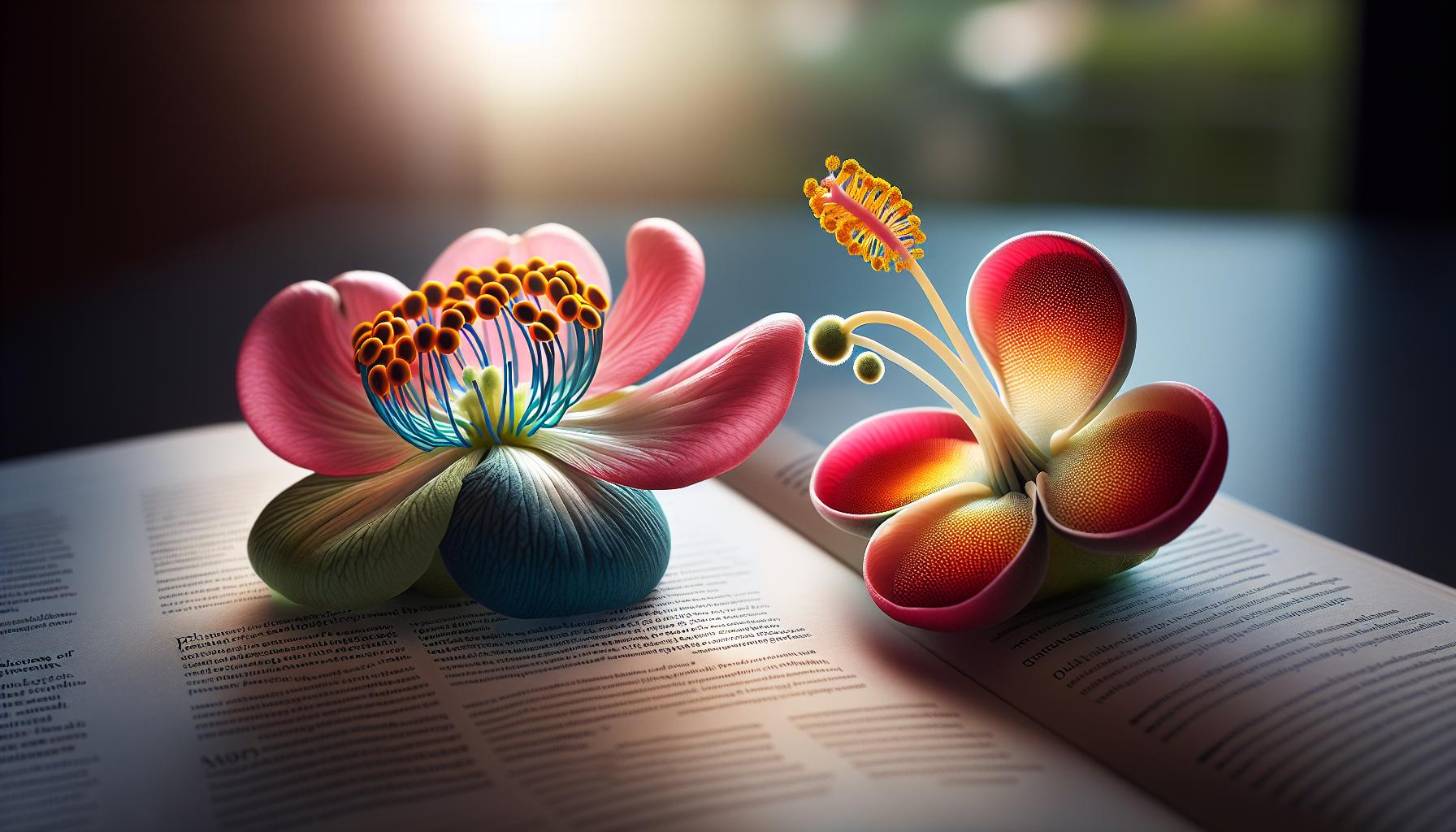
Key Benefits of Sexual Reproduction Explained
Sexual reproduction offers several key benefits that contribute to the resilience and adaptability of species. One of the most significant advantages is the promotion of genetic diversity. By combining genetic material from two parents, sexual reproduction creates offspring with unique genetic combinations. This diversity is crucial for natural selection, as it increases the likelihood that some individuals will possess traits suited for survival in varying environments. For example, in a population of plants, some individuals may develop resistance to specific pests or diseases, enhancing the population’s overall resilience.
Another important benefit of sexual reproduction is its role in fostering adaptability. As environments change-due to climate shifts, habitat alterations, or the introduction of new pathogens-genetic variability enables populations to adapt. Species with higher genetic diversity are often better equipped to evolve and survive challenges, such as emerging diseases. This principle can be observed in agriculture, where diverse crop varieties are cultivated to safeguard against total crop failure from disease or climate extremes.
Moreover, sexual reproduction often involves complex mate selection processes that can further enhance genetic diversity. Organisms may employ various strategies to attract mates, including visual displays, vocalizations, or pheromonal signals. This not only adds a layer of behavioral complexity to reproduction but also increases the likelihood that mating individuals will not be closely related, further enriching the genetic pool.
In conclusion, the key benefits of sexual reproduction lie in its ability to generate genetic diversity, enhance adaptability to environmental changes, and involve intricate mate selection processes. This combination of factors plays a vital role in the evolutionary success and longevity of species across ecosystems.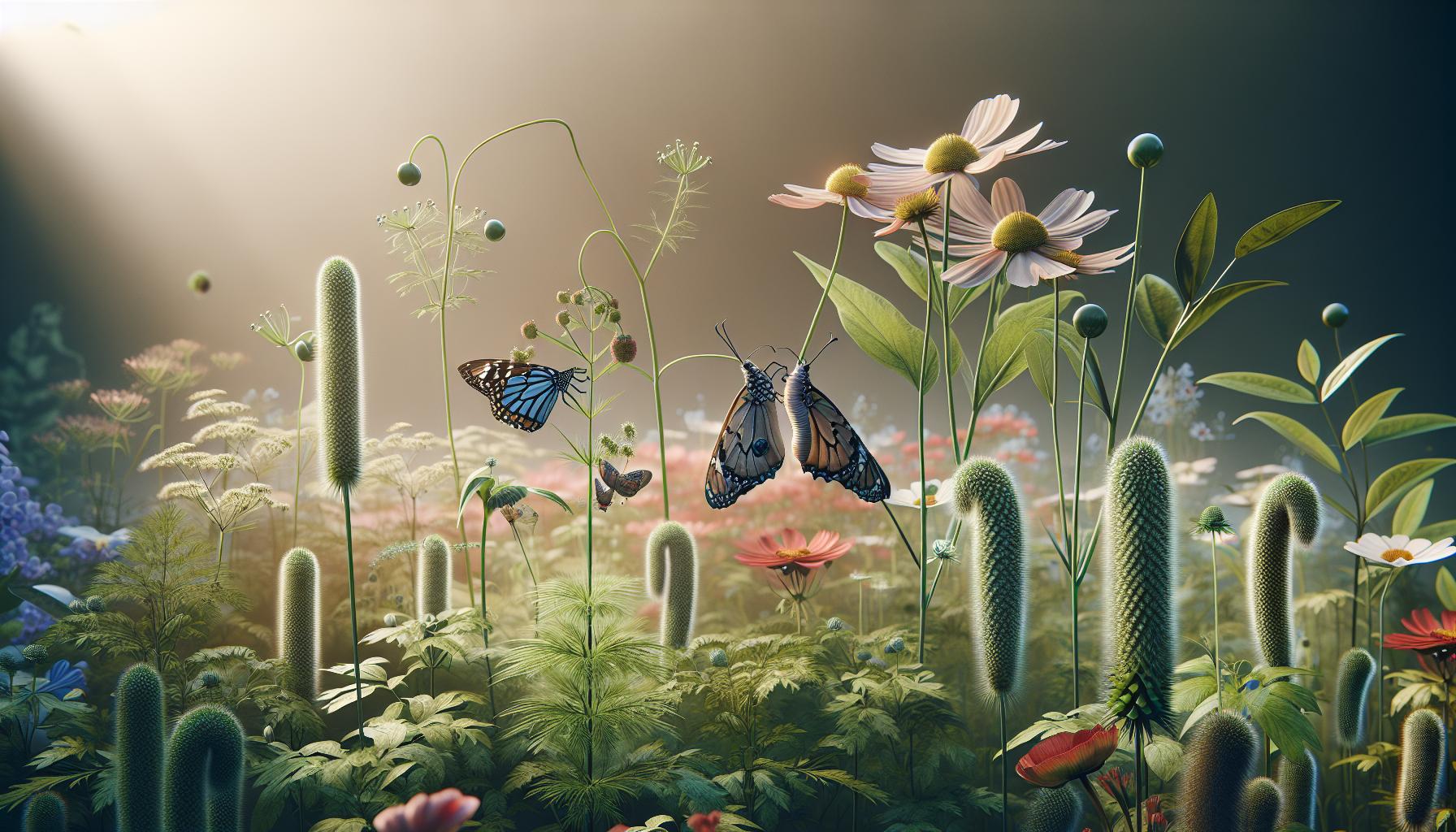
The Role of Genetic Diversity in Evolution
The genetic diversity produced through sexual reproduction serves as a foundational element of evolutionary success. By combining genetic material from two parents, sexual reproduction generates offspring that possess unique combinations of traits. This genetic variation is critical, as it fuels the adaptive potential of populations. For instance, when faced with changes in their environment-such as shifting climates, new predators, or diseases-populations with a broad genetic base are more likely to contain individuals with advantageous traits that enhance survival and reproduction.
This diversity is illustrated in the natural world: consider a wildflower population that reproduces sexually. In a changing environment, some flowers may display traits such as drought resistance or enhanced pollination efficiency. These variations can enable certain individuals to thrive under new conditions, ensuring the survival of the species. In contrast, populations that reproduce asexually tend to become genetically uniform, which can render them vulnerable to diseases or environmental changes, as they lack the variability needed to adapt.
Moreover, sexual reproduction enhances genetic diversity through various mating strategies. Organisms often engage in complex behaviors-from vibrant courtship displays in birds to chemical signals in plants-to attract suitable mates. Such behaviors not only aid in mate selection but also discourage inbreeding, allowing for the introduction of diverse genetic material into the population. This process reinforces the genetic health of species, improving their overall adaptability and resilience.
In summary, the role of genetic diversity rooted in sexual reproduction is indispensable for evolution. It equips populations with the variability necessary to adapt to changing environments, thereby enhancing the chances of survival over generations. In an era where ecological pressures are mounting, understanding and preserving this diversity is more important than ever for ensuring the sustainability of species and their ecosystems.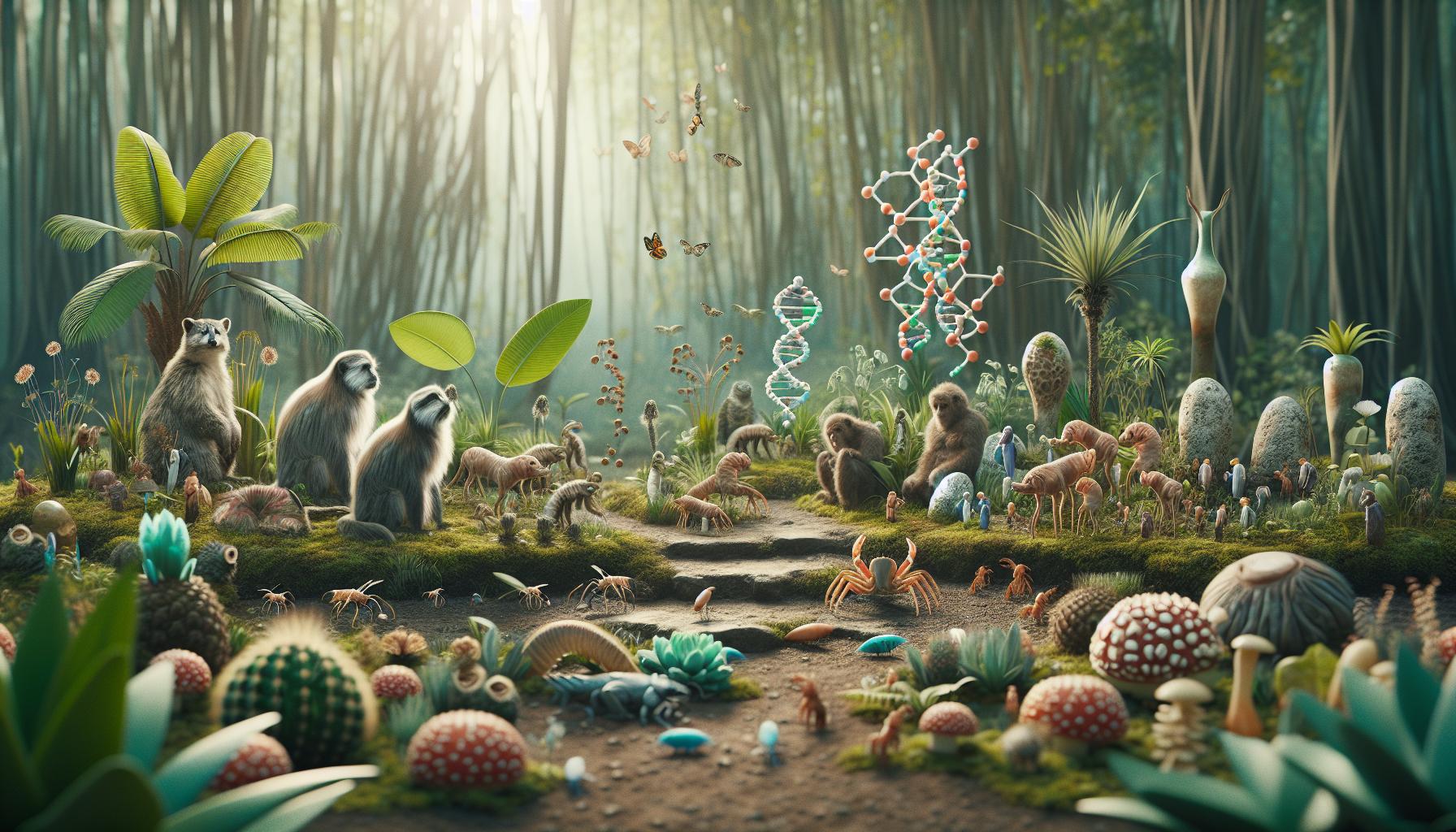
Comparing Sexual and Asexual Reproduction
Sexual reproduction and asexual reproduction are two fundamental strategies through which organisms propagate their species, each with its distinct advantages and challenges. One of the primary benefits of sexual reproduction lies in the genetic diversity it generates, which is crucial for adaptability and resilience in changing environments. In contrast, asexual reproduction, where an organism creates a clone of itself, can lead to rapid population growth but often results in limited genetic variation.
When organisms reproduce sexually, they combine genetic material from two parents, resulting in offspring that inherit a mix of traits. This mixture can equip populations with a broad genetic base, essential for survival when faced with diseases, new predators, or environmental changes. For example, many plants and animals use sexual reproduction to produce diverse offspring, increasing the odds that some individuals will thrive under varying conditions. A diverse gene pool can contain variations that equip certain individuals with advantageous traits, like drought resistance in plants, which enhances the chances of the population’s survival in fluctuating climates.
In contrast, asexual reproduction, which can take forms such as budding, fission, or vegetative propagation, offers the advantage of rapid reproduction without the need for a mate. While this method allows organisms to increase their numbers quickly, it often results in clones that possess the same genetic material. Such genetic uniformity can be detrimental; if environmental pressures arise, like a sudden disease outbreak, a population that reproduces asexually may be susceptible to mass die-offs since all individuals may share the same vulnerabilities.
In summary, while sexual reproduction fosters diversity that can enhance a population’s adaptability and long-term survival, asexual reproduction allows for swift population increases but often at the cost of genetic variation. By understanding these differences, we gain insight into the dynamics of ecosystems and the evolutionary strategies organisms utilize to thrive in their environments.
How Sexual Reproduction Enhances Adaptability
In the realm of biological reproduction, sexual reproduction stands out for its remarkable ability to foster adaptability within populations. This unique method involves the amalgamation of genetic materials from two parents, creating offspring with diverse traits. This genetic variation is not merely a fascinating scientific detail; it is the bedrock of a population’s resilience in the face of environmental changes, disease, and evolutionary pressures.
One of the key ways sexual reproduction enhances adaptability is through the introduction of new genetic combinations. Each offspring inherits a mix of alleles from both parents, resulting in a unique genetic profile. These different genetic traits can bestow advantages under varying conditions. For instance, consider a population of plants in fluctuating climates-some individuals may develop drought resistance while others might thrive in nutrient-poor soils. This diversity increases the likelihood that some plants will flourish even when conditions change critically, such as during a drought or a shift in soil quality.
Additionally, this genetic variation can play a pivotal role when populations face disease. When individuals within a population share a similar genetic makeup, a single pathogen can decimate the entire group. In contrast, a genetically diverse group has a varied response to diseases; some individuals may possess immunity or tolerances that protect them, thereby ensuring that at least part of the population survives and continues to propagate.
Moreover, sexual reproduction contributes to evolutionary processes like natural selection and adaptation. Populations with greater genetic diversity are often better equipped to adapt to new challenges posed by their environment. This adaptability is essential in promoting long-term survival and species resilience, as demonstrated by numerous evolutionary success stories throughout history.
In essence, the ability of sexual reproduction to enhance a population’s adaptability is critical for thriving amidst life’s uncertainties. By generating genetic diversity, sexual reproduction ensures that some individuals are equipped with traits that may one day become essential for survival. This mechanism is a testament to the intricate and ever-changing dance of life, where adaptability might just be the key to enduring the trials of existence.
Impact of Sexual Reproduction on Species Survival
The intricate process of sexual reproduction has a profound impact on species survival, primarily through the mechanism of genetic diversity that it fosters. This genetic variation is crucial; it acts as a buffer for populations against environmental changes, diseases, and other stresses that could threaten their existence. For example, when a population has a wide array of genetic traits, individuals are more likely to possess characteristics that allow some to withstand extreme conditions or resist emerging diseases. This means that while some may not survive, others can continue to thrive and propagate.
Through sexual reproduction, each offspring inherits a unique combination of genes from both parents, distinctively tailoring them to navigate their environment. This feature of genetic recombination is vital. Consider, for instance, a species facing a rapidly changing habitat due to climate change. Some individuals may develop adaptations such as drought resistance or enhanced nutritional uptake, ensuring that even as conditions shift, some descendants will prevail. When it comes to resistance to diseases, populations that are genetically diverse can avoid the fate of a uniform population that might be wiped out by a single pathogen due to shared vulnerabilities.
Moreover, sexual reproduction plays a crucial role in the process of natural selection. Populations that exhibit more genetic diversity are better positioned to adapt over generations, making it easier to survive environmental pressures. This adaptability not only enhances individual survival but also contributes to the long-term resilience of entire species. Imagine the evolutionary stories of organisms that have thrived through millions of years of change-their genetic diversity is a key element of this ongoing saga.
In summary, sexual reproduction is a cornerstone of biodiversity, crucial for maintaining the resilience and adaptability of species. The very nature of combining genetic material from two parents not only enriches the gene pool but creates a dynamic landscape where survival strategies can emerge, evolve, and enable life to continue even in the face of uncertainty. This ability to adapt is a powerful testament to the magnificence of life and the intricate processes that sustain it.
Sexual Selection: Choosing the Best Mate
Sexual selection is a fascinating aspect of reproduction that significantly influences the mating choices of individuals within species. This evolutionary process involves selecting mates based on specific desirable traits, which not only enhances the chances of successful reproduction but also contributes to the overall genetic diversity within a population. The dynamics of mate selection are often driven by characteristics such as physical appearance, displays of strength, or even behavioral traits. For example, in various bird species, males may exhibit vibrant plumage or complex melodies to attract females, signaling their health and genetic quality.
Understanding sexual selection involves looking at the broader implications of these mating choices. When individuals consistently choose traits that signify genetic fitness, they enhance the likelihood of producing offspring that inherit those advantageous traits. This process not only aids in the survival of the species but also fosters a rich gene pool that can provide resilience against diseases and environmental changes. A notable example is the peacock, where the male’s extravagant tail feathers attract females. While these traits may seem a liability in terms of predation, they actually indicate the male’s vitality, giving offspring a better chance of survival.
Moreover, sexual selection adds complexity to the reproductive strategies employed by various species. It can result in the evolution of elaborate courtship rituals and behaviors that facilitate mate choice. Additionally, it influences sexual dimorphism, where males and females exhibit different characteristics beyond reproductive organs. This diversity can be seen in many species, such as lions, where males develop manes that signify strength and health.
Ultimately, the implications of sexual selection extend beyond mere reproduction; they play a pivotal role in shaping the evolutionary trajectory of species. As individuals navigate the delicate balance of mate choice, the qualities they prefer have lasting impacts on the species’ adaptability and survival in a changing environment. This intricate dance of attraction and selection enriches the tapestry of life, showcasing the remarkable ways in which organisms equip themselves for ongoing survival and propagation.
The Science Behind Genetic Variation
Genetic variation is a cornerstone of life, acting as nature’s toolbox from which evolutionary adaptation is drawn. When organisms reproduce sexually, they combine genetic material from two parents, allowing for a multitude of combinations that contribute to genetic diversity. This diversity is crucial for the health and survival of populations as it facilitates adaptability in changing environments and helps combat diseases.
Through the process of meiosis, the formation of gametes or sex cells occurs, resulting in unique combinations of traits. This not only creates variations within a species but also leads to offspring that may possess advantageous traits, such as increased resistance to diseases or better adaptability to environmental changes. For instance, certain plant species have developed myriad flower colors and shapes that not only attract specific pollinators but also enable them to thrive in varied habitats.
The significance of genetic variation extends beyond mere survival; it plays an integral role in the evolutionary process itself. Populations with higher genetic diversity are more resilient to environmental shifts and are better equipped to adapt to new challenges. One vivid example is the diverse adaptations observed in Galápagos finches, which have evolved distinct beak shapes in response to the varying types of available food across the islands. Such variations enhance their chances of survival and reproduction, showcasing the link between genetic diversity and evolutionary success.
In summary, genetic variation arising from sexual reproduction is fundamental. It not only enriches populations but also equips them to face the uncertainties of the future. By fostering an ever-changing tapestry of traits, organisms prepare themselves to not only survive but thrive amid the complexities of their environments.
Challenges of Sexual Reproduction
Navigating the complexities of sexual reproduction presents both remarkable advantages and notable challenges. One of the primary obstacles is the increased energy and resource investment required for sexual reproduction compared to asexual reproduction, which allows for rapid population growth. For many organisms, finding a mate and engaging in the mating process demands significant time and energy. In a world where resources can be scarce, this trade-off can be detrimental, particularly in environments where quick responses to changes are essential.
Another challenge lies in the risks associated with sexual reproduction, particularly in terms of genetic health. While sexual reproduction generates genetic diversity, it also heightens the potential for negative genetic combinations. Offspring may receive detrimental genes from both parents, which can lead to inherited health issues or reduced fitness. Additionally, the process of finding and selecting a suitable mate introduces its own set of complications, as not all mating attempts will lead to successful reproduction. Factors such as competition, predation, and the chance of mate incompatibility can further complicate this process.
The emotional aspect of sexual reproduction can also weigh heavily on individuals. For those attempting to conceive, the journey is often fraught with uncertainty, hope, and sometimes heartbreak. The emotional toll of fertility challenges-including difficulties in conception or pregnancy loss-can lead to feelings of grief and inadequacy. It’s essential to acknowledge these feelings and understand that they are a normal part of many people’s reproductive journeys.
Lastly, sexual reproduction is subject to environmental pressures that can affect its success. Habitat destruction, climate change, and the introduction of invasive species can disrupt the delicate balance needed for reproduction. For example, changes in the availability of mates or shifts in reproductive timing due to temperature changes can lead to mismatches that hinder successful breeding. Recognizing these challenges can empower individuals to seek information and support, reinforcing the understanding that while the path may be difficult, it is also rich with opportunities for growth and connection.
Future of Sexual Reproduction in a Changing Environment
In today’s rapidly changing environment, the future of sexual reproduction is a topic of increasing significance, especially as species navigate the complexities of climate change, habitat destruction, and genetic health. One of the main advantages of sexual reproduction lies in its ability to generate genetic diversity, which is crucial for adaptation and survival in shifting ecosystems. As environmental pressures mount, organisms that can produce varied offspring are more likely to find suitable adaptations that enhance their chances of survival.
Adaptation through Genetic Diversity
As traits that confer advantages become more essential, sexual reproduction allows for a greater mix of alleles, enabling populations to respond to changes in their environment. This genetic variation can lead to unique traits that may provide resilience against diseases, environmental fluctuations, or food scarcity. For example, consider a population of plants that reproduce sexually; those individuals with traits that favor drought resistance may flourish as climate conditions shift. Over time, these favorable traits can spread through the population, enhancing the overall survival of the species.
Technological Interventions and Adaptation
In addition to natural processes, advancements in genetic research and reproductive technologies, such as selective breeding and gene editing, may also play a significant role in shaping the future of sexual reproduction. By intentionally selecting for desirable traits, scientists can augment the benefits that come from sexual reproduction in a controlled manner. However, it’s important to approach such technologies with caution, considering ethical implications and potential long-term effects on biodiversity.
The Emotional Landscape
As we discuss the future of sexual reproduction, we must also acknowledge the emotional and psychological aspects of fertility and family planning in a changing environment. Many individuals and couples facing infertility or other reproductive challenges may feel overwhelmed by uncertainty. It’s essential to approach these journeys with compassion and understanding. Resources and support networks can provide needed guidance and reassurance, reminding individuals that their experiences are valid and shared by many. Whether navigating the complexities of assisted reproductive technologies or considering adoption, each path deserves respect and understanding.
Ultimately, the interplay between nature’s resilience and human innovation will define the future of sexual reproduction. As we grapple with environmental changes and reproductive challenges, fostering a deeper understanding of both biological processes and emotional experiences can help empower individuals in their journeys.
Cultural Perspectives on Sexual Reproduction
Sexual reproduction is not only a biological process but also a cultural phenomenon shaped by diverse societal values, beliefs, and practices. Across the globe, the act of creating new life is intertwined with traditions, rituals, and expectations that reflect a community’s understanding of family, love, and the continuation of lineage. In many cultures, sexual reproduction is celebrated as a vital rite of passage, signifying adulthood and responsibility. For instance, wedding ceremonies often emphasize the importance of procreation, viewing the establishment of a family as a cornerstone of social stability.
In societies with strong religious influences, sexual reproduction can take on heightened significance. For example, in various religious contexts, there are teachings that regard procreation as a divine commandment. Families may feel pressure to conceive not only to fulfill personal desires but also to adhere to these spiritual expectations. This can lead to complex emotions surrounding infertility, where individuals face grief and societal judgment, making support systems and compassionate counseling crucial.
As we navigate conversations around family planning and reproductive choices, it’s essential to acknowledge the diverse paths people take toward parenthood. Some may choose assisted reproductive technologies such as IVF and artificial insemination, while others may explore adoption or remain child-free. Support networks play a vital role in easing the emotional burden associated with these decisions. Celebrating small milestones, whether it’s the first IVF cycle or successfully adopting a child, empowers individuals along their journeys, affirming their unique experiences regardless of traditional norms.
Furthermore, societal advancements in understanding gender and sexuality are reshaping . The recognition of LGBTQ+ families has introduced new narratives on what constitutes family, challenging and expanding definitions that were once rooted in heterosexual norms. These evolving perspectives foster a more inclusive environment, affirming that the capability and desire to raise children exist beyond conventional pathways. As we celebrate the variety of family structures, we also cultivate a deeper empathy for the intricate emotional landscapes that accompany the journey of sexual reproduction.
Sexual Reproduction’s Emotional and Psychological Aspects
The journey of sexual reproduction encompasses not only the biological processes but also deeply emotional and psychological landscapes. The desire to conceive, carry a pregnancy, or establish a family can evoke a profound spectrum of emotions, ranging from hope and excitement to anxiety and sorrow. Understanding these emotional dimensions is crucial for anyone navigating this path, as they often intertwine significantly with the experience itself.
For many, the journey begins with the anticipation of creating life, which can feel exhilarating and uplifting. However, the emotional reality often shifts when faced with challenges such as infertility or losses. Such experiences can lead to complex feelings of grief and inadequacy, highlighting the importance of mental health support. Acknowledging these emotions is vital; it’s essential to communicate openly with partners, friends, and professionals who can provide understanding and validation. Engaging in support groups can also help individuals connect with others who share similar experiences, alleviating the feelings of isolation that often accompany fertility struggles.
Supporting Mental Health Throughout the Process
As individuals consider options like IVF (in vitro fertilization) or artificial insemination, they may encounter additional pressures, including financial stress and societal expectations. It’s essential to explore these options with realistic expectations about success rates and emotional outcomes. For example, while IVF can be an effective method of achieving pregnancy, it often requires multiple cycles (and can come with costs ranging significantly, depending on the location and specific treatments). Understanding the potential emotional toll while celebrating small victories, like hormone level improvements or successful embryo transfers, is crucial in this journey.
Moreover, integrating mindfulness techniques and seeking guidance from fertility specialists can help manage anxiety. This approach not only prepares individuals for the highs and lows of their reproductive journey but also fosters resilience. As society increasingly acknowledges different family structures, including single parents and LGBTQ+ families, it’s important to embrace diverse pathways to parenthood. Whether through biological means, adoption, or other alternatives, cultivating empathy and support across different experiences nurtures a more inclusive understanding of what it means to build a family.
In this emotionally charged area, education, support, and compassion play key roles in navigating the complexities of sexual reproduction. By respecting individual choices and recognizing the unique emotional journeys people face, we move towards a more empathetic and understanding discourse around family-building processes.
FAQ
What are the primary benefits of sexual reproduction?
A: The primary benefits of sexual reproduction include increased *genetic diversity*, which enhances adaptability and survival in changing environments. This diversity enables species to better cope with diseases and environmental challenges, ultimately promoting a healthier population.
How does sexual reproduction contribute to genetic diversity?
A: Sexual reproduction combines genetic material from two parents, resulting in offspring with unique *genetic combinations*. This variation is crucial for evolution, as it allows populations to adapt to new challenges and environments, increasing the likelihood of survival.
Why is genetic variation important for species survival?
A: Genetic variation is vital for species survival because it *enhances resilience* against diseases and environmental changes. A genetically diverse population is more likely to withstand adverse conditions, ensuring long-term survival and adaptability.
Can sexual reproduction lead to evolutionary advantages?
A: Yes, sexual reproduction can lead to significant *evolutionary advantages* by promoting adaptability and survival through genetic diversity. This diversity allows populations to evolve and better react to environmental pressures, leading to healthier ecosystems.
What role does sexual selection play in reproduction?
A: Sexual selection is a process where certain traits increase an individual’s chances of attracting mates. This can lead to the evolution of features that improve mating success, contributing to genetic diversity and the overall fitness of the species.
How do hybrid species relate to sexual reproduction?
A: Hybrid species arise from the mating of different species and often present new genetic combinations. These hybrids can sometimes exhibit unique traits that enhance adaptability, showcasing another advantage of sexual reproduction in contributing to biodiversity.
What challenges are associated with sexual reproduction?
A: Challenges of sexual reproduction include the need for finding a mate and the potential for genetic diseases. Additionally, the energy and resources invested in finding mates can limit immediate reproductive success compared to *asexual reproduction*.
When is sexual reproduction advantageous over asexual reproduction?
A: Sexual reproduction is especially advantageous in unstable or changing environments where *genetic diversity* can provide adaptability. In contrast, asexual reproduction is more efficient in stable conditions but lacks the variability crucial for coping with challenges.
The Way Forward
Understanding the main advantage of sexual reproduction is just the beginning of your journey into the rich complexities of genetics and evolutionary biology. The diverse genetic combinations resulting from sexual reproduction not only enhance adaptability and resilience but also open up fascinating discussions on biodiversity and species survival. If you’re curious about how these principles apply further, explore our articles on genetic variation and the role of sexual selection in evolution.
Don’t miss out-sign up for our newsletter for more insights and updates on biology and genetics! If you have questions or thoughts, we encourage you to share in the comments below. Your engagement helps us create a vibrant community of learners. As you continue to discover, remember that each step adds to your understanding of life’s intricate processes and the beautiful tapestry of all living organisms. Keep exploring, and together, let’s unravel the wonders of nature!
Get our latest guides, news, and insights highlighted in your Google Search & AI Overviews.