Reproduction is not just about bringing new life into the world; it is intricately tied to heredity, the transmission of genetic traits from parents to offspring. Understanding how these two fundamental processes intertwine can illuminate the journey of family building. This connection holds significance for anyone navigating fertility challenges, contemplating genetic health, or embracing diverse family structures. By exploring the relationship between reproduction and heredity, we can uncover insights that may inform personal decisions, create deeper connections with our loved ones, and help us embrace every step of our unique paths to parenthood. Join us as we delve into this essential interplay, offering you clarity and understanding during your journey.
Understanding Reproduction: A Comprehensive Overview
Reproduction is not just a biological necessity; it’s the cornerstone of life itself, ensuring that species continue to thrive and evolve. Every organism, from the simplest bacteria to complex mammals, engages in some form of reproduction, which can be categorized broadly into asexual and sexual methods. Asexual reproduction allows an organism to produce offspring identical to itself without the need for a mate, while sexual reproduction involves the combination of genetic material from two parents, resulting in genetic diversity and evolution. Understanding these concepts is crucial for anyone navigating the intricate world of reproduction and heredity.
As individuals embark on their fertility journeys, it’s essential to acknowledge the emotional complexities involved. The hope of starting a family often coexists with grief and uncertainty, especially for those facing challenges such as infertility. Many paths exist, including in vitro fertilization (IVF), artificial insemination, or adoption. Each option comes with its own set of emotional, financial, and logistical considerations. Success rates and costs can vary significantly, making it vital to have transparent discussions with healthcare providers about what to expect and how to navigate the often-overwhelming choices.
Genetics plays a pivotal role in reproduction, influencing everything from physical traits to susceptibility to certain health conditions. The connection between DNA and reproductive health is profound, highlighting the importance of genetic testing, especially for those with a family history of inherited disorders. This testing can inform decisions and assist in understanding potential risks, thereby empowering individuals and couples to make informed choices about their reproductive futures.
The journey of understanding heredity is deeply intertwined with emotional wellness. Celebrating small milestones is just as important as addressing challenges. It’s crucial to approach these conversations with compassion and without judgment, recognizing that each family’s path is distinct. As technology advances, the options and information available to prospective parents continue to grow, providing new avenues of hope and clarity in their reproductive journeys.
The Basics of Heredity: Key Concepts Explained

Understanding heredity is like opening a fascinating book about how we are all interconnected. Each of us carries a unique set of instructions that dictate everything from our physical features to our predisposition for certain health conditions. These instructions, found in our DNA, are passed down from parents to offspring, establishing a bridge between generations. The concept of heredity encompasses the mechanisms by which traits are transmitted through genetic material, significantly influencing reproductive processes.
Genetic inheritance occurs primarily through two main modes: Mendelian inheritance and non-Mendelian inheritance. Mendelian inheritance, based on the principles established by Gregor Mendel, involves the passing of genes in a predictable manner. Traits determined by a single gene follow specific patterns, such as dominant and recessive traits, which play out in offspring. For example, if one parent has blue eyes (a recessive trait) and the other has brown eyes (a dominant trait), the child may express the brown-eyed trait, depending on the genetic combination they inherit.
In contrast, non-Mendelian inheritance reflects more complex interactions. These can include polygenic traits, where multiple genes contribute to a single phenotype, and environmental influences that can affect how these traits manifest. A great example is the variability in human height, which is influenced by several genes as well as nutritional factors.
Embracing the emotional complexities of heredity is equally vital. As individuals involved in family planning navigate their journeys, understanding the potential genetic risks can bring both clarity and anxiety. Genetic counseling can offer supportive guidance-helping prospective parents understand their genetic backgrounds and any implications for offspring. This journey is not just scientific; it’s deeply personal. Many people may experience a mix of hope and concern, especially when considering the health challenges that might arise based on inherited traits.
Each family’s story is unique, shaped by the interplay of genetics and the environment. As we uncover the deeper layers of heredity, we’re not just revisiting science; we are addressing the very roots of our identities and the paths that lead us to make informed decisions about our futures and those of our families. Emphasizing compassion and empathy is essential; recognizing that fertility journeys are as much about emotional resilience as they are about understanding genetic connections is crucial for anyone stepping into the world of reproduction and heredity.
The Role of Genetics in Reproductive Processes
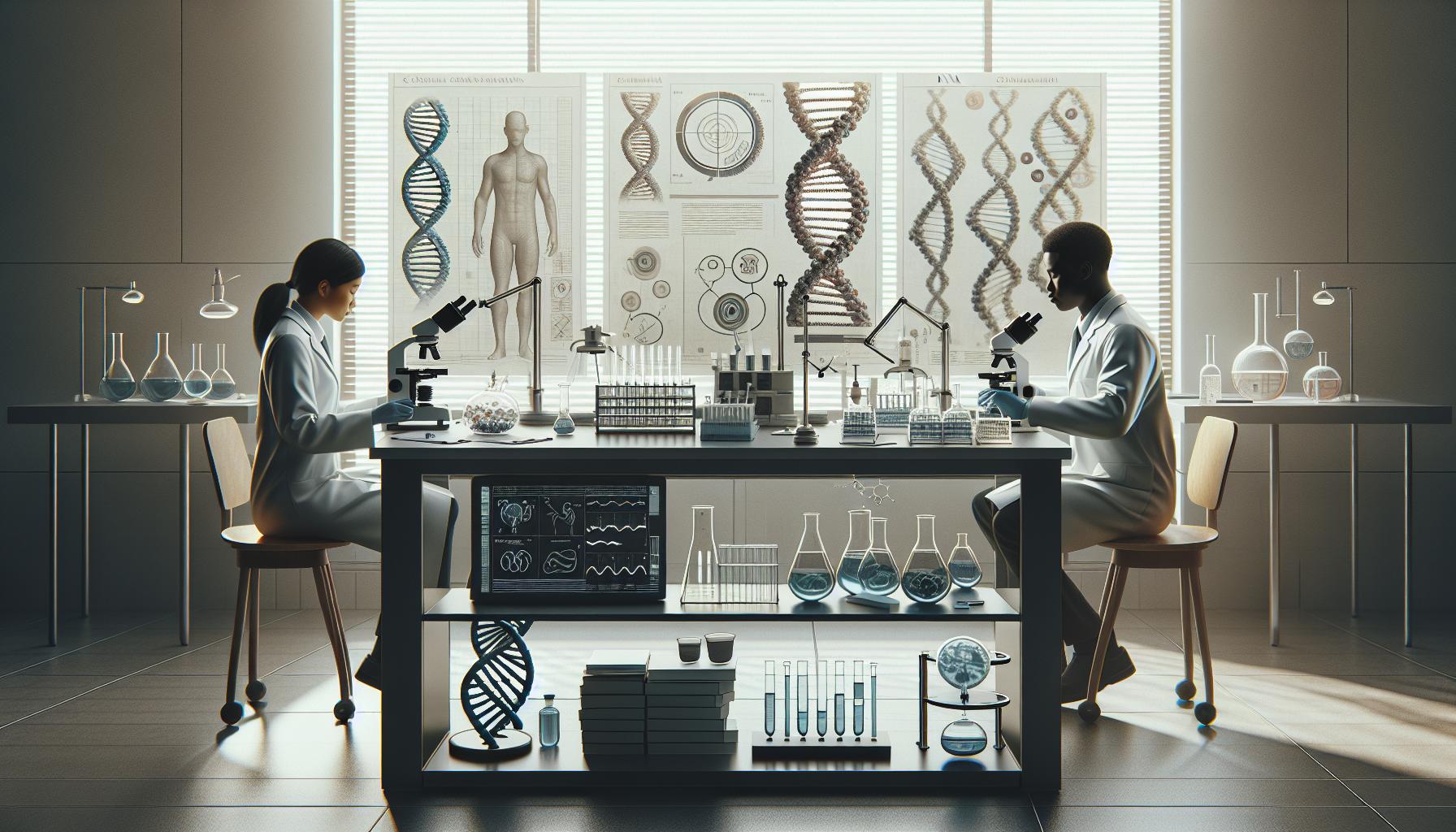
Understanding how genetics contributes to reproductive processes is essential for anyone contemplating parenthood, regardless of their journey. The intricate dance of genes during reproduction not only influences physical traits but also shapes the potential for various health conditions. At conception, when a sperm fertilizes an egg, a new genetic blueprint is formed, encompassing DNA from both parents that dictates everything from eye color to inherited diseases. This blending of genetic material underscores the importance of understanding one’s genetic background, as this knowledge can empower families to make informed choices.
When considering reproductive options such as in vitro fertilization (IVF) or artificial insemination (AI), understanding the role of genetics becomes even more critical. Genetic testing can identify potential inherited conditions, allowing prospective parents to evaluate their options while engaging with a fertility specialist. A common scenario is when couples find out about recessive conditions that could affect their offspring. By working closely with healthcare providers, they can explore avenues such as genetic counseling to better understand risks and make decisions aligned with their family goals.
Additionally, the intersection of environment and genetics also plays a significant role in reproduction. Factors such as maternal health, nutrition, and exposure to toxins can impact gene expression, potentially affecting a developing fetus. This highlights the need for prospective parents to not only consider their genetic history but also how lifestyle choices may influence reproductive health.
Ultimately, the genetic landscape of reproduction is a profound blend of hereditary patterns and environmental influences. Each family’s journey is unique, navigating both the scientific and emotional aspects of genetics. It’s vital to approach these discussions with sensitivity, acknowledging the doubts and hopes that accompany the quest for parenthood. In fostering an understanding of genetics and its implications, families can better prepare for the road ahead, celebrating the milestones along the way while equipping themselves with knowledge and support.
Types of Reproductive Strategies in Nature
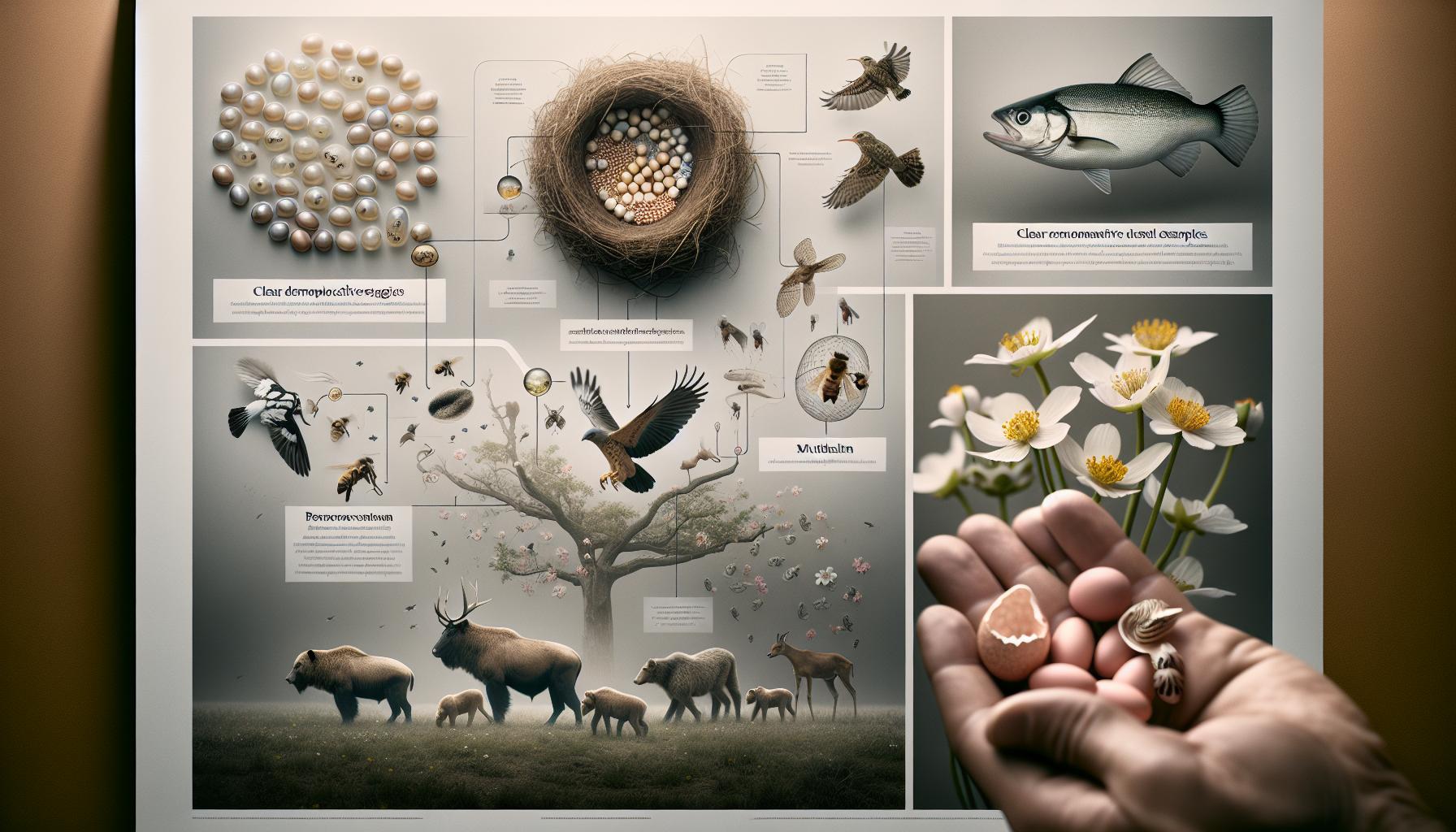
In the natural world, organisms exhibit a fascinating array of reproductive strategies, each adapted to their environments and life cycles. These strategies are crucial not only for the survival of species but also for the genetic diversity that sustains ecosystems. Understanding these approaches can provide insights into how heredity and reproduction interconnect, influencing the ways in which traits are passed on and shaped over generations.
One prevalent reproductive strategy is sexual reproduction, where genetic material from two parents combines to create offspring. This method not only introduces genetic variation but also enables species to adapt to changing environments. For example, many animals, including humans, engage in sexual reproduction, allowing traits such as disease resistance or physical characteristics to evolve over time. The genetic shuffling that occurs in sexual reproduction is vital for the overall health of populations, as it increases the chances of survival in the face of environmental stresses.
Another strategy is asexual reproduction, where a single organism can reproduce without the genetic contribution of another. This can be seen in organisms like bacteria and certain plants. Asexual reproduction often leads to rapid population growth and the preservation of successful genetic traits; however, it lacks the genetic variability required for long-term adaptability. For instance, in a stable environment, an asexually reproducing species may thrive, but its inability to adapt to sudden changes or new diseases can lead to vulnerability.
Additionally, some species utilize strategies that fall between sexual and asexual reproduction, such as hermaphroditism or facultative asexuality, which allows for flexibility in how they reproduce depending on environmental conditions. An example is the common earthworm, which possesses both male and female reproductive organs, allowing for mating with any individual encountered, thus maximizing reproductive opportunities.
Understanding these reproductive strategies highlights the intricate ways heredity operates within species, shaping not just individual traits but also population dynamics. As prospective parents navigate their own reproductive journeys, they can draw parallels between these natural examples and the human experience, reflecting on the complexity and beauty inherent in the processes of heredity and reproduction. This awareness can foster deeper appreciation and understanding of the choices they face, reinforcing the importance of knowledge in family planning and reproductive health.
How Traits Are Passed: The Science of Inheritance

The way traits are passed from one generation to the next forms the bedrock of our understanding of heredity and reproduction. At the heart of this process lies DNA, the fundamental blueprint of life, which contains the instructions for building and maintaining an organism. When organisms reproduce, they pass on this genetic material, which can result in various traits expressed in their offspring. This transfer of genetic information is not merely a process of transmission; it is a complex interplay of genetics that determines not only physical characteristics but also predispositions to certain health conditions.
The Basics of Inheritance
Genetics primarily follows Mendelian inheritance patterns, which include dominant and recessive traits. For instance, if a child inherits a dominant allele for brown eyes from one parent and a recessive allele for blue eyes from the other, the child will most likely have brown eyes. Understanding these basic inheritance principles can empower prospective parents by clarifying what traits they may pass on to their children and how certain genetic conditions can manifest.
However, it’s essential to recognize that inheritance is not always straightforward. Unlike Mendelian inheritance, non-Mendelian patterns, such as incomplete dominance or polygenic inheritance, show that multiple genes can interact to influence a trait. This complexity is evident in traits like height and skin color, where several genes contribute to the final outcome.
Practical Considerations for Families
For families navigating their reproductive journeys, understanding genetics can aid in making informed decisions. Genetic counseling can provide insights into family histories and the likelihood of passing on inherited conditions. This process can be particularly crucial for parents with known genetic disorders or those from populations with higher risks for specific genetic diseases.
Moreover, embracing the emotional weight of this knowledge is vital. Awareness of potential genetic issues can bring on feelings of grief, anxiety, or uncertainty. It’s important to approach these feelings with compassion, acknowledging the complexity of family-building decisions, whether through natural reproduction, assisted reproductive technologies, or adoption.
In conclusion, the interplay of heredity and reproduction shapes not just individual traits but the broader tapestry of genetic diversity. By understanding how traits are passed down, families can navigate the myriad choices before them, making informed decisions that honor their genetic legacies while embracing the hopeful journey of bringing new life into the world.
Influence of Environment on Heredity and Reproduction
The environment plays a crucial role in shaping not only the genetic expression of individuals but also their overall reproduction processes. Factors such as nutrition, exposure to toxins, and even social interactions can significantly influence how genes are expressed, a phenomenon known as epigenetics. For instance, a mother’s nutrition during pregnancy can affect fetal development and influence the child’s future health, including their susceptibility to certain diseases. Understanding these connections can empower families to make informed choices that enhance their reproductive health.
A classic example of environmental impact on heredity is the case of certain plants and animals that show phenotypic plasticity-where they adapt their physical characteristics based on environmental conditions. The ability of hydrangeas to change flower color depending on soil pH is a vivid illustration of how external factors can direct genetic outcomes. This concept resonates in humans as well, where external elements like exposure to pollutants or chronic stress can trigger or suppress specific genes, influencing fertility and overall reproductive success.
Practical Steps to Mitigate Environmental Impacts
To create the best possible conditions for healthy reproduction and favorable hereditary traits, consider the following:
- Nutrition: A balanced diet rich in vitamins, minerals, and antioxidants can support fertility and reduce the risk of genetic disorders.
- Avoiding Toxins: Limiting exposure to harmful substances, such as smoking and environmental pollutants, can enhance reproductive health.
- Stress Management: Engaging in stress-reduction techniques like mindfulness and yoga can improve both mental and physical health, positively impacting conception.
- Community Support: Building a supportive network can help mitigate stress and emotional challenges associated with reproductive health.
Acknowledging the emotional complexity of navigating hereditary and reproductive challenges offers solace to families grappling with uncertainty. The journey toward parenthood can be fraught with worry about what genetic traits might be passed down to children. Yet, knowing that environmental factors can modulate these outcomes provides a sense of agency. By adopting a proactive approach to both health and environment, families can make decisions that honor their legacy and foster a promising future.
The Connection Between DNA and Reproductive Health
DNA plays a pivotal role in reproductive health, acting as the blueprint for an individual’s genetic makeup. Each person’s DNA is a complex and intricate sequence of nucleotides that not only determines physical traits like eye color and height but also influences susceptibility to certain health conditions and reproductive abilities. Studies have shown that genetic mutations can impact fertility, potentially leading to challenges such as delayed conception or recurrent miscarriages. Understanding these connections is essential for anyone navigating their fertility journey.
When it comes to reproductive processes, genetics influences several key aspects from the formation of gametes-sperm and eggs-to the early development of an embryo. Factors such as chromosomal abnormalities can lead to fertility issues. For example, women with advanced maternal age may experience a higher incidence of chromosomal abnormalities in their eggs, contributing to difficulties in conceiving or an increased chance of genetic disorders in offspring. For couples facing infertility, genetic testing can illuminate hidden issues, offering pathways for tailored treatments such as in vitro fertilization (IVF) or preimplantation genetic diagnosis (PGD).
Genetic Testing and Informed Choices
Modern advancements in genetic testing harness insights from DNA to guide reproductive health decisions. These tests can identify carrier statuses for various genetic conditions, enabling prospective parents to understand the risks of passing on hereditary illnesses. Armed with this information, couples can make informed choices about family planning and explore reproductive options like donor sperm or egg retrieval.
To enhance reproductive health, consider the following recommendations:
- Genetic Counseling: Seeking professional advice can help decipher genetic testing results and their implications for reproduction.
- Healthy Lifestyle Choices: Engaging in regular exercise, maintaining a balanced diet, and avoiding harmful substances can support optimal reproductive function.
- Monitoring Reproductive Health: Regular check-ups and open discussions with healthcare providers can help manage concerns and track fertility health.
Recognizing the profound connection between DNA and reproductive health not only empowers individuals and couples but also fosters resilience amid the uncertainties of the fertility journey. Whether through embracing new technologies or making informed lifestyle choices, every step taken can positively influence reproductive outcomes and the health of future generations.
Mendelian vs. Non-Mendelian Inheritance Explained
Understanding how traits are passed from one generation to the next can provide clarity and comfort for those navigating their family-building journey. At the heart of this biological process are two primary inheritance patterns: Mendelian inheritance and non-Mendelian inheritance. Both types explain how genes influence traits, but they do so in distinct ways that can impact reproductive health and choices.
Mendelian inheritance, named after the pioneering scientist Gregor Mendel, outlines the predictable patterns in which traits are handed down from parents to offspring. This form of inheritance is rooted in the segregation and independent assortment of alleles during gamete formation. For example, if parents carry the genes for eye color, there’s a predictable probability that their children will inherit specific color traits based on these alleles. This knowledge can be empowering for couples considering genetic testing, as understanding Mendelian traits may help identify the likelihood of passing on genetic disorders, thus informing reproductive choices.
In contrast, non-Mendelian inheritance encompasses more complex patterns that include incomplete dominance, co-dominance, and polygenic inheritance. These methods demonstrate that traits can be influenced by multiple genes and environmental factors. For instance, traits like height, skin color, and susceptibility to certain diseases do not follow a simple dominant-recessive pattern. This complexity can impact how individuals think about their hereditary risks. A couple might understand that while they have a family history of a single trait, their future child’s genetic composition might reflect a broader interaction of genetic influences, providing a fuller picture of potential health outcomes.
Ultimately, recognizing the difference between these inheritance patterns can guide individuals and couples in making informed decisions about their reproductive health. By engaging with genetic counseling and testing, one can uncover the multifaceted elements of heredity, fostering a sense of agency and understanding in their family planning efforts. Knowing when to seek professional guidance and what questions to raise can be vital for couples as they navigate the emotional landscape tied to their reproductive journeys. Embracing this knowledge helps to reduce uncertainty and empowers individuals to celebrate each step with resilience.
Impact of Heredity on Genetic Disorders and Reproductive Choices
Heredity plays a crucial role in shaping not only our physical traits but also our health and reproductive choices. The genetic information we inherit can significantly influence our susceptibility to various genetic disorders, impacting decisions related to family planning and reproductive technologies. Understanding these hereditary factors empowers prospective parents to make informed choices in light of potential hereditary health risks.
For instance, many genetic disorders follow Mendelian inheritance patterns; conditions like cystic fibrosis and sickle cell anemia can be passed down from parents to children based on specific gene mutations. Knowing one’s carrier status through genetic testing can help couples assess the risk of having an affected child. Such knowledge can lead to vital conversations about reproductive options, including in vitro fertilization (IVF) with preimplantation genetic testing (PGT), which allows for the selection of embryos that do not carry certain genetic disorders. This proactive approach provides hope and agency in a landscape often filled with uncertainty.
Moreover, non-Mendelian inheritance patterns introduce additional complexity, as traits might be influenced by multiple genes and environment. For example, metabolic disorders such as phenylketonuria (PKU) require lifelong dietary management, and the degree of manifestation can be influenced by environmental factors and lifestyle. Understanding these connections helps families navigate not only individual health management but also the implications for their children.
Engaging in genetic counseling offers essential insights and support, making it an integral step for couples considering their reproductive paths. This guidance can be invaluable in understanding the emotional weight of hereditary risks, providing reassurance and clarity on potential outcomes, and fostering resilience amid the uncertainties of family planning. In recognizing the multifaceted impact of heredity, individuals and couples can feel more empowered as they traverse their unique journeys to parenthood.
Modern Technologies: Genetic Testing in Reproduction
Knowing that approximately 1 in 4 couples may face challenges on their journey to parenthood highlights the vital role that modern genetic testing plays in reproduction. By utilizing advanced genetic testing technologies, prospective parents gain critical insights into their reproductive health and hereditary risks, potentially transforming their family planning experience. These tools help identify genetic conditions that may be inherited, allowing couples to make informed decisions that align with their hopes and values.
Understanding Genetic Testing Options
Genetic testing in reproduction primarily includes carrier screening and preimplantation genetic testing (PGT). Carrier screening assesses whether an individual carries a gene for specific genetic disorders, such as cystic fibrosis or Tay-Sachs disease, which could be passed on to children. This type of testing is especially beneficial for couples with a family history of genetic conditions, providing them with essential information to evaluate their reproductive choices.
Meanwhile, preimplantation genetic testing is performed during in vitro fertilization (IVF) to examine embryos for genetic abnormalities before implantation. This proactive approach can significantly reduce the risk of genetic disorders in the child, allowing parents to select embryos with normal chromosomes. The success rates of IVF combined with PGT continue to improve, making it a popular choice for those wanting to ensure the healthiest start for their future children.
The Emotional and Financial Considerations
Embarking on genetic testing and its associated procedures can evoke a whirlwind of emotions-hope, anxiety, and even grief. It’s crucial to approach this journey with both compassion and realism. The cost of genetic testing and IVF varies widely, with expenses often ranging from $12,000 to $15,000 per cycle, depending on the tests and treatments involved. Understanding your insurance coverage options can ease some of this financial burden and should be discussed with your healthcare provider.
Families also face ethical considerations surrounding genetic testing, which can influence personal decisions. Engaging in genetic counseling provides a supportive space to explore these concerns, process emotions, and gather tailored information needed to navigate the complex landscape of reproductive options. Counselors can help clarify your goals and values, ensuring that your family-building path respects your beliefs and circumstances.
The journey through reproduction and heredity is seldom linear, but the hope that genetic testing offers can inspire resilience. Whether choosing IVF, gestational surrogacy, or adoption, each step forward is a testament to your values, strength, and determination to build a family.
The Emotional Journey of Understanding Heredity
The journey of understanding heredity is an emotional expedition that many find both enlightening and challenging. As prospective parents navigate their reproductive choices, they often confront complex feelings of anxiety, hope, and uncertainty. Genetic testing can provide critical insights into hereditary conditions, enabling families to make informed decisions, but it can also open the door to fears regarding genetic disorders. Recognizing these emotions is the first step towards coping and finding a way forward.
As families learn about their genetic profiles through carrier screening or preimplantation genetic testing (PGT), the information they uncover can lead to mixed emotions. For some, discovering that they carry a gene for a hereditary condition brings grief, while for others, it may spark hope to prevent the passing of genetic disorders to their future children. It’s essential to validate these feelings and understand that the emotional spectrum during this process is a normal response to a significant life change. Engaging with supportive resources, such as seasoned genetic counselors, can provide a safe space to process these emotions and gain clarity.
Managing the practical aspects of this journey-such as understanding costs, insurance coverage, and the complexities involved in procedures like in vitro fertilization (IVF)-can also weigh heavily on couples. For example, the financial burden associated with genetic testing and IVF can average between $12,000 and $15,000 per cycle, often leading to additional stress. Open conversations about financial planning and options can ease some of the pressure. Couples should also be encouraged to celebrate small milestones along the way, whether it’s successfully navigating the testing process or making an informed decision about their next steps.
Ultimately, the path toward understanding heredity in the context of reproduction is less about a linear progression and more about assembling pieces of a puzzle filled with uncertainty and emotion. Each family’s journey-whether they choose IVF, adoption, or other family-building paths-deserves respect and acknowledgment. By providing comprehensive support that balances emotional, ethical, and clinical aspects, prospective parents can feel empowered as they shape their unique family narratives.
Ethical Considerations in Reproductive Genetics
Navigating the complex realm of reproductive genetics comes with a host of ethical considerations that can profoundly impact individuals and families. As technology advances in genetic testing and assisted reproductive technologies (ART), questions arise surrounding privacy, consent, and the implications of genetic information. One of the primary ethical considerations is informed consent; prospective parents must fully understand the extent and limitations of genetic testing. Engaging reliable genetic counselors can empower families to make knowledgeable decisions, ensuring they are aware of the risks and benefits associated with testing.
Moreover, the prospect of selecting embryos based on genetic traits can lead to meaningful discussions around the moral implications of “designer babies.” Such choices may raise concerns about reinforcing societal inequalities or stigmatizing individuals with disabilities. Ethical frameworks encourage a conversation about the acceptable limits of genetic modifications and the responsibilities that come with such capabilities. Families should reflect on their values and beliefs, understanding that these choices can have broader social ramifications.
Additionally, the emotional weight of the journey deserves careful consideration. The reality of discovering potential genetic disorders can lead to feelings of grief or anxiety for many couples. A supportive environment where these emotions are validated is crucial. As couples weigh their options for family building-whether through IVF, adoption, or other means-they must also consider how their choices align with their ethical beliefs and family values.
Finally, it is essential to recognize the impact of cultural and religious beliefs on reproductive choices. Ethical considerations are not one-size-fits-all; they must respect the diverse ways in which families approach reproduction and genetics. Open dialogues that encompass these differences can foster respectful understanding and support, ultimately allowing for inclusive family-building pathways that honor personal convictions while navigating the intricacies of genetic science.
Q&A
markdown
Q: How does heredity affect reproductive success in animals?
A: Heredity plays a crucial role in reproductive success by influencing traits that enhance survival and mating opportunities. Traits passed from parents can affect behavior, physical characteristics, and even immune responses, impacting overall fitness and reproduction.

Q: What is the role of genetics in fertility disorders?
A: Genetics significantly influences fertility disorders by affecting reproductive health and the ability to conceive. Inherited genetic conditions can lead to issues such as hormonal imbalances or structural abnormalities, which may require intervention or treatment during reproductive planning.

Q: How do environmental factors influence heredity?
A: Environmental factors can shape heredity by interacting with genetic predispositions. Conditions such as nutrition, stress, and exposure to toxins can alter gene expression, affecting traits and health outcomes, including reproductive performance.

Q: What is the difference between Mendelian and non-Mendelian inheritance in reproduction?
A: Mendelian inheritance follows specific patterns of gene transmission, while non-Mendelian inheritance includes mechanisms like incomplete dominance and multiple alleles. Understanding these differences is crucial for predicting genetic outcomes in offspring.

Q: When should genetic testing be considered in reproduction?
A: Genetic testing should be considered when there is a family history of genetic disorders, difficulties in conception, or for prospective parents over 35. Early testing can guide reproductive choices and inform about inherited conditions.

Q: Why is understanding heredity important for family planning?
A: Understanding heredity is vital for family planning as it helps identify potential genetic risks and informs decisions related to reproductive technologies or options like prenatal testing and donor selection.

Q: How can lifestyle choices impact heredity in future generations?
A: Lifestyle choices can impact the epigenetic factors affecting gene expression and inheritance. For example, nutrition, smoking, and exposure to chemicals can modify genetic expressions that may be passed to offspring.

Q: What are the ethical considerations in reproductive genetics?
A: Ethical considerations in reproductive genetics involve the implications of genetic testing, privacy concerns, and the societal impact of selecting traits. Balancing knowledge with responsible use of genetic information is key in reproductive health.
Insights and Conclusions
As we’ve explored, the intricate relationship between reproduction and heredity lays the foundation for our understanding of genetics and family dynamics. Grasping how traits are passed down not only enriches our knowledge but also empowers decisions regarding family planning and fertility options. If you’re feeling overwhelmed or unsure about your reproductive journey, remember you’re not alone. Explore our guides on IVF and artificial insemination for insights on potential paths, including success rates and what to expect.
For deeper understanding, consider our articles on infertility causes and options that provide essential information tailored to your needs. We invite you to join our community by signing up for our newsletter, where you’ll receive the latest insights and supportive resources directly to your inbox. Your journey is important, and we’re here to help you navigate through it with compassion and clarity. Share your thoughts below, and let’s keep the conversation going about reproduction and heredity!
Get our latest guides, news, and insights highlighted in your Google Search & AI Overviews.