Artificial insemination (AI) is a common practice in the dairy industry aimed at improving herd genetics and milk production. But many people wonder: does the process cause pain or distress to cows? Understanding the potential impact of AI on animal welfare is critical for consumers who want to make informed choices about the food they consume. This article delves into the practices surrounding artificial insemination, addressing common concerns about pain and stress in cows, and highlights the measures that can be taken to ensure the welfare of these animals. As stewards of animal welfare, it’s important to explore this topic with both compassion and honesty, ensuring that health and productivity go hand in hand with ethical treatment. Let’s uncover the facts together and understand how these practices affect the animals involved.
Understanding Artificial Insemination in Cows
Artificial insemination (AI) in cows is a widely used reproductive technique that has transformed the dairy and beef industries. This process involves the introduction of sperm directly into the cow’s reproductive tract, making it possible to achieve pregnancy without the need for natural mating. One significant advantage of AI is that it allows farmers to use semen from superior bulls that may not be physically accessible for breeding, enhancing the genetic quality of future generations. Moreover, AI can improve herd management practices by enabling quicker breeding cycles and more precise timing for insemination.
It’s crucial to understand that the procedure is designed to be as efficient and stress-free as possible for the cow. In most cases, the sperm is collected and processed in a lab before being frozen for storage. When it’s time for insemination, a trained technician carefully guides an insemination rod into the cow’s reproductive tract, which usually takes only a few minutes. The goal is to minimize discomfort while optimizing the chances of successful fertilization.
Farmers must also pay attention to the individual needs of their cattle during this process. Good handling practices can significantly reduce the stress associated with AI. Ensuring that cows are calm, using gentle techniques, and avoiding rough handling can enhance their overall experience. Additionally, providing appropriate housing and herd conditions contributes greatly to their comfort, ultimately influencing both the success rates of insemination and the welfare of the cows.
In conclusion, understanding artificial insemination entails recognizing its benefits not just for herd improvement but also for enhancing animal welfare. By implementing best practices, farmers can ensure that this method is conducted humanely, with a focus on the cow’s well-being, leading to healthier herds and more productive outcomes in various breeding scenarios.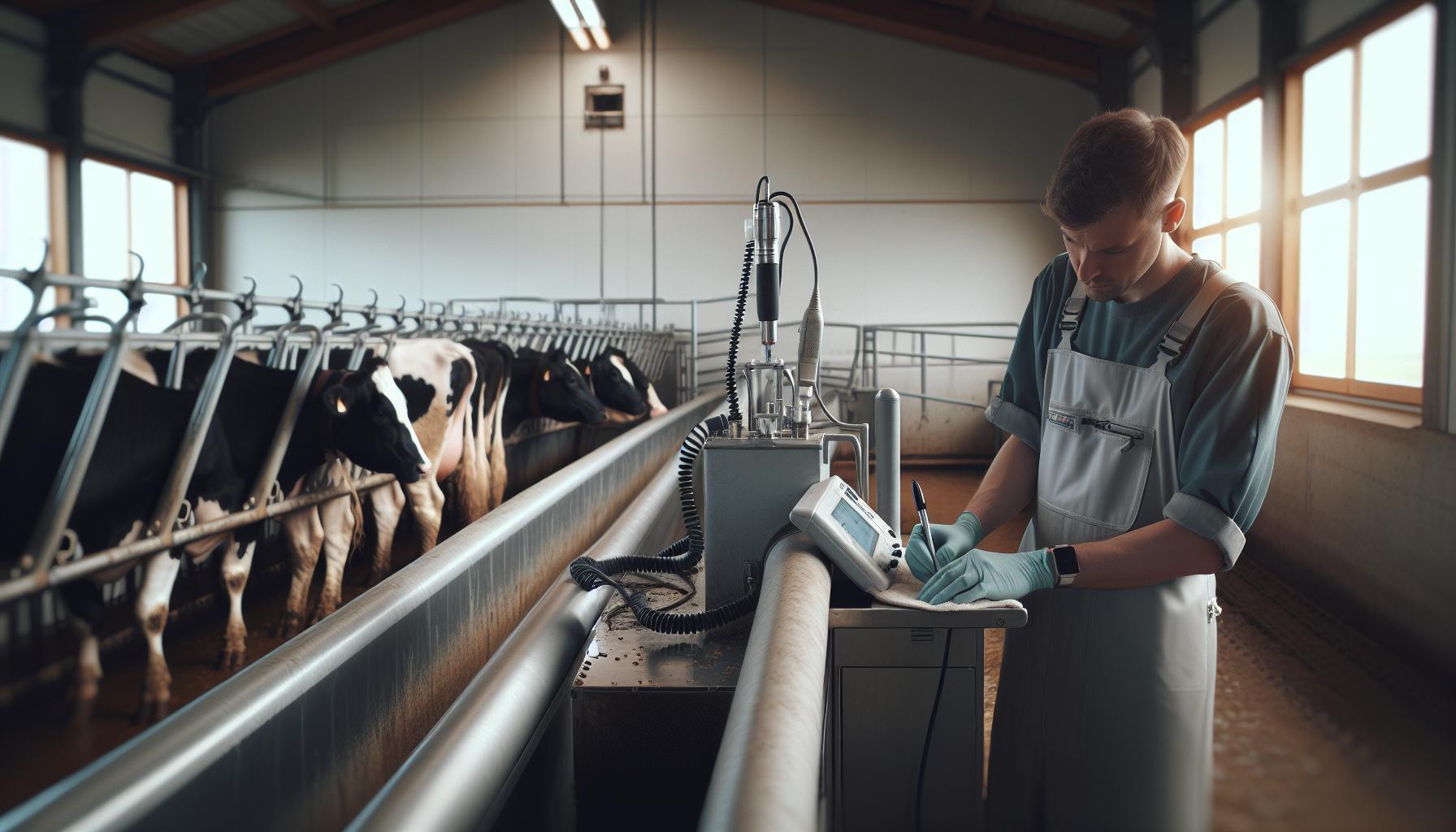
The Basics of Artificial Insemination in Cattle
Artificial insemination (AI) in cattle is an innovative and efficient reproductive technique that has significantly impacted both the dairy and beef industries. Instead of relying solely on natural breeding, AI allows farmers to introduce sperm directly into the cow’s reproductive tract, enhancing the chances of successful fertilization. This method not only opens up access to superior genetics-by utilizing semen from bulls that may be far away-but also improves herd health and productivity by facilitating planned breeding schedules and reducing the risk of disease transmission.
At the heart of artificial insemination is meticulous planning and execution. Farmers must carefully monitor the reproductive cycles of their cows, tracking ovulation to time the insemination effectively. Generally performed by trained technicians, the process involves the careful insertion of a thawed sperm sample from a straw into the selected cow’s uterus or cervix using an insemination rod. This typically takes only a few minutes, and when performed correctly, the aim is to minimize any discomfort for the animal.
Ensuring the welfare of cows during AI is paramount. Many factors contribute to the success of this procedure while being mindful of animal comfort and stress levels. Positive handling practices, such as gentle and calm interactions, help reduce anxiety during the process. Providing cows with a comfortable environment-adequate space, good ventilation, and the opportunity for social interaction-plays a critical role in their overall well-being during and after insemination.
An additional benefit of AI includes enhanced genetic diversity within herds. By selectively breeding with the best bulls, farmers can produce healthier calves with desired traits, whether for milk production or meat quality. This not only meets market demands but also contributes to sustainable farming practices, lessening the environmental impact by improving efficiency and productivity.
In summary, encompass a strategic approach to reproductive management focused on both enhancing genetic quality and ensuring animal welfare. By combining best practices with a commitment to the comfort of the cows, farmers can achieve successful breeding results and promote healthier herds.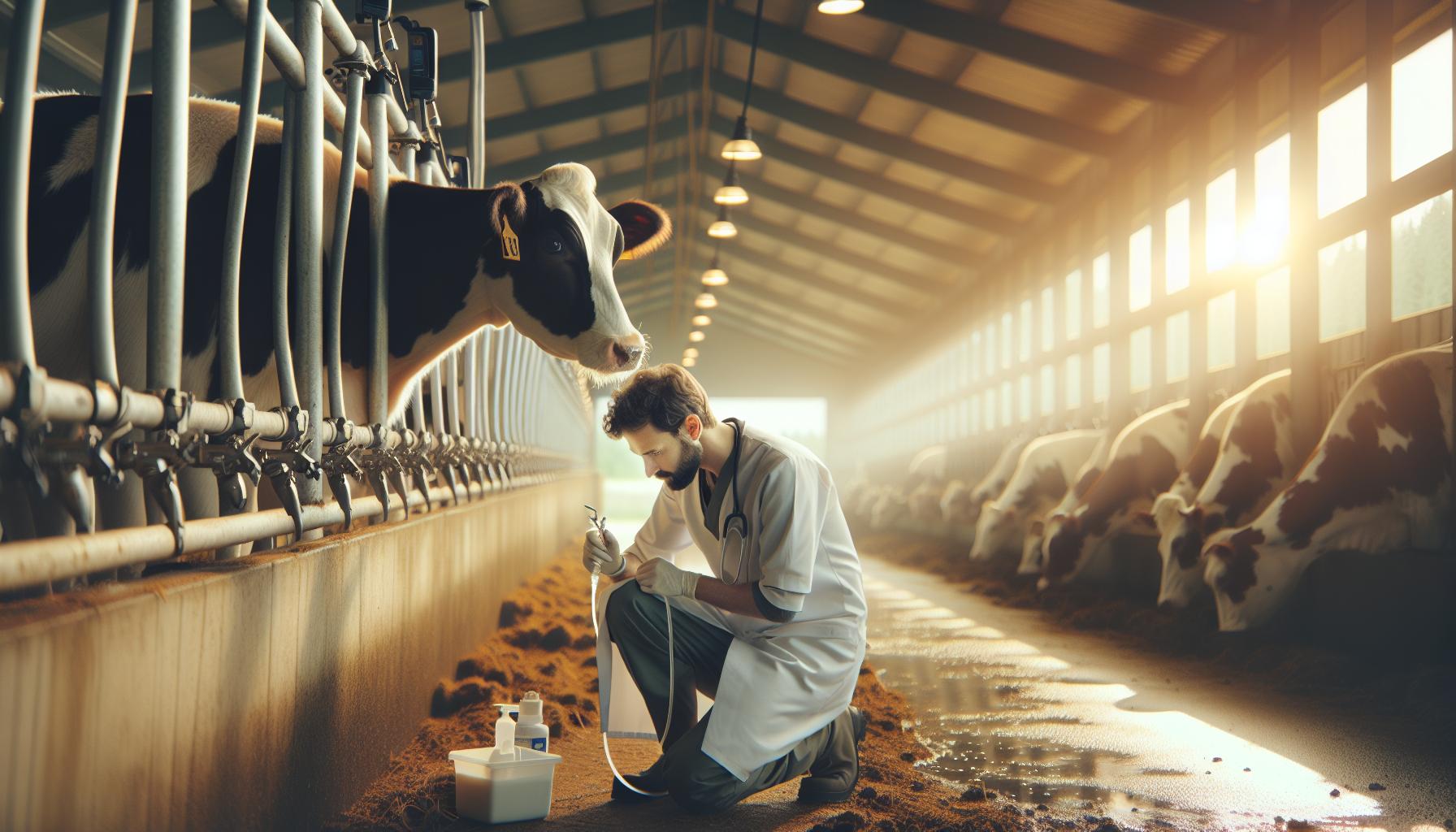
Do Cows Experience Pain During Artificial Insemination?
While the idea of artificial insemination (AI) raises concerns, particularly regarding the pain and stress cows may experience, it’s important to understand that the process is typically designed to minimize discomfort. Studies indicate that when performed correctly by trained technicians, AI is a quick procedure that should not cause significant pain. In fact, it usually lasts only a few minutes. The aim is to make the experience as positive as possible for the animal.
Understanding Pain Perception in Cattle
Cows, like all animals, have a nervous system that can detect pain; however, their reactions to pain can differ from humans. For instance, cows may show signs of stress or discomfort, such as vocalizations or heightened movement, particularly if they are not accustomed to handling. Knowing this, farmers and technicians strive to create a calm and supportive environment during insemination. Reducing anxiety through gentle handling and familiarization with the process can significantly improve the cow’s experience.
Techniques for Comfort During Insemination
A few key practices can greatly enhance cow welfare during AI. Here are some examples:
- Calm Environment: Ensuring good ventilation and minimal noise can ease stress.
- Proper Restraint: Using appropriate and humane methods of restraining cows helps ensure safety without causing stress.
- Positive Handling: Technicians trained in low-stress handling techniques can interact with cows in a way that minimizes fear, promoting a more relaxed experience.
Enhancing cow comfort is not just about the procedure itself; it’s also about the overall management of the herd. Regular health checks, ensuring cows are in a familiar environment, and providing social interaction can also reduce stress levels, making the AI process smoother and more comfortable.
In summary, while concerns about pain are valid, with proper technique, training, and consideration for the cow’s well-being, artificial insemination can be performed in a manner that is effective and minimizes discomfort. Emphasizing cow comfort not only promotes welfare but also leads to better breeding outcomes, fostering healthier herds and contributing to the overall success of cattle farming.
Comparing Artificial Insemination and Natural Breeding
Artificial insemination (AI) offers distinct advantages over natural breeding for cattle farmers, making it an essential tool in modern livestock management. One of the most striking differences is control over genetics. With AI, farmers can select high-quality semen from premium bulls, promoting desirable traits like improved milk production, disease resistance, and better growth rates in their calves. This precision in genetic selection helps enhance the overall quality of the herd, ultimately leading to improved productivity and profitability.
Moreover, while natural breeding relies heavily on the availability of bulls, AI allows farmers to achieve higher pregnancy rates without the need for constant access to a bull. It reduces the risk of sexually transmitted diseases that can spread through natural mating and can be especially beneficial in herds where space and resources are limited. AI can also enable better timing of insemination, optimizing the chances of successful conception. Cows can be inseminated at the precise moment when they are most fertile, significantly improving success rates.
Conversely, natural breeding can lead to behavioral issues when bulls are present, such as fighting, territorial disputes, or stress among cows that may not be in estrus. AI mitigates these concerns by allowing farmers to keep their herds calmer and more manageable.
While both methods have their merits, the choice between AI and natural breeding often comes down to efficiency and herd management goals. For farmers aiming to optimize genetic potential and streamline breeding processes, AI presents a compelling case, fostering healthier, more productive herds while minimizing the stress and potential hazards associated with natural breeding practices.
Animal Welfare Concerns in Dairy and Beef Cattle
Cattle welfare is a growing concern in the livestock industry, especially when it comes to artificial insemination (AI). One fundamental aspect of this concern is understanding how AI affects the animals involved. While AI offers significant benefits in breeding efficiency and genetic selection, it is imperative to ensure that the process is carried out in a manner that minimizes stress and discomfort for the cows.
Research indicates that when performed correctly by trained professionals, AI can be a relatively low-stress procedure for cattle. Proper technique reduces the risk of pain and injury, but it is crucial to acknowledge that any invasive procedure can result in some level of discomfort. Increasing awareness and improving protocols can address animal welfare issues effectively. For instance, organizations focused on livestock welfare advocate for brief and precise insemination techniques, which are designed to limit the time cows spend in distressing situations.
In addition to the physical aspects, the emotional well-being of cows must also be considered. Stress can manifest in various ways, influencing not only the health of the individual animal but also the overall herd dynamics. Cows are creatures of habit, and sudden changes in their environment or routine can lead to anxiety. By creating an environment that reduces stress-such as providing a quiet space for insemination and minimizing handling-farmers can enhance animal welfare significantly.
Farmers have a crucial role in ensuring the comfort of cows during AI. Implementing best practices, such as training staff thoroughly in techniques that prioritize animal welfare, can foster a calmer experience for the animals. It’s essential to conduct regular evaluations of practices and remain open to adaptations based on new research and welfare standards. By prioritizing animal welfare, farmers not only contribute to the ethical aspects of cattle rearing but also ensure a healthier, more productive herd.
Debunking Myths About Artificial Insemination Pain
While there is concern surrounding artificial insemination (AI) in cattle, it’s essential to dispel common myths related to discomfort and pain. Many people assume that any invasive procedure must cause significant distress, but this isn’t entirely accurate. When properly executed by well-trained professionals, the risk of pain during AI can be minimized, making it a relatively low-stress experience for cows.
One prevalent myth is that all cows experience severe pain during AI. In reality, most cows do not show signs of discomfort if the procedure is performed correctly and in a calm environment. The use of appropriate techniques is crucial; for instance, minimizing the duration of restraint and maintaining a gentle approach can significantly reduce stress levels. Additionally, cows are less likely to experience pain when they are accustomed to the handling processes involved in AI, as familiarity can alleviate anxiety.
Another misconception suggests that AI procedures are universally harmful to cow health. Conversely, studies have shown that when performed under optimal conditions, AI can lead to improved herd health and breeding outcomes. Farmers can implement practices that further ensure welfare, such as evaluating environmental factors that contribute to stress and adapting to the cows’ needs. By focusing on their well-being, farmers not only support ethical practices but also enhance the overall productivity and health of the herd.
To effectively address these myths, it’s essential for those in the livestock industry to communicate the realities of AI. Education on proper practices and regular assessments of procedure protocols can enhance the perception of AI among the public. Sharing information about how AI is performed, the training involved, and the attention given to cow comfort can foster a better understanding of the procedure’s impact on animal welfare.
Impact of Insemination Techniques on Cow Well-Being
The techniques employed in artificial insemination (AI) can profoundly influence cow well-being, making it critical to adopt methods that prioritize comfort and minimize stress. For instance, the precision and gentleness with which the insemination procedure is carried out can determine not only the likelihood of achieving pregnancy but also the overall experience of the cow. Understanding the nuances of these techniques allows farmers to make informed choices that foster better health outcomes and enhance the welfare of their herds.
One significant aspect is the choice between different insemination methods, such as intrauterine insemination (IUI) and intracervical insemination (ICI). IUI is often considered more effective and can be less invasive, reducing trauma and discomfort. Proper timing, ensuring that insemination occurs around the ovulation period, can further minimize stress and improve outcomes. Moreover, utilizing a calm environment and familiar handling practices can help ease anxiety in cows, making the procedure feel more routine rather than invasive.
It is also essential for farmers to monitor the health and behavior of cows following insemination. Signs of stress or discomfort should be addressed immediately, as prolonged unease can lead to negative health consequences. Techniques such as positive reinforcement and habituation to handling can promote a calmer demeanor, making cows more receptive to the procedure. When cows expect gentle handling and a stress-free environment, it reduces their fear and enhances compliance, leading to better welfare outcomes.
Ultimately, selecting appropriate techniques for artificial insemination is not just about breeding success; it also reflects a commitment to animal welfare. By staying informed about best practices and employing a compassionate approach, farmers can significantly improve the well-being of their cows, ensuring that both productivity and animal comfort are prioritized.
Preventive Care: Minimizing Stress and Discomfort
Minimizing stress and discomfort during artificial insemination is crucial for ensuring the well-being of cows. This process should not only aim for successful breeding but also recognize the emotional and physical comfort of the animals involved. By implementing appropriate preventive care strategies, farmers can create a supportive environment that mitigates stress and promotes a calm demeanor among their cattle.
To begin with, creating a low-stress atmosphere can have significant benefits. Cows thrive in familiar, safe settings, so using handling techniques that reduce anxiety is vital. This can involve softly speaking to cows and utilizing gentle touch to reassure them before, during, and after the insemination procedure. Additionally, providing adequate space and ensuring that the cattle are not startled by sudden movements or loud noises can significantly lower stress levels.
Proper timing of insemination also plays a significant role. Farmers should strive to inseminate cows during optimal times in their reproductive cycles, ideally close to ovulation. This not only increases the chances of successful conception but also minimizes unnecessary procedures that can lead to discomfort. Regular monitoring of the cows’ reproductive health, through careful record-keeping and veterinary advice, can help ensure that insemination occurs at the right time, thus fostering a more positive experience overall.
Lastly, ongoing education and training for farm personnel can cultivate a culture of compassion and understanding. By prioritizing education on pain management and behavioral signs of stress, farmers can develop skills to read the cows’ behavior and respond with empathy. Training programs that include best practices for animal handling and welfare can make a substantial difference in the overall experience of both cows and farmers, promoting a more humane approach to artificial insemination. By incorporating these preventive measures, farmers not only enhance cow comfort but also affirm their commitment to ethical farming practices.
Success Rates of Artificial Insemination in Cows
Success rates for artificial insemination in cows can significantly influence farm management decisions, impacting both profitability and animal welfare. On average, the conception rate for artificial insemination in cattle can range from 50% to 70% per cycle, although numerous factors play a crucial role in determining these outcomes. Key aspects include the timing of insemination relative to the cow’s estrous cycle, the quality of the semen used, and the overall health and nutrition of the cow.
Timing is especially critical; inseminating at the correct point in the estrous cycle-ideally, within 12 hours of the cow demonstrating estrus-can lead to higher success rates. Farmers equipped with proper estrus detection methods and technologies, such as heat detection aids and fertility monitoring systems, can optimize the timing of insemination and subsequently improve outcomes.
Furthermore, advancements in semen technology have enhanced fertility rates. Use of frozen or sexed semen now provides farmers with more choices that align with their breeding goals, whether it be for management of herd genetics or production traits. However, careful handling and storage are essential to maintain sperm viability, as mishandled or improperly stored semen can drastically reduce the chances of successful breeding.
Nutritional health and overall welfare of the cows also matter immensely. Cows receiving a balanced diet with proper vitamins and minerals are more likely to exhibit successful conception rates. Additionally, ensuring cows are not stressed during the insemination process can foster better outcomes. Creating a calm environment, as discussed previously, contributes to both the physical and mental wellness of the cattle.
By understanding these elements and continuously improving management practices, farmers can not only enhance the success rates of artificial insemination but also uphold high standards for animal welfare, ensuring that both the animals and the farm operations thrive together.
Regulatory Standards for Animal Welfare in Insemination
play a crucial role in ensuring the humane treatment of cattle throughout the artificial insemination (AI) process. Various organizations, including governmental bodies and animal welfare groups, set guidelines aimed at minimizing stress and discomfort for animals involved in breeding programs. These regulations are designed not only to safeguard the physical well-being of the animals but also to uphold ethical standards in farming practices.
Key Regulations and Guidelines
In many regions, specific regulations govern the practices surrounding artificial insemination in cattle. These guidelines often include stringent requirements for:
- Training and Certification: AI technicians are typically required to undergo formal training and certification to ensure they are knowledgeable about animal anatomy, handling, and the insemination process. Proper training is essential for minimizing pain during the procedure.
- Animal Handling: Regulations often emphasize gentle handling techniques to reduce stress for the cow during insemination. This includes ensuring that the environment is calm and that animals are approached in a manner that does not induce fear.
- Monitoring Health and Welfare: Farmers and veterinarians are encouraged to monitor cows’ health closely before and after the insemination process, with protocols in place to address any signs of stress or discomfort promptly.
Impact of Compliance
Adhering to these regulations not only promotes animal welfare but can also enhance the effectiveness of AI. Cattle that are handled with care and respect are less likely to experience stress, leading to improved pregnancy rates. For instance, farms that implement stress-reduction strategies, such as quiet handling facilities and proper feed, often report higher conception rates.
Furthermore, compliance with regulatory standards can bolster a farm’s reputation and marketability. Consumers today are increasingly concerned about animal welfare, and farms that demonstrate a commitment to high welfare standards may benefit from higher demand for their products. By prioritizing these guidelines, farmers not only contribute to the ethical treatment of animals but also potentially improve their overall productivity and profitability.
In summary, the regulatory landscape surrounding artificial insemination in cattle underscores the importance of animal welfare. By following established guidelines, farmers can ensure that their practices not only comply with legal standards but also enhance the overall well-being of the cows involved in the breeding process.
What Farmers Can Do to Improve Cow Comfort
Improving the comfort of cows during artificial insemination is essential for both animal welfare and the efficacy of breeding programs. A well-cared-for cow is less likely to experience stress, which can impact conception rates. Here are several strategies that farmers can implement to enhance cow comfort:
Provide a Calm Environment
Creating a serene atmosphere reduces anxiety and stress in cows. Farmers should ensure that insemination facilities are quiet and free from sudden loud noises, which can frighten animals. Dim lighting and calm voices can also contribute to a peaceful environment that makes the cow feel secure and more relaxed during the procedure.
Utilize Gentle Handling Techniques
Proper handling is crucial for minimizing discomfort. Cows should be approached gently, with the understanding that an aggressive or hurried approach can lead to increased stress. Farmers and technicians should be trained in low-stress handling techniques, which emphasize patience and respect for the animal’s space. This approach not only promotes welfare but can also make insemination processes smoother.
Implement Consistent Health Monitoring
Regularly monitoring the health of cows before and after insemination is vital. Keeping detailed records of each cow’s health can help identify any signs of stress or discomfort early on. Farmers should maintain open communication with veterinarians to address issues promptly, ensuring that any health concerns are managed effectively, which further aids in the overall comfort of the cows.
Enhance Physical Comfort
The physical conditions where cows are kept can significantly affect their well-being. Ensure that cows have access to clean, comfortable bedding, which can alleviate stress on their joints and encourage relaxation. Proper nutrition and hydration should also be prioritized to keep cows healthy and content. Adequate space for movement is essential; overcrowding can lead to anxiety and discomfort.
Incorporating these strategies can significantly enhance the comfort of cows during artificial insemination, fostering better welfare practices while improving breeding success. By prioritizing the well-being of animals, farmers not only uphold ethical standards but also set the foundation for more productive and sustainable farming practices.
The Role of Training in Reducing Pain and Stress
Proper training for farmers and insemination technicians plays a crucial role in minimizing pain and stress for cows during artificial insemination (AI). Studies show that handling practices directly influence the animal’s welfare and can significantly affect conception rates. Therefore, developing skills in low-stress handling not only benefits the emotional state of the cow but also enhances the overall efficiency of the breeding program.
Incorporating training programs that focus on animal behavior and communication can equip farmers with the tools necessary to approach cows calmly. This includes understanding body language, recognizing signs of discomfort or fear, and knowing when a cow may need a different approach. For instance, using positive reinforcement techniques can help create a trusting relationship between the handler and the animal, reducing anxiety during the insemination process.
In addition to handling skills, training should also cover the physiological aspects of AI, including proper techniques and equipment usage. Familiarity with the correct insertion methods and timing can reduce not only the physical discomfort for the cow but also the stress that comes from an inexperienced handler. Continuous education about animal welfare standards and best practices in insemination will ensure that farmers remain updated on the latest methods that support both efficacy and compassion in their breeding programs.
Moreover, supportive collaborations with veterinarians can enhance the training experience. Veterinary professionals can provide insights on recognizing health issues that may contribute to stress or discomfort, offering a holistic approach to cow welfare. By fostering a culture of care and respect, farmers can create a more positive environment that significantly benefits the cows during artificial insemination. Implementing structured training programs, therefore, is vital for both enhancing cow comfort and improving reproductive outcomes.
Faq
Q: Does artificial insemination cause stress in cows?
A: Artificial insemination can cause some stress to cows, but proper techniques and handling can minimize this. Farmers should use calm, gentle practices during the process to enhance the cow’s comfort and well-being, as discussed in the article on minimizing stress and discomfort.
Q: How can farmers reduce discomfort during artificial insemination of cows?
A: Farmers can reduce discomfort by ensuring a calm environment, using trained personnel, and employing effective techniques. Regular preventive care is also essential in maintaining cow health and easing the insemination process, as outlined in our article on practical steps for cow comfort.
Q: Is artificial insemination safe for cows?
A: Yes, artificial insemination is generally considered safe for cows when performed by skilled professionals. Following recommended practices and adhering to animal welfare standards can help ensure the procedure’s safety and effectiveness.
Q: What are the signs of pain in cows after artificial insemination?
A: Signs of pain in cows after artificial insemination may include restlessness, abnormal posturing, or lack of appetite. Monitoring these behaviors can help in addressing any immediate concerns regarding the cow’s welfare promptly.
Q: How does artificial insemination impact cow health long-term?
A: When performed correctly, artificial insemination can positively impact cow health by improving reproductive efficiency. However, ongoing monitoring and proper management practices are crucial to ensure long-term health benefits, as discussed in our animal welfare concerns section.
Q: Do cows experience pain during the artificial insemination procedure?
A: While some discomfort can occur, studies suggest that the procedure itself does not cause significant pain if performed correctly. Use of gentle techniques and adequate training can further minimize any discomfort, as noted in our myths debunking section.
Q: What regulations exist to ensure the welfare of cows during insemination?
A: Various regulations focus on animal welfare during insemination, requiring adherence to best practices and humane treatment standards. Farmers must ensure compliance with these regulations to promote cow health and welfare effectively.
Q: How can technology improve the artificial insemination process for cows?
A: Technology enhances artificial insemination through better sperm evaluation methods, monitoring systems, and training tools. These advancements can lead to higher success rates and reduced stress during the procedure, supporting overall cow welfare.
Key Takeaways
As we’ve explored, understanding whether artificial insemination hurts cows is vital for animal welfare. It’s crucial to prioritize humane practices in agriculture while recognizing the significant benefits this method can provide for both cow health and farm productivity. If you have concerns or questions related to animal welfare, consider diving deeper into our related articles on “Ethical Farming Practices” and “Animal Care Guidelines”.
Don’t miss out on future insights – sign up for our newsletter to stay informed about animal welfare and agricultural best practices. Your curiosity helps drive awareness and improvement in the industry, so feel free to share your thoughts in the comments below. Together, we can foster a compassionate approach to farming that respects the welfare of every animal. Let’s keep the conversation going!
Get our latest guides, news, and insights highlighted in your Google Search & AI Overviews.