Reproduction is the vital process through which living organisms create new individuals, ensuring the continuity of life on Earth. It’s not just a biological necessity; it resonates deeply with our hopes and dreams for the future, whether for families or broader species survival. Understanding reproduction helps you grasp the fascinating ways life perpetuates itself, revealing connections between diverse living beings. As you explore this topic, consider how knowledge of reproduction can illuminate your unique journey, whether it’s about nurturing life or understanding the biological principles that underpin it. This exploration invites curiosity and respect for the many paths we take in life.
Understanding the Core Definition of Reproduction in Biology
Reproduction is the essence of life itself-a fundamental biological process through which organisms generate offspring, ensuring the continuation of their species. This process varies across the biological spectrum, encompassing an array of mechanisms that reflect the complex interplay of genetics, environment, and evolutionary history. At its core, reproduction allows for the transfer of genetic material from parent to offspring, creating entities that carry a genetic blueprint similar to their progenitors. This genetic continuity not only fosters survival but also enables adaptation in a changing world.
One might ponder: why is reproduction so crucial? The answer is foundational; it underpins the survival of species across generations. For example, without reproduction, organisms like bacteria would cease to exist after a single generation. This need becomes even more pronounced in higher organisms, where the complexities of reproductive strategies can lead to greater genetic diversity. Such diversity is paramount, as it equips a population to better withstand environmental pressures, resist diseases, and adapt to new challenges.
As we delve deeper into the types of reproductive strategies, we encounter two main forms: asexual and sexual reproduction. Asexual reproduction, observed in organisms like bacteria and some plants, involves a single parent creating a genetically identical offspring through methods such as binary fission or budding. In contrast, sexual reproduction entails the combination of genetic material from two parents, fostering variability and resilience in offspring. This variability is a double-edged sword; it can introduce beneficial traits but also carry the risk of negative mutations.
Understanding the mechanisms of reproduction is essential not only for grasping biological principles but also for navigating the complexities of reproductive health and family planning in human contexts. Whether through natural methods or assisted reproductive technologies like IVF, the journey toward family-building is deeply personal and often fraught with emotional and ethical considerations. Acknowledging this landscape fosters a compassionate dialogue about reproductive options, celebrating the diverse paths individuals may take while ensuring that the intricacies of reproductive biology are accessible and clear to all.
The Importance of Reproduction for Species Survival
Reproduction plays a critical role in ensuring the survival of species, acting as the linchpin of biological continuity across generations. In a diverse ecological landscape, the ability of organisms to reproduce not only guarantees their existence but also contributes to the richness and resilience of ecosystems. Consider, for instance, how the life cycle of a single plant species can affect entire habitats. When flowering plants reproduce, they not only create the next generation of plants but also sustain various forms of animal life by providing food and shelter. This interconnectedness illustrates the vital role of reproduction in maintaining the balance of natural systems.
Moreover, the diversity inherent in reproductive strategies is crucial for adapting to environmental changes. For instance, in the face of climatic shifts or new pathogens, species with diverse genetic makeups are better prepared to withstand challenges. Take, for example, a population of frogs that can reproduce sexually; the genetic variability within their offspring increases the chances that some will possess traits enabling them to survive changing conditions. This genetic resilience is fundamental, as it can lead to evolutionary changes that enhance survival and adaptability over time.
Understanding the emotional weight of the fertility journey is essential, especially in human contexts where reproduction and family-building evoke a range of feelings-hope, grief, uncertainty. Many individuals and couples navigate various paths, whether pursuing natural conception, IVF, or adoption, each route accompanied by its own set of challenges and triumphs. Celebrating small milestones along the way and validating emotional struggles can foster a supportive environment conducive to healing and progress. It’s pivotal to respect diverse family structures and uphold compassionate conversations around reproductive health, recognizing that every story is unique and deserving of understanding.
In summary, reproduction is not merely a biological function; it’s the foundation of life that fuels ecosystems and drives evolution. When we acknowledge its significance, we can better appreciate the intricate web of life and the various paths individuals take in their own reproductive journeys. Creating an open dialogue around these experiences fosters understanding and acceptance in our communities.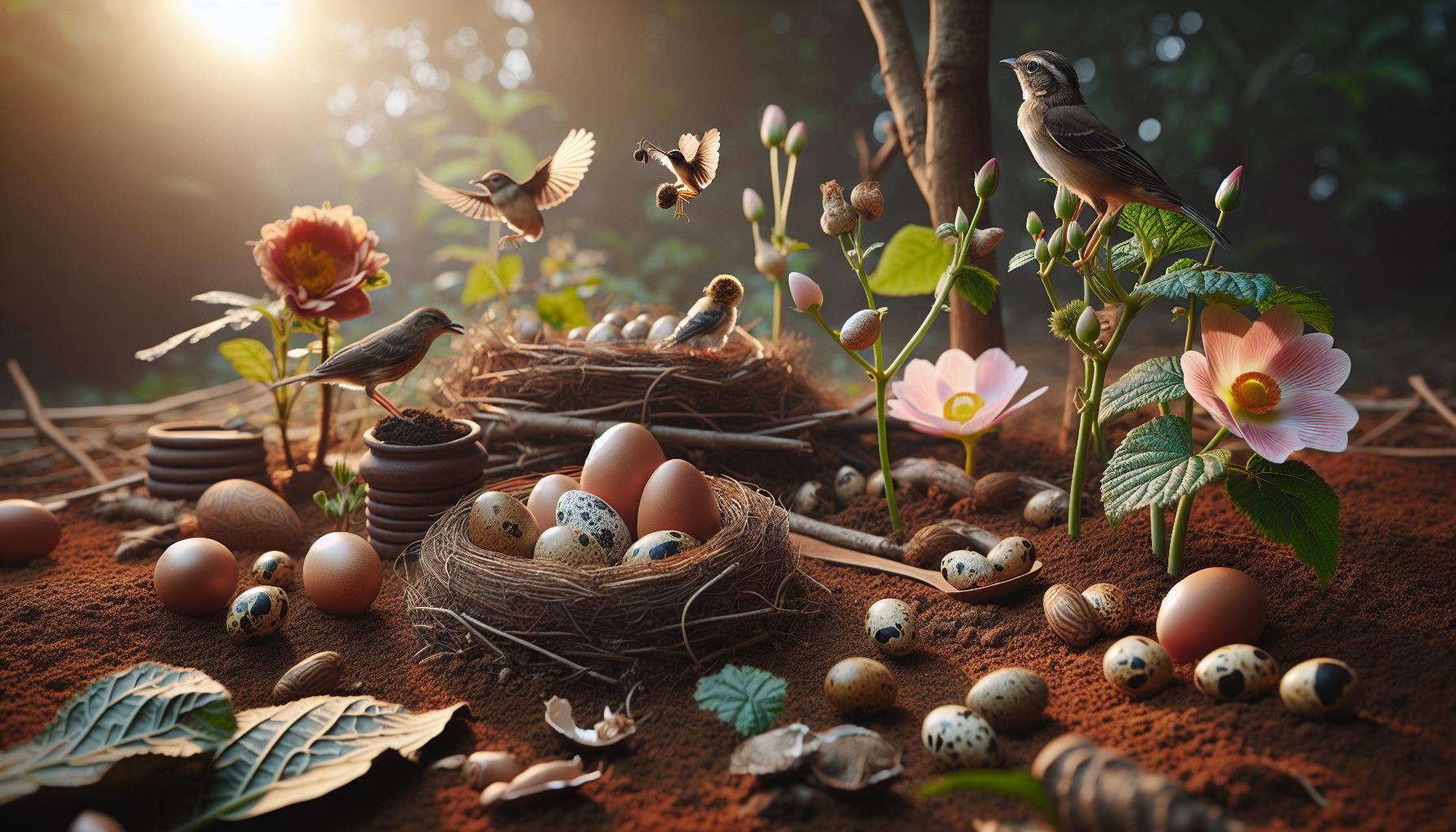
Types of Reproductive Strategies: A Deep Dive
Reproductive strategies are fundamental in understanding how species ensure their survival and adapt to their environments. These strategies encompass a variety of methods through which organisms reproduce, each tailored to their unique ecological niches. While some species favor sexual reproduction, enhancing genetic diversity, others adopt asexual methods for rapid population growth. This diversity in reproductive approaches is not merely a biological feat; it reflects the intricate relationship between organisms and their environments, showcasing how life continuously adapts to challenges.
Individuals often face difficult choices on their path to parenthood, mirroring some of nature’s most crucial decisions regarding reproduction. For instance, sexual reproduction involves the fusion of meiosis-steps-results.html” title=”… | Overview, Function & Steps – Lesson | Study.com”>gametes (sperm and egg), leading to genetically diverse offspring. This strategy has evolved because of its advantages in changing environments, allowing populations to develop resilience through genetic variation. Common examples include mammals, birds, and many plants, each utilizing various mating behaviors and mechanisms to ensure successful reproduction.
On the other hand, asexual reproduction allows organisms to replicate themselves without the need for a mate, resulting in offspring that are genetic clones of the parent. This method is common among single-celled organisms like bacteria, as well as in some plants through processes such as budding or vegetative propagation. Asexual reproduction can operate at a rapid pace, helping species to quickly occupy available environments, but it also limits genetic diversity, making populations more susceptible to diseases and changes in their habitat.
It’s essential to consider the emotional and practical aspects of reproduction as well, both in nature and human contexts. Individuals on their fertility journeys face uncertainties, and understanding these reproductive strategies can clarify options and expectations. Whether one is pursuing natural conception, assisted reproductive technologies like IVF (In Vitro Fertilization), or exploring adoption, comprehending the varied paths of reproduction can foster support and empathy. Each choice comes with its challenges, timelines, and emotional weight, but recognizing the breadth of reproductive strategies available can empower individuals and couples in their journey toward family-building.
Continuing to explore the nuances of reproductive strategies not only enriches our understanding of biology but also promotes a more compassionate approach to discussions surrounding fertility and family planning. In navigating this multifaceted landscape, it is vital to honor the sacrifices and hopes of all families, ensuring that every path to parenthood receives respect and validation.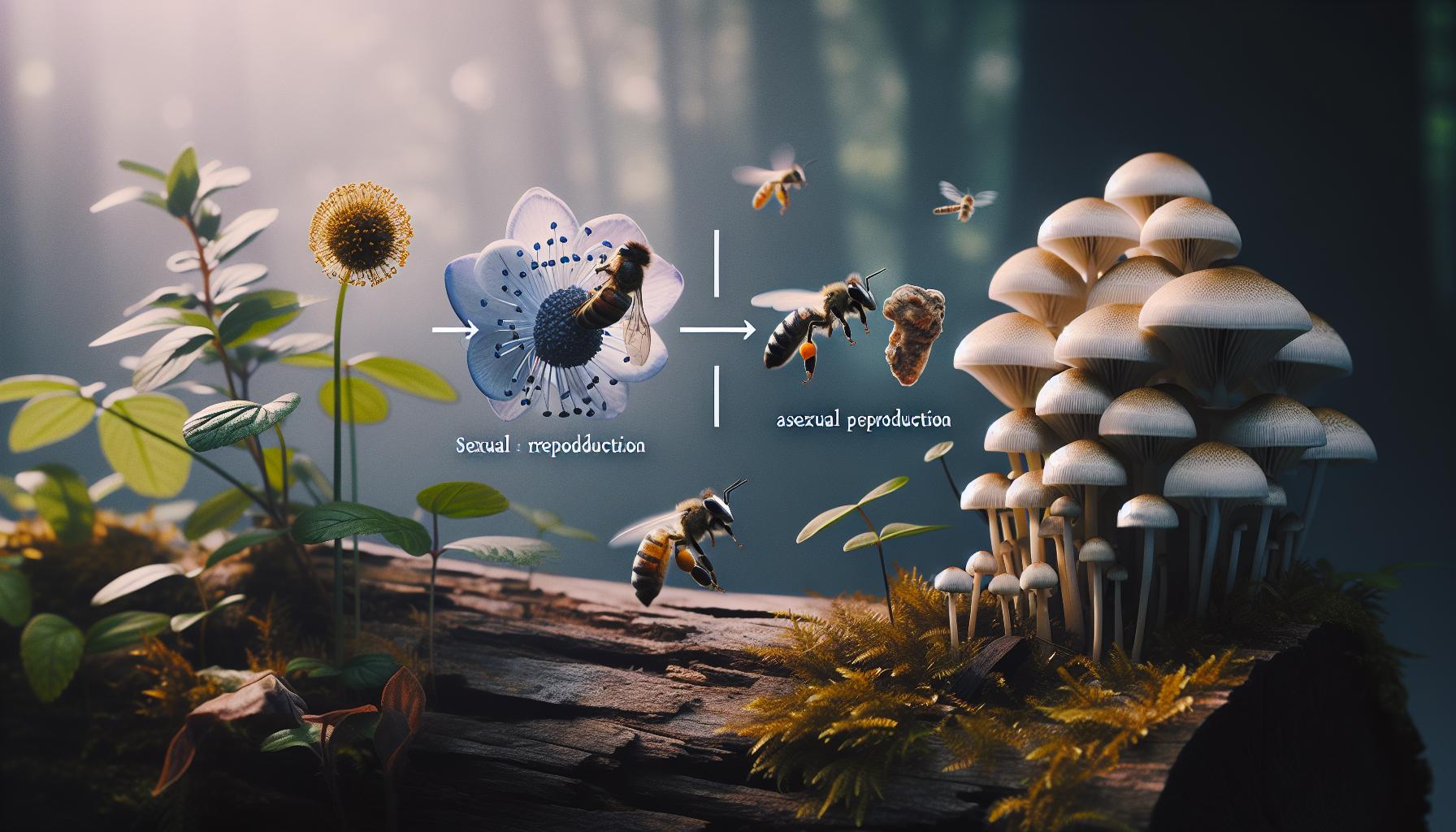
Sexual vs. Asexual Reproduction: Key Differences Explained
Sexual reproduction and asexual reproduction represent two fundamentally distinct strategies organisms use to perpetuate their species, each with its own advantages and limitations. At its essence, sexual reproduction involves the fusion of genetic material from two parents, resulting in offspring that carry a mix of genes, which enhances genetic diversity. This diversity is crucial for the adaptability and resilience of populations in the face of environmental changes, disease, and other pressures. For example, in mammals, the process includes the formation of gametes through meiosis, followed by fertilization. This genetic reshuffling can lead to stronger offspring capable of surviving in varied environments, thereby promoting the long-term survival of the species.
In contrast, asexual reproduction allows organisms to produce offspring without the involvement of another individual, yielding genetic clones of the parent. This method is notably seen in organisms such as bacteria and certain plants, which can reproduce rapidly through mechanisms like fission, budding, and vegetative propagation. While this strategy permits quick population growth and the ability to exploit available resources efficiently, it lacks the genetic variation that can provide resilience. The limited diversity means that populations are more vulnerable to extinction events, as they may all respond similarly to environmental changes or diseases.
When navigating the landscape of reproductive strategies, it’s essential to recognize the emotional and practical dimensions, especially for individuals considering family-building options. Those pursuing assisted reproductive technologies such as IVF or exploring adoption often have questions and concerns that parallel the natural debates of sexual and asexual reproduction. Whether it’s coming to terms with the emotional weight of infertility or the complexities of alternative family structures, empathy and understanding are critical. Every journey through reproduction, whether natural or assisted, comes with its own challenges, successes, and emotional landscapes, all deserving of compassion and respect.
Ultimately, understanding the distinctions between sexual and asexual reproduction illuminates not only the biological processes at play but also mirrors the diverse paths humans take in their reproductive journeys. Each approach, whether it stems from natural inclination or assisted methods, enriches our collective understanding of life and family, offering a tapestry of experiences that deserve acknowledgment and support.
The Role of Genetics in Biological Reproduction
Genetics plays a pivotal role in biological reproduction, serving as the blueprint for the development and characteristics of living organisms. At its most fundamental, reproduction is not just about creating new life but also about passing on genetic information from one generation to the next. This genetic transmission involves DNA, which houses the instructions necessary for growth, development, and functionality. The blending and recombination of these genetic materials – particularly in sexual reproduction – result in offspring that possess unique traits, illustrating the rich tapestry of diversity in the natural world.
During reproduction, specific processes such as meiosis and fertilization ensure that genes from both parents contribute to the genetic makeup of their offspring. This combination can introduce new genetic variations, which are vital for the survival and adaptability of species. As environmental conditions change, populations with a diverse gene pool are often better equipped to thrive, as they may carry advantageous traits that increase their resilience to disease, climate variations, and other stresses.
However, the journey of genetics in reproduction can also elicit emotional complexities, particularly for individuals navigating fertility challenges. Many families may find themselves exploring options such as in vitro fertilization (IVF), where understanding genetics becomes crucial. For instance, parents often consider genetic testing to understand the health risks associated with inherited conditions. This brings an added layer of hope and apprehension as they weigh their options and strive for the family they envision. Engaging deeply with these subjects may prompt difficult but necessary conversations about potential outcomes and the implications of genetic inheritance.
As we celebrate the advancements in reproductive technologies aimed at helping families grow, it is essential to acknowledge that each path, whether through natural conception or assisted methods, offers unique experiences and insights. Understanding the intricate role of genetics in reproduction not only enhances our knowledge of life itself but also empowers individuals with the information they need to make informed decisions about their reproductive health and family planning.
What Happens During the Reproductive Process?
The journey of reproduction is a remarkable orchestration of biological processes, involving a series of intricate steps that pave the way for new life. At its core, reproduction is fundamental in perpetuating species across generations, ensuring that the next wave of life carries genetic traits from its predecessors. During sexual reproduction, this process commences with the formation of gametes-sperm and eggs-each carrying half of the genetic blueprint needed to create a new organism.
Upon fertilization, which is the fusion of a sperm and an egg, a zygote is formed. This single cell is the initial stage of development for a new individual, possessing a unique combination of DNA from both parents. As the zygote begins to divide and grow through a process known as cleavage, it will eventually develop into a multi-cellular embryo. This rapid division continues, ultimately forming a blastocyst, which will implant itself into the uterine lining in many species, including humans, where it can develop further into a fetus.
Biological reproduction is not just a clinical process; it carries emotional weight, particularly for those facing challenges in building their families. Understanding the stages involved-like how eggs develop in the ovaries or how sperm must navigate to meet the egg-can empower individuals and couples navigating fertility options. For example, in vitro fertilization (IVF) involves the retrieval of eggs, which are then fertilized in a lab and monitored closely before being transferred into the uterus. Each step of this journey can be fraught with anticipation and concern, prompting feelings of hope, anxiety, and sometimes grief when things do not go as planned.
Recognizing these emotional dimensions is vital. As folks engage in this process, they can benefit immensely from resources and support networks that validate their experiences and provide practical information on medical terms like “embryo,” “sperm motility,” and the stages of embryonic development. Each step of the reproductive process-from gamete formation to successful implantation-requires patience, understanding, and sometimes assistance to navigate the complexities of reproductive health. By equipping individuals with knowledge and compassion, we can nurture hope and resilience along their fertility journeys.
Common Misconceptions About Biological Reproduction
While many think of reproduction solely through the lens of the biological process of creating new life, it’s surrounded by a cloud of misconceptions that can cloud understanding and emotional experiences. One common belief is that conception happens effortlessly and that pregnancy follows immediately after sexual intercourse. In reality, the journey from conception to pregnancy is intricate and requires several conditions to align perfectly. Factors such as timing within the menstrual cycle, the viability of both sperm and egg, and overall reproductive health can significantly influence the chances of conception.
Another prevalent myth is that all women are fertile for the entirety of their reproductive years. However, age plays a critical role in fertility, with women’s fertility starting to decline in their late 20s to early 30s, and this drop becomes more pronounced after 35. Recognizing that fertility varies among individuals is important, as is understanding that many factors – including genetics, lifestyle choices, and underlying medical conditions – can impact reproductive health. Individuals and couples facing difficulties should not feel alone; seeking support from medical professionals can provide guidance and clarity.
Discussing reproductive health often brings with it the stigma surrounding assisted reproductive technologies (ART) like in vitro fertilization (IVF). There’s a misconception that using ART is a last resort, suggesting that those who choose these methods are somehow unfit or lesser than those who conceive naturally. The truth is, many couples benefit from these technologies for a variety of reasons, including medical issues, age, or personal choices, and they can be empowering paths towards achieving family goals. These feelings of self-doubt are natural, but understanding the science behind reproductive technologies can help foster a positive outlook on the journey ahead.
Lastly, emotional well-being throughout the reproduction and family-building process is often overlooked. Many believe that if they encounter challenges, they should be able to simply “fix” the problem without emotional ramifications. However, it’s critical to acknowledge the complex emotions involved-grief, hope, frustration, and joy. Each step of the reproductive journey can bring up a swirl of feelings, and having support systems in place can help navigate this emotional landscape. Remember, the path to creating a family is unique and valid, regardless of how one arrives there.
How Environmental Factors Influence Reproductive Methods
Changes in environment can significantly impact the reproductive methods of various species, shaping their survival strategies and reproductive success. For instance, factors such as climate, habitat availability, and food resources can determine when and how organisms reproduce, with adaptations manifesting in diverse reproductive strategies. This is particularly evident in species that have evolved to time their breeding with specific seasons or environmental conditions.
For example, many amphibians, such as frogs, will only breed during the rainy season, ensuring that there is enough water for their eggs to develop and for larvae to thrive. Similarly, migratory birds adjust their breeding patterns based on environmental cues-returning to specific locations when food is plentiful and conditions are optimal for raising their young. This approach not only maximizes the chances of successful reproduction but also enhances the survival of their offspring by aligning their emergence with favorable environmental conditions.
In a more nuanced context, the presence of pollutants or changes in habitat can lead to alterations in reproductive health and strategies. Research has shown that exposure to environmental toxins can affect the fertility of both males and females, often leading to lower reproductive rates or even shifts in mating behaviors. For example, certain chemicals found in pesticides or industrial wastes can disrupt endocrine systems, making it critical for wildlife populations to adapt rapidly or risk population declines.
With all this in mind, recognizing is vital for effective conservation strategies. Protecting habitats and mitigating pollution not only benefits the individual species but also ensures the health of entire ecosystems. By understanding these relationships, we can foster more supportive environments that allow organisms to thrive, underscoring the intricate connection between biology, ecology, and the health of our planet.
The Evolution of Reproductive Strategies in Nature
The diverse methods of reproduction found in nature reflect a fascinating evolutionary journey shaped by environmental pressures and behavioral adaptations. Over millions of years, species have developed various reproductive strategies to maximize their chances of survival and to ensure the continuation of their genetic lineage. One compelling factor in this evolution is the balance between the number of offspring produced and the investment required for their care. For instance, species like sea turtles lay hundreds of eggs at once, hoping that despite high predation rates, enough will survive to adulthood. In contrast, mammals typically invest significant parental care into fewer offspring, enhancing their survival.
In addition to the number of offspring, the evolutionary path of reproductive strategies is influenced by environmental conditions. For example, organisms in stable environments may favor continuous reproduction patterns, while those in fluctuating or harsh climates often adapt to seasonal breeding. This means that timing can be critical-many species synchronize their reproductive cycles with seasonal food availability or optimal weather conditions. The salmon is a prime example; it spawns in freshwater rivers after swimming upstream from the ocean, ensuring that their young hatch in an environment where food resources are plentiful.
Another intriguing aspect of evolutionary reproductive strategies is the impact of sexual selection. Traits favored in mates, like vibrant plumage in birds or large antlers in deer, can drive the evolution of complex mating rituals and behaviors. These characteristics may not always enhance survival directly but instead improve reproductive success by attracting mates. The peacock’s extravagant tail is a classic illustration; while it may hinder mobility or increase visibility to predators, it ultimately serves as a display to entice peahens, showcasing the balance between survival and reproductive success.
In conclusion, illustrates a complex interplay between environmental factors, parental investment, and sexual selection. Understanding these systems not only sheds light on the biological processes that govern life but also informs conservation efforts, as recognizing the specific reproductive needs of species can lead to more effective protection and management of biodiversity.
Reproductive Health: Implications for Biodiversity
Understanding the balance of reproductive health is vital not only for individual well-being but also for the broader ecosystem. The reproductive success of species directly influences biodiversity, shaping ecosystems and interactions between species. When reproductive health is compromised-whether through environmental stressors, habitat loss, or genetic bottlenecks-the entire ecosystem can suffer. For instance, a decline in population numbers of a key species can disrupt food webs, leading to unforeseen repercussions for other organisms sharing that habitat.
Conservation efforts must prioritize the reproductive health of endangered species, monitoring factors like fertility rates, habitat conditions, and the genetic diversity of populations. Successful reproduction not only ensures the continuation of a species but also strengthens resilience against environmental changes. For example, initiatives that enhance breeding programs in zoos or wildlife reserves often incorporate strategies that mimic natural conditions to improve offsprings’ viability. Educating the public about reproductive health can foster greater appreciation for these species and their ecological roles.
Efforts to address reproductive health concerns can include the implementation of protected areas, restoration of habitats, and managing invasive species. Effective management can facilitate safer breeding conditions for vulnerable populations. Additionally, collaboration with local communities to respect cultural and ethical considerations about reproductive practices can pave the way for inclusive conservation strategies that honor diverse perspectives and foster coexistence.
Nurturing the reproductive health of various species is an investment in biodiversity, reinforcing ecosystems that are essential for our planet’s health. As we grow more aware of the intricate connections within biological systems, we can celebrate the diversity of life around us and recognize our responsibility in safeguarding it for future generations.
The Future of Reproduction: Advances in Biology and Technology
As we navigate the complex landscape of biological reproduction, exciting advancements in biology and technology are transforming how we understand and support reproductive processes in a myriad of species, including humans. With techniques such as in vitro fertilization (IVF) gaining traction, expectant parents have more options than ever. The emotional weight of these journeys is significant, but technology is paving the way to increase success rates and expand family-building options, addressing grief, hope, and uncertainty along the way.
Emerging Technologies in Reproductive Health
The realm of reproductive technology has made monumental strides in recent years. IVF has evolved from a novel experiment to a widely accepted practice employed across many fertility clinics worldwide. Invasive techniques have given way to less invasive options, such as preimplantation genetic testing (PGT), which helps identify viable embryos and screen for genetic conditions before implantation, thus reducing the emotional and financial strain associated with unsuccessful pregnancies.
In parallel, advancements in artificial insemination (AI) techniques are contributing to reproductive health not only in humans but also in animal breeding programs, promoting genetic diversity and species conservation. For instance, AI is increasingly used in endangered species management, allowing for wider genetic pools even when physical animals are scarce.
The Role of Genetic Engineering
Genetic engineering is another frontier reshaping reproduction. CRISPR and other gene-editing techniques offer promising opportunities for correcting genetic defects before birth. This not only fosters hope for parents concerned about hereditary conditions but also raises ethical questions about the extent of manipulation allowed in the reproductive process. Quality ethical discussions accompanying these science advancements are essential, fostering inclusivity in family planning and respecting diverse perspectives, including cultural and religious considerations.
Practical Considerations and Emotional Support
Navigating the future of reproduction is fraught with emotional complexity. Understanding the financial implications, success rates of different technologies, and the logistics of scheduling treatments empowers individuals and couples to make informed decisions. For instance, prospective parents must weigh the average cost of IVF, which may range from $12,000 to $15,000 per cycle, against the likelihood of success, which varies based on age and health factors.
Whether you are considering adoption, donor options, or assisted reproductive technologies, ensuring a supportive environment is crucial. Celebrate small milestones along this journey while also validating the challenges faced by individuals or couples traversing these pathways. A collaborative approach with compassionate healthcare professionals, who answer questions and provide clear guidance, can significantly impact well-being, ensuring that every step taken honors the individual journey.
The future of reproduction is not only about technology but also about understanding and support, ensuring that everyone has the opportunity to build the families they envision with dignity and respect.
Cultural Perspectives on Biological Reproduction and Family Planning
In many cultures, the significance of biological reproduction extends beyond the mere act of creating new life; it weaves into the very fabric of social identity, family structure, and individual aspirations. The journey to parenthood often embodies deep emotional landscapes, which can evoke feelings of joy, hope, uncertainty, and even grief. Understanding these diverse perspectives can empower individuals and couples as they navigate their own paths toward family building, whether through natural conception, assisted reproductive technologies (ART), or adoption.
Cultural beliefs shape how societies approach reproduction and family planning. For instance, cultures that prioritize family lineage may place a higher value on biological offspring, viewing parenthood as a critical achievement. In such societies, the pressure to reproduce can be immense, often leading to emotional turmoil for those facing fertility challenges. Conversely, in several contemporary cultures, the focus has shifted towards individual choice and inclusivity, redefining family structures to embrace various forms, including single parents, same-sex couples, and blended families. This evolution reflects a growing recognition that family can take many forms, illuminating the importance of acceptance and support in the reproductive journey.
It is also vital to acknowledge that reproductive health and family planning are influenced by socio-economic factors and access to healthcare. Different regions experience varying levels of resources and education regarding fertility treatments and family planning options. For example, the average cost of IVF can be daunting, ranging from $12,000 to $15,000 per cycle, which can be prohibitive for many. Understanding these realities is crucial for helping individuals and couples to navigate their options thoughtfully, ensuring they are informed about potential challenges and supportive resources available.
Furthermore, candid discussions around reproduction should encompass the interplay of cultural and ethical perspectives. The advent of genetic engineering and ART invites dialogue about the ethical considerations surrounding each option. Families navigating these choices benefit from compassionate guidance that respects individual beliefs, allowing them to celebrate their unique journeys while addressing the emotional complexities involved. Ultimately, creating an environment that acknowledges diverse emotions and experiences can validate the paths individuals take towards family building, fostering a sense of connection and understanding throughout the reproductive process.
FAQ
Q: What are the main types of reproduction in biology?
A: The main types of reproduction in biology are sexual reproduction and asexual reproduction. Sexual reproduction involves the combination of genetic material from two parents, while asexual reproduction allows a single organism to reproduce independently, creating clones of itself. Understanding these types is fundamental in the study of genetic diversity and species survival.
Q: Why is reproduction essential for the survival of species?
A: Reproduction is essential for the survival of species as it ensures the continuation of genetic material across generations. Without reproduction, species would face extinction. This process also fosters genetic diversity, which can enhance adaptability to changing environments, as discussed in the section on the importance of reproduction for species survival.
Q: How do environmental factors impact reproduction in organisms?
A: Environmental factors such as temperature, availability of resources, and habitat conditions significantly impact the reproductive methods of organisms. For instance, some species may choose different reproductive strategies based on seasonal changes or environmental stressors, affecting their survival and evolution.
Q: What is the difference between sexual and asexual reproduction?
A: The difference between sexual and asexual reproduction lies in genetic variation. Sexual reproduction involves two parents combining genetic material, resulting in offspring with varied genes. In contrast, asexual reproduction produces identical offspring from a single parent, leading to no genetic diversity. This distinction is crucial in understanding evolutionary biology.
Q: What role does genetics play in reproduction?
A: Genetics plays a critical role in reproduction by determining the traits that offspring inherit from their parents. The study of genetic inheritance allows us to understand how characteristics are passed down and can influence evolution, species adaptation, and the overall dynamics of biological reproduction.
Q: When does the reproductive process typically begin in organisms?
A: The reproductive process typically begins when an organism reaches sexual maturity, which can vary greatly between species. Factors such as age, health, and environmental conditions can trigger the onset of reproduction, setting the stage for the transfer of genetic information.
Q: How do reproductive strategies evolve over time?
A: Reproductive strategies evolve over time through the process of natural selection. Species adapt their reproductive methods based on environmental pressures and survival challenges. This evolution can lead to the development of unique strategies, enhancing reproductive success in varying habitats and ecological contexts.
Q: What misconceptions exist about biological reproduction?
A: Common misconceptions about biological reproduction include beliefs such as “all organisms reproduce sexually” or “asexual reproduction produces inferior offspring.” Understanding the nuances of reproductive methods is critical for appreciating biodiversity and the evolutionary adaptations of different species.
In Summary
Understanding the concept of reproduction in biology is essential for grasping the continuity of life on our planet. With both asexual and sexual reproduction driving diversity within species, you’re now equipped to appreciate the intricate processes that sustain life. If you’re curious about how these processes unfold in different organisms, or want to delve deeper into related topics such as cellular reproduction and heredity, don’t hesitate to check out our articles on asexual reproduction and the role of genetics in evolution.
Now that you have a solid foundation, consider subscribing to our newsletter for the latest insights in biology and nature. Engage with our community by sharing your thoughts or questions in the comments below-we love hearing from you! Don’t miss out on the wealth of knowledge waiting for you as you continue your journey of exploration and discovery in the fascinating world of biology.
Get our latest guides, news, and insights highlighted in your Google Search & AI Overviews.