Adenomyosis, a condition where the uterine lining grows into the muscular wall of the uterus, can often be shrouded in confusion and concern, especially regarding its impact on fertility. Up to 30% of women with adenomyosis may face challenges when trying to conceive, making understanding this condition even more critical. If you’re navigating the emotional rollercoaster of fertility struggles, it’s important to explore how adenomyosis affects your uterus and conception attempts. By addressing your questions and concerns about adenomyosis and its implications for fertility, we aim to provide you with clarity and support. As you read on, you’ll discover the connections between adenomyosis, your reproductive health, and what options might lie ahead for your family-building journey. Together, let’s navigate this path with empathy and informed guidance.
Does Adenomyosis Affect Conception Chances?
Adenomyosis, a disorder where endometrial tissue grows into the muscular wall of the uterus, can significantly impact a woman’s fertility. Understanding how this condition affects conception is vital for those navigating the complexities of infertility. Research suggests that adenomyosis can lead to challenges in pregnancy due to its effects on uterine structure and function, potentially complicating embryo implantation and maintaining a healthy pregnancy.
The enlarged and thickened uterus often seen in adenomyosis can cause abnormal uterine contractions, making it more difficult for a fertilized egg to implant successfully. Furthermore, studies have indicated that women with adenomyosis may face a higher risk of miscarriage. This emotional burden can be overwhelming, as many women already grapple with the pressures of infertility. It’s important to recognize that while adenomyosis can influence fertility, it does not entirely negate the possibility of conception. Many women with the condition have successfully conceived, underscoring the importance of individualized treatment and support.
Adopting a proactive approach towards managing adenomyosis can also enhance the chances of conception. This may include discussing various treatment options with a healthcare provider, such as medications or surgical interventions aimed at alleviating symptoms and improving uterine conditions for pregnancy. Couples may also explore assisted reproductive technologies like in vitro fertilization (IVF), as these can be tailored to work around the challenges presented by adenomyosis.
Ultimately, embarking on the journey of conception with adenomyosis requires a blend of medical intervention and emotional resilience. Regular communication with healthcare providers for monitoring and support, alongside emotional wellness practices, can empower couples as they navigate their family-building paths. While the path may be fraught with uncertainty, fostering a sense of hope and purpose can provide comfort during this challenging time.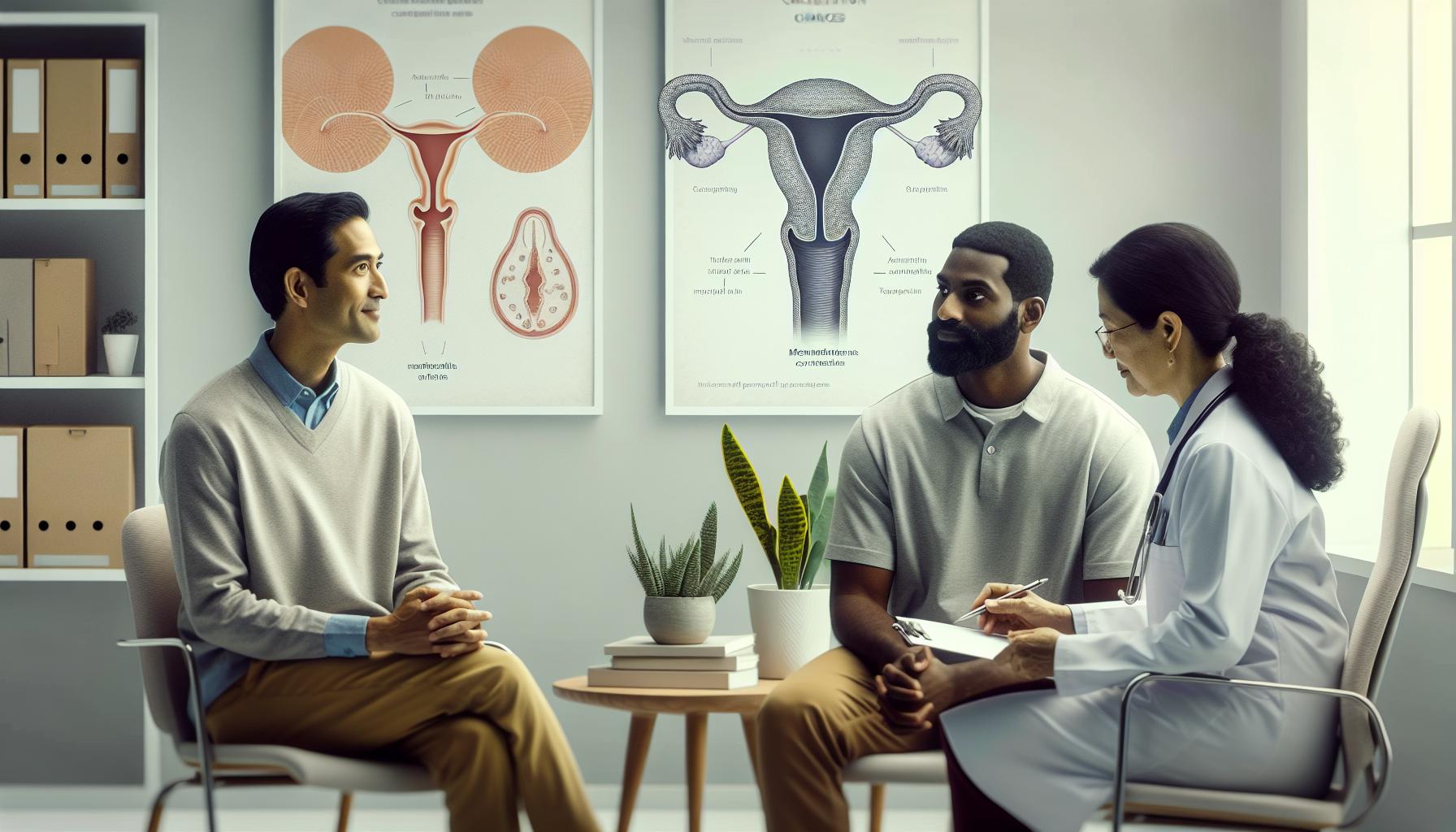
Understanding Adenomyosis: Symptoms & Diagnosis
Adenomyosis often weaves a complex narrative into a woman’s fertility journey, impacting not only her physical health but also her emotional well-being. This condition occurs when endometrial tissue, which normally lines the uterus, grows into the muscular wall of the uterus. Understanding adenomyosis is crucial for those affected, especially when it comes to recognizing its symptoms and obtaining an accurate diagnosis.
Many women experience symptoms that can be easily overlooked or misattributed to other conditions. Common signs of adenomyosis include heavy menstrual bleeding, severe menstrual cramps, and chronic pelvic pain. These symptoms can vary greatly in intensity, leading some women to believe that what they are experiencing is a “normal” part of menstruation. However, acknowledging the possibility of adenomyosis is the first step towards seeking an appropriate diagnosis. If you are experiencing any of the mentioned symptoms, it is essential to consult with a healthcare provider who can perform a thorough evaluation.
Diagnosis typically involves a comprehensive approach, incorporating both clinical assessments and imaging techniques. Pelvic ultrasounds can reveal structural abnormalities within the uterus, while MRI scans are particularly useful in visualizing the extent of adenomyosis. In some cases, a definitive diagnosis may only be made after surgical intervention. It is important to express your concerns openly to your doctor, as they can guide you in deciding on the best diagnostic pathway.
Navigating symptoms and diagnosis brings its own emotional challenges, often accompanied by feelings of frustration, uncertainty, and fear about potential impact on fertility. Remember, these feelings are valid. Seeking support from friends, family, or support groups can help in processing these emotions. There is always a pathway forward, and being proactive about your health is a vital component of your journey. By addressing these symptoms head-on and obtaining a proper diagnosis, women can better understand their bodies and explore tailored treatment options aimed at enhancing their chances of conception.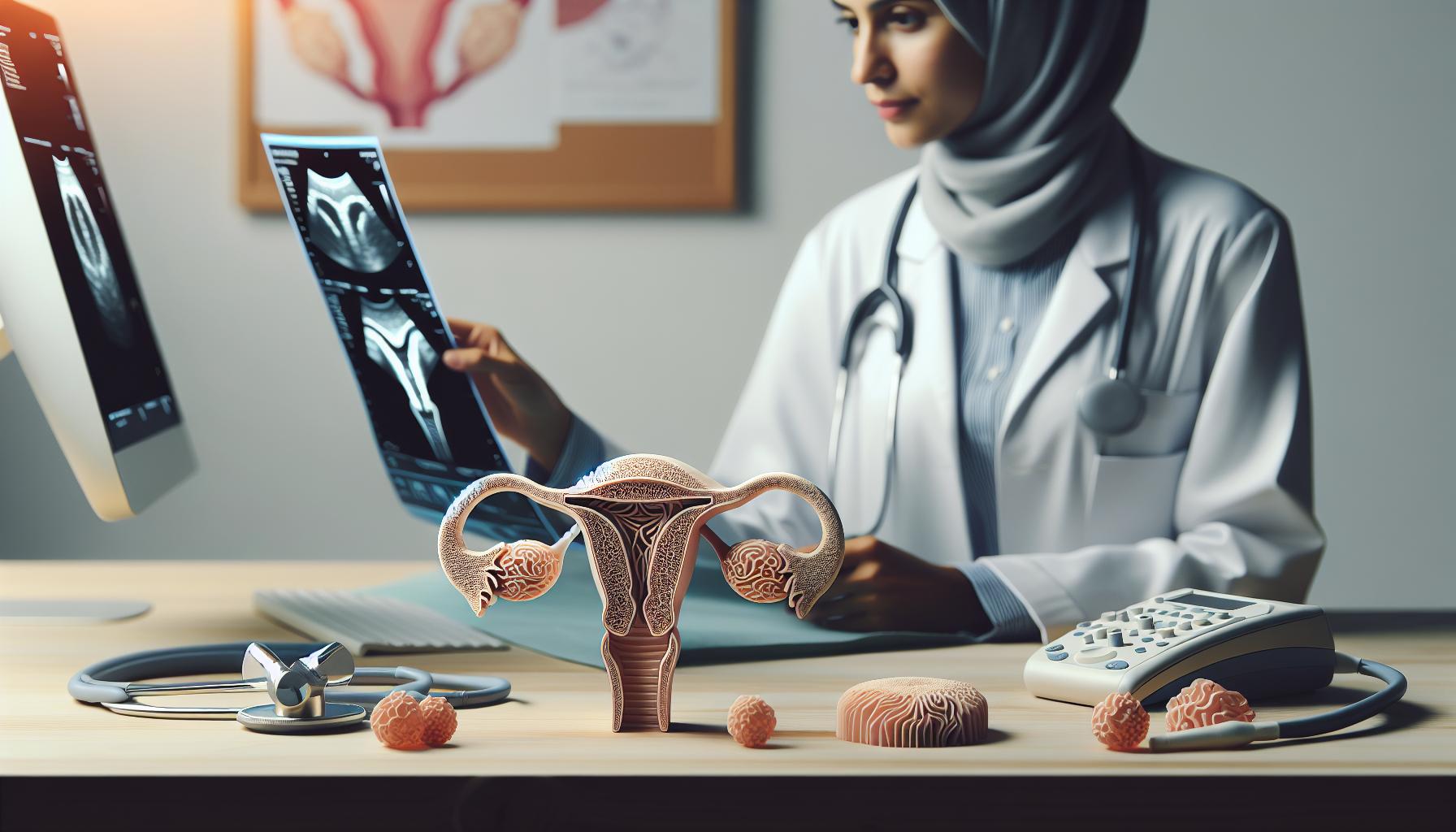
How Adenomyosis Impacts Uterine Health
Adenomyosis can significantly alter uterine health, often leading to challenges that may affect conception and overall reproductive wellness. This condition, characterized by the presence of endometrial tissue within the uterine muscle, may cause the uterus to enlarge and become more rigid, impacting its ability to function normally during potential implantation and gestation. The presence of abnormal tissue can lead to irregular contractions, which may disrupt the environment necessary for a successful pregnancy.
Women with adenomyosis frequently report symptoms such as heavy bleeding, severe menstrual pain, and chronic pelvic discomfort. These issues might not only detract from quality of life but can also complicate the process of conception. The inflammation associated with adenomyosis can create a hostile environment for sperm, leading to decreased fertility. Furthermore, the thickened uterine walls can alter the architecture of the uterus, which is crucial for implantation-a critical step in achieving pregnancy.
Understanding these physiological impacts is vital for anyone navigating fertility challenges. If you’re facing difficulties conceiving due to adenomyosis, keeping an open line of communication with your healthcare provider is essential. They can offer tailored advice and treatment options, such as hormone therapy or surgical interventions, aimed at alleviating symptoms and improving overall uterine health. Regular monitoring and timely interventions can help address complications early, enabling better management of both the condition and its effects on fertility.
In addition to medical treatment, lifestyle changes can play a role in enhancing uterine health. Adopting a balanced diet rich in anti-inflammatory foods, maintaining a healthy weight, and managing stress through mindfulness practices can support overall reproductive function. Every woman’s journey through adenomyosis is unique, and recognizing how this condition affects you specifically is an important step in your fertility journey. Celebrate the small victories along the way, and know that support is available whether through medical channels or community resources.
Exploring the Link Between Adenomyosis and Infertility
The intricate relationship between adenomyosis and infertility is a source of concern and confusion for many women. Understanding how this condition impacts the chances of conceiving is essential for those who are on their fertility journey. Adenomyosis occurs when the endometrial tissue grows into the muscular wall of the uterus, which can lead to a variety of complications that may reduce fertility. For instance, the thickening of the uterine wall creates a stiffer environment, which can interfere with normal uterine contractions that are vital for implantation and early pregnancy maintenance.
This condition is often accompanied by symptoms such as heavy menstrual bleeding and severe cramps, which may distract from the natural processes of conception. The inflammation and hormonal imbalances associated with adenomyosis can also disrupt ovulation, making it more challenging to become pregnant. Women may feel overwhelmed as they navigate the emotional toll this can take, grappling with both physical discomfort and the grief of infertility. This highlights the importance of addressing both the medical and emotional aspects of fertility in the context of adenomyosis.
To enhance fertility despite the challenges of adenomyosis, various strategies can be employed. Consulting with a healthcare provider to explore treatment options is crucial; this may include hormone therapies, which can help manage symptoms and create a more favorable environment for conception. Additionally, lifestyle adjustments like maintaining a balanced diet, managing stress through relaxation techniques, and regular exercise can positively impact overall reproductive health.
Ultimately, understanding the link between adenomyosis and fertility is about more than just the medical implications; it involves recognizing the emotional journey too. Many women find support in communities that understand their struggles, providing a sense of solidarity and hope. Whether it’s through medical intervention or support networks, taking proactive steps can empower women facing infertility due to adenomyosis to find their path towards conception.
Treatment Options for Adenomyosis and Fertility
Navigating the complexities of adenomyosis can be daunting, especially for those trying to conceive. The good news is that several treatment options exist to enhance fertility for women impacted by this condition. Recognizing the potential barriers adenomyosis can create is crucial, but understanding the array of therapies can offer hope and empowerment.
Medication and Hormone Therapy
One of the first lines of treatment for adenomyosis often involves hormonal therapies. These medications can help alleviate symptoms and regulate menstrual cycles, creating a more favorable environment for conception. Options include:
- Hormonal birth control: Such as birth control pills, patches, or rings, which can help manage painful symptoms and heavy bleeding.
- GnRH agonists: Medications that temporarily reduce estrogen levels, effectively inducing a state similar to menopause, which can reduce adenomyosis symptoms.
- Progestins: These can help to stabilize the endometrial lining and may promote a healthier uterine environment.
While these treatments may alleviate pain and improve uterine conditions, discussing potential impacts on fertility with a healthcare provider is critical.
Surgical Options
For some women, surgery may be necessary, especially if hormonal treatments fail to provide relief. Surgical procedures can vary based on the severity of adenomyosis and may include:
- Endometrial ablation: A procedure that destroys the lining of the uterus to reduce heavy bleeding.
- Uterine artery embolization: This procedure blocks the blood supply to the adenomyosis-affected area, helping to reduce symptoms.
- Hysterectomy: In severe cases, removing the uterus may be the only option. However, it’s essential to consider the long-term implications for fertility.
Each surgical option carries unique risks and benefits, and discussions with a reproductive specialist can clarify which approach may be suitable based on individual circumstances.
Assisted Reproductive Technologies (ART)
For women who struggle to conceive due to adenomyosis, options like in vitro fertilization (IVF) or artificial insemination may offer routes to pregnancy. IVF, where eggs are retrieved and fertilized outside the body, can bypass some of the anatomical challenges posed by adenomyosis. Providers will consider factors like age, overall reproductive health, and specific fertility concerns when recommending ART.
Navigating treatment options can often feel overwhelming, which is why it’s important to maintain open communication with healthcare providers. These professionals can help determine the best course of action tailored to each woman’s circumstances, offering a blend of medical interventions and emotional support throughout the journey. Remember, the road to conception may be challenging, but there are still many avenues to explore that can lead toward fulfilling family dreams.
Lifestyle Changes to Enhance Fertility with Adenomyosis
Making meaningful lifestyle changes can significantly enhance fertility, especially for those managing adenomyosis. Simple adjustments to your daily routine can create a more supportive environment for conception and overall reproductive health. This journey can be both hopeful and challenging, and acknowledging the emotional complexity is crucial. Every small step you take can bring you closer to your goals, and it’s important to be gentle with yourself along the way.
Nutrition plays a vital role in managing adenomyosis symptoms and promoting fertility. A well-balanced diet rich in whole foods, such as fruits, vegetables, whole grains, and lean proteins, can help reduce inflammation and support hormonal balance. Consider incorporating the following foods into your diet:
- Leafy greens: These are high in folate, essential for cell division and can support fetal development.
- Omega-3 fatty acids: Found in fish like salmon and walnuts, which can reduce inflammation.
- Antioxidant-rich foods: Such as berries and nuts, which can combat oxidative stress.
Regular physical activity is also beneficial. Engaging in moderate exercise can help maintain a healthy weight, reduce stress, and improve circulation-all factors that can enhance fertility. Aim for a combination of cardio, strength training, and relaxation practices like yoga or pilates, which can improve blood flow to the reproductive organs and help manage anxiety.
Stress management techniques are crucial as well. Chronic stress can negatively impact hormonal balance and overall health, so finding effective coping strategies is essential. Consider mindfulness practices, meditation, or deep-breathing exercises. Connecting with support groups or counseling can also provide valuable emotional support during this journey. Remember, you’re not alone in this experience; many have shared the path you are on.
Integrating these lifestyle changes may not only enhance your fertility but also improve your overall well-being as you navigate the complexities of adenomyosis and conception. Each positive change, no matter how small, can lead to progress on your unique journey toward parenthood.
Emotional Support During Your Fertility Journey
Navigating the emotional landscape of fertility challenges can feel overwhelming, especially when managing an intricate condition like adenomyosis. It’s normal to experience a mix of grief, hope, and uncertainty as you journey through potential infertility. Acknowledging these feelings is vital; they are a natural response to the stress and unpredictability of trying to conceive while coping with adenomyosis.
Strong emotional support systems are key. Connecting with others who share similar experiences can alleviate feelings of isolation, making your journey feel less burdensome. Consider joining support groups where you can exchange stories, advice, and encouragement. Engaging with a therapist specializing in reproductive health might be another option. They can help you process your emotions, navigate through anxiety, and develop coping strategies tailored to your needs.
As you explore various family-building paths, such as IVF, artificial insemination, or even adoption, it can be beneficial to celebrate small milestones along the way. Whether it’s completing a fertility assessment or showing up for an appointment, each step counts and deserves recognition. Allowing yourself moments to appreciate progress can infuse hope into what may feel like a relentless journey.
It’s also important to practice self-care regularly. Taking time for activities that relax and rejuvenate you can significantly impact your emotional well-being. Whether it’s spending time in nature, practicing mindfulness, or engaging in creative pursuits, self-care routines can create a sense of normalcy amid uncertainty. Remember, your feelings are valid, and seeking support is a courageous step toward creating the family you desire.
Navigating Your Fertility Treatment Options
Navigating fertility treatment when faced with adenomyosis can feel overwhelming, yet understanding your options can empower you along this journey. Adenomyosis, with its potential to cause painful symptoms and affect uterine health, raises many questions about conception. Fortunately, various treatments can support your desire to conceive, so it’s crucial to familiarize yourself with what’s available.
One prevalent option is in vitro fertilization (IVF), which can effectively bypass some challenges associated with adenomyosis. During IVF, eggs are retrieved from your ovaries, fertilized in a lab, and then the resulting embryos are transferred to your uterus. This procedure is often discussed due to its higher success rates in those with reproductive health difficulties. It’s essential to consider that costs for IVF can vary significantly, typically ranging from $10,000 to $15,000 per cycle, not including additional medications and potential storage fees for embryos.
Artificial insemination (AI) is another route to consider. This simpler procedure involves placing sperm directly into your uterus during ovulation, enhancing the chances of conception. Although it may be less invasive than IVF, success rates can depend on several factors, including your age and the severity of your adenomyosis. Costs for AI are generally lower than IVF, making it an accessible option for many.
If you prefer a non-invasive approach, medications may offer relief from adenomyosis symptoms, potentially improving your overall reproductive health. Hormonal therapies, such as birth control, can help regulate your menstrual cycle and reduce severity of symptoms, which might create a more hospitable environment for conception.
Furthermore, consider discussing two crucial aspects with your healthcare provider: timing and emotional support. Fertility treatments often come with timelines that require careful planning, so it’s essential to strategize with your doctor about the best approach for your specific situation. Additionally, don’t underestimate the emotional weight of this journey; seek supportive networks or counseling opportunities to help process feelings and maintain hope.
Ultimately, the path you choose is yours, guided by what feels right for your body and situation. Being well-informed about your treatment options, understanding the associated costs, and preparing emotionally can make a significant difference. You are not alone in this journey; a supportive community and healthcare team are here to help you navigate every step toward your family-building goals.
Consultation Tips: Discussing Adenomyosis with Your Doctor
Every conversation with your healthcare provider regarding adenomyosis is an opportunity to gain clarity and empowerment in your fertility journey. It’s essential to come prepared, not only to discuss your symptoms but also to voice any concerns about how adenomyosis may impact your ability to conceive. What you share matters-vividly describing your symptoms can assist your doctor in understanding your experience better and tailoring the conversation toward your unique needs.
Start by noting down specific symptoms and their severity. For example, mention any pain you experience during menstruation, your menstrual cycle’s regularity, or any other signs you suspect could be linked to adenomyosis, such as heavy bleeding or chronic pelvic pain. This information helps your doctor assess the implications of adenomyosis on your reproductive health effectively. Discuss your family-building goals openly-whether you are considering natural conception, assisted reproductive technologies like IVF or AI, or alternative paths such as adoption.
When discussing treatment options, be candid about your preferences and concerns. Do you lean towards non-invasive methods, or are you open to more involved procedures? Understanding the costs, success rates, and timelines of each option can significantly impact your decision-making process. Seek clarity on potential side effects of medications or hormonal treatments, as these may affect your quality of life and overall well-being.
Another crucial aspect to address is the emotional and psychological support you may need during this journey. Infertility and reproductive health struggles can evoke feelings of grief, uncertainty, and isolation. Don’t hesitate to express your emotional state and inquire about counseling or support groups. Connecting with others facing similar challenges can provide a vital sense of community. As you navigate this complex landscape, remember that it’s okay to advocate for yourself and seek the support that resonates with you-both medically and emotionally.
Resources for Coping with Adenomyosis and Infertility
Coping with adenomyosis and infertility can feel overwhelming, but there are numerous resources available to help you navigate this journey. Understanding that you are not alone in this struggle is a crucial part of finding support. Many organizations and online communities exist to provide insights, emotional support, and practical advice.
One valuable resource is support groups, both online and in-person, where individuals share their experiences and strategies in coping with adenomyosis and related fertility issues. Websites like HysterSisters offer forums where members discuss their journeys, ask questions, and provide encouragement to one another. These platforms can help you connect with others who truly understand the emotional weight of your situation.
Additionally, consider reaching out to a fertility specialist for tailored medical guidance. Clinics often provide counseling and educational sessions focused on fertility challenges associated with adenomyosis. Many practitioners emphasize the importance of emotional well-being during this time and can help you explore treatment options that align with your personal values and preferences.
Moreover, educational materials, such as books, blogs, and online courses, can offer insights into managing adenomyosis while trying to conceive. These resources can help demystify complex medical terms and treatment processes, making it easier for you to advocate for your health. For example, learning about conditions like follicles and embryos, and understanding procedures like IVF (In Vitro Fertilization), may empower you to make informed decisions about your path to parenthood.
Lastly, consider integrating self-care practices into your routine to manage stress. Activities such as yoga, meditation, and journaling can help maintain emotional balance as you confront the challenges of infertility and adenomyosis. Remember, it’s okay to seek professional help if you’re feeling overwhelmed-both mental health professionals and fertility counselors can provide critical support. Embrace the journey, celebrate small victories, and allow space for all your feelings, knowing that healing and hope are part of this path.
Success Stories: Overcoming Challenges in Conception
Navigating the journey of conception with adenomyosis can be daunting, yet many have triumphed over these challenges and created families. These success stories serve as beacons of hope, illustrating that while the path may be fraught with obstacles, resilience and determination can yield beautiful rewards. For instance, Sarah, who struggled with the debilitating symptoms of adenomyosis, found success through a tailored approach involving both medical treatment and lifestyle changes. After undergoing a personalized fertility plan that included medication and alternative therapies, she successfully conceived after several cycles, sharing her joy in support groups and encouraging others not to lose hope.
Another notable journey is that of Maria, who opted for IVF after consulting with her fertility specialist about the impact of adenomyosis on her conception chances. Through careful monitoring of her hormone levels and a rigorous treatment timeline, Maria was able to produce viable embryos despite her diagnosis. After her first round of IVF, she was ecstatic to discover she was pregnant with twins. Her story highlights the importance of open communication with medical professionals, which allowed her to explore all available options and make informed decisions regarding her treatment.
Individuals facing similar fertility challenges often find inspiration in community stories. These experiences not only provide practical advice but also validate feelings of uncertainty and fear that can accompany infertility. Connecting with others who have walked this path can foster a supportive network, providing both emotional solace and actionable insights. Emphasizing self-care and emotional health, many have found strength in sharing their journeys, understanding that every small victory, whether it’s a successful treatment cycle or a positive pregnancy test, deserves celebration.
Engaging with these narratives reinforces the message that the struggle does not define the outcome. Each story reflects resilience and resourcefulness, offering encouragement to all who may feel disheartened in their pursuit of parenthood. Through compassion, community, and shared experiences, the path toward overcoming infertility with adenomyosis can become a journey filled with hope and possibility.
FAQ
Q: Can adenomyosis directly lead to infertility?
A: Yes, adenomyosis can affect fertility indirectly. The condition may disrupt the normal functioning of the uterus, impacting implantation and overall uterine health. If you’re struggling with fertility issues due to adenomyosis, exploring treatment options can be beneficial for enhancing your chances of conception.
Q: How does adenomyosis impact implantation?
A: Adenomyosis may create a less favorable environment for implantation by altering the uterine lining. The inflammation associated with adenomyosis can hinder embryo attachment, making conception more challenging. Seeking advice from a fertility specialist can help address these issues effectively.
Q: Are women with adenomyosis able to conceive naturally?
A: Many women with adenomyosis can conceive naturally, although it may be more challenging. Factors like the severity of adenomyosis and overall health play a significant role. Consulting your healthcare provider about personalized treatment options can provide you with clarity and direction.
Q: What treatments can help improve fertility in adenomyosis?
A: Treatments such as hormonal therapies, pain management, and surgical options may help improve fertility in women with adenomyosis. Working with a fertility specialist can help design a tailored approach to enhance your chances of conception based on your unique situation.
Q: Does adenomyosis affect pregnancy outcomes?
A: Yes, adenomyosis may lead to higher risks of complications such as preterm birth and miscarriage. However, many women with adenomyosis have successful pregnancies. Maintaining open communication with your healthcare provider is crucial for monitoring and managing any potential risks during pregnancy.
Q: What lifestyle changes can enhance fertility with adenomyosis?
A: Adopting a healthy lifestyle can help improve fertility; consider a balanced diet, regular exercise, and stress management techniques. Reducing inflammation through dietary changes may also benefit your reproductive health. Exploring lifestyle modifications can provide additional support in your fertility journey.
Q: How can I discuss adenomyosis with my doctor?
A: When discussing adenomyosis with your doctor, prepare a list of questions regarding your symptoms, any possible impacts on fertility, and treatment options. Being open about your concerns and goals can help ensure you receive tailored advice and support throughout your fertility journey.
Q: What support resources are available for women with adenomyosis and fertility concerns?
A: Numerous support resources exist for women facing adenomyosis and fertility challenges, including online forums, support groups, and patient education websites. Connecting with others experiencing similar challenges can offer emotional support and valuable insights.
Insights and Conclusions
Understanding how adenomyosis can influence fertility is essential for anyone navigating this challenging condition. While adenomyosis may impact your chances of conception, it doesn’t mean that hope is lost. If you’re facing difficulties, exploring options like IVF or artificial insemination may provide pathways to parenthood. Take a moment to visit our resources on fertility treatments or join our supportive community forum where you can share experiences and gather insights from others who understand your journey.
We encourage you to stay informed-sign up for our newsletter for the latest updates on adenomyosis and fertility, and don’t hesitate to reach out to a healthcare professional for tailored advice and support. Remember, your path to conception is unique, and you’re not alone in this. Engage with us further to discover additional strategies, tips, and personal stories that can help lighten your emotional load as you pursue your dreams of starting a family.