For many, the journey toward parenthood is marked by hope, dreams, and sometimes unexpected challenges. If you’re navigating Polycystic Ovary Syndrome (PCOS), you may wonder, “Does having polycystic ovaries mean infertility?” PCOS affects hormonal balance and can complicate reproductive health; however, it doesn’t spell certain infertility. Understanding the realities of PCOS is essential, as knowledge empowers your journey and helps you explore the options available to build the family you desire. In this article, we’ll delve into how PCOS impacts fertility, the options at your disposal, and how you can navigate this complex landscape with confidence and clarity. Let’s uncover the truth behind PCOS and its implications for your dreams of parenthood.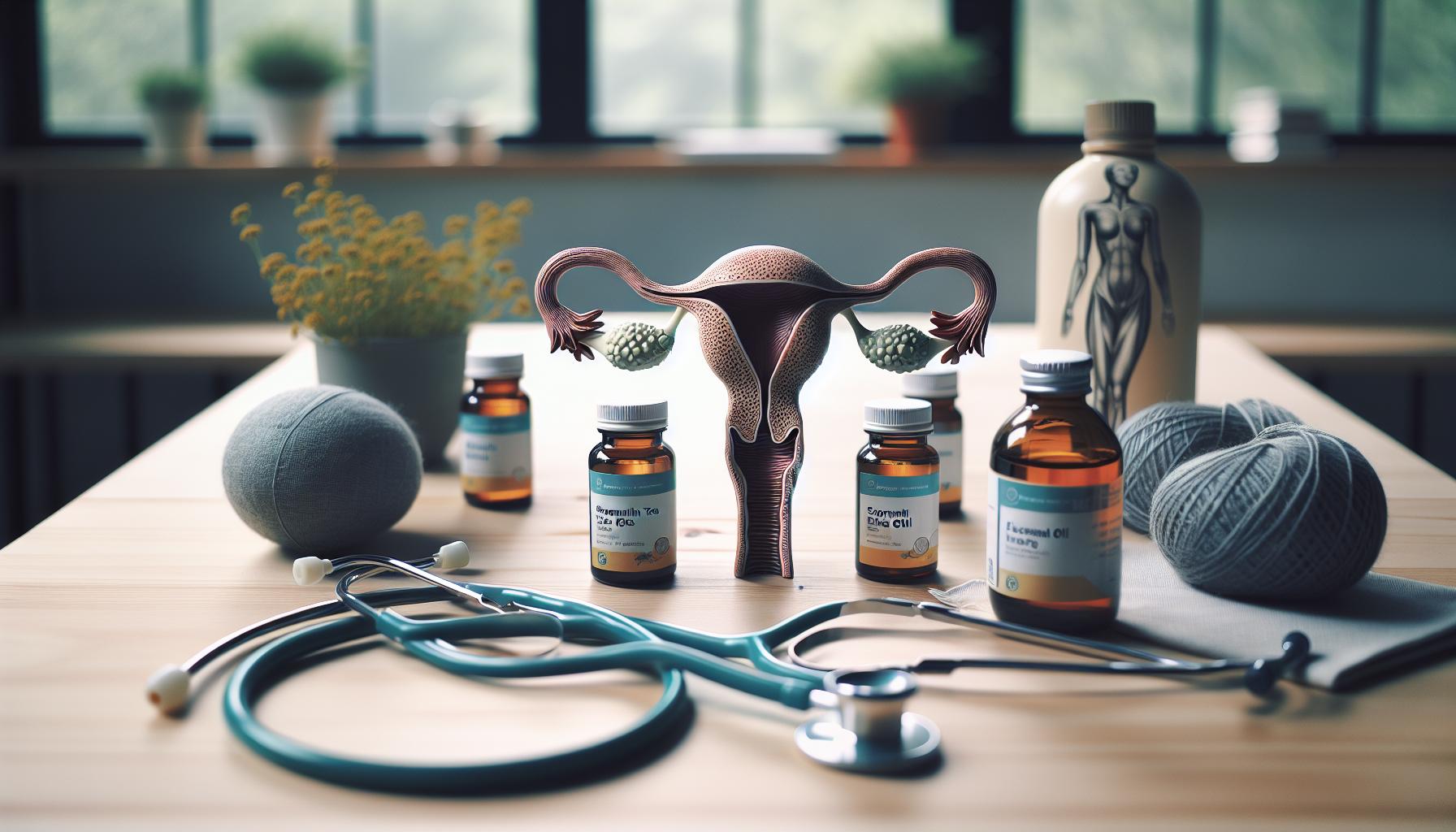
Understanding Polycystic Ovarian Syndrome (PCOS)
Polycystic Ovary Syndrome (PCOS) is a complex endocrine disorder affecting many women during their reproductive years. Characterized by hormonal imbalances, it often goes unrecognized, leading to various health challenges beyond infertility, including metabolic issues and emotional distress. Understanding PCOS requires diving into its multifaceted nature-knowing that its impacts vary widely from one individual to another.
Detecting PCOS typically involves recognizing a range of symptoms that can influence fertility. For many women, the absence of regular ovulation, known as anovulation, is a primary concern. This disruption in ovulation often stems from hormonal imbalances that are central to PCOS. Women may experience irregular menstrual cycles, excessive hair growth, acne, or obesity, all of which can complicate their fertility journey. It’s essential to acknowledge these symptoms without attaching stigma-each woman’s experience is unique, and having PCOS does not automatically mean infertility.
Empowerment through education about PCOS is crucial. Women should be encouraged to track their symptoms, maintain open lines of communication with healthcare providers, and seek out resources tailored to their specific experiences. Options like monitoring lifestyle factors-including diet and exercise-can considerably influence hormonal balance and improve chances of conception, emphasizing that while PCOS is a significant factor in fertility, it doesn’t have to dictate one’s reproductive future.
Those navigating the emotional landscape of PCOS often face feelings of grief and uncertainty. Recognizing the emotional weight of this condition is vital; it’s okay to feel hope and sadness concurrently. Support systems, whether friends, family, or online communities, can provide crucial resources and reassurance amid these struggles, celebrating small victories along the way. Understanding PCOS is a journey-one that requires compassion, patience, and support at every step.
Do All Women with PCOS Face Infertility?
It’s a common misconception that having Polycystic Ovary Syndrome (PCOS) automatically leads to infertility. While it’s true that many women with PCOS face challenges related to ovulation, the reality is nuanced and varies significantly from one individual to another. Not all women with PCOS will experience infertility; in fact, many can conceive naturally. This distinction is crucial for individuals navigating their fertility journeys, as understanding the broader landscape of PCOS can empower them to make informed decisions.
Women with PCOS often struggle with anovulation, which can hinder fertility. Anovulation occurs when the ovaries do not release eggs regularly, leading to irregular menstrual cycles. However, lifestyle adjustments, such as maintaining a healthy weight through diet and exercise, can enhance ovulatory function. In some cases, women with PCOS may experience occasional ovulation and thereby have the potential for natural conception. It’s also important to recognize that fertility is multifactorial; other elements, such as age, overall health, and partner factors, play significant roles.
If infertility does arise, there are numerous medical treatments available. Medications, such as clomiphene citrate, can stimulate ovulation, while assisted reproductive technologies like IVF can also be effective. The key is for women to work closely with healthcare providers who can tailor a treatment plan to their individual needs, ensuring a supportive approach throughout their journey.
Ultimately, while PCOS poses certain challenges, it is not a definitive sentence of infertility. Women are encouraged to stay informed, seek appropriate medical care, and build a strong support network to navigate their unique experiences with PCOS and fertility challenges. The combination of education, proactive health management, and emotional support can significantly enhance their chances of fulfilling their family-building aspirations.
The Connection: Hormones, Ovulation, and Fertility
Many women with Polycystic Ovary Syndrome (PCOS) often grapple with the intricate relationship between hormones, ovulation, and fertility. Understanding this connection is essential, as estrogen and progesterone imbalances can significantly influence a woman’s ability to ovulate. In typical cycles, the body releases an egg every month, but in PCOS, hormonal disruptions can lead to irregular or absent ovulation, known as anovulation. This condition can be linked to higher androgen levels-hormones that can interfere with the normal ovulatory process.
One of the key factors in managing fertility while dealing with PCOS is awareness of personal hormonal patterns. Regular tracking of menstrual cycles, along with observing symptoms such as changes in weight, hair growth, and acne, can provide valuable insight. For instance, maintaining a healthy lifestyle through balanced nutrition and regular exercise can help regulate these hormones. Engaging in moderate physical activity can improve insulin sensitivity, which is crucial, as insulin resistance often accompanies PCOS and can exacerbate hormonal irregularities.
It’s vital to note that how PCOS affects fertility varies among individuals. While some women may find themselves facing significant hurdles, others can conceive naturally without medical intervention. However, for those experiencing challenges, several treatment options exist. Medications like clomiphene citrate can enhance ovulation and aid in conception. For women considering assisted reproductive technologies, understanding the process of in vitro fertilization (IVF) and its potential success rates is essential, as fertility specialists can tailor their approaches based on individual needs and circumstances.
Ultimately, navigating the complexities of hormones, ovulation, and fertility requires a supportive network and open communication with healthcare providers. Recognizing that each person’s journey is unique can empower women to explore their options and find appropriate solutions, fostering hope and resilience in their family-building aspirations.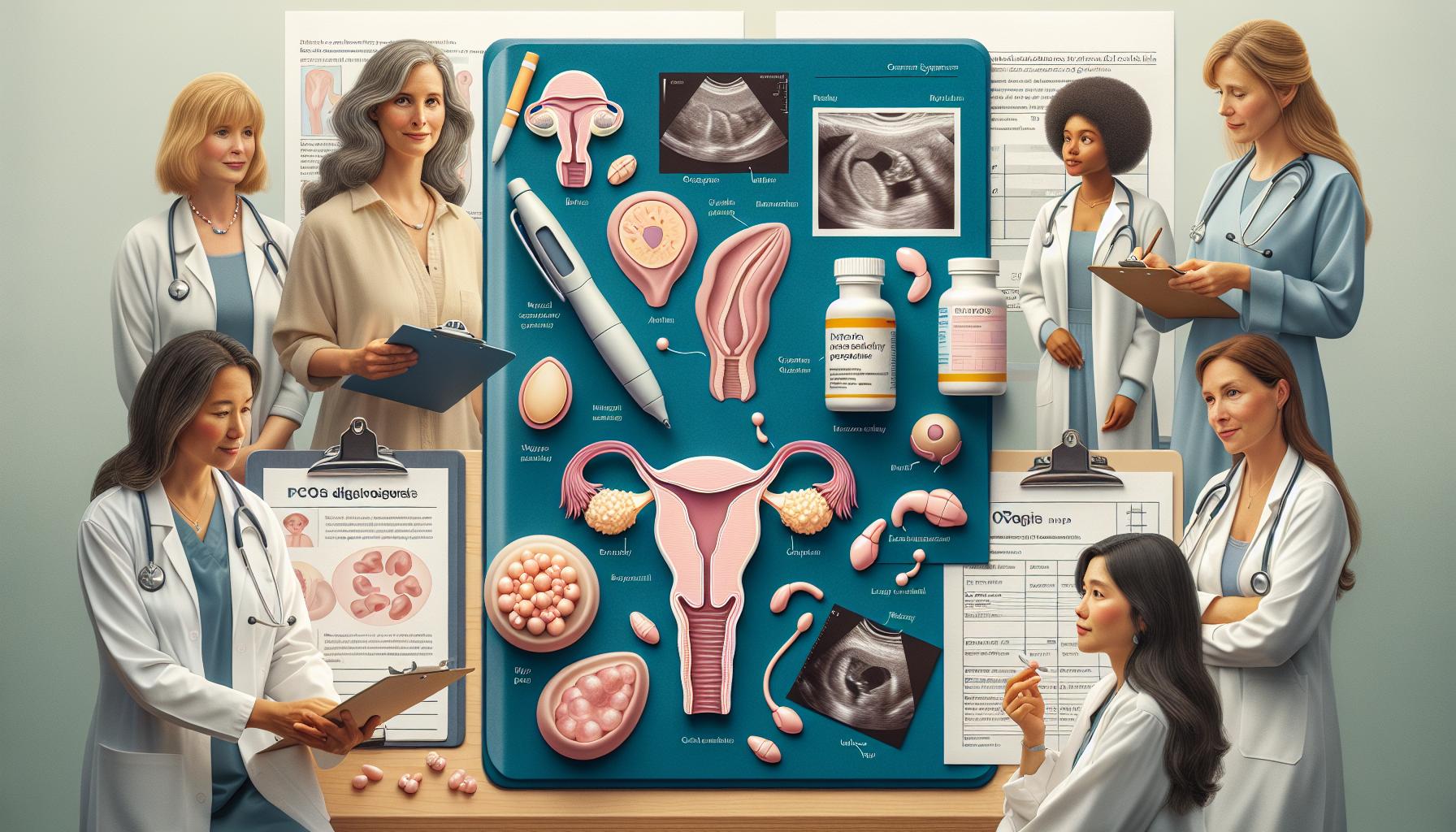
Common Symptoms of PCOS and Their Impact on Fertility
Women with Polycystic Ovary Syndrome (PCOS) encounter a variety of symptoms that can significantly affect their reproductive health and fertility. Understanding these symptoms is crucial to navigating the challenges posed by this condition. While PCOS is characterized by hormonal imbalances, its manifestations can differ widely among individuals. Common symptoms include irregular menstrual cycles, weight gain, excessive hair growth (hirsutism), and acne. These symptoms stem from elevated androgen levels, which can interfere with normal ovulation, often leading to cycles of anovulation.
Irregular menstrual cycles are a hallmark of PCOS, making it difficult for women to predict ovulation and thus plan for conception. Many women experience missed periods or unusually light or heavy flows, which may signal underlying hormonal dysfunction. Hirsutism and acne, also linked to elevated androgens, can add emotional stress and diminish self-esteem, complicating the journey to motherhood. Additionally, weight gain can further exacerbate insulin resistance, a common feature in PCOS that can lead to additional hormonal imbalances and make fertility challenges more pronounced.
To address these symptoms and their impact on fertility, lifestyle changes can play a pivotal role. A balanced diet rich in whole grains, lean proteins, fruits, and vegetables can help regulate insulin levels while supporting overall hormonal health. Regular exercise not only aids in weight management but also enhances insulin sensitivity, improving the chances of regular ovulation. While some women may still face challenges even with these adjustments, proactive monitoring of hormonal patterns and symptoms will empower them to seek timely medical interventions when necessary.
Women navigating the complexities of PCOS and its effects on fertility should feel reassured that there are tailored treatment options available. Medications like clomiphene citrate can stimulate ovulation, while healthcare providers may recommend assisted reproductive technologies like in vitro fertilization (IVF) for those facing significant obstacles. Ultimately, understanding how PCOS impacts fertility is the first step in forging a hopeful path toward family-building, and seeking guidance from supportive healthcare professionals can provide clarity and encouragement throughout this journey.
Exploring Diagnosis: Tests and Evaluations for PCOS
Navigating the diagnosis of Polycystic Ovary Syndrome (PCOS) can be an overwhelming experience. Many women face uncertainty about their reproductive health, especially when it comes to fertility. Engaging with a healthcare provider is the first step toward understanding your body and finding clarity in this complex condition. Diagnosis typically incorporates a combination of medical history, physical examinations, and specific tests designed to assess hormonal balance and ovarian function.
One of the primary diagnostic tools for PCOS is a thorough review of your menstrual cycle and symptoms. Healthcare professionals often perform physical examinations, which may include checking for signs of excess androgen levels such as hirsutism or acne. In addition to these assessments, lab tests are vital in confirming a PCOS diagnosis. Blood tests can measure hormone levels, including androgens, luteinizing hormone (LH), and follicle-stimulating hormone (FSH). These results help indicate whether hormonal imbalances are affecting your cycles.
In some cases, an ultrasound may also be performed. This imaging technique allows doctors to visualize your ovaries and check for the presence of multiple cysts, which is a common characteristic of PCOS. It’s important to note, however, that not all women with PCOS will have cysts; thus, the diagnosis is based on a combination of factors rather than a single test.
Understanding these evaluations should empower you in your journey. While the diagnosis of PCOS can evoke a mix of emotions-regret, anxiety, and hope-remember that this information is invaluable. By identifying PCOS, you and your doctor can work together to create a personalized approach that addresses your unique symptoms and supports your fertility goals. Embrace this as a pivotal moment in your health journey, as knowledge can lead to positive changes and informed decisions.
Lifestyle Changes to Boost Fertility with PCOS
Adopting lifestyle changes can significantly improve fertility outcomes for women with Polycystic Ovary Syndrome (PCOS). One of the most impactful strategies is achieving and maintaining a healthy weight. Studies suggest that even a modest weight loss of 5-10% can enhance insulin sensitivity and restore ovulation in many women with PCOS. This can lead to more regular menstrual cycles and higher chances of conception. Combining healthy eating with regular physical activity is key. Aerobic exercises, strength training, and even yoga can help manage stress and improve overall hormonal balance.
A balanced diet rich in whole foods can further support fertility. Focus on incorporating a variety of fruits, vegetables, whole grains, and lean proteins. Reducing refined carbohydrates and sugars can help stabilize blood sugar levels, which is crucial since many women with PCOS struggle with insulin resistance. Consider including foods high in omega-3 fatty acids, such as fish, flaxseeds, and walnuts, as these can help reduce inflammation.
Additionally, prioritizing mental health cannot be overlooked. The emotional aspect of managing PCOS and its effects on fertility can be overwhelming. Practices such as mindfulness meditation, journaling, or engaging in therapy can provide valuable support. Surrounding yourself with a strong support network, whether that be friends, family, or online communities, can create a sense of belonging and understanding during this journey.
Finally, ensure you are having regular check-ups with healthcare professionals who are knowledgeable about PCOS. They can offer tailored advice, monitor your progress, and adjust your treatment plan as necessary. Empower yourself with knowledge and take proactive steps to improve your fertility journey with PCOS. Small changes can lead to significant results, boosting not just your health and fertility, but also your overall quality of life.
Medical Treatments: Options for Managing PCOS and Infertility
Managing Polycystic Ovary Syndrome (PCOS) and its effects on fertility can feel overwhelming, but there are a variety of effective medical treatments available. These options can help regulate hormonal imbalances, improve ovulation, and ultimately enhance the chances of conception. Understanding these treatments can empower you on your journey towards building a family.
Medications to Regulate Hormones
Many women with PCOS struggle with irregular menstrual cycles due to hormonal disruptions. Medications such as oral contraceptives are commonly prescribed to help regulate menstrual cycles and decrease androgen levels, which can improve symptoms like hirsutism (excess hair growth). Another option, metformin, is often used to address insulin resistance. It can aid in weight management and may help restore ovulation for women who are insulin resistant, further enhancing fertility.
Inducing Ovulation
For those primarily affected by anovulation (the absence of ovulation), ovulation-inducing medications can be life-changing. Clomiphene citrate is FDA-approved and typically the first line of treatment for inducing ovulation. If clomiphene is ineffective, options such as letrozole or gonadotropins (hormones administered via injection) may be explored. These medications can increase the likelihood of ovulation and conception, but monitoring by a fertility specialist is essential to avoid complications like ovarian hyperstimulation syndrome (OHSS) and multiple pregnancies.
Advanced Reproductive Technologies
If medications alone do not lead to success, assisted reproductive technologies may be recommended. In vitro fertilization (IVF) is a well-known option where eggs are retrieved, fertilized in a lab, and then implanted into the uterus. Success rates for IVF can vary based on age and individual circumstances but are generally about 40% for women under 35. Intrauterine insemination (IUI) is another approach where sperm is directly placed into the uterus during ovulation, increasing the chances of fertilization.
Cost and Insurance Considerations
The cost of treatments can range significantly, with medications possibly costing anywhere from a few hundred to several thousand dollars per cycle, depending on the regimen and insurance coverage. It’s crucial to discuss financial aspects with your healthcare provider and explore insurance options, as some plans may cover specific treatments or medications used for fertility with PCOS.
In summary, embracing a comprehensive treatment plan tailored to your body’s needs can significantly influence your fertility journey. Consider seeking support from a fertility specialist who understands the complexities of PCOS, as they can guide you through the array of medical treatments available and provide emotional support as you navigate this challenging path. Always remember that each step, no matter how small, brings you closer to your goal of family-building.
A Closer Look at Fertility Treatments: IVF and Beyond
Many women with Polycystic Ovary Syndrome (PCOS) find themselves on an emotional rollercoaster when navigating their fertility journey. It’s essential to understand that while PCOS can be associated with infertility due to hormonal imbalances and irregular ovulation, there are advanced reproductive technologies available that offer hope and multiple pathways to parenthood. In vitro fertilization (IVF) stands out as a common option that many couples may consider when other treatments haven’t succeeded.
Understanding IVF
IVF involves several steps, starting with ovarian stimulation through medication to encourage multiple follicles to develop. The eggs are then retrieved in a minor surgical procedure, which can be daunting yet typically straightforward. After retrieval, the eggs are fertilized with sperm in a laboratory setting. The resulting embryos are monitored for development before being transferred into the uterus. Success rates vary, often hovering around 40% for women under 35, but factors such as age, health, and individual circumstances can influence these numbers significantly.
Considering the cost of IVF, it’s crucial to note that each cycle can range from $12,000 to $15,000 or more, excluding medications. Financial talks with a fertility specialist should include potential insurance coverage-some plans may partially reimburse costs associated with IVF or medications.
Alternative Options: IUI and Beyond
For couples who may not be ready for IVF, intrauterine insemination (IUI) represents another avenue. This less invasive procedure involves placing sperm directly into the uterus around the time of ovulation, increasing the chances of conception. IUI is often used in cases of mild male factor infertility or unexplained infertility, and its costs are generally lower, making it an accessible option.
Navigating the Emotional Terrain
Embarking on fertility treatments can provoke a mixed bag of emotions-hope, anxiety, frustration, and grief are all common feelings experienced by those trying to conceive with PCOS. Each treatment cycle, whether a success or not, carries the weight of anticipation and disappointment. It’s vital to celebrate small victories, such as responding well to medication or having a successful egg retrieval, while also allowing space for difficult feelings. Seeking support, whether through counseling or support groups, can provide a comforting network of understanding during this challenging time.
In summary, understanding the various fertility treatments, such as IVF and IUI, can empower women with PCOS to make informed choices about their family-building journeys. Finding a compassionate fertility specialist who respects your individual path-be it IVF, IUI, or alternative options-can make all the difference in this personal and profound journey toward parenthood.
Navigating the Emotional Journey of PCOS and Infertility
Navigating the path of infertility is often a deeply emotional journey, especially for women with Polycystic Ovary Syndrome (PCOS). Understanding that this condition can impact hormonal balance and ovulation can be daunting, but it’s crucial to remember that not all women with PCOS face infertility. Many women ultimately achieve their dream of parenthood, but the emotional toll of this journey can be profound. The fluctuating hopes and fears, coupled with the trials of treatments like IVF or IUI, can leave women feeling vulnerable and isolated.
Coping with Emotional Ups and Downs
The process of trying to conceive, particularly with PCOS, can stir a complex mix of emotions: hope, frustration, anxiety, and perhaps even grief. Celebrating small milestones, such as improved reactions to medications or successful egg retrievals, is essential in maintaining a positive outlook. However, it’s equally important to acknowledge and validate feelings of disappointment when cycles don’t go as planned. Connecting with support groups, whether in-person or online, can create a sense of camaraderie and understanding, allowing women to share their experiences and feelings in a non-judgmental environment.
Seeking Professional Support
Professional guidance can also play a vital role in managing the emotional complexities of infertility. Fertility specialists are not just medical practitioners; they can be empathetic allies in your journey, helping to navigate treatment options, provide emotional support, and adjust plans as needed. Therapy, mindfulness, or stress management techniques are worth exploring, as these can equip women with tools to cope with the stresses of infertility and empower them along the way.
In this journey, remember that you are not alone. Your feelings are valid, and taking care of your emotional well-being is just as important as managing the physical aspects of PCOS.
Alternative Approaches: Diet, Exercise, and Supplements
Making informed choices about diet, exercise, and supplements can significantly influence the management of Polycystic Ovary Syndrome (PCOS) and its impact on fertility. While lifestyle modifications are not a cure-all, they can lead to improved hormonal balance and better overall reproductive health.
Dietary Adjustments
Adopting a diet that supports hormonal regulation is crucial for women with PCOS. A balanced diet rich in whole foods can help manage insulin levels, one of the key factors in PCOS. Focus on including:
- Lean Proteins: Incorporate sources such as chicken, fish, beans, and legumes, which can help stabilize blood sugar levels.
- Whole Grains: Choose brown rice, quinoa, and whole-grain bread to ensure you receive fiber and essential nutrients.
- Fruits and Vegetables: Aim for a variety of colorful options that provide antioxidants and vitamins.
- Healthy Fats: Avocados, nuts, and olive oil can promote heart health and support hormonal functions.
Reducing high-glycemic-index foods, such as white bread and sugary snacks, may also be beneficial. Instead, opt for complex carbohydrates that digest slower, helping to maintain stable insulin levels.
Exercise Recommendations
Regular physical activity is another cornerstone in the management of PCOS. Aim for at least 150 minutes of moderate-intensity exercise each week. This can include:
- Aerobic Activities: Walking, cycling, and swimming can help improve cardiovascular health and assist in weight management.
- Strength Training: Incorporating weight lifting two to three times per week can increase muscle mass, which in turn helps to improve insulin sensitivity.
Engaging in activities that you enjoy encourages consistency and eases the journey through the emotional ups and downs of fertility treatments.
Supplements to Consider
Certain supplements may provide additional support for women with PCOS. While it’s essential to consult with a healthcare provider before beginning any regimen, some options that are frequently considered include:
- Inositol: This naturally occurring carbohydrate can improve insulin sensitivity and ovarian function.
- Omega-3 Fatty Acids: Found in fish oil, these can help reduce inflammation and may support hormonal balance.
- Vitamin D: Deficiency is common in women with PCOS; supplementation might improve metabolic factors.
- Magnesium: This mineral can help regulate insulin levels and improve overall metabolic health.
Integrating these lifestyle changes can be empowering for women navigating PCOS and its challenges. Not only do they provide physical benefits, but they also contribute to better emotional well-being by giving individuals a greater sense of control over their health. Remember, while dietary and lifestyle strategies can enhance your journey, they work best alongside professional guidance tailored to your unique circumstances.
When to Seek Help: Finding the Right Fertility Specialist
Finding the right fertility specialist can feel like a daunting task, especially in the midst of navigating the complexities of Polycystic Ovary Syndrome (PCOS) and its potential impact on fertility. It’s important to recognize that seeking help is not just an act of desperation, but a proactive step toward understanding and managing your reproductive health. The right specialist will be your partner, guiding you through the emotional and physical challenges of this journey.
When considering a fertility specialist, look for someone who specializes in PCOS and has experience treating patients with similar concerns. Start by asking for referrals from your primary care physician or gynecologist. Research potential specialists, paying attention to their credentials, experience, and approach to treatment. Checking reviews or testimonials from other patients can provide insight into their style and success rates. Look for a clinic that offers comprehensive services, including diagnostic testing, treatment planning, and emotional support options.
Don’t hesitate to ask questions during your initial consultation. Understand their approach to treatment-do they emphasize lifestyle changes alongside medical interventions? What are the success rates for patients with PCOS undergoing similar treatments? Being transparent about costs and insurance coverage is crucial; knowing the financial implications upfront can help you plan your approach and reduce stress. A supportive specialist will also respect your individual wishes, whether you are considering options like IVF, intrauterine insemination (IUI), or even adoption.
As you embark on this emotional journey, remember that it’s perfectly normal to experience a range of feelings from hope to anxiety. A good fertility specialist will validate these emotions and help celebrate small milestones along the way. By fostering a supportive environment that respects your beliefs and values, the right expert can be an invaluable resource as you navigate the complexities of PCOS and your fertility goals. Trust that asking for help is a step toward empowerment in your journey to build the family you envision.
Support Networks and Resources for PCOS Patients
Navigating life with Polycystic Ovary Syndrome (PCOS) can be daunting, but you don’t have to walk this path alone. Establishing connections with support networks and resources can be a pivotal part of managing not only the symptoms of PCOS but also the emotional turmoil often associated with infertility. Various platforms can provide missed connection, understanding, and shared experiences, all crucial in this journey.
One invaluable resource is support groups, both in-person and online. These spaces allow individuals dealing with PCOS to share their stories, provide empathy, and exchange practical advice. Online platforms like Facebook and Reddit offer forums where discussions span everything from coping strategies to treatment options, creating a sense of community. Attending local meetups can also facilitate connections with others who understand the challenges faced. Patient-led advocacy groups, such as the PCOS Challenge, offer webinars, articles, and resources tailored specifically for those with PCOS, providing a wealth of information from a relatable perspective.
In addition to emotional support, consider seeking information from medical professionals who specialize in PCOS. Many clinics offer informational sessions, not only on the medical aspects but also on the psychological impacts of the syndrome. This dual approach allows patients to address both their reproductive health and their emotional wellbeing.
Moreover, there are a variety of educational resources available. Websites from reputable organizations like the National Institute of Child Health and Human Development (NICHD) offer comprehensive guides about PCOS, including symptoms, treatment options, and lifestyle recommendations. Engaging with these resources can empower individuals to play an active role in their healthcare decisions.
Lastly, online courses and workshops that focus on holistic approaches-such as nutrition, exercise, and mindfulness-can provide practical strategies to manage symptoms and improve quality of life. These programs often include expert advice and community interaction, fostering a supportive environment that extends beyond traditional healthcare settings.
Finding support tailored to your needs and experiences with PCOS can alleviate feelings of isolation and help you navigate the complexities of fertility and reproductive health with greater confidence and reassurance.
FAQ
Q: Does having polycystic ovaries mean I will always be infertile?
A: No, having polycystic ovaries does not guarantee infertility. While many women with PCOS may experience anovulation, which can lead to fertility issues, many can conceive naturally or with treatment. It’s important to consult with a specialist for personalized evaluation and management.
Q: What are the chances of getting pregnant with PCOS?
A: Women with PCOS have varying chances of getting pregnant, often depending on factors like age, weight, and the regularity of menstrual cycles. With appropriate lifestyle changes or medical treatments like ovulation induction, many women with PCOS can achieve pregnancy.
Q: How does PCOS affect ovulation?
A: PCOS can disrupt hormonal balance, leading to irregular or absent ovulation. This occurs due to insulin resistance and hormonal fluctuations, which interfere with the normal ovarian cycle. Tracking ovulation can help identify fertile periods.
Q: What lifestyle changes can improve fertility in PCOS?
A: Lifestyle changes such as maintaining a healthy weight, exercising regularly, and following a balanced diet can improve ovulatory function and enhance fertility in women with PCOS. These changes also help manage insulin resistance.
Q: What medical treatments are available for PCOS-related infertility?
A: Medical treatments may include ovulation induction drugs such as Clomiphene citrate or Letrozole, and fertility treatments like IVF. These options can help stimulate ovulation and increase the chances of conception.
Q: Can alternative therapies help with PCOS and infertility?
A: Some women find that alternative therapies like acupuncture, dietary supplements, and specific diets (like the Mediterranean diet) can support fertility and manage PCOS symptoms. Always consult your healthcare provider before starting any new treatment.
Q: When should I seek help for fertility if I have PCOS?
A: If you have been trying to conceive for over 12 months without success, it’s advisable to seek help. A fertility specialist can assess your situation and recommend appropriate tests and treatments tailored to your needs.
Q: How can support networks help those with PCOS and infertility?
A: Support networks can provide emotional support, resources, and shared experiences from others facing similar challenges with PCOS and infertility. These communities can be found online or through local meetups, fostering connection and understanding.
Closing Remarks
As we’ve explored, having polycystic ovaries doesn’t automatically mean infertility. Understanding PCOS is crucial to navigating your reproductive health journey. If you have lingering questions or concerns, take action now by exploring our resources on managing PCOS and fertility. Check out our articles on IVF and alternative family-building options, which can provide further insight into your possibilities.
Additionally, consider signing up for our newsletter to stay updated with essential tips and the latest research on fertility and PCOS management. You’re not alone in this journey-many have faced similar challenges, and by reaching out, you gain access to a supportive community and valuable tools to help you through. Remember, each step you take is a step towards understanding and empowering your health. Let’s continue this conversation and explore the ways we can support your journey together.