If your fallopian tubes are tied, you might be wondering if IVF is still an option for you. The good news is that IVF (in vitro fertilization) can bypass the need for open fallopian tubes, offering hope to many in their family-building journey. This treatment involves retrieving eggs directly from the ovaries and fertilizing them in a lab before transferring the embryos to the uterus, making it a viable solution for those with prior tubal ligation. Understanding your options can feel overwhelming, especially when navigating the emotions tied to fertility challenges. In this article, we’ll explore how IVF can still provide a pathway to parenthood, discuss the success rates, costs, and what you can expect throughout the process. Each step brings you closer to realizing your dreams of having a family, and we’re here to support you through it all. Let’s dive deeper into how this can work for you and address the questions that may arise along the way.
Can IVF Still Work with Tied Fallopian Tubes?
In vitro fertilization (IVF) can still be a viable option for individuals or couples with tied fallopian tubes. This reproductive technology bypasses the need for the fallopian tubes altogether, allowing for the successful conception of a child even when natural pathways are obstructed. When the fallopian tubes are tied, which is often done as a form of permanent birth control through a procedure called tubal ligation, the eggs released from the ovaries cannot meet the sperm in the tubes. However, during IVF, eggs are retrieved directly from the ovaries, and fertilization occurs in a laboratory setting. The resulting embryos are then carefully selected and transferred into the uterus, making the condition of the fallopian tubes irrelevant.
Many people considering IVF after tubal ligation often have concerns about the procedure’s effectiveness and the associated emotional and financial implications. It’s essential to understand that the success rates of IVF can vary based on multiple factors, including age, hormonal health, egg quality, and overall reproductive health. In general, women under 35 have higher success rates, but advancements in fertility treatments continue to offer hope even for older individuals. Engaging with a skilled fertility specialist can help tailor a plan that suits your specific situation and needs, ensuring that any underlying issues are addressed.
Moreover, IVF presents opportunities to navigate emotional challenges that accompany infertility struggles. Many individuals or couples may feel a mix of grief and hope regarding the journey to parenthood. A supportive environment that includes counseling and support groups can provide the needed emotional wrapped to proceed in this complex process. Remember, it’s important to acknowledge your feelings and seek help when needed; this journey is unique for everyone, and there are community resources available to help navigate the emotional landscape of fertility treatments.
When considering IVF after tubal ligation, it’s crucial to discuss all options, including potential additional fertility treatments like intrauterine insemination (IUI) or the possibility of reversals, which may not always be successful or appropriate for every individual. Ultimately, understanding that IVF is an effective pathway to parenthood, even with tied tubes, can empower you on this journey. You’re not alone; let your reproductive health team walk alongside you, ensuring a clear understanding of your options every step of the way.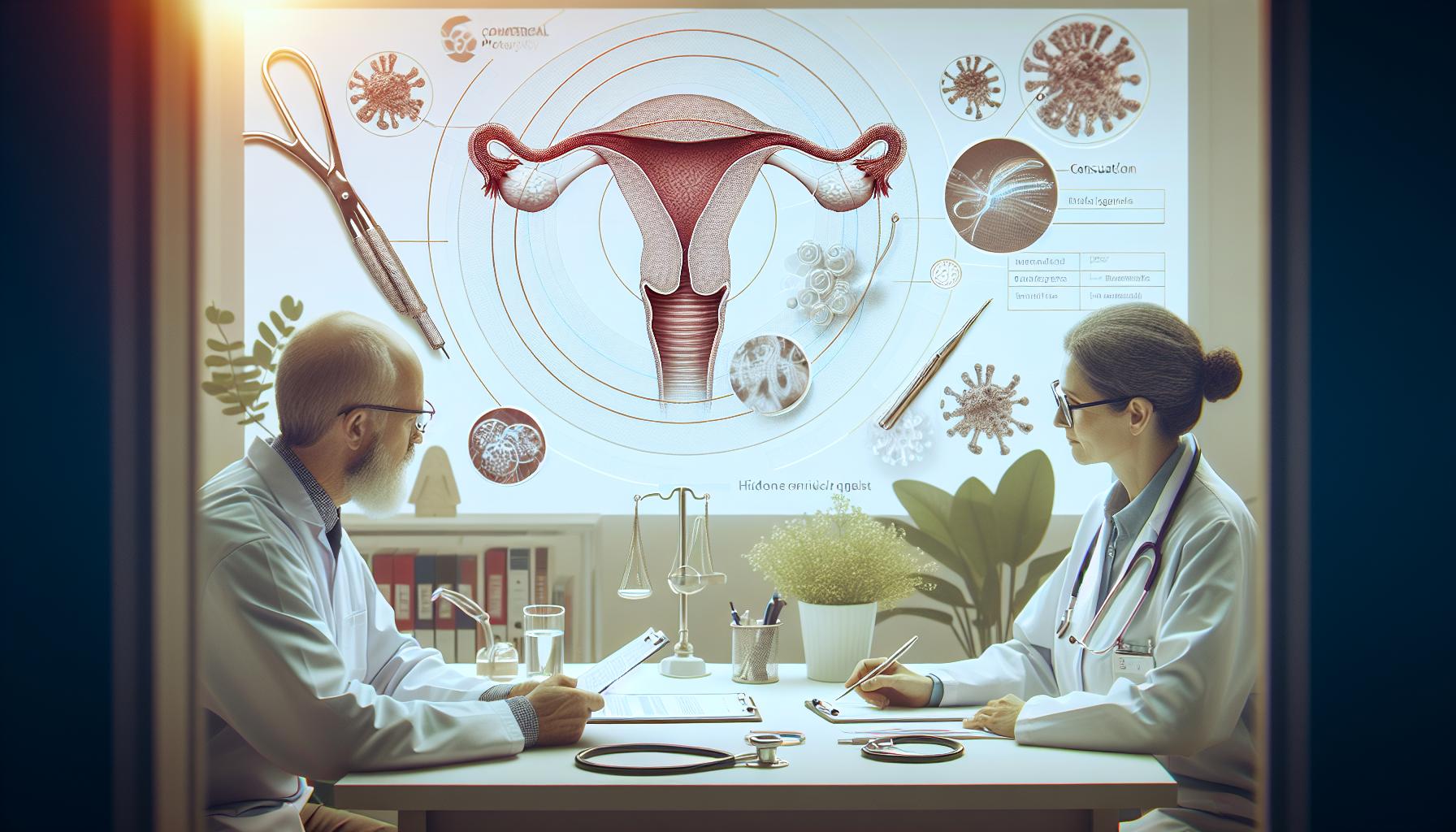
Understanding Tubal Ligation and Fertility
In understanding how tubal ligation impacts fertility, it’s important to recognize its purpose and procedure. Tubal ligation is often chosen as a form of permanent birth control, where the fallopian tubes are either blocked or cut to prevent eggs from meeting sperm. This leads to the assumption that conception might be impossible following the procedure. However, this isn’t the end of the road for those wishing to conceive. In vitro fertilization (IVF) can still be a viable option.
With IVF, the process circumvents the need for the fallopian tubes altogether. Unlike natural conception, where sperm must travel through the tubes to fertilize an egg, IVF retrieves eggs directly from the ovaries. These eggs are then fertilized outside the body in a controlled laboratory environment. Once viable embryos develop, they are transferred directly into the uterus, effectively bypassing the fallopian tubes. This means that for individuals who have undergone tubal ligation, their chances of becoming parents are still very much alive.
While IVF is a beacon of hope, it comes with its own set of challenges and considerations. Individuals should be aware that success rates can vary significantly based on factors such as age, hormonal balance, and overall reproductive health. For instance, younger women typically enjoy higher success rates. It’s also vital to have honest discussions with a fertility specialist who can assess your unique situation and tailor a plan that enhances your chances for success.
Those with a tubal ligation may also experience a range of emotions while navigating their fertility journey. Feelings of grief, hope, and uncertainty can oscillate as individuals confront the realities of their situation. It’s crucial to recognize these emotions and seek appropriate support, whether through counseling or support groups. Celebrating small milestones along the way and having an empathetic reproductive health team can make a significant difference in how you cope with this deeply personal journey. Remember, you’re not alone in this endeavor; there are pathways to parenthood that remain open even after tubal ligation.
The IVF Process: What You Need to Know
In vitro fertilization (IVF) offers a beacon of hope for individuals with tied fallopian tubes who wish to conceive. The IVF process is structured and intricate, designed to maximize the chances of pregnancy while navigating the complexities of fertility challenges. Understanding this process can demystify what lies ahead and empower you as you embark on this journey.
The IVF journey begins with ovarian stimulation, where hormonal medications encourage the ovaries to produce multiple eggs. Monitoring during this stage is critical, and it usually involves blood tests and ultrasounds to track follicle growth. Once the eggs are ready, the next step is egg retrieval, a minimally invasive procedure performed under sedation. A thin needle is guided through the vaginal wall to collect the mature eggs directly from the ovaries.
After retrieval, the eggs are combined with sperm in a lab setting. This fusion aims to create viable embryos, which are then monitored for development. Depending on quality and development, one or more embryos will be selected for transfer into the uterus, a pivotal moment in the IVF process. This transfer occurs through a simple catheter, eliminating the need for functioning fallopian tubes. Importantly, there are also options for freezing any leftover embryos for future use, offering additional flexibility in family planning.
It’s crucial to recognize that while IVF is a hopeful path, its success rates can fluctuate based on various factors, including age, reproductive health, and specific fertility issues. Discussing these aspects with your fertility specialist can provide tailored insights and manage expectations effectively. Also, the financial commitment for IVF can be significant and varies greatly depending on the clinic and location, so it’s wise to explore insurance options and financing plans before starting your journey.
Navigating IVF can stir a range of emotions-hope mixed with anxiety-is entirely normal as you deal with the realities of treatment. Remember to seek support, whether through counseling, support groups, or friendships, as you navigate this deeply personal experience. Each step toward parenthood is a milestone worthy of acknowledgment, even in moments of uncertainty.
Success Rates of IVF After Tubal Ligation
Overcoming the challenges of a tubal ligation can feel daunting, but in vitro fertilization (IVF) offers a considerable chance for successful conception, even for individuals with blocked or tied fallopian tubes. The key to understanding success rates lies in recognizing that IVF bypasses the fallopian tubes entirely by directly implanting embryos into the uterus, a crucial detail for those considering this method after tubal ligation.
While statistics can vary, many studies indicate that IVF success rates for women with a history of tubal ligation are comparable to those of women who have not undergone the procedure. According to the American Society for Reproductive Medicine, the overall success rate of IVF can be around 40% for women under 35, gradually decreasing with age. For women in their late 30s to early 40s, the success rates can be around 30-20%, depending on individual health factors. Factors influencing these success rates include the age of the woman, the quality of the embryos, and the specific fertility challenges being faced.
It’s also essential to consider the type of tubal ligation performed. In some cases, if a reversal is not a viable option or if the woman does not wish to have surgery, IVF becomes an excellent alternative. The psychological and emotional weight of this journey can be profound; it’s crucial to understand that every individual’s experience is unique, and maintaining realistic expectations while celebrating small milestones can be comforting.
In summary, while IVF offers hope and a pathway to parenthood after tubal ligation, it’s vital to have open discussions with your fertility specialist about personal health factors and what realistic success rates may look like for you. This not only helps in setting expectations but also provides the emotional support needed throughout the IVF process.
Alternate Fertility Treatments: Options Beyond IVF
Exploring alternative fertility treatments can provide hope and options for individuals considering their family-building journey, especially when faced with the challenges of a previous tubal ligation. While IVF is a well-known choice, there are several other strategies to consider, each with its unique benefits and considerations.
Intrauterine Insemination (IUI)
One of the less invasive options available is intrauterine insemination (IUI). This procedure involves placing sperm directly into a woman’s uterus around the time of ovulation, increasing the chances of fertilization. IUI can be a suitable choice for those with mild fertility issues and is often less expensive than IVF. However, it is important to note that individuals with tied fallopian tubes may experience lower success rates with IUI compared to IVF, as IUI still relies on the natural passage of sperm through the fallopian tubes for fertilization.
Fertility Medications
Fertility medications such as Clomiphene citrate (Clomid) and Letrozole are often used to stimulate ovulation. These can be administered in combination with IUI or as standalone treatments. These medications might help enhance follicle development and increase the chances of conception. It is essential to work closely with a fertility specialist to monitor responses to medication and to avoid complications such as ovarian hyperstimulation syndrome (OHSS).
Adoption and Surrogacy
For some, the path to parenthood may not solely rely on biological means. Adoption offers a fulfilling way to grow a family, providing a wonderful opportunity to share love and stability with a child in need. Surrogacy, on the other hand, is another viable option for those wanting to experience pregnancy without directly using their own uterus. This involves a surrogate carrying the pregnancy to term, allowing the intended parents to be part of the process.
Emotional Considerations
Navigating the landscape of alternative fertility treatments requires emotional resilience. It’s crucial to acknowledge the complexities of grief, hope, and uncertainty that often accompany the journey of conception. An empathetic approach to every decision made, whether it’s choosing IUI, fertility meds, or exploring adoption, can lead to a healthier emotional experience. Finding support through counseling or support groups can be incredibly beneficial during this time, offering a space to share fears, dreams, and hurdles with those who understand.
Each individual’s journey is unique, and what works for one may not be suitable for another. Understanding all available options and engaging in open discussions with a fertility specialist can empower those facing fertility challenges, ensuring that they feel supported and informed every step of the way.
Addressing Common Concerns About IVF
For many individuals considering IVF after having their tubes tied, concerns regarding the efficacy and safety of the procedure often arise. It’s essential to know that in vitro fertilization is designed specifically for scenarios like these. Since the ovaries are still capable of producing eggs, IVF can effectively bypass the fallopian tubes entirely. This method allows for egg retrieval, fertilization in a lab, and subsequent embryo transfer directly into the uterus, making it a viable option even with a previous tubal ligation.
Common worries include the potential for success and the overall process. The average success rates of IVF can vary explicitly depending on factors such as age, hormonal balance, and the quality of eggs and sperm. Statistics often show higher success rates for younger women and those with good ovarian reserve. Additionally, understanding the emotional aspects of this journey is crucial; feelings of anxiety and uncertainty are normal. Open discussions with healthcare professionals regarding potential outcomes and emotional support resources can alleviate some of these concerns.
It’s also important to recognize the financial implications of IVF. The costs can vary widely, often ranging from $10,000 to $15,000 per cycle, and insurance coverage may not be guaranteed. Investigating your insurance policy and discussing financing options with clinics can provide clarity on budgeting for these treatments. While the process may seem daunting, coupling practical steps for financial planning alongside emotional support can create a more manageable pathway toward parenthood.
If you’re navigating the complexities of fertility treatments following a tubal ligation, remember that many have succeeded through IVF. Your path may be uniquely challenging, but numerous resources and support networks are available to help you through each stage.
Financial Aspects of IVF: Costs and Insurance
The financial landscape of in vitro fertilization (IVF) can often feel like a rollercoaster of emotions, particularly for those considering it after a tubal ligation. Understanding the costs and potential insurance coverage is crucial in navigating this journey. On average, the expenses associated with an IVF cycle can range from $10,000 to $15,000, depending on various factors such as the clinic, the complexity of the case, and the geographical location. Be mindful that these figures are typically for one cycle, and many individuals may require multiple attempts to achieve a successful pregnancy, which can lead to significant overall costs.
Insurance Coverage and Financial Planning
When it comes to insurance, the realities can be both hopeful and complicated. Not all insurance plans cover IVF, and the extent of coverage can vary widely. Some may offer full coverage for IVF treatments, while others may only cover a portion or none at all. It’s essential to thoroughly review your insurance policy for specific details regarding infertility treatment coverage. Engaging directly with your insurer can clarify what is included. Here are a few steps to consider:
- Check Your Policy: Review your health insurance plan to understand what fertility treatments are covered.
- Contact Your Insurance Provider: Ask specific questions about coverage for IVF, testing, medications, and any related procedures.
- Documentation: Maintain all medical records and receipts, as you may need these for reimbursement or coverage validation.
In addition to insurance, many clinics offer financing options, which can ease the financial burden. These may include payment plans, loans specifically designed for medical procedures, or even treatment discount programs. Always inquire about potential financial assistance programs at your chosen fertility clinic; many are committed to helping patients navigate these costs.
Real-World Considerations
It’s also worth considering the emotional impact of financial stress during this journey. Many individuals find themselves in a difficult position, balancing hope with financial constraints. It’s important to recognize that these feelings are valid. Seek support from family, friends, or even professional counselors specialized in reproductive health. Celebrating small milestones throughout this process can provide emotional boosts, giving you strength to move forward despite the challenges.
While the IVF journey can be financially daunting, understanding the costs and exploring your options can ultimately empower your decisions. You’re not alone in this process, and many resources are available to support you through every step towards parenthood.
Preparing for IVF: Essential Steps and Timeline
The journey to preparing for in vitro fertilization (IVF) after a tubal ligation can be both exciting and daunting. Understanding the steps involved is crucial for managing expectations and embracing the journey ahead. Generally, the preparation can be broken down into several key areas, ensuring that you are well-informed and emotionally supported each step of the way.
First, a thorough consultation with a fertility specialist is essential. This will involve discussing your medical history, including your tubal ligation, and any other relevant health factors. The doctor might conduct initial tests such as hormone level assessments or ultrasound examinations to evaluate your ovaries and reproductive health. This helps tailor the IVF protocol to your specific needs.
Next comes the medication phase, during which you will begin hormone treatments to stimulate your ovaries to produce multiple eggs (follicles). Typically, this process spans about 10 to 14 days, during which you will have regular monitoring through blood tests and ultrasounds to track your response to the medication. Keeping a calendar to manage appointments and medication schedules can help minimize any stress during this time.
When your eggs are ready, the next step is the egg retrieval procedure. This outpatient procedure is done under sedation, and it’s typically quick, taking about 20 to 30 minutes. Following retrieval, the eggs will be fertilized either through conventional IVF or intracytoplasmic sperm injection (ICSI), depending on your circumstance.
Following fertilization, several days of monitoring will occur to assess embryo development. If successful, the best quality embryos will be transferred to your uterus, usually around three to five days after retrieval. Remember, knowing that this timeline can be intense provides context for your emotional journey. It’s perfectly normal to experience a range of feelings-hope, anxiety, and uncertainty-at various stages.
No matter where you are on your fertility journey, know that support is essential. Connect with friends, family, or support groups-sharing your experiences can help alleviate some of the emotional burdens. Preparing for IVF involves not just medical readiness but also building a supportive network to help you through this transformative experience.
Emotional Support During Your Fertility Journey
The emotional landscape of the fertility journey can feel overwhelming, especially for those considering IVF after a tubal ligation. It’s common to experience a whirlwind of emotions-anticipation, anxiety, hope, and even grief. Acknowledging and validating these feelings is the first step in finding the emotional support you need.
Building a strong support network is essential. Surround yourself with friends, family, or support groups where you can share experiences and feelings without judgment. Remember, you’re not alone in this journey; countless individuals and couples have navigated similar challenges, and connecting with them can provide comfort and perspective. Online forums and local meet-up groups can be invaluable resources for sharing stories and coping strategies.
Moreover, consider engaging with a mental health professional specializing in reproductive health. These professionals can offer coping mechanisms tailored to your unique experience, helping you manage stress and emotions more effectively. Techniques such as mindfulness, journaling, or creative expression can also serve as outlets for your feelings, allowing you to process the ups and downs rather than bottling them up.
As you embark on this path, celebrate the small victories along the way, such as successfully completing hormone treatments or positive test results. Each step brings you closer to your goal and deserves recognition. Acknowledging these milestones can foster a sense of agency and empowerment in an often uncertain journey. Remember, it’s perfectly okay to seek help, ask questions, and voice your concerns-your emotional well-being is just as important as the medical aspects of your treatment.
Coping with the Stress of Infertility
The journey through infertility can often feel like a winding road filled with uncertainty and emotional turbulence. Understanding how to cope with the stress of this journey, especially when considering IVF after a tubal ligation, is crucial. Acknowledging the weight of grief, anxiety, and hope inherent in this process can empower you to seek support and navigate your feelings effectively.
Surrounding yourself with a thoughtful support network can be immensely beneficial. This includes not just friends and family but also support groups where you can freely share experiences and emotions without fear of judgment. The connection with others who understand your struggles can provide a sense of belonging and resilience. Consider joining local or online fertility forums to exchange stories and coping strategies with those facing similar challenges.
Employing mindfulness techniques can serve as a practical tool to manage stress. Methods such as meditation, deep-breathing exercises, or even gentle yoga can help center your thoughts and reduce feelings of anxiety. Journaling about your journey can also be a therapeutic outlet; documenting your feelings allows for self-reflection and encourages processing the complex emotions of infertility. Additionally, professional counseling can offer tailored coping mechanisms to reinforce your emotional resilience.
As you confront the ups and downs of fertility treatments, it’s essential to celebrate the small victories, be it completing hormone treatments or experiencing encouraging test results. Each achievement, however minor it may seem in the grand scheme, is a step toward your goal and should be acknowledged. Remember, seeking help, voicing your concerns, and managing your emotional health are just as vital as the medical aspects of your treatment. Every aspect of your journey matters.
Navigating the Path to Parenthood: Every Family Matters
The journey toward parenthood is a deeply personal and transformative experience, often marked by a mix of hope, anxiety, and uncertainty-especially for those considering IVF after having their fallopian tubes tied. It’s essential to understand that while the path may present obstacles, the options available today allow countless individuals and couples to realize their dreams of family. Each person’s journey is unique, and every family’s story matters, making it vital to approach this process with both care and realistic expectations.
In vitro fertilization (IVF) serves as a beacon of hope for many who have undergone tubal ligation. This process effectively bypasses any obstructions caused by tied tubes, directly connecting the egg and sperm in a laboratory setting before transferring the resulting embryo into the uterus. This advancement in reproductive technology means that having done a sterilization procedure doesn’t have to thwart your chances of becoming a parent. Understanding the success rates of IVF in such cases can help you feel more empowered in your decision-making. Recognizing that many have successfully conceived through IVF after tubal ligation can provide reassurance during this often stressful journey.
It’s important to be gentle with yourself as you embark on this path. Emotional fluctuations are a normal part of the process, whether you are experiencing moments of hope or days filled with doubt. Surrounding yourself with supportive friends, family, or even local or online support groups can help you navigate these feelings. Sharing experiences, insights, and emotional burdens with others who understand can foster a sense of community. You might also want to consider speaking with a fertility counselor who can provide coping strategies tailored to your emotional needs.
As you progress, remember to celebrate each small victory, whether it’s an encouraging test result or completing a phase of your treatment. These milestones, no matter how seemingly minor, signify your courage and determination in pursuing your dreams of parenthood. In addition to the logistical aspects of fertility treatment-like understanding costs or timelines-acknowledging and validating your feelings throughout this journey creates a supportive framework that can enhance not only your resilience but also your overall well-being. Every step, every doubt, and every triumph is a part of your unique journey toward creating the family you desire.
Q&A
Q: Can I still get pregnant with IVF if my tubes are tied?
A: Yes, you can still achieve pregnancy with IVF even if your fallopian tubes are tied. IVF bypasses the fallopian tubes by fertilizing eggs outside the body and then implanting the embryos directly into the uterus. It is an effective option for those with a history of tubal ligation.
Q: What are the steps to prepare for IVF if my tubes are tied?
A: Preparing for IVF involves several steps. You’ll need to undergo a thorough fertility assessment, which may include blood tests and imaging studies. Your doctor will then outline a personalized treatment plan, including medications to stimulate egg production, and details on the IVF process itself.
Q: What is the success rate of IVF after tubal ligation?
A: The success rate of IVF can vary based on several factors, such as age and health history. Generally, success rates for IVF range from 30% to 50% per cycle for women under 35. Discuss your specific case with a fertility specialist for more tailored information.
Q: Are there alternatives to IVF for women with tied tubes?
A: While IVF is a primary option, there are alternatives available. These include medication to induce ovulation, intrauterine insemination (IUI), or tubal ligation reversal, although the latter is less commonly recommended than IVF. Consult with your healthcare provider to explore the best choice for you.
Q: What risks are associated with IVF if I have had a tubal ligation?
A: IVF is generally safe but carries some risks, such as ovarian hyperstimulation syndrome (OHSS), multiple pregnancies, and the emotional stress of the process. Discuss these risks with your fertility specialist to fully understand the implications for your health.
Q: How do I choose a fertility clinic for IVF after tubal ligation?
A: Choosing a fertility clinic involves assessing several factors. Look for clinics with high success rates, experienced staff, and positive patient reviews. It’s also crucial to consider their approach to fertility treatments and whether they provide comprehensive support.
Q: Is insurance coverage available for IVF after tubal ligation?
A: Insurance coverage for IVF varies widely. Some plans cover IVF treatments, while others may not. It’s important to check your insurance policy and speak with the fertility clinic’s financial advisor to understand the potential costs involved.
Q: How long does the IVF process take for women with tied tubes?
A: The IVF process typically takes about 4-6 weeks. This includes ovarian stimulation, egg retrieval, fertilization, and embryo transfer. However, the entire journey, from initial consultations to pregnancy testing, may take longer, so plan accordingly.
Feel free to explore more on the IVF process and emotional support related to your fertility journey!
Insights and Conclusions
If you’re considering IVF despite having your tubes tied, remember that treatment is a viable option, and you’re not alone on this journey. Many families have successfully navigated this path, finding hope and joy through assisted reproductive technologies. Don’t let concerns hold you back-explore your possibilities today.
For more insights, check out our articles on understanding IVF success rates and the different fertility treatment options available. If you have specific questions or need personalized guidance, feel free to contact us or sign up for our newsletter for updates on the latest in fertility care. Your dream of building a family can still come true, and we’re here to support you every step of the way. Keep exploring and take action-your journey starts now!