Did you know that every individual created through sexual reproduction is a unique blend of genes from two parents? This fascinating process not only fuels the diversity of life on Earth but also plays a crucial role in our understanding of genetics and evolution. As you embark on a journey into the world of sexual reproduction, you’ll discover how this intricate dance of genetic material leads to varied and dynamic offspring-something that resonates deeply with those exploring their own pathways to parenthood. Whether you’re a hopeful parent, a student of biology, or simply a curious mind, understanding the mechanisms that give rise to unique individuals helps illuminate the beauty of life’s intricacies. Join us as we unravel the science behind how sexual reproduction creates distinctive offspring.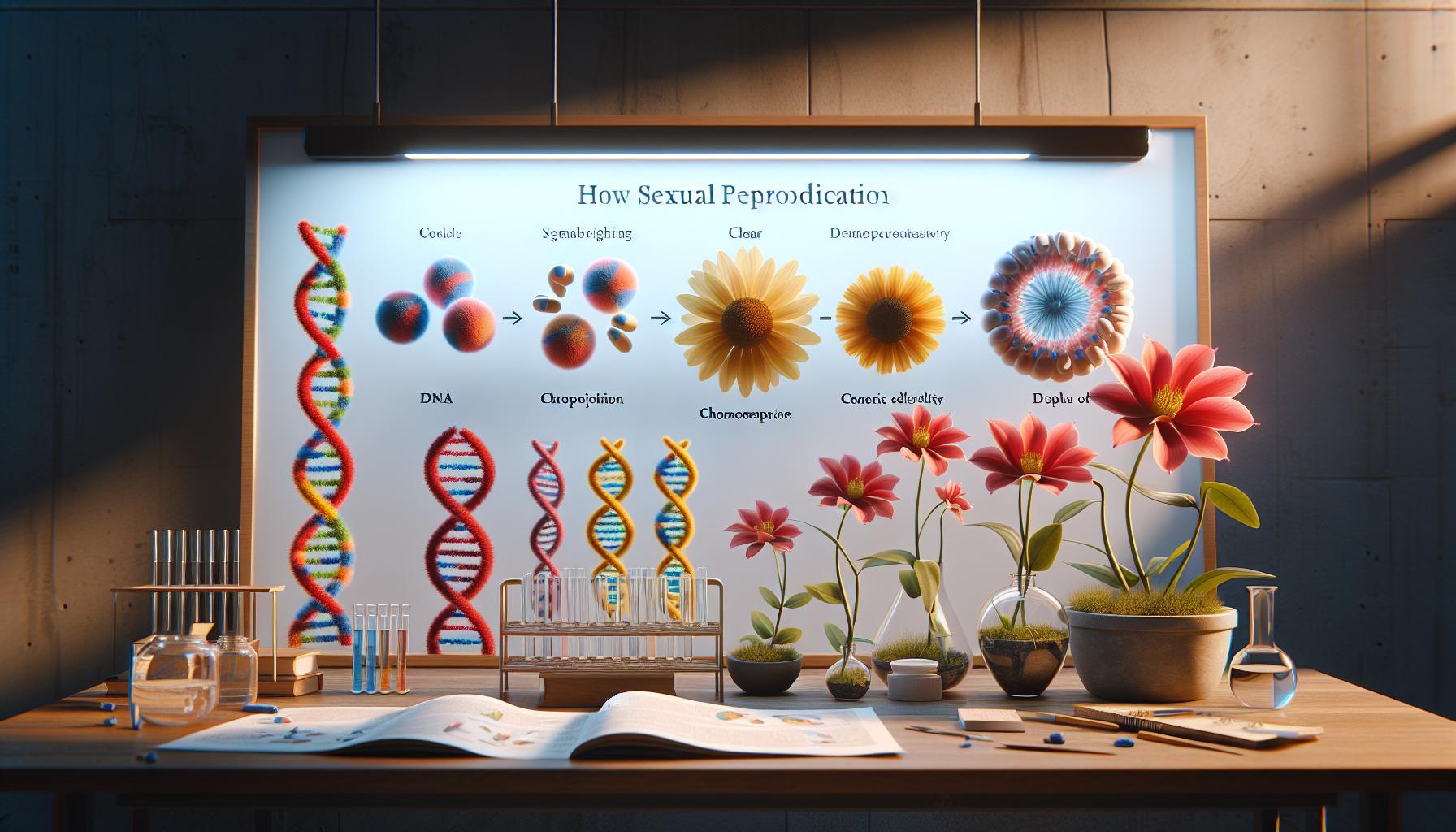
The Role of Genes in Sexual Reproduction
When two organisms engage in sexual reproduction, they combine their genetic materials, resulting in offspring that possess a unique blend of traits from both parents. This genetic combination is paramount in establishing diversity within a species. Each parent’s DNA contributes distinct genes, which can influence everything from physical characteristics to behavioral traits. For instance, the physical features of a child, such as eye color or height, may reflect a mix of traits inherited from both parents, showcasing the role of genes as carriers of hereditary information.
In the process of sexual reproduction, two critical processes-meiosis and fertilization-ensure genetic variation. During meiosis, the formation of gametes (egg and sperm cells) leads to the shuffling of genes through processes like crossing over and independent assortment. These mechanisms create new combinations of alleles, which are the variations of a gene. Consequently, when the sperm fertilizes the egg, it brings a random assortment of genetic traits into the new organism, increasing genetic diversity.
Moreover, environmental influences can further modify how these genes express themselves. For example, a child’s potential for height may not only depend on genetic predisposition but also on nutritional factors during their growth. This intersection of genetics and environment underscores the dynamic nature of gene function and expression throughout an organism’s life.
Recognizing the interplay of genes in sexual reproduction not only highlights the biological complexity of life but also emphasizes the emotional journey many face when considering family-building options. Each path-whether through natural conception, assisted reproductive technologies like IVF, or adoption-offers its own unique insights into genetic heritage and personal identity, making each family story profoundly personal and rich with possibility.
How Genetic Variation Influences Unique Traits
In the intricate dance of life that defines sexual reproduction, genetic variation emerges as a cornerstone for producing unique traits among offspring. Each child is a canvas painted by the diverse genetic materials inherited from both parents. This genetic mosaic is not just a matter of chance; it is shaped by a multitude of factors, including the specific alleles each parent contributes. For example, a child may inherit dark brown eyes from one parent and a propensity for a particular artistic talent from the other, highlighting how varied combinations of genes manifest as unique characteristics.
The mechanisms of genetic shuffling, such as independent assortment and crossing over during meiosis, play a significant role in amplifying this variation. These processes ensure that gametes (sperm and egg cells) contain a different set of genetic instructions, leading to an offspring that is genetically distinct not just from its parents, but also from its siblings. This genetic diversity is vital for the survival of species, promoting adaptability and resilience in changing environments. It is fascinating to consider how each elaborate mix of genes can lead to new adaptations that may be beneficial as ecological conditions evolve.
Moreover, genetic variation profoundly impacts emotional and behavioral traits, which are equally vital in shaping individuality. The reality of shared genetics means siblings can exhibit contrasting temperaments, interests, and capabilities, even while growing up in the same environment. Understanding this balance helps parents and caregivers appreciate the unique journey of each child. It serves as a reminder that variations in personality or ability are not just a reflection of upbringing, but also of complex genetic interplay.
Navigating the emotional dimensions of family-building through sexual reproduction often calls for sensitivity and understanding. Families formed through various methods-including natural conception, assisted reproductive technologies, or adoption-experience the richness of genetic variation uniquely. Every path offers a narrative deeply rooted in biogenetic ties or the pure relational bonds that transcend genetic connections. Embracing these diverse family dynamics is crucial in celebrating both the unique traits that arise from genetic variation and the shared stories of resilience, love, and connection that define them.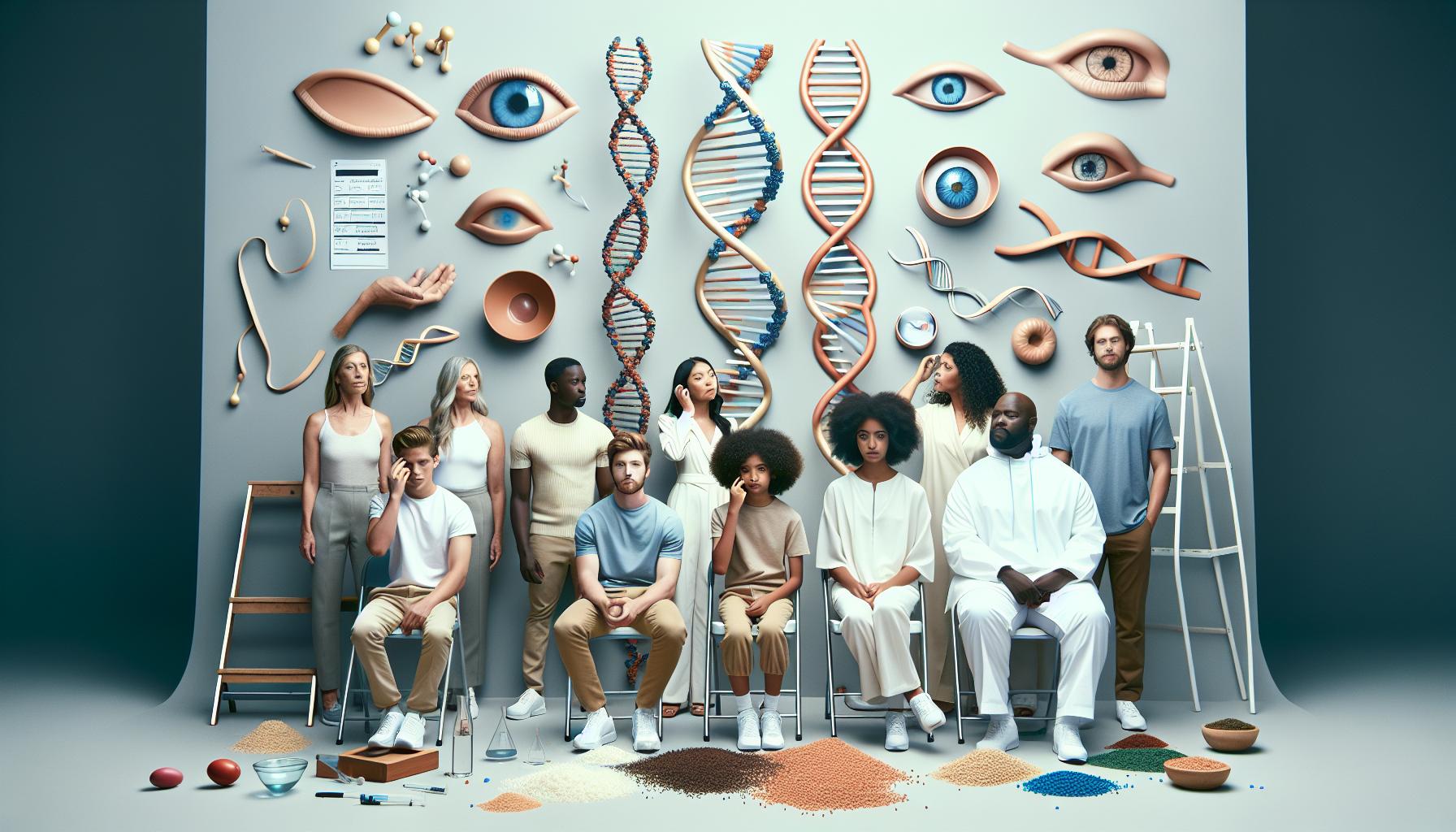
Mechanisms of Genetic Shuffling During Reproduction
During sexual reproduction, the genetic material from two parents combines in intricate and remarkable ways, giving rise to the unique characteristics of their offspring. This process of genetic shuffling is vital, as it not only increases genetic diversity within a population but also serves as the foundation for evolution and adaptation. Understanding the mechanisms behind this shuffling provides insight into how variation occurs, even among siblings raised in the same environment.
One of the primary mechanisms of genetic shuffling is meiosis, a special type of cell division that generates gametes (sperm and egg cells). During meiosis, two key processes occur: independent assortment and crossing over. Independent assortment refers to the random distribution of maternal and paternal chromosomes to the gametes, resulting in different combinations of genes. For example, if we consider two traits-such as flower color and plant height-each parental gamete may carry different versions of those traits. When these gametes unite during fertilization, the resulting zygote inherits a unique combination that influences traits differently than either parent.
Crossing over adds another layer of complexity. It occurs during the first meiotic division when homologous chromosomes pair up and exchange segments of genetic material. This exchange can result in chromosomes that contain a blend of alleles from both parents, further increasing genetic variation. Consequently, when gametes unite, the offspring can display completely novel combinations of traits that are not typical of either parent, as seen in cases where different alleles interplay to create unexpected characteristics, such as a new hair color or unique athletic abilities.
The implications of these genetic shuffling processes extend beyond the physical traits; they can also influence behavioral and emotional attributes. Recognizing that genetic diversity can lead to different temperaments or interests among siblings helps to foster an appreciation for each child’s individuality. The beauty of genetic variation is not just in the physical realm but also in the rich tapestry of personalities and capabilities that each child brings to the family unit.
As families navigate the journey of reproduction, whether through natural means, assisted reproductive technologies, or adoption, it is essential to embrace the emotional complexities and unique narratives that arise from these genetic processes. Each path to parenthood offers its own story filled with hope, challenges, and the beauty of shared connections-genetic or otherwise.
Understanding Chromosomal Crossovers and Their Impact
During the intricate dance of sexual reproduction, one of the most fascinating processes is chromosomal crossover, which takes place during meiosis. This event involves the exchange of genetic material between homologous chromosomes, creating new combinations of genes that significantly impact the traits passed down to offspring. The beauty of crossover lies in its ability to generate genetic diversity, a key element in the survival and adaptability of populations.
When chromosomes undergo crossover, they physically exchange segments of DNA. This typically occurs in prophase I of meiosis when homologous chromosomes pair up. The points where they cross over are known as chiasmata. The resulting chromosomes carry a mix of alleles from both parents, which not only introduces variation among siblings but also may contribute to new traits that neither parent possesses. For instance, if one parent carries a gene for brown eyes and the other for blue eyes, a child could end up with a completely different shade due to the unique alleles formed through this crossover process.
These genetic combinations are not merely limited to physical attributes; they also encompass aspects of personality and behavior. This raises an interesting concept regarding individuality; siblings can be remarkably different even when raised in the same environment. The variations caused by crossover can lead to differences in temperament, interests, and talents-a reminder that every child is a unique blend of their heritage.
While understanding crossovers is essential for genetics enthusiasts, it can also raise essential questions for prospective parents. As they consider their options for family-building-be it through natural means, assisted reproduction, or adoption-they may find comfort in knowing that the genetic diversity brought about by chromosomal crossover plays a massive role in shaping the wonderful tapestry of family dynamics. Embracing the possibility of unique offspring can provide hope and excitement, even amidst the uncertainty of the reproductive journey.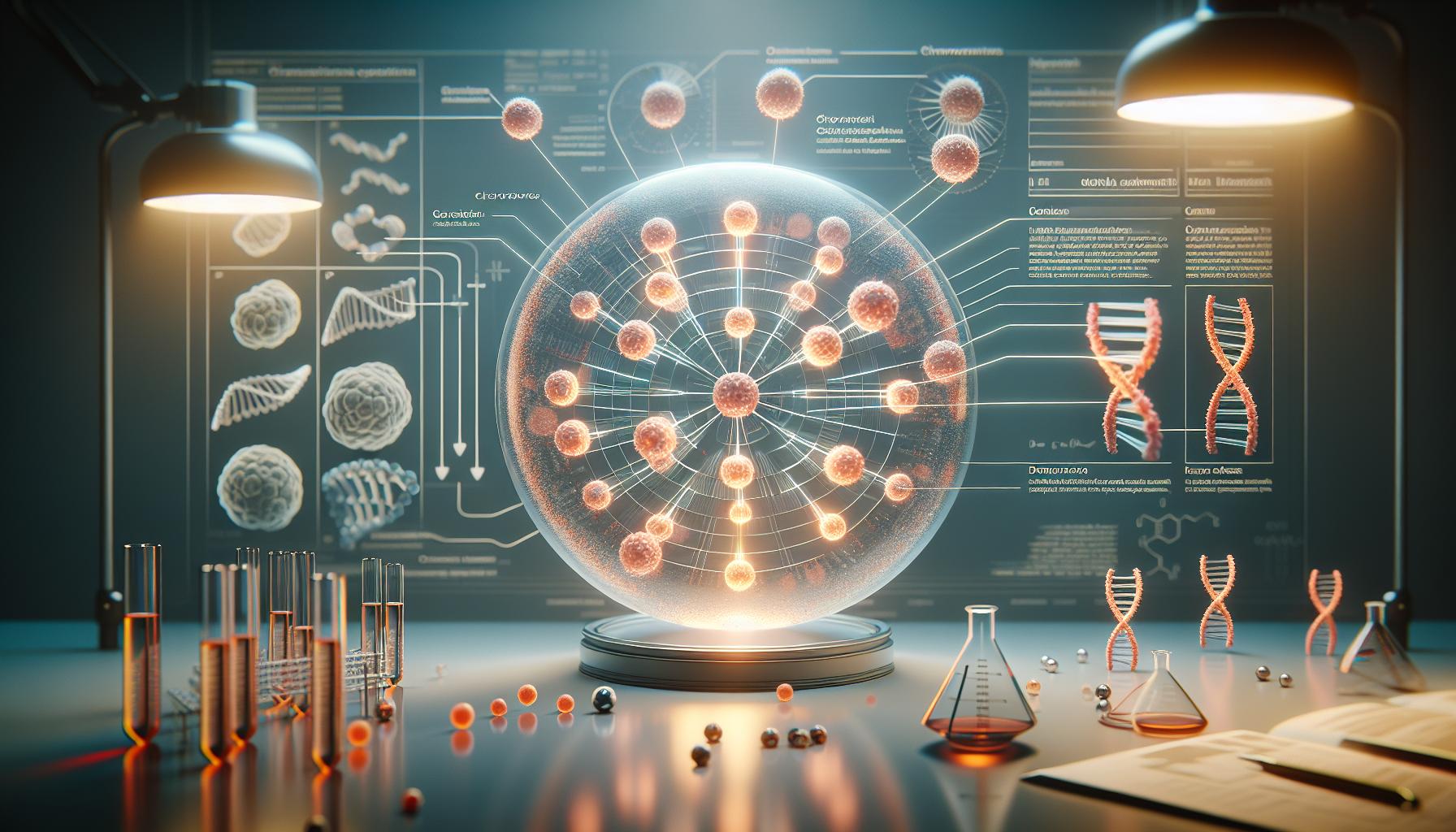
The Importance of Mutations in Offspring Diversity
Understanding the role of mutations in the context of sexual reproduction illuminates how unique traits emerge in offspring. While chromosomal crossover generates a rich diversity of genetic combinations, mutations add another layer of variability that can significantly influence an individual’s characteristics. A mutation is a change in the DNA sequence that can occur due to various factors, including environmental influences or errors during DNA replication. These changes can be neutral, beneficial, or, in rare cases, harmful, contributing to the rich tapestry of genetic diversity within a species.
Types of Mutations and Their Impact
Mutations can manifest in various forms, such as point mutations, insertions, deletions, and duplications. Each type alters the genetic code differently, potentially affecting traits like physical appearance, susceptibility to diseases, and even behaviors. For example, a simple point mutation in a single gene could lead to a change in a protein that regulates color in flowers, resulting in unique hues that can enhance the plant’s attractiveness to pollinators. This phenomenon shows how mutations can provide evolutionary advantages by enabling adaptation to changing environments or niches.
Families going through the fertility journey might often worry about what genetic traits they will pass to their children. It’s important to remember that mutations also play a role in shaping individuality. For parents considering using assisted reproductive technologies, the prospect of mutations might evoke mixed feelings-while it raises questions of inheritance, it also opens up possibilities for unique traits and characteristics in their children, contributing to the vibrant mosaic that defines human identity. Understanding mutations as a natural part of genetic diversity can help prospective parents approach their family-building journey with hope and excitement, while also maintaining realistic expectations about the varied outcomes that may arise.
Embracing Uniqueness
In reflecting on the importance of mutations, it’s essential to celebrate the stories of individuals with unique traits that have arisen from these genetic variations. Whether it’s a child with a combination of traits that may not resemble their parents or an adult whose unique health characteristics have helped shape their life experiences, mutations remind us that diversity is not only a biological phenomenon but a personal narrative. This acknowledgment can empower families to embrace the unpredictability of genetic inheritance, ultimately strengthening familial bonds through shared experiences of uniqueness and love.
Understanding how mutations contribute to genetic diversity enhances our appreciation for the complexity of life created through sexual reproduction. As families prepare to welcome new members, knowing that each child is a mosaic of genetic diversity-shaped by both their ancestral heritage and unique mutations-can bring comfort and joy in the face of uncertainty, fostering a sense of connection and belonging amidst life’s inherent complexities.
How Environmental Factors Affect Genetic Expression
The interplay between environmental factors and genetic expression is a fascinating area that underscores the complexity of sexual reproduction. Environmental influences can activate or silence genes, ultimately shaping the traits of offspring in ways that range from subtle to significant. For instance, temperature, nutrition, and exposure to toxins can lead to alterations in how genes function, which may affect everything from physical development to disease susceptibility.
One well-known example is the case of the Hydrangea flower, where the color of the blooms changes based on soil pH levels. In acidic soils, the flowers may appear blue, while in alkaline soils, they can become pink. This color variation, stemming from differences in gene expression, illustrates how environmental conditions directly influence phenotypic traits.
When it comes to human reproduction and development, maternal health and nutrition can have profound effects on genetic expression in children. For example, a well-balanced diet rich in essential nutrients can support optimal fetal development, influencing genes responsible for growth and metabolism. Conversely, factors like stress, exposure to harmful substances, or poor nutrition during pregnancy can lead to epigenetic changes that may affect not only the child’s immediate health but also their long-term wellbeing and potential hereditary traits.
As families navigate the emotional landscape of reproductive choices, understanding how environmental factors interact with genetics can be empowering. It can help prospective parents make informed decisions regarding lifestyle and healthcare, with the aim of creating the healthiest possible environment for their future children. This knowledge encourages a proactive approach, as small changes in diet, stress management, and exposure to toxins can have lasting impacts on genetic expression, ultimately contributing to the unique genetic makeup of offspring.
The Role of Epigenetics in Offspring Uniqueness
The complexity of genetics is enriched by the role of epigenetics, which serves as a fascinating layer of regulation that influences genetic expression and contributes to the uniqueness of offspring. Epigenetics refers to changes in gene activity that do not involve alterations to the underlying DNA sequence. These modifications can be influenced by a variety of factors, including environmental conditions, parental experiences, and even dietary habits. Understanding epigenetics can empower prospective parents to consider how their lifestyles and choices might impact their children’s genetic expression.
For instance, during pregnancy, a mother’s environment-ranging from her nutrition to stress levels-can induce epigenetic changes in her developing fetus. Nutrients like folate are crucial; deficiency in these can lead to epigenetic alterations that might affect fetal growth and development. Likewise, high stress levels may lead to changes in gene expression associated with stress response, potentially affecting not just the newborn, but influencing their susceptibility to various health conditions in adulthood. This illustrates the importance of a supportive and healthy environment during pregnancy, which can positively shape the genetic character of the child.
Moreover, epigenetic modifications can be heritable, meaning that certain traits shaped by a parent’s experiences may be passed down to the next generation. This inheritance can manifest in unique ways, such as varying stress responses or even behavioral traits. For example, research has shown that trauma experienced by parents can lead to epigenetic changes that influence the behavior of their offspring. This underscores the significance of considering both the genetic and epigenetic factors when thinking about family health history, and can encourage future parents to create nurturing environments that promote positive epigenetic factors.
In essence, the interplay of epigenetics presents a compelling narrative about how our life choices and environmental factors can contribute to the uniqueness of our children. By acknowledging the impact of both genetics and epigenetics, families can adopt a more holistic approach to health and well-being, fostering not only physical health but also emotional resilience in their offspring. As you navigate your own reproductive journey, understanding these dimensions can guide you in making informed decisions that support the healthiest future for your family.
Comparative Analysis: Sexual vs. Asexual Reproduction
Sexual reproduction and asexual reproduction represent two fundamental modes through which life propagates, each with distinct processes and implications for genetic diversity and survival. In sexual reproduction, genetic material from two parent organisms combines, resulting in offspring that share traits from both. This genetic mixing is crucial for introducing variability within a population, enhancing the chances of adaptability and survival in changing environments. For instance, in flowering plants, cross-pollination allows for a diverse gene pool that may confer resistance to diseases or environmental stresses-advantages vital for long-term species viability.
In contrast, asexual reproduction, such as budding or binary fission, involves a single organism replicating its genetic material without the mixing of genes. This method results in offspring that are genetically identical to the parent, known as clones. While asexual reproduction can be efficient-allowing for rapid population growth-its lack of genetic variation can be detrimental in fluctuating environments. For example, bacteria can quickly reproduce in optimal conditions, but if an environmental threat arises, such as antibiotic resistance, a genetically uniform population may struggle to survive, leading to the possibility of extinction.
Genetic Diversity Vs. Clonality
The crux of the matter lies in the balance between genetic diversity and clonality offered by these reproductive strategies. Sexual reproduction fosters a greater array of genetic combinations, leading to unique traits in offspring, while asexual reproduction can rapidly expand a population under favorable conditions but does not allow for adaptation to new challenges. This distinction is often illustrated in nature; for instance, many lizards can reproduce both sexually and asexually. While sexual populations may thrive in dynamic habitats, asexual populations may dominate stable environments where rapid proliferation is advantageous.
Both modes of reproduction have evolved to meet the needs of species based on their environments. In times of stress, sexual reproduction may increase, permitting creative solutions to environmental challenges through genetic variation. Understanding these reproductive strategies and their implications not only enriches our comprehension of biodiversity but aligns with broader discussions about human reproductive choices, including assisted reproductive technologies, which can emulate natural diversity mechanisms to improve outcomes for families navigating fertility journeys. As you reflect on these topics, recognizing the interplay between reproduction modes can illuminate choices about family-building that resonate with your personal values and hopes for the future.
The Evolutionary Benefits of Sexual Reproduction
Sexual reproduction is a compelling strategy that has evolved over millions of years to enhance genetic diversity among offspring, contributing significantly to the adaptability and resilience of species. Each time two organisms come together to reproduce, they combine their genetic material, resulting in offspring that are a unique blend of traits. This mixing acts as a natural mechanism to shuffle genes, generating an array of genetic combinations that may confer advantages in dynamic environments. For instance, in populations of plants and animals, this genetic diversity can promote traits that improve survival-whether it’s resistance to diseases or increased adaptability to changing climates.
One of the profound benefits of sexual reproduction lies in its ability to foster a dynamic gene pool. As organisms pass on their genetic material, they not only contribute half of their DNA but also introduce new variations that can emerge from recombination-a process enhanced by chromosomal crossovers during meiosis. This genetic shuffling can result in unforeseen traits that may provide significant survival benefits. For example, in sexually reproducing species, those offspring that possess advantageous traits are more likely to thrive and reproduce, gradually increasing the frequency of those traits within the population through natural selection.
Additionally, the role of sexual reproduction in creating unique offspring is particularly vital in the context of evolutionary challenges. Populations that reproduce sexually have a better chance of producing individuals who can survive new pathogens or shifting environmental conditions. For instance, during an epidemic, genetic diversity allows for some individuals to possess genetic traits that confer immunity, thereby ensuring the longevity of the species. This adaptability has been essential for the survival of many species throughout history, underscoring the evolutionary advantages of sexual reproduction over asexual methods, which often lead to more homogenous and potentially vulnerable populations.
Navigating the landscape of reproduction and genetics also has deep implications for human family-building choices today. Individuals and couples exploring options such as IVF or donor gametes can draw insights from the principles of genetic diversity to inform their decisions. Recognizing that genetic variation is not just a biological concept but a contributor to individuality and resilience can provide hope and clarity on personal journeys to parenthood. In embracing the complexities of reproduction, we affirm the value of each unique story that emerges from the interplay of genetic inheritance.
Case Studies: Examples of Unique Offspring in Nature
Nature brims with fascinating examples of sexual reproduction resulting in unique offspring, each a testament to the intricate dance of genetics. Consider the case of the African cichlid fish, which inhabit both lakes and rivers across the continent. These fish exhibit remarkable color variations and fin shapes, crucial for mate selection. The genetic shuffling that occurs during mating not only leads to various patterns and colors but also influences their adaptability to environmental changes, such as water clarity and habitat structure. Offspring born from such diverse genetic backgrounds are better equipped to thrive in their ever-changing environments, enhancing the overall resilience of the species.
Another compelling example can be found in flowering plants like the snapdragon. Here, the interplay of alleles during fertilization generates a range of flower colors, from vibrant reds to soft pinks and whites. This variation is not merely aesthetic; it attracts a diverse array of pollinators, ensuring effective reproduction. The genetic mixing associated with sexual reproduction allows for traits that may improve attraction to pollinators, ultimately influencing the plant’s reproductive success and survival over generations.
Example of Unique Trait in Mammals
When examining mammals, the phenomenon of hybrid vigor shines through in species like the mule, resulting from the mating of a horse and a donkey. Mules inherit a unique combination of genes from both parents, endowing them with desirable traits such as strength, endurance, and adaptability. This hybrid carries unique characteristics that neither parent possesses fully, showcasing how sexual reproduction can yield offspring with enhanced capabilities that may not occur through traditional breeding methods.
These examples illustrate the profound implications of genetic diversity fostered through sexual reproduction. Each unique offspring not only stands as a symbol of potential but also reflects the ongoing evolutionary narrative of adaptation and survival in the face of environmental challenges. Embracing these stories helps us appreciate the richness and complexity of life itself, providing hope and inspiration for those navigating their own paths in family building or genetic exploration.
Human Implications: Genetics and Personal Identity
The intertwining of genetics and personal identity is a deeply enriching aspect of human experience that underscores the uniqueness of each individual. Just as the varied manifestations of traits arise from the genetic shuffling unique to sexual reproduction, our own identities are crafted through a blend of inherited characteristics and environmental influences. The DNA we inherit from our parents, combined with the unique circumstances of our upbringing, shapes not only our physical appearance but also our predispositions, behaviors, and even our paths in life.
Understanding the genetic basis of our traits can yield profound insights into ourselves and our health. For example, studies have shown that certain genetic markers can indicate susceptibility to conditions like diabetes or heart disease. This knowledge empowers individuals to make informed lifestyle choices and engage in preventive health measures. It’s important to embrace this information while also acknowledging the emotional complexities it brings. This journey can evoke feelings of anxiety, hope, or even grief for those who may be navigating hereditary health concerns within their families.
Moreover, personal identity is not solely shaped by genetics; it’s a dynamic tapestry woven through experiences, culture, and societal influences. The rise of genetic testing offers new ways for individuals to explore their heritage and to connect with distant relatives-further enriching their sense of identity. These genetic insights can prompt conversations about family history and shared traits, fostering a deeper appreciation for diversity within our genetic makeup.
Importantly, as we explore the implications of genetics within our lives, we must remain sensitive to the varied family-building paths individuals may take, whether through traditional means, assisted reproductive technologies like IVF or AI, or through adoption. Each journey is uniquely valid and intertwined with personal narratives, emotions, and ethical considerations. In celebrating these paths, we honor the intricate human experience shaped by both genetic inheritance and the love that builds families. Recognizing and respecting these diverse stories affirms our connectedness and the beauty of our shared humanity.
Exploring the Future of Genetic Engineering in Reproduction
The rapid advancements in genetic engineering are reshaping our understanding of reproduction and the potential for creating unique offspring. As techniques such as CRISPR and gene editing gain traction, they offer transformative possibilities for addressing hereditary diseases, enhancing genetic diversity, and even fine-tuning desired traits in future generations. These tools enable scientists to make precise edits to an organism’s DNA, which can revolutionize how we approach reproductive health and genetic conditions.
Practical Applications in Reproductive Health
In practical terms, genetic engineering in reproduction holds immense promise for those facing infertility or genetic disorders. For instance, pre-implantation genetic testing (PGT) allows for the screening of embryos for specific genetic conditions before implantation during in vitro fertilization (IVF). This process could help prospective parents avoid passing on inherited diseases, providing peace of mind and greater chances for healthy offspring. While the costs of such procedures can be significant, they come with the potential to prevent the heartache associated with genetic health issues.
Ethical Considerations and Emotional Support
However, with profound capabilities come complex ethical considerations. Questions around designer babies-where genetic traits might be chosen based on personal preferences-spark debate on the morality of enabling such modifications. Individuals navigating these choices often experience a whirlwind of emotions, from excitement at the potential for healthier children to anxiety about ethical implications. It’s crucial to approach these topics with empathy, acknowledging the fears parents might harbor about the implications of genetic modification on identity, diversity, and the natural course of evolution.
Community and Support Structures
As we step into this future, building supportive communities is vital. Couples considering genetic engineering can benefit from discussions with genetic counselors, psychologists, and reproductive specialists who can help unpack the emotional landscapes of their decisions. By understanding both the medical aspects-such as success rates and treatment protocols-and the emotional journey of assisted reproductive technologies, families can feel empowered in their choices. Engaging with others who share similar experiences can foster connections and offer shared insights, making the path smoother and more navigable.
The dialogue surrounding genetic engineering in reproduction is just beginning, but it promises to redefine what it means to conceive and nurture life in the modern era-always with an eye toward inclusivity, compassion, and ethical responsibility.
FAQ
Q: What is the role of genetic recombination in sexual reproduction?
A: Genetic recombination occurs when genetic material is exchanged between homologous chromosomes during meiosis. This process results in unique combinations of alleles, contributing to genetic diversity in offspring. Understanding this mechanism helps explain why siblings can look and behave differently despite sharing the same parents.
Q: How do mutations contribute to the uniqueness of offspring?
A: Mutations are changes in DNA sequences that can introduce new traits. They occur spontaneously during DNA replication and can be beneficial, neutral, or harmful. These mutations, combined with sexual reproduction processes, enhance genetic variation, leading to unique characteristics in offspring.
Q: How does sexual reproduction increase genetic diversity compared to asexual reproduction?
A: Sexual reproduction mixes genetic material from two parents, fostering greater genetic diversity. In contrast, asexual reproduction produces clones, limiting the genetic variation. Increased diversity from sexual reproduction promotes adaptability and survival in changing environments.
Q: What factors influence the expression of unique traits in offspring?
A: The expression of unique traits in offspring is influenced by genetic makeup, environmental factors, and epigenetic modifications. Factors such as diet, climate, and lifestyle can affect how genes are expressed, leading to diversity even among genetically similar individuals.
Q: Can environmental changes affect the genetic traits of offspring?
A: Yes, environmental factors, including climate and nutrition, can impact gene expression, ultimately influencing the traits of offspring. This interaction between the environment and genetics highlights the importance of context in the development of unique traits.
Q: Why is genetic diversity important for species survival?
A: Genetic diversity is crucial for the survival of species because it enhances adaptability to environmental changes and diseases. Diverse genetic traits provide populations with a wider range of options for survival, increasing their chances of thriving in fluctuating conditions.
Q: What is epigenetics and how does it relate to offspring uniqueness?
A: Epigenetics refers to changes in gene expression that do not involve alterations to the underlying DNA sequence. These modifications can be influenced by various factors, such as stress and environment, contributing to the uniqueness of offspring by altering traits without changing genetic code.
Q: How do parental traits influence offspring genetics in sexual reproduction?
A: In sexual reproduction, offspring inherit a mix of dominant and recessive traits from both parents. The combination of these traits results in unique phenotypes in the offspring, which can provide insight into the genetic characteristics of both parents.
In Conclusion
Understanding how sexual reproduction leads to unique offspring empowers you to appreciate the complexity of life and the diversity it brings. As you navigate this fascinating journey, we encourage you to explore further-check out our articles on “The Role of Genetics in Inheritance” and “Understanding Genetic Variation” for a deeper dive into these crucial concepts.
Feeling curious or have questions? Don’t hesitate to join our community by signing up for our newsletter, where you’ll receive updates on the latest research and insights in reproductive biology. Remember, every question is valid, and your concerns matter.
By embracing the knowledge shared here, you can engage more thoughtfully in discussions about inheritance, evolution, and the beautiful variability of life. Let’s continue this journey together-your path to understanding begins now!
Get our latest guides, news, and insights highlighted in your Google Search & AI Overviews.