Did you know that the reproductive system doesn’t function in isolation? It interacts with various other systems in the body, playing a crucial role in overall health and well-being. Understanding these connections can empower individuals on their fertility journeys and family-building decisions. As you navigate the complexities of reproductive health, recognizing how the endocrine, immune, and even the nervous systems impact reproductive function can provide insights into your own experiences, whether you are facing challenges or seeking to optimize your reproductive health. This exploration not only highlights the intricate interplay between systems but also validates your feelings and concerns. Let’s delve deeper into these interactions and uncover how they may shape your path towards conception, fertility treatments, or alternative family-building options.
What is the Reproductive System?
The human reproductive system is a complex interplay of various organs and hormones, essential for reproduction and overall health. It consists of primary and secondary sexual characteristics that differ between males and females, including the organs responsible for producing gametes (sperm and eggs) and facilitating the processes of fertilization and gestation. The system is not only vital for reproduction but also closely interacts with several other bodily systems, highlighting its integral role in maintaining general health and wellness.
In women, the reproductive system includes the ovaries, fallopian tubes, uterus, and vagina, while in men, it comprises the testes, seminal vesicles, prostate gland, and penis. Each component has specific functions; for instance, ovaries produce eggs and hormones like estrogen and progesterone, which regulate the menstrual cycle and prepare the body for potential pregnancy. In men, the testes produce sperm and testosterone, influencing secondary sexual traits and libido. This intricate balance ensures that reproduction occurs effectively and safely.
Moreover, the reproductive system does not function in isolation; it is significantly influenced by the endocrine system, which regulates hormonal balance through glands like the pituitary and thyroid. Hormones such as luteinizing hormone (LH) and follicle-stimulating hormone (FSH) play crucial roles in regulating the cycles of reproduction. Understanding these interactions is vital for anyone navigating the complexities of reproductive health, whether they’re experiencing challenges in conceiving or are interested in treatment options like in vitro fertilization (IVF) or artificial insemination (AI).
Recognizing the emotional aspect of this journey is equally important. Many individuals and couples experience feelings of hope and uncertainty, sometimes grief as they navigate their reproductive choices. Support and understanding are key; whether one opts for traditional means, assisted reproductive technologies, or other family-building paths, every decision deserves respect and validation. Embracing both the scientific and emotional dimensions of reproductive health paves the way for a more informed and compassionate approach to family planning and fertility.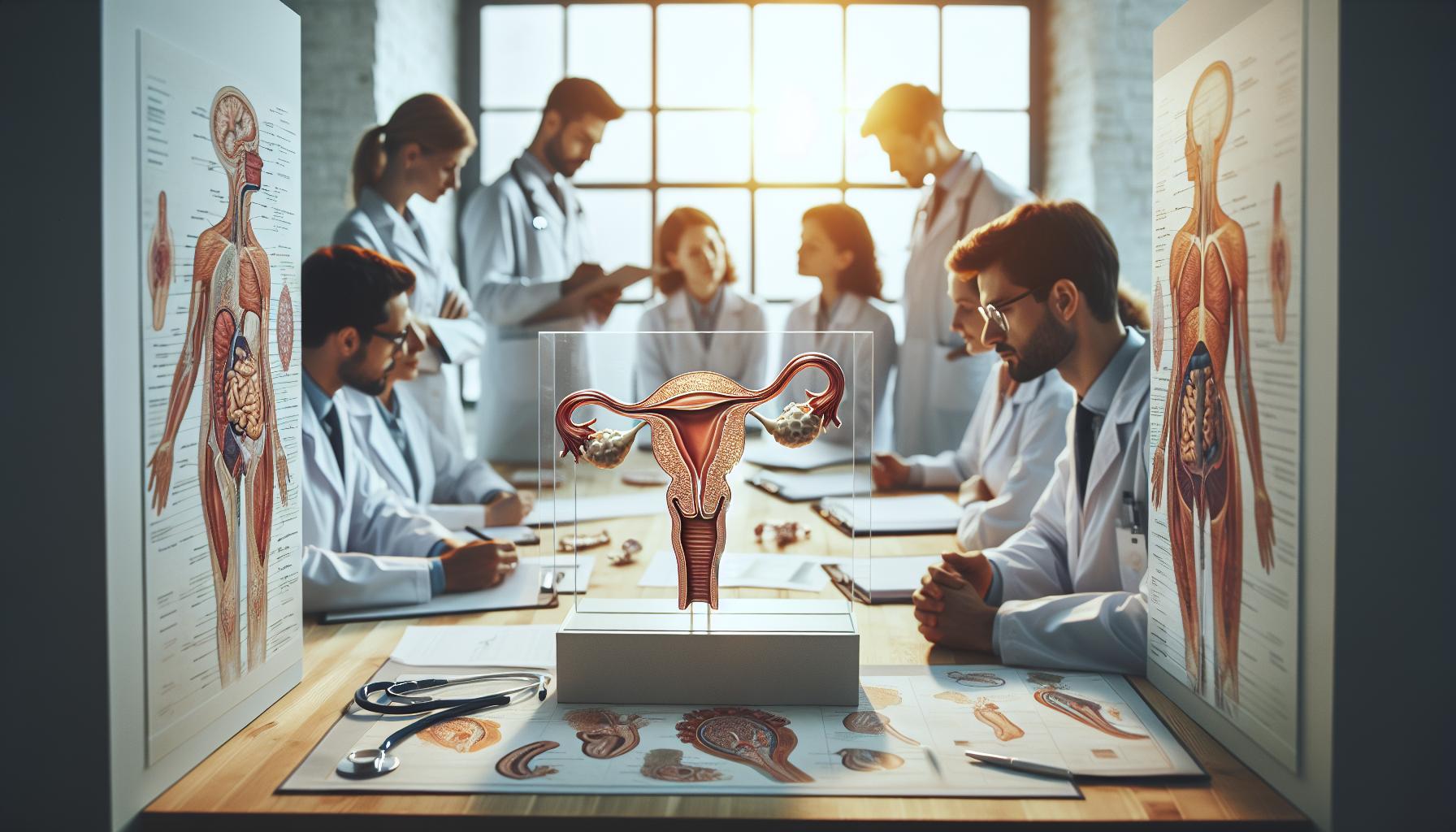
Understanding the Basics of Human Reproduction
The intricate journey of human reproduction begins well before conception. Understanding the biological processes involved equips individuals with the knowledge they need, especially when navigating the challenges of fertility. At its core, reproduction involves the fusion of male and female gametes – sperm and eggs. This meeting typically occurs during sexual intercourse, where sperm travel through the female reproductive tract to fertilize an egg in the fallopian tubes, a crucial step in the conception process.
Once the egg is fertilized, it forms a single-cell zygote, which will begin to divide and grow as it journeys down the fallopian tube toward the uterus. Here, it must implant into the uterine lining to establish a pregnancy-a complex interplay of hormones, cellular signals, and physical changes. Hormones such as estrogen and progesterone are vital during this stage, preparing the uterus for the embryo’s arrival and supporting early development.
Several factors influence this entire process, including age, hormonal balance, and general health. As individuals or couples embark on their reproductive journey, it is crucial to recognize that reproductive health is intrinsically linked to other bodily systems. For example, a well-functioning endocrine system is essential for maintaining hormone levels, and any imbalances can disrupt ovulation or sperm production. Similarly, overall physical health, reflected through the cardiovascular and immune systems, plays a pivotal role in successful reproduction.
It’s imperative to acknowledge the emotional weight of this experience. For many, the path to parenthood is fraught with complications, uncertainty, and at times, grief. Whether facing infertility, exploring assisted reproductive technologies like IVF or artificial insemination, or considering alternative family-building options such as adoption, each choice deserves careful consideration and respect. Understanding that this journey holds both scientific and emotional significance helps foster a more empathetic approach to reproductive health.
A supportive environment, whether through healthcare providers, therapy, or community groups, can validate feelings of hope, frustration, or loss, making the process navigating these intertwined biological systems a little easier. Ultimately, embracing the holistic view of reproduction-combining medical facts with emotional support-leads to a more informed, compassionate experience for all involved.
Key Interactions Between Reproductive and Endocrine Systems
The interplay between the reproductive and endocrine systems is a cornerstone of human fertility and reproductive health. Hormones produced by the endocrine system regulate many critical processes related to reproduction, making its function essential for both conception and the maintenance of pregnancy. For example, the hypothalamus, located in the brain, releases gonadotropin-releasing hormone (GnRH), which stimulates the pituitary gland to produce luteinizing hormone (LH) and follicle-stimulating hormone (FSH). These hormones play essential roles in regulating the menstrual cycle in females and sperm production in males.
In females, estrogen and progesterone-produced by the ovaries-are vital for preparing the uterine lining for implantation after fertilization. When hormonal levels are balanced, they help ensure a normal menstrual cycle, ovulation, and a healthy pregnancy. Conversely, hormonal imbalances-such as those caused by polycystic ovary syndrome (PCOS), thyroid disorders, or elevated stress levels-can significantly impede fertility. This underscores the importance of monitoring hormonal health for those trying to conceive.
Several lifestyle factors can influence endocrine function and, by extension, reproductive health. For example, maintaining a balanced diet rich in vitamins and nutrients, engaging in regular physical activity, and managing stress through mindfulness or counseling can positively impact hormonal balance. Additionally, certain environmental factors, such as exposure to endocrine-disrupting chemicals found in plastics and some personal care products, can affect reproductive health and should be approached with caution.
It’s crucial for individuals on this journey to be aware of how intertwined these systems are. If you’re experiencing challenges with fertility, consider consulting a healthcare professional who specializes in reproductive health. They can provide tailored advice, discuss testing options for hormonal imbalances, and create a supportive plan to nurture your overall well-being. Remember, every experience along this path is valid, and seeking help is a significant and positive step forward.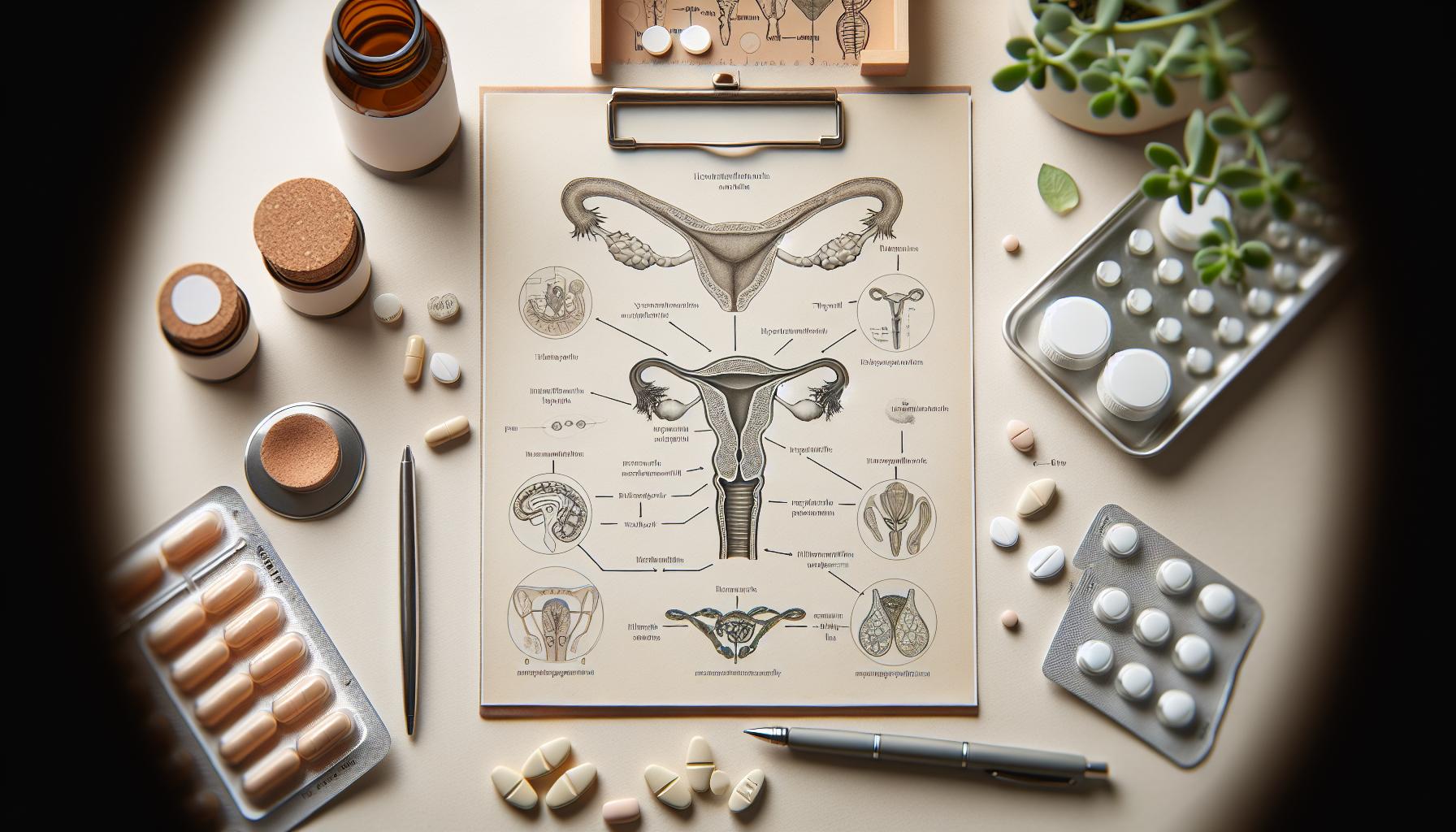
How the Reproductive System Connects to the Immune System
The connection between the reproductive and immune systems is a fascinating aspect of human biology that plays a critical role in reproductive health and fertility. The immune system’s primary function is to protect the body against infections and foreign invaders; however, its interaction with the reproductive system is equally important, especially during conception, pregnancy, and childbirth. Notably, during pregnancy, the immune system must adapt to prevent the maternal body from rejecting the developing fetus, which is genetically different from the mother. This requires a delicate balance in immune response to protect both mother and baby without impairing the mother’s health.
In a healthy reproductive system, the immune response is modulated by various factors, including hormones and cytokines. For example, the hormone progesterone, which is produced after ovulation and during pregnancy, has a significant immunosuppressive effect. It helps to create an environment conducive to fetal development by downregulating certain immune responses that could otherwise target the fetus as a foreign body. This immune tolerance is crucial and can be influenced by maternal health, stress levels, and lifestyle factors.
Moreover, conditions such as endometriosis and polycystic ovary syndrome (PCOS) can create chronic inflammation, adversely affecting reproductive health and fertility. In these instances, the immune system’s persistent activation can lead to an environment not favorable for implantation and maintenance of pregnancy. Understanding this relationship encourages individuals facing fertility challenges to consider their immune health as part of a comprehensive approach to reproductive wellness.
To support both the immune and reproductive systems, it’s vital to maintain a healthy lifestyle. This includes a balanced diet rich in antioxidants to combat inflammation, regular exercise to enhance immune function, and stress management techniques such as mindfulness or yoga. Additionally, consulting healthcare professionals can provide personalized strategies and treatments tailored to your specific needs, helping you navigate the complexities of reproductive health with greater ease and understanding. Your journey through fertility and health is uniquely yours, and seeking support demonstrates strength and commitment to your well-being.
The Role of the Nervous System in Reproductive Health
The intricate relationship between the nervous system and reproductive health is a testament to how deeply our bodily systems are interconnected. One fascinating aspect is the role of neurohormones-substances released by the nervous system that can greatly influence reproductive functioning. For instance, the hypothalamus at the base of the brain produces gonadotropin-releasing hormone (GnRH), which signals the pituitary gland to produce hormones that regulate the menstrual cycle, ovulation, and overall reproductive health. This hormonal interplay emphasizes how emotional and physical stress can disrupt reproductive processes.
Stress, anxiety, and emotional well-being are significant factors in reproductive health. Chronic stress can lead to the increased production of cortisol, a hormone that may disrupt the menstrual cycle, inhibit ovulation, and reduce libido. Additionally, the nervous system communicates directly with reproductive organs, highlighting how emotional states can affect physical conditions. For example, understanding that feelings of anxiety or depression can lead to physical changes-increased muscle tension or changes in blood flow-plays a critical role in managing reproductive health.
Moreover, conditions such as vaginismus and pelvic pain syndromes underscore the need to address both psychological and physical health in reproductive care. These conditions may involve heightened nervous system responses that lead to tension and pain, making intimate relationships and reproductive efforts more challenging. A comprehensive approach that includes mental health support-such as therapy or relaxation techniques-can significantly improve outcomes. Mindfulness practices and cognitive behavioral strategies can help reduce anxiety and promote a more positive perception of the reproductive journey.
To support your reproductive health effectively, consider practical strategies such as:
- Stress Management: Incorporate mindfulness, meditation, or yoga into your routine to help reduce stress levels and improve your emotional well-being.
- Healthy Lifestyle Choices: Maintain a balanced diet and regular exercise to support overall health, which in turn positively influences your reproductive system.
- Emotional Support: Seek help from counselors or support groups specializing in fertility issues. This can provide valuable emotional relief and understanding from others who relate.
Understanding the nervous system’s role in reproductive health helps illuminate how addressing mental wellness, stress, and emotional factors can improve fertility and enhance overall reproductive experiences.
Impact of the Cardiovascular System on Reproductive Function
The heart is not only the engine of circulation but also plays a crucial role in reproductive health, influencing everything from hormone production to sexual function. A robust cardiovascular system ensures that the reproductive organs receive sufficient blood flow, which is essential for sexual arousal and function in both men and women. For instance, adequate blood supply is necessary for the engorgement of erectile tissue in men and for female arousal, where increased blood flow contributes to vaginal lubrication and clitoral sensitivity. Hence, any impairment in cardiovascular health can lead to challenges such as erectile dysfunction or reduced libido, which can significantly impact relationships and emotional well-being.
Moreover, the cardiovascular system interacts intricately with hormonal changes involved in reproduction. For example, during the menstrual cycle, variations in estrogen and progesterone levels can affect blood vessel responsiveness and circulation. Research suggests that women with conditions such as polycystic ovary syndrome (PCOS), which may involve insulin resistance and consequently cardiovascular complications, are at greater risk for reproductive challenges. This highlights the importance of maintaining heart health through lifestyle choices such as a balanced diet, regular exercise, and stress management to support overall reproductive function.
To support cardiovascular and reproductive health, consider the following strategies:
- Exercise Regularly: Incorporating physical activity into your routine not only improves heart health but also enhances circulation to reproductive organs, which can improve sexual function and fertility.
- Maintain a Healthy Diet: Focus on a diet rich in fruits, vegetables, whole grains, and lean proteins while minimizing processed foods. Omega-3 fatty acids, found in fish and certain plant-based sources, can support both heart and reproductive health.
- Manage Stress: Chronic stress can negatively affect both cardiovascular and reproductive systems. Mindfulness practices, meditation, and relaxation techniques can help mitigate this impact.
- Regular Health Check-ups: Monitor your blood pressure, cholesterol levels, and overall cardiovascular health, especially if you have a family history of heart disease.
By understanding the essential connections between the cardiovascular and reproductive systems, individuals can take proactive steps to enhance their overall health and address potential challenges effectively. Remember, prioritizing both heart and reproductive well-being can contribute significantly to a fulfilling reproductive journey.
Exploring Reproductive System Links with Digestive Health
The connection between the reproductive system and digestive health may not be immediately obvious, but it plays a pivotal role in overall wellness and fertility. Digestive health impacts nutrient absorption, which is crucial for hormone production and reproductive function. For example, deficiencies in essential vitamins and minerals-such as folic acid, zinc, and omega-3 fatty acids-can affect menstrual cycles and ovulation. A well-functioning digestive system also ensures a balanced gut microbiome, which has been linked to hormone regulation and inflammation levels, both critical factors in reproductive health.
Nutrition’s Role in Reproductive Health
The choices we make in our diet directly influence the health of our reproductive systems. A balanced diet rich in whole foods supports not just digestion but also reproductive function. For instance, incorporating a variety of colorful fruits and vegetables, whole grains, healthy fats, and lean proteins can provide the necessary micronutrients that support hormonal balance. Foods high in fiber can aid digestion and help regulate blood sugar levels, which is beneficial for women with conditions like polycystic ovary syndrome (PCOS) that can impede fertility.
To enhance both digestive and reproductive health, consider implementing the following dietary strategies:
- Increase Fiber Intake: Foods such as legumes, whole grains, and vegetables can improve gut health and aid in hormone regulation.
- Stay Hydrated: Proper hydration is essential for optimal digestion and can help the body absorb vitamins and minerals necessary for reproductive health.
- Limit Processed Foods: Reducing intake of processed and high-sugar foods can minimize inflammation and support better hormonal balance.
- Incorporate Prebiotics and Probiotics: Foods like yogurt, sauerkraut, and garlic can help maintain a healthy gut microbiome, which is linked to overall reproductive health.
Emotional and Psychological Factors
On a more emotional level, the journey through fertility can be filled with uncertainty, hope, and sometimes grief. Many individuals undergoing fertility treatments often report gastrointestinal discomfort or changes in appetite. Acknowledging that stress and emotional strain can directly affect digestion fosters a more holistic approach to wellness. Techniques such as mindfulness, meditation, or simply engaging in supportive communities can make a significant impact on both mental and digestive health during this challenging time.
To strengthen this connection, it is helpful to have a supportive environment and a healthcare plan that addresses both digestive and reproductive health. This may involve working with nutritionists or healthcare providers who understand the complexities involved in reproductive journey. By fostering a supportive dialogue around both systems, individuals can improve their overall health outcomes, leading to a greater sense of control and well-being in their fertility journey.
The Relationship Between Reproductive and Musculoskeletal Systems
The intricate connection between the reproductive and musculoskeletal systems is often overlooked, yet this relationship significantly impacts overall health and fertility. Muscles and bones play a vital role in supporting the body’s hormonal balance, which is crucial for reproductive functions. For instance, physical activity can influence the endocrine system, promoting the production of hormones like estrogen and testosterone, vital for reproductive health. Regular movement and strength training can enhance blood flow, reducing the risk of conditions like polycystic ovary syndrome (PCOS) and improving the chances of conception.
Moreover, certain reproductive health issues, such as endometriosis or hormonal imbalances, may lead to discomfort or pain in the musculoskeletal system, particularly in the pelvic region and lower back. This experience can create a cycle of stress and discomfort that impacts not only daily life but also mental health and emotional well-being. It’s essential for individuals navigating these challenges to seek supportive care, including physical therapy or exercise programs specially designed to alleviate such discomfort while promoting reproductive wellness.
Empowering Your Journey
Incorporating exercises specifically targeting core stability and pelvic floor health can strengthen the connection between these systems and improve overall reproductive health. Here are some recommendations:
- Strength Training: Engaging in weight-bearing exercises helps build bone density and muscle mass, which can bolster both musculoskeletal and reproductive health.
- Pelvic Floor Exercises: Techniques such as Kegels can enhance pelvic floor strength, improving overall sexual health and comfort.
- Low-Impact Activities: Consider yoga or swimming, which promote flexibility, strength, and stress relief, allowing for improved hormonal balance.
In addition to physical activities, it’s crucial to consider nutritional support for both systems. For example, adequate intake of calcium and vitamin D is imperative for bone health, while omega-3 fatty acids can aid in reducing inflammation. Practicing mindfulness and managing stress through techniques like meditation can further enhance the connections between these systems, supporting reproductive health goals on an emotional level.
This holistic approach underscores the interconnectedness of body systems and encourages individuals on their reproductive journey to embrace a comprehensive wellness strategy, fostering both physical and emotional resilience along the path to parenthood.
Environmental Factors Affecting Reproductive System Interactions
The environment we live in plays a crucial role in reproductive health, influencing both the efficiency of the reproductive system and its interactions with other bodily systems. Air and water quality, exposure to chemicals, and overall lifestyle choices can have profound impacts on fertility and reproductive wellness.
Pollution, for instance, has been linked to decreased fertility rates. Common environmental toxins such as heavy metals (like lead and mercury), endocrine-disrupting chemicals (like BPA and phthalates), and pesticides can interfere with hormonal balance and reproductive function. These substances can lead to altered menstrual cycles, reduced sperm quality, and even contribute to conditions such as polycystic ovary syndrome (PCOS) or endometriosis. To mitigate these risks, consider the following:
- Choose Organic: Whenever possible, opt for organic produce to reduce pesticide exposure.
- Filter Your Water: Use water filters that can remove heavy metals and chlorine, contributing to better overall health.
- Limit Plastic Use: Avoid plastics, particularly those labeled with recycling codes 3 and 7, which may contain harmful chemicals.
Climate change is another environmental factor affecting reproductive health. Research indicates that extreme temperatures can affect sperm production and ovulation cycles. Hotter climates can lead to a decrease in semen quality, while extreme cold can affect hormone production, further complicating conception efforts.
Beyond chemicals, lifestyle factors related to environmental conditions should not be overlooked. Living in high-stress environments, lacking access to green spaces, or facing socioeconomic challenges can impact mental health and, consequently, reproductive health. Chronic stress is linked to hormonal imbalances that can disrupt the reproductive system. To foster a healthier environment for reproduction, consider engaging in stress-reducing activities, maintaining a work-life balance, and ensuring you have access to outdoor spaces for physical activity.
Incorporating these practical steps into your lifestyle can create a more supportive environment for reproductive health. Being mindful of environmental influences empowers individuals on their fertility journeys, encouraging proactive steps to foster a healthier reproductive system. Remember, addressing these factors comprehensively can provide a greater sense of control and hope amid the uncertainty often experienced in the world of reproductive health.
Psychological Factors Influencing Reproductive Health
The emotional landscape of reproductive health is intricate, influencing not just individual well-being but also interactions within other bodily systems. Psychological factors can significantly affect fertility and overall reproductive health. Stress, anxiety, and depression have been found to disrupt hormonal balance, which is essential for healthy reproduction. For instance, chronic stress can lead to the overproduction of cortisol, a hormone that can interfere with ovulation in females and reduce sperm production in males. Understanding these connections is crucial for anyone navigating the complexities of fertility.
A supportive environment is essential during this journey. It’s important to acknowledge the emotional weight associated with conceiving, whether through natural means or assisted reproductive technologies like IVF. This path can be fraught with grief and uncertainty, particularly after setbacks. Recognizing that these feelings are valid is vital. Engaging with support groups, counselors, or mental health professionals can be beneficial in navigating the emotional challenges that arise. These resources offer a safe space to share experiences and receive guidance, making it easier to cope with the ups and downs of fertility treatments.
Integrating stress-reduction techniques into daily life can further foster a nurturing emotional environment. Mindfulness practices, yoga, and meditation are excellent ways to manage stress levels and improve mental clarity. Regular physical activity can also boost mood and enhance emotional resilience, making it easier to cope with the rigors of treatment cycles. Additionally, maintaining open communication with partners and family can help alleviate feelings of isolation, nurturing a supportive network throughout the fertility journey.
As you explore your options, remember that there’s no one-size-fits-all approach. Each individual’s path to reproductive health is unique, and striving for balance-emotionally, physically, and mentally-can help create a supportive environment for your reproductive system to thrive. Embracing this holistic view can empower you, allowing you to face this journey with strength and resilience.
Cultural and Societal Impacts on Reproductive Choices
Cultural and societal factors play a pivotal role in shaping reproductive choices, influencing everything from family planning to the methods individuals select for conception. In many cultures, the importance placed on family and procreation can create heightened expectations around fertility, often leading to pressure that may be difficult to navigate. Understanding these cultural nuances can empower individuals and couples to make informed decisions that align with their values and circumstances.
One significant aspect of how culture impacts reproductive choices is the diverse perceptions of fertility treatment options. For instance, in some communities, traditional methods of conception are honored and preferred, whereas others may prioritize medical technologies like in vitro fertilization (IVF) or artificial insemination (AI). This cultural context may lead to stigmas around assisted reproductive technologies, making it essential for healthcare providers to foster an inclusive environment. Encouraging open discussions around these topics can bridge the gap between cultural beliefs and medical options, ensuring that individuals feel respected and understood in their choices.
Navigating Societal Pressures
Societal norms can create pressures that complicate reproductive health decisions. In societies where there’s a strong emphasis on parenthood, individuals may feel a sense of urgency to conceive. This can lead to an increase in stress and anxiety, potentially impacting reproductive health. It’s crucial to acknowledge these societal expectations while also emphasizing the importance of personal readiness and well-being. For those facing difficulties, recognizing that they are not alone can be profoundly comforting. Building a community of support – whether through friends, family, or support groups – can alleviate feelings of isolation and create a nurturing environment.
Practical Considerations
When considering how cultural influences shape reproductive choices, it’s also important to explore practical aspects, including:
- Access to Resources: Availability of fertility treatments may vary widely across different regions and communities, affecting options for individuals seeking help.
- Religious and Ethical Views: It’s essential to navigate personal and family beliefs regarding reproductive technologies and decisions, as they can significantly influence the path chosen.
- Financial Implications: The cost of fertility treatments can be a major deterrent for many. Understanding insurance coverage and available financial assistance can enhance access to desired reproductive options.
By considering these factors, individuals can better navigate the often-complex landscape of reproductive choices. Each journey is unique, and it’s important to honor personal circumstances while ensuring that decisions align with one’s values and life goals. As you explore your reproductive health journey, remember that you deserve support – emotionally, financially, and socially.
Innovative Research on Reproductive System Interactions
Innovative research on the interactions between the reproductive system and other bodily systems is rapidly expanding, promising to unlock new insights into reproductive health. For instance, emerging studies are exploring how the endocrine system impacts fertility through hormonal balance and metabolism. Hormones like estrogen and testosterone play crucial roles not only in reproductive functions but also in a person’s overall health, influencing aspects like weight, mood, and energy levels. Understanding these interactions can help identify novel treatment pathways for conditions such as polycystic ovary syndrome (PCOS) or hormonal imbalances that can affect fertility.
Connecting Immune and Reproductive Health
Recent advancements have also shed light on the relationship between the immune system and reproductive health. Research indicates that the immune response is critical during pregnancy to protect both the mother and the developing fetus. However, an overactive immune response can lead to complications such as miscarriage or preterm labor. Innovative therapies that modulate immune responses are being explored to improve pregnancy outcomes, showcasing how understanding immune interactions can enhance reproductive success.
The Nervous System’s Influence
Moreover, the nervous system plays a pivotal role in regulating reproductive functions, influencing everything from libido to hormonal cycling. Studies suggest that chronic stress can lead to disruptions in the hypothalamic-pituitary-gonadal (HPG) axis, severely affecting fertility. Addressing mental health through mindfulness, therapy, or lifestyle modifications may improve both emotional well-being and reproductive outcomes, highlighting the importance of an integrated approach to reproductive health.
Innovative Research Applications
As researchers continue to delve into these intricate networks, the integration of technologies such as artificial intelligence (AI) and machine learning is transforming data analysis methods in reproductive health. These technologies can predict individual responses to various treatments based on genetic and hormonal profiles, leading to more personalized and effective care strategies.
In your journey through reproductive health, consider engaging with these research insights to empower your choices. Staying informed about the interplay between reproductive health and other systems can provide valuable context as you navigate your options, whether that involves exploring treatments, seeking supportive resources, or making lifestyle changes.
FAQ
Q: How does the reproductive system interact with the endocrine system?
A: The reproductive system interacts closely with the endocrine system through hormones that regulate sexual development and functions. Hormones such as estrogen and testosterone influence reproductive health. Maintaining balanced hormone levels is crucial for fertility and menstrual cycles. Learn more in the section on endocrine interactions in your article.
Q: What role does the reproductive system play in human development?
A: The reproductive system is essential for human development, facilitating the creation of new life through reproduction. It supports the processes of fertilization, gestation, and childbirth, influencing population dynamics and genetic diversity.
Q: Can stress affect the reproductive system?
A: Yes, stress can significantly impact the reproductive system by altering hormone levels and menstrual cycles. Chronic stress may also affect libido, ovulation, and overall reproductive health, making stress management essential for fertility.
Q: How does nutrition influence reproductive health?
A: Nutrition plays a critical role in reproductive health. A balanced diet rich in vitamins, minerals, and healthy fats supports hormonal balance and fertility. Key nutrients like folic acid and omega-3 fatty acids are particularly beneficial for women trying to conceive.
Q: What is the impact of environmental toxins on reproductive health?
A: Environmental toxins, such as heavy metals and pesticides, can adversely affect reproductive health by disrupting hormonal balances and causing developmental issues. Reducing exposure to these substances can help maintain reproductive wellness.
Q: How do the reproductive and immune systems interact?
A: The reproductive and immune systems interact by influencing each other’s functions, particularly during pregnancy. The immune system must adapt to tolerate the fetus, creating a unique connection essential for successful implantation and development.
Q: Are there genetic factors influencing reproductive health?
A: Yes, genetic factors can profoundly affect reproductive health, including hereditary conditions that might lead to infertility or affect reproductive organs. Understanding one’s genetic background can provide insights into reproductive challenges.
Q: How does age affect reproductive system interactions?
A: Age significantly impacts the reproductive system, as fertility typically declines with advancing age due to hormonal changes and reduced egg quality. Understanding these changes can help in family planning and fertility treatments.
Future Outlook
Understanding how the reproductive system interacts with other bodily systems reveals the complexity of human health. By recognizing these connections, you can make informed decisions about your reproductive health and explore options tailored to your needs. If you’re considering treatments like IVF or artificial insemination, it’s essential to grasp not just the processes but also their implications on your overall well-being.
For more information, check out our guides on fertility causes and treatment options, such as IVF Success Rates and Understanding Infertility. Don’t hesitate to reach out for personalized support through our free newsletter or consultations. Your journey matters, and we’re here to walk with you every step of the way. Share your thoughts below or connect with others in our community for shared experiences. Together, we can navigate these complexities with compassion and understanding. Remember, exploring your reproductive health is a significant and empowering step-take it today!
\n
Biological Networks: What other systems does the reproductive system work with
The human body is an intricately connected machine, so what other systems does the reproductive system work with? The most critical partnership is with the endocrine system. The hypothalamus and pituitary glands in the brain release hormones (like FSH and LH) that directly instruct the ovaries and testes to produce estrogen and testosterone. Additionally, it interacts heavily with the cardiovascular system, which must pump blood efficiently to reproductive organs for arousal and, in females, drastically increase blood volume to support a developing fetus during pregnancy.