Eel reproduction remains one of nature’s most perplexing mysteries, sparking intrigue among scientists and enthusiasts alike. Despite extensive research, the specific details of how these fascinating creatures breed have eluded researchers for generations. Eels embark on remarkable migrations between freshwater and saltwater habitats, yet their spawning habits occur in the depths of the ocean, far from human observation. This enigma not only highlights the complexities of aquatic life but also underscores the importance of understanding ecological systems. As we delve deeper into the world of eels, we invite you to uncover the intriguing facts that may illuminate why this fish’s reproductive process continues to baffle experts and ignite curiosity. Join us on this captivating journey to explore one of nature’s enduring puzzles.
The Eel’s Life Cycle: An Overview of Stages
The eel’s life cycle is a remarkable journey that unfolds across multiple stages, each filled with unique adaptations and challenges. Starting as larvae known as leptocephali, these tiny, transparent creatures drift along ocean currents, primarily feeding on organic matter and small particles in the water. This early life stage plays a crucial role in their survival, as they rely on the availability of food in open waters.
As leptocephali mature, they undergo a transformation into glass eels, which are still transparent but begin to develop their characteristic eel shape. This stage often occurs when they reach coastal regions and can be seen swimming upstream into freshwater environments. The glass eel stage is pivotal, as it marks their migration from the ocean into rivers and lakes where they will continue to grow and develop into yellow eels. The yellow eel phase, which can last several years, is when they primarily feed and grow, accumulating fat reserves for the next phase of their life cycle.
As eels reach sexual maturity, they undergo another transformation into silver eels, preparing for their epic journey back to the ocean. This stage is characterized by changes in their body structure, including the development of larger eyes and a darker coloration, signaling their readiness to spawn. The exact spawning grounds of eels remain one of their greatest mysteries, as they migrate to the Sargasso Sea to reproduce. After spawning, adult eels are believed to die, completing their life cycle-a final farewell after a decade or more of growth and adaptation. This incredible metamorphosis is not just a survival mechanism; it also highlights the environmental factors, such as currents and temperature, that influence their journey and reproductive success.
In summary, understanding the eel’s life cycle reveals not only the complexities of their existence but also the environmental challenges they face, making it essential to study these enigmatic creatures in the context of conservation and ecological balance.
The Enigma of Eel Spawning Grounds
Eels have long captivated the imaginations of both scientists and the general public, in part due to their elusive spawning grounds. Despite substantial research, the exact locations where eels reproduce, particularly those belonging to the species Anguilla anguilla and Anguilla rostrata, remain largely unknown. The prevailing hypothesis suggests that these eels migrate thousands of miles to the Sargasso Sea, but direct evidence of spawning has yet to be confirmed. This unresolved mystery leaves researchers grappling with questions about their reproductive biology and ecology.
One of the most fascinating aspects of the eel’s migration relates to its remarkable life cycle. After spending years in freshwater or coastal environments, adult eels undergo physical transformations, gearing up for their journey back to the ocean. Their bodies change significantly, indicating a readiness to spawn, yet the journey itself poses numerous challenges. Factors such as ocean currents, temperature variations, and potential obstacles along the migration route can affect their ability to reach the spawning grounds. Without detailed studies and direct observations, mapping the precise pathways these aquatic wanderers take has proved difficult.
Moreover, the absence of observed spawning sites has led to various historical theories about eel reproduction. Some early researchers speculated that eels might reproduce in rivers or freshwater environments, given their prolonged residence before migrating seaward. However, genetic studies have shown that despite these years in different habitats, all eels eventually return to a singular breeding ground in the ocean, complicating the narrative further. Scientists are continuously working to unlock these genetic mysteries, seeking to understand the evolutionary pressures and adaptations that make eels such resilient survivors.
Understanding the spawning grounds is crucial not just for scientific curiosity, but also for conservation efforts. As environmental changes and human activities increasingly threaten eel populations, deciphering their spawning behavior becomes essential for implementing effective protection measures. continues to highlight the need for ongoing research and exploration, promising to illuminate more about these remarkable creatures and their place within aquatic ecosystems.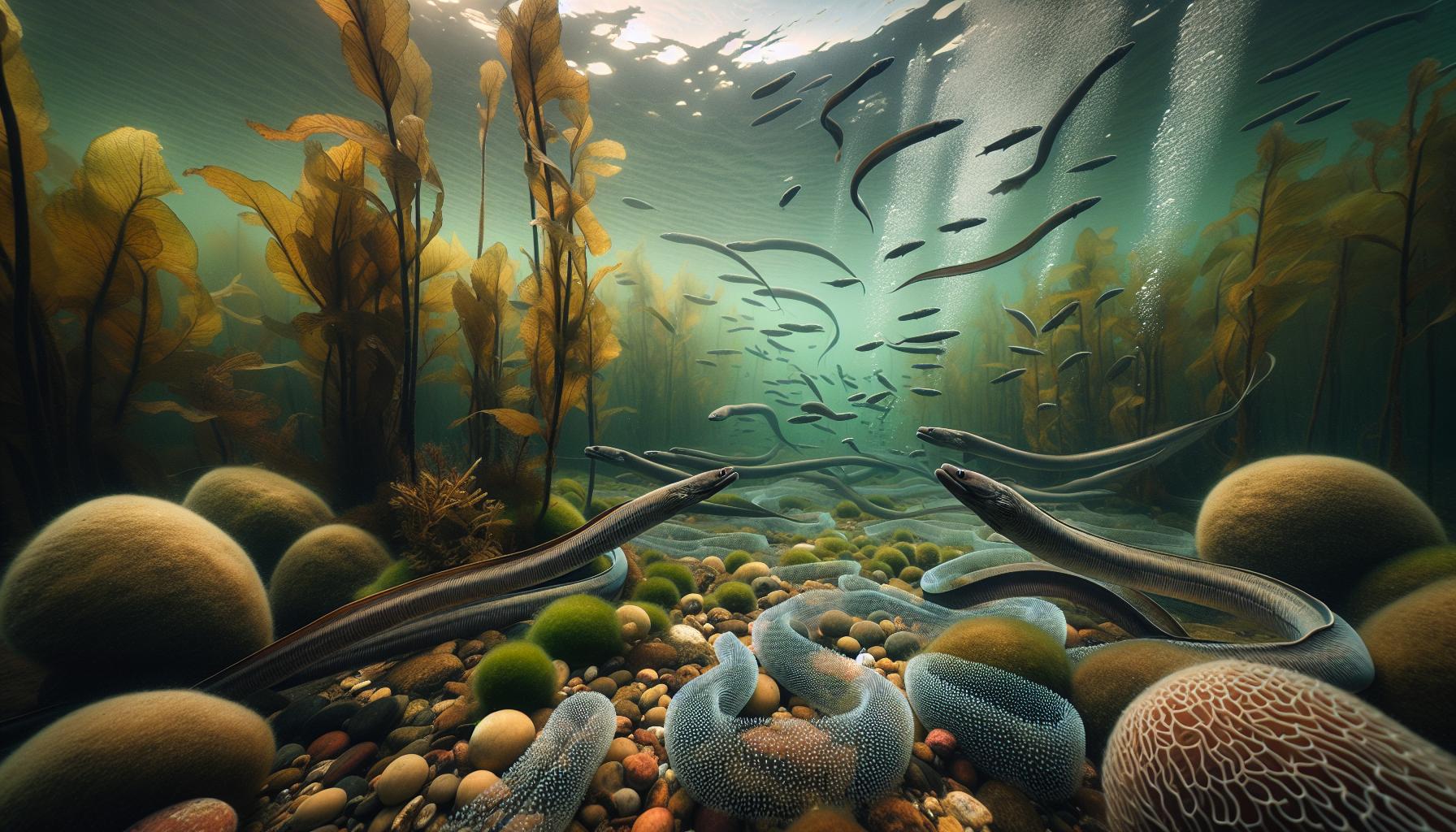
Genetic Mysteries: The Role of Eel DNA
The intricate genetic makeup of eels plays a pivotal role in the ongoing enigma surrounding their reproduction. With over 800 species across various habitats, the genetic diversity among eels not only supports their adaptability but also complicates their reproductive behaviors. For example, species like the European eel (Anguilla anguilla) and the American eel (Anguilla rostrata) exhibit fascinating genetic traits that reflect their migratory patterns and life cycles. These attributes are not just essential for survival, but hold critical clues to understanding their spawning mysteries.
Genetic studies have revealed significant information about the life history of eels, particularly regarding their breeding and migratory behaviors. The ability of these creatures to traverse vast oceanic distances is tied to specific genes that regulate their development and adaptability to different environments. Eel DNA contains markers that are vital for studying their evolution and migration; yet, because eels often change their physical form as they move from freshwater to saltwater, tracking genetic shifts over time remains a complex endeavor. This transformation is critical for reproduction-adults undergo physiological changes that signal their readiness to spawn, but capturing this in a scientific context has proven difficult.
Additionally, researchers are delving into how environmental factors influence genetic expressions linked to reproduction. Genetic adaptations may be responses to climate variations, which can affect water temperatures and currents, essential elements that eels rely on during their extensive migrations to the Sargasso Sea. Understanding these genetic responses not only sheds light on reproductive habits but can also inform conservation strategies aimed at protecting vulnerable eel populations facing extinction due to environmental pressures.
Ultimately, the complexities of eel DNA illustrate the delicate interconnections between genetics and ecology. As researchers continue to unravel these genetic mysteries, the hope is to not only solve the reproductive puzzle of eels but also to ensure the survival of these fascinating creatures in a rapidly changing world. Through ongoing genetic research, we may discover not just how eels reproduce but also how best to support and sustain their populations for generations to come.
Challenges of Eel Reproduction in Captivity
Reproducing eels in captivity presents a myriad of complex challenges, turning their lifecycle into an ongoing scientific puzzle. Unlike many other fish species, eels not only undergo significant physical transformations as they mature but are also known for their long migrations to specific spawning grounds. For instance, the European eel (Anguilla anguilla) and American eel (Anguilla rostrata) make extensive journeys to the Sargasso Sea to breed, a process that has yet to be effectively replicated in artificial settings.
A primary hurdle in recreating the conditions necessary for eel reproduction lies in their unique environmental requirements. Eels thrive in specific water temperatures, salinity levels, and currents, all of which are difficult to mimic accurately in captivity. This delicate balance is essential not only for their growth but also for triggering the physiological changes that signal readiness to spawn. Without replicating these specific environmental cues, attempts at captive breeding have yielded minimal success.
Moreover, the transition from a freshwater to saltwater environment complicates breeding efforts. Eels exhibit two key life stages-juvenile glass eels migrating to rivers and adult eels returning to the sea to spawn. Captive conditions often disrupt this migratory instinct, leading to stress and health issues. Additionally, eels are famously enigmatic regarding their reproductive biology; much remains unknown about the hormonal and genetic pathways that govern their spawning behavior. Scientists have encountered exceptional difficulty in understanding these mechanisms, as traditional breeding techniques used with other fish species do not yield comparable results with eels.
The emotional weight of these challenges can resonate deeply within the scientific community. The quest to unravel the mysteries of eel reproduction is not merely academic; it reflects a broader urgency tied to the conservation of these species, which are currently facing declining populations worldwide. As researchers strive to develop innovative methods for eel breeding in captivity, support for their ongoing efforts is crucial. By fostering a nurturing environment that respects the unique needs of eels, there exists a sliver of hope that we may eventually witness the successful reproduction of these fascinating fish outside their natural habitats.
The Impact of Climate Change on Eel Breeding
The delicate balance of conditions that eels require for breeding is increasingly threatened by climate change. As global temperatures rise and weather patterns shift, the freshwater habitats critical for eel populations are becoming less stable. For instance, changes in water temperature can disrupt the physiological cues that trigger maturation and migration, essential components of the eel’s life cycle. Warmer waters may lead to earlier or altered spawning times, complicating synchrony with oceanic currents necessary for larval survival.
Impact on Migration Patterns
Eels rely on specific migratory routes to spawn, predominantly traveling to the Sargasso Sea, where they reproduce. Climate change has led to fluctuating ocean temperatures and salinity levels that can affect their ability to navigate these essential pathways. The changing conditions may force eels to adapt their routes, potentially leading them to less favorable environments that impair reproduction. Additionally, altered river flows due to extreme weather can hinder access to upstream habitats, critical for their maturation process as they transition from elvers to adults.
- Temperature Increases: Higher water temperatures can accelerate fish metabolism, leading to premature spawning or reduced survival rates of offspring.
- Habitat Loss: Increased flooding and drought periods can result in the destruction of spawning and nursery habitats, further stressing eel populations.
- Invasive Species: Changing ecosystems may allow invasive species to thrive, which can compete with eels for resources, making survival harder.
As researchers investigate these climate-related challenges, it becomes clear that the impact on eel reproduction also extends to broader ecosystems. Eels play a vital role in maintaining the health of aquatic environments, and their decline may lead to unforeseen consequences for other species as well. Understanding and mitigating these impacts is essential for the conservation of eels and the countless species that rely on healthy waterways. Exploring adaptive strategies and fostering resilient ecosystems will be crucial as we move forward in addressing the complexities posed by a changing climate.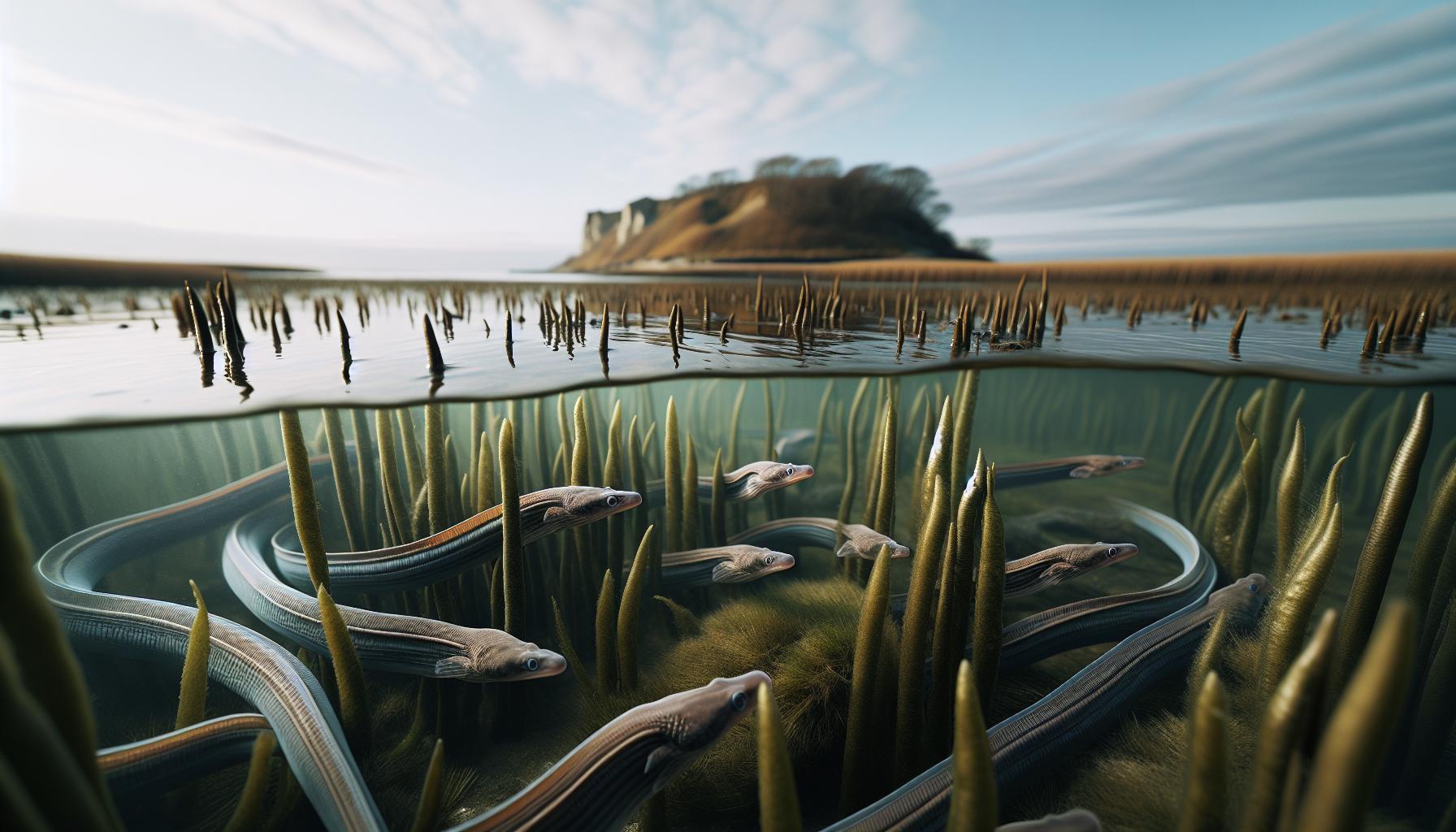
Historical Theories on Eel Reproduction
The mystery surrounding eel reproduction has captivated scientists and naturalists for centuries, leading to various historical theories that attempt to explain this elusive phenomenon. One of the earliest hypotheses dates back to Aristotle, who speculated that eels might spontaneously generate in mud. This concept of autogenesis remained prevalent until the 19th century when advances in biology began to clarify the reproductive processes of many species, yet eels continued to perplex researchers.
In the early 20th century, the focus shifted to the idea that eels spawn in the depths of the ocean, particularly in the Sargasso Sea, a belief that gained traction after the discovery of eel larvae in this area. Scientists like Johannes Schmidt conducted extensive research and collected eel larvae from various locations, inferring that the mysterious journey of eels was deeply connected to their life cycle. This theory, while supported by empirical evidence, still left important questions unanswered regarding the exact nature of spawning and the spawning habitat.
As the decades progressed, new technologies and genetic studies offered fresh insights into the life history of eels. One groundbreaking hypothesis emerged from the examination of eel DNA, suggesting that there might be different spawning populations or subspecies that have distinct behaviors and ecological requirements. This genetic approach provided a framework for understanding how various environmental factors might shape eel reproduction and migration patterns, but it also revealed further complexities surrounding their life cycle.
Despite these theories, the specific mechanisms of eel reproduction-and the locations of their spawning grounds-remain largely enigmatic. The lack of direct observation of eels during the spawning process continues to fuel speculation and research. Each theory presents a fragment of the broader puzzle, encouraging ongoing studies that aim to unravel the complexities of eel reproduction and work towards conservation efforts for this remarkable species that is so vital to aquatic ecosystems.
Current Research Efforts and Breakthroughs
Despite centuries of study, the reproductive journey of eels remains one of the most perplexing mysteries in marine biology. Current research efforts aim to unravel this enigma through a combination of advanced technology, interdisciplinary collaboration, and ecological insights. Scientists continue to explore the Sargasso Sea, widely believed to be the primary spawning ground for many eel species, particularly the European eel (Anguilla anguilla). Recent underwater explorations and remote sensing technologies are providing new perspectives on this critical habitat, revealing complex climate-related influences and biogeographical patterns that impact eel migration.
In addition to habitat-focused studies, genetic analyses have become paramount in understanding eel reproduction. The examination of mitochondrial DNA has indicated that eels from different geographic regions may possess distinct genetic markers. This brings awareness to the possibility of specialized spawning behaviors and adaptations among different eel populations. Researchers are employing techniques like genome sequencing and population genetics to determine these variations, which could illuminate how environmental factors, such as temperature and salinity changes, affect both spawning behavior and juvenile survival.
Moreover, the impacts of climate change are a significant focus of current studies. Eels are known for their unique migratory patterns, often traveling thousands of miles between freshwater habitats and spawning grounds. With climate change altering ocean currents and river ecosystems, researchers are investigating how these changes might disrupt traditional migration paths and spawning timings. Understanding these dynamics is essential not only for eel conservation efforts but also for maintaining the balance of freshwater ecosystems that rely on eels as a vital component of their food web.
Researchers are also delving into the challenges of eel reproduction in captivity, aiming to develop effective aquaculture practices. Successful reproduction within controlled environments could alleviate population pressures on wild stocks and provide invaluable data to help fill in gaps in our knowledge. Innovative techniques, such as hormone treatments and artificial environmental cues, are being tested to stimulate breeding behaviors in captive eels, with some promising results that could redefine how we manage this important species in the future.
Through these varied efforts, the research community is steadily peeling back layers of the mystery surrounding eel reproduction-revealing both the ecological relevance and the astonishing adaptability of this remarkable species. As scientists continue to pool their findings and share their insights, we move closer to understanding the complex life cycle of eels and ensuring their survival in the wild.
The Importance of Eel Reproduction for Ecosystems
Eels are vital components of both freshwater and marine ecosystems, intricately linked to their environments in ways that highlight the importance of their reproductive success. The unique life cycle of eels, marked by their epic migrations from freshwater habitats to the mysterious Sargasso Sea for spawning, underlines their role in nutrient cycling and food web dynamics. As predators and prey, eels facilitate energy transfer within ecosystems; their presence influences populations of smaller fish and invertebrates, while they themselves serve as sustenance for larger predators.
Ecological Role of Eels
The reproductive cycle of eels contributes significantly to biodiversity. When eels spawn, they produce a large number of eggs, which can lead to high juvenile survival rates under optimal conditions. These juveniles, known as glass eels, migrate upstream to freshwater rivers and lakes where they grow and mature. This migration is not only critical for the eels themselves but also enriches the aquatic environments they inhabit.
- Habitat Engineering: Eels indirectly create habitats through their feeding activities, which help maintain the balance of aquatic vegetation and sediment.
- Nutrient Distribution: As they migrate, eels transport nutrients between marine and freshwater systems, facilitating biological productivity.
- Food Web Support: Eels are integral to the food web, with their life cycle providing resources for various other species at different trophic levels.
Conservation Significance
The challenges faced by eels in terms of reproduction directly impact ecosystem health. Declining eel populations can result in trophic cascades and reduced biodiversity. Conservation efforts that focus on understanding and supporting eel reproduction are crucial not only for the species themselves but also for the stability of the ecosystems that depend on them.
By recognizing the significant role of eel reproduction in sustaining ecological balance, we can foster a greater appreciation for these enigmatic creatures and the vital services they provide. Continued research into their spawning behaviors and habitat requirements will be essential to protect their populations and ensure the health of interconnected ecosystems.
Cultural Significance and Myths Surrounding Eels
Eels have captured human imagination for centuries, shrouded in folklore, tradition, and mystery. Their elusive nature and unique life cycle have led to various cultural narratives and myths across different societies. In many cultures, eels are seen as symbols of transformation and resilience. For example, in various Indigenous cultures of North America, eels are respected as important food sources and are often incorporated into traditional stories that emphasize balance within nature.
Throughout history, eels have sparked curiosity and bewilderment regarding their reproductive habits. Ancient philosophers like Aristotle speculated about their origins, pondering whether they came from mud or moisture. This uncertainty has lingered for centuries, leading to a wide array of myths. In some cultures, eels were considered magical beings or messengers from the spirit world, reinforcing their mysterious status in human stories. Their spawning grounds, hidden in the depths of the Sargasso Sea, add to the awe, as these habitats remain largely unexplored and enigmatic.
The culinary significance of eels has also played a role in shaping cultural identities. In Japanese cuisine, for instance, unagi (grilled eel) is not only a delicacy but is also tied to seasonal festivals that celebrate the migration of eels, reflecting the deep connection between people and this remarkable species. Similarly, in many European cultures, eels have been traditionally consumed during significant occasions, symbolizing prosperity and health.
Despite their cultural significance, eels face numerous threats that jeopardize their populations, including overfishing and habitat loss. As awareness of their ecological roles and the mysteries of their reproduction grows, efforts to protect this vital species and its habitats have become increasingly important. Understanding and preserving the cultural narratives surrounding eels can foster a greater appreciation for their place in both ecosystems and human heritage.
Comparative Analysis: Eels vs. Other Fish Species
Eels are particularly intriguing when compared to other fish species due to their unique reproductive mysteries and life cycle, which remain largely enigmatic even to scientists. Unlike many fish, eels undergo a complex journey that includes a journey to breeding grounds in the Sargasso Sea, where their spawning occurs. This elusive spawning behavior parallels certain traits seen in migratory fish like salmon; however, the exact mechanisms and environmental cues that trigger eel spawning are still unknown.
The Unusual Reproductive Strategy
Eels exhibit a fascinating reproductive strategy that sets them apart. They begin life as leptocephali, transparent larvae that drift in ocean currents for several months before morphing into juvenile eels (glass eels) as they approach coastal waters. Conversely, most fish species, such as trout or bass, spawn in their home rivers or lakes, releasing fertilized eggs that develop in local environments. This stark difference prompts questions regarding the evolutionary advantages of the eel’s long migration.
Genetic Studies and Challenges
Recent genetic studies have provided new insights into the reproductive mysteries of eels; these findings highlight their evolutionary adaptations. For example, unlike many other fish species, which reproduce in predictable seasonal cycles, eels seem to have a more unpredictable reproductive schedule influenced by environmental factors like temperature and salinity. This adaptability could explain why they are able to thrive in a range of habitats, albeit at a cost-the challenges faced in captivity often hinder their reproduction due to stress or the inability to replicate natural conditions. What makes eels further unique among fish is their considerable leatheriness and fat content, which can affect their reproductive success compared to leaner fish species.
Cultural and Ecological Importance
In various cultures, eels symbolize mystery and resilience, whereas other fish often embody symbolism tied to fertility and abundance. Their enigmatic nature invites numerous myths and legends around the world, impacting how societies interact with and perceive these creatures. Conservation efforts are critical, given the ecological roles of eels as both predator and prey; understanding eel reproduction can help in devising effective preservation strategies. In summary, while eels share some similarities with other fish, their distinctive life cycle, genetic makeup, and cultural significance make them a unique subject in the study of aquatic life and conservation efforts.
Future Directions: Solving the Eel Mystery
The mysteries surrounding eel reproduction have intrigued scientists and enthusiasts alike for centuries. As researchers delve deeper into understanding the life cycle of these enigmatic creatures, new technologies and methodologies are paving the way for breakthroughs. One promising avenue is the application of advanced genetic analysis techniques, which can reveal critical insights into the reproductive genetics of eels. Such studies may help identify the specific genes responsible for their unique spawning behaviors and their adaptability to various environments.
Additionally, ecological modeling has emerged as a vital tool for simulating the complex factors influencing eel reproduction. By creating models that encompass environmental variables such as water temperature, salinity, and food availability, researchers can better predict spawning patterns and juvenile survival rates. This information is crucial for conservation efforts, as it allows for the development of targeted strategies to protect vital habitats and migration routes.
Furthermore, collaborative international research initiatives are crucial in addressing the global eel population decline. Scientists from various countries are working together to combine data and share findings, creating a more comprehensive understanding of eel biology on a global scale. This collaboration enhances the ability to tackle challenges such as climate change and pollution-two significant threats to eel habitats.
Engagement with Local Communities
Community involvement is also essential. By educating local populations about the importance of eels within their ecosystems and their cultural significance, conservationists can foster a sense of stewardship. Initiatives that include local fishermen in monitoring eel populations can ensure sustainable practices while providing invaluable field data to researchers.
In summary, as the scientific community continues to unravel the mysteries of eel reproduction, a multifaceted approach combining genetic research, ecological modeling, international collaboration, and community engagement will be vital. Each of these strategies holds promise, not only for solving the eel mystery but also for ensuring the future of these remarkable fish.
Faq
Q: Why is eel reproduction considered a mystery?
A: Eel reproduction remains mysterious due to its elusive nature and lack of direct observations. Eels are known to migrate thousands of miles to spawn in specific locations, yet these spawning grounds are still largely undiscovered, complicating scientific understanding of their reproductive habits.
Q: How do eels reproduce in the wild?
A: In the wild, eels migrate to deep ocean waters, often near the Sargasso Sea, where they engage in spawning. The exact mechanics of their reproduction are unclear, as adult eels die after spawning, making it difficult to study their reproductive processes directly.
Q: What challenges do scientists face studying eel reproduction?
A: Scientists face challenges such as the eels’ long migrations, the depth of spawning habitats, and the difficulty in capturing and observing the breeding behavior in their natural environment, all of which hinder research efforts.
Q: Why do eels spawn in the Sargasso Sea?
A: Eels are believed to spawn in the Sargasso Sea due to its unique environmental conditions, such as temperature and salinity, which may provide an optimal habitat for successful fertilization and development of their eggs.
Q: What role does climate change play in eel reproduction?
A: Climate change may affect eel reproduction by altering migratory patterns, water temperatures, and habitats. These changes can disrupt breeding cycles, reduce spawning success, and threaten eel populations, impacting their overall survival.
Q: Are there different species of eels with varying reproductive methods?
A: Yes, while many eels share similar spawning behaviors, there are species variations. For example, freshwater eels like the European eel and American eel exhibit migratory patterns, while others may reproduce in freshwater environments, leading to diverse reproductive strategies.
Q: What historical theories exist about eel reproduction?
A: Historically, theories about eel reproduction have ranged from beliefs in spontaneous generation to concepts of hermaphroditism. While these have evolved, modern science continues to explore the enigmatic reproductive behaviors of eels with new genetic and ecological insights.
Q: How can understanding eel reproduction benefit ecosystems?
A: Understanding eel reproduction is crucial for ecosystem health, as eels play a vital role in nutrient cycling and as a food source for various species. Protecting their breeding habitats and ensuring their population stability is essential for maintaining biodiversity.
The Conclusion
As we unravel the enigma of eel reproduction, it’s clear that this captivating journey is just beginning. While scientists strive to decode the intricate lifecycle of eels, exploring their habits and the mysteries that shroud their mating rituals deepens our understanding of these fascinating creatures. If you found this exploration insightful, don’t miss our related articles on the lifecycle of the European eel and the unique features of different eel species.
Your curiosity can lead to even more learning-subscribe to our newsletter for the latest discoveries in marine biology, or dive into our extensive resources on ocean life. Every click contributes to your ocean of knowledge and keeps you connected with the mysteries yet to be uncovered. Join the conversation below-share your thoughts or questions, and let’s continue this journey together!
Get our latest guides, news, and insights highlighted in your Google Search & AI Overviews.