The dairy industry is a cornerstone of food production, yet many people remain unaware of the practices that sustain it. One such practice is artificial insemination, which has become a common method for breeding dairy cows to enhance milk production. Understanding this process is crucial not only for those interested in agricultural practices but also for consumers who care about animal welfare and product quality. As we delve into the intricacies of artificial insemination in dairy farming, we’ll explore the implications for animal health, ethical considerations, and the future of sustainable practices in the industry. Join us in uncovering the facts behind this vital aspect of dairy production that impacts both the animals and the products we consume.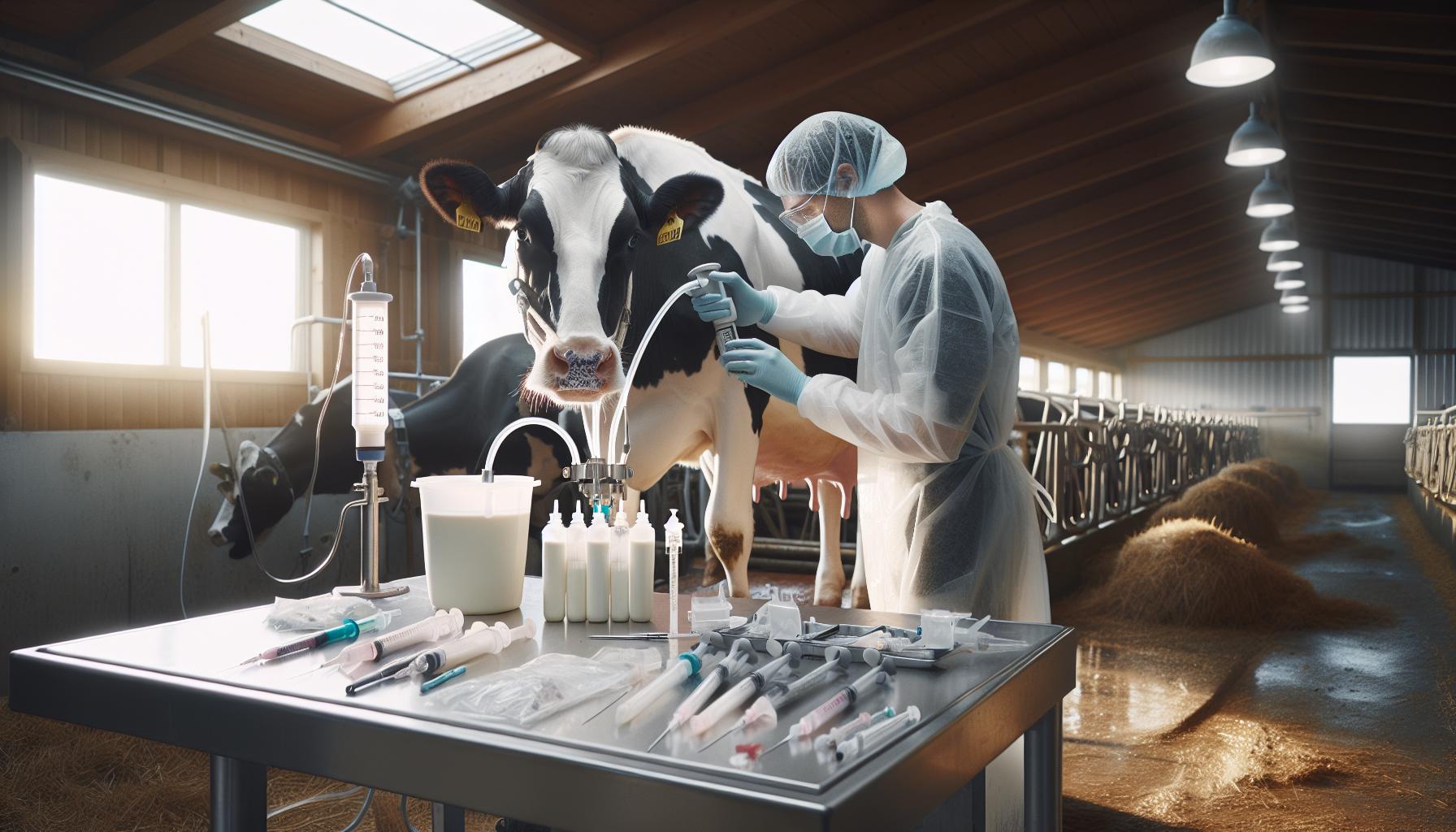
Understanding Artificial Insemination in Dairy Cows
Artificial insemination is a key component of modern dairy farming, revolutionizing how dairy cows are bred and enhancing herd genetics. While not all dairy cows are artificially inseminated, a significant number are, primarily due to the benefits this method offers over traditional breeding. Artificial insemination allows farmers to use superior genetics from bulls that may be geographically distant, ensuring they can select the best traits such as milk production, disease resistance, and longevity.
The artificial insemination process begins with the careful collection and processing of bull semen, which is then stored in liquid nitrogen to maintain viability. Dairy farmers, often trained in animal husbandry, use this semen to inseminate cows at the optimal time in their reproductive cycle, significantly increasing the chances of successful conception. This precision not only enhances reproductive efficiency but also allows for better management of breeding schedules within the farm, which is crucial for maintaining a steady milk supply.
Moreover, artificial insemination can help reduce the risk of diseases that can be spread through natural breeding. Since the process involves controlled techniques, it minimizes the exposure that cows would face in a free-range mating scenario. Despite these advantages, there are common misconceptions about artificial insemination, such as the belief that it negatively affects cow health or that it is an unnatural process. In reality, when executed properly, it is a humane and effective method that enhances animal husbandry practices and promotes animal welfare.
The broader implications of artificial insemination in the dairy industry are profound, impacting milk production efficiency, herd health management, and economic viability for dairy farmers. As the dairy industry continues to evolve, embracing new technologies in reproductive practices will be essential for meeting the growing demand for dairy products while ensuring ethical and sustainable farming practices.
The Role of Artificial Insemination in Dairy Farming
Artificial insemination (AI) has transformed dairy farming, becoming a fundamental practice for genetic improvement and herd management. While not all dairy cows undergo AI, the method is extensively used, allowing farmers to leverage the best genetics from superior bulls, regardless of their geographical location. This strategic approach ensures that dairy operations can select traits that enhance milk production, fertility, and overall herd health, which is vital in meeting the increasing demand for high-quality dairy products.
One of the pivotal roles of AI in dairy farming is its ability to synchronize breeding cycles, which significantly maximizes the efficiency of artificial insemination programs. Farmers can determine the optimal time for insemination, thereby improving the chances of conception and reducing the time between calving events. This precision reproductive management directly contributes to maintaining steady milk supplies, which is critical for the financial sustainability of dairy farms.
Moreover, AI helps mitigate the transmission of sexually transmitted diseases among the herd, a common risk associated with natural breeding. By utilizing processed semen from healthy, disease-tested bulls, dairy farmers can safeguard their herds against illnesses that can severely impact productivity. This controlled breeding environment not only fosters better health outcomes for the cows but also enhances overall herd stability.
The implementation of artificial insemination facilitates the continuous improvement of dairy cattle genetics, ultimately leading to higher production efficiencies and better-quality milk. As dairy farming evolves, adapting AI techniques alongside technological advancements will remain essential for sustained growth and ethical animal husbandry practices. With ongoing research and development in reproductive techniques, the future of dairy farming looks promising, with AI at the forefront of innovation in herd management.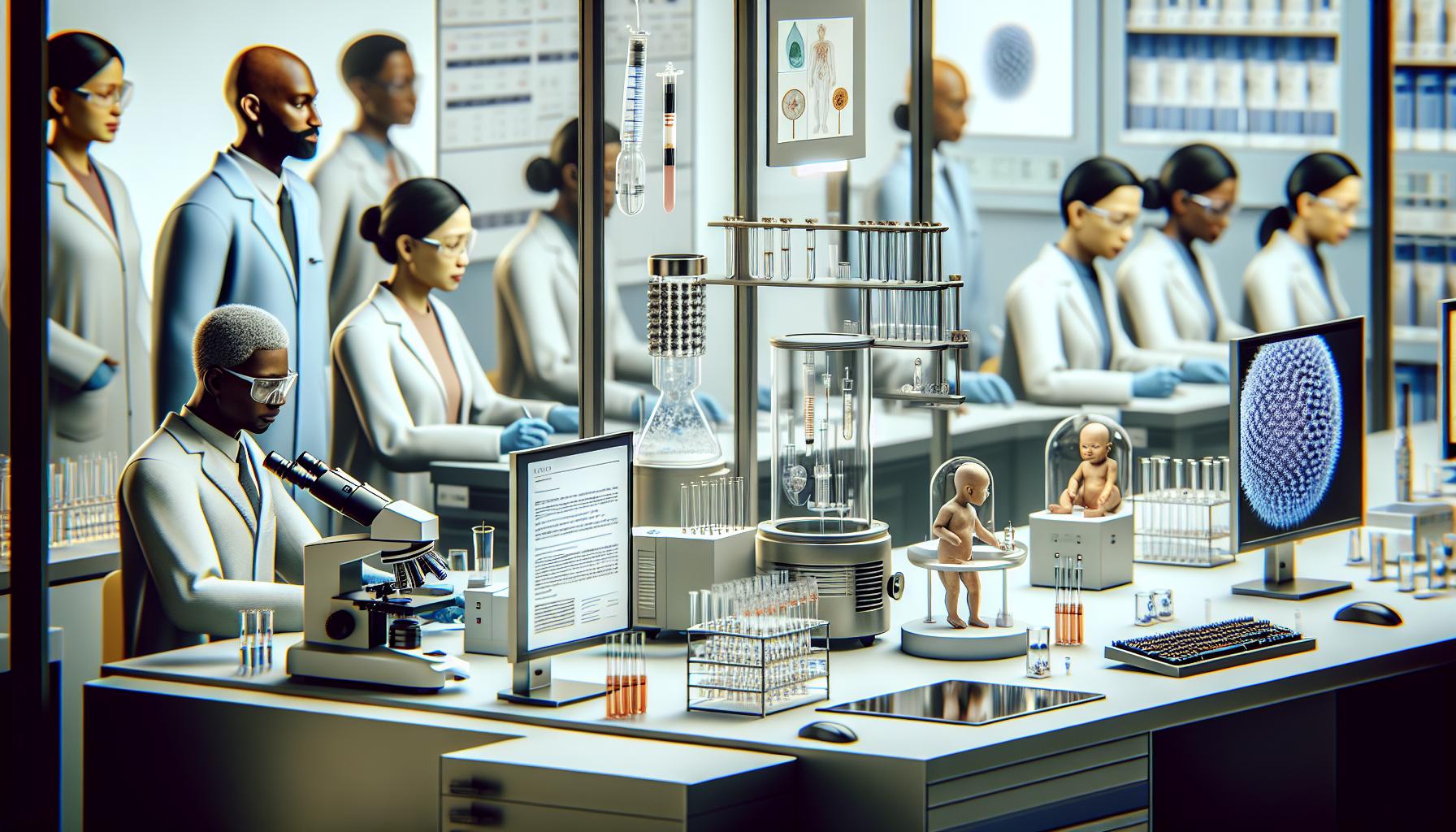
Benefits and Drawbacks of Artificial Insemination
Artificial insemination (AI) has become a cornerstone of modern dairy farming, offering a blend of benefits that optimize herd management and production efficiency, alongside drawbacks that necessitate careful consideration. One of the primary advantages of AI is genetic improvement. Farmers can select superior genetics from bulls across the globe, enhancing desirable traits such as milk yield, disease resistance, and overall herd longevity. This wide genetic pool allows for more rapid enhancements in herd quality compared to traditional breeding methods, where available genetics may be limited.
Another significant benefit of AI is the precise control it offers over breeding. With AI, farmers can strategically time insemination to coincide with a cow’s ovulation, improving conception rates and reducing the calving interval. This not only increases the overall milk production but also stabilizes the herd’s reproductive schedule, leading to better financial predictability for dairy operations. Additionally, AI plays a crucial role in healthier herd management. By utilizing semen from disease-free bulls, farmers can reduce the risk of transmitting sexually transmitted diseases, which can be a significant concern with natural breeding.
Despite these advantages, there are some challenges associated with artificial insemination. The cost of AI can be a factor, as it involves expenses related to the technology, skilled personnel, and the purchase of high-quality semen. While these costs can lead to long-term savings through improved herd performance, the initial investment may deter some farmers, particularly those operating on tighter budgets. Additionally, achieving successful insemination requires expertise; improper technique or timing can lead to decreased conception rates, necessitating ongoing education and training for farm staff.
Furthermore, there are intrinsic emotional and ethical considerations regarding animal welfare. Some advocates question the long-term impacts of AI on cow health and well-being, believing that natural breeding may be more aligned with animal instincts. Balancing these concerns with technological advancements in herd management is critical for farmers aiming to maintain ethical practices while optimizing production.
In summary, while the benefits of artificial insemination in dairy farming are substantial, including enhanced genetic selection, improved herd management, and disease control, it is crucial to remain aware of the associated challenges and ethical considerations. Engaging with these factors thoughtfully allows dairy farmers to make informed decisions that align with both business goals and animal welfare.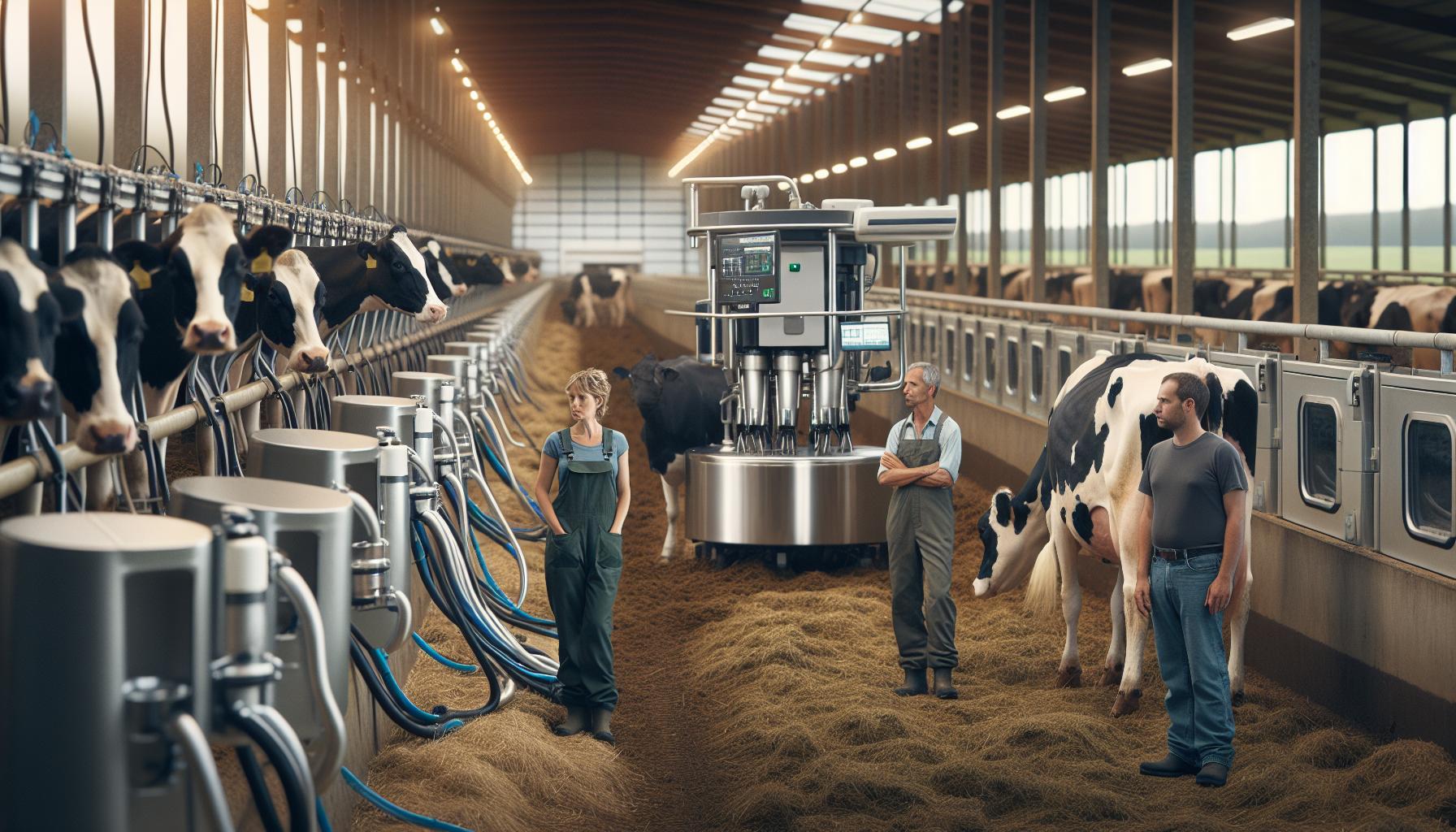
Common Misconceptions About Dairy Cows and AI
Many people assume that all dairy cows are artificially inseminated, but this is not entirely accurate. While artificial insemination (AI) is incredibly popular in modern dairy farming, a significant number of cows are still bred through natural methods. The misconception may stem from the visibility of AI in agricultural practices and its numerous advantages, but it’s important to consider the full picture of dairy cow reproduction.
One common belief is that AI is the only viable method for breeding dairy cows. In reality, many farmers still choose natural breeding due to its simplicity and lower initial cost. While AI offers specific genetic benefits, such as access to superior bulls from around the world, natural breeding can be a practical choice, especially for smaller farms with limited resources. Additionally, some farmers prefer natural breeding because it aligns more closely with traditional farming practices and animal welfare beliefs.
Another misconception is that AI is required for all dairy cows to achieve optimal milk production. While AI can improve genetic traits such as milk yield and disease resistance, many cows still produce high quantities of milk when bred naturally. The decision to use AI often depends on a farm’s specific goals, economic factors, and personal preferences.
Concerns about the health and well-being of cows involved in AI also generate debate. Critics argue that the process can be stressful for animals, leading to welfare issues. However, when performed correctly by trained personnel, AI can actually enhance herd health by allowing farmers to select disease-resistant genetics. It’s essential for dairy farmers to weigh these factors when deciding on breeding methods, ensuring that they prioritize both animal welfare and production efficiency.
In conclusion, while artificial insemination plays a crucial role in advancing dairy farming, it is not the only method of breeding dairy cows. Understanding the nuances of both AI and natural breeding can help clarify misconceptions and support more informed discussions about dairy farming practices.
Natural Breeding vs. Artificial Insemination: A Comparison
In the world of dairy farming, understanding the choices between natural breeding and artificial insemination (AI) is crucial for optimizing herd health and productivity. Many farmers face the challenge of deciding which method will best serve their needs and align with their farm’s goals. This decision isn’t merely about reproduction; it reflects broader considerations such as resource availability, herd management practices, and desired genetic traits.
Natural breeding involves allowing a bull to mate with cows, a method that proponents argue is less stressful for the animals as it follows their natural instincts. This technique can be particularly beneficial for smaller farms where access to AI technology or trained personnel may be limited. Additionally, natural breeding tends to incur lower initial costs since it avoids the need for equipment and labor associated with AI techniques. However, this method may restrict farmers’ access to superior genetics, as they are limited to the local bulls available.
On the other hand, AI provides remarkable advantages in terms of genetic diversity and management efficiency. With AI, farmers have the opportunity to select from a broader pool of genetics globally, allowing them to enhance desirable traits such as milk production, disease resistance, and overall herd health. While the upfront costs may be higher due to the need for specialized training and equipment, AI can lead to more significant long-term benefits by producing calves with improved genetics.
Ultimately, the choice between natural breeding and artificial insemination hinges upon individual farm circumstances. Factors such as farm size, available resources, and specific breeding goals should guide farmers in their decision-making process. For those seeking to maximize genetic potential while maintaining herd health, understanding the comparative benefits and challenges of both methods is essential in developing an effective breeding strategy.
The Process of Artificial Insemination in Dairy Cows
Artificial insemination (AI) in dairy cows is a carefully orchestrated process that combines science and animal husbandry. A key factor impacting productivity and genetic potential, AI allows farmers to enhance their herds with superior genetics efficiently. The initial step involves strategic timing; insemination is most successful when performed during a cow’s estrus cycle, typically lasting 12 to 24 hours. This requires careful observation of behavioral signs or the use of technology to monitor heat cycles.
Once a cow is identified as being in heat, the actual AI procedure can commence. The process begins with the collection of semen from a selected bull, which is evaluated for sperm motility and overall quality. Semen is often cryopreserved in liquid nitrogen to maintain its viability before transportation to the farm. Using specialized AI equipment, such as insemination rods, trained technicians introduce the viable semen directly into the cow’s reproductive tract, specifically targeting the cervix to maximize the chances of fertilization.
Post-insemination, monitoring is essential to assess whether the insemination was successful. Techniques such as ultrasound can confirm pregnancy. Farmers should also be aware of common challenges, including the need for proper cattle handling and maintaining semen quality throughout the process. With proper training and experience, the AI technique not only improves herd genetics but also allows for better control over breeding outcomes.
This method represents a blend of tradition and technological advancements, addressing the evolving demands of dairy farming. By understanding and implementing AI effectively, farmers can optimize their production, ensuring a more sustainable and productive future for their herds.
How Artificial Insemination Affects Dairy Cow Health
Incorporating artificial insemination (AI) into dairy farming practices has notable implications for the health and well-being of dairy cows. One of the most significant advantages is the control it affords farmers over genetic selection. By accessing superior genetics, farmers can improve traits such as milk yield, disease resistance, and overall longevity of the herd. This genetic enhancement can lead to healthier cows, as modern breeding practices focus on traits that promote vitality and reduce susceptibility to diseases.
However, the process of artificial insemination must be performed with care to minimize stress and health risks to the cows. For instance, improper handling during insemination can lead to physical injuries or infections. Regular training for technicians is vital to ensure that AI procedures are executed safely and effectively, which in turn supports the reproductive health of the cows. Cows that undergo AI procedures also benefit from reduced exposure to bull-related injuries and diseases, as natural breeding can sometimes lead to violence among animals or the spread of sexually transmitted diseases.
Another important aspect to consider is the hormonal treatments often used to synchronize estrus cycles, enhancing the timing of AI procedures. While these hormones can improve reproductive efficiency, their use must be closely monitored, as they may have side effects if not managed properly. Stress management is also crucial; high-stress levels can adversely affect a cow’s reproductive system and milk production. Incorporating low-stress handling techniques can significantly enhance the overall health and productivity of dairy cows.
In summary, while artificial insemination presents several health benefits by advancing genetics and reducing certain risks associated with natural breeding, it requires diligent management and skilled handling to safeguard the cows’ welfare. By continually improving AI practices and emphasizing animal health, the dairy industry can achieve sustainable productivity while ensuring the well-being of dairy herds.
Success Rates and Factors Influencing AI Outcomes
The success of artificial insemination (AI) in dairy cows can be influenced by a myriad of factors, leading to varying outcomes across different farms and practices. On average, the conception rates for AI in dairy cows range from 30% to 50% per insemination. Understanding what affects these rates is crucial for farmers aiming to optimize their reproductive programs and ensure the health and productivity of their herds.
One key factor is timing and estrus detection. Accurate identification of a cow’s heat cycle is essential; inseminating too early or late can drastically decrease the chances of conception. Farmers often utilize hormonal treatments to synchronize estrus, allowing for more precise timing of AI. Additionally, advancements in technology, like heat detection monitors, can enhance the accuracy of estrus detection and increase success rates.
Nutrition also plays a critical role in reproductive performance. Cows that are well-nourished are more likely to conceive successfully. Nutritional deficiencies or imbalances can lead to poor reproductive outcomes. Ensuring that cows receive a balanced diet that meets their energy, protein, and mineral requirements is essential for supporting their reproductive health and overall well-being.
Another vital consideration is the quality of the semen used during the insemination process. Semen that has been properly collected, processed, and stored leads to higher success rates. Semen quality can be affected by factors during collection, storage, and transport, including temperature control and handling techniques. It is imperative for farmers to work with reputable semen suppliers to ensure that they are using high-quality genetic material.
Lastly, the skill and experience of the inseminator cannot be overlooked. Proper technique and care during the insemination process can greatly influence the success rate. Adequate training and experience help inseminators handle cows gently, minimizing stress and discomfort, which are crucial for maximizing reproductive efficiency. Regular training for technicians can promote best practices and lead to improved results.
By focusing on these influential factors-timing, nutrition, semen quality, and technician training-dairy farmers can significantly enhance the success rates of artificial insemination, ultimately contributing to a healthier herd and greater dairy productivity.
Impact of AI on Dairy Production and Quality
The utilization of artificial insemination (AI) in dairy farming has profoundly transformed the industry, driving advancements in production efficiency and milk quality. With the ability to select genetics more precisely than traditional breeding methods, farmers can effectively improve herd productivity. For instance, AI allows for the introduction of superior genetic traits, such as disease resistance, milk yield, and overall health, leading to enhanced quality of dairy products and better economic returns.
One significant impact of AI is its contribution to increased milk production. By employing elite genetics, farmers can enhance the genetic potential of their herds. According to studies, herds using AI can achieve milk yields that are, on average, 10-20% higher compared to those relying solely on natural breeding. This increase is not only beneficial for profitability but also crucial in meeting the rising global demand for dairy products. Effective management of breeding programs through AI facilitates consistent production levels, which are essential for maintaining a reliable supply chain.
Additionally, AI streamlines herd management practices by allowing farmers to time inseminations to coincide with optimal reproductive cycles. This precision leads to higher conception rates and, consequently, healthier calves. Improved reproduction directly enhances herd turnover rates, helping farmers manage their operations more efficiently.
While focusing on production numbers, it’s equally important to consider the quality of milk produced. AI supports the breeding of cows that produce milk with better composition, such as higher butterfat and protein percentages, which are vital for cheese making and other dairy products. By tracking genetic traits selected through AI, farmers can ensure that they breed cows that maintain high milk standards, thereby improving the overall quality of dairy products available to consumers.
In summary, the integration of artificial insemination in dairy farming not only advances production efficiency but also enhances the quality of milk. This method brings together improved genetics, management precision, and better overall herd health, shaping the future landscape of dairy production.
Ethical Considerations in Artificial Insemination Practices
Ethical considerations surrounding artificial insemination (AI) in dairy farming are multifaceted, prompting reflection not just on animal welfare but also on the broader implications for the industry and society. The emotional weight of the processes involved in converting these natural reproductive events into more controlled practices raises significant questions about the welfare of dairy cows and the nature of their treatment in the agricultural system.
One prominent ethical concern is the practice of routine artificial insemination itself. While it allows farmers to breed cows with desirable genetic traits, it may lead to various animal welfare issues, including the stress and physical discomfort associated with the procedure. Cows are often subjected to multiple inseminations before achieving successful pregnancies, which can lead to health problems such as infections, reproductive failures, and ultimately, the classification of cows as less profitable when they do not meet production goals. Understanding the emotional lives of these animals, it becomes essential to approach AI with protocols that prioritize their well-being and minimize discomfort.
Moreover, the implications of AI extend beyond individual animal welfare to touch on larger ethical questions regarding livestock breeding practices. The selective breeding made possible by AI can inadvertently decrease genetic diversity within herds, increasing the susceptibility of cows to diseases and other health issues over time. It confronts farmers with the dilemma of balancing economic incentives for higher milk production against the long-term health of their herds. Ensuring genetic diversity is vital, as it fosters a healthier population that is resilient to environmental changes and diseases.
The ethical landscape also invites scrutiny regarding consumer awareness and expectations. As dairy products become more sophisticated, consumers often seek assurances regarding the humane treatment of animals. This demand can prompt farmers to adopt more transparent practices, providing information on how AI affects cow health and welfare. By engaging consumers in meaningful conversations about the ethics of dairy farming, producers can align their practices with societal values while promoting animal welfare initiatives.
In summary, addressing the ethical considerations of artificial insemination in dairy cows requires a careful blend of animal welfare, genetic diversity, and consumer transparency. As the industry evolves, adopting practices that uphold high ethical standards not only enhances animal well-being but also fosters trust among consumers, ultimately contributing to a more sustainable future in dairy farming. The challenge lies in finding a path that respects both the livelihoods of farmers and the dignity of the animals they care for.
Future Trends in Dairy Cow Reproduction Techniques
As the dairy industry evolves, several innovative trends are emerging in the area of reproductive techniques for dairy cows, driven by a desire to enhance productivity while prioritizing animal welfare and genetic diversity. One exciting avenue is the integration of advanced reproductive technologies, including genomic selection and sexed semen. Genomic selection allows farmers to identify and breed animals with desirable traits based on DNA analysis, leading to herds that are not just more productive but also healthier and more resilient to diseases. This technology enables more informed breeding decisions, ultimately improving the genetic quality of future generations.
Embracing Technology in Breeding
Another significant trend is the use of artificial intelligence (AI) and big data analytics in reproductive management. These technologies can analyze vast amounts of data from herds, providing insights that help farmers determine optimal breeding times, monitor reproductive performance, and improve overall herd health. For instance, wearable devices that track physical activity and other health metrics can alert farmers to cows that are in heat, ensuring that inseminations are performed at the most effective times. This precision not only improves conception rates but also reduces the stress and health risks associated with repeated insemination attempts.
Sustainability and Animal Welfare
Alongside technological innovations, there is a growing emphasis on sustainability in reproduction practices. Farmers are increasingly prioritizing breeding programs that support the welfare of cows while also minimizing the environmental impact of dairy farming. Integrated breeding systems that focus on maintaining genetic diversity within herds are being promoted, as they help enhance resilience against diseases and adapt to changing environmental conditions. Adopting such practices can lead to healthier cows and more sustainable long-term farming operations.
Ultimately, the future of dairy cow reproduction techniques is characterized by a blend of tradition and innovation, where advanced reproductive methods meet ethical considerations. As these trends gain traction, they promise not only to boost productivity in the dairy sector but also to enhance the welfare of dairy cows, ensuring a balance between economic viability and responsible farming practices. Embracing these advancements will require continuous learning and adaptation from farmers, but the potential benefits-healthier herds, improved productivity, and greater animal welfare-are well worth the effort.
Alternatives to Artificial Insemination in Dairy Farming
While artificial insemination is a common practice in the dairy industry, there are alternative methods for breeding dairy cows that can also support herd management and productivity. Understanding these alternatives is crucial for farmers looking to diversify their breeding strategies and maintain herd health.
One prominent alternative is natural breeding, where a bull is allowed to mate with cows. This method relies on the animal’s natural reproductive cycle and can have certain advantages, particularly in situations where farmers prioritize genetic diversity and the well-being of the animals. A bull can naturally detect when cows are in heat, potentially leading to successful pregnancies without the need for intervention. However, this approach requires careful selection of bulls to ensure quality genetics and can lead to challenges in managing breeding timing and bull temperament.
Another method gaining traction is the use of managed natural breeding. This approach combines the best of both natural and artificial methods, where farmers use bulls in addition to artificial insemination to optimize genetic diversity and reproductive success. By employing controlled mating schedules and monitoring cows for heat, farmers can maximize their breeding efficacy while allowing for the natural mating behaviors that can occur in a low-stress environment.
In some instances, embryo transfer can serve as a robust alternative to artificial insemination. In this technique, embryos produced from high-quality genetic stock are implanted into recipient cows. This allows for the propagation of desirable genetic traits across multiple herds, enhancing overall genetics without relying solely on artificial insemination practices. However, embryo transfer requires more technical know-how and investment compared to simpler methods.
Lastly, cross-breeding with various dairy breeds can be a strategic alternative to improve herd performance. By intentional mixing of breeds, farmers can create hybrid vigor, which may result in improved milk production, fertility, and disease resistance. It’s an effective practice that can offer economic benefits while also fostering genetic diversity among dairy herds.
Ultimately, while artificial insemination remains a prevailing choice for many dairy operations, exploring these alternatives can provide valuable options for farmers aiming to enhance their breeding programs in a way that aligns with their operational goals and ethical considerations. Choosing the right method requires a thoughtful assessment of herd needs and production goals, ensuring that all practices prioritize both the health of the cows and the sustainability of the farming operation.
Frequently Asked Questions
Q: Are all dairy cows bred through artificial insemination?
A: Not all dairy cows are bred through artificial insemination (AI). While AI is prevalent due to its increased efficiency and genetic benefits, some farms still use natural breeding methods. Both approaches have their advantages and disadvantages, which can vary based on farm practices.
Q: What percentage of dairy cows are artificially inseminated?
A: Approximately 80-90% of dairy cows in commercial settings are bred using artificial insemination. This method allows dairy farmers to utilize superior genetics and can lead to healthier herds and better milk production outcomes.
Q: How does artificial insemination benefit dairy farmers?
A: Artificial insemination provides several benefits to dairy farmers, including improved genetics, increased reproductive efficiency, and enhanced herd health. It also allows farmers to manage breeding schedules more effectively, leading to more consistent milk production.
Q: What are the health risks associated with artificial insemination in dairy cows?
A: The health risks related to artificial insemination are generally low but may include infections or stress during the procedure. It is essential for farmers to ensure proper techniques and hygiene practices to minimize such risks and maintain cow welfare.
Q: Is there a better alternative to artificial insemination in dairy farming?
A: Alternatives to artificial insemination include natural breeding methods and advanced reproductive techniques like in vitro fertilization (IVF). Each method has unique benefits and challenges, and the best choice often depends on specific farm goals and practices.
Q: How often should dairy cows be artificially inseminated for optimal results?
A: Dairy cows generally should be inseminated within 12 hours of detected estrus for the best results. Regular monitoring of cow behavior and reproductive cycles is crucial to optimize breeding success rates.
Q: What influence does artificial insemination have on dairy production quality?
A: Artificial insemination can significantly enhance the genetic quality of dairy herds, leading to higher milk yields, better butterfat content, and overall improved herd health. These factors contribute positively to the quality of dairy products.
Q: Are there ethical concerns related to artificial insemination in dairy cows?
A: Yes, there are ethical concerns regarding artificial insemination practices, including the treatment of animals and the potential for stress during procedures. It’s essential for farmers to adhere to humane practices and prioritize the well-being of their cows.
Future Outlook
As we’ve explored, understanding the role of artificial insemination in dairy farming is crucial for anyone keen on the industry or concerned about animal welfare. While not all dairy cows are artificially inseminated, this method plays a significant role in improving herd genetics and productivity. If you still have questions or want to dive deeper into related topics such as sustainable dairy farming practices or animal health, check out our articles on organic dairy approaches and the benefits of genetic diversity in livestock.
Don’t forget to join our community by signing up for our newsletter to receive the latest insights and research straight to your inbox. Share your thoughts or experiences in the comments below-we’d love to hear from you! Your engagement helps us create valuable content, so let’s keep the conversation going. Visit our site often for more resources and information that empowers you to make informed decisions about dairy and agriculture.