In today’s world, many women are exploring alternative routes to parenthood, prompting the question: Can a woman artificially inseminate herself? This DIY approach to conception offers a sense of empowerment and control over one’s reproductive journey. However, it’s crucial to understand the safety and effectiveness of such methods. As you consider this path, you may have concerns about the process, potential risks, and emotional implications. Navigating these decisions can be daunting, but this guide aims to provide clarity and support. We’ll delve into the essentials of self-insemination, addressing common questions and considerations, and empower you with knowledge as you explore your family-building options. Curious about how to proceed safely? Let’s uncover the steps together and help you feel more informed on this significant journey.
Understanding Artificial Insemination Techniques for Women
In the quest for parenthood, many women explore the option of artificial insemination, a method that can empower individuals to take charge of their reproductive journey. With the advent of technology and the growing knowledge surrounding fertility, self-insemination is increasingly viewed as a feasible option for women who may not have access to traditional medical settings or are looking for alternative paths to conceive. Understanding the techniques involved in artificial insemination is essential to ensuring a higher chance of success and a safer experience overall.
Types of Techniques
There are a couple of primary methods for artificial insemination that women may consider: intracervical insemination (ICI) and intrauterine insemination (IUI).
- Intracervical Insemination (ICI): This method involves placing sperm directly into the cervix, which can be done using a syringe or a turkey baster-like device. It is typically less invasive and can be done at home.
- Intrauterine Insemination (IUI): This technique requires a medical professional to insert sperm directly into the uterus, often during ovulation. While this cannot be performed at home, it’s essential for understanding the advanced options available.
Timing is critical in both methods, as success rates can significantly increase when insemination occurs close to ovulation. Tracking ovulation through ovulation predictor kits or app-based methods can aid in pinpointing the optimal time for insemination.
Preparation is Key
Having a plan and understanding the physiological aspects of insemination can make the process smoother. Women should ensure they are using high-quality sperm (which could be sourced from a known donor or a sperm bank) and that they practice proper hygiene and care during the insemination process to minimize any risks of infection. The emotional strain of the fertility journey can weigh heavily, so it is also wise to consider joining support groups or forums where shared experiences can foster a sense of community.
Ultimately, while self-insemination offers an empowering route to conception, it is also pivotal to remain informed, cautious, and emotionally prepared for the ups and downs of the journey ahead.
The Safety Protocols for DIY Insemination
Ensuring safety during DIY insemination is paramount for women navigating this personal and often emotional journey towards parenthood. While self-insemination can empower individuals to take control of their reproductive choices, it’s crucial to approach the process with knowledge and preparation to reduce potential risks and enhance the chances of success.
Practicing good hygiene is one of the most essential safety protocols. Before starting any insemination procedure, wash your hands thoroughly with soap and water. This step minimizes the risk of introducing harmful bacteria that could lead to infections. Additionally, any equipment used, such as syringes or applicators, should be sterilized by boiling in water or using a medical-grade sterilizer. Ensure that the sperm you are using is sourced from a safe, reliable donor and that it has been properly packaged and stored to maintain its viability.
Timing your insemination appropriately is also a critical component of the process. Utilizing ovulation predictor kits can help in accurately determining your fertile window, thus increasing the likelihood of conception. Self-monitoring signs of ovulation, such as basal body temperature changes or cervical mucus consistency, can further inform you of the best timing. Remember that successful conception often depends on aligning insemination closely with ovulation-this is when the egg is available to be fertilized by the sperm.
Moreover, consider your emotional and psychological well-being during the DIY insemination journey. It’s normal to experience a range of emotions from hope to anxiety about outcomes. Creating a supportive environment, whether through friends, family, or online communities, can provide guidance and comfort. Celebrating small milestones as you navigate each step can help maintain motivation and positivity while also acknowledging the challenges that may arise.
Ultimately, being well-informed, prepared, and mindful of the emotional roller coaster that accompanies this journey can help ensure a safer and more positive experience. By adhering to safety protocols, you can focus on what matters most: taking meaningful steps toward your dream of parenthood.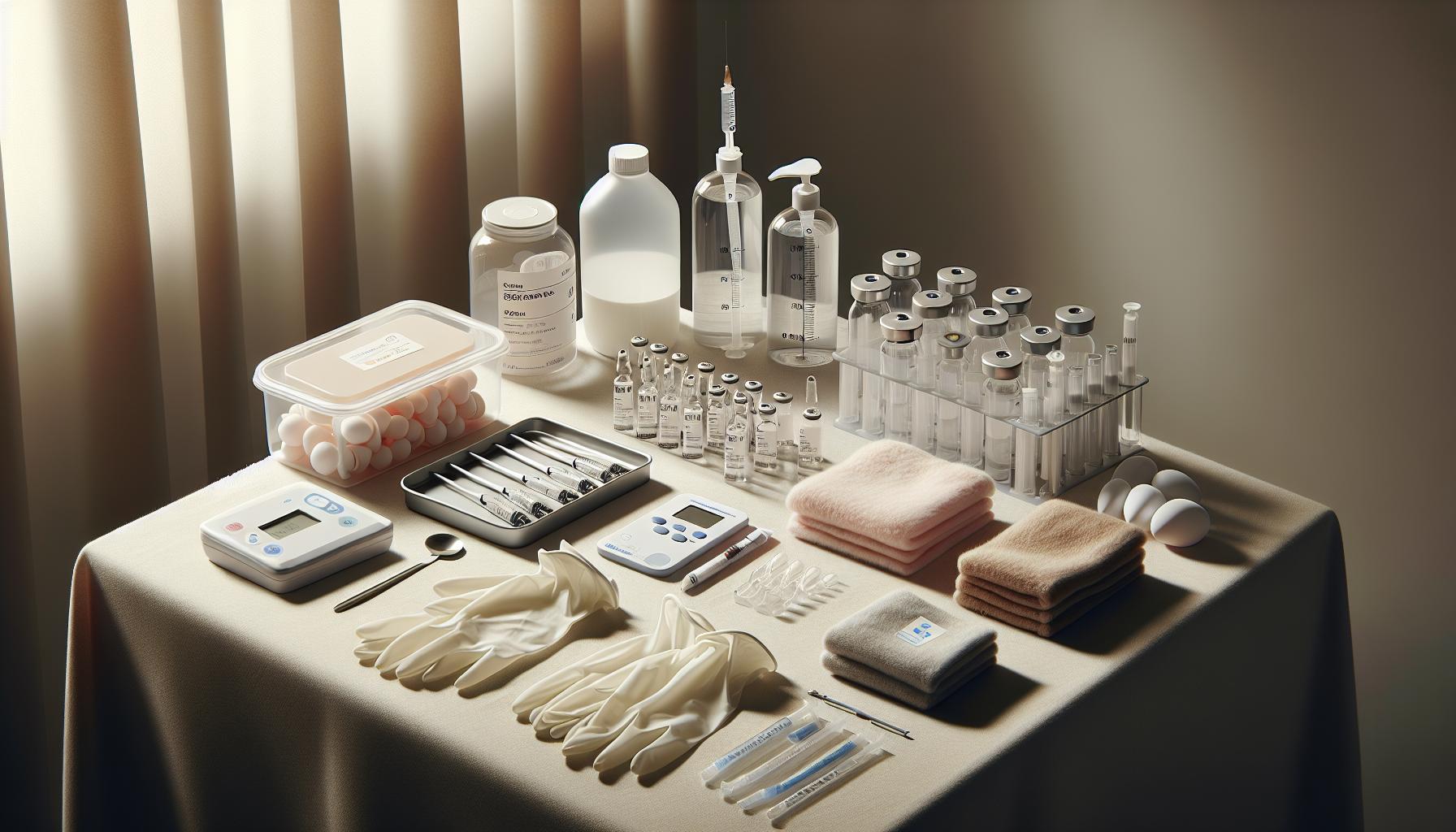
Essential Supplies for Home Insemination
To successfully navigate the journey of home insemination, having the right supplies on hand can make all the difference. Preparing for this process means ensuring you have everything you need for both safety and effectiveness. Gathering essential supplies not only streamlines your experience but can also alleviate some anxiety associated with the procedure.
The most critical items include a syringe for sperm insertion, which should be preferably without a needle to avoid any potential injury. A speculum might be beneficial for those familiar with its use, allowing better access to the cervix. If you’re feeling unsure about using a speculum, remember you can still perform insemination without it. Another vital component is a clean collection container for sperm. Opt for glass or high-quality plastic that is free from any harmful substances, ensuring the viability of the sperm.
In addition to these basic supplies, consider investing in ovulation predictor kits and possibly a digital thermometer to track your basal body temperature. This practice helps predict your fertile window, enhancing your chances of conception. Don’t forget good-quality lubricant, which should be sperm-friendly, as many common options can impede sperm movement. Remember to also keep disposable gloves on hand for additional cleanliness and to reduce the risk of contamination.
Lastly, think about having comfort items nearby, such as a pillow for lying down after insemination, and perhaps some calming music. Creating a supportive and peaceful atmosphere can be just as essential as the physical supplies. While the emotional weight of this journey is significant, equipping yourself with the right tools can help you feel more in control and confident as you take this step toward parenthood.
Navigating the Risks of Self-Insemination
Self-insemination, while empowering, carries various risks that women should navigate with care. Acknowledging these potential health concerns can make a significant difference in your approach to DIY insemination. First and foremost, ensuring cleanliness is paramount. The risk of infection is heightened when introducing sperm into the vaginal canal or cervix without proper hygiene. It’s crucial to use sterile equipment and maintain a clean environment throughout the process. Always wash your hands thoroughly and consider using disposable gloves to prevent contamination.
Moreover, an understanding of human anatomy is vital for successful self-insemination. Not knowing the anatomy can lead to discomfort or even injury. Familiarizing yourself with your body can enhance your confidence and improve your chances of success. Additionally, using the right technique matters. Incorrect sperm placement can decrease the likelihood of conception, so it’s beneficial to practice proper positioning and technique, whether that involves lying back with the hips elevated or using a speculum if you’re familiar with one.
Another risk revolves around sperm viability. The success of insemination hinges on the sperm’s health and quality, which can be compromised by environmental factors. Therefore, using high-quality sperm and following safe storage guidelines is essential. This includes keeping sperm at appropriate temperatures and using a clean collection container.
It’s also worth noting the emotional and psychological implications of self-insemination. While it can be a rewarding experience, it may also invoke feelings of anxiety or uncertainty, especially if the first attempts do not yield immediate results. Remember, taking time to address these emotions and allowing for self-compassion is equally important on your journey to parenthood.
While self-insemination can be an empowering choice, navigating these risks thoughtfully can lead to a more positive and informed experience. Balancing knowledge of the processes with emotional support is a key component of taking this significant step. Always feel encouraged to reach out for advice or talk to others who share similar experiences, as community support can provide comfort and insight.
Success Rates: What to Expect When DIY
The journey of self-insemination is filled with both hope and uncertainty, and understanding the success rates associated with DIY insemination can provide clarity for many women. While statistics vary widely based on individual health factors and circumstances, DIY insemination generally has lower success rates compared to medically-assisted methods like intrauterine insemination (IUI) or in vitro fertilization (IVF). Research indicates that the success rates for IUI can range from 10% to 20% per cycle depending on factors such as the woman’s age, overall health, and fertility issues, whereas DIY methods typically report success rates lower than 10%.
There are several elements that can influence your chances of conception when using DIY insemination techniques. Timing is crucial; knowledge of your menstrual cycle and identification of your ovulation window can significantly enhance the likelihood of sperm meeting egg. Tracking ovulation through methods such as basal body temperature, ovulation prediction kits, or cervical mucus changes can be invaluable.
Additionally, the quality of the sperm used is essential; using fresh, healthy sperm that is properly stored can increase your chances of success. Couples or individuals opting for DIY often turn to sperm banks; it is advisable to choose one that adheres to strict health standards and provides comprehensive medical screening of donors.
It’s also important to maintain realistic expectations and understand that many factors contribute to conceiving. Self-insemination can require patience, and it’s normal to face disappointments along the way. Be gentle with yourself; celebrating small milestones in your journey-like maintaining consistent timing or successfully completing the insemination process-can be rewarding. Remember, seeking emotional support from community groups, online forums, or friends who understand the journey can also enhance the experience and provide encouragement when you face challenges.
Ultimately, while DIY insemination can be an empowering option for many women, understanding its success rates, preparing emotionally, and being aware of all the nuances increases your readiness for this path towards parenthood.
Emotional and Psychological Considerations
The path to parenthood can be profoundly emotional, charged with hope, anxiety, and sometimes disappointment. For women considering self-insemination, this journey is often filled with both potential joy and uncertainty. It’s essential to recognize that feelings of grief over past fertility struggles, hope for future possibilities, and anxiety about the self-insemination process are all normal. These emotions can fluctuate wildly, and it’s okay to acknowledge and validate them without dismissing the unique challenges they bring.
Coping with Uncertainty
The uncertainty that comes with DIY insemination can be a significant source of stress. While preparing for the process, some women may experience worries about whether they are making the right choices regarding timing, sperm quality, or technique. To cope, it is beneficial to stay informed and reach out for support. Joining online forums or local groups that offer community support can create a network of understanding and empathy, making you feel less isolated. Sharing experiences with others facing similar challenges can provide comfort and insight, fostering a sense that you are not alone on this journey.
Celebrating Milestones
Amidst the ups and downs, it is crucial to celebrate small achievements along the way. Whether it’s successfully tracking ovulation, finding a reputable sperm bank, or simply completing the insemination process, acknowledging these moments can bring a sense of accomplishment. Each small victory helps build confidence and resilience, reinforcing the commitment to your goal of conception. Practicing self-compassion during this time, rather than falling into self-criticism over setbacks, can significantly enhance emotional well-being.
Navigating Emotional Health
Understanding the emotional weight of the fertility journey includes recognizing that feelings of resentment, jealousy, or inadequacy may arise, especially when observing others conceive with ease. It’s vital to engage in self-care practices that nurture mental health. Activities such as journaling, therapy, or mindfulness exercises can be beneficial in processing these complex emotions. Furthermore, establishing a calming routine around insemination can foster a more positive mindset and reduce anxiety.
Integrating Support Systems
It’s also important to involve partners or close friends in discussions about your journey. Communicating openly about your feelings, fears, and hopes fosters connection and allows your support network to provide appropriate encouragement. Non-judgmental conversations about your family-building paths, whether through adoption, IVF, or self-insemination, can help create an accepting environment that strengthens relationships while maintaining respect for individual choices.
In navigating this deeply personal choice, remember that emotional and psychological health is as vital as the physical aspects of self-insemination. Balancing education with emotional support can empower you to tackle the challenges ahead with greater confidence and hope.
Legal and Ethical Aspects of Self-Insemination
As more women explore their options for becoming parents, understanding the legal and ethical landscape of self-insemination is crucial. Engaging in DIY insemination raises significant questions about the rights and responsibilities surrounding the donation and use of sperm, particularly in relation to consent, parental rights, and potential legal implications. Navigating these concerns requires thorough research and open discussions with legal experts to ensure a clear understanding of the situation.
One of the first considerations is the consent of the sperm donor. It’s essential to ensure that all parties involved have a mutual understanding and agreement about the use of sperm. This includes clear, documented consent that outlines the terms of the donation, including whether any parental rights will be granted. Many sperm banks provide donor agreements that help clarify these points, but when sourcing sperm privately, it’s crucial to have an explicit conversation regarding these elements to avoid future complications.
Understanding Parental Rights
The legal status of parental rights can become murky when it comes to self-insemination. Depending on local laws, a sperm donor may or may not retain rights over the child once born. It’s vital to understand the implications of your state or country’s laws surrounding sperm donation. For example, some jurisdictions automatically grant legal parentage to the individual who undergoes the insemination, while others may involve legal proceedings to establish parental rights. Consulting with a family law attorney who specializes in reproductive law can provide invaluable insights into what protections and obligations apply to you and the donor.
Ethical Considerations
Beyond the legal frameworks, ethical considerations play a significant role in the decision-making process. Informed consent and transparency are paramount. Discussing medical histories, genetic conditions, and family backgrounds with the donor can help mitigate potential health risks for the child. Furthermore, considering the welfare of the child is essential; open discussions about how to address the child’s origins in a supportive and truthful manner as they grow will contribute to a positive family environment.
In many cases, women may choose to form non-traditional family structures, such as co-parenting arrangements with friends or acquaintances. In such scenarios, it’s equally important to clarify expectations and responsibilities concerning raising the child. Having these conversations before conception can help maintain harmony and prevent misunderstandings later on.
Resources and Support
Engaging with community organizations or online forums can provide additional support and resources. Groups focused on DIY insemination can offer insights from shared experiences and highlight legal resources to consult. Networking may also open doors to professionals who can assist with navigating the complexities of self-insemination, from understanding local regulations to discussing ethical practices.
By equipping yourself with knowledge around the , you can approach your journey to parenthood with greater confidence and assurance. Ensuring that these critical elements are addressed will not only relieve some of the uncertainties that accompany this process but will also empower you to make informed decisions that align with your values and goals.
Alternative Fertility Options Beyond DIY
Exploring family-building options can feel overwhelming, especially when considering the complexities of artificial insemination. While DIY insemination can be a viable path for some, it’s essential to understand that numerous fertility treatments exist that offer higher success rates and support from medical professionals. Engaging with these alternatives can alleviate some of the uncertainties accompanying conception and provide a smoother emotional journey.
In Vitro Fertilization (IVF) stands as one of the most recognized assisted reproductive technologies. This process involves retrieving eggs from the ovaries and fertilizing them with sperm in a laboratory setting. Once fertilization occurs, embryos are cultured for several days, after which one or more are implanted in the uterus. Although IVF can be more costly-typically ranging from $12,000 to $15,000 per cycle-it offers a higher success rate compared to DIY methods, especially for women with specific fertility challenges.
Another promising route is Intrauterine Insemination (IUI), a process where sperm is directly placed into the uterus during ovulation. IUI is often less invasive and typically costs between $300 and $1,000 per cycle, making it a more affordable option than IVF. This method circumvents many emotional stresses of DIY insemination by providing a medically supervised environment, which can be particularly beneficial for those navigating the uncertainties of conception.
- Egg Freezing: For women who wish to postpone pregnancy for personal or medical reasons, egg freezing allows for the preservation of viable eggs for future use.
- Donor Eggs or Sperm: Those facing fertility issues may benefit from using donor gametes, which can increase the chances of conception. Sperm banks provide pre-screened donors with detailed medical histories to assist in making informed choices.
- Fertility Preservation: Beyond egg freezing, options such as embryo freezing offer women the opportunity to store fertilized embryos for future use, which is beneficial if ovarian function changes.
It’s worth recognizing that seeking help from fertility specialists can provide invaluable guidance throughout the entire process. These professionals can offer personalized treatment plans based on individual needs and options. They also provide emotional support, helping individuals manage the emotional weight of fertility journeys, including losses, hopes, and successes. Remember that each journey is unique, and the choice of which path to take should align with your personal values and circumstances.
Community Support and Resources for Women
The journey to parenthood can often feel isolating, especially when navigating the complexities surrounding self-insemination or artificial insemination. It’s essential to recognize that you’re not alone; countless women are exploring similar paths and finding strength in community support and shared experiences. Connecting with others who understand your journey can provide not only practical advice but also emotional reassurance during times of uncertainty and hope.
Finding local or online support groups can be a vital step. These forums often host discussions on everything from the various DIY techniques, the emotional highs and lows of the process, to resources available in your area. Websites like FertilityIQ and Fertility Nation offer community forums where individuals share personal stories, advice, and measures they’ve taken during their own journeys. On social media platforms, dedicated groups and hashtags related to fertility and self-insemination can create a sense of belonging, helping you feel more supported as you share your experiences, challenges, and victories.
Additionally, don’t overlook the wide range of resources available to educate yourself on the ins and outs of self-insemination. Many nonprofit organizations provide workshops, webinars, and informative articles geared towards fertility awareness and reproductive health. For instance, organizations like RESOLVE offer resources that cover legal and medical aspects of fertility treatment, which can be particularly useful for understanding your rights and options regarding self-insemination. Local clinics or health departments might also host informational sessions or support events, fostering connections with healthcare providers experienced in reproductive health.
Lastly, the emotional weight of this journey often requires navigating complex feelings of grief, loss, and hope. Mental health professionals specializing in fertility can offer counseling or therapy tailored to your needs. This professional support can be a beacon of light as you navigate the emotional landscape that accompanies the quest for parenthood, ensuring that you’re feeling validated and cared for every step of the way. Engaging with a supportive community and accessing the right resources can truly empower you along this path, fostering resilience as you pursue your dreams of building a family.
Cost Analysis: DIY vs Professional Insemination
Understanding the financial implications of choosing between do-it-yourself (DIY) artificial insemination and professional insemination is crucial for anyone on the path to parenthood. The costs associated with these two approaches can vary significantly, impacting your decision based on your budget and comfort level.
Generally, DIY artificial insemination often starts as a more affordable option, where expenses primarily come from purchasing sperm, medical supplies, and potentially, fertility tracking services. Buying sperm can range from $300 to $1,000 per vial, depending on the provider and whether the sperm is from a known or anonymous donor. Other necessary supplies may include sterile syringes, privacy kits, and ovulation test kits, which might add another $50 to $200 to your initial investment. Thus, the total cost for DIY insemination can range from approximately $400 to $1,200, but it is essential to consider whether this approach feels comfortable and safe for you.
In contrast, professional insemination through a fertility clinic usually incurs higher costs, which encompass their services, laboratory fees, and any necessary medical evaluations. The provider’s fees can typically start at $300 and can ascend to $1,500 or more per cycle, particularly if additional procedures like blood tests or ultrasounds are required. When combined, the total costs may amount to $1,000 to $4,000 per cycle, depending on your specific situation and the clinic’s pricing structure. Many clinics provide financial counseling to help you navigate your options and may also discuss payment plans or financing if costs feel overwhelming.
In deciding the best path forward, it’s essential to balance cost with safety, comfort, and your overall fertility journey. While DIY options can be more budget-friendly, they may come with concerns regarding proper technique and the risk of not achieving pregnancy as quickly as in a supervised clinical setting. Conversely, professional procedures, although more expensive, often come with the benefit of medical expertise, support, and possibly better success rates. Reflecting on these factors can empower you to make the right decision for your unique journey. Remember to celebrate each step forward and seek support wherever you can-this is a personal and profound journey, and you are not alone.
Debunking Myths About Artificial Insemination
While the concept of artificial insemination (AI) has become more mainstream, many misconceptions still surround the process, particularly for those considering DIY methods. One prevalent myth is that self-insemination is a quick and guaranteed way to achieve pregnancy. The truth is that success rates vary based on several factors, including the timing of insemination relative to ovulation, the quality of the sperm, and the individual’s fertility health. Understanding these complexities can help set realistic expectations during a potentially uncertain journey.
Another common belief is that DIY insemination is completely safe and easy. While it can be performed at home, there are important safety protocols to observe. Sterility is crucial to avoid infections, and using the appropriate techniques to ensure the sperm is deposited correctly can significantly impact the chances of success. It is crucial for anyone considering this method to familiarize themselves with the process and potentially consult with a healthcare provider to ensure they are proceeding safely.
Furthermore, some people mistakenly think that only women with medical conditions or infertility issues should consider artificial insemination. In reality, self-insemination can be a valid option for a variety of individuals, including single women, same-sex couples, and those looking for alternative family-building paths. It’s important to recognize and validate all these diverse motivations and desires to become a parent. Inclusive conversations about AI can promote a more supportive community for those navigating these unique journeys.
Finally, there are misconceptions about the emotional aspects associated with DIY insemination. Some believe that the process is devoid of emotional strain, but many individuals face significant emotional challenges, such as anxiety over success or feelings of isolation. Acknowledging these feelings is essential, and seeking support from communities or professional resources can help individuals cope with the ups and downs of their reproductive journey. It is vital to celebrate small milestones and remain compassionate toward oneself during this profound experience.
Guided Steps for Effective Home Insemination Techniques
To effectively navigate the journey of home insemination, understanding the methodical steps involved is essential. Successful DIY insemination is not merely an act of convenience; it requires careful planning and execution to increase the likelihood of conception. The following guidelines serve as a compass for those considering this path, ensuring that the process is safe, thoughtful, and maximally effective.
Preparation: Timing and Environment
The first step in the journey of home insemination is timing. Understanding your ovulation cycle is crucial, as insemination should ideally occur when an egg is released. Many women use ovulation trackers or ovulation predictor kits to identify their peak fertility days. Once timing is established, it is essential to create a comfortable and sterile environment for the procedure. Ensuring that all necessary supplies are within reach and that the chosen area is quiet and private can help alleviate anxiety and foster a sense of calm.
Essential Supplies
The right supplies can make a significant difference. Generally, you will need:
- Sperm source: This can be donor sperm from a sperm bank or a known donor.
- Insemination syringe: A soft, non-toxic syringe without a needle (like a catheter syringe) allows for gentle and precise sperm insertion.
- Lubricant: Ensure it’s sperm-friendly; many types of personal lubricants can impede sperm movement.
- Panty liner: To use afterward, as some sperm may leak out.
- Hand sanitizer: To maintain cleanliness throughout the procedure.
Each item should be prepared and sanitized before use to reduce the risk of infection and ensure that the sperm is delivered effectively.
The Insemination Process
Once everything is set up, the insemination process can begin. Here’s a straightforward approach to follow:
- Wash your hands thoroughly with soap and water, and use hand sanitizer for additional cleanliness.
- Position yourself comfortably. Many women find that lying on their back with their legs elevated is beneficial, similar to traditional insemination positions.
- Use the syringe to gently draw up the sperm. Avoid shaking or agitating the sperm fluid to preserve its viability.
- Insert the syringe gently into the vagina, aiming toward the cervix, and slowly deposit the sperm. Utilizing a soft cup or turkey baster can also help to keep the sperm close to the cervical opening.
- Remain lying down for 20 to 30 minutes post-insemination to allow gravity to assist in sperm movement toward the egg.
Post-Insemination Care
After insemination, take time to reassure yourself emotionally. It’s common to feel a mix of anticipation and anxiety. Maintain a healthy lifestyle post-procedure by staying hydrated, eating nutritious foods, and managing stress. Recognize that this journey can come with its emotional ups and downs, and it’s completely normal to seek support from friends, family, or online communities.
By approaching home insemination with thorough preparation and a clear process, individuals can foster a supportive environment that maximizes their chances of success. Embracing both the logistical and emotional aspects of this journey will be integral as you take steps toward parenthood.
Q&A
Q: What are the most common methods of DIY artificial insemination?
A: The two most common methods of DIY artificial insemination are intrauterine insemination (IUI) using a syringe for sperm placement and intravaginal insemination where sperm is placed directly in the vagina. Understanding these techniques is essential for effective home insemination.
Q: Is it safe to use a donor sperm kit for home insemination?
A: Yes, using a donor sperm kit can be safe if it meets health standards. Always ensure that the sperm has been screened for STIs and that the kit includes sterile materials to prevent infections. Refer to the Safety Protocols section for detailed guidelines.
Q: What should I avoid when attempting self-insemination at home?
A: Avoid using non-sterile tools, engaging in sexual activity after insemination, and using older sperm that hasn’t been properly stored. These practices can increase risks and diminish your chances of success.
Q: Can anyone attempt DIY insemination, or are there specific health considerations?
A: While many women can attempt DIY insemination, it’s crucial to consult with a healthcare provider if you have pre-existing health conditions or if you’ve had difficulty conceiving in the past. This ensures safety and increases success rates.
Q: How can I increase the chances of successful self-insemination?
A: To enhance your chances of success, focus on timing and track your ovulation. Utilize ovulation predictor kits, create a relaxed atmosphere, and ensure the sperm is of high quality. Adequate preparation and patience are key.
Q: What legal considerations should I be aware of with DIY insemination?
A: Be aware of laws surrounding donor anonymity and parental rights in your area. It’s advisable to consult legal guidance to understand your rights and responsibilities as a potential parent post-insemination.
Q: What emotional support options are available for women considering self-insemination?
A: Emotional support can be found through fertility support groups, online forums, and counseling. Engaging with communities that share similar experiences can provide valuable encouragement and understanding throughout your journey.
Q: What are the costs involved in DIY insemination compared to professional options?
A: The cost of DIY insemination is generally lower than professional insemination but can vary based on supplies like sperm donor kits and monitoring ovulation. For a detailed comparison, see the Cost Analysis section.
Wrapping Up
As we conclude our exploration of self-artificial insemination and its safety, remember that knowledge is your greatest ally. Understanding the process, including costs, success rates, and emotional support pathways, empowers you to make informed decisions on your fertility journey. If you have lingering questions or concerns, don’t hesitate to explore our in-depth guides on IVF options, the causes of infertility, and resources for emotional well-being.
For those ready to take the next step, consider signing up for our newsletter for ongoing support and insights directly to your inbox. Join our community and share your experiences in the comments; your voice can inspire others. Whether you’re curious about insemination techniques or seeking advice on family planning, we’re here to support you every step of the way.
Dive deeper into related topics like fertility nutrition, or connect with holistic approaches to reproductive health. Your journey is unique, and we’re honored to be a part of it. Remember, every small milestone counts, and we’re here to celebrate those with you.