Are you dreaming of doubling your family size? With advances in reproductive technology, many people wonder if artificial insemination can lead to twins or multiple pregnancies. While the primary purpose of artificial insemination is to help individuals or couples conceive, the possibility of welcoming more than one baby at a time brings both excitement and questions. Understanding the factors that contribute to multiple pregnancies-ranging from hormonal influences to the specific methods of insemination-can empower you on your fertility journey. In this article, we’ll explore how artificial insemination works, the likelihood of conceiving twins, and what you can expect during this unique path to parenthood. Let’s delve into the possibilities, considerations, and realities you might face along the way.
Understanding Artificial Insemination and Twins

Understanding artificial insemination can often lead to questions about the potential for multiple pregnancies, including twins. This method, especially when paired with ovulation-stimulating medications, increases the likelihood of releasing more than one egg during a cycle. When more than one egg is fertilized, the chance of conceiving twins or higher-order multiples becomes a distinct possibility. Intrauterine Insemination (IUI), a common form of artificial insemination, places sperm directly into the uterus, enhancing the chances of successful fertilization and potentially leading to twin pregnancies.
Several factors play a role in the likelihood of conceiving twins through artificial insemination. The use of fertility medications, such as Clomiphene citrate or gonadotropins, is one significant factor, as these drugs stimulate the ovaries to produce multiple eggs. Genetic predisposition also influences the chances; if twins run in your family, you may be more likely to conceive twins yourself. Additionally, maternal age can affect twin conception rates, with women over 30 being statistically more likely to conceive twins due to hormonal changes that can stimulate multiple egg releases.
The success rates of artificial insemination leading to twins can vary significantly based on individual circumstances and specific treatment approaches. Statistics suggest that the overall chance of conceiving twins with IUI, especially when coupled with fertility medications, can be as high as 10-30%. This rate, however, is contingent upon factors such as age, underlying fertility issues, and the specific protocols followed during treatment. It’s important to discuss these possibilities with your fertility specialist, who can provide tailored advice based on your health history and goals.
As you navigate this journey, consider the emotional and practical aspects of expecting multiples. The thought of twins can bring a mix of excitement and anxiety. Being prepared for the unique challenges that come with multiples-such as increased healthcare visits and the potential for a challenging pregnancy-can help you feel more equipped. Support from family, friends, and professionals can make a significant difference in managing this experience, enabling you to celebrate each step forward in your family-building journey.
The Science Behind Multiple Pregnancies

One of the most fascinating outcomes of artificial insemination is the potential for multiple pregnancies, including twins. This intriguing possibility primarily arises from the interplay of fertility medications and the natural reproductive process. When undergoing artificial insemination, particularly techniques like intrauterine insemination (IUI), timing is critical. Sperm is placed directly into the uterus around the time of ovulation, which increases the chances of fertilizing an egg. However, to amplify these odds, many women are prescribed ovulation-inducing drugs, such as Clomiphene citrate or gonadotropins, which can stimulate the ovaries to release multiple eggs in a single cycle, thereby paving the way for twin or even higher-order multiples.
Factors That Contribute to Multiple Pregnancies
Numerous factors influence the likelihood of conceiving twins through artificial insemination. The use of fertility medications is perhaps the most significant, as these drugs can lead to the development of several follicles-tiny sacs in the ovaries that contain eggs. If more than one follicle is successfully fertilized, the result can be multiple pregnancies. Additionally, there are some other critical factors to consider:
- Genetic Predisposition: If you have a family history of twins, particularly on the maternal side, your chances of conceiving twins increase.
- Maternal Age: Women over the age of 30 tend to have elevated levels of Follicle Stimulating Hormone (FSH), which can stimulate multiple egg releases, thereby increasing the chances of twins.
- Number of Previous Pregnancies: Women who have given birth previously have a higher likelihood of conceiving multiples.
To put this into perspective, studies indicate that the likelihood of twins occurring as a result of IUI, especially when combined with fertility medications, can range between 10-30%. This varies greatly depending on individual health factors, protocols followed during treatment, and responses to medication. Therefore, discussing your specific circumstances with a fertility specialist is crucial for understanding your unique situation.
As you consider the journey of artificial insemination and the possibility of having twins, remember that, while it can be thrilling, it also brings unique challenges. It’s essential to prepare emotionally and practically for the potential of multiples-whether that means arranging for additional prenatal care appointments or simply talking about the implications of having more than one baby at a time. Engaging in conversations with healthcare providers, support groups, or fellow parents of multiples can offer invaluable insights and support for navigating the intricate emotions and logistics involved in welcoming twins into your family.
Factors Influencing Twin Pregnancies

The journey towards parenthood can be both exciting and complex, especially with the prospect of multiples like twins. Understanding what influences twin pregnancies, particularly through artificial insemination, can empower you to make informed decisions. One of the most significant factors contributing to the likelihood of conceiving twins is the use of fertility medications. These medications, such as Clomiphene citrate or gonadotropins, enhance ovulation and can stimulate the production of multiple eggs in a single cycle, increasing the chances of fertilization and ultimately leading to the possibility of twin pregnancies.
Various other elements also play a crucial role in this process. For example, a genetic predisposition is key; women with a family history of twins, especially from the maternal side, have a higher chance of conceiving multiples. Additionally, maternal age can influence outcomes; women over 30 often experience elevated levels of Follicle Stimulating Hormone (FSH), which can facilitate the release of multiple eggs. Moreover, the number of previous pregnancies also comes into play, as women who have given birth before tend to have higher odds of conceiving twins.
Understanding these factors can help set realistic expectations. Reports indicate that the likelihood of experiencing twins from procedures like intrauterine insemination (IUI), particularly when combined with fertility medications, can be anywhere from 10% to 30%. Each situation is unique, reflecting personal health, treatment protocols, and individual responses to medications. Therefore, it’s vital to have open discussions with your fertility specialist to navigate your specific circumstances and to evaluate options tailored to your reproductive goals.
As you contemplate the idea of twins, remember the importance of emotional preparation in addition to medical planning. Expecting multiples can be both thrilling and challenging, so engaging with support networks, whether through healthcare providers or fellow parents of multiples, can offer guidance and relatable experiences. Embracing the journey with a balanced perspective on what lies ahead is essential for your mental well-being and will help you manage the implications of welcoming more than one child at a time.
Success Rates of Artificial Insemination for Twins
The prospect of conceiving twins through artificial insemination is an intriguing aspect of fertility treatments that many hopeful parents consider. The success rates of artificial insemination, particularly intrauterine insemination (IUI), vary and play a crucial role in understanding the chances of multiple pregnancies. Generally, the likelihood of achieving a twin pregnancy through IUI is increased when fertility medications are used, which stimulate the ovaries and can lead to the release of multiple eggs during a single cycle.
Research indicates that the success rates for IUI can range from 10% to 30% for pregnancies overall, with the percentage potentially increasing for twins depending on the specific treatment protocol. For women using fertility medications, the chances of conceiving twins can rise significantly due to the likelihood of multiple eggs being fertilized. This is particularly relevant for women who are older, as they naturally produce higher levels of Follicle Stimulating Hormone (FSH), which can also facilitate multiple egg release.
Moreover, individual factors such as age, hormonal profile, baseline fertility status, and the particular medications used can influence these success rates. For example, women who have a history of prior pregnancies may notice different outcomes compared to those attempting to conceive for the first time.
Ultimately, discussing your unique circumstances and the potential for twins with a fertility specialist is crucial. They can provide tailored insights and help set realistic expectations based on your health, treatment options, and personal family-building goals. Remember, every fertility journey is different, and understanding the variables involved can empower you to make informed decisions while navigating this emotional and exciting process.
Comparing Artificial Insemination to IVF for Twins
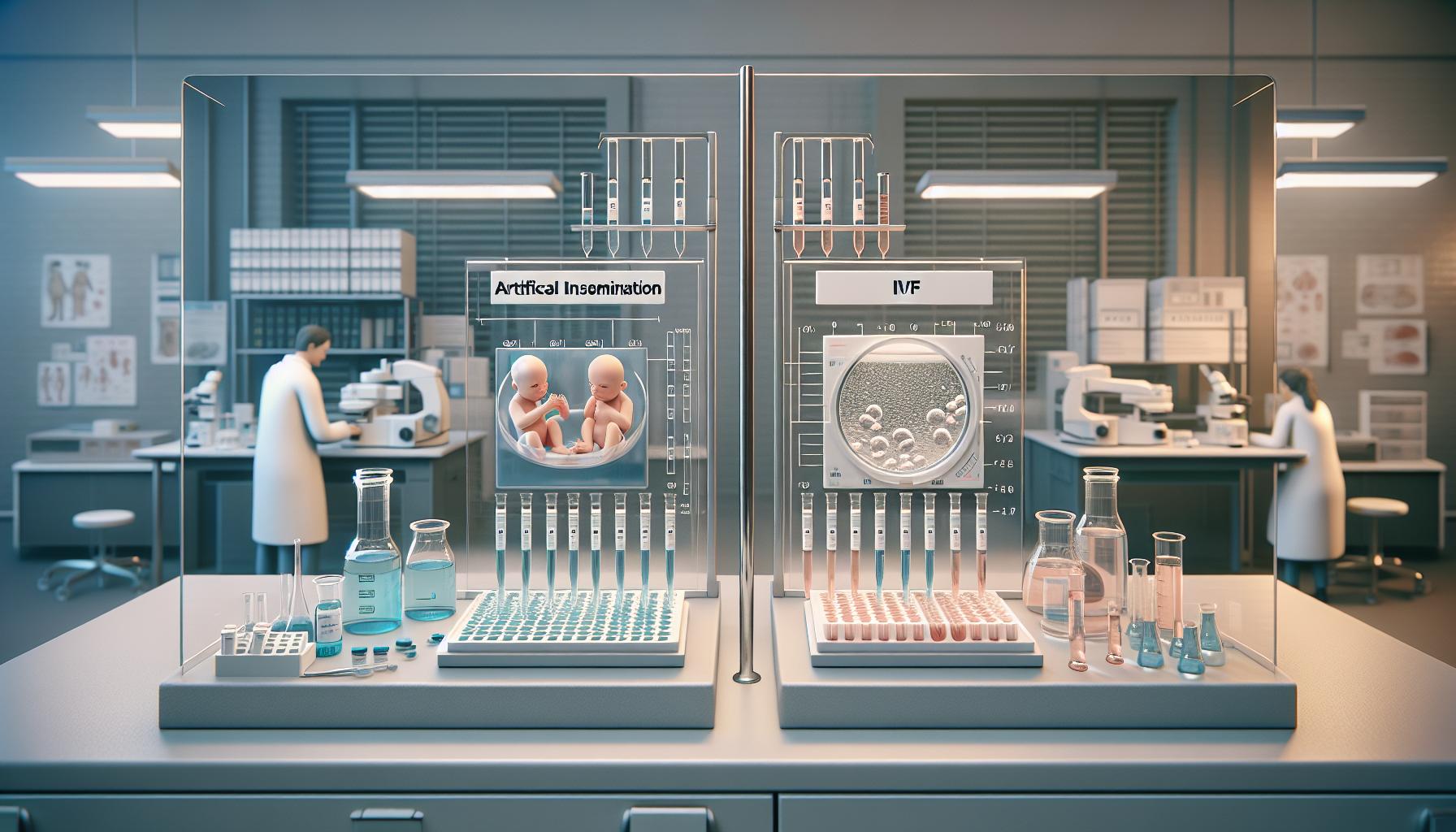
The journey towards parenthood can be both exhilarating and daunting, especially when considering the prospect of multiples. When comparing artificial insemination (AI) and in vitro fertilization (IVF) for achieving a twin pregnancy, several key differences come into play, each impacting the chances of conceiving twins and the overall experience for prospective parents.
With artificial insemination, particularly with methods like intrauterine insemination (IUI), the likelihood of twins exists but is generally lower compared to IVF. In AI, the fertilization occurs naturally within the body after sperm is introduced into the uterus during the ovulation period. The use of fertility medications can increase the number of eggs released and, consequently, the chances of a multiple pregnancy. However, the overall success rates for AI range from 10% to 30%, depending on various factors including age and hormonal balance.
In contrast, IVF offers a more controlled environment for conception. During IVF, eggs are retrieved from the ovaries and fertilized outside the body. This method not only allows for the transfer of multiple embryos but also offers the best chance of achieving a twin pregnancy since choices about how many embryos to implant can be influenced by the patient’s unique circumstances and the quality of the embryos. Additionally, IVF success rates tend to be higher, typically ranging from 20% to 50% per cycle, depending on age and other health factors.
Ultimately, the decision between AI and IVF hinges on multiple factors including cost, emotional considerations, and personal health. For those considering twins, IVF may present a more favorable option due to its higher success rates and potential for greater control over the number of embryos created. Still, each path has its own emotional implications and challenges. Consulting with a compassionate fertility specialist can help navigate these options, setting realistic expectations based on individual circumstances while offering emotional support throughout this deeply personal journey.
Emotional Considerations of Expecting Multiples
The prospect of expecting multiples can evoke a complex mix of emotions, as joy and excitement often intertwine with apprehension and uncertainty. Many people embark on the journey of artificial insemination with hopes of realizing their dream of parenthood, but the possibility of twins can both amplify these feelings and introduce new layers of consideration. While the idea of welcoming two or more children might elicit visions of joyous chaos, it equally presents practical challenges and emotional complexities that are essential to acknowledge.
For many, the initial excitement regarding a twin pregnancy may soon give way to concerns about the increased demands of parenthood. The reality of caring for multiple infants can be overwhelming, leading to questions about sleep, time management, and overall well-being. It’s important for prospective parents to engage in open discussions, whether with friends, family, or healthcare providers, to gain insights and reassurances. Sharing stories from those who have navigated similar paths can mitigate feelings of isolation and provide practical strategies for coping and thriving with multiples.
Moreover, the journey through artificial insemination can already be emotionally charged, punctuated by phases of hope, disappointment, and resilience. This emotional landscape can intensify when navigating a twin pregnancy. It’s vital to honor all feelings, including fear and anxiety about not being able to meet the demands of twin parenting, as well as the joyful anticipation of welcoming multiple children. Establishing a solid support system can be incredibly beneficial. Joining local or online support groups for parents of multiples can offer a sense of community, ensuring that new parents aren’t alone in their experience.
Lastly, while celebrating the prospect of twins, it’s crucial to balance those feelings with practical preparations. Considerations such as the financial implications of raising twins, potential health risks associated with multiple pregnancies, and finding effective stress-management techniques should be explored ahead of time. Planning ahead can help ease the transition into parenthood, allowing for a more enjoyable and fulfilling experience with the new family dynamic. Each family’s journey is unique, and approaching it with compassion and realistic expectations can lead to both beautiful memories and personal growth.
Costs and Financial Considerations for Multiple Births
The prospect of welcoming twins often comes with an exhilarating mix of joy and concern, especially regarding the financial implications. Multiple births can significantly impact your budget, from prenatal care to daily expenses after your little ones arrive. It’s essential to prepare not only emotionally but also financially for these changes.
When pursuing artificial insemination, it’s critical to consider the costs associated with the procedure itself. Each cycle of artificial insemination can range from $300 to $1,000 without insurance, depending on various factors like the use of donor sperm and fertility medications. If successful, the expenses multiply quickly as the cost of caring for two babies can be daunting. A few of the immediate financial considerations include:
- Healthcare Costs: Expect increased medical expenses during pregnancy and after delivery. Prenatal care for twins often leads to more frequent doctor visits, ultrasounds, and potential complications, which can elevate costs significantly.
- Delivery Costs: The average cost of a twin delivery can exceed $20,000, especially if complications arise that necessitate a cesarean section.
- Baby Essentials: From cribs and diapers to clothing and feeding supplies, the initial investment for two infants can put a strain on finances. Consider budgeting for approximately $1,000 to $2,000 in baby gear.
Beyond these immediate costs, it’s important to think about long-term financial planning. Childcare expenses for twins can be substantial. Many families find themselves needing full-time childcare, which can cost upwards of $1,500 per month for two infants. Additionally, ongoing costs related to education, healthcare, and everyday living can multiply quickly, making it vital to establish a clear budget and savings plan.
Engaging with a financial advisor familiar with fertility journeys and family planning can be incredibly beneficial. They can help develop a tailored financial strategy that accommodates the unique demands of raising multiples. Additionally, exploring state assistance programs or grants for families with multiples may help alleviate some financial burdens, allowing parents to focus more on nurturing their growing family while feeling secure about their financial situation.
Navigating Insurance for Twin Pregnancies
Finding the right insurance coverage can be a daunting task, especially when expecting twins through artificial insemination. The anticipation of bringing two new lives into the world is exciting, but navigating the complexities of health insurance during pregnancy can feel overwhelming. Many families find themselves asking: what does my insurance cover for twin pregnancies, and how can I ensure I’m prepared for all expenses?
First and foremost, it’s essential to review your health insurance policy carefully. Look for specific provisions related to multiple pregnancies, including coverage for prenatal visits, ultrasounds, and any specialized care that may be required due to the increased risks associated with carrying twins. Many insurance plans may have specific terms for deliveries and hospital stays for multiples, which can differ significantly from singleton pregnancies. If the details are unclear, don’t hesitate to reach out to your insurance provider for clarification. Ask specific questions about coverage limits and whether they require prior authorization for certain procedures.
Another important aspect to consider is whether your plan covers fertility treatments like artificial insemination, as many packages exclude these procedures. Knowledge about any waiting periods or maximum allowances for fertility treatments can save you from unexpected out-of-pocket costs if you need multiple cycles. In the event your insurance does not cover artificial insemination, researching state programs or grants that assist families with fertility treatments can provide alternative resources.
Additionally, keep in mind that carrying twins often leads to higher medical expenses due to the potential need for additional screenings and specialist visits. Some policies may have caps on costs for hospital stays, prenatal visits, and treatments that could significantly affect your financial planning. It may be wise to create a budget that reflects possible out-of-pocket costs, including potential higher costs related to hospital care during delivery.
Taking these proactive steps will not only ensure you’re financially ready for your growing family but also help minimize stress during a time that can already be filled with emotional highs and lows. Remember, it’s all about finding the right support system-whether that’s through your healthcare provider, insurance advisor, or family and friends-by surrounding yourself with knowledgeable resources, you can navigate this journey with confidence.
Health Risks and Complications of Carrying Twins
Carrying twins can be a joyously complex journey, but it also introduces a range of health risks and complications that both mothers and medical professionals should prepare for. Women expecting twins are more likely to encounter certain challenges during pregnancy due to the increased demands of carrying multiple fetuses. According to studies, about 30% of twin pregnancies result in complications, highlighting the necessity of vigilant prenatal care.
One significant risk associated with multiple pregnancies is premature birth, which occurs more frequently when expecting twins compared to a singleton pregnancy. Prematurity can lead to a host of issues for the newborns, including respiratory difficulties and longer hospital stays. In addition to premature labor, mothers of twins face an elevated risk of conditions like gestational diabetes, high blood pressure (preeclampsia), and anemia. These health complications can necessitate closer monitoring by healthcare providers, multiple ultrasounds, and possibly even hospital admissions for maternal care.
The physical strain of carrying twins can also manifest through various discomforts, such as back pain and an increased likelihood of experiencing placenta previa, where the placenta covers the cervix, complicating delivery. Understanding these risks is crucial for expectant parents: regular check-ups and communication with healthcare professionals can help manage complications effectively. It’s equally important to maintain a balanced lifestyle, including proper nutrition and stress management, to support the health of both the mother and the growing babies.
Additionally, the emotional landscape can be affected as well. Expecting multiples often requires careful planning and anticipatory guidance to navigate the medical landscape and prepare emotionally for the unique stresses of multiple parenthood. Access to support resources-whether through healthcare teams, community support groups, or counseling-can significantly ease the journey ahead, fostering both physical and emotional resilience.
Support Systems for Parents of Twins
Becoming a parent to twins can be both a thrilling and overwhelming journey. Support systems play an essential role in navigating the complexities that arise when expecting multiples. It’s crucial for parents to find a network that understands the unique challenges they face, as this journey is often filled with a rollercoaster of emotions, from excitement to anxiety about health, logistics, and the future.
One foundational support pillar is healthcare professionals. Establishing open communication with your obstetrician or midwife ensures that you receive tailored advice throughout your pregnancy. Regular check-ups are vital for monitoring the health of both the mother and the fetuses, particularly since twin pregnancies come with heightened risks. Additionally, many hospitals offer prenatal classes specifically for parents expecting multiples, providing invaluable education on topics like feeding, sleep strategies, and baby care.
Community support groups offer a comforting space for parents to share experiences and concerns. Connecting with other parents of twins can reduce feelings of isolation and provide practical wisdom-from organizing the nursery to managing daily routines. Often, these groups are available both online and in-person, enabling flexible participation based on your availability. Online forums can be a great resource for immediate questions, while in-person meetings foster deeper connections.
Family and friends are also a key part of the support network. Don’t hesitate to lean on your loved ones for help-whether that’s with meals, childcare, or simply lending an ear. It’s perfectly okay to ask for assistance as you adjust to life with twins. Furthermore, consider setting up a meal train or coordinating help with household tasks, which can ease day-to-day burdens significantly.
Remember, navigating the new norms of parenting twins is a significant transition. Emotional resilience grows through shared experiences, understanding support networks, and knowing that you’re not alone. Acknowledging your feelings-whether joy or apprehension-and actively seeking out support can make this journey smoother, allowing you to focus on the precious moments of raising your little ones.
Preparing for Life with Multiples: What to Expect
Preparing for the arrival of twins can feel both exhilarating and daunting. It’s important to equip yourself with knowledge and resources that can ease the transition into parenthood, especially when using artificial insemination (AI) or other fertility treatments that might increase the chances of multiple births. With proper preparation and a supportive network, you can navigate this unique parenting journey with confidence.
Understanding the logistics of caring for two newborns can be overwhelming. Consider establishing a daily routine that accommodates the needs of both babies, as consistency can help ease the chaos. Make a list of essentials you will need, including double the diapers, bottles, and clothes, and set up a designated area for both babies, ensuring you have easily accessible supplies.
It’s also beneficial to seek out educational resources or prenatal classes specifically designed for parents expecting multiples. Many hospitals offer tailored classes that cover topics like breastfeeding twins, sleep strategies, and managing feeding schedules. Learning from experts and connecting with other parents of multiples can provide valuable insights and reassurance.
Utilize the strength of your support network. Friends and family can be invaluable during this transition; don’t hesitate to lean on them. Coordinate help with meal prep, household chores, and even childcare to navigate the early days more smoothly. Setting up a meal train or organizing regular visits from loved ones can take a significant load off your shoulders, allowing you to focus on bonding with your twins.
Embrace the emotional journey of welcoming multiples. It is natural to feel a mix of excitement and apprehension. Acknowledge these feelings and give yourself grace as you adjust to your new reality. Engaging in local or online support groups can offer a space to share experiences and concerns, alleviating feelings of isolation. Knowing that others are on or have walked similar paths can foster a sense of community and provide helpful strategies as you prepare for the joys and challenges of parenthood with twins.
Q&A
Q: Can artificial insemination lead to twin pregnancies?
A: Yes, artificial insemination can lead to twin pregnancies. The likelihood increases if multiple eggs are fertilized, which may occur due to stimulating medications used during the procedure. Understanding the factors that contribute to multiple pregnancies can better inform your decisions.
Q: What role do fertility medications play in the chance of twins during artificial insemination?
A: Fertility medications used prior to artificial insemination can increase hormone levels, stimulating the ovaries to produce multiple eggs. This significantly raises the chances of conceiving twins or higher-order multiples, as multiple eggs can be fertilized simultaneously.
Q: Are there specific factors that increase the likelihood of twins with artificial insemination?
A: Yes, factors include age, family history of twins, and the use of fertility treatments. Older women are more likely to release multiple eggs, while women with a family history of twinning may also have higher chances of twins during artificial insemination.
Q: How do success rates of artificial insemination compare for single vs. multiple pregnancies?
A: Success rates generally improve with the number of embryos; however, multiple pregnancies come with increased risks. It’s crucial to balance your desire for twins with the associated health risks, making informed decisions with your healthcare provider.
Q: What health risks are associated with carrying twins conceived through artificial insemination?
A: Women carrying twins face higher risks such as gestational diabetes, preeclampsia, and premature birth. It’s essential to have regular prenatal care to monitor these conditions and discuss your health plan with your healthcare provider.
Q: How can parents of twins prepare for the financial implications of multiple pregnancies?
A: Parents should review costs related to prenatal care, delivery, and potential NICU stays. Consider discussing your plans with an insurance consultant to ensure you understand coverage options and minimize unexpected financial burdens.
Q: Can you have a healthy pregnancy with twins from artificial insemination?
A: Yes, with proper prenatal care and monitoring, many women have healthy twin pregnancies. It’s important to follow a health plan provided by your healthcare provider and maintain regular check-ups throughout your pregnancy.
Q: What emotional considerations should parents expect when expecting twins?
A: Expecting twins can bring a mix of excitement and anxiety. Parents might experience increased stress regarding logistics and care. Establishing a strong support system and communicating openly with partners can help ease emotional challenges.
The Way Forward
While artificial insemination can indeed lead to multiple pregnancies, understanding the factors at play can empower your family planning journey. Explore our related articles, such as “Understanding IVF Success Rates” and “Common Causes of Infertility,” to gain further insight. If you’re considering your options, don’t hesitate to sign up for our newsletter for updates on the latest research and supportive resources.
Remember, the road to parenthood can be filled with questions and emotions-whether it’s hope or concern. We recognize the weight of this journey and encourage you to reach out for personalized guidance. Share your experiences or questions in the comments below, and connect with a community that understands. As you navigate through your decisions, we’re here to support you every step of the way. Your dreams of family are valid and within reach!