Considering at-home artificial insemination? You’re not alone. Many individuals and couples explore this option in their journeys toward parenthood, driven by the desire for a more private, cost-effective alternative to clinical procedures. But how effective is it really? In this article, we’ll explore the success rates of at-home artificial insemination, what you can expect, and vital factors that affect your chances of conception. Understanding these elements can empower you in your fertility journey, helping to foster hope while also preparing you for the realities of this path. Join us as we unpack the important information you need to make informed decisions about this intimate and personal choice.
Understanding At-Home Artificial Insemination
At-home artificial insemination (AI) is an increasingly popular choice for individuals and couples looking to conceive without the high costs and invasive procedures often associated with clinical environments. Understanding the fundamentals of this approach can empower you as you navigate the emotional and practical aspects of fertility.
In a typical at-home AI process, sperm is collected, often from a known donor, and introduced into the uterus using a syringe. This method allows for privacy and comfort within the familiar setting of one’s home. Many people choose this route for various reasons, including the desire for more control over the timing and the overall experience. It is important to recognize that while AI can be a viable option, it may come with its own set of challenges and limitations, including reproductive health factors and varying success rates.
Research shows that success rates for at-home insemination can vary widely, often influenced by factors such as the age and health of the person attempting to conceive, the quality of the sperm used, and the timing of the insemination in relation to ovulation. For those contemplating this option, it is crucial to track ovulation accurately, as this significantly increases the likelihood of conception. Tools such as ovulation predictor kits can be invaluable in this respect.
Moreover, emotional support during this process is paramount. Acknowledge that embarking on a journey to conceive can be filled with both hope and anxiety, with potential highs and lows along the way. Celebrate small milestones, and do not hesitate to seek support from loved ones or professionals when feelings of uncertainty and grief arise. Each person’s journey is unique, and validating those emotions is essential to maintaining a positive mindset throughout the process.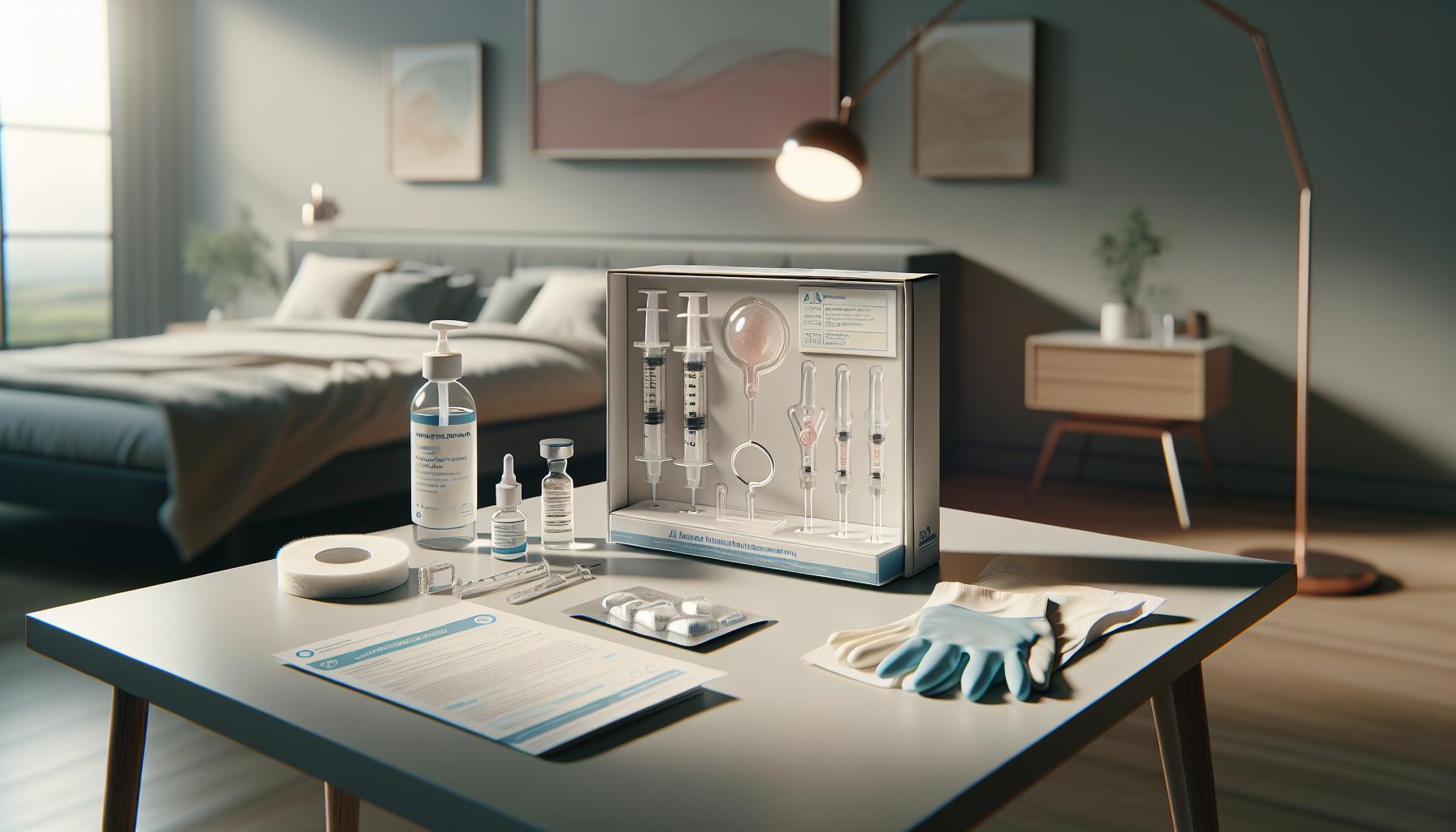
How Does At-Home Artificial Insemination Work?
At-home artificial insemination (AI) is an intimate and often empowering choice for many individuals and couples seeking to conceive. The process typically begins with the selection of a sperm donor, which can be done through sperm banks or by using a known donor. This choice is crucial as it lays the foundation for the journey ahead. Once the sperm is obtained, it’s essential to ensure that it is handled correctly to maintain viability.
During the insemination process, the sperm is introduced into the uterus using a syringe. This is usually done at home, in a comfortable setting where the individual or couple feels relaxed. Timing is particularly important; successful insemination often relies on pinpointing the right moment in the menstrual cycle, typically around ovulation. Many find it helpful to use ovulation predictor kits or track basal body temperature to increase the chances of success. Additionally, methods such as lying down immediately after the procedure may be recommended to enhance the likelihood of sperm reaching the egg.
While at-home insemination can be a more affordable alternative to clinical procedures, it does come with challenges. It’s essential to consider factors such as the health of both the person seeking conception and the sperm donor. Success rates can vary significantly; research suggests that these rates are influenced by aspects such as age, overall health, and precise timing related to ovulation. Therefore, patience and persistent tracking of cycles are crucial for those embarking on this journey.
In sum, at-home artificial insemination allows for a personal and private experience that many find rewarding. While it may not come without its hurdles, with careful planning and attention to detail, it’s possible to create a meaningful path to parenthood that aligns with your unique circumstances and values.
Success Rates of At-Home Insemination Explained
Statistically, at-home artificial insemination has a range of success rates that can vary widely, depending primarily on several key factors. On average, the success rate per cycle for at-home insemination is estimated to be between 10% to 20%. This rate is influenced by factors such as the age of the person trying to conceive, the health and motility of the sperm, and the accuracy of timing in relation to ovulation.
Younger individuals often experience higher success rates, with women under 35 tending to have the best chances of conception during each cycle. This is due to the health of eggs being more robust at a younger age. Conversely, as age increases, particularly after the age of 35, fertility can decline due to both egg quality and quantity. Couples may find it helpful to track ovulation carefully using methods like ovulation predictor kits or monitoring basal body temperature, as the timing of insemination can greatly affect success.
Moreover, the source of sperm can also impact success. Sperm from a known donor or a highly-rated sperm bank typically has been screened for quality, which may increase the likelihood of conception. It is important to ensure that any sperm used is properly stored and handled to maximize viability. Emotional support during this process is equally crucial; individuals should feel empowered and supported, understanding that while hopeful, the journey may include setbacks. Celebrating small milestones and maintaining open communication with partners can foster a supportive atmosphere, critical for navigating the ups and downs of the conception journey.
By understanding these factors, individuals and couples can better align their expectations with the realities of at-home insemination, standing a better chance of achieving their family-building dreams with a clear plan and support.
Factors Influencing Insemination Success Rates
The journey of attempting conception through at-home artificial insemination (AI) can be filled with hope and uncertainty. Understanding the factors that influence success rates can empower individuals and couples to make informed choices. One key element is the age of the person trying to conceive. Research shows that women under 35 generally experience the highest success rates, as the quality and quantity of eggs are typically better at younger ages. For those over 35, decreased fertility can pose challenges, highlighting the importance of tracking ovulation accurately to optimize timing.
Another critical factor is the quality of sperm used. Sperm from a known donor or a reputable sperm bank, where thorough screening for motility and overall health has taken place, can significantly enhance the chances of conception. Proper storage and handling of sperm are essential to maintain its viability. Individuals should be aware that fresh sperm is typically more viable than frozen, although advances in freezing technologies have improved the success rates of using frozen sperm.
The timing of insemination in relation to ovulation is paramount. Couples are encouraged to monitor ovulation using methods such as ovulation predictor kits, cervical mucus monitoring, or basal body temperature tracking. Accurately timing insemination to coincide with when the egg is released can make a substantial difference in achieving a successful pregnancy.
Finally, emotional and psychological factors cannot be overlooked. The supportive environment created by open communication with partners and maintaining hope amidst challenges can play a vital role in the overall experience. Celebrating small milestones along the fertility journey fosters a positive mindset, helping to navigate the emotional ups and downs of trying to conceive. Adopting a compassionate approach towards oneself and one’s partner can make the process more manageable and fulfilling, regardless of the outcome.
Comparing At-Home vs. Clinical Insemination
When it comes to the journey of conception, many individuals and couples are exploring the options of artificial insemination, weighing the benefits of at-home procedures against clinical options. At-home artificial insemination offers a level of intimacy and control that many find appealing. It allows individuals to engage with the process in the comfort of their own homes, potentially alleviating some of the stress associated with clinical settings. However, it’s crucial to understand the differences in success rates, costs, and overall experience.
Success Rates
Clinical insemination, such as intrauterine insemination (IUI), typically boasts higher success rates compared to at-home methods. Research indicates that IUI can achieve success rates ranging from 10% to 20% per cycle depending on various factors, including the age of the person trying to conceive and the fertility health involved. In contrast, at-home insemination success rates can be lower, often estimated between 5% to 10% per cycle due to factors like timing inaccuracies and sperm quality. These differences underscore the importance of precise ovulation tracking and sperm handling, both critical components for maximizing chances of conception.
Cost Considerations
From a financial perspective, at-home artificial insemination is generally more affordable. The costs primarily include sperm acquisition and the use of over-the-counter insemination kits, which can be significantly lower than the expenses associated with clinical procedures, which often involve comprehensive fertility assessments, medication, and multiple appointments. Here’s a simple cost comparison:
| Insemination Method | Estimated Cost |
|---|---|
| At-Home Insemination | $200 – $500 (including sperm and kit) |
| Clinical Insemination (IUI) | $1,000 – $4,000 (including evaluations and procedures) |
The Emotional Journey
Emotionally, the choice between at-home and clinical insemination can be significant. At-home insemination may feel more personal and less intimidating, yet it can also bring about feelings of anxiety over the uncertainty of success without professional guidance. Conversely, clinical settings may offer reassurance through the support of medical professionals who can provide fertility expertise and address concerns as they arise. It’s essential for individuals to consider what environment feels safest and most supportive for them, particularly given the emotional complexities involved in fertility treatments.
Ultimately, the decision between at-home and clinical insemination should be an informed one, keeping in mind personal comfort, financial considerations, and emotional well-being. By understanding these dynamics, individuals can navigate their fertility journeys with greater clarity and compassion.
Cost Breakdown: At-Home Artificial Insemination
At-home artificial insemination can be an appealing option for many individuals and couples seeking to conceive, especially considering its potential to significantly lower costs compared to clinical methods. One of the most notable financial advantages is that the overall cost of at-home insemination generally ranges between $200 and $500. This price typically includes expenses for sperm acquisition and an over-the-counter insemination kit, making it a budget-friendly choice for those who wish to start their family without incurring substantial medical fees.
In comparison, clinical insemination methods, like intrauterine insemination (IUI), can be significantly more expensive, often ranging from $1,000 to $4,000. This higher cost is primarily due to the extensive procedures involved, such as initial consultations, fertility assessments, monitoring with ultrasounds, and medication for ovulation stimulation. The financial burden of multiple clinical visits can add up, especially if several cycles are needed to achieve pregnancy, underscoring an essential factor in decision-making for many families.
To further clarify the cost differences, the following table summarizes key expenses associated with both approaches:
| Insemination Method | Estimated Cost |
|---|---|
| At-Home Insemination | $200 – $500 (including sperm and kit) |
| Clinical Insemination (IUI) | $1,000 – $4,000 (including evaluations and procedures) |
When considering at-home insemination, budgeting for additional elements like sperm storage if using a sperm bank, high-quality ovulation predictor kits, or tracking software can also be essential. Notably, while the preference for a home-based approach may stem from financial considerations, it is crucial to weigh the emotional and practical aspects alongside costs. The journey to parenthood can be filled with uncertainties; thus, having a clear financial plan and understanding the associated responsibilities will empower individuals to navigate their choices with more confidence and care.
Common Myths About At-Home Insemination
Many individuals explore at-home insemination as a path to parenthood, but misconceptions abound that can cloud the process. One prevalent myth is that this method is risky or less effective than clinical insemination. In reality, success rates for at-home insemination can vary, often influenced by proper timing and technique. Research indicates that when insemination occurs during the ovulation window, couples can achieve success rates similar to those in a clinical setting, often around 10-20% per cycle, depending on various factors like age and fertility health.
Another common belief is that at-home insemination is simple and devoid of any medical considerations. While it can be performed in the comfort of one’s home, understanding the biological aspects is crucial. For example, using the correct tools, like a high-quality syringe for insemination, and tracking ovulation accurately can make a significant difference in outcomes. Many people also underestimate the emotional challenges associated with home insemination. Balancing hope with the realities of potential setbacks requires a strong support system and realistic expectations.
It’s essential to dispel the myth that only a male partner’s sperm can be used for insemination. Individuals in same-sex relationships or single women can conceive using donor sperm from reputable sperm banks. This process has become increasingly accessible, with many banks offering various donor options and storage solutions. Knowledge about these resources empowers individuals to make informed decisions about their family-building journey.
Lastly, the belief that at-home insemination guarantees a quick pregnancy can lead to disappointment. Many factors can influence success, from the quality of sperm to the health and timing of ovulation. Understanding that the journey to conception may include multiple cycles of insemination-as well as emotional ups and downs-can help set more realistic expectations. Recognizing these myths allows for a better-prepared, more compassionate approach to at-home insemination, helping individuals to navigate their fertility journey with greater confidence and support.
Emotional Impact of Fertility Treatments
Navigating the emotional landscape of fertility treatments can be as complex as the biological processes involved. Many individuals embarking on at-home artificial insemination find themselves grappling with a mix of hope, anxiety, and uncertainty. Recognizing that these feelings are normal is crucial to maintaining emotional well-being throughout the journey. While at-home insemination can feel empowering, it’s essential to acknowledge the emotional toll that fertility challenges can impose, including the fear of repeated failures or the anxiety of the unknown.
The experience of trying to conceive can often be punctuated by moments of joy and anticipation, but it can also bring about deep sorrow and frustration, especially when faced with setbacks. Each cycle may bring the hope of a positive pregnancy test, followed by emotional upheaval if results are negative. It’s vital to celebrate small milestones, whether it’s tracking ovulation successfully, feeling more educated about the process, or just making it through another month. These small victories can provide a buffer against the tougher emotions and remind you of your resilience.
Support systems can play a significant role in alleviating emotional distress. This journey often becomes easier when shared with partners, supportive friends, or communities that understand the nuances of fertility challenges. Engaging with others who have similar experiences can offer comfort and facilitate discussions that validate feelings of grief, loss, or uncertainty. If possible, consider seeking professional support from therapists or counselors specializing in fertility issues, who can provide guidance through the emotional complexities inherent in this journey.
Above all, it’s important to approach this path without pressure or the need for toxic positivity. Acknowledging the challenges while maintaining a realistic outlook allows for a healthier emotional journey. Understanding that multiple cycles may be necessary before achieving success can foster patience and a balanced perspective on the path to parenthood, ensuring individuals feel equipped to handle both the highs and lows along the way.
Step-by-Step Guide to At-Home Insemination
In the journey toward parenthood, at-home artificial insemination (AI) can serve as a hopeful yet daunting option for many. With the right information and preparation, the process can feel empowering, enabling couples and individuals to navigate their fertility journey with more confidence. Here’s a comprehensive guide to help you through the step-by-step process of at-home insemination.
First, timing is crucial for successful insemination. Understanding your ovulation cycle is vital. You can track ovulation using various methods such as ovulation predictor kits, monitoring basal body temperature, or observing changes in cervical mucus. Aim for insemination within a 24-hour window after detecting ovulation to increase chances of conception.
Once you’re ready, gather your materials. You’ll need:
- Sperm (from a donor or partner)
- Syringe (without a needle or a special insemination kit)
- Clean surface and gloves for hygiene
- Lubricant that is safe for sperm (if needed)
Next, prepare the sperm. If you’re using fresh sperm, ensure it is collected just prior to insemination. If using frozen sperm, follow the instructions for thawing carefully. Once ready, position yourself comfortably, either lying down or in a semi-reclined position, to facilitate the process.
Using the syringe, gently insert it into the vagina aiming toward the cervix while avoiding deep penetration. Dispense the sperm slowly and then try to remain in the same position for at least 20-30 minutes. This rest period can aid the sperm in moving toward the uterus.
After insemination, monitor your body for signs of pregnancy, such as missed periods or changes in mood and energy levels. It may take a few cycles to achieve success, so be patient with yourself through this process, recognizing that each attempt brings new hope.
Remember, if you find that conception is taking longer than anticipated or if you have additional concerns, don’t hesitate to consult with a healthcare provider for guidance. Coping with the ups and downs of this journey can be challenging, so ensure you seek out supportive communities or professionals who understand your path.
Navigating the Insemination Process: Tips and Tricks
Navigating the insemination process can often feel overwhelming, but with the right approach and mindset, you can make it a manageable experience. Understanding your body and its rhythms is your first step. Start by meticulously tracking your ovulation cycle, as timing your insemination closely to ovulation is crucial for improving success rates. Utilizing tools such as ovulation predictor kits or fertility apps can help identify your peak fertility days. Keep in mind that the 24-hour window post-ovulation is when the chances of conception are highest, so prepare in advance for those critical days.
Incorporating a calming routine into your insemination preparations can also make the process feel more supportive and less stressful. For example, consider practicing relaxation techniques such as deep-breathing exercises or gentle yoga just before insemination. These practices not only help center your thoughts but may also positively influence your body’s readiness for conception. Creating a serene environment during insemination-such as dimming the lights and playing soothing music-can further enhance this intimate moment.
When collecting and handling sperm, ensure everything is meticulously clean to prevent contamination. Use sterile syringes or insemination kits, and wash your hands thoroughly. An important tip is to avoid latex-based lubricants, which can harm sperm viability; instead, use water-based or silicone-based options that are sperm-friendly if lubrication is necessary. After insemination, remaining in a comfortable position for at least 20-30 minutes can help facilitate sperm movement toward the uterus, giving you a better chance for success.
Engaging in open and honest communication with your partner or donor throughout this process is vital. Share your feelings, fears, and expectations to strengthen your emotional support system. Remember that at-home insemination can be a journey filled with highs and lows, so maintaining patience and compassion for yourself is key. Celebrate small victories along the way, and don’t hesitate to reach out for professional guidance if you encounter challenges or if conception doesn’t happen as quickly as you had hoped.
When to Seek Professional Help: Red Flags
It’s crucial to recognize the signs that indicate it’s time to seek professional help, especially during the emotional and often challenging journey of at-home artificial insemination. When trying to conceive, many couples and individuals often have high hopes and can experience significant emotional investment. However, awareness of certain red flags can guide you in deciding when it’s best to consult a fertility specialist.
If you’ve been attempting insemination for six months or longer without success, it’s generally advisable to schedule a consultation with a healthcare provider. This timeframe can be shorter if you’re over the age of 35 or have known fertility issues. In these cases, medical professionals can conduct a thorough investigation into potential underlying factors, such as hormonal imbalances or anatomical issues that may hinder conception.
Another critical sign to look for is irregularities in your menstrual cycle. Cycle irregularities can signal hormonal issues, such as polycystic ovary syndrome (PCOS), that may affect ovulation. If your cycles are consistently irregular or you experience prolonged periods of amenorrhea (absence of menstruation), reaching out to a healthcare provider is essential for proper assessment and management.
Physical symptoms warranting a professional consultation include severe pain during ovulation or menstruation, unusual discharge, or chronic pelvic pain. Such symptoms can indicate conditions like endometriosis or pelvic inflammatory disease (PID), which can impact fertility. Seeking professional help ensures these conditions are diagnosed and managed appropriately.
Lastly, emotional well-being is paramount. If you find that attempts at insemination are significantly affecting your mental health, leading to feelings of despair or anxiety that persist, it’s important to reach out for support. Fertility challenges can take an emotional toll, and mental health professionals can provide strategies to help cope effectively with the pressures of the fertility journey.
In summary, recognizing the right time to consult a professional can alleviate stress and provide clarity in your journey toward parenthood. Don’t hesitate to reach out for help, whether related to physical health, emotional support, or both; it’s a vital step in navigating your unique conception journey with confidence and compassion.
Supporting Your Partner Through the Journey
Supporting a partner through the journey of at-home artificial insemination involves more than just practical assistance; it requires deep emotional engagement and understanding. As you navigate this significant life event, it’s essential to create an atmosphere of support and openness, acknowledging both the challenges and milestones along the way. Studies show that emotional regulation and a solid partnership can enhance resilience during this process.
One of the most important aspects is communication. Regularly check in with each other about feelings, fears, and expectations. This opens up avenues for honest discussions about emotional ups and downs, making it clear that it’s okay to feel both hopeful and anxious. Simple acts, such as discussing the steps of the insemination process together or sharing articles about fertility, can reinforce your emotional connection. Consider setting aside time each week to discuss how you’re both coping, which can help to reduce feelings of isolation.
It’s also vital to celebrate even the small victories. Did you successfully complete a cycle of insemination? Acknowledge this as a significant milestone! Create rituals or small celebrations that mark these moments-whether it’s a cozy night in with your favorite meal or a simple acknowledgment of each other’s efforts. This practice is foundational in affirming that you are on this journey together, fostering a sense of partnership and shared purpose.
Strengthening your emotional support system is equally important. Don’t hesitate to seek external help if needed; professional counseling can provide valuable tools for navigating this emotionally taxing time. Additionally, consider joining support groups where others understand your experiences. It’s a reminder that you are not alone in this journey, as shared experiences can offer comfort and hope.
Ultimately, nurturing a compassionate and supportive environment at home will not only help you and your partner cope but will also enhance the intimacy of your relationship as you traverse this path together. Each person’s experience with fertility is unique, which means patience and empathy must guide your interactions, allowing a healthier and more fulfilling journey towards parenthood.
Q&A
Q: How effective is at-home artificial insemination compared to clinical methods?
A: At-home artificial insemination can be effective, but clinical methods typically have higher success rates due to professional supervision, better timing, and advanced techniques. For detailed comparisons, refer to the “Comparing At-Home vs. Clinical Insemination” section of the article.
Q: What are the common mistakes to avoid during at-home artificial insemination?
A: Common mistakes include improper timing of insemination, using non-sterile equipment, and insufficient knowledge of fertility cycles. To ensure success, follow the “Step-by-Step Guide to At-Home Insemination” in the article.
Q: When is the best time to attempt at-home artificial insemination?
A: The best time is during the woman’s ovulation period, usually 12-24 hours after detecting an LH surge. For more details, check the “Navigating the Insemination Process: Tips and Tricks” section.
Q: Can emotional stress affect the success rates of at-home insemination?
A: Yes, emotional stress can negatively impact fertility, potentially reducing success rates. It’s essential to address emotional well-being throughout the process, as discussed in the “Emotional Impact of Fertility Treatments” section.
Q: What factors should I consider before trying at-home artificial insemination?
A: Consider your overall health, timing in relation to ovulation, partner’s sperm quality, and emotional readiness. For an in-depth look, explore the “Factors Influencing Insemination Success Rates” section.
Q: Are there age-related success rate differences for at-home artificial insemination?
A: Yes, success rates tend to decrease with age, particularly after 35. Younger women generally have better chances of pregnancy. Refer to the “Success Rates of At-Home Insemination Explained” for specific statistics.
Q: How should I prepare physically and emotionally for at-home insemination?
A: Physically prepare by tracking ovulation and ensuring you have sterile equipment. Emotionally, it’s crucial to maintain a supportive environment and have coping strategies in place, as outlined in the “Supporting Your Partner Through the Journey” section.
Q: What should I do if at-home artificial insemination does not work?
A: If unsuccessful, consider consulting a fertility specialist to explore options like clinical insemination or IVF. Recognizing red flags early can be crucial; refer to the “When to Seek Professional Help: Red Flags” section for guidance.
The Conclusion
As you explore the possibilities of at-home artificial insemination, it’s essential to remember that success rates can vary based on numerous factors, including individual health and timing. While many have found success, understanding all aspects-from costs to emotional support-is vital. If you’re considering this journey, check out our detailed guide on IVF options and learn about the causes of infertility to better inform your decisions.
Don’t hesitate to take the next step! Subscribe to our newsletter for ongoing support and insights. Your fertility journey is unique, and we are here to provide the compassionate guidance you need. Engage with us in the comments below; share your thoughts or questions. We’re dedicated to walking alongside you, supporting your aspirations to build a family, and celebrating every milestone, big or small. Remember, you are not alone, and hope is always on the horizon.