Artificial insemination is a vital tool in equine reproduction, allowing horse owners to enhance breeding opportunities and improve genetic diversity without the complexities of natural mating. Understanding how to artificially inseminate a horse not only opens doors for better breeding outcomes but also addresses common concerns such as timing, safety, and the well-being of both the mare and the stallion. Whether you’re a seasoned breeder or just starting your journey in equine husbandry, mastering this technique can significantly impact your breeding program’s success. Join us as we delve into the detailed process of artificially inseminating a horse, highlighting essential steps, best practices, and tips to navigate this rewarding yet intricate endeavor. Your success in horse breeding starts with informed decisions, and we’re here to guide you through each stride of the way.
Understanding Artificial Insemination in Horses
Artificial insemination (AI) in horses represents a significant advancement in equine breeding, allowing for greater genetic diversity and improved reproductive efficiency. This technique streamlines the breeding process, where the semen from a stallion is collected, processed, and then introduced into the mare’s reproductive tract, bypassing the need for natural mating. The increasing popularity of AI not only helps in breeding performance horses but also facilitates the preservation of genetic material from exceptional stallions, making it possible to reach more mares than would be feasible through traditional mating.
With its roots in veterinary science, the process of artificial insemination has evolved, offering distinct methods tailored to the horse’s physiological needs. Understanding the mechanics behind AI is crucial for horse owners and breeders; it ensures that the procedure is executed at the right time and in the right manner for optimal outcomes. Essential factors include the timing of insemination relative to ovulation, the quality of semen used, and the handling and delivery techniques employed, all of which contribute to the likelihood of successful conception.
Preparation for AI requires a thoughtful approach. Owners must ensure their mares are in peak health and at the correct stage of their reproductive cycle. This involves regular veterinary check-ups and monitoring for signs of heat. Once ready, the procedure can proceed with trained professionals using techniques to ensure precise placement of the semen, maximizing the chances for successful impregnation. After insemination, monitoring the mare’s health and wellbeing becomes increasingly important, as it lays the groundwork for a healthy gestation period.
In summary, understanding artificial insemination encompasses not only the technical aspects of the procedure but also the emotional and logistical considerations of the breeding journey. It offers a pathway filled with hope for those looking to expand their equine family, blending science with a deep understanding of equine reproductive health.
The Science Behind Equine Artificial Insemination
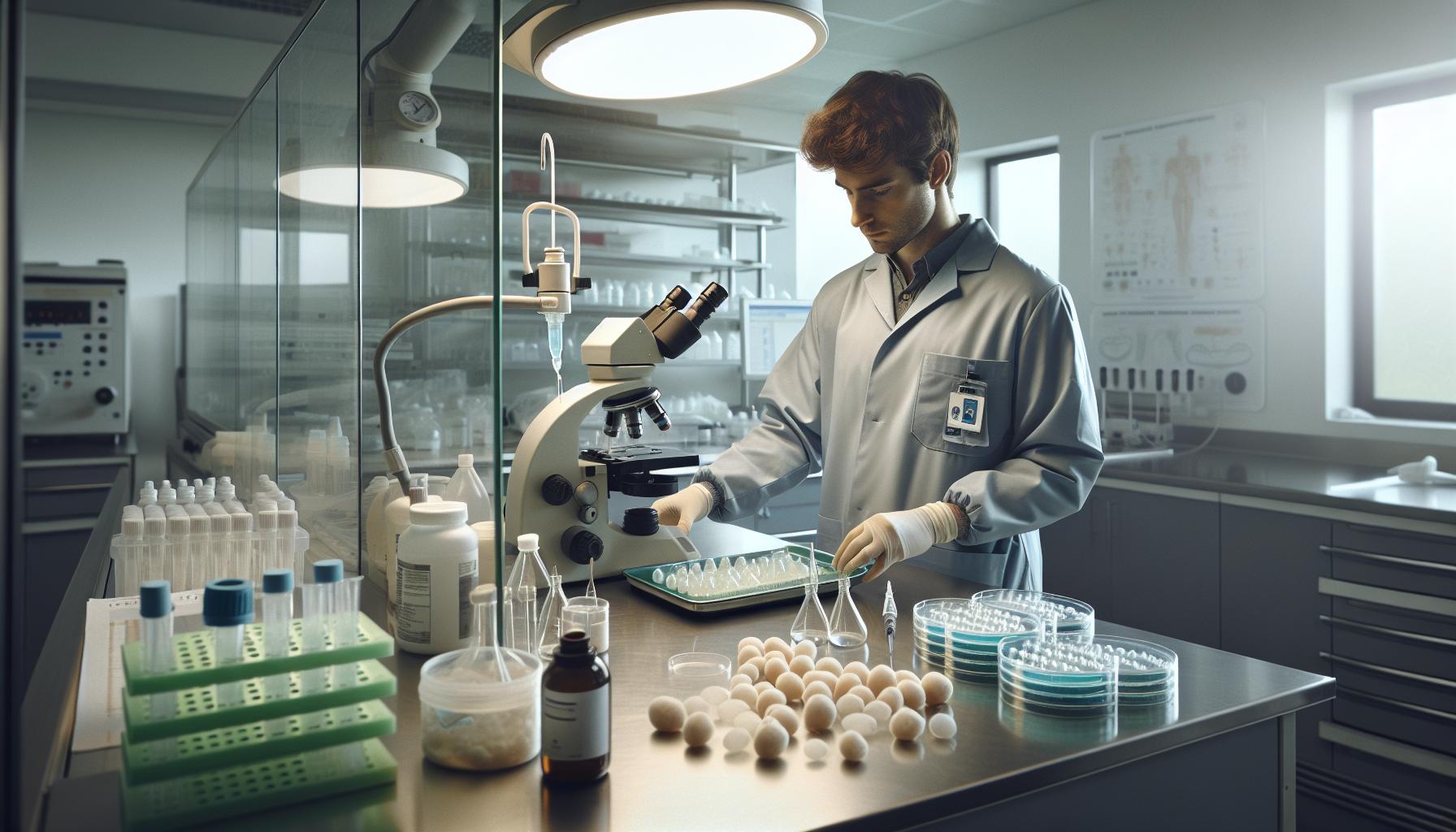
Artificial insemination in horses is a remarkable intersection of veterinary science and genetics, offering numerous benefits for breeders and enthusiasts alike. The procedure allows for careful selection of breeding pairs, maximizing the potential for exceptional offspring while enhancing genetic diversity within the equine population. A key aspect of this process is the proper collection, evaluation, and preservation of semen, which plays a critical role in the success of AI.
Understanding the biology of reproduction in horses is essential for effective artificial insemination. The mare’s reproductive cycle includes distinct phases: estrus and diestrus. Estrus, typically lasting 5 to 7 days, is when the mare is receptive to breeding, and the ovarian follicles undergo significant changes that prepare for ovulation. Timing AI correctly to coincide with ovulation-when the egg is released-is crucial for increasing the chances of conception. Veterinarians often use ultrasound technology to monitor follicle development and predict ovulation accurately.
The types of semen utilized in the process include fresh, cooled, and frozen. Fresh semen has the highest viability and is typically collected and used within 24 hours, while cooled semen can last a few days, allowing more flexibility in scheduling insemination. Frozen semen, though less ideal in terms of sperm quality, can be stored indefinitely, providing access to genetics from stallions located far away. Both the method of collection and the quality of the semen affect the motility (the ability of sperm to move efficiently) and overall health of the sperm, which are pivotal for successful fertilization.
As you embark on the journey of artificial insemination, it’s vital to engage with qualified professionals who understand the intricacies of the procedure and can guide you through each step. From preparing your mare to interpreting test results after insemination, their expertise ensures a smoother experience while maximizing your chances of success in this fascinating area of equine breeding.
Types of Semen Used for Insemination
The success of artificial insemination (AI) in horses heavily depends on the type and quality of semen used. Each variety has distinct characteristics that can impact the chances of conception, thereby influencing breeding strategies. Understanding these different types enables breeders to make informed decisions based on timing, availability, and specific reproductive goals.
Fresh Semen
One of the most effective forms of semen for AI is fresh semen. Collected directly from a stallion, fresh semen has the highest motility and viability, making it ideal for insemination. It typically needs to be used within 24 hours of collection, so timing is crucial. Since it maintains a higher sperm count and mobility, fresh semen is a preferred choice for many breeders aiming for a successful pregnancy.
Cooled Semen
Cooled semen, on the other hand, is specially processed to extend its lifespan beyond the standard 24 hours. It can remain viable for a few days, providing greater flexibility for timing AI with the mare’s ovulation. This is particularly beneficial for breeders who may not have immediate access to a stallion. However, it is essential to note that the motility might be slightly lower compared to fresh semen, which can affect success rates.
Frozen Semen
Frozen semen allows for long-term storage and can transport genetics from stallions anywhere in the world. Although it provides access to a wider gene pool, the freezing and thawing process can adversely affect sperm quality. Consequently, the success rates for insemination using frozen semen are generally lower than that of fresh or cooled varieties. Breeders using frozen semen must be particularly meticulous about timing the insemination to align perfectly with the mare’s estrous cycle, increasing the dependency on accurate hormonal monitoring.
Knowing the pros and cons of each type of semen can guide you in making the best choice based on your specific circumstances. Balancing these factors with the mare’s fertility status and your breeding goals will enhance your chances of a successful outcome in the ever-evolving landscape of equine reproduction.
Preparing Your Horse for AI: Step-by-Step

To achieve a successful artificial insemination (AI) in horses, meticulous preparation is crucial. This process not only outlines the step-by-step actions involved but also emphasizes the importance of understanding your horse’s individual needs and reproductive health.
Begin by assessing the mare’s health. A thorough veterinary examination is essential to identify any underlying health issues that might affect fertility. Your veterinarian will check for ovarian function, uterine health, and overall physical condition. Blood tests may also be recommended to evaluate hormone levels, ensuring that you target the insemination at the appropriate time in the estrous cycle.
Next, establish a timeline that aligns with the mare’s ovulation. Monitoring her heat cycles is essential; most mares display signs of heat every 21 days. To accurately time your AI, routine ultrasounds or blood tests will help determine the optimal window for insemination. Equally important is creating a comfortable environment for your mare. A calm and clean setting reduces stress, which can negatively impact fertility. If possible, keep her in familiar surroundings and minimize disturbances leading up to the intended insemination date.
Essential Preparations
- Nutrition: Ensure your mare is on a balanced diet tailored to her reproductive needs. This includes high-quality hay, grains, and necessary supplements to support overall health and fertility.
- Vaccinations: Consult with your veterinarian to ensure your mare is up-to-date on vaccinations, particularly those that can affect reproductive health.
- Transport and Logistics: If you are using semen from an external stallion, coordinate with the semen provider for timely transport. This involves understanding the type of semen (fresh, cooled, or frozen) and ensuring proper storage and handling are in place.
Following these preparatory steps will not only enhance your mare’s readiness for artificial insemination but will also increase the likelihood of achieving a successful pregnancy. Investing time and resources during this phase lays a solid foundation for what can be an emotionally rewarding journey in equine reproduction.
Timing the Insemination: Key Considerations
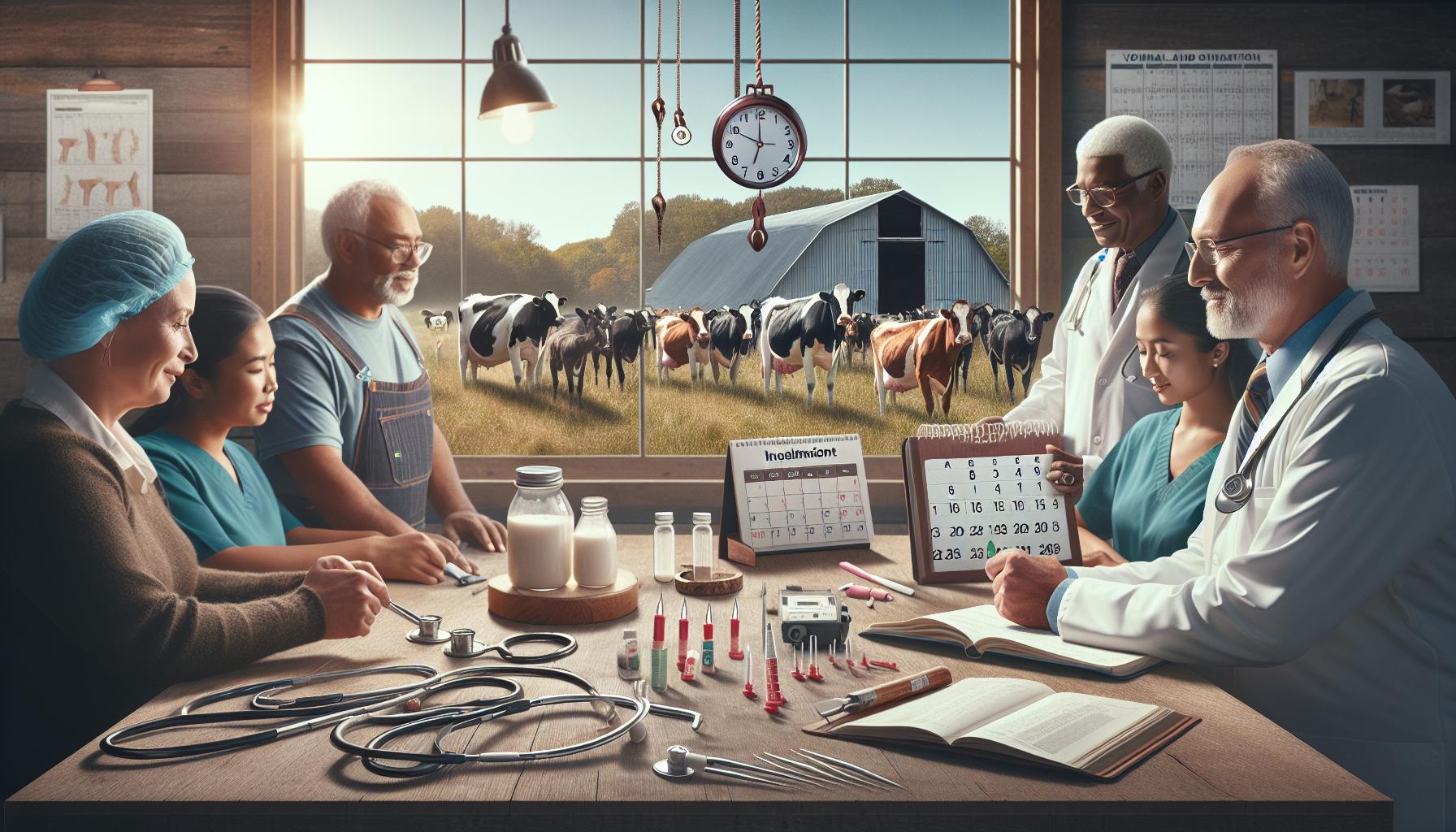
Timing is one of the most critical factors in the success of artificial insemination (AI) in horses. Getting it right can significantly increase the chances of conception. One captivating aspect about equine reproduction is that mares typically have a regular estrous cycle, occurring approximately every 21 days. However, individual variations in cycle length and heat signs make it essential for horse owners to closely monitor their mares. This careful observation sets the stage for effective timing.
To optimize the timing of insemination, routine ultrasound examinations or blood tests are invaluable. They help determine the exact phase of the mare’s cycle, particularly ovulation. A mare is most fertile 24 to 48 hours after she ovulates, making it crucial to time your AI procedure within this window. Utilizing hormone assays can provide deeper insights into the mare’s reproductive status, allowing for a well-informed approach to insemination when she is at peak fertility.
Creating a stress-free environment is equally important when considering the timing of insemination. A calm atmosphere not only helps the mare relax but also facilitates better reproductive function. Ensuring that she is comfortable and that her basic needs are met can make a difference in overall fertility. Familiar surroundings help minimize anxiety, resulting in a more successful AI procedure.
Furthermore, the type of semen being used-whether fresh, cooled, or frozen-also informs the timing. Fresh semen has the shortest viability and is usually best used within 24 hours of collection, while frozen semen can remain viable longer but comes with its own set of challenges due to the freezing and thawing process. Depending on which type of semen you are using, coordination with the semen provider to ensure timely delivery and handling is crucial.
In summary, a systematic approach to monitoring the mare’s estrous cycle, creating a secure environment, and coordinating with semen logistics can dramatically improve the timing of insemination. While the journey to successful conception can sometimes be fraught with challenges and emotional weight, each step taken with care brings you closer to a hopeful outcome.
Steps to Perform Artificial Insemination
The process of artificially inseminating a horse involves meticulous attention to detail and a calm approach, ensuring both the mare and handler are comfortable. Each step is critical to maximizing the chances of a successful conception. The following outlines the necessary actions taken during the artificial insemination procedure.
Preparation and Understanding
Before beginning the insemination process, it’s essential to prepare adequately. Start by ensuring the mare is in the optimal phase of her estrous cycle, ideally within 12 to 24 hours of ovulation. This timing is where her reproductive system is most receptive to conception. Knowledge about the mare’s heat cycle, which can be monitored through ultrasounds or hormonal assays, informs this timing, setting a clear path for successful insemination.
Gathering Necessary Equipment
Collect all essential materials well in advance to avoid any last-minute panic. This includes:
- Artificial insemination gun and proper sheath
- Fitted gloves for handling the semen
- Observational equipment for monitoring (i.e., palpation or ultrasound devices)
- Containers to safely hold and transport semen (if cooled or frozen)
Having everything on hand minimizes stress and allows for a smooth procedure.
Executing the Insemination
Once all preparations are made and the mare is positioned comfortably, follow these steps:
- Physical Preparation: Ensure the mare is secure but relaxed, in a familiar environment. Oftentimes, breeding stocks specifically designed for insemination can be advantageous.
- Semen Handling: Depending on the type of semen being used (fresh, cooled, or frozen):
– Fresh Semen: Must be inseminated immediately after collection.
– Cooled Semen: Typically viable for 24 to 48 hours; proper handling is crucial.
– Frozen Semen: Requires thawing; follow specific protocols to ensure viability.
- Insemination Technique:
– Insert the insemination gun into the mare’s vagina, aiming towards the cervix.
– Gently and slowly deposit the semen into the uterus, allowing for a controlled and careful technique.
- Post-Insemination Monitoring: After the procedure, observe the mare for any irregularities, stress, or signs of distress.
Post-Insemination Care
Immediate post-insemination care is crucial. Allow the mare to rest in a calm environment, potentially in the same place she was inseminated. Hydration and proper nutrition should be ensured during this time. Monitoring her for signs of estrous return or complications will help inform the next steps in her breeding journey.
Successfully executing artificial insemination in horses is as much about skill as it is about understanding the biological and emotional nuances involved. By proceeding thoughtfully and gently, you can help your mare navigate this significant journey towards conception.
Post-Insemination Care for Your Mare
Immediate attention to post-insemination care ensures that your mare remains healthy and comfortable, which is vital for optimizing her chances of conception. After the procedure, it’s essential to provide a tranquil environment where she can recover without stress. The first step is to keep her in the familiar location where insemination took place, helping to reduce anxiety and allow her to relax.
Hydration plays a crucial role in recovery, so ensure that your mare has access to fresh water at all times. Along with hydration, maintaining proper nutrition is equally important. A balanced diet rich in vitamins and minerals supports her overall well-being and her reproductive health. If possible, consider discussing her feeding regimen with a veterinarian or an equine nutritionist to tailor it specifically for her post-insemination needs.
Monitoring is another critical aspect of post-insemination care. Keep a close eye on her for any signs of distress or complications. Observing her behavior will help you notice unusual signs such as abnormal discharge, persistent colic, or changes in appetite. If any concerns arise, don’t hesitate to contact your veterinarian for guidance. Regular check-ups with a vet can also offer insights into her reproductive cycle and health, allowing for timely interventions if needed.
This journey towards conception can be filled with hope and uncertainty. Celebrate the small milestones along the way, and be prepared to handle any emotional challenges with compassion and understanding. Engage with your mare gently, providing reassurance and comfort throughout this important time, affirming her significance in the breeding process.
Common Challenges in Artificial Insemination
(AI) can significantly affect both the success of the procedure and the emotional well-being of horse owners navigating this complex journey. One primary issue is the timing of insemination, which is critical for achieving pregnancy. Miscalculating the optimal window for insemination can lead to missed opportunities, emphasizing the need for vigilant monitoring of the mare’s heat cycle. Tools like hormone assays and ultrasound examinations can help pinpoint the best time for insemination, but these services can add to the overall cost.
Another challenge lies in the quality and storage conditions of the semen used. Artificial insemination can utilize fresh, cooled, or frozen semen, each with its own protocols and success rates. Fresh semen typically has the highest conception rates, while frozen semen, while allowing for greater flexibility, may present lower success rates if not handled properly. Horse owners must be educated about the specifics of semen management, including thawing techniques and optimal insemination timing relative to the mare’s ovulation.
In addition to technical challenges, emotional and psychological factors play a significant role in the AI process. The anticipation and uncertainty surrounding conception can be stressful for horse owners, who often invest considerable time, effort, and financial resources into the endeavor. Open communication with veterinarians or reproductive specialists can help foster a supportive environment, offering reassurance and practical advice to help mitigate anxiety. Celebrating small milestones, such as successful insemination or positive pregnancy checks, can provide emotional relief and a sense of accomplishment amid the inherent unpredictability of artificial insemination.
Lastly, owners may encounter legal and ethical dilemmas, particularly surrounding the use of frozen semen from specific stallions and the right to breed. Navigating these aspects requires thorough research and potentially legal consultation to ensure that all practices comply with local regulations. By acknowledging these challenges and maintaining a proactive, informed approach, horse owners can enhance their likelihood of success while also fostering a compassionate and understanding atmosphere during this intricate journey.
Evaluating Success Rates of AI in Horses
Success rates in artificial insemination (AI) for horses can vary considerably based on a multitude of factors, making it essential for owners to understand both the statistical realities and the influencing elements surrounding this process. On average, the conception rate for AI using fresh semen is approximately 60-75%, while cooled semen may present slightly lower rates of around 50-65%. Frozen semen, despite its advantages in terms of logistics and breeding flexibility, tends to yield conception rates ranging from 40-60%. These variations can significantly impact decision-making for horse owners who are navigating the emotional and financial commitments involved in breeding.
Factors Influencing Success Rates
Several key factors influence the success of AI in horses, and being aware of them can help owners enhance their chances of achieving a successful pregnancy:
- Timing of Insemination: Correctly timing the insemination according to the mare’s ovulation cycle is crucial. Utilizing hormone assays and monitoring tools can assist in identifying the optimal window for insemination.
- Semen Quality: The viability of semen is paramount. Fresh semen generally provides the best outcomes, whereas frozen semen requires careful thawing and handling to ensure sperm motility and fertility.
- Mare’s Health: The overall health and reproductive status of the mare also play a vital role. Factors such as age, breeding history, and any underlying health issues can affect success rates.
- Experience of the Veterinarian: Skilled practitioners who are experienced in equine reproduction often achieve higher success rates due to their knowledge of techniques and protocols.
Understanding these aspects not only helps in managing expectations but empowers horse owners to take actionable steps to improve their outcomes. It’s important to acknowledge that the journey of artificial insemination can be filled with emotional highs and lows. Celebrating small victories, like a successful insemination procedure or receiving a positive pregnancy check, can help mitigate stress and foster hope during a period of uncertainty.
Ultimately, clients should engage in open discussions with their reproductive specialists to understand their specific circumstances better. By creating a supportive network and maintaining realistic aspirations, horse owners can navigate the AI process with a greater sense of reassurance while working towards their breeding goals.
Costs Involved in Equine Artificial Insemination
The financial aspects of artificial insemination (AI) in horses can be complex, encompassing a range of costs that owners should be prepared for as they embark on their breeding journey. Understanding these expenses not only helps in budgeting effectively but also promotes informed decision-making throughout the process.
One significant cost factor is the semen itself, which varies significantly based on whether it is fresh, cooled, or frozen. Fresh semen typically costs between $300 to $1,000, while cooled can range from $600 to $1,200. Frozen semen may be more expensive, often ranging from $800 to $2,500, depending on the stallion’s pedigree and demand. Additionally, shipping fees for cooled or frozen semen can add $100 to $500 to your overall expenses, especially if the semen must be sent overnight or over long distances.
Another essential cost is the veterinary services required for insemination, which might range from $200 to $500 per cycle. This often includes a breeding soundness exam for the mare, ultrasound exams for monitoring her reproductive cycle, and the insemination procedure itself. If hormonal treatments are necessary to optimize ovulation timing, these can add another $100 to $300 to your total costs.
Additional Considerations
It’s also crucial to account for post-insemination care, which may involve follow-up veterinary visits for pregnancy checks or treatments if the mare does not conceive. These checks typically occur approximately 14-16 days after insemination and usually cost between $50 to $150.
Furthermore, if complications arise or if a second cycle is needed, costs can escalate quickly. Planning for potential repeat insemination procedures can help mitigate sticker shock-each additional attempt may require similar veterinary and semen costs.
In summary, the financial commitment associated with AI in horses is substantial, often ranging from a few hundred to several thousand dollars per cycle. Careful planning, budgeting, and open communication with your veterinarian can help navigate these expenses while remaining mindful of the emotional journey involved in achieving a successful pregnancy. Remember, each step is an investment not just in your horse’s future but in your shared journey together.
Legal and Ethical Considerations in AI
The topic of artificial insemination (AI) in horses is not only a matter of reproductive science; it also encompasses various legal and ethical considerations that every horse owner and breeder should be mindful of. As you approach the process of AI, understanding the legal frameworks and ethical implications can ensure that you respect both animal welfare and the rights of all parties involved.
One key legal aspect to consider is the regulation surrounding the use of genetic material. Each jurisdiction may have different laws regarding the collection, storage, and transportation of semen, particularly for cooled or frozen options. These regulations exist to ensure proper handling and the prevention of disease transmission. Owners must verify that they are purchasing semen from reputable sources that comply with all local and international regulations. For instance, stallion owners often need to provide health certifications and pedigree verification before their semen can legally be sold or shipped.
Moreover, ethical considerations revolve around the welfare of the mare and any potential offspring. Ensuring that the mare is healthy and ready for AI is paramount. This involves thorough veterinary assessments and adhering to proper breeding protocols. Ethical breeding practices also call for transparency in intentions and methods. Open communication between horse owners, breeders, and veterinarians helps cultivate trust and ensures that decisions made are in the best interest of all parties.
It’s also essential to consider the emotional implications of AI for all involved. Breeding can be a deeply personal journey for many owners, who may experience a range of feelings from hope to anxiety as they embark on this process. Creating an environment that respects these emotions while prioritizing professional guidance will benefit everyone. In essence, a commitment to both legal compliance and ethical breeding not only aids in achieving a successful pregnancy but also fosters a respectful and caring breeding community.
Future Innovations in Equine Reproduction Techniques
The landscape of equine reproduction is evolving rapidly, ushering in exciting innovations that hold the potential to transform artificial insemination (AI) practices. As our understanding of equine genetics and reproductive physiology deepens, new technologies are emerging that increase efficiency, enhance success rates, and prioritize the welfare of both mare and foal.
One remarkable advancement is the refinement of semen processing techniques. The development of enhanced cryopreservation methods allows for better preservation of semen quality, ensuring higher motility and viability post-thaw. This means that cooled and frozen semen can be transported over longer distances without significant loss of fertility potential. As the equine industry becomes more globalized, these technologies facilitate access to superior genetics, enabling breeders to pair their mares with outstanding stallions regardless of location.
Another exciting trend is the integration of artificial intelligence (AI) systems into reproductive management. These innovations utilize algorithms to analyze various factors-such as hormonal levels, ultrasound imaging, and historical breeding data-to predict optimal insemination timing with remarkable accuracy. This precision significantly enhances the chances of conception, while also reducing the stress associated with the traditional trial-and-error methods of timing.
In addition to technological advancements, there are ongoing efforts to enhance the understanding of genetics in equine reproduction. Research into genetic markers that predict fertility traits can lead to selective breeding strategies that prioritize not only performance but also reproductive success. By understanding how certain genes influence fertility, breeders can make more informed decisions that align with both performance goals and reproductive efficiency.
As these innovations continue to emerge, the emotional landscape of breeding-often filled with hope and uncertainty-can be supported by enhanced knowledge and resources. The focus on scientific advancements ensures that breeders are equipped with the latest tools to navigate the complexities of equine reproduction, while fostering a community that values empathetic support and successful breeding outcomes.
Frequently asked questions
Q: What is the best time to artificially inseminate a horse?
A: The best time to artificially inseminate a horse is during her ovulation, which typically occurs 24-48 hours after the luteinizing hormone surge. Monitoring the mare’s heat cycle and using ovulation detectors can help identify this optimal timing for effective insemination.
Q: How much does artificial insemination for horses cost?
A: The cost of artificial insemination in horses can vary significantly, typically ranging from $300 to $1,500 depending on veterinary fees, semen quality, and additional care needed. Always consult your veterinarian for an accurate estimate tailored to your specific situation.
Q: What type of semen is used for horse artificial insemination?
A: Both fresh and frozen semen can be used for artificial insemination in horses. Fresh semen is preferred for its higher motility, while frozen semen is useful for breeding across longer distances and can be used when fresh is unavailable.
Q: Can all horse breeds be artificially inseminated?
A: Yes, artificial insemination can be successfully performed on all horse breeds. However, certain breeds may have specific nuances in breeding practices or handling, so consulting with a knowledgeable vet can provide tailored advice for your particular breed.
Q: How do you prepare a mare for artificial insemination?
A: Preparing a mare for artificial insemination involves ensuring she is in good health, managing her nutrition, and monitoring her heat cycle for optimal timing. A thorough vet examination may also be recommended to assess her reproductive status.
Q: What are the common challenges in equine artificial insemination?
A: Common challenges in equine artificial insemination include timing inaccuracies, semen quality issues, and the mare’s health conditions. Identifying these challenges early with regular veterinary consultation can improve success rates.
Q: How long after insemination can you detect pregnancy in horses?
A: Pregnancy detection in horses can typically be done 14-16 days after insemination via ultrasound. Blood tests are also an option, confirming pregnancy as early as 14 days post-insemination.
Q: What should you do after inseminating a mare?
A: After inseminating a mare, she should be kept calm and monitored for signs of estrus or health issues. Ensure she has proper nutrition and hydration, and follow any specific post-care instructions from your veterinarian to support her health.
Future Outlook
As you embark on the journey of artificial insemination for your horse, remember that preparation and understanding are key to success. This guide has equipped you with the essential steps and considerations to navigate this process with confidence. Don’t hesitate to explore our related articles on equine reproductive health and breeding management for deeper insights and resources that can enhance your knowledge.
If you have any lingering questions or need personalized advice, our team is here to assist you-reach out for a consultation today! Additionally, subscribe to our newsletter for the latest updates and tips to ensure your equine endeavors are as fruitful as possible.
Artificial insemination not only opens new doors for breeding possibilities but also promotes overall health and breeding success. Take action now, and let your horse be part of a vibrant lineage! Explore further to unlock the full potential of your equine breeding plans.